


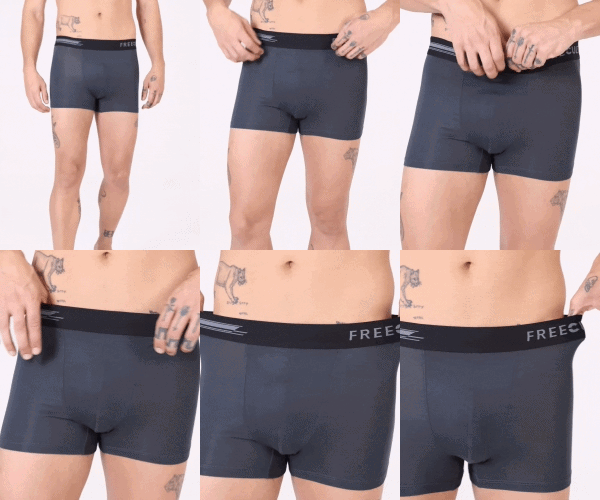
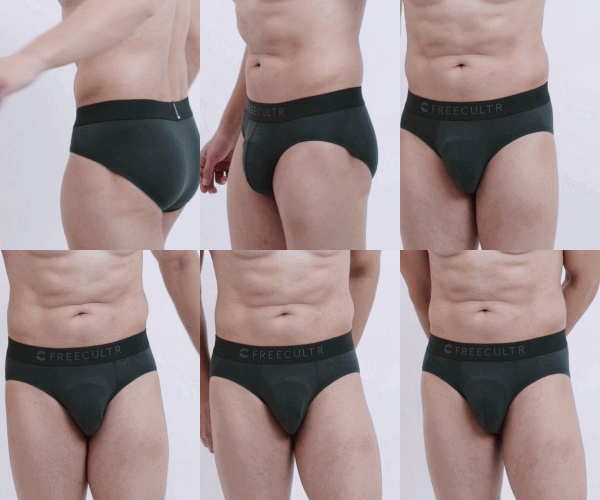
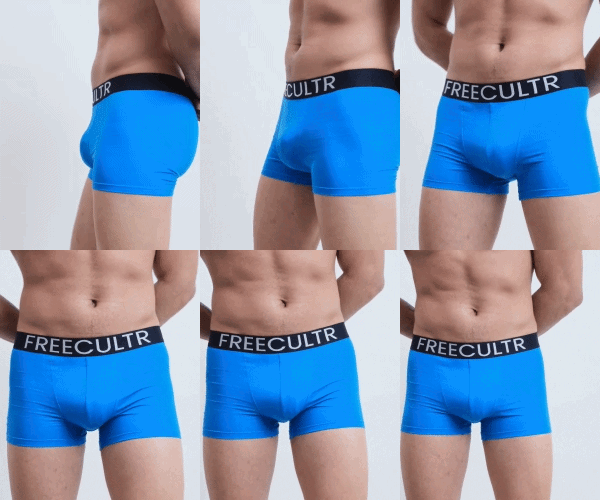
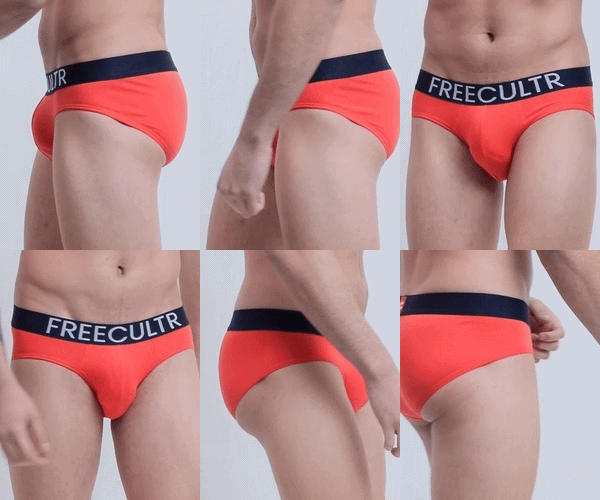





Quick Summary: Choosing the right Men's Briefs comes down to four factors: fabric breathability (cotton or modal blends work best), a contoured pouch that supports without squeezing, a waistband that sits flat without rolling, and a leg cut that prevents ride-up. Quality briefs should feel invisible after 10 minutes of wear. If you're adjusting them more than twice a day, the fit or fabric is wrong. Start with your activity level and body type, then match fabric weight and support structure accordingly.
Most men wear the wrong underwear for years before realizing comfort isn't supposed to be a compromise. You adjust, tug, and tolerate chafing because that's just how briefs feel, right? Wrong.
The difference between mediocre and exceptional Men's Briefs isn't about price tags or brand hype. It's about understanding how fabric structure, pouch geometry, and waistband engineering work together. A brief that fits your roommate perfectly might bunch on you within an hour. Body type, thigh circumference, and even how you sit at a desk all change what "supportive" actually means.
This guide breaks down the technical elements that separate all-day comfort from constant readjustment. You'll learn which fabrics handle sweat without going clammy, how different pouch designs affect support during movement, and why the leg opening matters more than most buying guides admit. No fluff, no generic advice , just the specific criteria that help you pick briefs that actually work for your body and routine.
Why Does Fabric Choice Matter Most?
The fabric you choose determines how your briefs perform across temperature regulation, moisture management, and skin health , cotton offers breathability and familiarity, modal delivers silky softness with superior moisture wicking, bamboo provides natural antimicrobial properties, and synthetic blends excel in athletic scenarios where quick-dry performance matters most.
Fabric isn't just about feel. It's about how your body responds over 8-12 hours of wear. Natural fibres like cotton remain the gold standard for everyday comfort because they allow air circulation and absorb moisture without trapping heat. But cotton has limits , it holds water longer than modern alternatives, which can lead to chafing during active days.
Modal and micro-modal fabrics have changed the game. These cellulose-based materials feel softer than cotton, resist shrinkage better, and pull moisture away from skin faster. Dermatologists note that moisture-wicking fabrics reduce friction-related irritation, making modal an excellent choice for men with sensitive skin or those who spend long hours seated.
Bamboo fabric brings natural antimicrobial properties to the table. It resists odour-causing bacteria without chemical treatments, which means your briefs stay fresher between washes. The trade-off? Bamboo blends can be pricier than standard cotton, typically ranging from ₹600-1,200 per pair in India.
Synthetic blends , polyester, nylon, spandex , shine in athletic contexts. They dry fast, stretch without losing shape, and handle sweat better than any natural fibre. But wear them all day in hot weather and you'll notice the difference: synthetics trap heat and can feel clammy when you're not actively moving.
What works best for you? Match fabric to your daily routine. Desk job with climate control? Cotton or modal. Gym sessions or outdoor work? Synthetic blends. Skin irritation history? Bamboo or organic cotton. The right fabric choice eliminates 80% of comfort complaints before you even consider fit.
Key Features That Ensure Proper Support
Proper support in men's briefs comes from four structural elements working together: a contoured pouch that lifts without compression, a waistband that sits flat without rolling, leg openings that stay in place without binding, and strategically placed seams that eliminate pressure points in high-movement areas.
The pouch design separates mediocre briefs from exceptional ones. A well-engineered pouch uses a three-dimensional cut that provides space and lift without feeling like you're wearing athletic protection. Flat-front pouches compress everything against your body, creating discomfort and restricting airflow. Look for briefs with a contoured or anatomical pouch , brands like Freecultr build this into their micro-modal range, using soft seams that follow natural body contours.
Waistband construction matters more than most men realise. A quality waistband should be 2.5-4 cm wide, use covered elastic (not exposed rubber), and distribute pressure evenly across your hips. Cheap briefs use narrow, exposed elastic that digs in and loses tension after a few washes. The waistband should sit just below your natural waistline without needing constant adjustment.
Leg openings determine whether your briefs stay put or ride up throughout the day. The best designs use a slightly curved cut that follows your leg's natural shape, with just enough elastic tension to stay in place without creating visible lines or restricting circulation. Too tight and you get thigh bulge; too loose and the fabric bunches.
| Feature | Premium Quality | Budget Quality |
|---|---|---|
| Pouch Design | 3D contoured, separate panels, soft seams | Flat front, single-piece construction |
| Waistband | 3-4 cm wide, covered elastic, logo woven in | 1-2 cm narrow, exposed elastic, printed logo |
| Seams | Flatlock or bonded, placed away from contact zones | Standard overlock, placed at pressure points |
| Leg Openings | Curved cut, covered elastic, reinforced stitching | Straight cut, exposed elastic, basic hem |
Seam placement is where cheap manufacturing shows itself immediately. Premium briefs use flatlock seams or bonded construction that sits flat against skin. Standard overlock seams create raised ridges that rub against your inner thighs and cause irritation during movement. Check where seams fall , they should never run directly along high-friction zones.
Fly or no fly? This comes down to personal preference and daily routine. A functional fly adds convenience but introduces extra fabric layers and potential pressure points. Flyless designs offer cleaner lines and eliminate bulk, but require pulling the waistband down. Most men under 40 prefer flyless for everyday wear; those who dress formally for work often want the fly option.
How Should Quality Briefs Actually Fit?
Quality briefs should fit snugly enough to provide support without compression , the waistband should sit flat without rolling or digging in, the pouch should hold everything comfortably in place without squeezing, and the leg openings should stay put without creating visible lines or restricting movement when you sit, walk, or bend.
Start with the waistband position. It should rest just below your natural waistline (roughly where your hip bones sit), not down on your hips like low-rise styles. If you can fit more than two fingers between the waistband and your skin, size down. If the elastic leaves red marks after normal wear, size up or try a different brand with wider waistbands.
The pouch fit tells you everything about whether the brief actually works for your body. You should feel supported but not compressed. There shouldn't be excess fabric bunching in front, but you also shouldn't feel like everything is pushed flat against your body. Stand, sit, and do a few squats in the fitting room , the pouch should maintain its shape and position through all movements.
Leg openings are where most men get sizing wrong. They should follow your leg's natural curve without creating a visible line under trousers. If you see fabric bunching at the leg opening, the brief is too large. If you feel the elastic cutting into your thigh or see skin bulging over the edge, size up. The sweet spot is when you forget the leg openings exist.
How Do I Choose the Right Size of Men's Briefs?
Ignore the size label and measure yourself. Wrap a soft measuring tape around the widest part of your hips (usually 20-23 cm below your belly button). That measurement in centimetres is your brief size guide:
- 71-76 cm: Size S
- 76-81 cm: Size M
- 81-91 cm: Size L
- 91-102 cm: Size XL
- 102-112 cm: Size XXL
These ranges vary slightly by brand. Freecultr's sizing runs true to these measurements in their modal and bamboo collections. If you're between sizes, consider your body type: athletic builds with larger thighs should size up for leg room; slim builds can size down for a closer fit.
Fabric stretch matters for sizing decisions. Cotton has minimal give and will feel tighter after washing. Modal and bamboo blends have 10-15% natural stretch and maintain it better over time. Synthetic blends offer the most stretch but can lose elasticity faster. Buy cotton briefs that feel slightly loose when new; buy modal briefs that feel right immediately.
Try the sit test before buying. Sit down in the fitting room and cross your legs. The waistband shouldn't roll down, the pouch shouldn't shift uncomfortably, and the leg openings shouldn't ride up. If any of these happen, the fit is wrong regardless of what the size tag says.
Comparing Popular Brief Styles and Cuts
Men's briefs come in four main styles that differ in coverage and support level: classic briefs offer full front coverage with a traditional high-cut leg, hip briefs sit lower on the waist with moderate leg coverage, bikini briefs provide minimal coverage with the lowest rise and highest leg cut, and jockbrief hybrids combine a supportive pouch with open-back athletic design.
Classic briefs remain the most popular style in India, accounting for roughly 60% of men's underwear purchases. They provide maximum coverage, sit at or just below the natural waistline, and offer the most support. The higher leg cut can feel restrictive if you're not used to it, but it eliminates fabric bunching under fitted trousers. Classic briefs work best for formal wear, long days at the office, and men who prioritise support over minimal coverage.
Hip briefs (sometimes called low-rise briefs) sit 5-8 cm below your natural waistline. They offer a modern look with slightly more leg coverage than classic cuts. This style has gained popularity with younger men who want the support of briefs without the "old-fashioned" high waistline. Hip briefs work well under jeans and casual trousers, but the lower rise can create a muffin-top effect if you size incorrectly.
Bikini briefs take minimalism to the extreme. They sit low on the hips with high-cut legs that provide maximum thigh freedom. This style uses less fabric, which means better breathability and no visible lines under fitted clothing. The trade-off? Less support and coverage. Bikini briefs suit slim builds, hot climates, and men who find traditional briefs too restrictive. They're not ideal for athletic activities or long days that involve lots of movement.
Jockbrief styles combine a supportive front pouch with an athletic-inspired open or minimal back. Originally designed for sports, they've crossed into everyday wear for men who want maximum support with minimal fabric. The open-back design eliminates sweat buildup and provides complete freedom of movement. Jockbriefs work exceptionally well for gym sessions, running, and hot weather, but the exposed back makes them less practical under fitted trousers.
What Are the Differences Between Briefs, Boxers, and Boxer Briefs?
Briefs provide the most support with minimal fabric, ending at the top of the thigh. Boxers offer loose, shorts-like coverage with no support structure , they're comfortable for sleeping but provide zero athletic support. Boxer briefs combine the support of briefs with extended leg coverage, ending mid-thigh.
Each style serves different needs. Briefs excel at support and work best under fitted clothing. Boxers prioritise airflow and comfort for lounging. Boxer briefs offer the best all-around performance for active lifestyles, which is why they've become the dominant style globally. But for men who want maximum support with minimal bulk, briefs remain unmatched.
Are Briefs Better for Athletic Activities?
Yes, for most activities. Briefs keep everything secure without the excess fabric that can bunch, chafe, or restrict movement. Running, cycling, and gym workouts all benefit from the close fit and support structure of quality briefs. The key is choosing briefs made from moisture-wicking synthetic blends rather than cotton, which holds sweat and increases friction.
Jockbrief styles take athletic performance further by eliminating back fabric entirely, maximising airflow and reducing weight. Competitive athletes and serious gym-goers often prefer this style for high-intensity training. For casual exercise and everyday movement, standard briefs in modal or synthetic blends provide plenty of support.
What Fabrics Are Best for Men's Briefs?
The best fabric depends on your priorities: 100% cotton delivers classic comfort and breathability for everyday wear, micro-modal offers superior softness and moisture management for all-day comfort, bamb
Conclusion
Choosing the right men's briefs comes down to three non-negotiables: fabric that breathes, a fit that supports without squeezing, and a cut that matches your daily routine. Micro-modal and bamboo blends deliver year-round comfort, while a snug waistband and contoured pouch prevent chafing and keep everything in place. The style you pick should work with your wardrobe and activity level, whether that's classic full-coverage or a modern low-rise cut.
Don't settle for underwear that rides up or loses shape after a few washes. Quality briefs are an investment in daily comfort, and the difference shows in how you move, sit, and feel throughout the day. If you're ready to upgrade your essentials with premium fabrics and thoughtful design, explore Freecultr's collection of men's innerwear crafted for real comfort and lasting support.
About freecultr
Freecultr is India's emerging D2C brand reimagining wardrobe essentials into premium comfort wear. The collection spans innerwear for him and her, tees, socks, and accessories, all curated with sustainability and style in mind. Thoughtful design meets high-quality fabrics like micro-modal, bamboo, and organic cotton, ensuring breathability, softness, and durability year-round. According to the Centers for Disease Control and Prevention, choosing the right fabric for intimate apparel can reduce skin irritation and improve overall hygiene.
More Articles
How to Choose the Best Underwear Men Combo for Comfort and StyleThe Complete Guide to Choosing the Best Trunks for Men
How to Buy the Best Undies for Men Online in India with Freecultr
What Underwear Brands Are Trending Right Now and Why You Should Know
FAQs
Why Does Fabric Choice Matter Most?
The fabric you choose determines how your briefs perform across temperature regulation, moisture management, and skin health , cotton offers breathability and familiarity, modal delivers silky softness with superior moisture wicking, bamboo provides natural antimicrobial properties, and synthetic blends excel in athletic scenarios where quick-dry performance matters most.
What are the key Features That Ensure Proper Support?
Proper support in men's briefs comes from four structural elements working together: a contoured pouch that lifts without compression, a waistband that sits flat without rolling, leg openings that stay in place without binding, and strategically placed seams that eliminate pressure points in high-movement areas.
How Should Quality Briefs Actually Fit?
Quality briefs should fit snugly enough to provide support without compression , the waistband should sit flat without rolling or digging in, the pouch should hold everything comfortably in place without squeezing, and the leg openings should stay put without creating visible lines or restricting movement when you sit, walk, or bend.
How Do I Choose the Right Size of Men's Briefs?
Ignore the size label and measure yourself. Wrap a soft measuring tape around the widest part of your hips (usually 20-23 cm below your belly button).
What is Comparing Popular Brief Styles and Cuts?
Men's briefs come in four main styles that differ in coverage and support level: classic briefs offer full front coverage with a traditional high-cut leg, hip briefs sit lower on the waist with moderate leg coverage, bikini briefs provide minimal coverage with the lowest rise and highest leg cut, and jockbrief hybrids combine a supportive pouch with open-back athletic design.
What Are the Differences Between Briefs, Boxers, and Boxer Briefs?
Briefs provide the most support with minimal fabric, ending at the top of the thigh. Boxers offer loose, shorts-like coverage with no support structure , they're comfortable for sleeping but provide zero athletic support.
Are Briefs Better for Athletic Activities?
Yes, for most activities. Briefs keep everything secure without the excess fabric that can bunch, chafe, or restrict movement.

