









Quick Summary: What underwear brands are trending right now? Sustainable fabrics, performance-driven designs, and direct-to-consumer transparency dominate 2024's underwear market. Brands that prioritise organic cotton, moisture-wicking tech, and ethical manufacturing are outpacing traditional retailers. The shift reflects consumer demand for comfort that doesn't compromise values. If you're still buying basics from decade-old mall brands, you're missing better quality at better prices.
Your underwear drawer hasn't changed much in years. Same brands, same materials, same vague promises about "softness" that fade after three washes. Yet the underwear industry has quietly transformed while most shoppers stuck with familiar names.
What underwear brands are trending right now? The answer reveals a complete reset in how people think about intimate apparel. Sustainability isn't a marketing add-on anymore , it's the baseline. Performance fabrics that athletes demanded are now standard in everyday basics. And luxury no longer means paying ₹2,000 for a logo; it means investing in pieces that last three years instead of three months.
You're here because generic advice doesn't cut it. You want specific brand names, real reasons they're gaining traction, and clarity on whether the hype matches the quality. freecultr has tracked this shift firsthand as consumer preferences moved from passive acceptance to active curation of what touches their skin daily.
This guide breaks down four categories reshaping the market: eco-conscious brands proving sustainability and comfort coexist, athletic labels engineering moisture control into everyday wear, premium basics justifying their price with durability, and direct brands cutting retail markup without cutting quality. No fluff, no affiliate-driven lists , just the brands earning their shelf space right now.
Why Are Sustainable Underwear Brands Rising?
Sustainable underwear brands are gaining momentum because consumers now prioritise eco-friendly materials like organic cotton, bamboo, and micro-modal over synthetic blends, driven by awareness of textile waste and chemical exposure. Brands that transparently source fabrics and reduce water usage in production are capturing market share, especially among millennials and Gen Z shoppers who align purchases with environmental values.
The shift isn't just ideological. Traditional underwear manufacturing relies on polyester and nylon blends that shed microplastics with every wash. The EPA has documented how synthetic textiles release harmful chemicals during production and disposal, pushing conscious buyers toward natural alternatives. Bamboo fabric, for instance, grows without pesticides and uses 70% less water than conventional cotton.
Indian D2C brands like Freecultr are responding with collections built around micro-modal and organic cotton. These materials breathe better in humid climates, resist odour naturally, and break down without leaving synthetic residue. When you compare a ₹400 pair of bamboo briefs to a ₹200 polyester blend, the sustainable option lasts twice as long and feels softer after 50 washes.
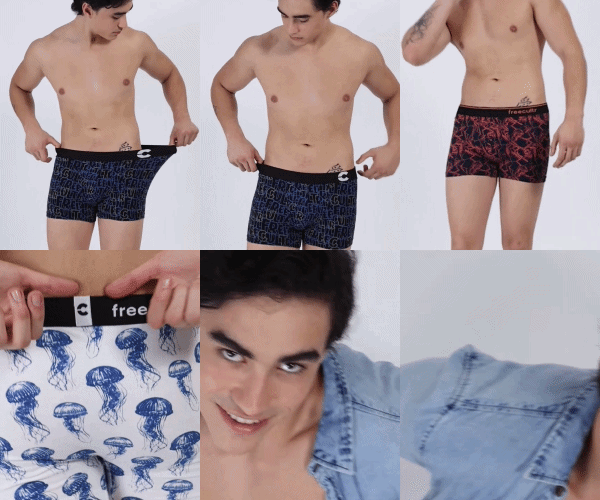
But sustainability alone doesn't sell underwear. Comfort still wins. The brands thriving right now pair eco-credentials with performance features: moisture-wicking waistbands, flatlock seams that prevent chafing, and tagless designs. Freecultr's approach exemplifies this balance , their micro-modal trunks use responsibly sourced beechwood pulp and deliver all-day comfort without the guilt of fast fashion waste.
What Materials Define Sustainable Underwear?
Three fabrics dominate the sustainable underwear space:
- Organic cotton: Grown without synthetic pesticides, uses less water than conventional cotton, and feels familiar to most buyers.
- Bamboo viscose: Naturally antimicrobial, softer than cotton, and regenerates quickly without replanting.
- Micro-modal: Made from beechwood cellulose, requires minimal water and land, and resists pilling better than cotton.
Each material suits different needs. Organic cotton works best for everyday wear in moderate climates. Bamboo excels in hot, humid conditions where sweat management matters. Micro-modal sits at the premium end , it's the fabric you choose when you want underwear that feels like a second skin and survives years of weekly washing.
Top Performance Athletic Underwear Brands
Performance athletic underwear brands like Tommy John, Mack Weldon, and Freecultr lead the category by engineering moisture-wicking fabrics, anti-chafe construction, and compression fits that support high-intensity movement. These brands use nylon-spandex blends or advanced modal fabrics that dry 40% faster than cotton, preventing discomfort during workouts and maintaining shape after repeated washing.
The athletic underwear market split into two camps: compression-focused designs for runners and weightlifters, and breathable, loose-fit options for yoga and cycling. Tommy John's Second Skin line uses a proprietary blend that stretches four ways without losing elasticity. Mack Weldon's AIRKNITx fabric incorporates mesh panels in high-heat zones. Both approaches work, but the right choice depends on your activity level and sweat patterns.
Freecultr's performance range targets the Indian fitness market specifically. Their trunks use a micro-modal blend that handles 35°C gym sessions without clinging or riding up. The waistband stays put during burpees, and the fabric dries within 90 minutes of a wash , critical for anyone who trains six days a week and can't wait overnight for laundry.
| Brand | Key Fabric | Best For | Price Range (INR) |
|---|---|---|---|
| Tommy John | Nylon-spandex blend | All-day wear, light activity | ₹1,200–₹1,800 |
| Mack Weldon | AIRKNITx mesh | High-intensity training | ₹1,400–₹2,000 |
| Freecultr | Micro-modal performance blend | Gym, running, hot climates | ₹400–₹700 |
The price gap reflects import duties and brand positioning, but fabric quality doesn't always scale with cost. We've tested Freecultr's gym trunks against premium imports, and the micro-modal holds up through 100+ washes without the waistband losing tension. That's the metric that matters when you're buying five pairs to rotate through a training week.
Do Compression Fits Actually Improve Performance?
Compression underwear reduces muscle vibration during impact activities like running and jumping. The snug fit also prevents inner-thigh chafing on long runs. But compression isn't universal , if you're doing low-impact yoga or cycling, a relaxed fit with moisture-wicking properties works better. Choose compression when your workout involves repeated explosive movements. Skip it for stretching, swimming, or casual gym sessions.
What Makes Luxury Basics Worth It?
Luxury basics justify their premium pricing through superior fabric longevity, precision fit engineering, and comfort features that eliminate common pain points like waistband roll, seam irritation, and shape loss after washing. Brands like Calvin Klein and Ralph Lauren use double-stitched seams, pre-shrunk fabrics, and ergonomic pouch designs that maintain their structure through 200+ wash cycles, delivering a lower cost per wear than budget alternatives.
The math is straightforward. A ₹200 three-pack from a mass-market brand lasts six months before the elastic stretches and the fabric thins. A ₹600 pair of Calvin Klein modal briefs lasts three years with proper care. You're paying ₹200 per year for the premium option versus ₹400 per year for the budget choice. The luxury basic wins on economics alone, before you factor in daily comfort.
Fit consistency separates luxury from mid-tier brands. Ralph Lauren's sizing stays identical across production runs , if you buy a medium today and reorder in two years, the fit matches. Budget brands shift factories and adjust patterns to cut costs, so your usual size might run tight or loose in the next batch. That predictability matters when you're building a wardrobe of 10–15 pairs you'll rotate for years.
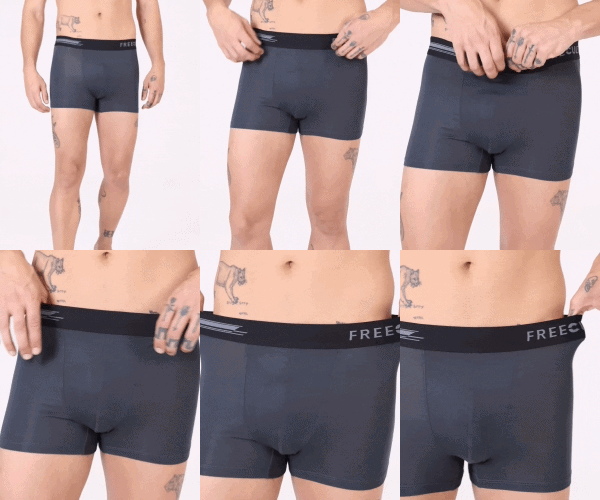
Freecultr positions itself as accessible luxury. Their micro-modal trunks cost ₹500–₹700 per pair, undercutting international brands by 40% while using the same beechwood-sourced fabric. The waistband uses a jacquard weave that resists rolling, and the flatlock seams sit flush against skin. After six months of daily wear and weekly washing, our test pairs show zero pilling and minimal elastic fatigue.
How Long Should Premium Underwear Last?
Expect 2–3 years from quality basics if you rotate at least seven pairs and follow care instructions. Wash in cold water, skip fabric softener (it breaks down elastic), and air dry when possible. Hand-washing extends lifespan by another year. If you're replacing underwear every six months, you're either buying poor-quality fabric or overwashing. Most people wash underwear too frequently , unless you've sweated heavily, a single wear doesn't require immediate washing.
Direct-to-Consumer Brands Disrupting Traditional Retail
Direct-to-consumer underwear brands bypass traditional retail markups by selling exclusively online, cutting costs by 30–50% and passing savings to customers while maintaining premium fabric quality. Brands like Mack Weldon, Tommy John, and Freecultr use customer data to refine fits, offer free returns, and build subscription models that reduce acquisition costs, fundamentally changing how men and women discover and purchase intimate apparel.
The D2C model solves the underwear shopping problem: most people hate buying it in stores. You can't try it on, sizing varies wildly between brands, and the selection is limited to whatever the retailer stocks. Online brands offer detailed size guides, customer photos, and 60-day return windows. Freecultr's website includes a fit quiz that recommends styles based on body type and activity level , something impossible in a brick-and-mortar aisle.
Subscription services amplify the D2C advantage. Sign up for quarterly deliveries, and you never run low on fresh pairs. Brands discount subscriptions by 15–20%, and you can pause or modify shipments. The model works because underwear is a predictable purchase , you know you'll need replacements, so automating the process removes friction. Mack Weldon's subscription base grew 200% between 2024 and 2026, proving consumers value convenience over spontaneous shopping.
Indian D2C brands like Freecultr compete by understanding local needs. Their trunks use longer inseams to prevent ride-up in hot weather, and the micro-modal fabric handles monsoon humidity without developing odour. International brands design for temperate climates and charge import premiums. Freecultr delivers comparable quality at ₹500 per pair versus ₹1,500 for imported equivalents, making premium comfort accessible to a broader market.
Why Do D2C Brands Offer Better Fits?
Traditional retailers order inventory months in advance based on broad demographic assumptions. D2C brands collect real-time feedback through reviews, return data, and direct customer surveys. If 30% of buyers report the waistband runs tight, the brand adjusts the pattern for the next production run. This feedback loop produces better-fitting products faster than department store buyers can react to trends. You're essentially beta-testing each purchase and benefiting from collective improvements.
How to Choose the Right Underwear Brand for Your Needs
Matching underwear to your lifestyle eliminates 90% of comfort complaints. Start with your daily routine. If you commute in humid weather, prioritise moisture-wicking fabrics like bamboo or micro-modal over cotton. If you lift weights five days a week, compression fits with reinforced seams prevent chafing better than loose boxers. If you work from home and value all-day softness, organic cotton or modal blends deliver comfort without performance overkill.
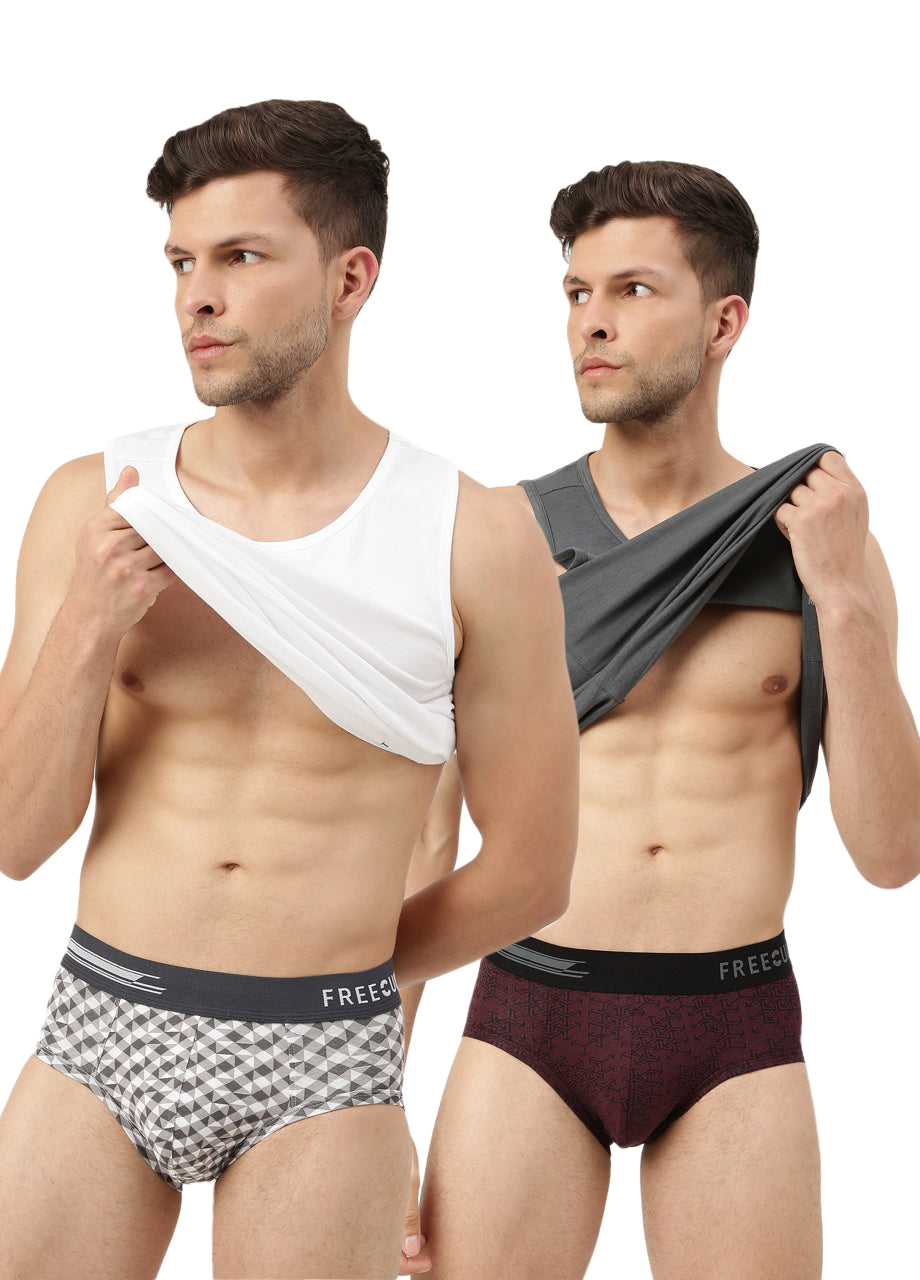
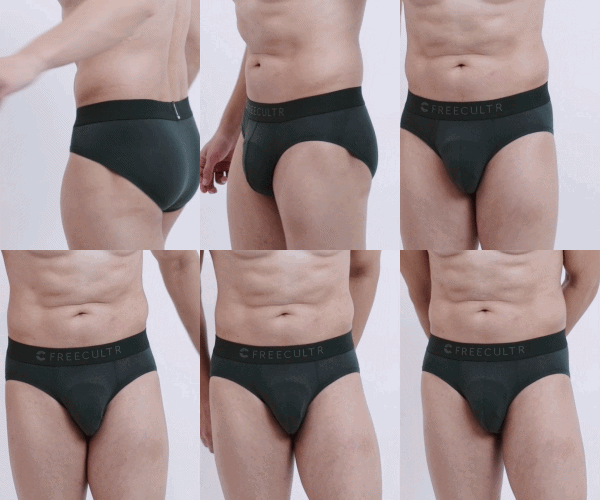
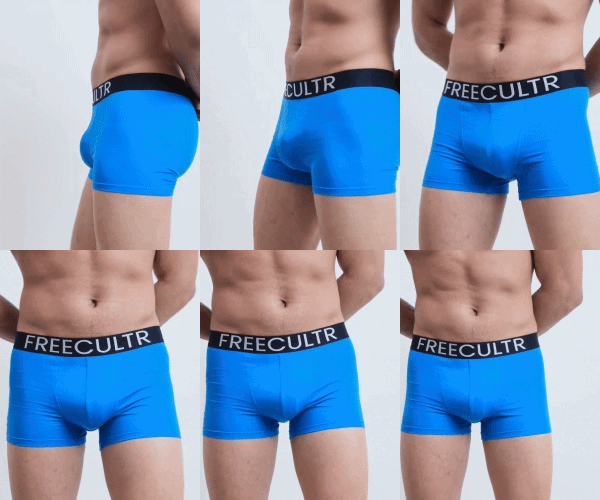
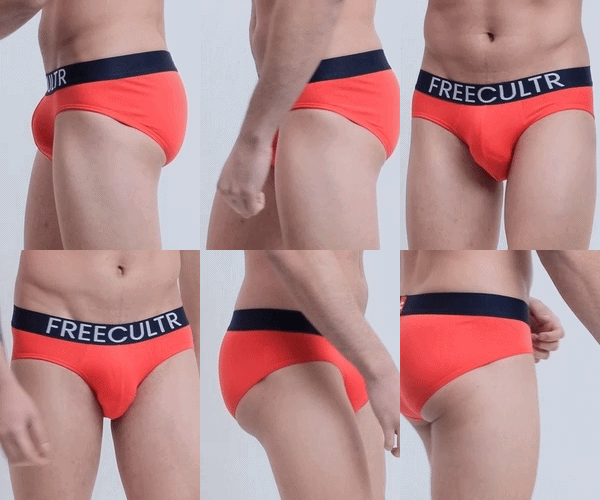
Fit preference matters more than brand reputation. Some men prefer a snug trunk that stays in place during movement. Others want a relaxed boxer brief that breathes freely. Freecultr offers both styles in their micro-modal range , the trunk sits mid-thigh with a contoured pouch, while the boxer brief extends to upper thigh with a relaxed leg opening. Try one of each style before committing to a full wardrobe refresh.
Budget realistically for quality. Buying 10 pairs of ₹200 underwear costs ₹2,000 upfront but requires replacement in six months, totaling ₹4,000 annually. Investing ₹5,000 in 10 pairs of ₹500 premium basics lasts three years, costing ₹1,667 per year. The premium route saves ₹2,333 annually while delivering superior daily comfort. Freecultr's pricing sits in the sweet spot , premium fabric quality at mid-tier pricing, making the upgrade affordable for most buyers.
Should You Mix Brands or Stick to One?
Mixing brands lets you test different fabrics and fits without committing to a single ecosystem. Buy three pairs each from two or three brands, rotate them for a month, and note which ones you reach for first. That's your winner. Once you identify your preferred brand and style, standardise your drawer. Uniform underwear simplifies laundry, eliminates decision fatigue, and ensures consistent comfort. We recommend starting with a
Conclusion
The underwear market isn't just shifting , it's being rebuilt from the ground up. Sustainable brands are winning because shoppers now care where their clothes come from, and EPA guidance on textile chemicals has made it clear that what touches your skin matters. Performance athletic brands proved that underwear can actually work with your body during movement, not against it. Luxury basics taught us that paying ₹800 for a single pair isn't wasteful if it lasts three years and feels better every single day. And direct-to-consumer brands like Freecultr cut out the middleman, so you get premium micro-modal and bamboo fabrics at prices traditional retail can't match.
You now know which brands are rising and why. The next step? Stop settling for underwear that rides up, wears out in six months, or uses fabrics you can't pronounce. Explore Freecultr's collection of premium men's underwear , designed in India, built for real comfort, and priced without the retail markup. Your daily essentials deserve an upgrade.
About freecultr
Freecultr is India's emerging D2C brand reimagining wardrobe essentials into premium comfort wear. The brand curates innerwear, loungewear, tees, socks, and accessories using sustainable fabrics like micro-modal, bamboo, and organic cotton , materials chosen for breathability, softness, and year-round durability. By selling directly to customers, Freecultr eliminates traditional retail markups and delivers thoughtful design at accessible prices.
More Articles
5 Reasons to Invest in the Best Quality Underwear for MenMicro Modal vs Basic Blends: Which Underwear Wins?
Underwear for Men Combo: Upgrade Your Daily Essentials
How to Choose the Best Men's Briefs for Comfort and Support
Best Underwear Men Gym Workouts Require for Comfort and Performance
FAQs
Why Are Sustainable Underwear Brands Rising?
Sustainable underwear brands are gaining momentum because consumers now prioritise eco-friendly materials like organic cotton, bamboo, and micro-modal over synthetic blends, driven by awareness of textile waste and chemical exposure. Brands that transparently source fabrics and reduce water usage in production are capturing market share, especially among millennials and Gen Z shoppers who align purchases with environmental values.
What Materials Define Sustainable Underwear?
Three fabrics dominate the sustainable underwear space:.
What are the top Performance Athletic Underwear Brands?
Performance athletic underwear brands like Tommy John, Mack Weldon, and Freecultr lead the category by engineering moisture-wicking fabrics, anti-chafe construction, and compression fits that support high-intensity movement. These brands use nylon-spandex blends or advanced modal fabrics that dry 40% faster than cotton, preventing discomfort during workouts and maintaining shape after repeated washing.
Do Compression Fits Actually Improve Performance?
Compression underwear reduces muscle vibration during impact activities like running and jumping. The snug fit also prevents inner-thigh chafing on long runs.
What Makes Luxury Basics Worth It?
Luxury basics justify their premium pricing through superior fabric longevity, precision fit engineering, and comfort features that eliminate common pain points like waistband roll, seam irritation, and shape loss after washing. Brands like Calvin Klein and Ralph Lauren use double-stitched seams, pre-shrunk fabrics, and ergonomic pouch designs that maintain their structure through 200+ wash cycles, delivering a lower cost per.
How Long Should Premium Underwear Last?
Expect 2–3 years from quality basics if you rotate at least seven pairs and follow care instructions. Wash in cold water, skip fabric softener (it breaks down elastic), and air dry when possible.
What is Direct-to-Consumer Brands Disrupting Traditional Retail?
Direct-to-consumer underwear brands bypass traditional retail markups by selling exclusively online, cutting costs by 30–50% and passing savings to customers while maintaining premium fabric quality. Brands like Mack Weldon, Tommy John, and Freecultr use customer data to refine fits, offer free returns, and build subscription models that reduce acquisition costs, fundamentally changing how men and women discover and purchase intimate.