

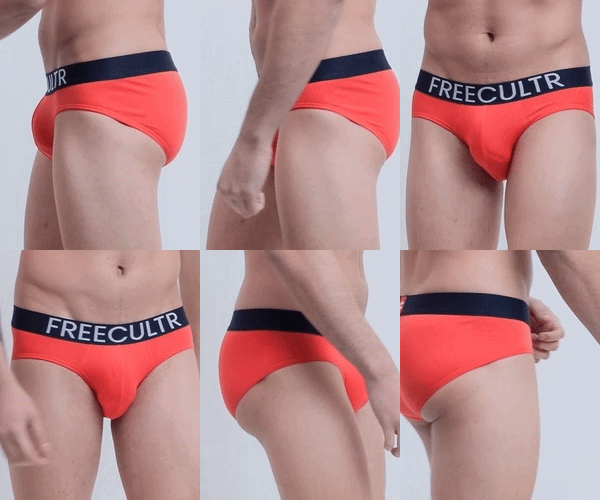
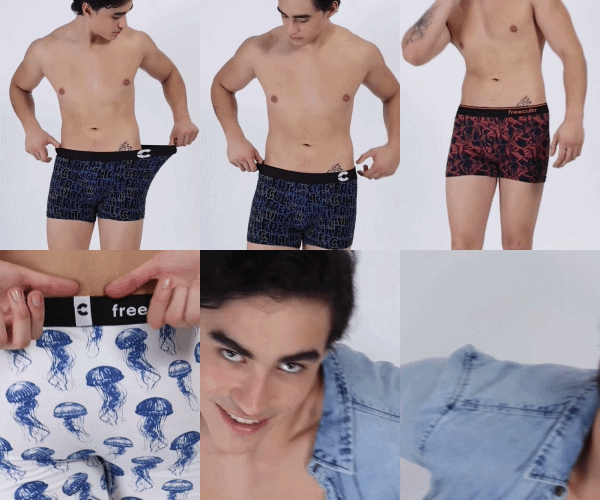





Quick Summary: Choosing the right Men's Briefs comes down to four factors: fabric breathability (cotton blends or modal work best), waistband elasticity that sits flat without rolling, a contoured pouch that prevents compression, and a leg opening that stays in place without riding up. Fit trumps style , briefs should feel invisible once you're wearing them. Start by identifying your primary need (moisture control, athletic support, or all-day office comfort), then match fabric weight and cut to that use case.
Most men own 8-12 pairs of briefs but only reach for the same 3-4 comfortable ones. The rest sit in the drawer because they ride up, bunch under trousers, or lose elasticity after five washes.
Men's Briefs aren't a commodity purchase anymore , fabric technology, cut engineering, and waistband construction now vary as much between brands as running shoes do. Yet most guys still buy based on price or whatever's stocked at the nearest store. That's why discomfort during long meetings or gym sessions feels inevitable.
At freecultr, we've spent years testing fabric blends and fit patterns specifically for Indian body types and climate conditions. The difference between underwear you tolerate and underwear you forget you're wearing comes down to three measurable factors: fabric stretch recovery, seam placement, and rise length.
This guide breaks down exactly what to look for when you're standing in front of a wall of options. You'll learn which fabrics actually breathe (hint: "moisture-wicking" is often marketing), how briefs should sit on your hips without adjustment, and which cuts work best if you're athletic, slim, or carry weight around the midsection. No fluff , just the specs that matter.
Why Does Fabric Choice Matter Most?
The fabric of your briefs determines breathability, moisture management, and all-day comfort, poor material choices trap heat and moisture against your skin, leading to chafing, irritation, and bacterial growth that no design feature can fix.
Natural fibers like cotton remain the gold standard for everyday wear. Cotton wicks moisture away from your body and allows air circulation, which keeps you dry during normal activity. But cotton alone isn't enough for high-performance needs. Modern blends combine cotton's breathability with synthetic stretch fibers that maintain shape after repeated washing.
Micro-modal and bamboo fabrics have transformed the premium brief market. These plant-based materials feel softer than cotton and absorb 50% more moisture per gram. Bamboo naturally resists odor-causing bacteria without chemical treatments. When you're choosing between fabrics, consider your daily routine. Desk workers benefit from cotton's consistent comfort. Active professionals need moisture-wicking synthetics or bamboo blends that handle sweat without feeling damp.
Synthetic fabrics like polyester and nylon excel in athletic contexts. They dry faster than natural fibers and maintain elasticity through hundreds of wash cycles. The trade-off? Less breathability during extended wear. Many brands now offer hybrid constructions, cotton or modal body panels with synthetic mesh zones in high-heat areas.
Freecultr's brief collection uses micro-modal, bamboo, and organic cotton across different styles. Their bamboo briefs stay noticeably cooler in India's humid climate compared to standard cotton options. The organic cotton line works well for sensitive skin, eliminating the chemical residues found in conventional cotton processing.
Key Features That Ensure Proper Support
Effective support in men's briefs comes from three structural elements: a contoured pouch that lifts without compression, a non-roll waistband that sits at your natural waistline, and flat-seam construction that eliminates pressure points during movement.
The pouch design separates basic briefs from performance underwear. A three-dimensional pouch creates space between your body and your thighs, reducing friction and heat buildup. Cheap briefs use flat-front construction that pushes everything against your leg, causing discomfort within hours. Look for brands that specify "anatomical pouch" or "3D pouch" in their product descriptions.
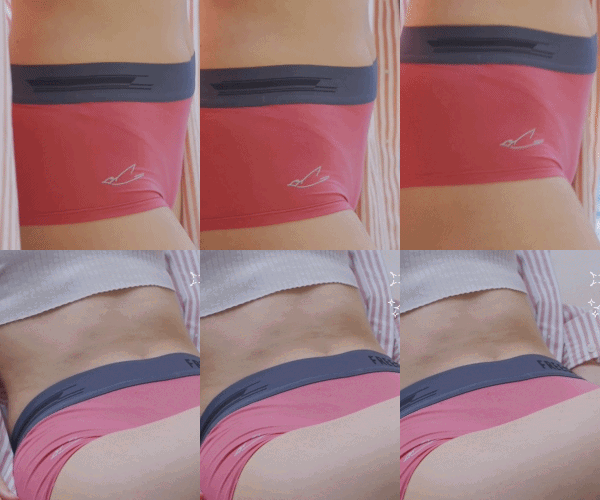
Waistband width matters more than most men realize. Narrow elastic bands (under 2.5 cm) dig into your skin and roll down during activity. Wide waistbands (3-4 cm) distribute pressure across a larger surface area and stay in place. The elastic should have enough grip to hold position without feeling tight. Freecultr's waistbands use a soft-touch elastic that doesn't leave red marks after a full day of wear.
Seam placement determines whether your briefs irritate or disappear. Traditional side seams run directly where your legs meet your torso, the highest-friction zone on your body. Flat-lock seams lie flush against fabric instead of creating a ridge. Even better: seamless construction that eliminates side seams entirely. Check the inner thigh area before buying. If you can feel the seam with your fingertip, you'll definitely feel it after walking 5,000 steps.
Fly or No Fly?
The fly debate splits men into two camps. Functional flies add convenience but create an extra layer of fabric in front. No-fly designs offer a sleeker profile and one less potential failure point. If you prefer a fly, choose a horizontal fly over a vertical one. Horizontal flies open wider and close more securely.
Leg opening construction affects both comfort and appearance. Elastic leg bands should grip gently without cutting into your thigh. Too loose and they ride up. Too tight and they restrict circulation. The best briefs use a combination of elastic and fabric stretch to create a secure fit that moves with you.
How Should Men's Briefs Actually Fit?
Properly fitted briefs sit at your natural waistline without rolling, provide full coverage in back, create no visible lines under pants, and allow unrestricted movement, if you're constantly adjusting them or feeling fabric bunching, the fit is wrong regardless of the size label.
Most men wear the wrong size because they rely on waist measurements alone. Brief sizing requires both waist and hip measurements. Your hips determine how much fabric you need in the seat and pouch area. A size medium might fit your 81 cm waist perfectly but feel tight in the hips if you have an athletic build.
The waistband should rest on your hip bones, not above or below them. When you sit down, the waistband shouldn't dig into your stomach or slide down your hips. Stand in front of a mirror and check the back coverage. You should see no skin between the waistband and the top of your pants when you bend forward slightly.
Leg openings reveal fit problems immediately. If the elastic creates a visible line on your thigh, size up. If fabric bunches or gaps at the leg opening, size down. The fabric should lay smooth against your leg without pulling or sagging.
| Fit Issue | Cause | Solution |
|---|---|---|
| Waistband rolls down | Band too narrow or size too small | Size up or choose wider waistband style |
| Rides up in back | Insufficient seat coverage or wrong cut | Try full-coverage style or size up |
| Pouch feels restrictive | Flat-front design or size too small | Switch to contoured pouch or size up |
| Visible lines under pants | Thick seams or tight fit | Choose seamless construction or size up |
| Leg elastic cuts in | Size too small or wrong leg cut | Size up or try different style |
Sizing varies dramatically between brands. A medium from one manufacturer might fit like a large from another. Always check the brand's specific size chart before ordering. Measure yourself with a soft tape measure, waist at belly button level, hips at the widest point of your seat.
When trying new briefs, wear them for a full day before deciding. Morning comfort doesn't guarantee afternoon comfort. Walk, sit, climb stairs, and move through your normal routine. The best-fitting briefs make you forget you're wearing underwear.
Different Brief Styles for Body Types
Your body type determines which brief style provides optimal comfort and support: athletic builds need extra room in the thigh and pouch, slim builds benefit from closer-fitting cuts that prevent bunching, and larger builds require full-coverage designs with wide waistbands that don't roll or dig in.
Classic Briefs for Slim to Average Builds
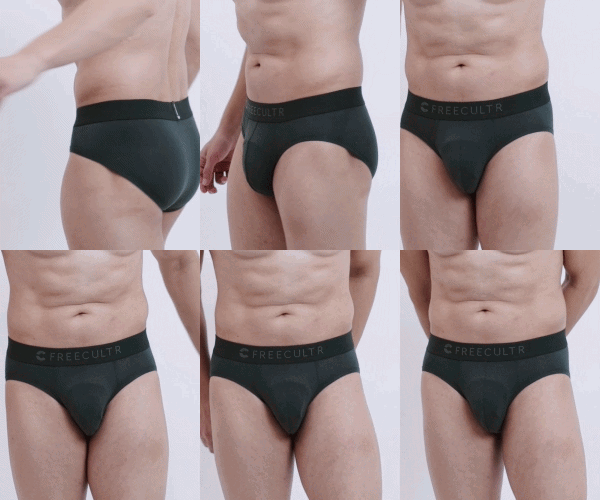
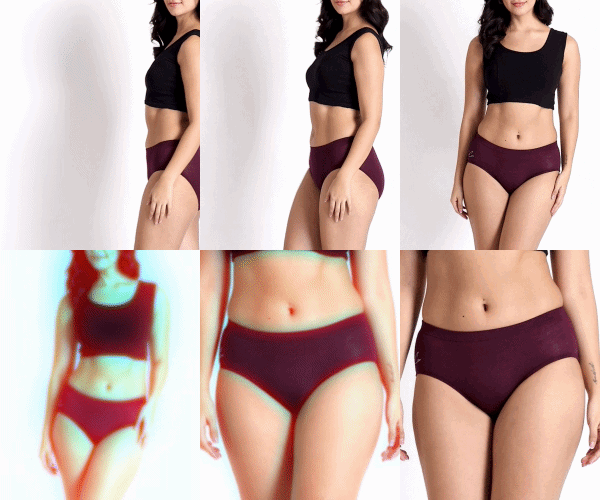
Traditional Y-front briefs work best for men with proportional waist-to-hip ratios. The high-cut leg opening creates a clean line under fitted pants without adding bulk. Classic briefs from Freecultr use a mid-rise waistband that sits comfortably at the natural waistline without feeling restrictive.
Slim men should avoid low-rise styles that slide down or create gaps at the waistband. A proper mid-rise brief provides secure coverage without excess fabric. Look for styles with a closer fit through the pouch and seat, too much room creates bunching that shows under slim-fit trousers.
Hip Briefs for Athletic Builds
Hip briefs sit lower on the waist and offer more leg coverage than classic styles. The extended leg design prevents ride-up for men with muscular thighs. Athletes and gym-goers prefer hip briefs because they stay in place during squats, runs, and dynamic movements.
The lower rise works well with modern low-waisted pants and jeans. But hip briefs require accurate sizing, too small and they feel restrictive across the thighs, too large and they lose the supportive fit that makes them effective. Freecultr's hip brief collection includes styles with mesh panels that increase breathability during workouts.
What Are the Differences Between Briefs, Boxers, and Boxer Briefs?
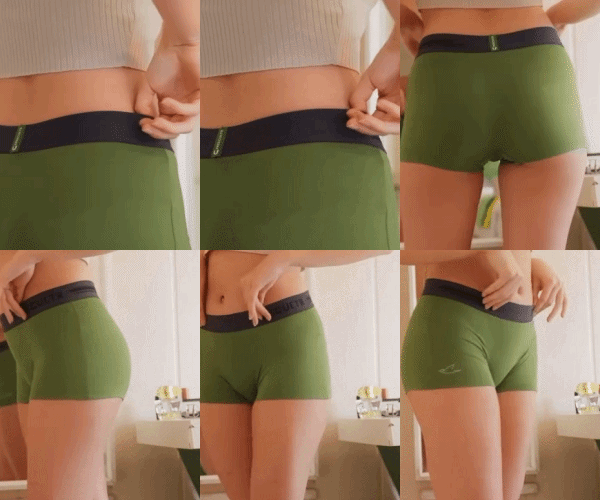
Briefs offer maximum support with minimal fabric, ending at the top of the thigh. Boxers provide loose, breathable coverage with no support structure. Boxer briefs combine the support of briefs with extended leg coverage, preventing thigh chafing.
Briefs work best under fitted clothing because they create no visible lines. Boxers suit relaxed fits and sleepwear but offer no athletic support. Boxer briefs serve as the middle ground, more coverage than briefs, more support than boxers. Your choice depends on your pants fit and activity level. Slim-fit pants demand briefs. Athletic activities require briefs or boxer briefs. Casual wear accommodates any style.
Bikini Briefs for Minimal Coverage
Bikini briefs feature the lowest rise and least coverage of all brief styles. The narrow side panels and low-cut front create a barely-there feel that some men prefer for sleeping or lounging. Bikini styles aren't practical for active wear or professional settings, but they eliminate tan lines and work well under swim trunks.
This style demands confidence and the right body type. Slim to average builds wear bikini briefs most successfully. The minimal fabric shows every fit issue, so sizing must be exact.
Jockbrief Hybrid Styles
Jockbriefs combine a traditional brief front with jockstrap-style back straps. This design maximizes breathability and support simultaneously. The open-back construction eliminates heat buildup while the front pouch provides full support.
Athletes and men in hot climates appreciate the cooling effect of reduced fabric coverage. Jockbriefs work well for high-intensity training but feel unusual under regular clothing. Consider them for specific activities rather than all-day wear.
How Do I Choose the Right Size of Men's Briefs?
Measure your waist at navel height and your hips at the widest point of your seat, then compare both measurements to the brand's size chart, never rely solely on your pants size, as underwear sizing differs significantly from outerwear and varies between manufacturers.
Use a soft measuring tape, not a rigid ruler. Wear minimal clothing or measure over thin underwear for accuracy. Pull the tape snug but not tight, you should be able to slide one finger under the tape comfortably. Take measurements in the morning before eating, when your body is at its most consistent size.
Record both numbers and check them against the size chart. If your waist measurement suggests medium but your hip measurement indicates large, choose the larger size. Briefs that are too tight in the hips cause discomfort regardless of waist fit. Most brands list their size ranges in centimeters for Indian customers. A typical medium fits 76-81 cm waist and 91-96 cm hips.
When shopping online, read customer reviews for fit feedback. Phrases like "runs small" or "generous fit" help you adjust your size choice. If you're between sizes, consider your build. Athletic or muscular builds should size up. Slim builds can size down if the measurements are close.
What Fabrics Are Best for Men's Briefs?
Cotton, micro-modal, and bamboo rank as the top three brief fabrics, cotton provides reliable everyday comfort and breathability, micro-modal offers superior softness and moisture absorption for premium comfort, and bamboo delivers natural antimicrobial properties with excellent temperature regulation for hot climates.
Pure cotton briefs remain the most popular choice globally. The CDC recommends natural, breathable fabrics for intimate apparel to reduce moisture-related skin issues. Cotton allows air circulation and absor
Conclusion
Choosing the right men's briefs comes down to three non-negotiables: fabric that breathes, a waistband that stays put without digging in, and a cut that matches your body type. Micro-modal and bamboo blends outperform cotton in moisture management, which matters when you're moving through humid Indian summers or long commutes. Fit isn't about size alone, it's about rise height, leg opening width, and whether the pouch design actually supports without constricting. And body type? It dictates everything. Athletic builds need contoured pouches; leaner frames benefit from low-rise cuts that don't bunch.
The American Academy of Dermatology confirms that fabric choice directly impacts skin health in high-friction zones, so this isn't just about comfort, it's about preventing irritation and rashes. Most men settle for whatever's on sale, but your daily foundation layer deserves better. Start with two premium pairs in different styles, test them through a full week, and you'll never go back to generic multipacks.
Ready to upgrade? Explore freecultr's collection of premium men's briefs designed for Indian climates and body types, micro-modal, bamboo, and organic cotton options that actually deliver on the comfort promise.
About freecultr
Freecultr is India's emerging D2C brand reimagining wardrobe essentials into premium comfort wear, from innerwear to loungewear and accessories. The collection features thoughtfully designed innerwear for him and her, crafted from high-quality fabrics like micro-modal, bamboo, and organic cotton that ensure breathability, softness, and durability year-round. Curated with sustainability and style in mind, freecultr delivers comfort that works for real Indian lifestyles.
More Articles
5 Reasons to Invest in the Best Quality Underwear for MenBest Underwear Men Gym Workouts Require for Comfort and Performance
Underwear for Men Combo: Upgrade Your Daily Essentials
5 Printed Underwear Styles for Men to Own Right Now
Men's Underwear India: From Chaddi-Baniyan to Now
FAQs
Why Does Fabric Choice Matter Most?
The fabric of your briefs determines breathability, moisture management, and all-day comfort, poor material choices trap heat and moisture against your skin, leading to chafing, irritation, and bacterial growth that no design feature can fix.
What are the key Features That Ensure Proper Support?
Effective support in men's briefs comes from three structural elements: a contoured pouch that lifts without compression, a non-roll waistband that sits at your natural waistline, and flat-seam construction that eliminates pressure points during movement.
Fly or No Fly?
The fly debate splits men into two camps. Functional flies add convenience but create an extra layer of fabric in front.
How Should Men's Briefs Actually Fit?
Properly fitted briefs sit at your natural waistline without rolling, provide full coverage in back, create no visible lines under pants, and allow unrestricted movement, if you're constantly adjusting them or feeling fabric bunching, the fit is wrong regardless of the size label.
What is Different Brief Styles for Body Types?
Your body type determines which brief style provides optimal comfort and support: athletic builds need extra room in the thigh and pouch, slim builds benefit from closer-fitting cuts that prevent bunching, and larger builds require full-coverage designs with wide waistbands that don't roll or dig in.
What is Classic Briefs for Slim to Average Builds?
Traditional Y-front briefs work best for men with proportional waist-to-hip ratios. The high-cut leg opening creates a clean line under fitted pants without adding bulk.
What is Hip Briefs for Athletic Builds?
Hip briefs sit lower on the waist and offer more leg coverage than classic styles. The extended leg design prevents ride-up for men with muscular thighs.