





Quick Summary: The right gym clothes men choose directly impact workout performance, comfort, and injury prevention. Quality activewear uses moisture-wicking fabrics, provides proper compression or mobility based on your training style, and fits your body without restricting movement. This guide covers fabric science, fit principles, workout-specific clothing recommendations, and quality markers to help you build a functional gym wardrobe that performs as hard as you do.
Walk into any gym and you'll spot the guy struggling through squats in cotton joggers, sweat pooling everywhere, fabric bunching at the knees. You've probably been that guy. Most men treat gym clothes as an afterthought , grabbing whatever's cheap or looks decent , then wonder why their shirt rides up during deadlifts or their shorts chafe two miles into a run.
Choosing the right gym clothes men actually wear (not just buy) changes how you move, recover, and show up consistently. The wrong fabric traps heat and moisture. Poor fit restricts your range of motion or creates friction points. Clothes designed for running fail completely in a strength session.
freecultr builds activewear specifically engineered for Indian athletes , accounting for humid climates, diverse body types, and the reality that most guys train in multiple disciplines throughout the week.
This guide breaks down exactly what to look for: which fabrics handle sweat without becoming a second skin, how compression should actually feel, why your lifting shorts need different features than your cardio gear, and the quality markers that separate gear that lasts from stuff that falls apart after ten washes. You'll know precisely what to buy for your training style and what to skip.
Essential Fabric Types for Workout Performance
The best gym clothes for men use moisture-wicking synthetics like polyester and nylon blends that pull sweat away from skin, dry quickly between sets, and maintain shape through repeated washing, critical for high-intensity training where cotton would stay damp and cause chafing.
Fabric choice directly impacts how you feel 30 minutes into a workout. Cotton absorbs moisture but holds it against your skin. Synthetic blends actively transport sweat to the garment's outer surface where it evaporates. This isn't marketing speak, it's basic physics that makes the difference between finishing strong and cutting your session short.
Polyester Blends: The Workhorse Fabric
Polyester dominates gym wear because it checks every practical box. It dries in minutes, resists odour better than natural fibres, and costs less than premium alternatives. Most brands blend it with 5-15% spandex for stretch.
The downside? Pure polyester can feel plasticky against skin. Look for brushed or textured finishes that add softness without sacrificing performance. Freecultr uses micro-modal blends in their base layers, a cellulosic fibre that feels like cotton but wicks like synthetic.
Nylon for Durability and Stretch
Nylon costs more than polyester but outlasts it by 2-3 years in high-friction areas. Shorts and joggers made with nylon-dominant blends resist pilling where your thighs rub during squats or runs.
It also has better four-way stretch recovery. Your shorts return to their original shape after deep lunges instead of bagging out at the knees. This matters if you train 4-5 days per week and rotate the same three pairs.
Bamboo and Modal: Premium Comfort Options
Bamboo-derived fabrics and modal offer natural antimicrobial properties and exceptional softness. They're ideal for low-impact training, yoga, or as base layers under heavier gear.
But they're not indestructible. Bamboo blends pill faster than synthetics and cost 30-40% more. Use them strategically, for recovery days or as the first layer in cold weather, not as your only gym wardrobe.
| Fabric Type | Best For | Durability | Price Range (₹) |
|---|---|---|---|
| Polyester Blends | High-intensity training, running | High | 400-800 per piece |
| Nylon Blends | Strength training, outdoor workouts | Very High | 600-1200 per piece |
| Bamboo/Modal | Yoga, recovery, base layers | Moderate | 800-1500 per piece |
| Cotton Blends | Casual gym use, light activity | Low | 300-600 per piece |
Why Does Proper Fit Matter Most?
Proper fit prevents injury and improves performance by allowing full range of motion without excess fabric bunching in joints or restricting blood flow, too-tight compression gear reduces circulation during lifts, while loose shorts ride up during cardio and cause chafing that sidelines training.
Fit trumps fabric quality. A ₹500 polyester tee that fits your shoulders and torso length will outperform a ₹2000 premium blend that's too long or tight across the chest.
Compression vs Relaxed Fit
Compression gear works for specific applications. It supports muscles during explosive movements and may reduce soreness post-workout. But wearing compression tights for a two-hour gym session restricts natural movement patterns.
Use compression strategically: for running, HIIT, or as recovery wear after heavy leg days. For strength training, choose relaxed or athletic fits that allow your knees to track naturally during squats without fabric pulling.
Length Considerations for Shorts and Tees
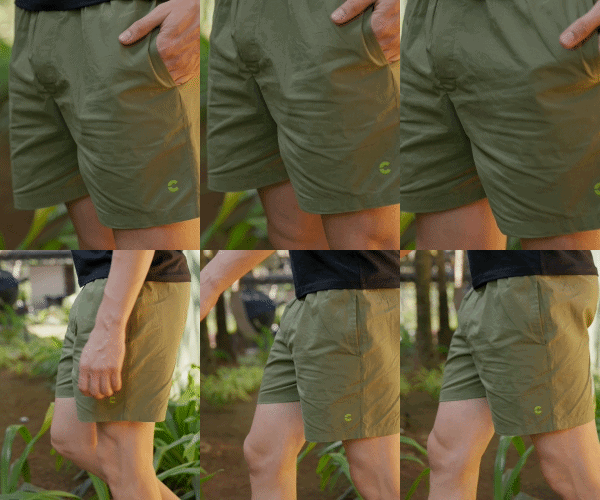
Short inseams (5-7 inches) offer maximum mobility for deep squats and leg presses. Longer inseams (9-11 inches) prevent chafing for runners and cyclists. Your primary training style dictates the right choice.
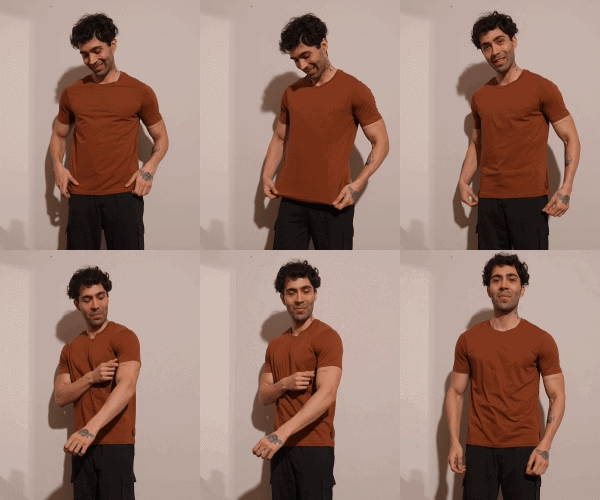
Tee length matters more than most guys realise. A shirt that hits mid-fly looks sloppy when you raise your arms overhead. Aim for hem length that ends at your hip bone, long enough to stay tucked during movement, short enough to not bunch at the waist.
How Body Type Affects Fit Selection
Athletic builds with broad shoulders and narrow waists need tapered cuts. Straight body types benefit from relaxed fits that don't cling. Larger builds should prioritise stretch content, at least 10% spandex, to prevent binding across the chest and shoulders.
Freecultr's sizing runs true to Indian body proportions, which often differ from Western athletic wear brands that assume longer torsos and limbs. Check their size charts against your actual measurements, not your usual size label.
Best Clothes for Different Workout Types
Strength training demands fitted tees and flexible shorts that don't restrict hip hinge patterns, running requires lightweight moisture-wicking gear with minimal seams, and HIIT needs four-way stretch fabrics that move with explosive direction changes, wearing the wrong gear for your primary training style reduces performance and increases injury risk.
Your workout split should determine 70% of your gym wardrobe. If you lift four days and run once weekly, invest in quality lifting gear first.
Strength Training and Powerlifting
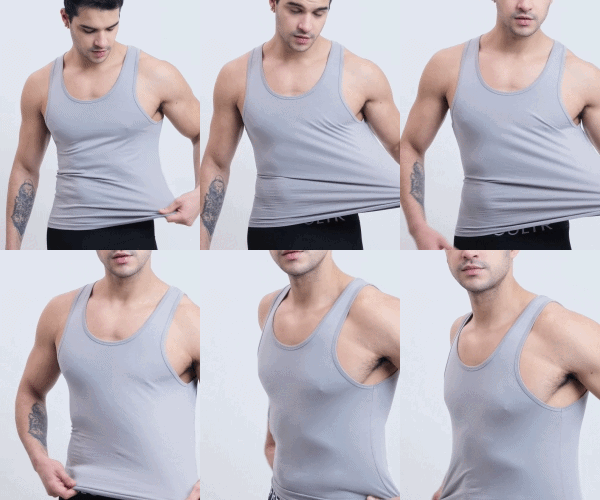
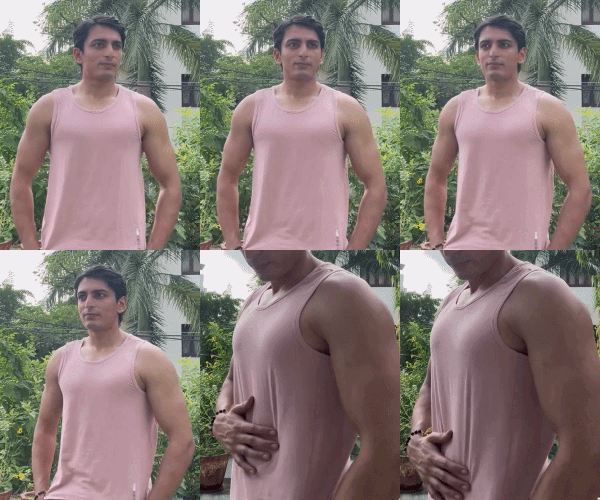
Lifting requires stability over mobility. Choose fitted (not tight) tees that let you see your form in mirrors without excess fabric obscuring your shoulder position. Avoid loose tanks that shift during bench press.
For lower body, shorts with a 7-9 inch inseam and gusseted crotch allow full depth squats without splitting. Joggers work for deadlift-focused days when you want shin protection. Skip compression tights, they restrict the natural knee tracking needed for heavy squats.
What Should Men Wear for Running?
Runners need the lightest possible gear with strategic ventilation. Look for mesh panels on the back and underarms of tees. Shorts should have built-in briefs or compression liners to prevent chafing, external underwear adds unnecessary layers and friction points.
Reflective details aren't optional if you run early morning or evening. A single reflective strip on shorts or tee makes you visible to traffic from 150 metres away.
HIIT and CrossFit Demands
High-intensity interval training combines strength and cardio in rapid succession. Your clothes need to handle burpees, box jumps, and kettlebell swings without riding up or restricting movement.
Four-way stretch is non-negotiable. Test this in-store: if you can't comfortably drop into a deep squat and immediately jump, the fabric doesn't have enough give. Flatlock seams prevent chafing during high-rep movements.
Yoga and Flexibility Training
Yoga demands fitted gear that stays in place during inversions. Loose shorts fall toward your face in downward dog. Choose ankle-length joggers or fitted shorts with a 5-inch inseam.
Tops should be long enough to stay tucked during forward folds but fitted enough to not cover your face in shoulder stands. Bamboo and modal blends shine here, they're soft against skin during floor work and naturally antimicrobial for hot yoga sessions.
How to Choose Quality Gym Wear?
Quality gym wear reveals itself in construction details: flatlock seams that won't chafe, reinforced stitching at stress points like crotch and underarms, and fabric weight between 180-220 GSM that balances durability with breathability, cheaper alternatives use 120-150 GSM fabrics that turn sheer when wet and develop holes within 3-6 months.
Price doesn't always indicate quality, but construction details do. Learn to spot them before buying.
Seam Construction and Stitching
Flatlock seams lie flat against skin instead of creating raised ridges that rub during movement. Run your hand along the inside of a tee, if you feel bumpy seams, that's where chafing starts after 30 minutes of cardio.
Check stress points: inner thighs on shorts, underarms on tees, waistband attachment. Double or triple stitching at these points extends garment life by 12-18 months. Single-stitch construction fails first at these high-friction zones.
Fabric Weight and Opacity
Fabric weight (measured in grams per square metre, or GSM) determines durability and opacity. Gym tees should be 160-200 GSM, thick enough to not show nipples or sweat patterns, light enough to breathe during intense work.
Shorts need 200-240 GSM to prevent transparency during squats. Hold them up to light in the store. If you can clearly see your hand through the fabric, they'll be see-through when stretched across your glutes.
Waistband and Elastic Quality
Cheap elastic loses tension after 10-15 washes. Quality waistbands use braided elastic or silicone grip strips that maintain hold without digging into skin.
Drawstrings should be thick enough to not snap (at least 5mm diameter) and secured at both ends so they don't pull through the casing. Metal aglets on drawstring ends are a small detail that signals overall quality attention.
Brand Reputation and Warranty
Established brands stand behind their products. Gymshark, Ten Thousand, and Adidas offer 30-90 day return windows and will replace defective items. Freecultr backs their gear with similar guarantees, a sign they're confident in construction quality.
Read return policies before buying. Brands that only accept returns for unworn items with tags attached don't want you actually testing their gear. Quality brands accept returns after one or two wears if the fit isn't right.
Why Invest in Quality Underwear?
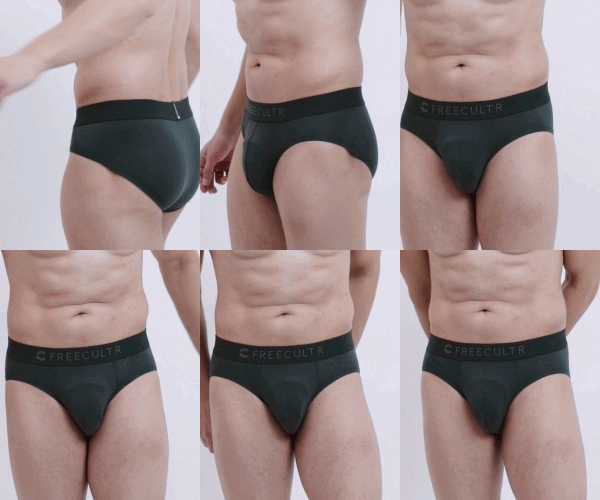
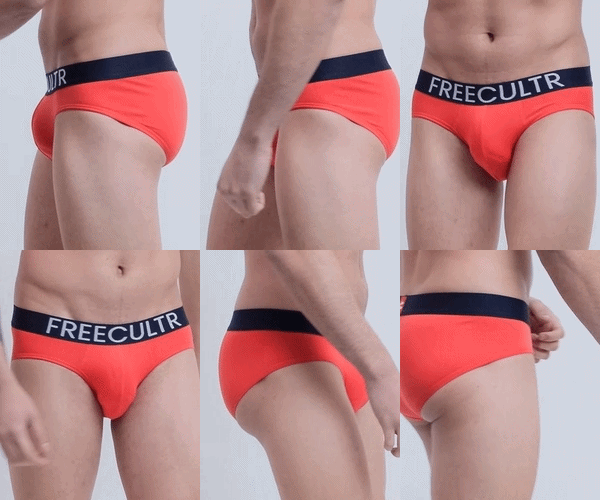
Your gym underwear works harder than any other garment. It handles friction, moisture, and temperature swings while maintaining support. Cheap cotton briefs bunch, chafe, and hold moisture, creating the perfect environment for skin irritation.
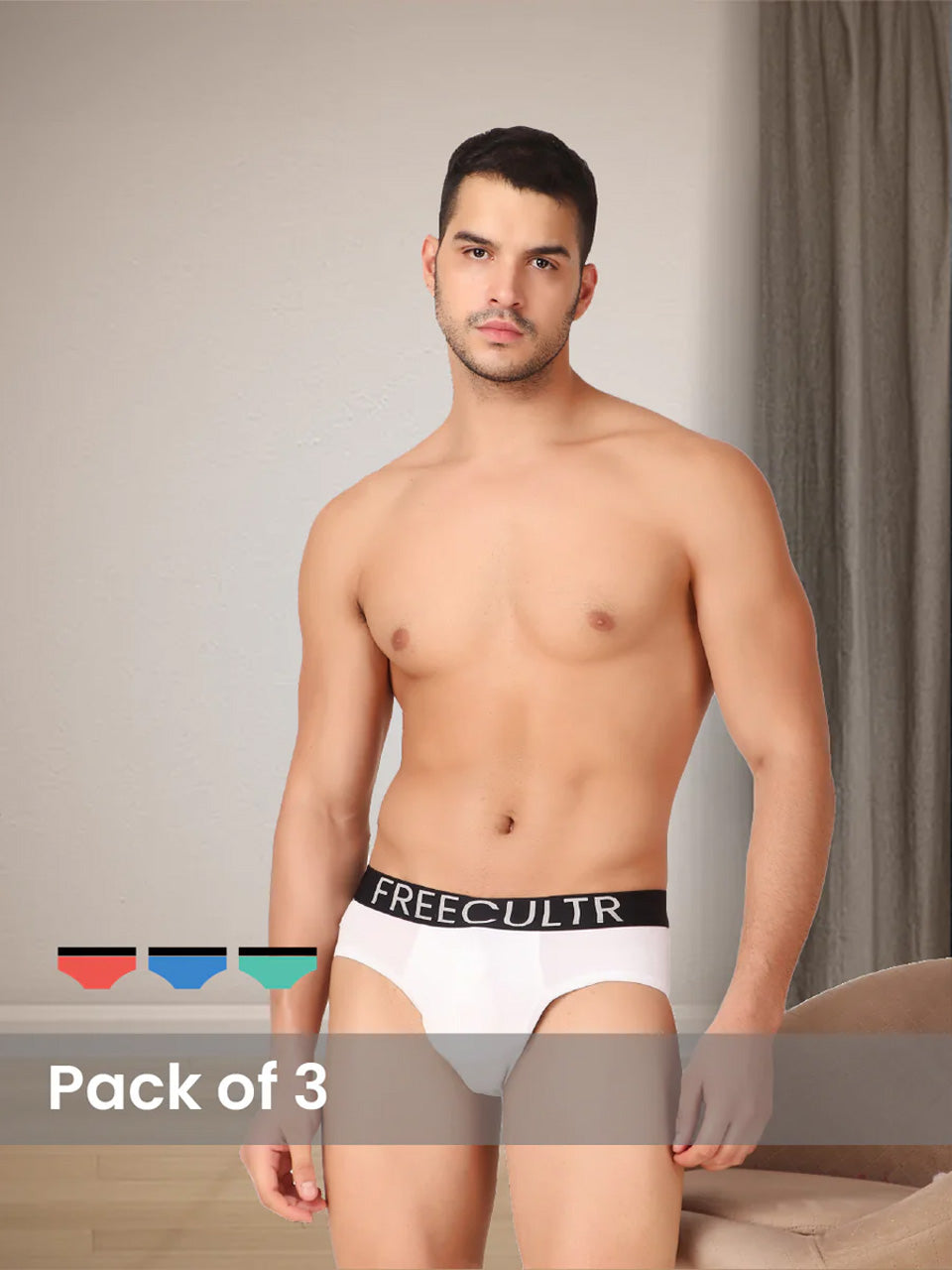
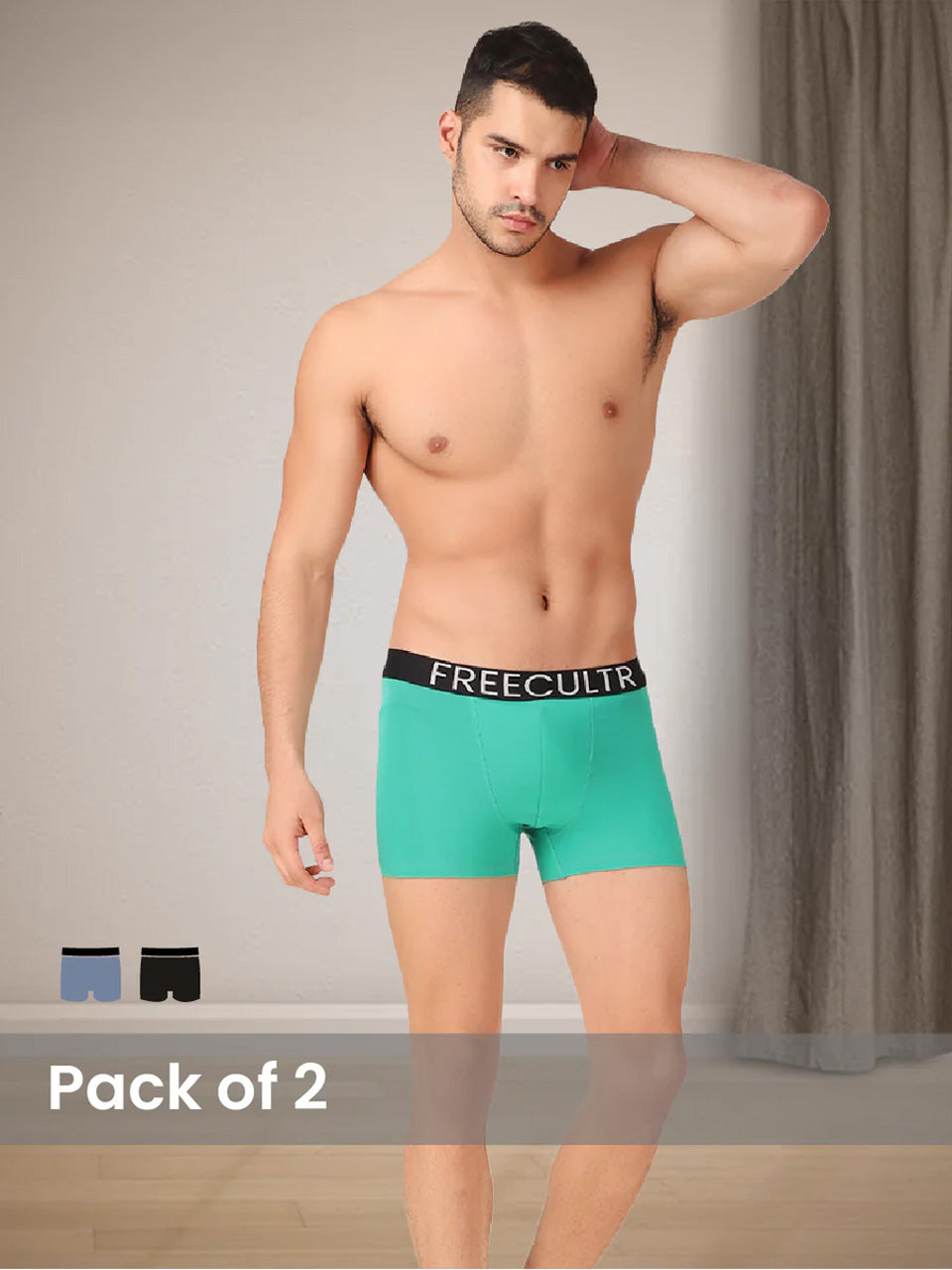
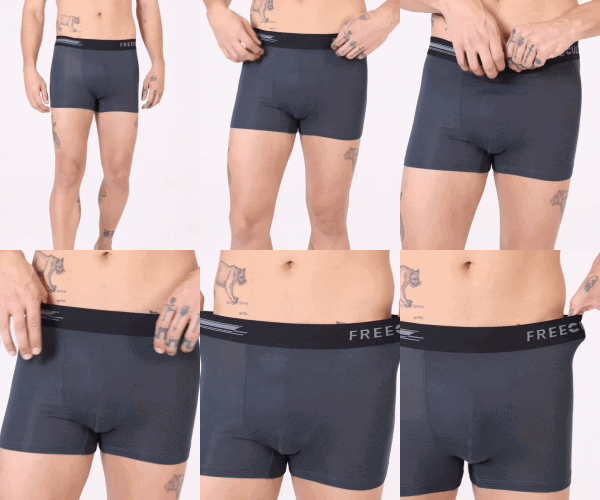
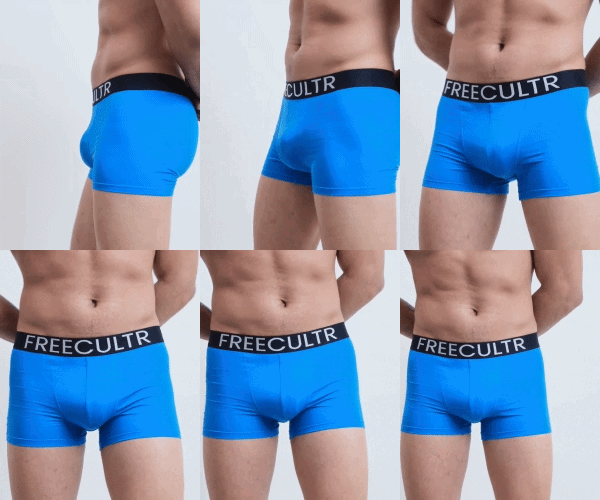
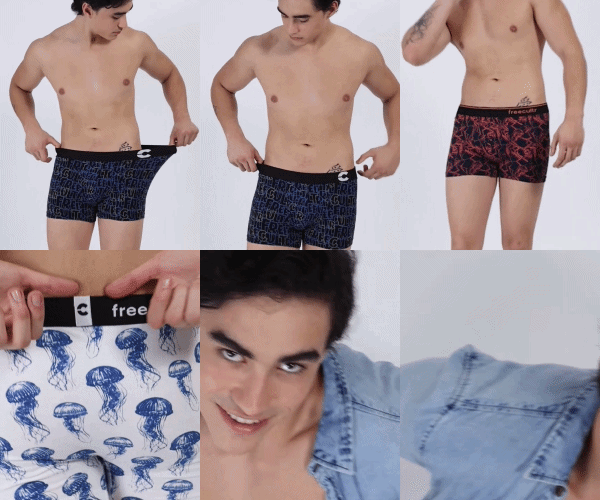
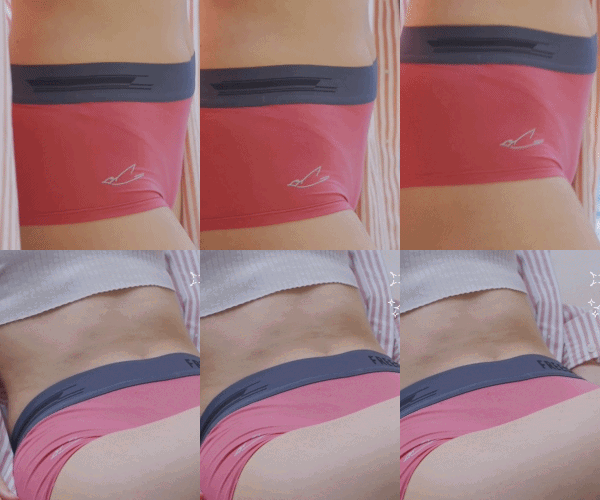
Premium trunks for men use modal or bamboo blends with mesh ventilation panels. They cost ₹400-800 per pair but last 2-3 years with proper care. That's better value than replacing ₹150 cotton briefs every six months. Consider an underwear for men combo to build a rotation that extends the life of each pair.
Freecultr's micro-modal trunks include a contoured pouch that provides support without compression. The fabric wicks sweat during heavy lifts and dries quickly between training sessions. After six months of testing, the elastic waistband still sits exactly where it should without rolling or di
Conclusion
Choosing the right gym clothes isn't about chasing trends. It's about understanding what your body needs during a squat, a sprint, or a stretch. Moisture-wicking fabrics like polyester and bamboo keep you dry when sweat kicks in. A proper fit means your shirt won't ride up mid-rep and your shorts won't chafe after kilometre three. Different workouts demand different gear , yoga needs stretch, lifting needs structure, running needs breathability. Quality matters more than quantity. Check the stitching, feel the fabric weight, and look for flat seams that won't irritate your skin after an hour of movement.
You now know how to build a gym wardrobe that works as hard as you do. Start with the basics: two moisture-wicking tees, one pair of compression shorts, and quality trunks for men that offer support without restriction. Your next move? Explore Freecultr's performance essentials , designed with micro-modal and bamboo fabrics that breathe, stretch, and last through every training session.
About freecultr
Freecultr is India's emerging D2C brand reimagining wardrobe essentials into premium comfort wear. The collection spans innerwear for him and her, tees, socks, and accessories , all crafted from micro-modal, bamboo, and organic cotton for breathability, softness, and durability. Every piece is designed with sustainability and style in mind, delivering year-round comfort for active lifestyles.
More Articles
Gym Trousers for Women: Perfect Pairing with Tank TopsTrunks for Men vs Boxer Briefs: What Actually Wins
5 Printed Underwear Styles for Men to Own Right Now
Underwear for Men Combo: Upgrade Your Daily Essentials
5 Reasons to Invest in the Best Quality Underwear for Men
FAQs
What are the essential Fabric Types for Workout Performance?
The best gym clothes for men use moisture-wicking synthetics like polyester and nylon blends that pull sweat away from skin, dry quickly between sets, and maintain shape through repeated washing, critical for high-intensity training where cotton would stay damp and cause chafing.
What is Polyester Blends: The Workhorse Fabric?
Polyester dominates gym wear because it checks every practical box. It dries in minutes, resists odour better than natural fibres, and costs less than premium alternatives.
What is Nylon for Durability and Stretch?
Nylon costs more than polyester but outlasts it by 2-3 years in high-friction areas. Shorts and joggers made with nylon-dominant blends resist pilling where your thighs rub during squats or runs.
What is Bamboo and Modal: Premium Comfort Options?
Bamboo-derived fabrics and modal offer natural antimicrobial properties and exceptional softness. They're ideal for low-impact training, yoga, or as base layers under heavier gear.
Why Does Proper Fit Matter Most?
Proper fit prevents injury and improves performance by allowing full range of motion without excess fabric bunching in joints or restricting blood flow, too-tight compression gear reduces circulation during lifts, while loose shorts ride up during cardio and cause chafing that sidelines training.
What is the difference between Compression and Relaxed Fit?
Compression gear works for specific applications. It supports muscles during explosive movements and may reduce soreness post-workout.
What is Length Considerations for Shorts and Tees?
Short inseams (5-7 inches) offer maximum mobility for deep squats and leg presses. Longer inseams (9-11 inches) prevent chafing for runners and cyclists.