













Quick Summary
- Mens underwear india has moved from a single, unbranded chaddi-baniyan set to dozens of fits, fabrics, and functions.
- Liberalization-era retail and global brands introduced fit-specific innerwear for men, replacing one-size-fits-all basics.
- Modern fabrics like micro-modal and bamboo have reset expectations for breathability, softness, and durability.
- Today, shoppers choose innerwear for men based on fabric, fit, and activity — not just habit or price.
Why Has Men's Underwear in India Changed So Much in One Generation?
Ask any Indian man about his father's underwear drawer and you'll hear the same story: a stack of plain white cotton chaddis and baniyans, bought loose from the neighbourhood hosiery shop, with no real thought given to fit or fabric. That was the norm for decades — functional, cheap, and largely interchangeable from one brand to the next.
What's changed isn't just fashion. India's climate has always demanded breathable, sweat-friendly fabric, but the innerwear available for most of the 20th century wasn't engineered with that in mind — it simply used whatever cotton was cheapest to mill. The shift toward considered, comfort-first innerwear for men is really a story of retail, fabric science, and rising expectations catching up with a genuinely tough climate.
What Was the Original Chaddi-Baniyan Culture in India?
Before branded innerwear existed, most Indian men wore a standard cotton chaddi and baniyan set bought loose, by size, from a local general or hosiery store.
These weren't purchased as a "brand" so much as a category — mill-made cotton, sized roughly as small, medium, large, or extra-large, with almost no variation in cut or fabric blend. The chaddi baniyan combination was practical and tied closely to household routines: bought in bulk, washed together with the family laundry, and replaced only when visibly worn out.
Comfort, fit, and fabric quality weren't really part of the conversation. Innerwear was treated as a background necessity rather than something worth thinking about — a mindset that held for much of India's retail history before organized apparel retail existed.
How Did Economic Liberalization Change Mens Underwear India Shopping?
India's economic liberalization in the 1990s opened the door to global innerwear brands and organized retail, introducing fit-specific styles where only generic basics existed before.
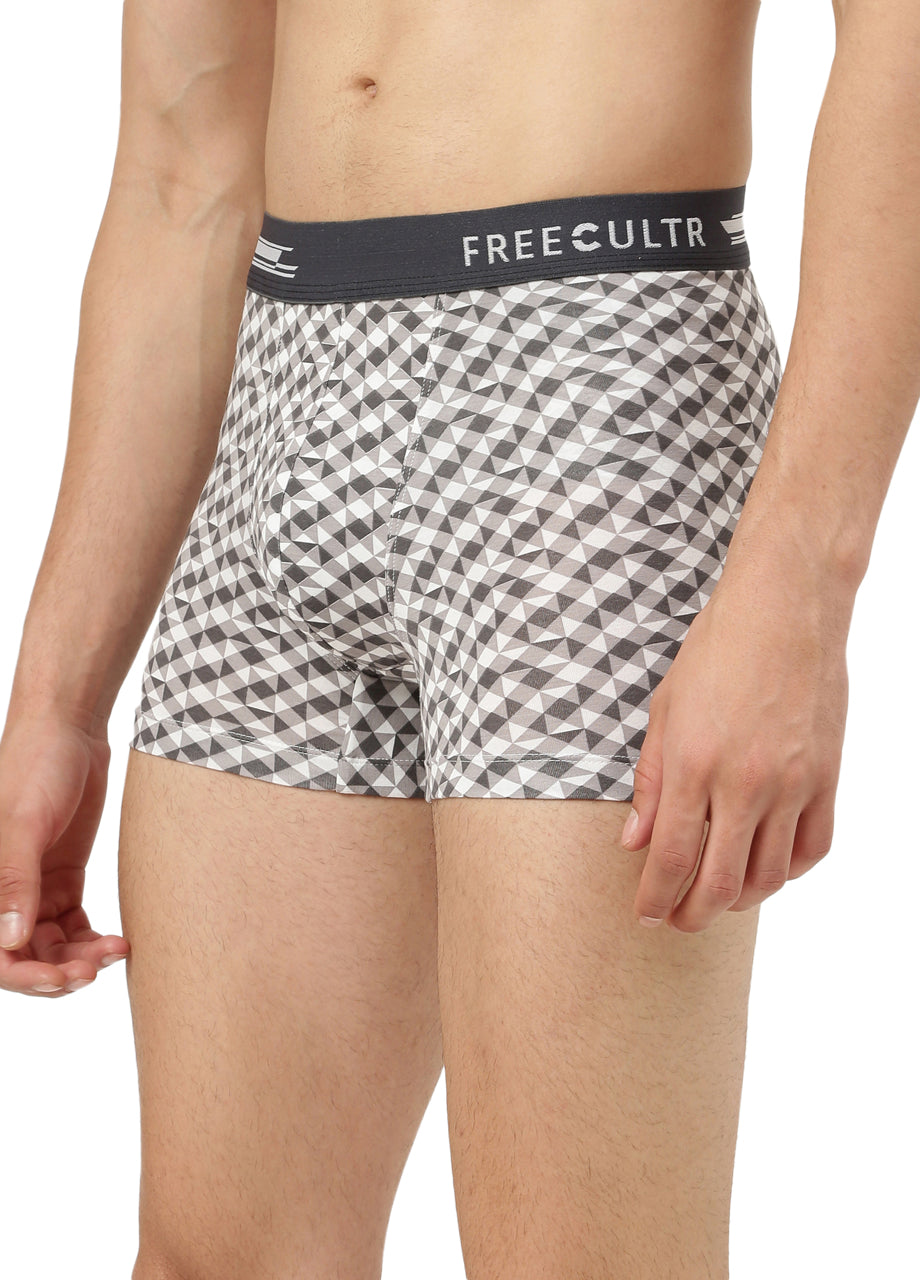
As international apparel companies entered the market and department stores and dedicated retail chains grew, shoppers suddenly had access to briefs, trunks, and boxers as distinct categories — not just one generic "underwear" style. This period marked the first real segmentation of mens underwear india by fit and use case, rather than by size alone.
Retail analysts have generally pointed to this liberalization period as the point where Indian apparel shopping — innerwear included — began shifting from unbranded local stores toward organized, brand-conscious retail.
What Role Did Fabric Innovation Play in the Shift?
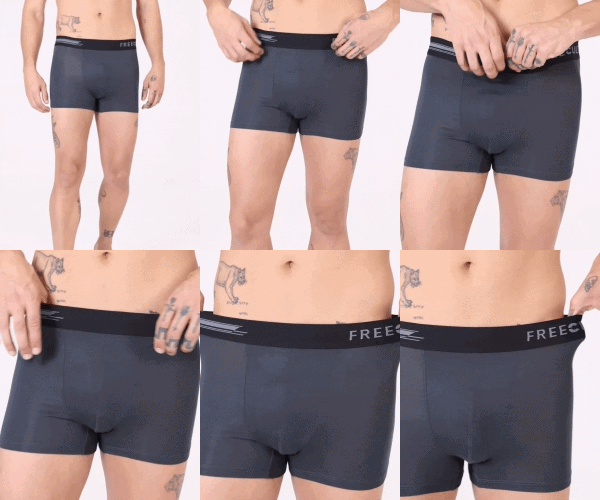
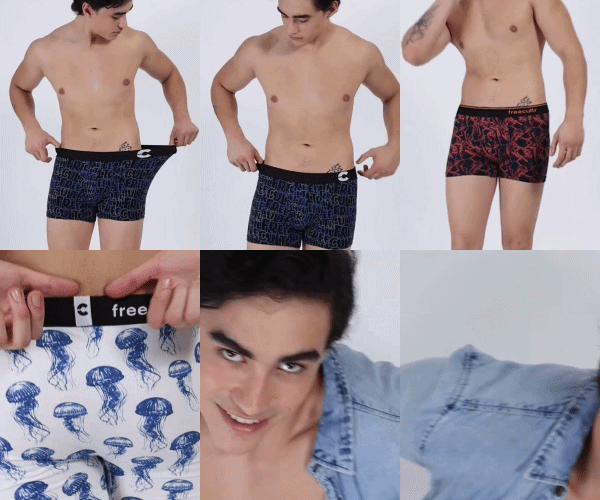
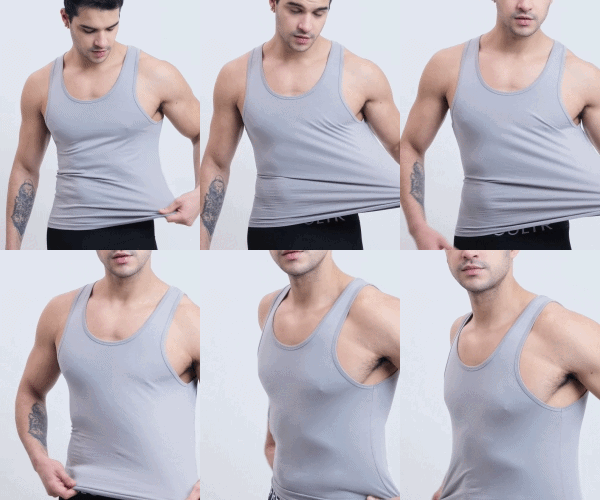
Fabric innovation — including micro-modal, bamboo blends, and moisture-wicking cotton — turned innerwear from a basic necessity into a comfort-driven category built around India's heat and humidity.
Traditional mill cotton, while breathable in theory, tended to retain moisture, lose shape, and fade quickly with regular washing — a real problem in a climate where innerwear is worn through long, humid days. Newer fabrics were developed specifically to solve for softness, quick-dry performance, and shape retention, giving brands something genuinely new to talk about beyond just price.
| Fabric | Breathability | Quick-Dry | Softness Over Time |
|---|---|---|---|
| Traditional Mill Cotton | Moderate | Low | Declines with washing |
| Micro-Modal | High | Moderate | Stays soft longer |
| Bamboo Blend | High | High | Retains softness well |
If you're used to basic cotton chaddi-baniyan sets, a switch to micro-modal or bamboo blend innerwear is the easiest upgrade you can make.
Explore the RangeWhy Are D2C Brands Redefining Innerwear for Men Today?
Direct-to-consumer brands have shifted innerwear for men from a low-consideration basic into a considered purchase built around fit, fabric, and transparent pricing.
By selling directly online, D2C brands cut out layers of distribution markup and can pass better fabric quality through at a similar price point to old-school basics. Detailed size charts, customer reviews focused on fit, and easy exchanges have also made it far less risky to try a new style — something that simply wasn't possible when innerwear was bought loose off a shop counter.
What Does the Future of Men's Underwear in India Look Like?
The next phase of mens underwear india is being shaped by sustainable fabrics, more inclusive size ranges, and design decisions driven directly by customer feedback rather than guesswork.
As D2C brands collect direct feedback on fit and fabric performance, expect faster iteration on sizing accuracy and fabric blends suited specifically to Indian climates and body types — a level of responsiveness the old hosiery-shop model never had room for.
From chaddi-baniyan basics to fabric-tech innerwear — see how far men's comfort wear has come.
Shop Innerwear NowConclusion
The story of mens underwear india is really a story of India itself — from local hosiery shops and one-size chaddi baniyan sets, through liberalization-era brand entry, to today's fabric-first, D2C-driven approach to innerwear for men. Each phase solved a real gap left by the one before it: choice, then quality, then genuine climate-appropriate comfort.
If your innerwear drawer still looks like your father's, it might be time for an upgrade. Shop Freecultr's innerwear collection and feel the difference fabric science makes.
About freecultr
Freecultr is an emerging Indian D2C brand dedicated to reimagining wardrobe essentials through premium, sustainable comfort wear. We specialize in high-quality innerwear, loungewear, and accessories crafted from advanced fabrics like micro-modal, bamboo, and organic cotton to ensure breathability and long-lasting softness.
FAQs
What was the original chaddi-baniyan culture in India?
Before branded innerwear existed, most Indian men wore a standard cotton chaddi and baniyan set bought loose, by size, from a local general or hosiery store, with little thought given to fit or fabric quality.
How did liberalization change men's underwear shopping in India?
India's economic liberalization in the 1990s opened the door to global innerwear brands and organized retail, introducing fit-specific styles like briefs, trunks, and boxers where only generic basics existed before.
What role does fabric play in modern innerwear for men?
Fabric innovation — including micro-modal, bamboo blends, and moisture-wicking cotton — turned innerwear from a basic necessity into a comfort-driven category built around India's heat and humidity.
Why are D2C brands changing how India buys men's underwear?
Direct-to-consumer brands have shifted innerwear for men from a low-consideration basic into a considered purchase built around fit, fabric, and transparent pricing, backed by detailed size charts and reviews.
What's next for men's underwear in India?
The next phase of mens underwear india is being shaped by sustainable fabrics, more inclusive size ranges, and design decisions driven directly by customer feedback rather than guesswork.