


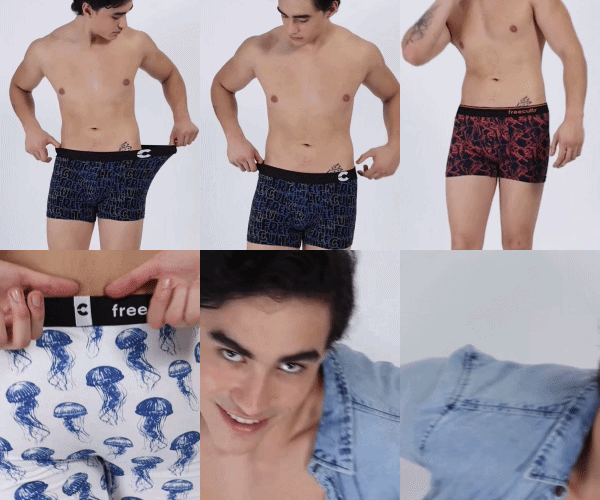
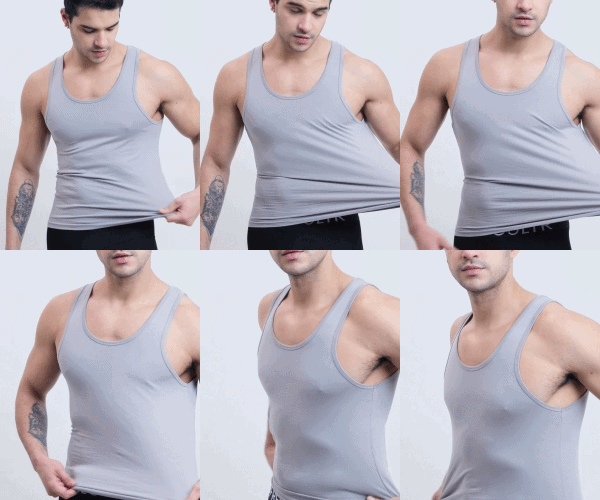

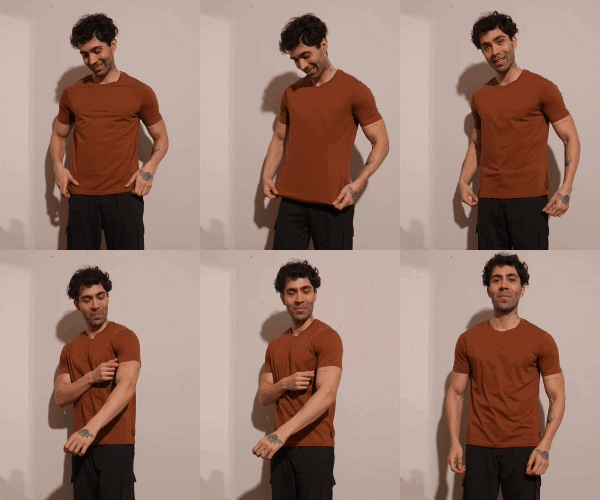
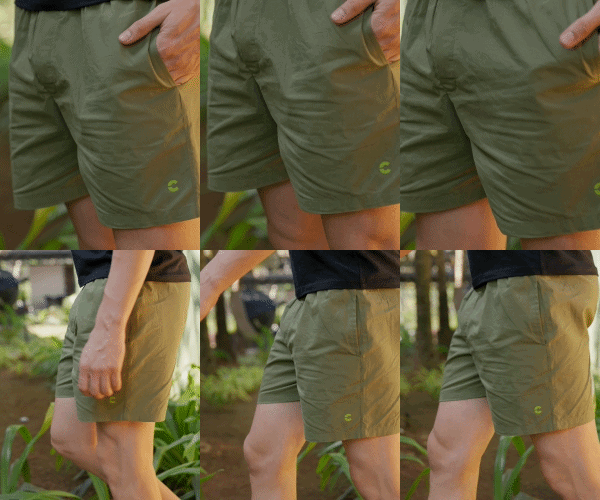





Quick Summary: Choosing the right trunks for men comes down to four factors: fit (snug but not tight around the thighs), fabric (moisture-wicking cotton blends or modal for daily wear), inseam length (4-6 inches for most body types), and waistband comfort (wide, no-roll elastic). Quality trunks eliminate chafing, stay in place during movement, and last 50+ washes without losing shape. Start by measuring your actual waist and thigh circumference, then pick a fabric that matches your activity level.
Most men wear the wrong underwear size for years before realising their waistband shouldn't dig in by 3pm. Trunks for men have quietly become the default choice for guys who want boxer brief coverage without excess fabric bunching at the legs, yet finding a pair that actually fits your body takes more than grabbing your usual size off the rack.
freecultr designs trunks specifically for the Indian body type, with wider waistbands and longer inseams that account for humid climates and active lifestyles. Our fabrics are tested for sweat-wicking performance in real-world conditions, not just lab specs.
This guide walks you through the exact measurements, materials, and style details that separate all-day comfort from constant adjustment. You'll learn which trunk features matter for your routine (gym vs desk job vs both), how to spot quality construction before you buy, and why the cheapest option usually costs more in replacements within six months.
No fluff. Just the specific criteria that help you pick trunks you'll actually want to wear.
Why Do Trunk Styles Matter?
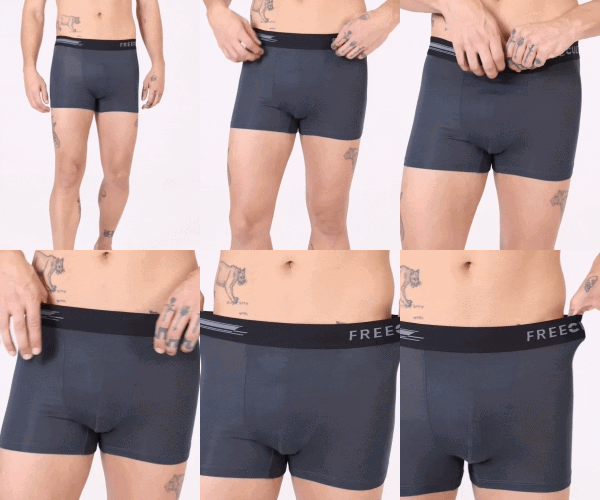
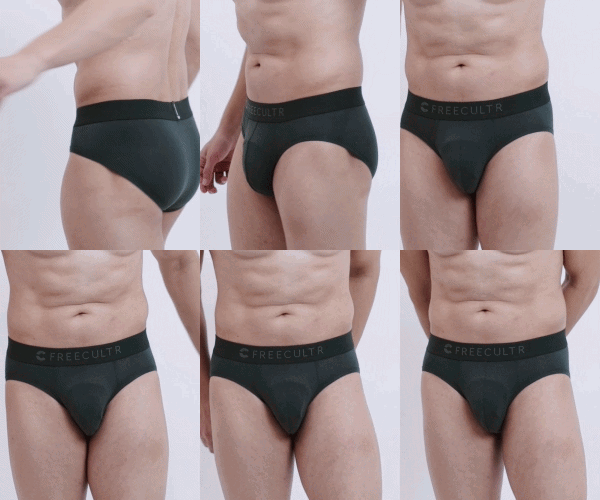
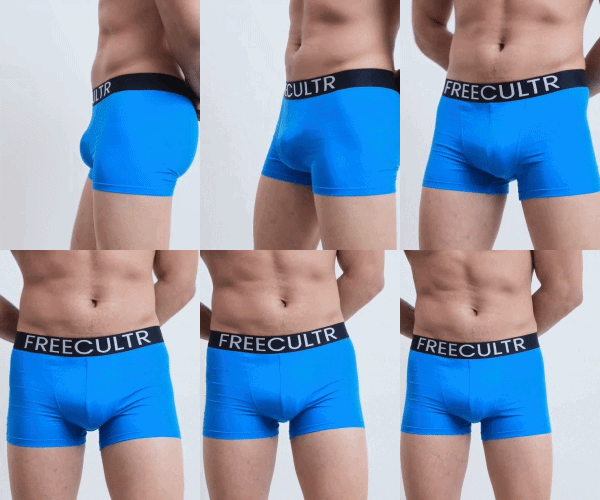
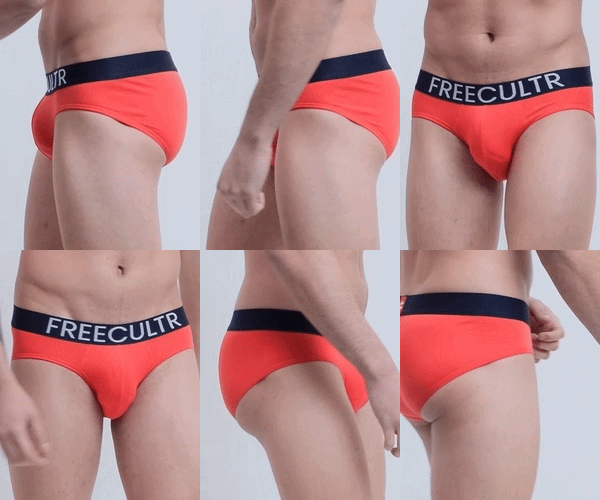
Men's trunks sit at the intersection of support and mobility , they're shorter than boxer briefs (typically 2–3 inches of inseam) but longer than briefs, making them ideal for active days when you need coverage without bunching. The right trunk style prevents chafing during movement, maintains shape after repeated washing, and eliminates the ride-up problem that plagues longer cuts.
Think of trunks as the Swiss Army knife of underwear. They work under slim-fit jeans without visible lines. They stay put during a gym session. And they don't create the excess fabric bulk that boxer briefs can add around your thighs.
But here's what most guides skip: trunk fit varies wildly by brand. A "medium" from one manufacturer might have a 4-inch inseam, while another's medium sits at 2 inches. That difference changes everything , from how they look under trousers to whether they'll shift during a long walk.
The leg opening matters just as much as length. Too tight, and you'll get uncomfortable pressure on your thighs. Too loose, and the fabric rides up within an hour. The waistband construction determines whether the trunk stays in place or rolls down by midday.
Material choice affects daily comfort more than most men realise. Cotton breathes well but loses shape faster. Modal feels softer and resists pilling. Microfiber blends wick moisture but can feel synthetic against skin. Your climate, activity level, and washing frequency all influence which fabric works best for your rotation.
Key Factors When Choosing Trunks
The three non-negotiable factors are inseam length (2–4 inches for true trunks), fabric composition (natural fibres for breathability, synthetics for moisture management), and waistband construction (wide elastic bands distribute pressure better than narrow ones). These elements directly determine whether trunks stay comfortable through a full day or require constant adjustment.
Inseam Length and Coverage
True trunks measure between 2 and 4 inches from crotch seam to leg opening. Anything shorter is a brief. Anything longer creeps into boxer brief territory.
The 3-inch sweet spot works for most body types. It provides enough coverage to prevent thigh chafing without creating bulk under fitted trousers. Shorter 2-inch cuts suit men with athletic builds who want minimal fabric. Longer 4-inch versions work better if you're taller or prefer more coverage during movement.
Measure your current comfortable underwear from crotch to hem. That number tells you where to start. If you've never worn trunks before, order one pair in each length from the same brand to compare fit before buying multiples.
What Material Are Men's Trunks Made Of?
Fabric determines how trunks perform across temperature, activity, and washing cycles. Here's what actually matters:
- Cotton: Breathable and soft, but loses elasticity after 20-30 washes. Best for casual daily wear in moderate climates.
- Micro-modal: Derived from beech trees, it's softer than cotton and holds shape longer. Resists pilling and stays smooth against skin.
- Bamboo: Naturally antimicrobial and moisture-wicking. Feels cooler than cotton in humid weather.
- Microfiber blends: Usually polyester or nylon mixed with elastane. Dries fast and maintains compression, but can trap heat.
- Organic cotton: Grown without pesticides, softer than conventional cotton, and better for sensitive skin.
Freecultr uses micro-modal, bamboo, and organic cotton across their trunk range , fabrics chosen for year-round comfort in Indian climates. The micro-modal trunks stay soft through monsoon humidity, while bamboo options provide extra cooling during summer months.
Waistband Construction and Support
The waistband does more work than you think. It holds the trunk in position without cutting into your waist or rolling down when you sit.
Wide elastic bands (1.5–2 inches) distribute pressure across more surface area. They're less likely to dig in or leave marks. Narrow bands (under 1 inch) can roll or create a tight line that shows under fitted shirts.
Look for flat-seam construction where the elastic attaches to the fabric. Raised seams create pressure points that become uncomfortable after a few hours. The best waistbands use covered elastic , the elastic sits inside a fabric casing rather than being exposed.
Brand logos matter less than you'd expect. A large printed logo on the waistband can crack and peel after washing. Woven or embroidered branding lasts longer and doesn't affect comfort.
Do Trunks Ride Up?
Ride-up happens when the leg opening is too loose or the fabric lacks enough elastane to maintain tension. Quality trunks include 3–5% elastane in the fabric blend, which creates gentle compression around the leg opening without feeling tight.
The leg hem construction also matters. A rolled hem with elastic thread keeps the opening snug against your thigh. A raw-cut hem (common in cheaper trunks) has no grip and rides up within minutes of walking.
If your current trunks ride up constantly, size down or switch to a brand with higher elastane content. The fabric should feel like it's gently hugging your thigh, not sliding freely.
How to Find Your Perfect Fit?
Perfect trunk fit means the waistband sits at your natural waist without rolling, the pouch provides support without compression, and the leg opening stays in place on your mid-thigh with zero ride-up. Measure your waist at belly button height and compare against each brand's size chart , trunk sizing varies by up to two inches between manufacturers for the same labelled size.
Measuring for Trunk Size
Don't trust your trouser size. Underwear sizing runs differently.
Grab a fabric measuring tape. Measure around your waist at the point where you'd naturally wear the waistband , usually at or just below your belly button. Don't pull the tape tight. It should sit comfortably against your skin with enough room to slide one finger underneath.
Write down that number in centimetres. Now check the brand's size chart. A medium at one brand might fit a 76–81 cm waist, while another brand's medium covers 81–86 cm. That 5 cm difference changes how the trunk fits.
If you're between sizes, consider your preference. Size down for a snugger, more supportive fit. Size up for looser, more relaxed coverage. But never size down more than one size , overly tight trunks restrict movement and create visible lines under clothing.
Pouch Design and Support
The pouch is the front panel that provides support. Basic trunks use a flat front panel. Contoured pouches add shaped fabric that creates more room without adding bulk.
Contoured designs work better for most men. They prevent compression while keeping everything in place during movement. Flat-front trunks can feel restrictive, especially during exercise or long periods of sitting.
Some brands add a horizontal fly opening. This is purely a design choice , it doesn't affect comfort or support. If you prefer the convenience of a fly, check product descriptions before ordering.
Testing Fit Before Committing
Order two sizes if you're trying a new brand for the first time. Wear each pair for a full day at home before removing tags. Walk around. Sit. Bend. Stretch. You'll know within an hour if the fit works.
Check these fit markers:
- Waistband stays in place when you raise your arms overhead
- Leg openings don't create a tight line on your thigh
- No fabric bunching in the crotch when you sit
- No visible lines under your usual trousers
If any of these fail, the fit isn't right. Return that size and adjust accordingly.
Top Trunk Materials and Features
Premium trunk materials balance four properties: moisture management (how fast sweat evaporates), shape retention (how well elastic recovers after stretching), durability (resistance to pilling and tearing), and skin feel (softness without synthetic texture). Micro-modal scores highest across all four categories, followed by bamboo blends for hot climates and organic cotton for sensitive skin.
| Material | Breathability | Durability | Moisture-Wicking | Best For |
|---|---|---|---|---|
| Micro-Modal | Excellent | High (50+ washes) | Very Good | Daily wear, all climates |
| Bamboo | Excellent | Good (40+ washes) | Excellent | Hot, humid weather |
| Organic Cotton | Very Good | Moderate (30+ washes) | Good | Sensitive skin, casual wear |
| Microfiber Blend | Moderate | Very High (60+ washes) | Excellent | Athletic activities, quick-dry |
| Standard Cotton | Good | Low (20-25 washes) | Moderate | Budget-conscious buyers |
Sustainability and Fabric Sourcing
Sustainable trunk production focuses on three areas: raw material sourcing, manufacturing water use, and fabric biodegradability.
Organic cotton uses 91% less water than conventional cotton and eliminates pesticide runoff. Bamboo grows without irrigation or chemical fertilisers, regenerating from its root system after harvest. Micro-modal production uses closed-loop processing that recycles 95% of chemicals and water.
Freecultr sources organic cotton and bamboo fabrics with sustainability certifications. Their micro-modal trunks use beechwood pulp from responsibly managed forests. The brand's focus on natural fibres means their trunks biodegrade faster than synthetic alternatives , typically breaking down within 6 months in composting conditions versus 20+ years for polyester.
Check product descriptions for certifications like OEKO-TEX (chemical safety) or GOTS (organic standards). These aren't marketing fluff , they're third-party verified standards that ensure the fabric meets environmental and safety benchmarks.
Price Ranges and Value
Trunk pricing in India spans from ₹150 to ₹1,200 per pair. Here's what you get at each tier:
Budget (₹150–₹300): Standard cotton, basic elastic waistband, flat-front design. Expect 20-30 washes before shape degrades. Fine for occasional wear but won't last through daily rotation.
Mid-range (₹300–₹600): Cotton blends or basic modal, contoured pouch, better waistband construction. These last 40-50 washes and offer noticeably better comfort. This is the sweet spot for building a daily rotation.
Conclusion
Choosing the right trunks comes down to three things: fit, fabric, and function. You now know that trunk styles matter because they sit between boxers and briefs, offering coverage without bunching. The perfect pair should hug your thighs without riding up, use breathable materials like micro-modal or bamboo, and match your daily routine. Whether you need moisture-wicking performance for the gym or soft organic cotton for all-day wear, the right trunk keeps you comfortable from morning to night.
Don't settle for generic underwear that loses shape after a few washes. Your comfort deserves better. Start with one quality pair in a fabric that suits your climate, India's heat demands breathability, and build from there. If you're ready to upgrade your essentials with premium comfort wear designed for real life, explore freecultr's collection of men's innerwear crafted from sustainable fabrics that actually last.
About freecultr
Freecultr is India's emerging D2C brand reimagining wardrobe essentials into premium comfort wear. The collection spans innerwear for him and her, tees, socks, and trendy bandanas, all curated with sustainability and style in mind. Every piece uses high-quality fabrics like micro-modal, bamboo, and organic cotton to ensure breathability, softness, and durability year-round.
More Articles
Complete Reviews of Popular Men's Trunks Brands in India for Every BudgetUnderwear for Men Combo: Upgrade Your Daily Essentials
How to Choose the Best Men's Briefs for Comfort and Support
Best Underwear Men Gym Workouts Require for Comfort and Performance
5 Reasons to Invest in the Best Quality Underwear for Men
FAQs
Why Do Trunk Styles Matter?
Men's trunks sit at the intersection of support and mobility , they're shorter than boxer briefs (typically 2–3 inches of inseam) but longer than briefs, making them ideal for active days when you need coverage without bunching. The right trunk style prevents chafing during movement, maintains shape after repeated washing, and eliminates the ride-up problem that plagues longer cuts.
What are the key Factors When Choosing Trunks?
The three non-negotiable factors are inseam length (2–4 inches for true trunks), fabric composition (natural fibres for breathability, synthetics for moisture management), and waistband construction (wide elastic bands distribute pressure better than narrow ones). These elements directly determine whether trunks stay comfortable through a full day or require constant adjustment.
What is Inseam Length and Coverage?
True trunks measure between 2 and 4 inches from crotch seam to leg opening. Anything shorter is a brief.
What Material Are Men's Trunks Made Of?
Fabric determines how trunks perform across temperature, activity, and washing cycles. Here's what actually matters:.
What is Waistband Construction and Support?
The waistband does more work than you think. It holds the trunk in position without cutting into your waist or rolling down when you sit.
Do Trunks Ride Up?
Ride-up happens when the leg opening is too loose or the fabric lacks enough elastane to maintain tension. Quality trunks include 3–5% elastane in the fabric blend, which creates gentle compression around the leg opening without feeling tight.
How to Find Your Perfect Fit?
Perfect trunk fit means the waistband sits at your natural waist without rolling, the pouch provides support without compression, and the leg opening stays in place on your mid-thigh with zero ride-up. Measure your waist at belly button height and compare against each brand's size chart , trunk sizing varies by up to two inches between manufacturers for the same.
