






Quick Summary: Why Gen Z Is Killing Logos And Choosing Minimalist Clothing comes down to authenticity over status. This generation rejects visible branding because they value personal identity, environmental responsibility, and financial pragmatism. They'd rather invest in versatile, logo-free basics that reflect their values than pay premiums for brand recognition. Social media amplifies this shift by celebrating "quiet luxury" and intentional consumption. If you're designing for or selling to Gen Z, strip the logos and focus on quality, sustainability, and understated style.
Walk into any college campus today and you'll spot something missing: the giant swooshes, the polo players, the interlocking Cs. Why Gen Z Is Killing Logos And Choosing Minimalist Clothing isn't a trend , it's a value system rewriting fashion's rulebook. This generation grew up watching influencers expose fast fashion's environmental cost and seeing their parents chase brand names that meant nothing to them.
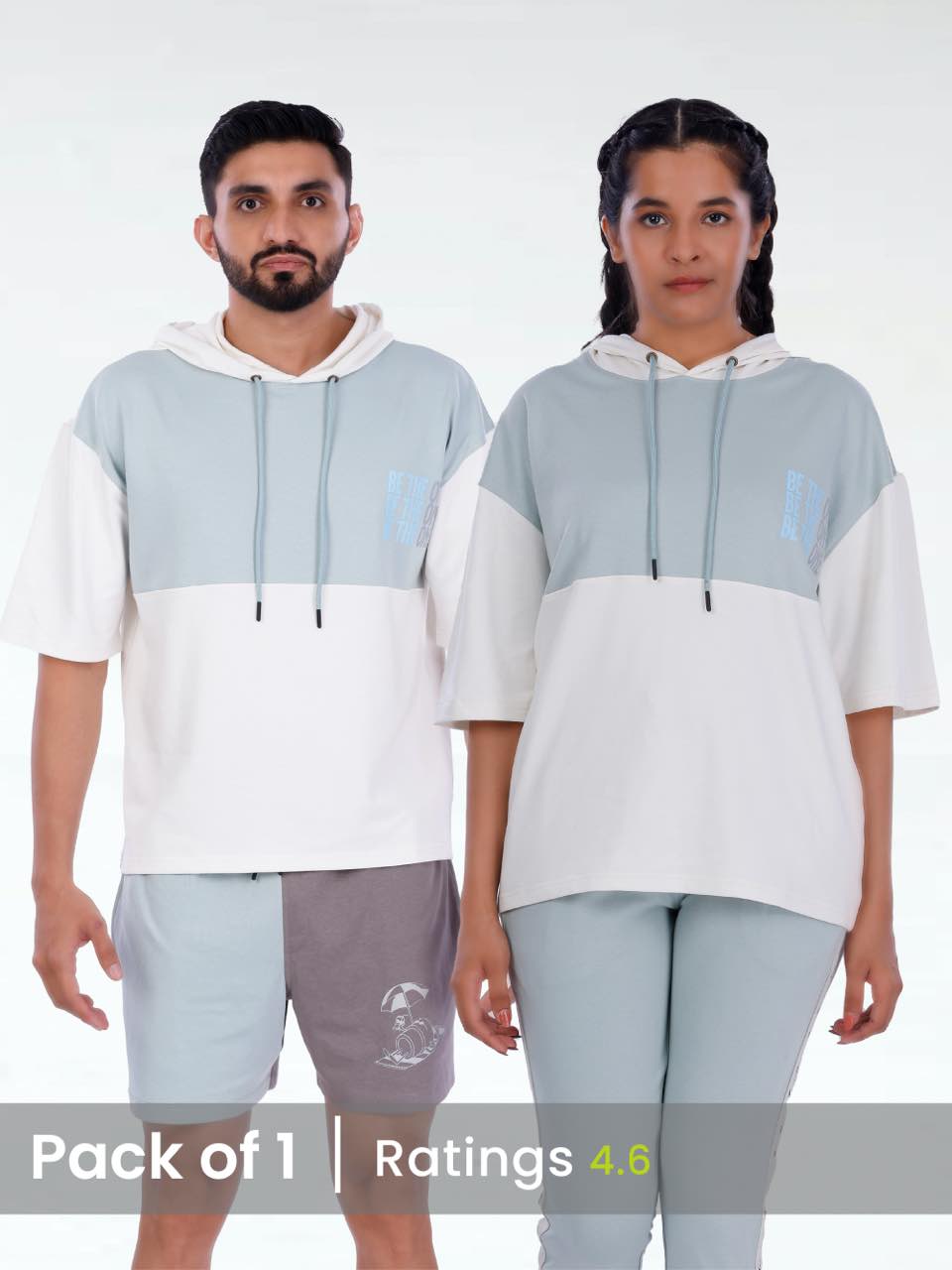
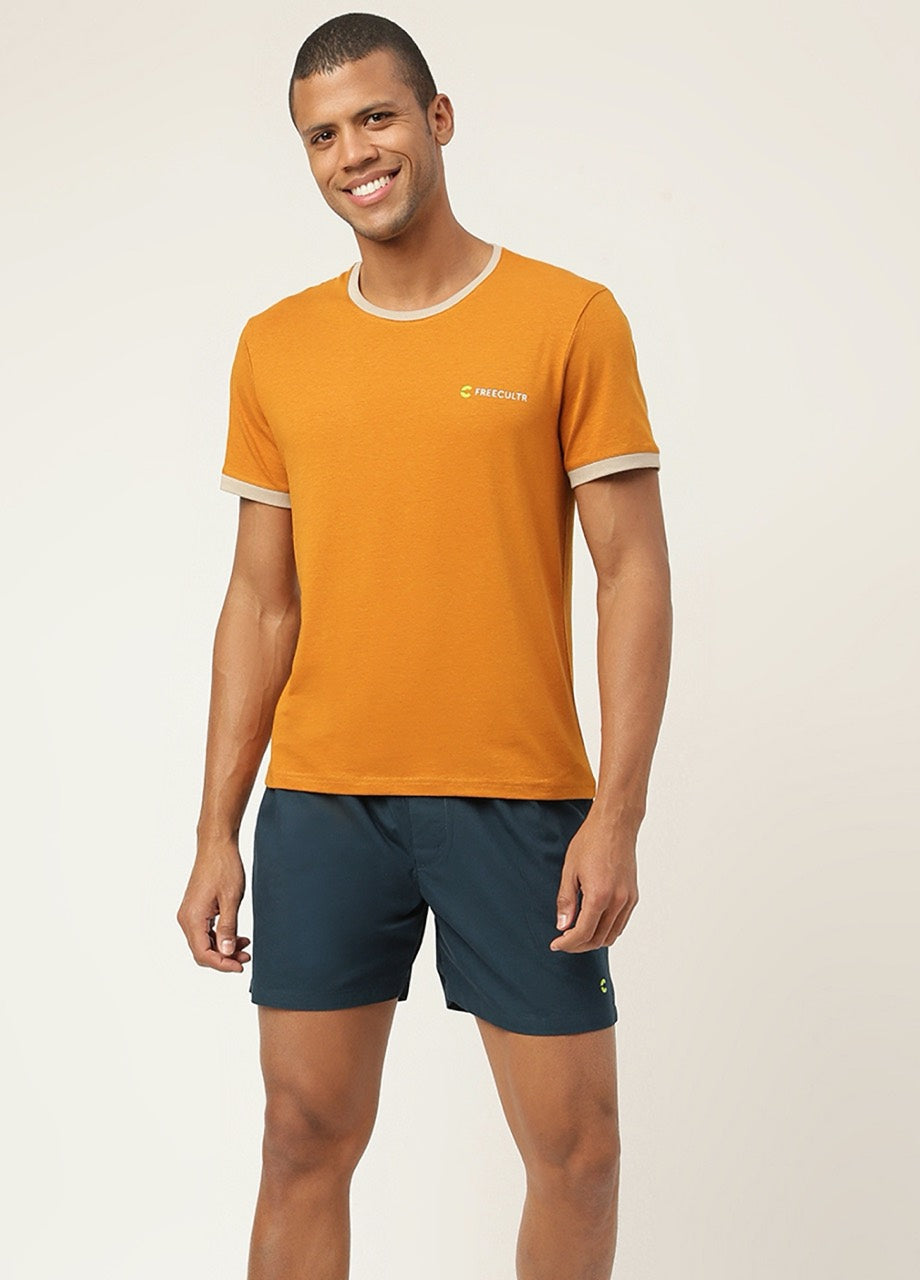
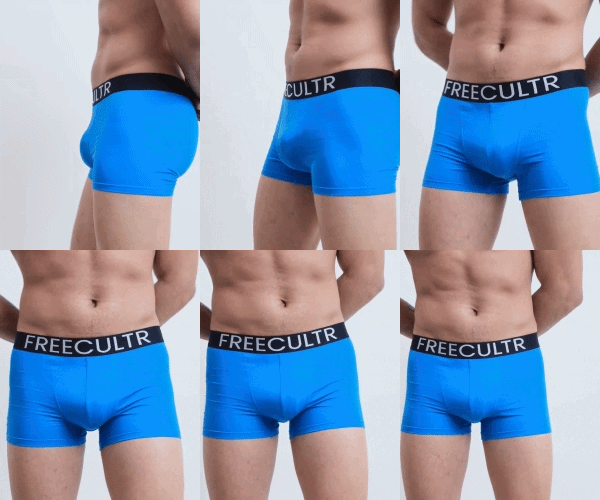
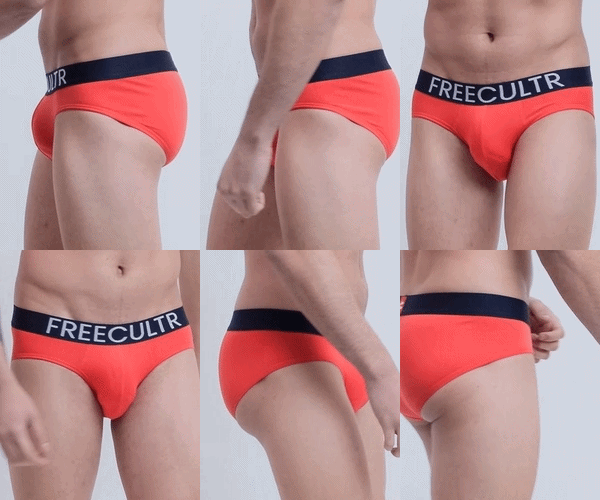
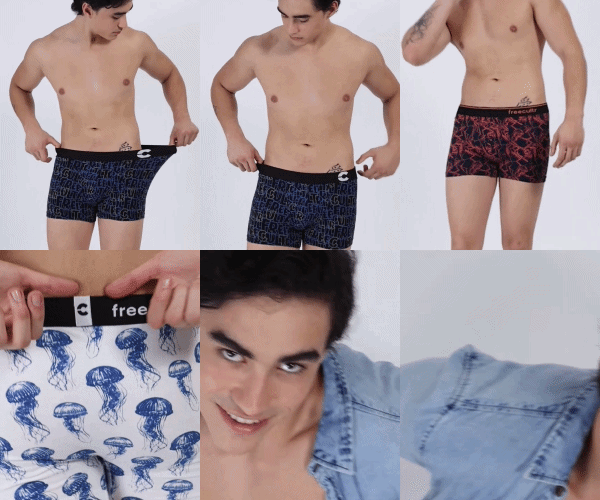
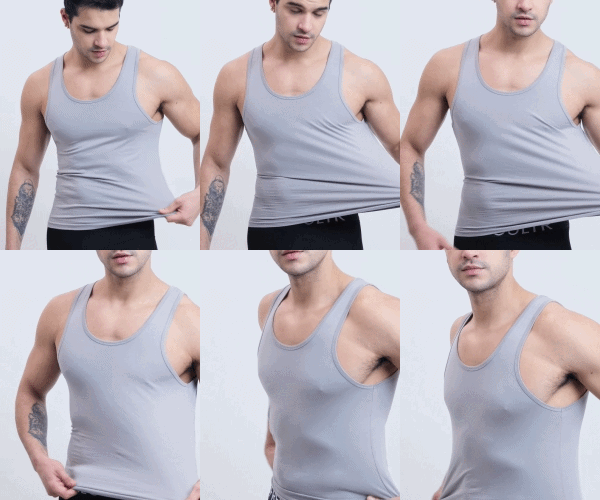
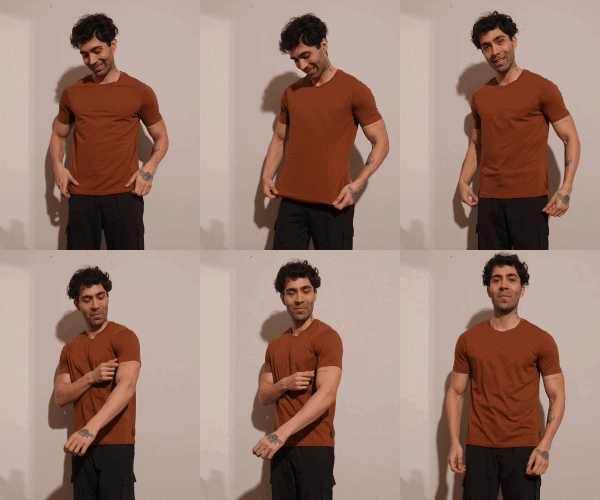
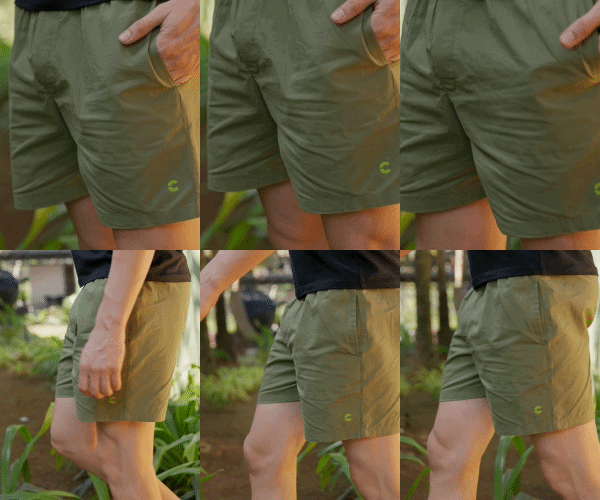
At freecultr, we've built our entire design philosophy around this shift. No screaming logos. No hype-driven drops. Just clean, versatile pieces that let your personality do the talking instead of a label.
You're here because you've noticed the change too. Maybe you're a brand trying to understand why your logo-heavy collections are gathering dust. Or you're a Gen Z shopper who finally found others who get why a plain black tee feels more authentic than a designer billboard. Either way, you'll walk away understanding the economic pressures, social media dynamics, and ethical convictions driving the biggest shift in fashion consumption since fast fashion itself arrived.
Why Gen Z Rejects Logo Culture
Gen Z actively avoids overt branding because they view logo-heavy clothing as performative status signaling that contradicts their values of authenticity, individuality, and conscious consumption, prioritizing personal identity over corporate messaging worn on their chest.
This generation grew up watching influencer culture evolve from aspirational to accessible. They've seen enough sponsored posts and brand partnerships to recognize manufactured authenticity from a mile away. When your entire social feed is curated content, wearing a giant logo feels like becoming a walking advertisement yourself.
The shift runs deeper than aesthetics. Gen Z questions the value proposition of paying premium prices to advertise for brands. Why spend ₹8,000 on a logo tee when the same amount buys multiple high-quality basics that actually reflect your personal style? The math doesn't add up for a generation managing student debt and entering a gig economy.
Social media amplified this rejection. Platforms like Depop and Vinted made secondhand shopping cool, not just economical. You can build a unique wardrobe without funding fast fashion's environmental damage or wearing the same branded uniform as everyone else in your feed.
But the real catalyst? Gen Z watched millennials chase logo trends that aged poorly. They learned from observing older siblings and parents that timeless, well-made pieces outlast hype cycles. That lesson stuck.
The Authenticity Economy
Gen Z values genuine self-expression over borrowed status. A minimalist wardrobe built around quality fabrics like organic cotton, bamboo, or micro-modal signals thoughtfulness, not just purchasing power. Brands like Freecultr understand this shift, offering premium comfort wear that prioritizes material quality and sustainable production over flashy branding.
This generation researches fabric composition before checkout. They know the difference between genuine bamboo viscose and synthetic blends. They read care labels. They ask about supply chains. This informed approach to fashion fundamentally challenges logo-centric marketing that relies on surface-level status signaling.
Economic Drivers Behind Minimalist Choices
Gen Z faces unique economic pressures that make minimalist fashion financially strategic: they're entering adulthood with higher education costs, stagnant entry-level wages, and housing affordability crises, making cost-per-wear calculations and versatile wardrobes essential rather than aspirational lifestyle choices.
The numbers tell a sobering story. McKinsey research shows Gen Z has 86% less purchasing power than baby boomers did at the same age. That economic reality reshapes every buying decision, including fashion.
Minimalist wardrobes offer practical financial benefits. Five well-made basics in neutral colors create more outfit combinations than fifteen logo pieces that only work one way. When you're budgeting carefully, versatility matters more than brand recognition.
| Purchase Approach | Initial Cost | Cost Per Wear (1 Year) | Outfit Combinations |
|---|---|---|---|
| Logo-Heavy Wardrobe (10 pieces) | ₹45,000 | ₹450 | 15-20 |
| Minimalist Basics (10 pieces) | ₹25,000 | ₹125 | 40-50 |
| Quality Essentials (Freecultr approach) | ₹18,000 | ₹90 | 45-60 |
The resale market reinforces minimalist economics. Logo pieces depreciate rapidly, last season's hyped drop becomes next season's clearance rack. Classic minimalist items hold value better on platforms like Vinted, giving Gen Z an exit strategy if their style evolves or they need quick cash.
The Subscription Fatigue Factor
Gen Z already juggles multiple subscription services for music, streaming, software, and fitness. Adding fashion subscriptions or constantly refreshing logo wardrobes to stay current feels like another recurring expense they can't afford. Minimalism offers financial predictability.
They're also the first generation to truly calculate environmental costs alongside financial ones. Fast fashion's true price includes ecological damage, and Gen Z factors that into their purchasing decisions. Choosing fewer, better pieces from brands committed to sustainable materials, like Freecultr's use of bamboo and organic cotton, aligns economic and environmental values.
How Social Media Shapes Buying Behavior
Social media platforms transformed Gen Z's relationship with fashion by democratizing style inspiration, exposing greenwashing and labor exploitation, and creating communities that celebrate thrifted and minimalist aesthetics over brand-name flexing, making authenticity more valuable than logos for social capital.
Instagram and TikTok didn't just change how Gen Z discovers fashion. They changed what fashion signals. When everyone can curate a feed, standing out requires genuine style, not recognizable logos. The most followed Gen Z fashion creators rarely wear head-to-toe branded outfits.
These platforms also educated consumers. A single viral TikTok exposing a brand's labor practices reaches millions within hours. Gen Z learned to research before buying, checking brand values and production methods. That scrutiny killed blind brand loyalty.
The "get ready with me" and "outfit of the day" content formats favor mix-and-match versatility. Creators who can style the same basic tee five different ways get more engagement than those showing off a single expensive logo piece. Social algorithms reward creativity over consumption.
The Influencer Paradox
Gen Z grew up watching influencer culture mature, and sometimes implode. They've seen enough #ad disclosures to recognize paid partnerships instantly. When influencers wear logo-heavy outfits, Gen Z assumes sponsorship. That association makes logos feel less authentic, not more aspirational.
Micro-influencers and "de-influencing" content gained traction precisely because they push back against overconsumption. Videos titled "Don't buy this" or "Dupes that work better" rack up millions of views. This content shift reflects and reinforces Gen Z's minimalist preferences.
Social media also connected Gen Z with global fashion movements. They follow Korean and Japanese street style that emphasizes clean lines and quality fabrics over branding. They engage with European sustainability advocates. This cross-cultural exposure broadened their definition of style beyond Western logo culture.
What Quiet Luxury Means for Gen Z
Quiet luxury for Gen Z isn't about affording Hermès, it's about choosing clothes with superior fabric quality, thoughtful construction, and timeless design that signal taste and values rather than wealth, making premium comfort wear from brands like Freecultr more aligned with their aesthetic than traditional luxury logos.
The term "quiet luxury" exploded after shows like Succession showcased wealth through understated clothing. But Gen Z adapted the concept to their economic reality. They can't afford The Row, but they can invest in micro-modal basics that feel luxurious against skin.
This generation redefined luxury around sensory experience. How does the fabric feel? Does it breathe in summer heat? Will it hold shape after twenty washes? These questions matter more than visible branding. Freecultr's focus on premium materials like bamboo and organic cotton hits this exact preference, luxury you feel, not display.
Quiet luxury also means versatility. A well-cut basic tee in a neutral color works for coffee runs, casual Fridays, and layered under blazers. That flexibility delivers more value than a statement logo piece that only works in specific contexts.
Regional Variations Within Gen Z
The quiet luxury trend manifests differently across demographics. Urban Indian Gen Z consumers increasingly favor minimalist aesthetics influenced by both Western trends and traditional Indian appreciation for quality textiles. They're comfortable spending ₹1,200 on a single premium cotton tee if it replaces three cheaper alternatives.
Tier-2 and tier-3 city Gen Z consumers show similar minimalist preferences but often through different entry points, local tailors creating custom basics or regional brands offering quality without markup. The rejection of logos is consistent; the price points vary.
Are Sustainability Concerns Driving Minimalism?
Environmental awareness directly influences Gen Z's minimalist fashion choices, they understand that fewer, higher-quality items made from sustainable materials like organic cotton and bamboo reduce waste, carbon footprint, and microplastic pollution compared to constantly replacing cheap, logo-driven fast fashion pieces.
Gen Z didn't just read about climate change in textbooks. They're living through its accelerating effects. That urgency translates into every purchase decision, including clothing. Statista data shows 73% of Gen Z consumers actively seek sustainable products, even at higher price points.
Fast fashion's environmental cost is staggering, and Gen Z knows it. The industry produces 10% of global carbon emissions and is the second-largest consumer of water worldwide. When you understand those numbers, buying another logo tee you'll wear twice feels irresponsible.
Minimalism offers a practical solution. Owning fewer clothes made from sustainable materials like bamboo viscose or organic cotton dramatically reduces individual environmental impact. Bamboo grows rapidly without pesticides, requires minimal water, and produces fabric that's naturally breathable and antimicrobial, exactly what conscious consumers want.
- Organic cotton uses 91% less water than conventional cotton
- Bamboo fabric is biodegradable, unlike synthetic blends in most logo tees
- Quality construction means longer garment life, reducing landfill waste
- Minimalist wardrobes require less frequent washing, saving water and energy
The Greenwashing Backlash
Gen Z learned to spot greenwashing quickly. Major brands slapping "eco-conscious" labels on polyester collections while maintaining exploitative supply chains lost credibility fast. This generation demands transparency, full supply chain disclosure, third-party certifications, and honest communication about environmental impact.
Brands like Freecultr that genuinely prioritize sustainable materials and transparent sourcing earn Gen Z loyalty. When a brand uses bamboo, micro-modal, and organic cotton across its range, from innerwear to loungewear, it signals authentic commitment rather than marketing spin.
The resale and upcycling movements also reflect sustainability values. Platforms like Depop aren't just budget-friendly, they're circular fashion in action. Buying secondhand minimalist pieces extends garment life and keeps textiles out of landfills. Gen Z sees this as both economically smart and environmentally necessary.
Is Minimalist Clothing More Affordable?
Minimalist clothing delivers better long-term affordability through higher cost-per-wear value, while initial prices may match or slightly exceed logo brands, superior fabric quality and timeless design mean minimalist pieces last 3-5 times longer and require fewer total wardrobe items, reducing overall spending.
The affordability question requires reframing. A ₹1,500 basic tee sounds expensive until you calculate it lasts three years with regular wear, while a ₹800 logo tee falls apart after six months. The math favors quality.
Minimalist wardrobes also reduce hidden costs. You need fewer accessories, less frequent shopping trips, and minimal storage space. The capsule wardrobe approach, building around 30-40 versatile pieces, costs less annually than constantly refreshing trend-driven logo collections.
Brands focused on essentials often price more fairly than logo-heavy competitors. You're paying for fabric quality and construction, not marketing budgets and celebrity endorsements. Freecultr's direct-to-consumer model eliminates retail markup, passing savings to customers while maintaining premium material standards.
The True Cost Comparison
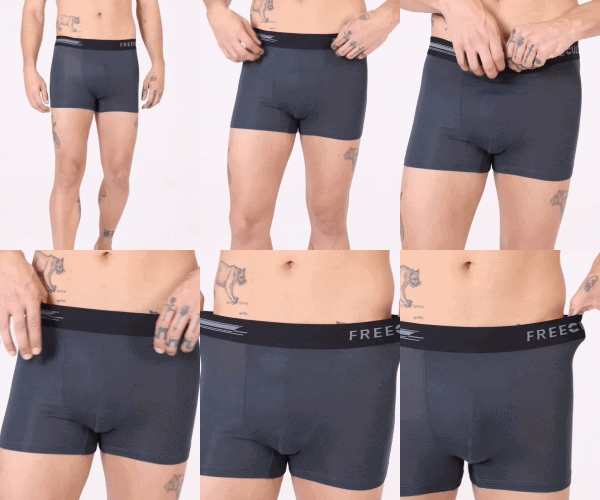
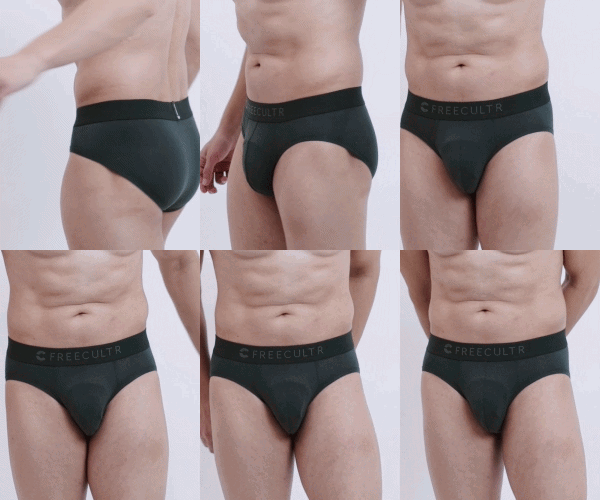
Consider underwear, something you wear daily. Cheap logo underwear might cost
Conclusion
Gen Z isn't rejecting logos out of spite. They're choosing minimalist clothing because it aligns with their economic reality, their values, and the way they see themselves. When you're navigating student debt and rising costs, spending ₹5,000 on a branded tee makes less sense than investing in quality basics that last. Social media taught them that authenticity beats flex culture, and research from McKinsey confirms that this generation prioritises sustainability and ethical production over brand prestige.
The shift is real. Minimalism isn't a trend that'll fade next season, it's a fundamental change in how young consumers define value. They want clothes that feel good, look clean, and don't scream for attention. If your wardrobe still leans on logos to make a statement, you're already behind. Start with one quality essential: a well-fitted tee, comfortable innerwear, or versatile loungewear that works across contexts. Small changes compound.
Ready to build a wardrobe that actually reflects who you are? Explore Freecultr's minimalist essentials designed for comfort, durability, and style that doesn't need a logo to prove its worth.
About freecultr
Freecultr is India's emerging D2C brand reimagining wardrobe essentials into premium comfort wear. From innerwear to loungewear and accessories, every piece is curated with sustainability and style in mind, using high-quality fabrics like micro-modal, bamboo, and organic cotton. Thoughtful design meets breathability, softness, and durability, year-round.
More Articles
How Sustainable Fashion Trends Are Reshaping Startup Brand Strategies and Consumer Loyalty5 Reasons to Invest in the Best Quality Underwear for Men
The Complete Guide to Choosing the Best Gym Clothes Men Need for Every Workout
8 Ways to Wear a Bandana for Women (Easy Styling Guide)
FAQs
Why Gen Z Rejects Logo Culture?
Gen Z actively avoids overt branding because they view logo-heavy clothing as performative status signaling that contradicts their values of authenticity, individuality, and conscious consumption, prioritizing personal identity over corporate messaging worn on their chest.
What is The Authenticity Economy?
Gen Z values genuine self-expression over borrowed status. A minimalist wardrobe built around quality fabrics like organic cotton, bamboo, or micro-modal signals thoughtfulness, not just purchasing power.
What is Economic Drivers Behind Minimalist Choices?
Gen Z faces unique economic pressures that make minimalist fashion financially strategic: they're entering adulthood with higher education costs, stagnant entry-level wages, and housing affordability crises, making cost-per-wear calculations and versatile wardrobes essential rather than aspirational lifestyle choices.
What is The Subscription Fatigue Factor?
Gen Z already juggles multiple subscription services for music, streaming, software, and fitness. Adding fashion subscriptions or constantly refreshing logo wardrobes to stay current feels like another recurring expense they can't afford.
How Social Media Shapes Buying Behavior?
Social media platforms transformed Gen Z's relationship with fashion by democratizing style inspiration, exposing greenwashing and labor exploitation, and creating communities that celebrate thrifted and minimalist aesthetics over brand-name flexing, making authenticity more valuable than logos for social capital.
What is The Influencer Paradox?
Gen Z grew up watching influencer culture mature, and sometimes implode. They've seen enough #ad disclosures to recognize paid partnerships instantly.
What Quiet Luxury Means for Gen Z?
Quiet luxury for Gen Z isn't about affording Hermès, it's about choosing clothes with superior fabric quality, thoughtful construction, and timeless design that signal taste and values rather than wealth, making premium comfort wear from brands like Freecultr more aligned with their aesthetic than traditional luxury logos.