













Quick Summary: Sustainable fashion trends are driving a fundamental shift in how startups build brand identity and earn customer loyalty. Eco-conscious consumers now prioritize transparency, ethical sourcing, and circular business models over traditional brand prestige. Startups that embed sustainability into their core strategy, not just marketing, see measurably higher retention rates and customer lifetime value. This guide shows you how emerging brands use regenerative materials, carbon-neutral supply chains, and impact metrics to differentiate in a crowded market and turn first-time buyers into vocal advocates.
Sustainable fashion trends now influence 67% of millennial and Gen Z purchase decisions, yet most startups still treat sustainability as a marketing add-on rather than a strategic foundation. That gap is costing them customers who can spot greenwashing from a mile away.
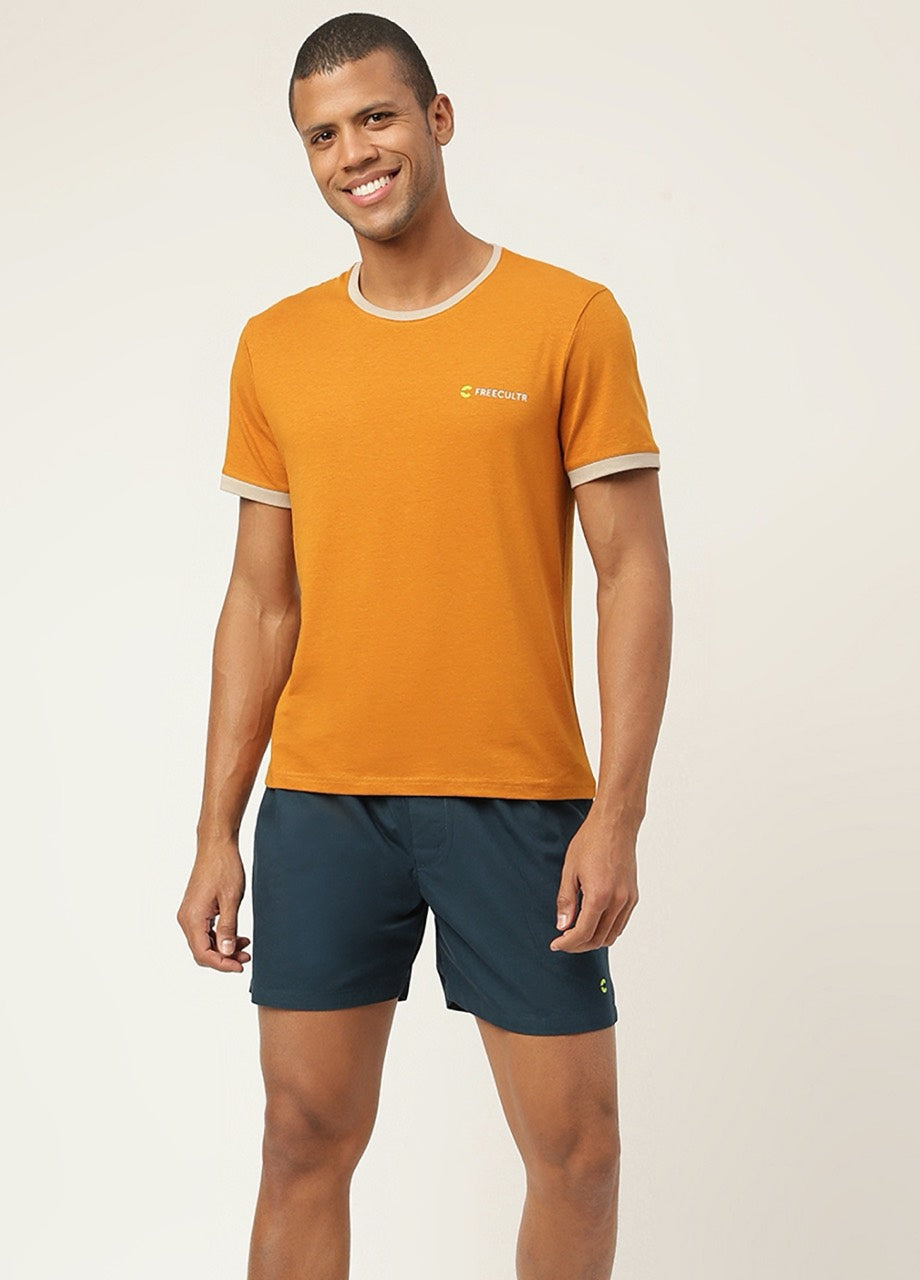
You've seen the shift: buyers asking about fabric origins, demanding proof of fair wages, and abandoning carts when brands can't answer basic questions about their environmental impact. Freecultr emerged in this exact landscape, building a brand identity around verifiable eco-practices and transparent supply chains that resonate with India's growing conscious consumer base.
But turning sustainability into actual brand loyalty requires more than bamboo-blend t-shirts and recycled packaging. It demands measurable commitments, third-party certifications, and a willingness to share both wins and setbacks publicly. The startups winning right now aren't the ones with the biggest ad budgets, they're the ones who've made sustainability inseparable from their product story, customer experience, and growth metrics.
This guide breaks down the exact strategies that turn eco-friendly positioning into competitive advantage, and shows you which metrics actually predict long-term loyalty in the sustainable fashion space.
Why Do Consumers Choose Sustainable Fashion?
Consumers choose sustainable fashion because it aligns personal values with purchasing decisions, offering transparency in supply chains, reduced environmental harm, and ethical labor practices, while delivering quality garments that last longer than fast-fashion alternatives. This shift reflects a fundamental change in how people view clothing: not as disposable trend items, but as investments in both personal style and planetary health.
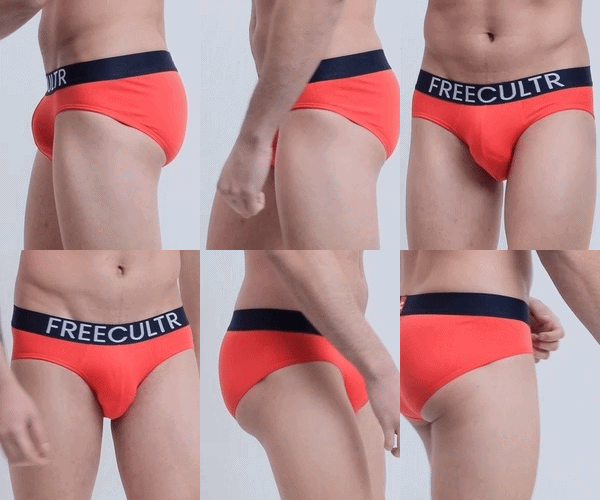
The motivation runs deeper than virtue signaling. Shoppers now research brands before buying, checking for certifications like GOTS (Global Organic Textile Standard) or Fair Trade labels. They want to know where their men's underwear was made, who stitched it, and what materials went into it. Brands that hide these details lose trust fast.
Price sensitivity still matters, but the conversation has shifted. A ₹1,200 organic cotton tee that lasts three years beats five ₹400 synthetic shirts that pill after ten washes. Durability becomes the ultimate sustainability metric, fewer purchases mean less waste, regardless of how "eco-friendly" each individual item claims to be.
Social proof drives adoption too. When friends post about their favorite sustainable brands on Instagram, it normalizes the behavior. Younger buyers especially treat brand choices as identity markers. Wearing Freecultr's bamboo-fiber innerwear signals you care about comfort and conscience equally.
Startup Strategies for Eco-Friendly Branding
Startups build eco-friendly brands by anchoring every touchpoint, from fabric sourcing to packaging to marketing copy, in verifiable sustainability claims, then communicating those choices through transparent storytelling that educates rather than lectures. The strategy isn't about perfection; it's about honest progress and inviting customers into the journey.
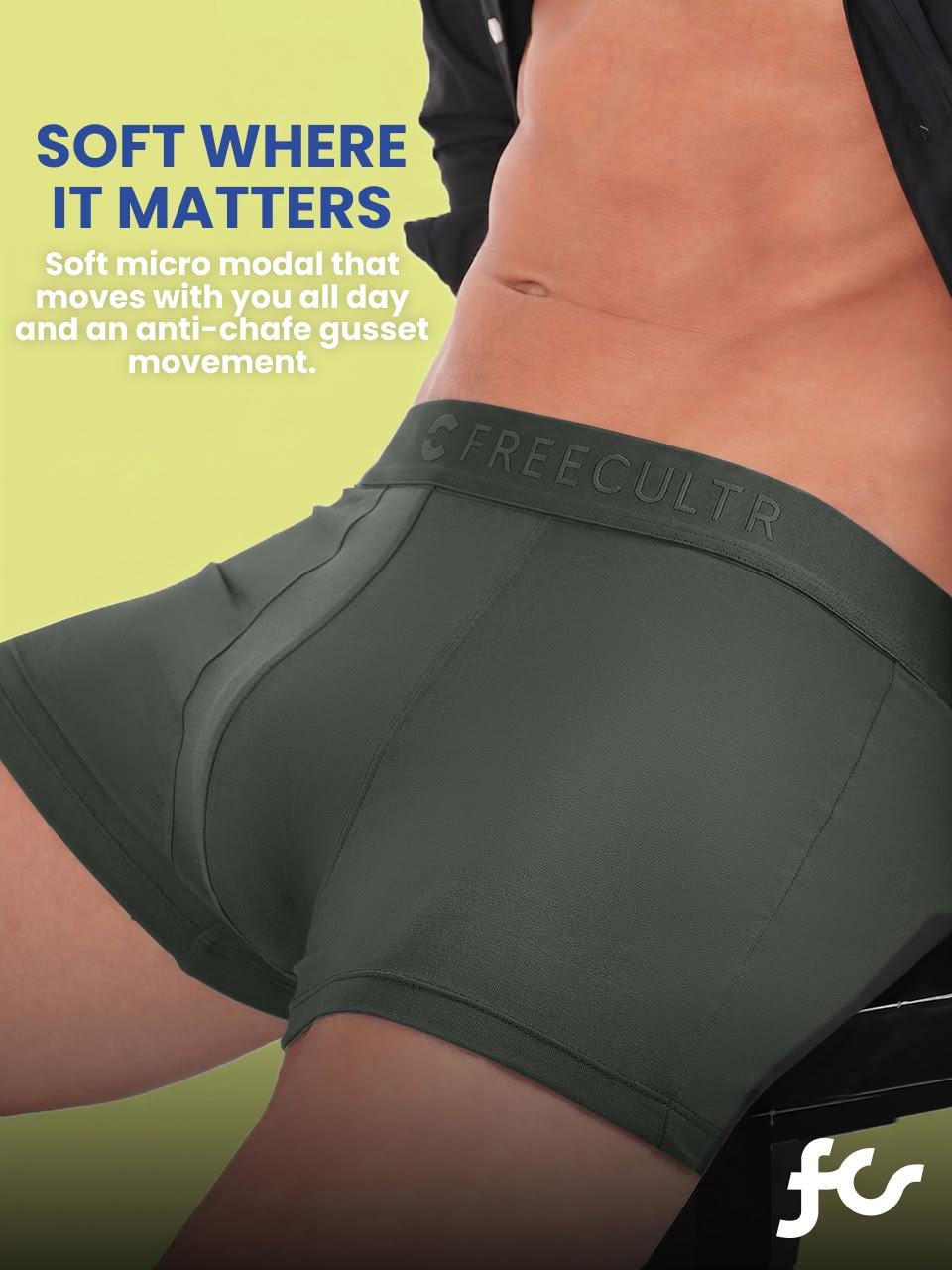
Material selection comes first. Brands like Freecultr use micro-modal, bamboo, and organic cotton because these fibers require less water and pesticides than conventional cotton. But they don't stop at sourcing, they explain why these materials matter. Product pages detail breathability, moisture-wicking properties, and how bamboo naturally resists bacteria without chemical treatments.
Packaging tells the second part of the story. Switching from plastic polybags to compostable mailers costs more upfront but builds brand equity. Include a small card explaining the packaging choice. Customers notice these details and share them.
| Strategy Element | Traditional Approach | Sustainable Startup Approach |
|---|---|---|
| Fabric sourcing | Cheapest available polyester blends | Certified organic cotton, bamboo, Tencel |
| Production runs | Mass production with high waste | Small-batch or made-to-order models |
| Packaging | Plastic bags, excessive branding inserts | Compostable mailers, minimal printed materials |
| Marketing message | Focus on trends and fast turnover | Emphasize longevity, care instructions, repair options |
| Transparency | Vague "eco-friendly" claims | Factory locations, material certifications, carbon footprint data |
Certifications matter, but they're not the whole story. Getting GOTS or OEKO-TEX certification costs money and time, resources early-stage startups often lack. Start by documenting your supply chain publicly. Name your fabric mills. Show factory photos. This builds credibility while you work toward formal certifications.
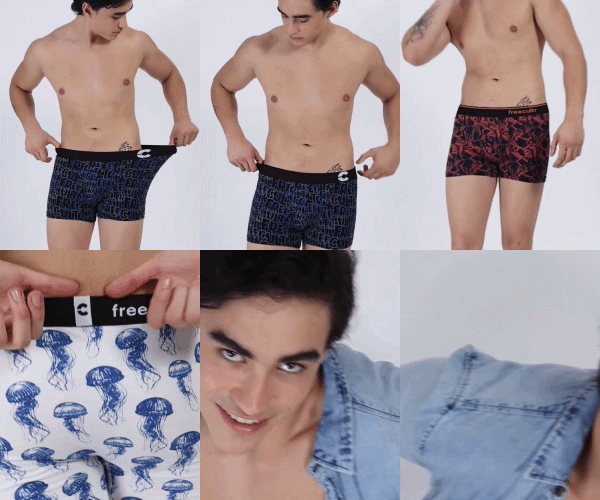
Content marketing becomes your education engine. Write guides on fabric care to extend garment life. Create videos showing how bamboo is harvested and processed. Answer questions like "Why does organic cotton cost more?" directly on your blog. This positions you as an authority while naturally incorporating keywords like printed underwear styles that drive search traffic.
How Does Sustainability Build Brand Loyalty?
Sustainability builds loyalty by transforming transactions into relationships, when customers believe a brand shares their values and proves it through consistent action, they become advocates who return repeatedly and recruit others, creating a community rather than just a customer base. This loyalty survives price competition because it's rooted in identity, not just utility.
The mechanism is psychological. Buying sustainable fashion lets people vote with their wallets. Each purchase reinforces their self-image as someone who cares about the planet. Switching brands would mean admitting they made a mistake or compromising their values, a cognitive dissonance most people avoid.
Freecultr's approach demonstrates this in action. By offering premium comfort wear made from sustainable materials at accessible price points (₹600-₹1,500 for most items), they remove the "sustainability tax" excuse. Customers don't have to choose between ethics and affordability. That removes friction and builds repeat purchase behavior.
Transparency creates emotional investment. When a brand shares its sustainability roadmap, including what it hasn't figured out yet, customers feel like partners in progress. Post quarterly updates on carbon reduction efforts. Admit when you fall short. This vulnerability builds trust faster than polished perfection ever could.
Community amplifies loyalty. Create spaces where customers can share styling tips, care advice, and why they chose sustainable fashion. User-generated content becomes your most powerful marketing. When someone posts about their favorite Freecultr bandana and tags three friends, that's loyalty converting to acquisition, at zero ad cost.
What Role Does Product Quality Play?
Quality is non-negotiable. Sustainability claims collapse if the product falls apart after three washes. Durability proves your commitment wasn't just marketing. A well-made garment that lasts five years prevents four replacement purchases, that's real environmental impact.
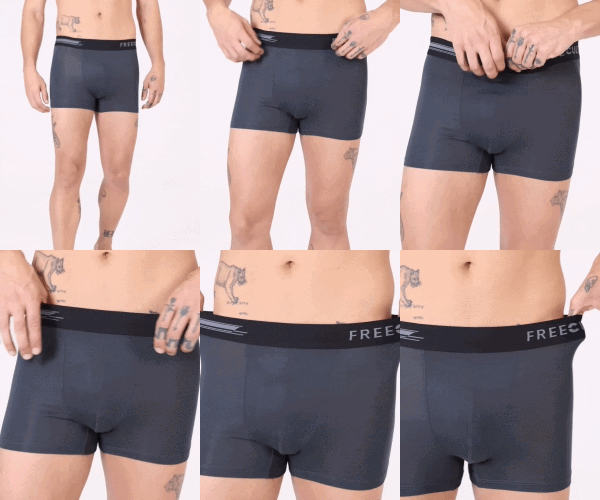
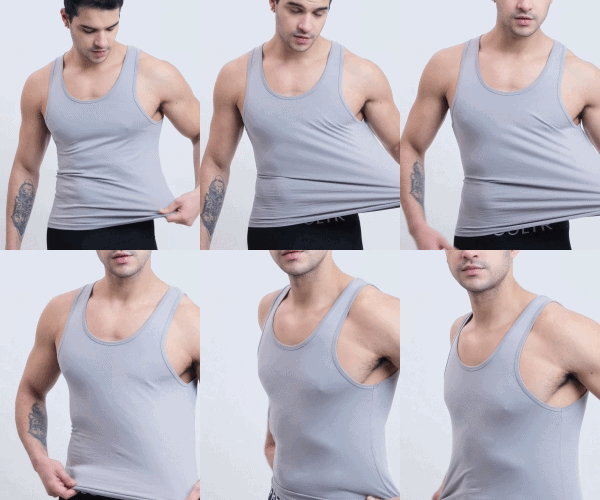
Freecultr's focus on fabrics like micro-modal and bamboo directly supports this. These materials maintain softness and shape through dozens of wash cycles. Customers notice when their innerwear doesn't stretch out or fade. That sensory experience, feeling the quality every time they wear it, reinforces their decision to stay loyal.
Measuring Impact: Metrics That Matter
Measuring sustainability impact requires tracking both environmental metrics (water saved, carbon emissions reduced, waste diverted) and business outcomes (customer retention rate, lifetime value, referral rates) to prove that eco-friendly practices drive both planetary health and profitable growth. The key is choosing metrics you can actually measure and improve, not just impressive-sounding numbers.
Start with what you can control. Calculate water usage per garment by working with your fabric suppliers. Track packaging waste by weighing materials before and after switching to compostable options. These concrete numbers let you report progress honestly.
Customer metrics reveal loyalty strength. Track repeat purchase rate, sustainable brands typically see 40-60% of revenue from returning customers versus 20-30% for fast fashion. Monitor Net Promoter Score (NPS) quarterly. Sustainable brands often score 50+ because customers become evangelists.
- Carbon footprint per order (including shipping)
- Percentage of materials from certified sustainable sources
- Average garment lifespan based on customer surveys
- Customer acquisition cost (CAC) versus lifetime value (LTV) ratio
- Social media engagement rate on sustainability content
- Return rate (lower returns mean better fit and quality)
Connect environmental wins to business outcomes. When you reduce packaging waste by 30%, also measure how that messaging affects conversion rates on product pages. Does mentioning compostable packaging in email campaigns improve open rates? These connections prove sustainability isn't just ethical, it's strategic.
Survey customers regularly. Ask what sustainability features matter most to them. Which certifications do they recognize? What would make them recommend your brand? This qualitative data guides where to invest next. If customers care more about ethical labor than carbon offsets, prioritize factory transparency over tree-planting programs.
How Do You Communicate Progress Without Greenwashing?
Specificity prevents greenwashing. Instead of "eco-friendly materials," say "GOTS-certified organic cotton from Gujarat mills using 70% less water than conventional cotton." Instead of "sustainable packaging," say "compostable mailers that break down in 180 days in home compost."
Share setbacks alongside wins. If your carbon footprint increased because you expanded to a new warehouse, explain it. Customers respect honesty. Greenwashing happens when brands cherry-pick only positive data. Full transparency, even when imperfect, builds credibility that survives scrutiny.
More Articles
6 Reasons Women Are Loving Freecultr Hipster Panties8 Ways to Wear a Bandana for Women (Easy Styling Guide)
Best Bandana Guide: 10 Ways to Style This Must-Have
Men's Underwear India: From Chaddi-Baniyan to Now
Conclusion
Sustainable fashion isn't a passing trend , it's the new baseline. Consumers now expect transparency, traceability, and genuine environmental impact from the brands they support. Startups that embed eco-friendly practices into their core strategy , not as a marketing afterthought , are winning long-term loyalty. The metrics that matter most aren't just sales figures. They're carbon footprints, water savings, and the percentage of your supply chain you can trace back to ethical sources.
But here's the real shift: sustainability builds emotional connection. When a customer knows their purchase supports fair wages, reduces waste, or uses organic cotton that saves water, they're not just buying a product , they're joining a movement. That's the loyalty loop modern startups need to close. If you're ready to align your wardrobe with your values, explore how Freecultr's sustainable comfort wear combines premium fabrics like bamboo and micro-modal with transparent, eco-conscious design. Your next purchase can be both stylish and responsible.
About freecultr
Freecultr is India's emerging D2C brand reimagining wardrobe essentials into premium comfort wear. From innerwear for him and her to loungewear, tees, socks, and bandanas, every piece is curated with sustainability and style in mind. The collection uses high-quality fabrics , micro-modal, bamboo, and organic cotton , ensuring breathability, softness, and durability year-round.
More Articles
Men's Underwear India: From Chaddi-Baniyan to Now5 Printed Underwear Styles for Men to Own Right Now
6 Reasons Women Are Loving Freecultr Hipster Panties
Best Bandana Guide: 10 Ways to Style This Must-Have
FAQs
Why Do Consumers Choose Sustainable Fashion?
Consumers choose sustainable fashion because it aligns personal values with purchasing decisions, offering transparency in supply chains, reduced environmental harm, and ethical labor practices, while delivering quality garments that last longer than fast-fashion alternatives. This shift reflects a fundamental change in how people view clothing: not as disposable trend items, but as investments in both personal style and planetary health.
What is Startup Strategies for Eco-Friendly Branding?
Startups build eco-friendly brands by anchoring every touchpoint, from fabric sourcing to packaging to marketing copy, in verifiable sustainability claims, then communicating those choices through transparent storytelling that educates rather than lectures. The strategy isn't about perfection; it's about honest progress and inviting customers into the journey.
How Does Sustainability Build Brand Loyalty?
Sustainability builds loyalty by transforming transactions into relationships, when customers believe a brand shares their values and proves it through consistent action, they become advocates who return repeatedly and recruit others, creating a community rather than just a customer base. This loyalty survives price competition because it's rooted in identity, not just utility.
What Role Does Product Quality Play?
Quality is non-negotiable. Sustainability claims collapse if the product falls apart after three washes.
What is Measuring Impact: Metrics That Matter?
Measuring sustainability impact requires tracking both environmental metrics (water saved, carbon emissions reduced, waste diverted) and business outcomes (customer retention rate, lifetime value, referral rates) to prove that eco-friendly practices drive both planetary health and profitable growth. The key is choosing metrics you can actually measure and improve, not just impressive-sounding numbers.
How Do You Communicate Progress Without Greenwashing?
Specificity prevents greenwashing. Instead of "eco-friendly materials," say "GOTS-certified organic cotton from Gujarat mills using 70% less water than conventional cotton." Instead of "sustainable packaging," say "compostable mailers that break down in 180 days in home compost.".