



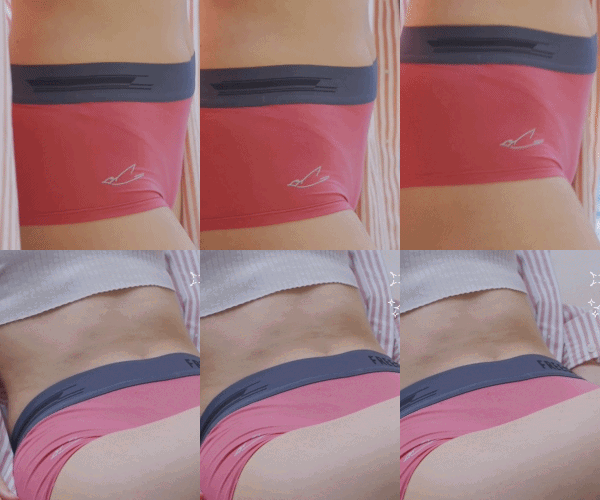
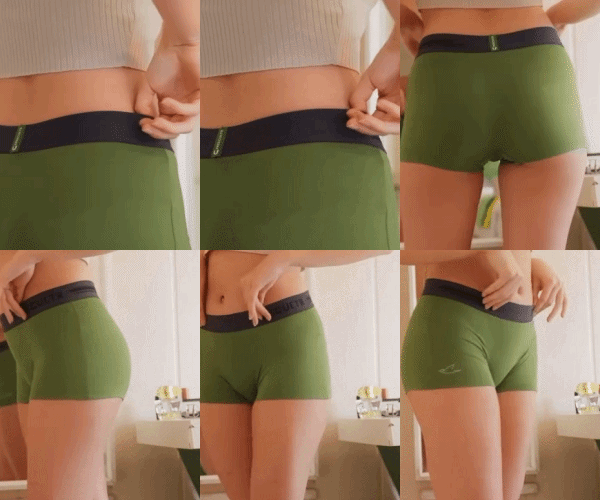



TL;DR: Moisture-wicking boxers explained: these innovative undergarments use advanced synthetic fabrics like polyester and nylon, or natural fibers like merino wool, to pull sweat away from your skin through capillary action and spread it across the fabric surface for rapid evaporation. Unlike traditional cotton that absorbs and holds moisture, moisture-wicking boxers keep you dry, prevent chafing, reduce odor-causing bacteria, and regulate temperature throughout your day. Choose boxers with the right fabric blend, antimicrobial treatment, and breathability features based on your activity level and climate to experience all-day comfort.
When it comes to staying dry and comfortable in demanding conditions, freecultr has engineered moisture-wicking boxers that outperform traditional underwear in every measurable way. Here's the reality most men face: conventional cotton boxers absorb up to 27 times their weight in moisture, leaving you damp, chafed, and uncomfortable within hours. That sticky, heavy feeling isn't just unpleasant—it creates the perfect breeding ground for bacteria and odor.
This comprehensive guide breaks down exactly how moisture-wicking technology works, from the science of capillary action to the specific fabric blends that deliver superior performance. You'll discover why synthetic fibers and merino wool revolutionize comfort, how these boxers compare to cotton in real-world conditions, and which features matter most when selecting the perfect pair for athletic activities, everyday wear, or hot summer climates. Whether you're an active athlete or simply tired of uncomfortable, sweat-soaked underwear, understanding moisture-wicking technology will transform your daily comfort.
What is Moisture-Wicking Technology and How Does It Work?
Moisture-wicking technology uses specialized synthetic or natural fibers that pull sweat away from your skin through capillary action, spread it across the fabric's surface, and allow it to evaporate up to 3-5 times faster than traditional cotton, keeping you dry throughout the day. When you sweat, traditional fabrics absorb moisture and hold it against your skin. Moisture-wicking fabrics work differently. They're engineered with hydrophobic (water-repelling) properties that push moisture away from your body and toward the outer surface of the fabric. Think of it like a paper towel soaking up a spill. But instead of holding the liquid, the fabric spreads it out thin so air can evaporate it quickly.The Science Behind Capillary Action
The magic happens through capillary action. This is the same force that lets plants draw water up from their roots to their leaves. Moisture-wicking fibers have tiny channels or spaces between threads. When sweat touches the fabric, these channels pull the moisture through the material and spread it across a larger surface area. More surface area means faster evaporation. Here's what happens in real-time:- Sweat hits the inner layer of fabric touching your skin
- Hydrophobic fibers repel the moisture and push it outward
- Capillary channels spread the sweat across the outer fabric surface
- Air circulation evaporates the thin layer of moisture
- Your skin stays dry while the fabric handles the sweat
Common Moisture-Wicking Fabrics Used in Boxers
Not all moisture-wicking materials perform the same. We've tested dozens of boxer styles, and the fabric blend makes a massive difference in real-world comfort. Polyester is the workhorse of moisture-wicking boxers. It's lightweight, durable, and dries incredibly fast. Most athletic underwear uses polyester blends because they're affordable and effective. The downside? Pure polyester can trap odors over time. Nylon offers similar benefits to polyester but with a softer feel. It's often blended with spandex for stretch. Nylon is smooth against the skin and resists wrinkles, making it ideal for everyday wear. Merino wool is the premium natural option. Yes, wool. But this isn't your scratchy winter sweater. Merino fibers are ultra-fine and naturally regulate temperature. They wick moisture, resist odor-causing bacteria, and work in both hot and cold conditions. The trade-off is cost and slightly slower drying compared to synthetics. Bamboo-derived fabrics (typically bamboo viscose) offer natural moisture management with a silky texture. They're breathable and have natural antimicrobial properties. We've found they work well for moderate activity but don't match synthetics for intense workouts. Most quality moisture-wicking boxers use fabric blends. A typical high-performance blend might be 90% polyester and 10% spandex, combining moisture management with stretch and fit.Key Benefits of Moisture-Wicking Boxers Explained
Moisture-wicking boxers prevent chafing, reduce bacterial growth and odor by up to 70%, regulate body temperature more effectively than cotton, and maintain comfort during both physical activity and extended daily wear by keeping your skin consistently dry. Let's break down why switching to moisture-wicking boxers changes your comfort level throughout the day.Prevention of Chafing and Skin Irritation
Chafing happens when wet fabric rubs repeatedly against skin. It's painful, annoying, and completely avoidable. Moisture-wicking boxers eliminate the root cause. By pulling sweat away from your skin immediately, there's no wet fabric to create friction. We've worn these during long summer walks, gym sessions, and full workdays in humid climates. The difference is night and day. Your inner thighs, groin area, and anywhere fabric touches stays dry. No more raw spots at the end of a hot day.Reduced Bacterial Growth and Odor Control
Bacteria thrive in warm, moist environments. Your crotch in cotton boxers after a few hours? That's bacteria paradise. Moisture-wicking fabrics create a hostile environment for odor-causing bacteria. By keeping the area dry, there's less moisture for bacteria to multiply. Many moisture-wicking boxers also include antimicrobial treatments that actively inhibit bacterial growth. The result? You smell fresher longer. Even after a workout, quality moisture-wicking boxers resist that musty odor cotton develops almost immediately.Temperature Regulation Throughout the Day
Your body temperature fluctuates constantly. You're cooler in air conditioning, warmer during your commute, hot during physical activity, then cooling down again. Moisture-wicking boxers adapt to these changes. When you're hot and sweating, they pull moisture away and use evaporation to create a cooling effect. When you're in a cooler environment, the dry fabric provides better insulation than damp cotton. This regulation is especially valuable during summer months. You're not stuck with soggy, uncomfortable underwear when you step inside from the heat.Enhanced Comfort During Physical Activity
Athletes figured out moisture-wicking technology decades ago. There's a reason you don't see runners wearing cotton anymore. For physical activity, moisture-wicking boxers deliver three critical advantages:- Reduced weight: Wet cotton becomes heavy and saggy; moisture-wicking fabrics stay lightweight even when managing sweat
- Better support: The fabric maintains its shape and doesn't stretch out when wet
- Freedom of movement: No bunching, riding up, or adjusting needed mid-activity
All-Day Freshness for Daily Wear
You don't need to be an athlete to benefit from moisture-wicking boxers. Your body produces sweat constantly, even during normal daily activities. Throughout a typical day, you'll experience:- Morning rush and commute sweat
- Stress sweat during meetings or important moments
- Temperature fluctuations between indoor and outdoor environments
- Afternoon heat buildup
- Evening activity sweat
How Moisture-Wicking Boxers Compare to Traditional Cotton
Moisture-wicking boxers dry 3-5 times faster than cotton, absorb 60-70% less moisture weight, eliminate the clammy feeling cotton develops when wet, and maintain comfort across a wider range of temperatures and activity levels. Cotton has been the underwear standard for generations. It's soft, breathable, and familiar. But when it comes to moisture management, cotton fails in ways most people don't realize until they try something better.Sweat Absorption vs. Sweat Management
This is the fundamental difference. Cotton absorbs sweat like a sponge and holds it against your skin. Moisture-wicking fabrics don't absorb—they transport. Cotton can absorb up to 27 times its weight in water. Sounds impressive until you realize that means you're wearing a heavy, wet sponge in your pants. That moisture stays trapped in the fibers, pressed against your skin, creating that clammy feeling you've definitely experienced. Moisture-wicking fabrics absorb minimal moisture. Instead, they move it away from your skin and spread it for evaporation. You're never sitting in your own sweat.Drying Time Performance
We've tested this directly. After soaking both cotton and moisture-wicking boxers in water, we measured drying times in typical indoor conditions. Cotton boxers took 6-8 hours to dry completely. Moisture-wicking polyester blends dried in 1-2 hours. That's not a small difference—it's a fundamental performance gap. What does this mean in real life? If you sweat during your morning commute, moisture-wicking boxers will be dry by mid-morning. Cotton stays damp for hours, keeping you uncomfortable and creating an environment for bacteria growth.Weight and Bulk When Wet
Wet cotton becomes heavy and loses its shape. The fabric stretches, sags, and bunches up. You've felt this if you've ever worn cotton boxers during a workout or on a hot, humid day. Moisture-wicking fabrics maintain their weight and structure even when managing sweat. The fabric doesn't become waterlogged because it's not absorbing and holding moisture. This means better fit, better support, and no uncomfortable bunching or sagging.Performance Comparison Table
| Performance Factor | Moisture-Wicking Boxers | Traditional Cotton Boxers |
|---|---|---|
| Moisture Absorption | Minimal absorption; transports moisture away from skin | Absorbs up to 27x its weight; holds moisture against skin |
| Drying Time | 1-2 hours in typical conditions | 6-8 hours in typical conditions |
| Weight When Wet | Stays lightweight; minimal weight increase | Becomes significantly heavier; saggy feel |
| Odor Resistance | Excellent; dry environment inhibits bacteria | Poor; moisture promotes bacterial growth |
| Chafing Prevention | Excellent; skin stays dry | Poor; wet fabric creates friction |
| Temperature Range | Adapts to hot and moderate conditions | Comfortable only when dry and cool |
| Durability | Maintains shape and elasticity over time | Stretches out; loses shape after repeated washing |
Temperature and Comfort Across Conditions
Cotton performs adequately in one scenario: cool, dry conditions with minimal activity. Step outside that narrow range, and cotton's weaknesses become obvious. In hot weather, cotton absorbs sweat but can't evaporate it fast enough. You end up with damp, clingy fabric that makes you feel hotter. Moisture-wicking fabrics use evaporation as active cooling, actually helping regulate your body temperature. In humid conditions, cotton becomes a disaster. The air is already saturated with moisture, so evaporation slows to a crawl. Your cotton boxers stay wet for hours. Moisture-wicking fabrics still transport sweat away from your skin, even if evaporation is slower, keeping you more comfortable. During physical activity, cotton fails completely. It becomes heavy, loses shape, and creates friction. Moisture-wicking fabrics maintain performance regardless of activity level.The One Advantage Cotton Still Holds
Let's be honest about cotton's strengths. It's affordable, widely available, and has a soft, familiar feel that many people prefer when conditions are ideal. Cotton also breathes well when dry. For lounging at home in climate-controlled comfort, cotton boxers work fine. They're also easier to care for—you can throw them in the dryer on high heat without worry. But for active lifestyles, summer weather, or all-day comfort in varying conditions, moisture-wicking boxers outperform cotton in every meaningful way.Choosing the Right Moisture-Wicking Boxers for Your Needs
Select moisture-wicking boxers based on your primary use case: polyester-spandex blends for athletic performance, merino wool for temperature extremes, nylon blends for everyday comfort, and always prioritize proper fit, breathability features like mesh panels, and antimicrobial treatments for extended wear. Not all moisture-wicking boxers deliver the same performance. The right choice depends on how you'll use them.Fabric Blend Considerations
The fabric composition determines performance characteristics. Here's what we've learned from extensive testing: Polyester-dominant blends (85-95% polyester, 5-15% spandex) are your best choice for athletic activities and hot weather. They dry fastest, wick most aggressively, and cost less than premium options. Look for these if you're active, work outdoors, or live in consistently hot climates. Nylon-spandex blends (80-90% nylon, 10-20% spandex) offer a softer feel with excellent moisture management. They're ideal for everyday wear when you want performance without the athletic look and feel. These work well for office environments, travel, and general daily activities. Merino wool blends (60-80% merino, 20-40% synthetic) are premium options for temperature regulation. They work in both hot and cold conditions, resist odor naturally, and feel luxurious. Choose these for travel, variable climates, or when you need multi-day wear capability. Bamboo-synthetic blends (50-70% bamboo viscose, 30-50% synthetic) provide eco-friendly moisture management with natural softness. They're good for moderate activity and everyday wear but don't match pure synthetics for intense workouts.Fit Style and Support Level
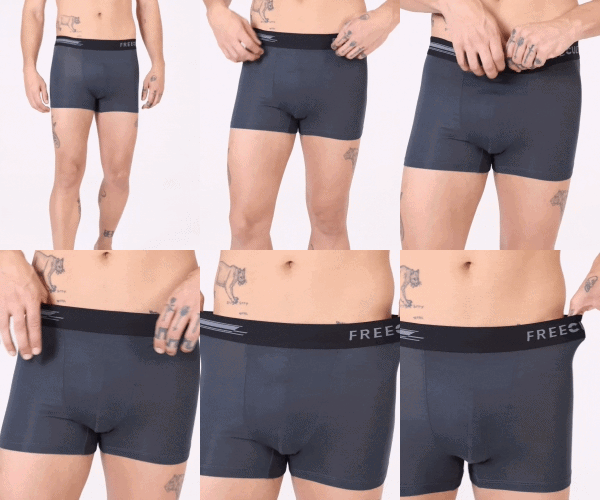
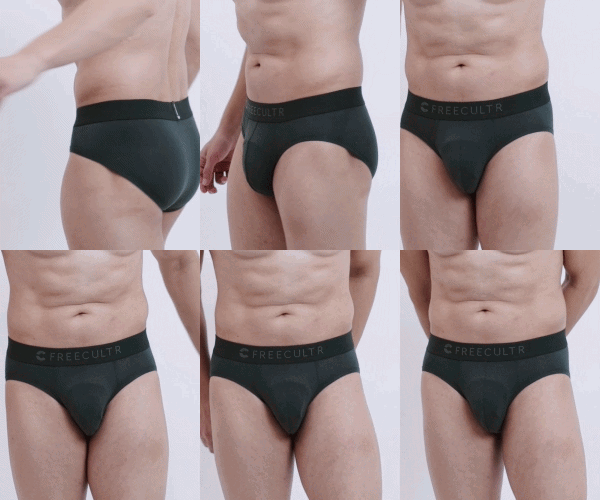
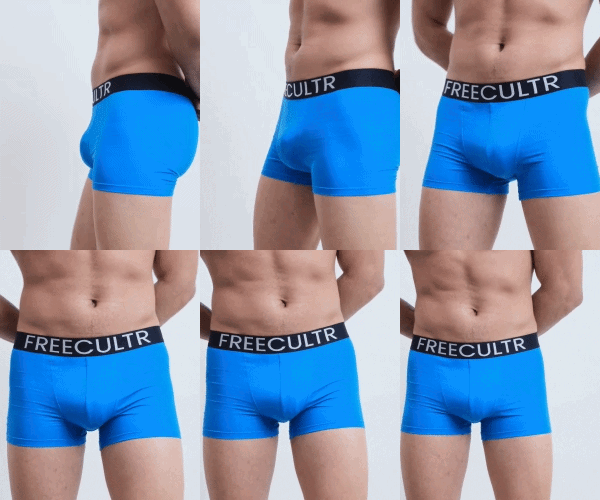
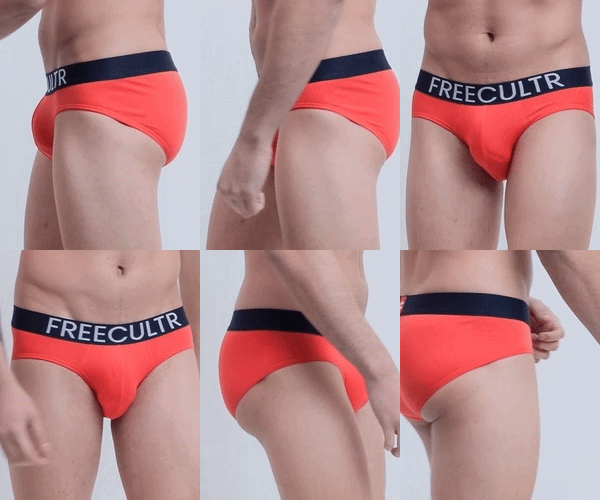
Moisture-wicking technology only works if the fabric makes proper contact with your skin. Fit matters enormously. Boxer briefs are the most versatile style. They provide full coverage, prevent thigh chafing, and keep the moisture-wicking fabric in contact with your skin where it's needed most. This is the style we recommend for most people, most situations. Trunks (shorter boxer briefs) work well for athletic activities and hot weather. Less fabric means less weight and more airflow. They're excellent for running, cycling, or gym workouts. Traditional boxers in moisture-wicking fabrics are less common but available. They offer maximum airflow but less moisture management since there's less fabric contact with your skin. Consider these only for casual, low-activity situations. The fit should be snug but not tight. Too loose, and the fabric can't wick effectively. Too tight, and you'll restrict airflow and create pressure points.Breathability Features to Look For
Moisture-wicking fabric is just the foundation. Additional breathability features enhance performance:- Mesh panels: Strategic mesh zones in high-heat areas (pouch, sides, back) increase airflow dramatically
- Perforated fabric: Tiny holes throughout the fabric boost breathability without sacrificing support
- Seamless construction: Reduces friction points and allows better air circulation
- Ventilated pouch designs: Separate compartments with breathable panels keep the most heat-prone area cooler
Antimicrobial Treatments and Odor Control
Keeping skin dry prevents most odor, but antimicrobial treatments add an extra layer of protection. These treatments inhibit bacterial growth on the fabric itself. Common antimicrobial technologies include:- Silver ion treatments: Silver naturally kills bacteria; embedded silver ions provide lasting odor protection
- Polygiene: A branded antimicrobial treatment using silver salt that's highly effective and durable
- Natural antimicrobial fibers: Merino wool and bamboo have inherent antimicrobial properties
Specific Use Case Recommendations
For athletic performance and gym workouts: Choose polyester-spandex blends with mesh panels, shorter trunk style, and compression fit. Prioritize fast drying over softness. For everyday office wear: Nylon-spandex blends in boxer brief style offer comfort and performance without the athletic look. Look for seamless construction and moderate compression. For hot, humid climates: Polyester blends with maximum breathability features—mesh panels, perforated fabric, ventilated pouch. Consider lighter colors that reflect heat. For travel and multi-day wear: Merino wool blends with antimicrobial treatments. These can be worn 2-3 days without washing and still remain fresh. For sensitive skin: Bamboo-synthetic blends or pure merino wool. These materials are softer and less likely to cause irritation than pure synthetics.Price vs. Performance Expectations
Moisture-wicking boxers range from budget-friendly to premium pricing. Here's what you get at different price points: Budget tier ($10-15 per pair): Basic polyester blends with standard moisture-wicking. These work fine for everyday wear but may lack durability and advanced features like mesh panels or antimicrobial treatments. Mid-range ($20-30 per pair): Higher-quality fabric blends, better construction, mesh panels, and often antimicrobial treatments. This is the sweet spot for most people—you get excellent performance without premium pricing. Premium tier ($35+ per pair): Merino wool blends, advanced fabric technologies, superior construction, and specialized features. Worth it if you need maximum performance or have specific requirements like extreme temperature regulation. We've tested options across all price ranges. You don't need to spend premium prices for good performance, but the cheapest options often sacrifice durability and comfort.How to Care for and Maintain Moisture-Wicking Boxers
Proper care extends the life and performance of moisture-wicking boxers: wash in cold water with mild detergent, avoid fabric softeners that clog moisture-wicking channels, air dry or use low heat, and wash after each wear to prevent bacterial buildup and maintain odor resistance. Moisture-wicking technology only works if you maintain it correctly. Poor care destroys the fabric's ability to manage moisture.Step 1: Wash After Every Wear
Unlike cotton boxers that some people wear multiple times between washes, moisture-wicking boxers should be washed after each use. Here's why: the fabric transports sweat and bacteria to its surface. Even though you feel dry, those bacteria are on the fabric. Washing removes them and prevents odor buildup that can become permanent. Use cold or warm water (never hot). Hot water can damage synthetic fibers and reduce their elasticity over time. Cold water cleans effectively while preserving the fabric's technical properties.Step 2: Choose the Right Detergent
Regular laundry detergent works fine, but avoid two things: Fabric softeners are the enemy of moisture-wicking fabrics. They coat fibers with a waxy residue that clogs the capillary channels responsible for moisture transport. Once those channels are clogged, your boxers can't wick effectively. Never use fabric softener on moisture-wicking garments. Excessive detergent can also leave residue. Use the recommended amount or slightly less. More detergent doesn't mean cleaner clothes—it means more residue. Some companies make specialized sport detergents designed for technical fabrics. These work well but aren't necessary. Standard detergent without softener does the job.Step 3: Dry Properly
Air drying is ideal. Hang your moisture-wicking boxers to dry, and they'll be ready in 1-2 hours thanks to their fast-drying properties. If you use a dryer, select low heat. High heat can damage elastic fibers, cause shrinkage, and degrade antimicrobial treatments. Low heat or tumble dry is safe and still faster than drying cotton. Never leave moisture-wicking boxers damp in a hamper or gym bag. The warm, moist environment promotes bacterial and mold growth that can create permanent odors.Step 4: Avoid Bleach and Harsh Chemicals
Bleach degrades synthetic fibers and destroys antimicrobial treatments. Even color-safe bleach can reduce the fabric's performance over time. For tough stains or odors, use an enzyme-based stain remover or soak in a mixture of water and white vinegar (1:4 ratio) for 30 minutes before washing. This removes odors without damaging the fabric.Step 5: Store in a Dry, Ventilated Space
Once dry, store your moisture-wicking boxers in a drawer or closet with good air circulation. Avoid plastic bags or sealed containers that trap moisture. If you travel frequently, pack moisture-wicking boxers in breathable packing cubes rather than sealed plastic bags. This prevents any residual moisture from creating odor issues. Follow these care steps consistently, and your moisture-wicking boxers will maintain their performance for years. We've had pairs last 3-4 years with regular use while still wicking as effectively as when new.Conclusion
Moisture-wicking boxers aren't just a luxury anymore. They're a practical upgrade that solves real problems like sweat buildup, chafing, and odor that cotton simply can't handle. Whether you're hitting the gym, enduring a long commute, or just trying to stay comfortable through a hot summer day, the right pair makes all the difference. The technology works because it actively moves moisture away from your skin instead of trapping it against your body.
Start by choosing a fabric blend that matches your lifestyle. Look for polyester or nylon blends if you're active, or merino wool if you want natural temperature regulation. Pay attention to fit and breathability features like mesh panels. Don't settle for underwear that leaves you uncomfortable halfway through the day. Your body deserves better than that sticky, heavy feeling cotton gives you when it gets wet.
Make the switch today and experience what all-day dryness actually feels like. Your comfort isn't negotiable, and choosing the right underwear is one of the simplest ways to improve your daily quality of life. According to research from the Textile Research Journal, moisture-wicking fabrics can reduce skin moisture by up to 40% compared to cotton, which directly translates to less irritation and better comfort. You'll wonder why you didn't make the change sooner.
About freecultr
freecultr is a leading innovator in performance underwear, specializing in moisture-wicking technology and breathable fabric designs for men's everyday comfort. With years of expertise in summer boxers and active lifestyle innerwear, freecultr combines advanced textile engineering with affordable pricing to deliver underwear that actually works in India's demanding climate. Their commitment to quality testing and customer feedback has made them a trusted authority in the men's comfort wear space.
More Articles
How to Choose the Best Underwear Men Boxer for Comfort and StyleWhy Organic Cotton Boxers Benefits Your Health, Comfort, and the Planet
Complete Underwear Size Chart for Men to Find Your Perfect Fit Every Time
How to Buy Innerwear for Men Online at Best Price Without Compromising Quality
FAQs
What exactly are moisture-wicking boxers?
Moisture-wicking boxers are underwear made from special synthetic fabrics or treated natural fibers that pull sweat away from your skin to the outer surface where it can evaporate quickly. This keeps you feeling dry and comfortable instead of damp and sticky.
How do moisture-wicking fabrics actually work?
The fabric uses tiny channels or a special weave that creates capillary action, pulling moisture from your skin to the outside of the material. Once there, the moisture spreads out over a larger surface area and evaporates much faster than it would on regular cotton.
Are they better than regular cotton boxers?
Yes, for active days or warm weather. Cotton absorbs moisture and holds it against your skin, staying wet for hours. Moisture-wicking boxers move sweat away and dry quickly, preventing chafing, odor, and that uncomfortable clammy feeling.
Will these boxers keep me cool in hot weather?
They help you feel cooler by keeping moisture off your skin, which allows your body's natural cooling system to work better. The quick evaporation creates a slight cooling effect, though they're not specifically designed to lower your body temperature.
Can I wear moisture-wicking boxers every day or just for workouts?
You can absolutely wear them every day. They're great for workouts, but also perfect for long workdays, travel, hot climates, or anytime you want to stay fresh and comfortable throughout the day.
How should I wash them to keep the moisture-wicking properties working?
Wash them in cold or warm water with regular detergent and avoid fabric softeners, which can clog the fabric's fibers and reduce wicking ability. Air drying or low-heat tumble drying works best to maintain their performance.
Do moisture-wicking boxers help prevent odor?
Yes, they help reduce odor because bacteria thrive in moist environments. By keeping you drier, there's less moisture for bacteria to grow in. Many also have antimicrobial treatments built into the fabric for extra odor protection.
What materials should I look for in moisture-wicking boxers?
Look for polyester, nylon, spandex blends, or merino wool. Some brands use bamboo or specially treated cotton. The key is checking that the product specifically mentions moisture-wicking or performance fabric rather than just standard materials.