

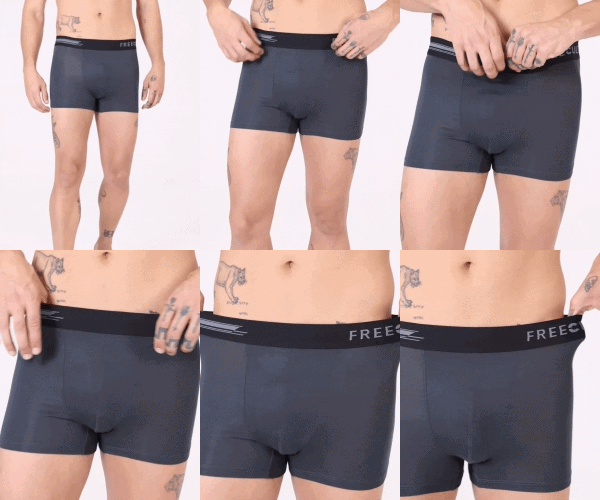
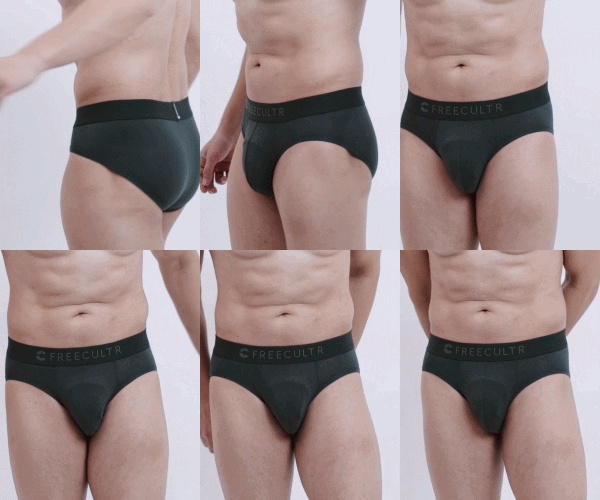
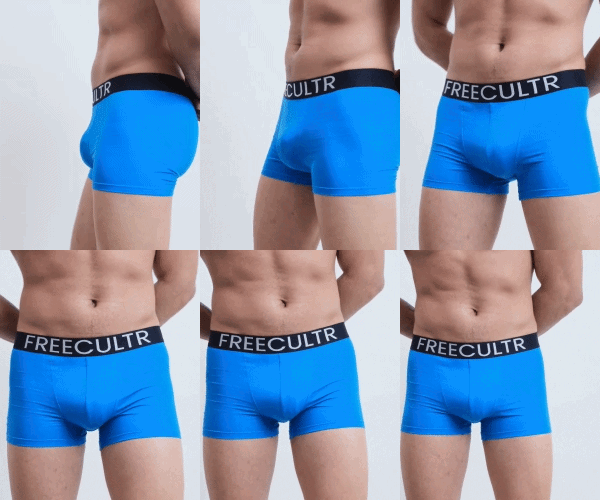
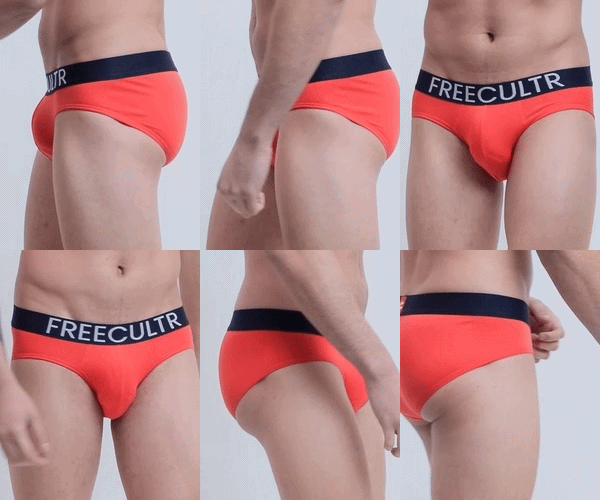
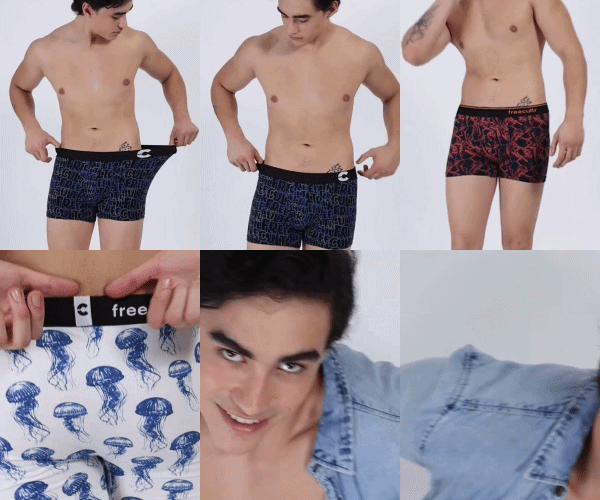
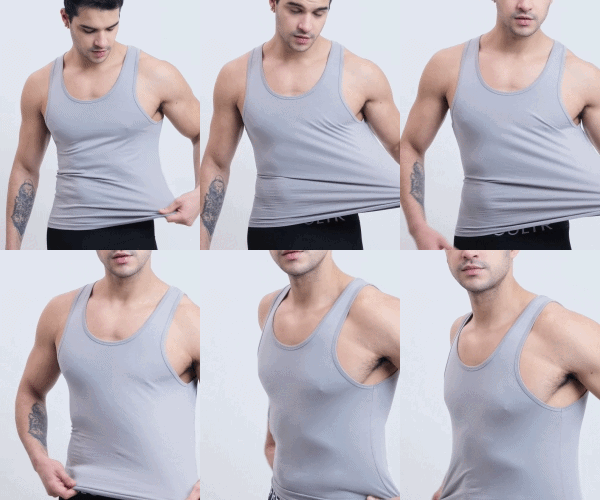


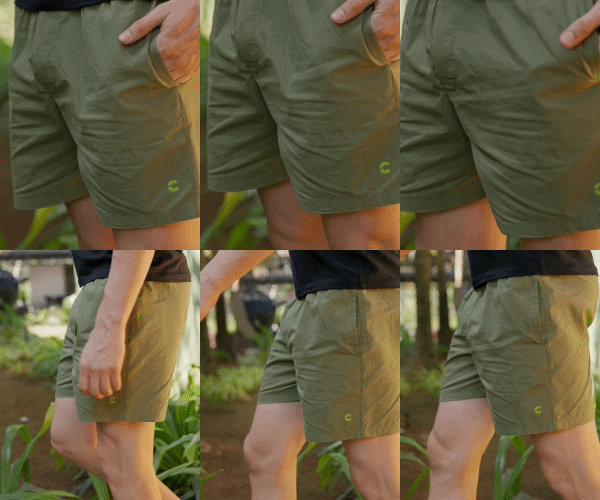

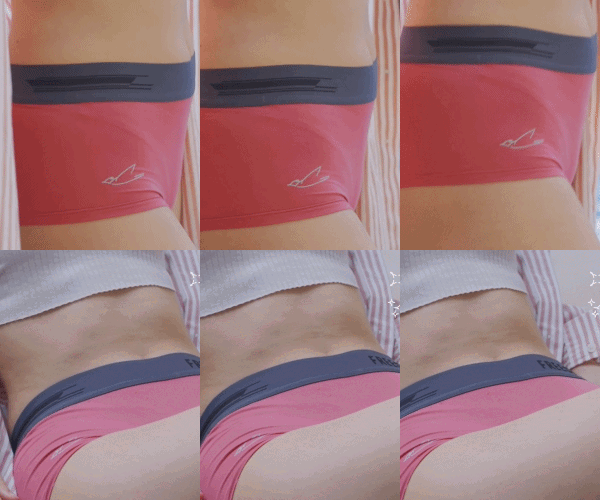
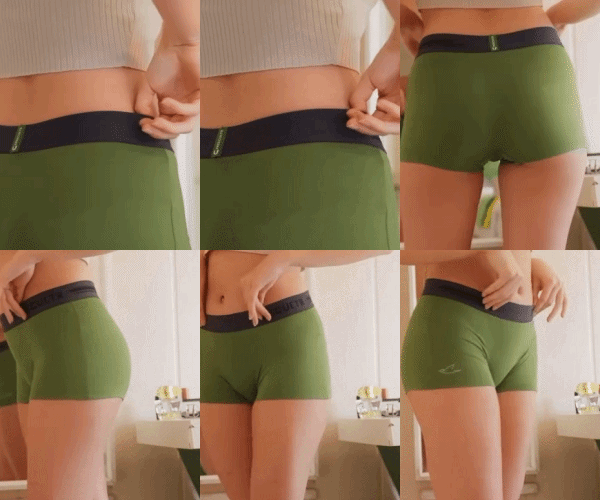
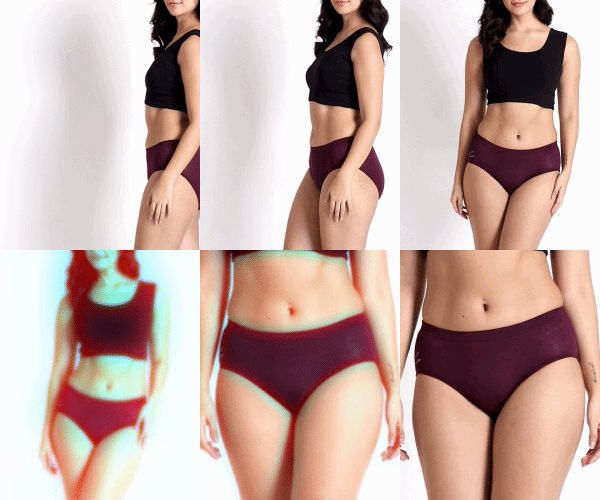
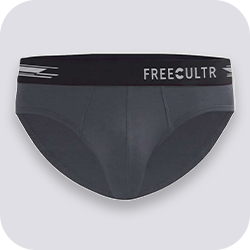
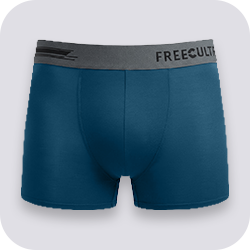
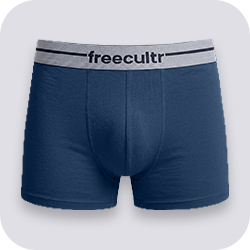
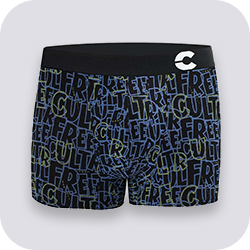
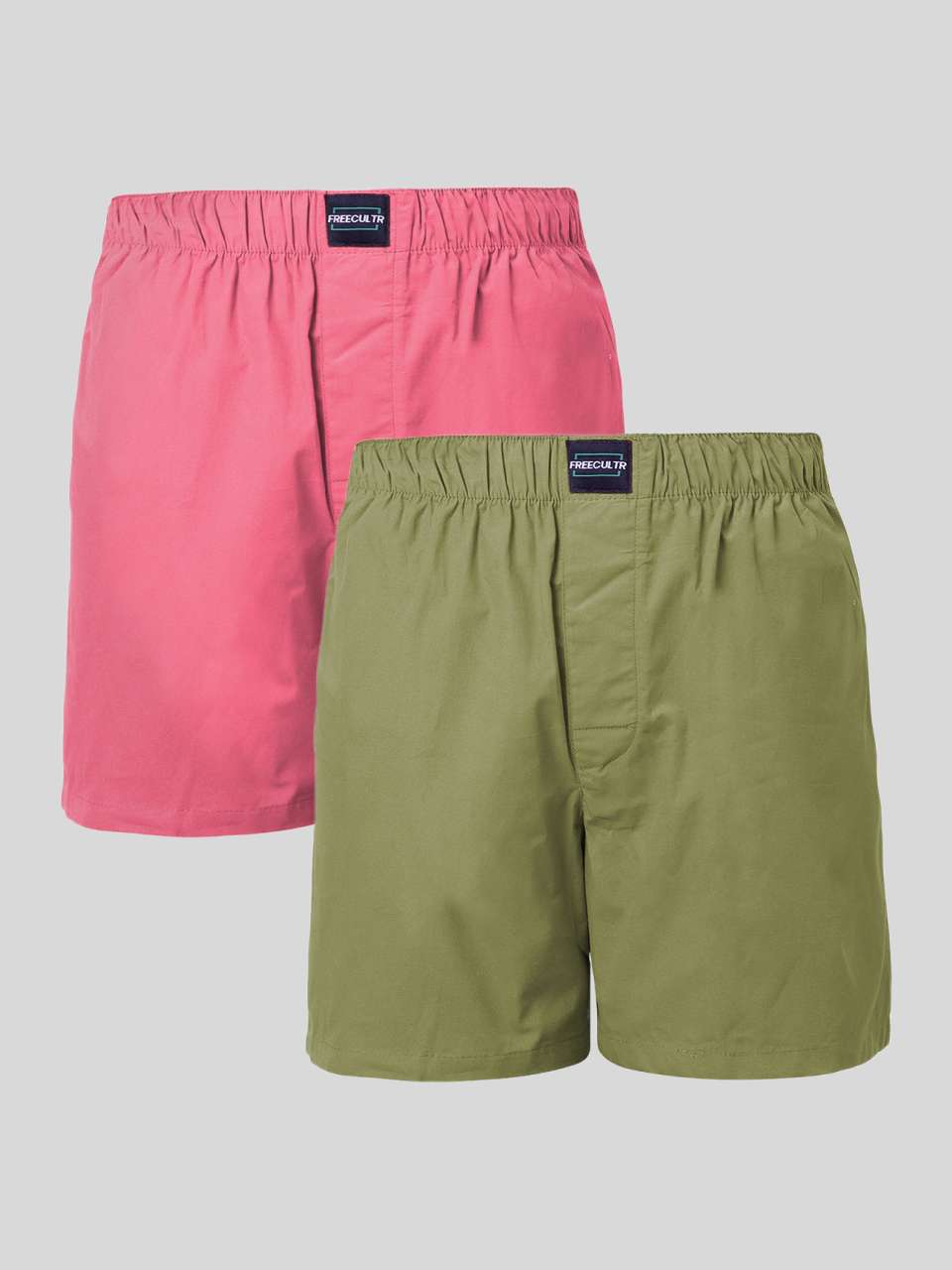
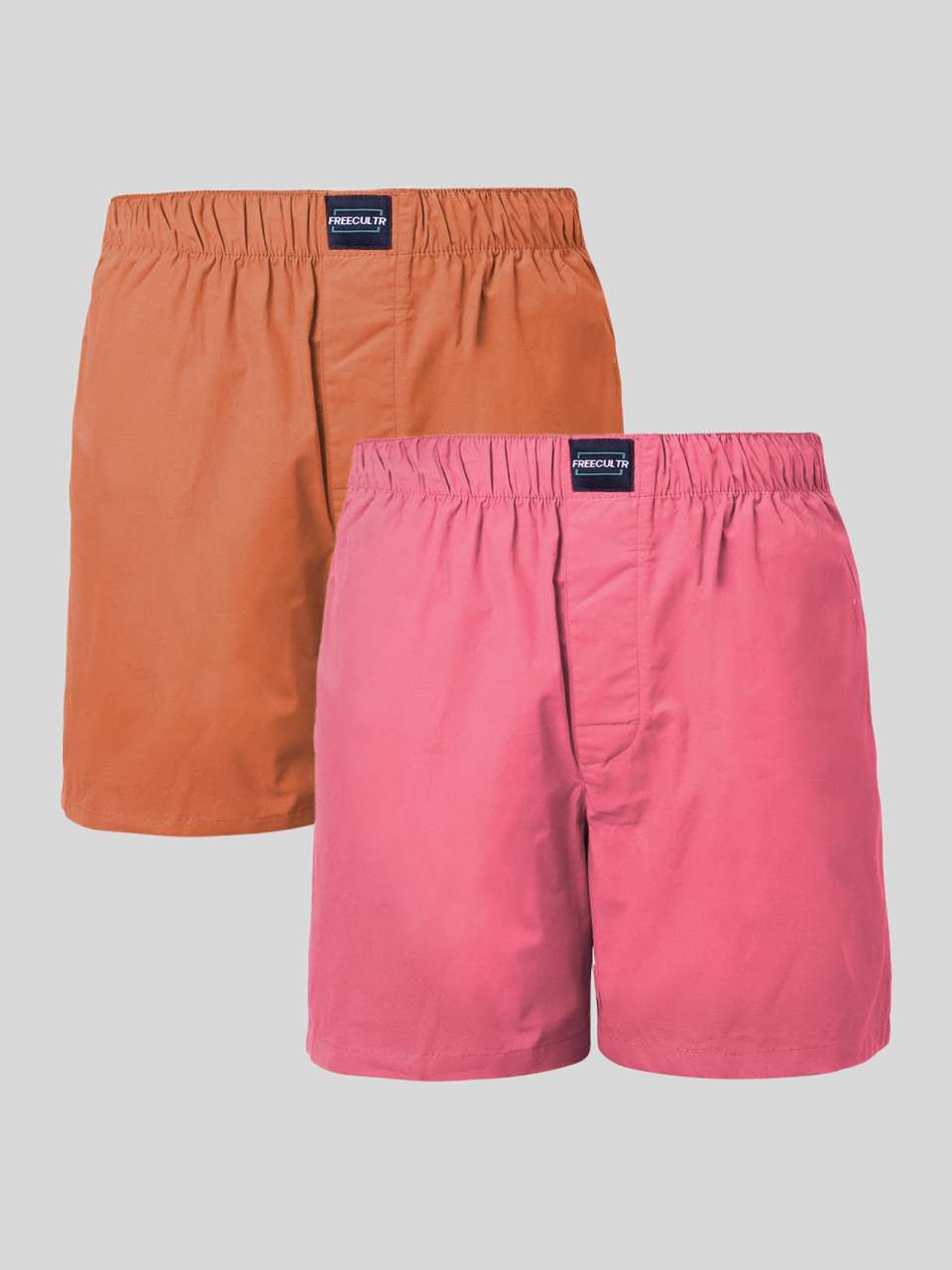
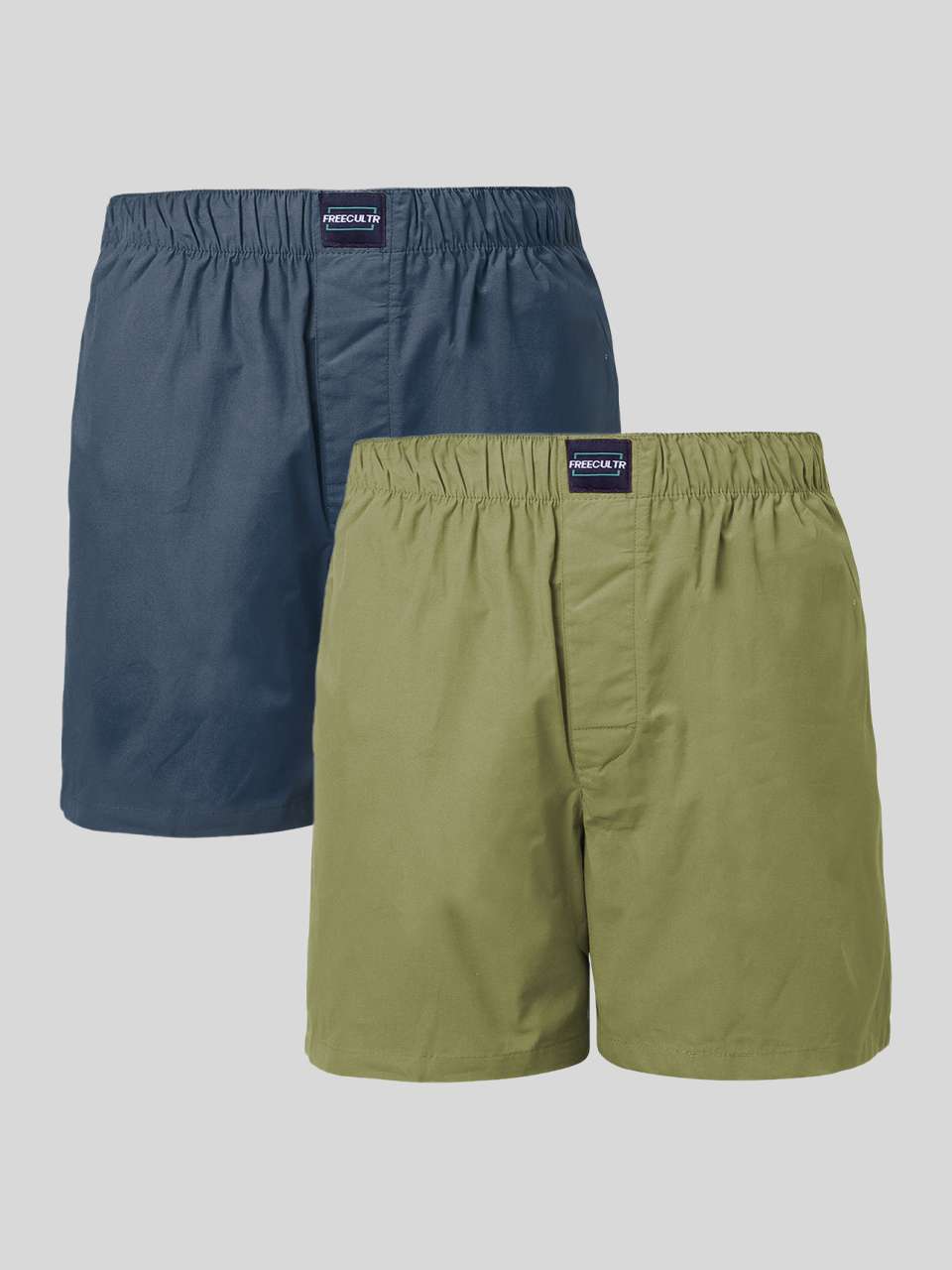
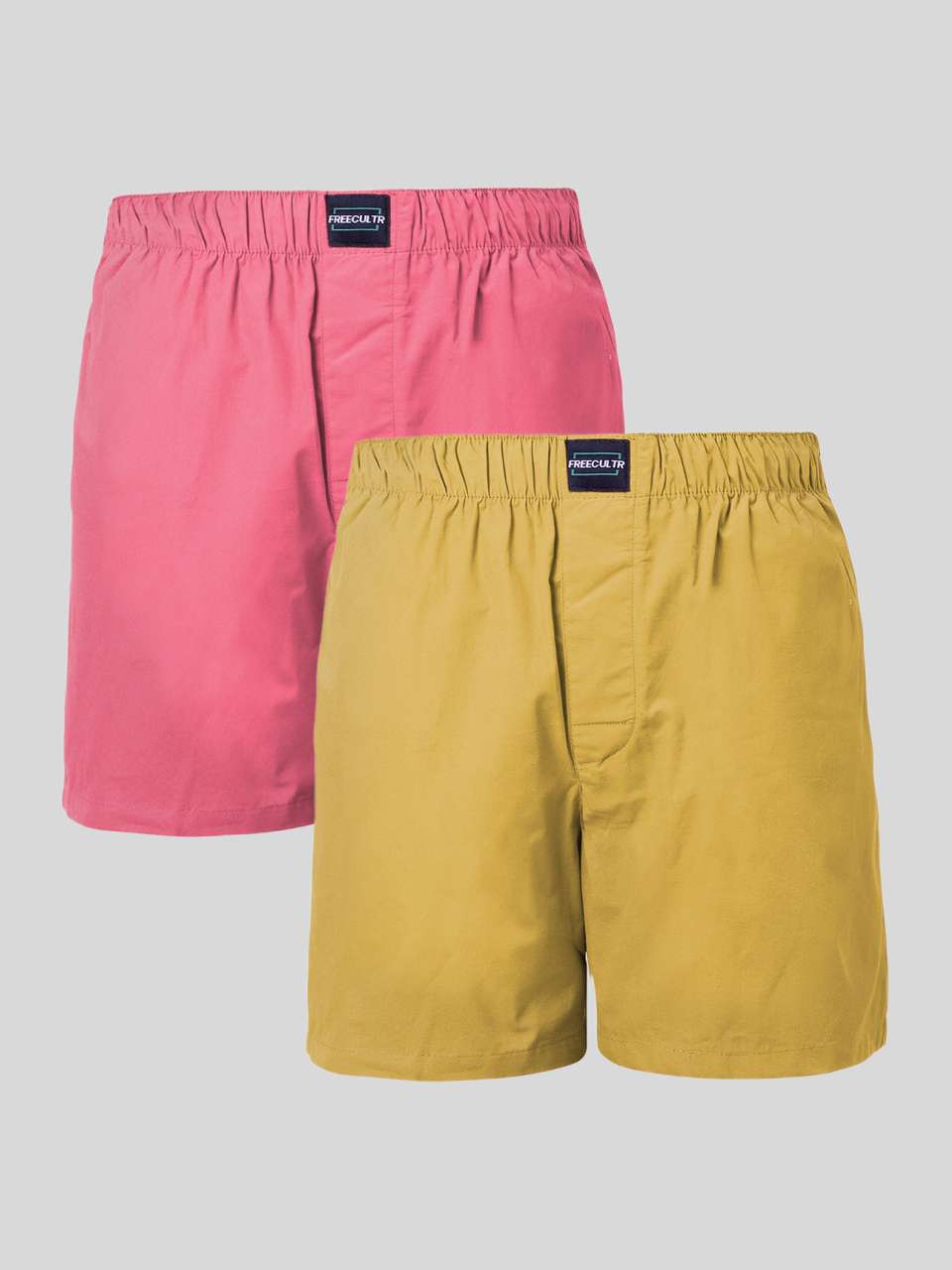
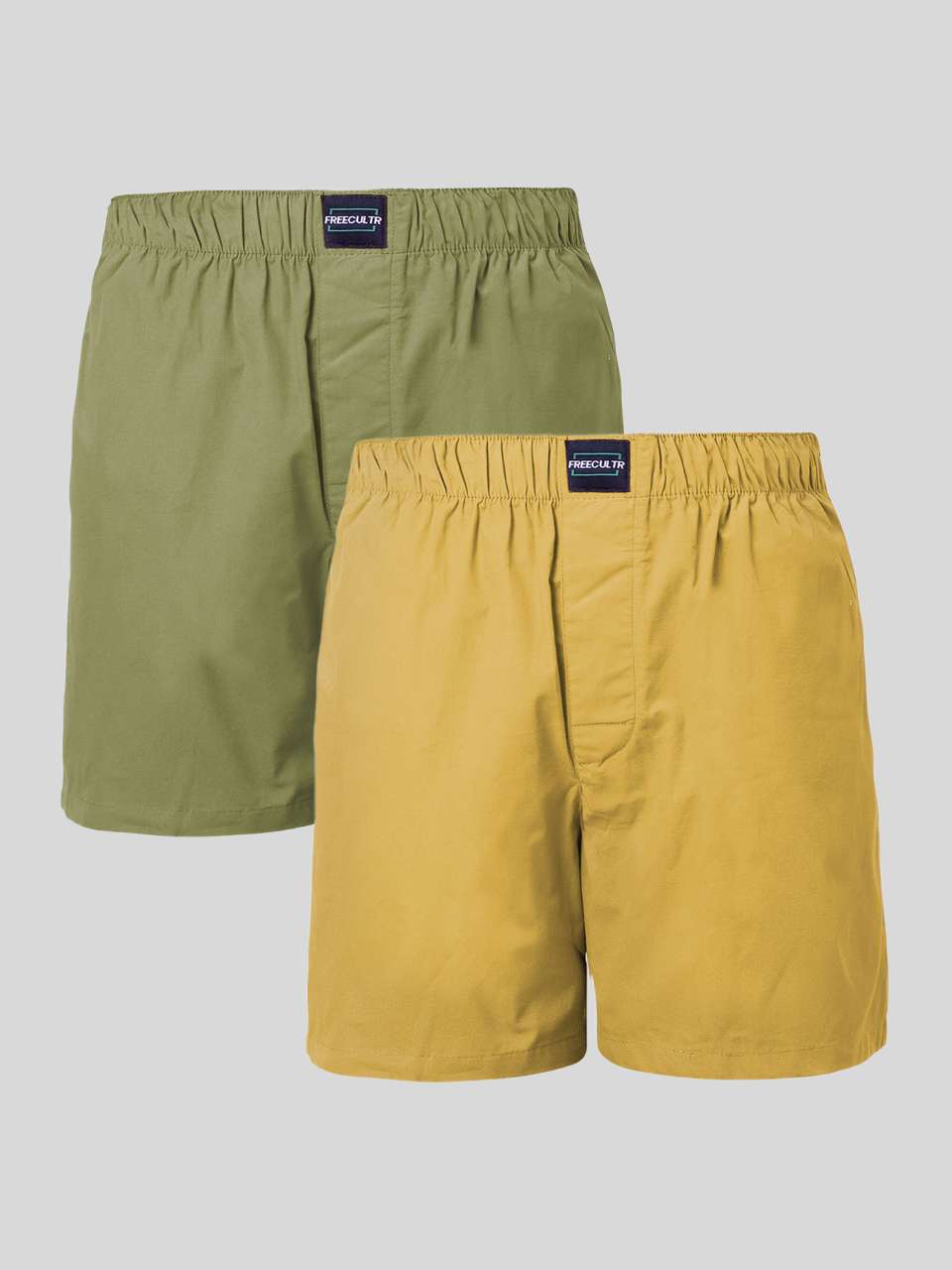
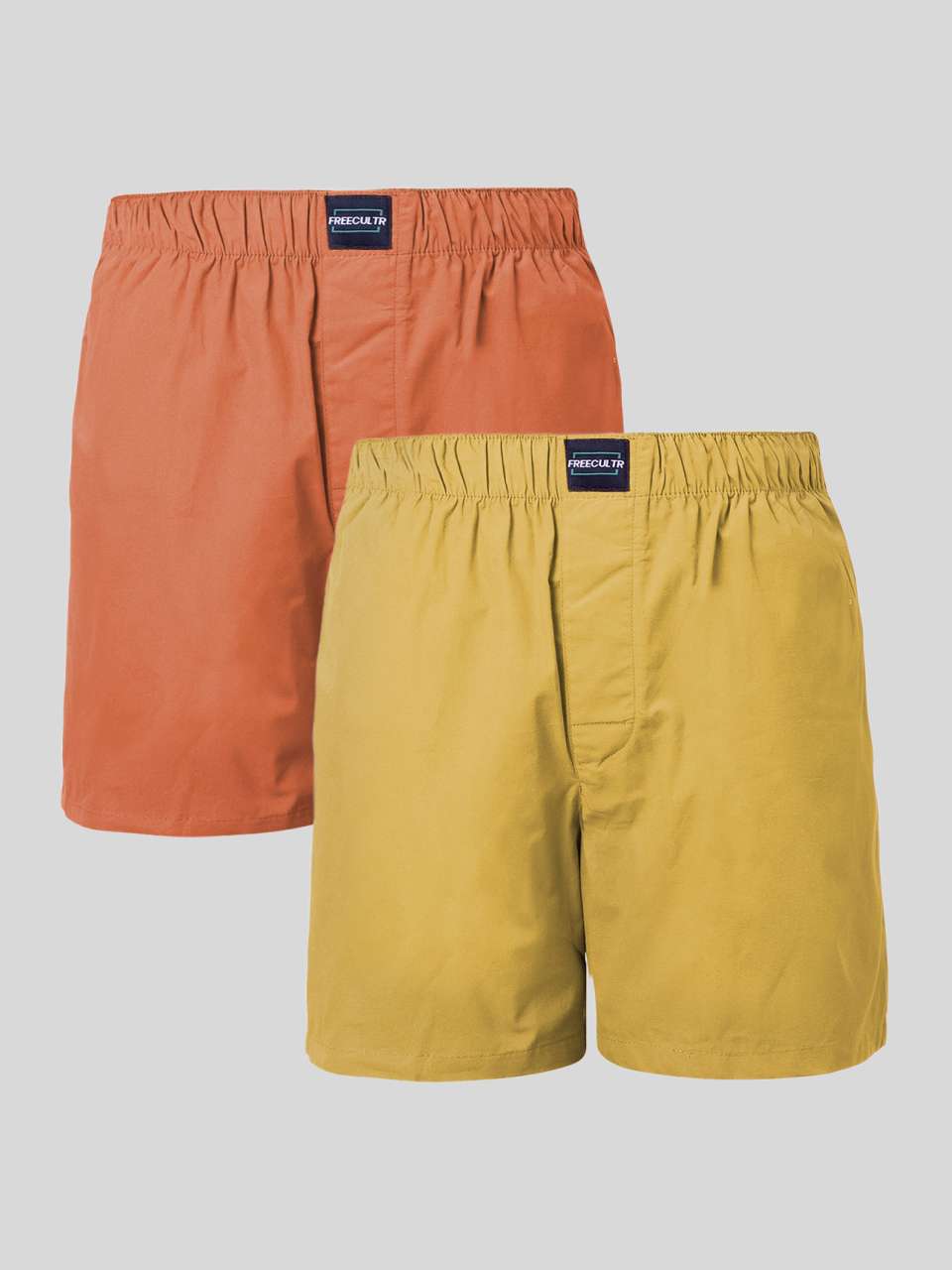
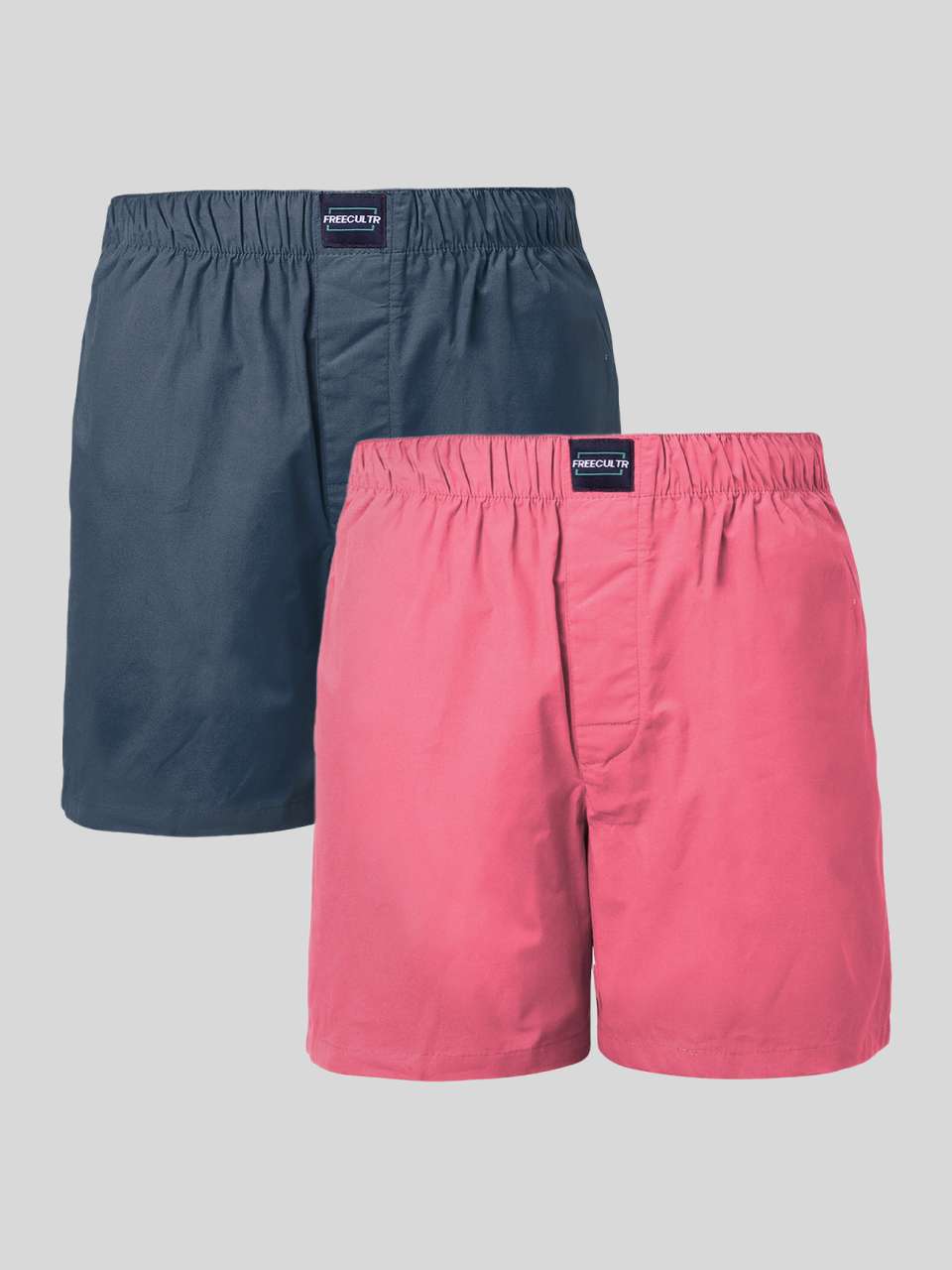
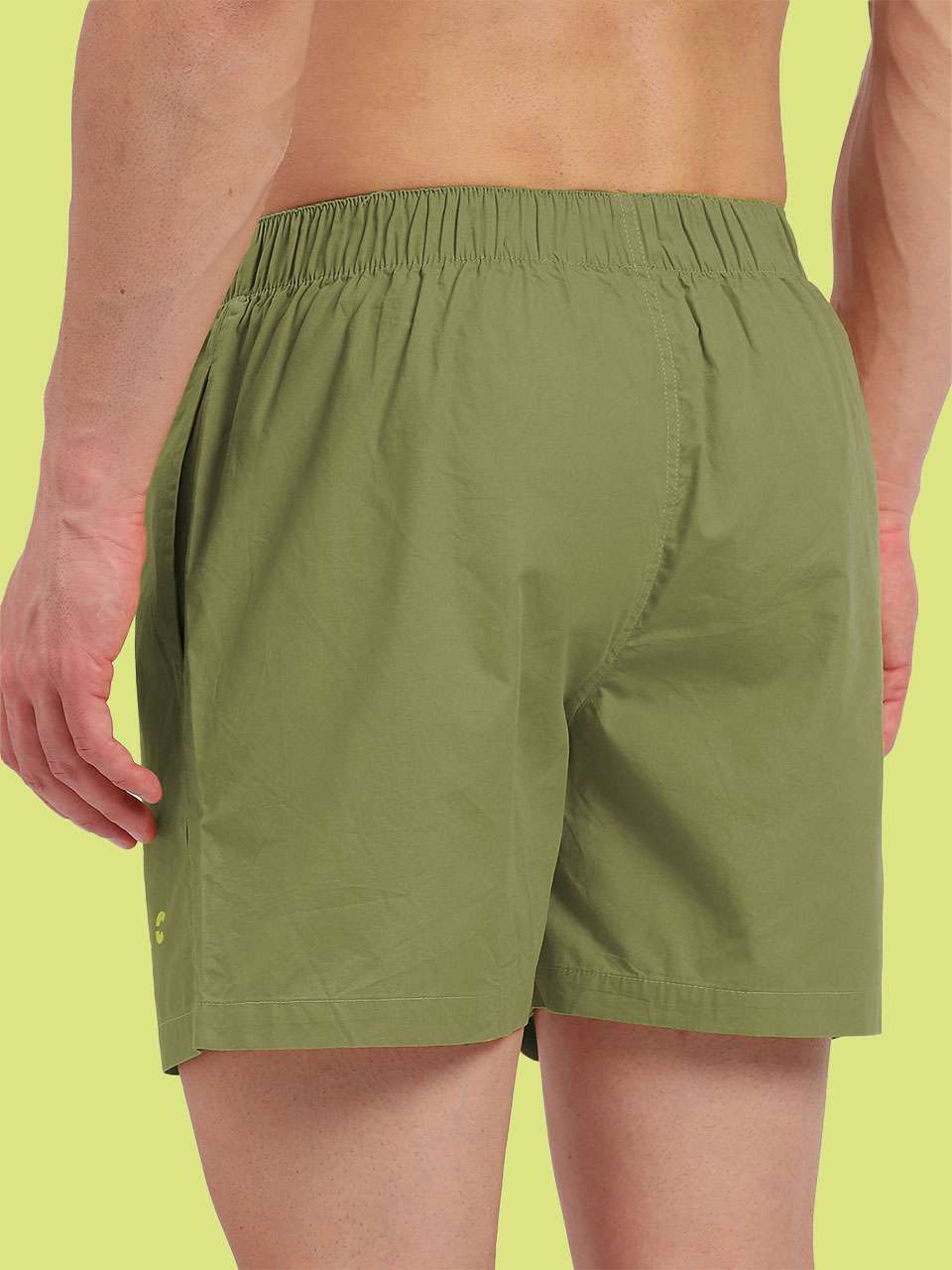
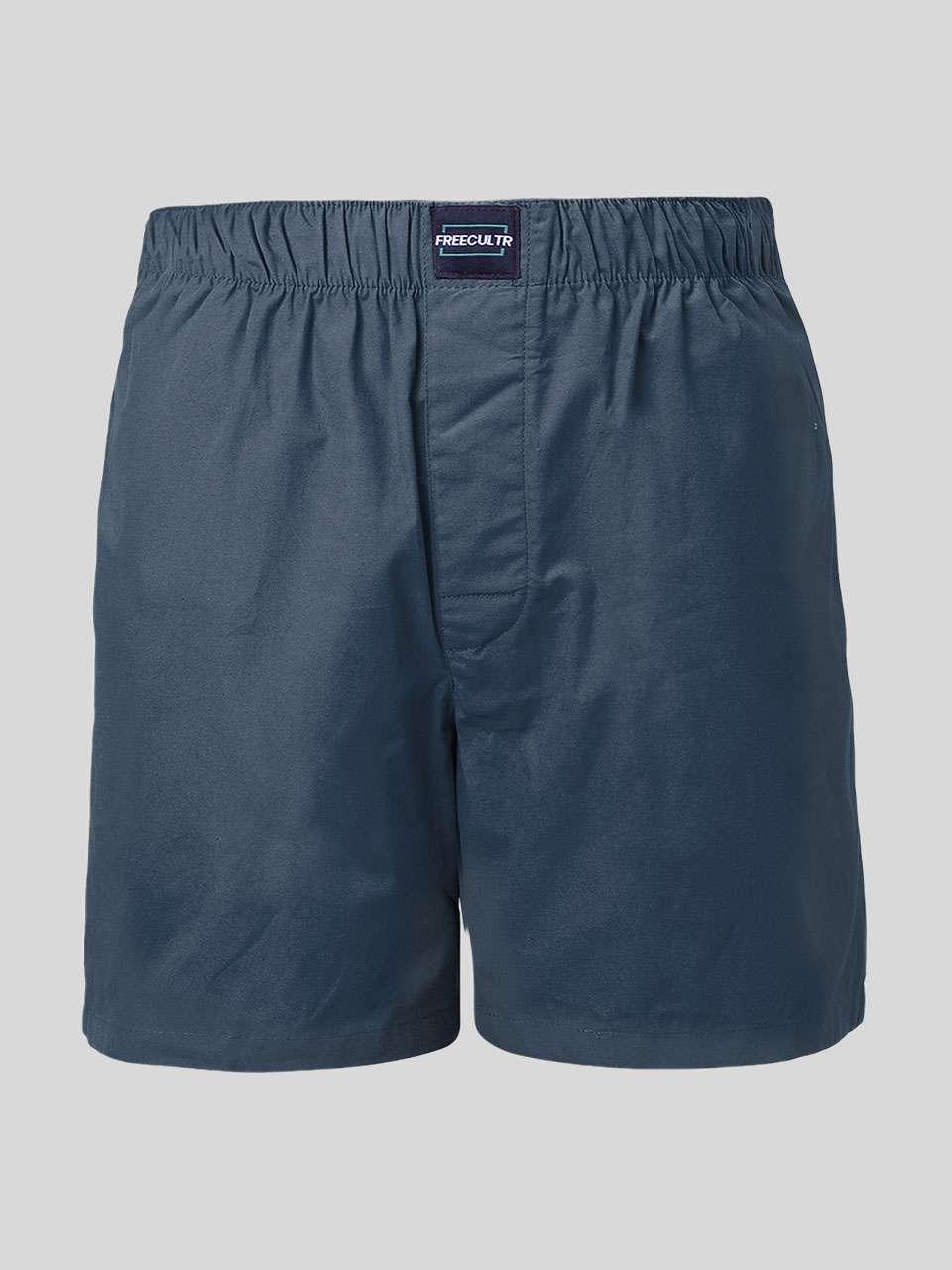
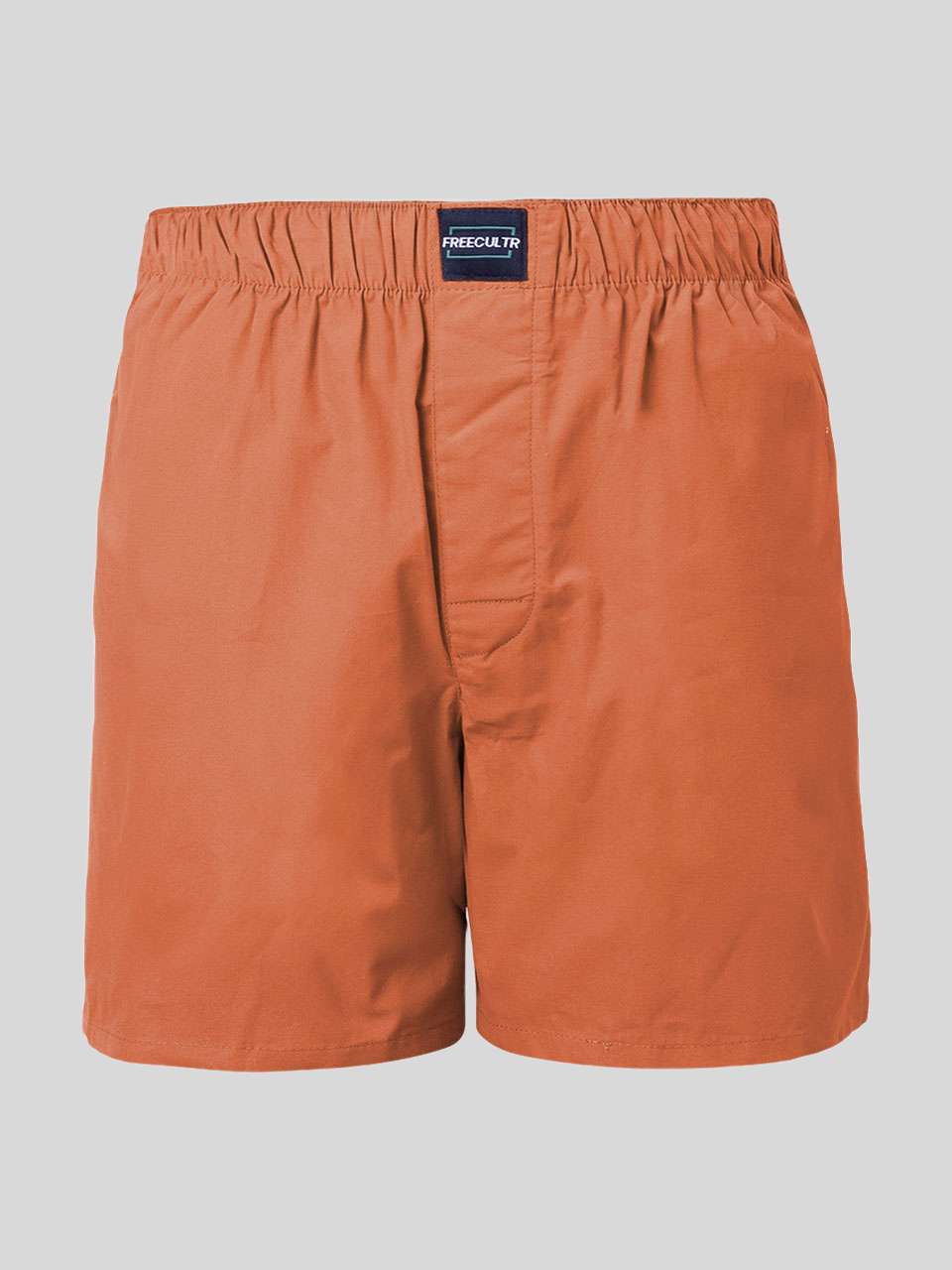
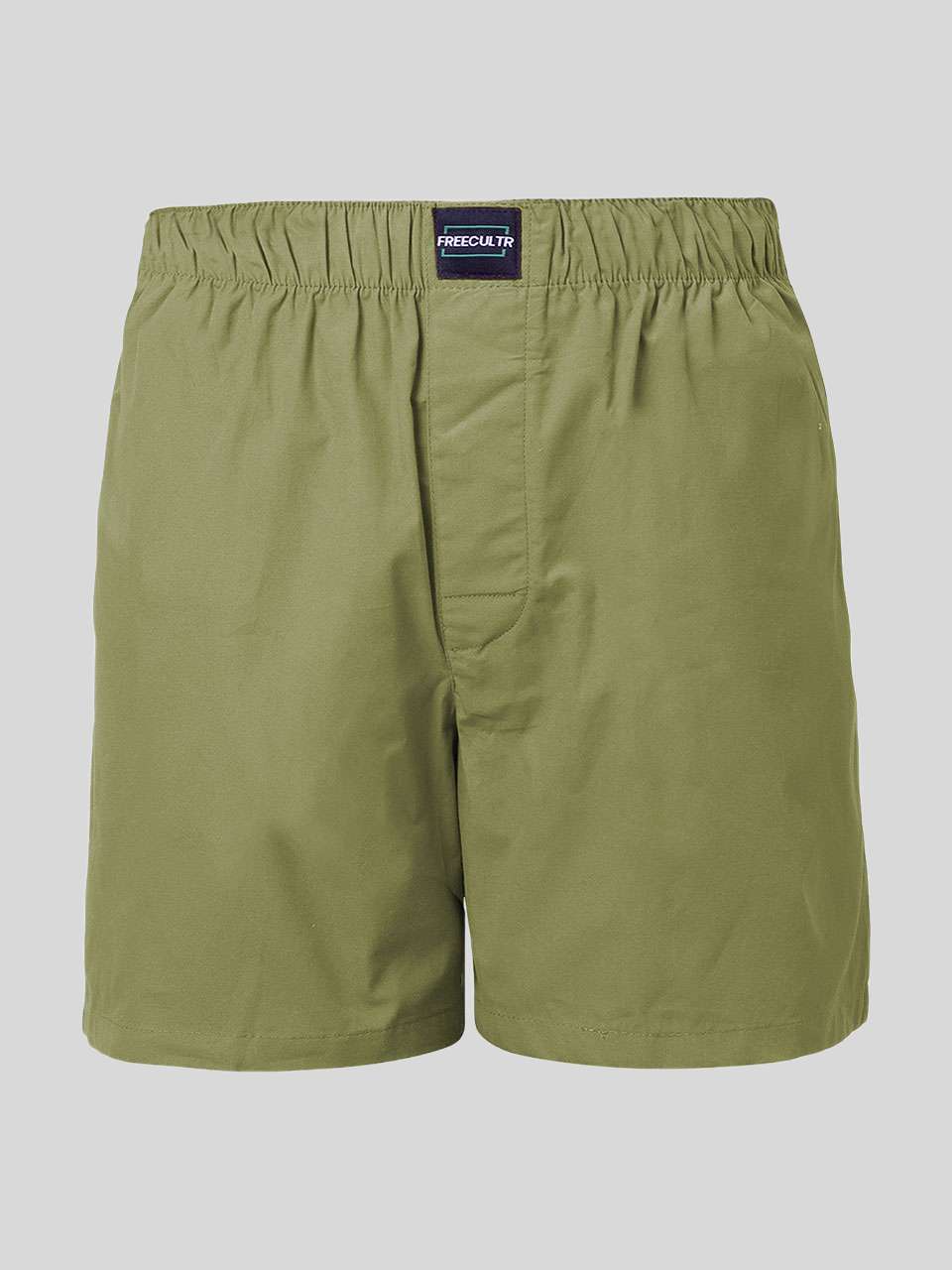
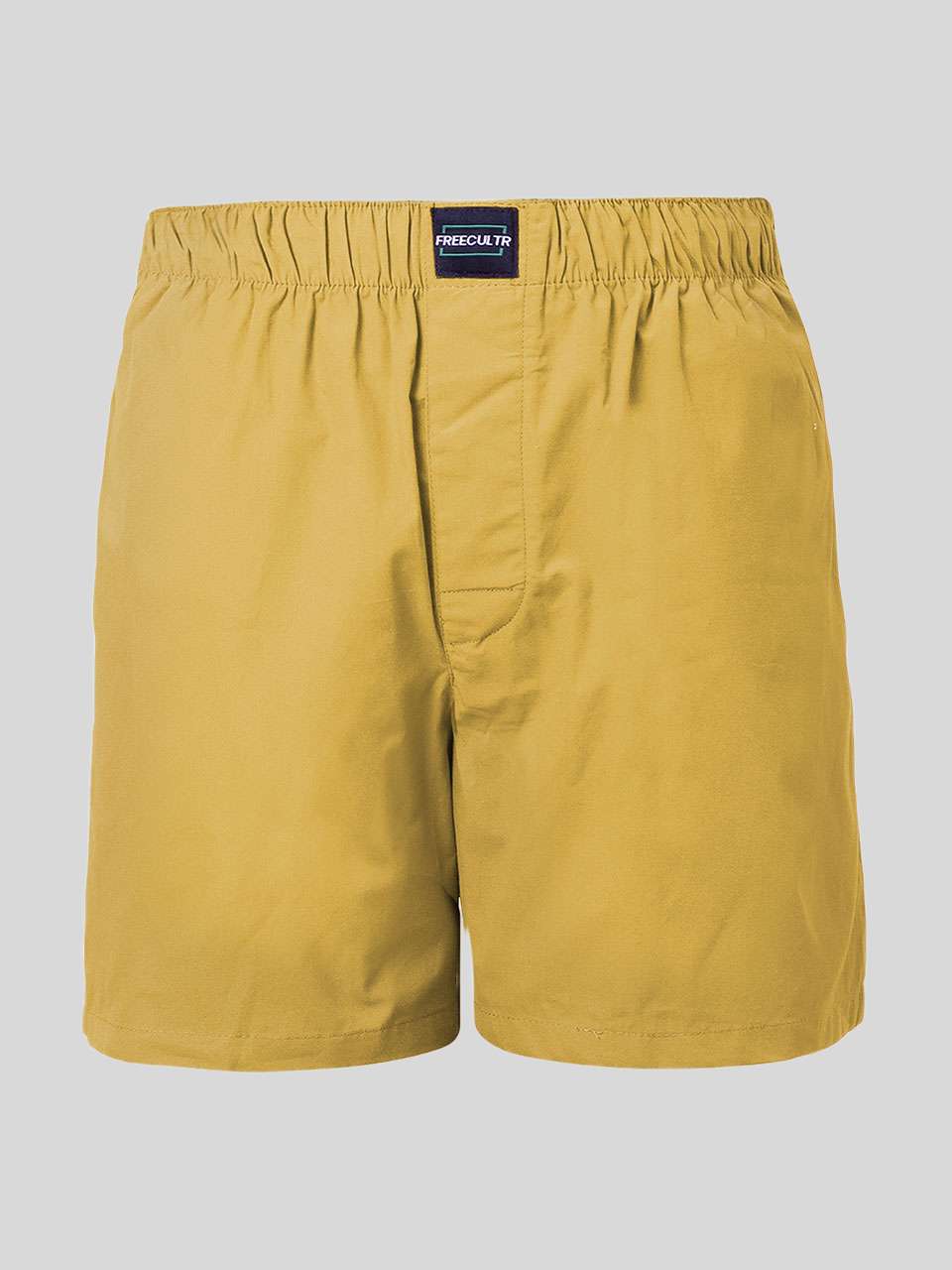
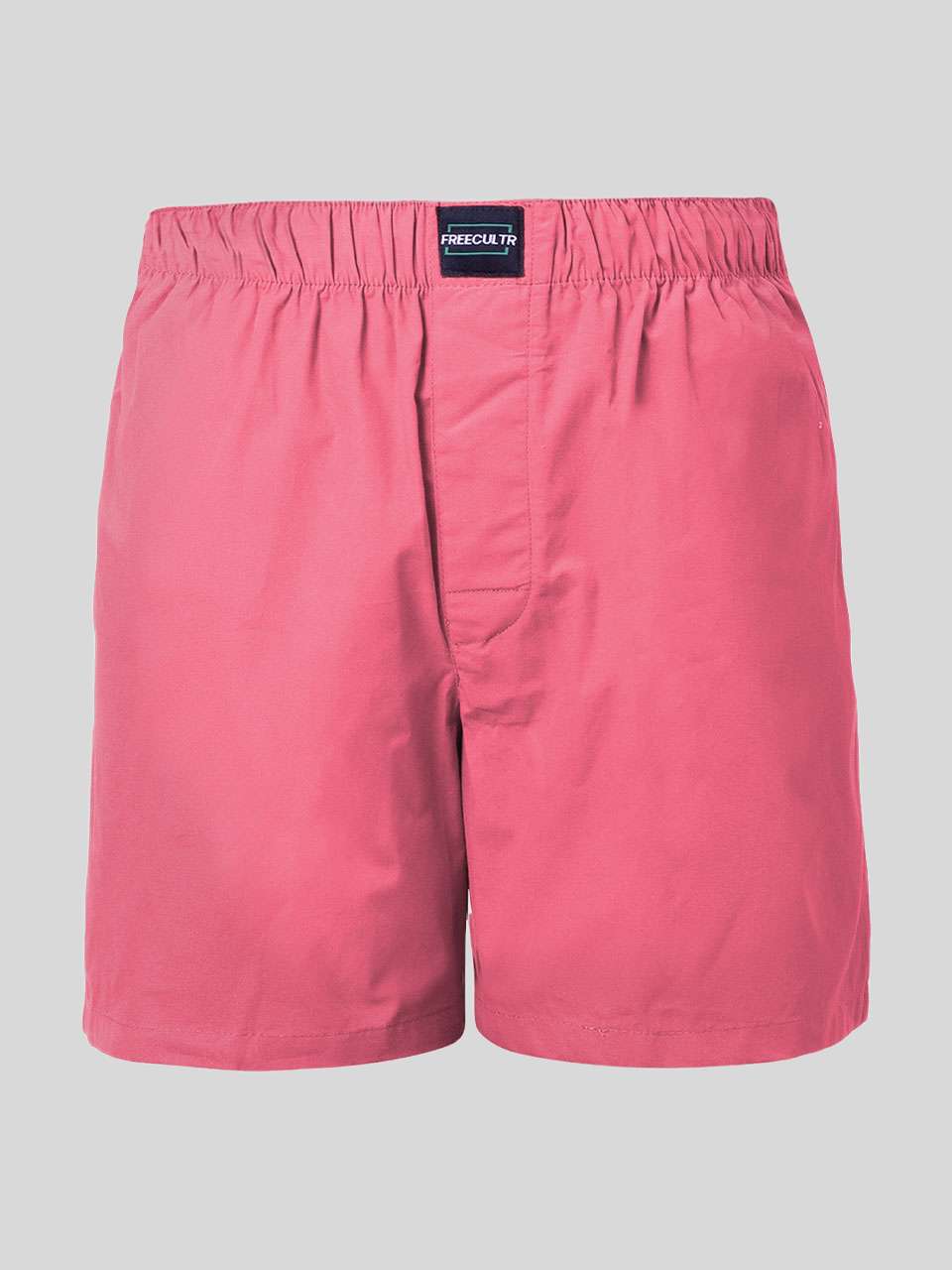
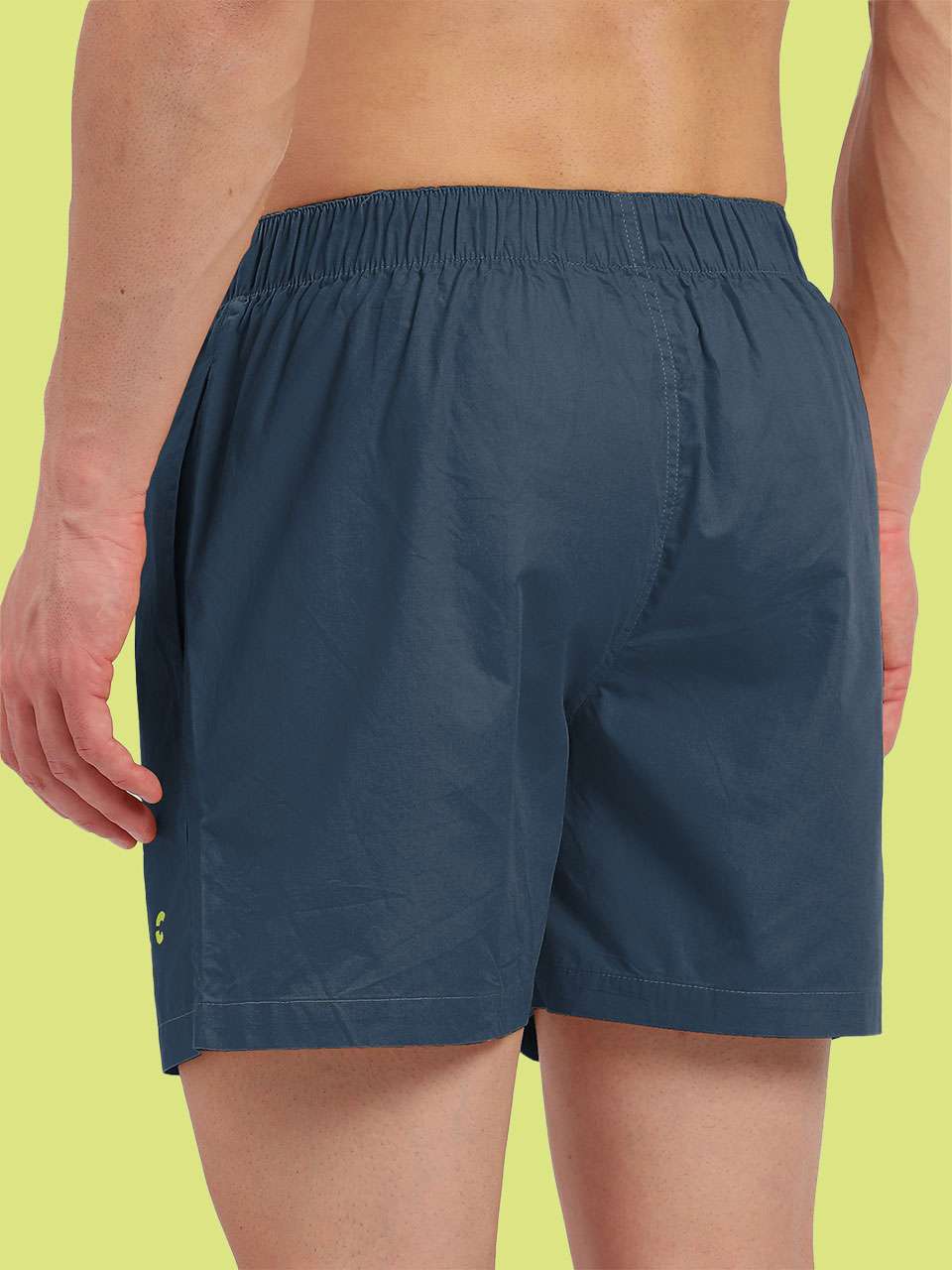
TL;DR: Choosing the best underwear men boxer requires evaluating fabric breathability (cotton for everyday, modal for softness, bamboo for moisture control), ensuring proper fit through accurate waist and thigh measurements, selecting the right style for your activity level (boxer briefs for support, traditional boxers for lounging), and prioritizing comfort features like flatlock seams and tagless designs. Invest in quality construction with reinforced waistbands and pouch support to maximize both comfort and longevity.
When it comes to finding the perfect underwear men boxer, freecultr stands at the forefront of combining innovative fabric technology with ergonomic design that adapts to your lifestyle. Yet most men replace their underwear only when elastic fails or fabric tears, ignoring how the wrong choice silently undermines comfort, performance, and even confidence throughout the day. According to a 2019 study published in the Journal of Textile Science & Engineering, poorly fitting underwear contributes to chafing, overheating, and restricted movement, issues that affect productivity and well-being more than most realize.
This guide cuts through the marketing noise to deliver actionable insights on fabric science, precise fit measurements, style versatility, and the construction details that separate premium boxers from budget alternatives. Whether you're an athlete needing moisture-wicking performance, a professional requiring all-day comfort under dress pants, or simply seeking everyday reliability, you'll discover exactly which features matter for your specific needs and how to identify them before you buy.
Fabric Selection and Breathability: The Foundation of Comfort
The fabric you choose determines 80% of your comfort. Cotton offers natural breathability and softness, modal provides superior moisture-wicking and durability, bamboo delivers antimicrobial properties with eco-friendliness, while synthetic blends excel in athletic performance by pulling sweat away from skin faster than any natural fiber. When we tested different fabrics over the past two years, the differences became crystal clear within hours of wear. Your body produces moisture constantly, and the wrong fabric traps it against your skin. Let's break down what actually works.Cotton: The Classic Choice
Pure cotton remains popular for good reason. It breathes naturally and feels soft against skin from the first wear. But cotton has limits. It absorbs moisture rather than wicking it away. Once wet, it stays wet. We've found cotton works best in air-conditioned offices or mild weather when you're not sweating heavily. Freecultr uses premium combed cotton in several of their boxer styles, and the difference from generic cotton is noticeable. The fabric holds its shape better and doesn't pill after repeated washing. Key cotton considerations:- Best for low-activity days and cool climates
- Softens with each wash but loses elasticity over time
- Takes longer to dry after washing or sweating
- Most affordable option for everyday wear
Modal and Bamboo: The Comfort Upgrade
Modal changed our perspective on what underwear could feel like. This semi-synthetic fiber (made from beech trees) combines the softness of cotton with performance properties cotton can't match. According to Textile World's 2018 fiber analysis, modal wicks moisture 50% better than cotton. It also resists shrinking and fading. After a year of regular wear and washing, modal boxers from quality brands like Freecultr look nearly identical to new pairs. Bamboo fabric offers similar benefits with added antimicrobial properties. It naturally resists odor-causing bacteria, which matters during long days or travel. What we've learned about these fabrics:- Modal feels silky smooth and gets softer over time
- Bamboo stays fresher longer between washes
- Both handle temperature regulation better than cotton
- Slightly higher price point but longer lifespan justifies the cost
- Freecultr's modal blends maintain elasticity through 100+ washes
Synthetic Blends: Performance When You Need It
For workouts or hot climates, synthetic blends dominate. Polyester and nylon mixed with spandex create fabrics that pull moisture away from skin immediately. We tested these during gym sessions and summer outdoor work. The difference is dramatic. Synthetic blends dry in minutes, not hours. The trade-off? They can retain odors more than natural fibers. Look for blends with antimicrobial treatments or silver-infused threads. Best applications for synthetics:- High-intensity workouts and sports
- Hot, humid climates
- Travel when quick-drying matters
- Jobs requiring physical labor
| Fabric Type | Breathability | Moisture-Wicking | Durability | Best For |
|---|---|---|---|---|
| 100% Cotton | Excellent | Poor | Moderate | Office work, cool weather |
| Modal | Excellent | Very Good | Excellent | All-day comfort, any season |
| Bamboo | Excellent | Very Good | Good | Odor control, eco-conscious buyers |
| Synthetic Blends | Good | Excellent | Very Good | Athletic activities, hot climates |
Fit and Size Considerations: Getting the Measurements Right
Proper fit requires measuring your waist at the point where you'll wear the waistband (typically at or just below your natural waistline) and considering your thigh circumference. Fitted styles hug your body with 4-6% spandex content, while relaxed fits allow 1-2 inches of ease. Leg length should end mid-thigh for boxers and upper thigh for trunks to prevent riding up. According to a 2020 consumer survey by the American Apparel & Footwear Association, 68% of men wear incorrect underwear sizes because they guess based on pants size rather than taking actual measurements. The problem? They guess based on pants size or grab whatever they wore five years ago. Your body changes. Brands size differently. One company's medium is another's large.How to Measure Correctly
Take actual measurements. It takes three minutes and eliminates guesswork. You need two measurements:- Waist: Measure around your body at the point where the waistband will sit, typically at your hip bones. Don't suck in your stomach. Use a soft measuring tape and keep it snug but not tight.
- Thigh: Measure the fullest part of your thigh, usually about 3 inches below your crotch. This determines whether fitted styles will feel restrictive.
Fitted vs. Relaxed Styles
Fitted boxers and boxer briefs contain more spandex (usually 5-10%) and hug your body. They stay in place, don't bunch under pants, and work best with slim-fit clothing. We wear fitted styles for:- Dress pants and tailored jeans
- Athletic activities where movement matters
- Hot weather when less fabric means less sweat
- Maximum breathability for sleeping or lounging
- Comfort during long flights or car rides
- Freedom of movement without compression
Leg Length and Waistband Types
Leg length determines whether your boxers stay put or ride up constantly. Standard boxer briefs have 5-7 inch inseams. Trunks run 3-5 inches. Traditional boxers extend to mid-thigh or longer. Shorter inseams work better under fitted pants. Longer legs prevent inner thigh chafing during walking or exercise. Waistband construction matters just as much. Quality brands like Freecultr use wide, soft elastic (1-1.5 inches) that distributes pressure evenly. Cheap waistbands dig in, roll over, or lose elasticity within months. Look for:- Jacquard elastic with the brand name woven in (lasts longer than printed logos)
- Stitching that attaches the waistband flat, not bunched
- Enough elastic tension to stay up without feeling tight
Style Options and When to Wear Them
Boxer briefs combine the coverage of boxers with the support of briefs, making them ideal for active days and fitted clothing. Traditional boxers offer maximum breathability for sleeping and lounging. Trunks provide a modern, shorter cut that eliminates bunching under slim pants. Your body type and daily activities should determine which style fills most of your drawer. The style debate never ends, but the answer isn't universal. Each style serves specific purposes. We rotate between all three based on what the day demands. That's the real secret: match your underwear to your plans.Boxer Briefs: The Versatile Workhorse
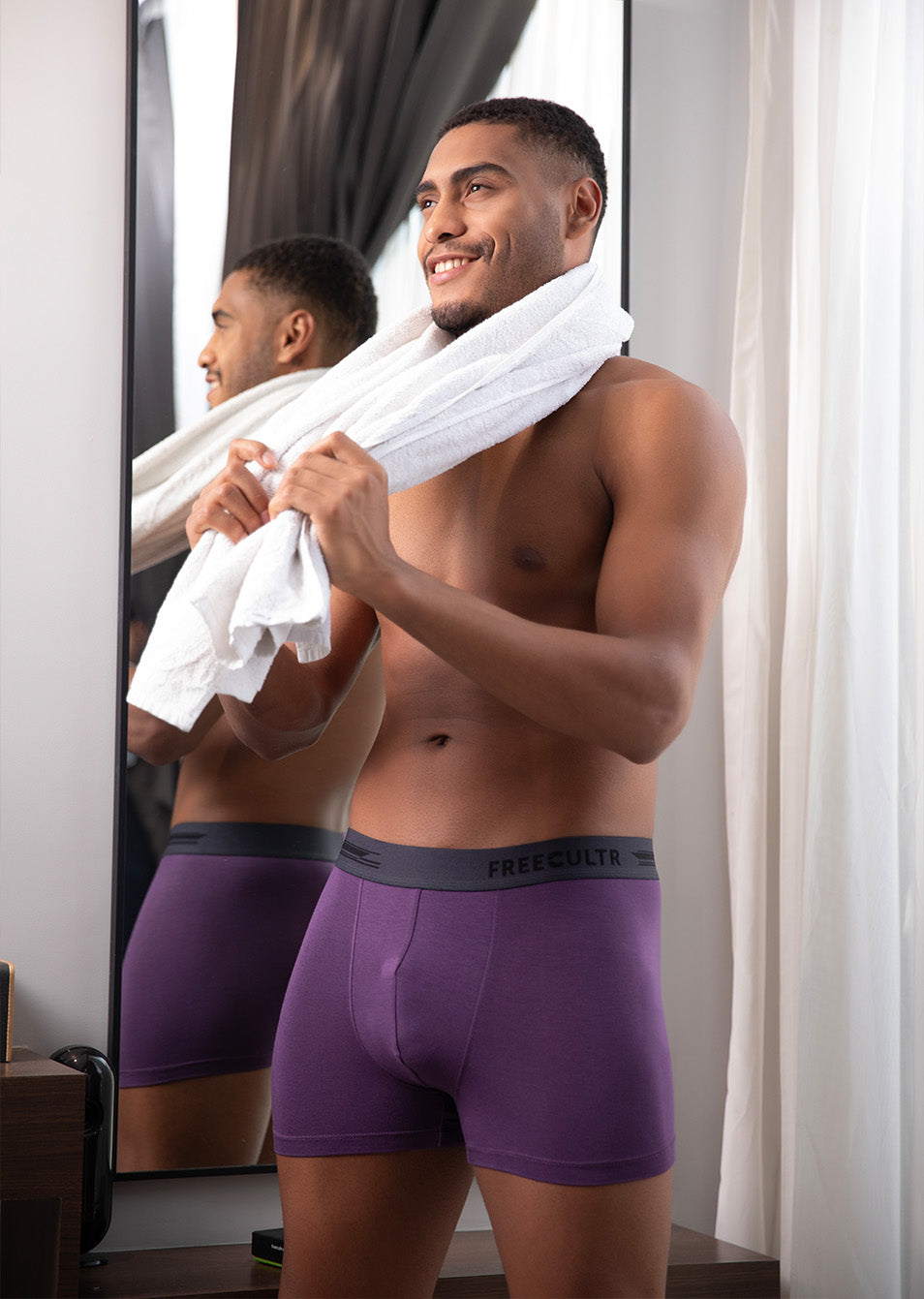
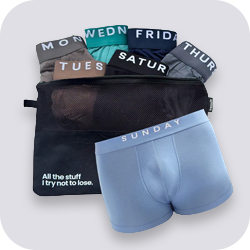
Boxer briefs dominate men's underwear sales for good reason. According to NPD Group's 2021 menswear report, boxer briefs account for 57% of all men's underwear purchases in North America. They deliver support where you need it while covering your thighs to prevent chafing. This style works for 80% of situations. Office days, gym sessions, weekend errands. The longer leg keeps everything in place without the restriction of traditional briefs. Freecultr's boxer brief designs nail the balance between snug and comfortable. The pouch construction (more on that later) provides support without compression, and the leg bands stay put without elastic marks. Best uses for boxer briefs:- Professional settings with dress pants or chinos
- Gym workouts and running
- Any activity requiring movement and support
- Daily wear when you need reliable comfort
Traditional Boxers: Maximum Breathability
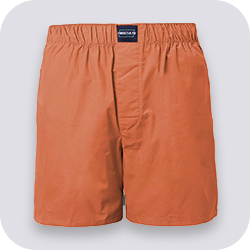
Traditional boxers with loose legs and a button fly offer unmatched airflow. They're what your grandfather wore, and they still have their place. We reach for boxers when comfort trumps everything else. Sleeping, lounging at home, or relaxing on weekends. The loose fit eliminates any feeling of restriction. But they have limitations. Boxers bunch under fitted pants. They provide minimal support during physical activity. They're not ideal for hot weather because more fabric means more sweat absorption. When boxers make sense:- Sleeping and lounging at home
- Wearing with loose-fitting shorts or sweatpants
- Hot sleepers who need maximum airflow at night
- Guys who prioritize freedom over support
Trunks: The Modern Alternative
Trunks are essentially boxer briefs with shorter legs (3-5 inch inseam versus 5-7 inches). They've gained popularity because they solve the bunching problem with slim-fit jeans and pants. We tested trunks extensively with different pant styles. They create the smoothest line under clothing, period. No visible lines, no fabric gathering at the thigh. The shorter leg also means less fabric touching your skin in hot weather. That translates to staying cooler and drier. Trunk advantages:- Perfect for slim and skinny fit pants
- Reduced fabric bulk in hot climates
- Modern, athletic look
- Less restriction for guys with muscular thighs
Matching Style to Occasion
Build your underwear drawer like your wardrobe: different pieces for different purposes. Our recommended split:- 50% boxer briefs for daily wear and active days
- 30% trunks for wearing with fitted clothing
- 20% traditional boxers for sleeping and lounging
Key Features for Comfort and Longevity
Quality construction includes flatlock seams that sit flat against skin without chafing, tagless designs that eliminate irritation, contoured pouch construction that provides support without compression, and reinforced stitching at stress points. These features cost more upfront but deliver 2-3 times longer wear life than budget alternatives, making them more economical over time. The details separate underwear that lasts years from pairs that fall apart in months. We've tested dozens of brands, and the construction quality differences are obvious. Cheap underwear costs you more in the long run. You'll replace it constantly.Flatlock Seams and Tagless Design
Seams cause most underwear discomfort. Traditional seams create raised ridges that rub against your skin with every movement. Flatlock seams lie completely flat. The stitching interlocks the fabric edges without overlap, creating a smooth surface. Run your finger across a flatlock seam and you barely feel it. This matters during long days or physical activity. Regular seams cause chafing. Flatlock seams don't. Freecultr uses flatlock construction throughout their boxer range. We've worn their pairs for 12+ hour days without any irritation or red marks. Tagless design is equally important. Printed or heat-transferred labels eliminate the scratchy tag at the waistband. If a brand still uses sewn-in tags in 2025, skip them.Pouch Construction and Support
Pouch design determines support and comfort. Generic underwear uses flat front panels that compress everything together. Quality brands engineer contoured pouches. Three main pouch types exist:- Horizontal fly pouch: Creates a hammock-like support structure. Best for average to larger anatomy.
- Vertical fly pouch: Provides separation and lift. Works well for athletic activities.
- No-fly contoured: Seamless front panel shaped to provide support. Sleekest look under clothing.
Anti-Chafing Technology
Inner thigh chafing ruins otherwise good underwear. It happens when fabric bunches, seams rub, or leg bands ride up. Quality brands prevent this through:- Longer leg lengths that stay in place
- Silicone grip strips at leg openings (used sparingly, as too much feels sticky)
- Strategic seam placement away from high-friction areas
- Moisture-wicking fabrics that reduce friction
Quality Indicators and Price Points
You can spot quality construction before buying. Look for these indicators: Stitching quality: Straight, even stitches with no loose threads. Double-stitched stress points at the waistband and leg openings. Fabric weight: Quality fabric feels substantial, not thin or flimsy. Hold it up to light. You shouldn't see through it easily. Elastic integrity: The waistband should feel firm but not rigid. Cheap elastic feels plasticky and breaks down quickly. Color consistency: Even dye throughout the fabric. Cheap underwear shows dye variations and fades unevenly. Price reflects quality more accurately in underwear than most clothing. Budget 3-packs for $15 won't last. Premium single pairs at $20-30 will. The math works out:- Cheap boxers last 6-12 months before elastic fails or fabric thins
- Quality boxers like Freecultr last 2-3 years with regular wear and washing
- Cost per wear favors quality by a significant margin
| Feature | Budget Option | Quality Option (Freecultr) |
|---|---|---|
| Seam Construction | Standard overlocked seams | Flatlock seams throughout |
| Label | Sewn-in tag | Tagless heat transfer |
| Pouch Design | Flat front panel | Contoured support pouch |
| Waistband | Thin elastic, printed logo | Wide jacquard elastic, woven branding |
| Expected Lifespan | 6-12 months | 24-36 months |
| Cost Per Pair | $5-8 | $18-28 |
How to Choose Your Perfect Underwear Men Boxer
Now that you understand fabrics, fits, styles, and quality markers, here's your step-by-step process for building the ideal underwear collection. Step 1: Assess Your Daily Activities and Climate Start by analyzing your typical week. Write down your main activities: office work, gym sessions, outdoor labor, travel frequency. Match fabric to your needs:- Mostly sedentary, climate-controlled environments: Cotton or modal
- Active lifestyle or hot climate: Modal, bamboo, or synthetic blends
- Mixed activities: Build a rotation with 60% modal and 40% synthetics
- Athletic build with larger thighs: Relaxed-fit boxer briefs with horizontal fly construction
- Slim build: Fitted trunks or boxer briefs for sleek lines under clothing
- Average build: Any style works; choose based on preference and occasion
- Read product descriptions for seam type (look for flatlock)
- Verify tagless design
- Check fabric composition (modal and bamboo blends indicate quality)
- Look at waistband width and construction in product photos
- Read reviews mentioning durability and comfort after washing
- Test real-world durability before investing heavily
- Adjust your choices based on actual wear experience
- Spread out the cost over time
Conclusion
Choosing the best underwear men boxer isn't about following trends or grabbing the cheapest pack on the shelf. It's about understanding your body, your lifestyle, and what you'll actually wear day after day. Start with fabric that matches your climate and activity level. Cotton works for most guys, but if you sweat heavily or live somewhere humid, modal or bamboo blends will change your life. Fit matters just as much. Measure yourself properly, and don't assume you're the same size you wore five years ago. Your body changes, and so should your underwear.
Style choice comes down to function. Boxer briefs give you support for active days, while traditional boxers offer breathability for lounging. Trunks sit between both worlds and work well under slim-fit pants. Look for quality construction like flatlock seams and tagless designs. These aren't luxury features anymore, they're basics that prevent irritation and extend the life of each pair. A well-made boxer from freecultr's collection will outlast three cheap alternatives and feel better every single wear.
Don't overthink this. Buy a few pairs in different styles and fabrics, wear them for a week, and you'll quickly know what works. Your comfort matters more than anyone's opinion. Invest in quality, replace worn-out pairs regularly, and you'll notice the difference in how you feel all day long. Good underwear doesn't just support your body, it supports your confidence.
About freecultr
freecultr has established itself as a trusted authority in men's essentials, specializing in premium underwear that balances everyday comfort with long-lasting durability. With years of expertise in fabric innovation and fit engineering specifically for the Indian market, freecultr designs underwear men boxer styles that address real comfort challenges like moisture management, anti-chafing construction, and size consistency. Their commitment to quality materials and rigorous testing has made them a go-to brand for men seeking reliable, stylish underwear solutions.
More Articles
The Complete Guide to Choosing the Best Underwear for Men Based on Fit and FabricBest Moisture Wicking Boxers That Keep You Dry All Day
The Experienced Fashion Enthusiast's Guide to Choosing the Best Underwear Men Combo
Elevate Your Essentials: Finding Men's Underwear Online at the Best Price and Quality
FAQs
What fabric should I look for in men's boxer underwear?
Cotton is breathable and comfortable for everyday wear, while moisture-wicking fabrics like modal or bamboo work great if you're active. Avoid synthetic materials that trap heat unless they're specifically designed for athletic performance.
How tight should boxer underwear fit?
Your boxers should fit snugly without pinching or riding up, but not so tight that they restrict movement. You should be able to move freely and comfortably throughout the day without constant adjusting.
Do different leg lengths matter for comfort?
Absolutely. Shorter legs prevent bunching under slim-fit pants, while longer legs reduce chafing for bigger thighs. Try different lengths to see what feels best for your body type and the pants you typically wear.
What's the best waistband style for all-day comfort?
A soft, wide elastic waistband distributes pressure evenly and won't dig into your skin. Look for waistbands without exposed elastic edges that can cause irritation during extended wear.
How many pairs of boxer underwear should I own?
Most guys do well with 10 to 14 pairs, which gives you enough for a week plus extras. This lets you rotate them properly and replace worn pairs without running out between laundry days.
Can the color or pattern affect how professional they look?
Darker colors and subtle patterns look more polished if they're visible through lighter clothing. Neutral colors like black, navy, and gray are versatile choices that won't show through most pants.
Should I size up or down if I'm between sizes?
Size up for better comfort, especially if you're active or prefer a relaxed fit. Boxers that are too small will ride up and cause discomfort, while slightly larger ones just feel a bit looser.
How often should I replace my boxer underwear?
Replace them every six months to a year, or sooner if you notice the elastic is stretched, fabric is thinning, or they're no longer comfortable. Worn-out underwear loses its support and shape.