



Quick Summary: Smart sale shopping isn't about buying more , it's about buying better. The best approach combines pre-sale planning with quality checks and budget discipline. Focus on timeless essentials like well-fitted basics, versatile bottoms, and layering pieces that work across seasons. Check fabric composition, stitching quality, and care labels before you buy. Allocate 60% of your budget to core wardrobe gaps, 30% to trend pieces, and keep 10% for unexpected finds. This strategy helps you build a functional wardrobe that lasts beyond the sale season.
Most people treat a sale like a treasure hunt , grab everything under 50% off and sort it out later. That's exactly why 68% of sale purchases end up unworn within six months. The real win isn't scoring the deepest discount. It's walking away with pieces you'll actually wear next year.
freecultr's approach to sale shopping flips the script entirely. Instead of chasing markdowns, you start with your wardrobe gaps. What's missing? What gets worn three times a week? What would make getting dressed easier?
This guide shows you how to shop sales like someone who values their money and closet space. You'll learn which wardrobe staples justify full investment during markdowns, how to spot quality that outlasts trends, and a budget framework that prevents impulse buys. No vague advice about "investing in basics" , just specific tactics for building a wardrobe that works harder than your credit card during sale season.
Why Plan Before Shopping Sales?
Pre-sale planning prevents impulse purchases and ensures you invest in pieces that genuinely fill wardrobe gaps, rather than accumulating trendy items that lose appeal within months. A clear list of needed essentials, like quality basics in neutral tones, keeps your budget focused on versatile pieces that work across seasons and occasions, directly improving cost-per-wear value.
Walking into a sale without a strategy is like grocery shopping while hungry. You'll grab everything that catches your eye, not what you actually need. And that's exactly how closets end up stuffed with clothes you never wear.
Start by auditing your current wardrobe. Pull out everything you own and sort by category: tops, bottoms, outerwear, innerwear. Notice what you reach for repeatedly. Those are your style anchors. Now identify the gaps. Maybe you have ten graphic tees but zero plain white ones. Or five pairs of jeans but no tailored trousers.
Write down three to five specific items you need. Be precise. "Black trousers" becomes "black straight-leg trousers in cotton blend, mid-rise, office-appropriate." This specificity stops you from buying black joggers just because they're 50% off.
Set a realistic budget before browsing. If you can allocate ₹5,000 for the sale, decide how to split it. Maybe ₹2,000 for innerwear essentials, ₹2,000 for one quality outerwear piece, and ₹1,000 for accessories. This framework prevents overspending on a single impulse buy that blows your entire budget.
But here's what most guides won't tell you: plan your shopping time strategically. Early-bird sale access often features the best stock, yet final markdown days (when retailers slash prices to clear inventory) can yield incredible deals on remaining sizes. If you're flexible on colour or fit, waiting pays off. If you need specific sizes in popular items, shop early.
Essential Wardrobe Pieces Worth Investing In
Timeless wardrobe essentials include well-fitted innerwear in breathable fabrics, plain tees in neutral colours, dark denim, a tailored jacket, and versatile footwear, items that work across multiple outfits and seasons. These foundational pieces typically deliver 100+ wears per year when chosen in quality materials, making them the highest-value purchases during any sale period.
Let's break down what "essential" actually means. These aren't the flashiest items on the rack. They're the quiet workhorses that make getting dressed effortless.
Innerwear That Actually Performs
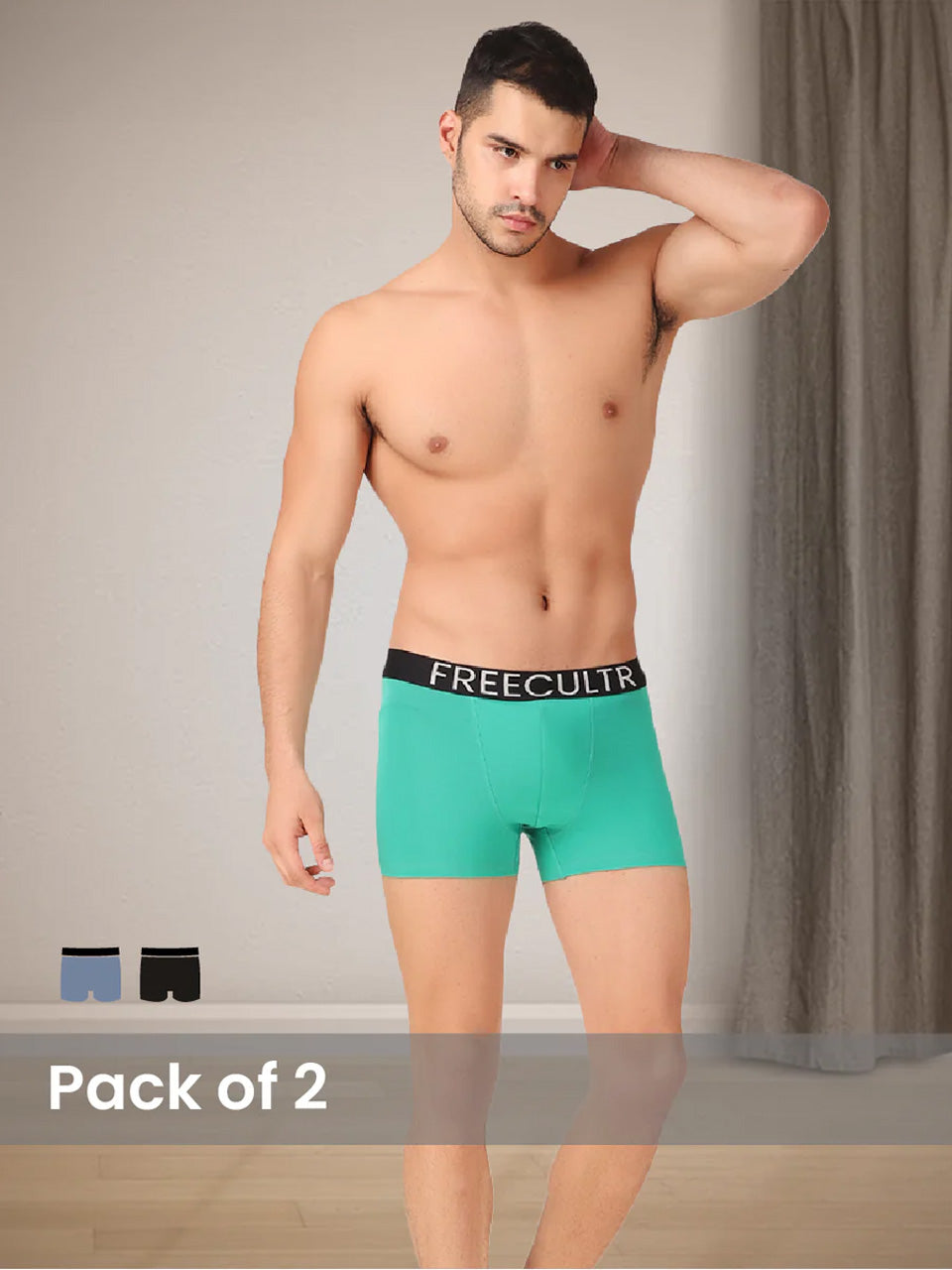
Quality innerwear is non-negotiable. Cheap options lose shape after a few washes, elastic waistbands dig into skin, and synthetic fabrics trap moisture. During sales, prioritise men's trunks in micro-modal or bamboo blends, these materials wick sweat, resist odour, and maintain elasticity through dozens of wash cycles.
Freecultr's innerwear range uses premium fabrics that breathe in India's humid climate. Micro-modal feels softer than cotton and dries faster, making it ideal for year-round comfort. When you find innerwear that fits properly (no riding up, no pinching), buy multiples during sales. This isn't the category to experiment with untested brands.
Plain Tees in Core Colours
Three to five plain tees in white, black, grey, and navy form the backbone of casual dressing. Look for crew necks or V-necks in 180-200 GSM cotton or cotton-modal blends. Thinner fabrics (below 160 GSM) turn see-through after washing. Heavier fabrics (above 220 GSM) feel stiff in warm weather.
During sales, quality tees from brands like Freecultr often drop to ₹400-600 from ₹800-1,200. That's the moment to stock up. A well-made plain tee works under jackets, with jeans, or layered under shirts. It's the most versatile item you'll own.
One Pair of Dark Denim
Skip the distressed, pre-faded, or embellished jeans. Find one pair of dark indigo or black denim in a straight or slim fit. Dark denim dresses up easily, pair it with a blazer and leather shoes for semi-formal occasions, or wear it with sneakers and a tee for weekends.
Quality denim uses ring-spun cotton with 1-2% elastane for comfort. Check the stitching at stress points (crotch, back pockets). Double-stitched seams last longer. During sales, premium denim brands often discount last season's cuts by 40-60%. If the fit works, the "old" style doesn't matter, classic cuts never expire.
A Tailored Layer
This could be a blazer, a structured cardigan, or a bomber jacket. The key is fit. Shoulders should align with your natural shoulder line. Sleeves should end at your wrist bone. The torso should skim your body without pulling or bunching.
Neutral colours (navy, charcoal, camel) work with everything. During sales, try on multiple sizes. Tailored pieces vary wildly between brands. What's a "medium" at one label might fit like a large elsewhere. Never buy a tailored item online during a sale unless you've tried that exact style in-store previously.
Versatile Footwear
Two pairs cover most situations: white leather sneakers and brown leather shoes (derbies or loafers). White sneakers work with jeans, chinos, and even tailored trousers in casual settings. Brown leather shoes handle everything from office wear to evening events.
Quality footwear uses genuine leather uppers and cushioned insoles. During sales, inspect stitching and sole attachment. Glued soles separate after a few months. Stitched or cemented construction lasts years. If you find your size in a quality brand at 50% off, buy them. Good shoes are expensive, but sales make them accessible.
| Essential Item | Key Features to Check | Typical Sale Price (₹) | Cost-Per-Wear Value |
|---|---|---|---|
| Premium Innerwear | Micro-modal or bamboo blend, flat seams, durable elastic | ₹300-500 per piece | High (100+ wears/year) |
| Plain Tees | 180-200 GSM cotton, reinforced neck, pre-shrunk | ₹400-600 | Very High (150+ wears/year) |
| Dark Denim | Ring-spun cotton, 1-2% elastane, double-stitched seams | ₹1,500-2,500 | High (80+ wears/year) |
| Tailored Jacket | Structured shoulders, quality lining, neutral colour | ₹3,000-5,000 | Medium (40+ wears/year) |
| Leather Footwear | Genuine leather, stitched sole, cushioned insole | ₹2,500-4,500 | High (100+ wears/year) |
How to Spot True Quality?
Quality garments reveal themselves through fabric weight, seam construction, and hardware durability, check for double-stitched seams at stress points, reinforced buttonholes, and fabric that recovers its shape after stretching. These indicators predict longevity far better than brand names or price tags, especially during sales when premium items mix with clearance stock.
Sales floors are chaotic. Racks overflow, sizes get mixed up, and "70% off" signs scream from every corner. That chaos makes it easy to mistake a bad deal for a bargain. But quality leaves clues.
Fabric Weight and Hand Feel
Pick up the garment. Does it feel substantial or flimsy? Quality fabrics have weight. A good cotton tee shouldn't feel like tissue paper. Squeeze the fabric in your fist for five seconds, then release. Does it bounce back or stay wrinkled? Natural fibres with a bit of elastane recover quickly. Cheap synthetics hold creases.
Check the fabric composition tag. For tees and casual wear, look for 100% cotton or cotton-modal blends. For innerwear, micro-modal, bamboo, or organic cotton blends offer superior breathability. Freecultr uses these premium materials across their range, which is why their pieces maintain shape and softness through repeated washing.
Avoid garments with high polyester content (above 30%) unless they're specifically designed for athletic performance. Polyester traps heat and smells in everyday wear. It's cheap filler that brands use to cut costs.
Seam Construction
Flip the garment inside out. Examine the seams. Quality pieces use double-stitched or flat-felled seams, especially at shoulders, sides, and hems. Single-stitch seams unravel quickly under stress.
Look at the thread colour. Does it match the fabric? Mismatched thread isn't always a deal-breaker, but it suggests rushed production. Check seam allowances (the fabric margin beyond the stitching). Narrow allowances (under 1 cm) fray easily. Wider allowances indicate better construction.
Pull gently at seam intersections (where sleeves meet shoulders, for example). Do the stitches hold firm or do gaps appear? Quality stitching uses appropriate thread tension, not too tight (causes puckering) or too loose (creates weak points).
Hardware and Finishing Details
Buttons should feel solid, not hollow plastic. Metal buttons and zippers indicate higher quality. Test zippers by running them up and down several times. Do they glide smoothly or catch on fabric? A sticky zipper now will be a broken zipper in three months.
Check buttonholes. They should be tightly stitched with no loose threads. Press the buttonhole edges, do they feel reinforced or flimsy? Quality garments use bar tacks (dense stitching) at buttonhole ends to prevent tearing.
Inspect hems. Are they even and straight? Run your finger along the hem, you shouldn't feel lumps or uneven stitching. A wonky hem suggests poor quality control throughout the entire garment.
Fit and Pattern Matching
For patterned fabrics (stripes, checks, prints), seams should align. When a striped shirt's front and back panels meet at the side seam, the stripes should line up. Pattern matching requires extra fabric and careful cutting, it's a sign the manufacturer cares about details.
Try the garment on if possible. Quality pieces fit consistently across sizes. If you're usually a medium and this medium feels like a large, that's a red flag. Inconsistent sizing suggests poor pattern-making and quality control.
Smart Budget Allocation for Sale Shopping
Allocate 60-70% of your sale budget to foundational essentials like quality innerwear and plain basics, 20-30% to one or two statement pieces that elevate your style, and reserve 10% for accessories that tie outf
Conclusion
Shopping a fashion sale isn't about grabbing everything at 50% off. It's about knowing what your wardrobe actually needs before you walk in. Plan around essentials like quality innerwear, versatile tees, and pieces you'll wear year-round. That's how you avoid the trap of buying three trendy shirts you'll wear once.
Quality beats quantity every time. Check the fabric weight, inspect the stitching, and don't compromise on fit just because the price dropped. A well-made pair of trunks in micro-modal or bamboo fabric will outlast five cheap alternatives. Set a budget, stick to it, and allocate more to items that touch your skin daily, your comfort depends on it.
You now know how to separate real value from marketing noise. The next step? Build that timeless wardrobe with pieces designed for comfort and durability. Explore Freecultr's premium essentials collection and invest in innerwear that actually lasts.
About freecultr
Freecultr is India's emerging D2C brand reimagining wardrobe essentials into premium comfort wear. The collection spans innerwear for men and women, tees, socks, and accessories, all crafted from sustainable fabrics like micro-modal, bamboo, and organic cotton. Thoughtful design meets breathability and durability, ensuring year-round comfort without compromise.
More Articles
How to Shop Fashion Sales Like a Pro and Build a Timeless WardrobeThe Complete Guide to Choosing the Best Trunks for Men
How to Buy the Best Undies for Men Online in India with Freecultr
Men's XXXXL T-Shirts: Ultimate Comfort & Modern Style Guide (2024)
FAQs
Why Plan Before Shopping Sales?
Pre-sale planning prevents impulse purchases and ensures you invest in pieces that genuinely fill wardrobe gaps, rather than accumulating trendy items that lose appeal within months. A clear list of needed essentials, like quality basics in neutral tones, keeps your budget focused on versatile pieces that work across seasons and occasions, directly improving cost-per-wear value.
What are the essential Wardrobe Pieces Worth Investing In?
Timeless wardrobe essentials include well-fitted innerwear in breathable fabrics, plain tees in neutral colours, dark denim, a tailored jacket, and versatile footwear, items that work across multiple outfits and seasons. These foundational pieces typically deliver 100+ wears per year when chosen in quality materials, making them the highest-value purchases during any sale period.
What is Innerwear That Actually Performs?
Quality innerwear is non-negotiable. Cheap options lose shape after a few washes, elastic waistbands dig into skin, and synthetic fabrics trap moisture.
What is Plain Tees in Core Colours?
Three to five plain tees in white, black, grey, and navy form the backbone of casual dressing. Look for crew necks or V-necks in 180-200 GSM cotton or cotton-modal blends.
What is One Pair of Dark Denim?
Skip the distressed, pre-faded, or embellished jeans. Find one pair of dark indigo or black denim in a straight or slim fit.
What is A Tailored Layer?
This could be a blazer, a structured cardigan, or a bomber jacket. The key is fit.
What is Versatile Footwear?
Two pairs cover most situations: white leather sneakers and brown leather shoes (derbies or loafers). White sneakers work with jeans, chinos, and even tailored trousers in casual settings.