


















Quick Summary: Shopping fashion sales strategically can save you 40-70% while building a wardrobe that lasts years, not seasons. The key is planning what you need before discounts drop, recognizing quality construction over flashy markdowns, and timing your purchases around predictable sale cycles. This guide shows you how to evaluate fabric durability, spot manipulative pricing tactics, and invest in versatile pieces that work across multiple outfits, turning seasonal sales into long-term wardrobe wins instead of closet clutter.
Most people treat a sale like a treasure hunt with no map. They walk in excited, walk out with three impulse buys, and six months later those "deals" are still tagged in the closet.
The difference between smart sale shoppers and regretful ones isn't luck. It's a system. Knowing which wardrobe staples justify full price versus which ones you should wait for. Recognizing the construction details that separate a ₹1,200 shirt you'll wear for three years from a ₹1,200 shirt that pills after two washes. Understanding that end-of-season clearances and mid-year sales follow predictable patterns you can plan around.
At freecultr, we've watched thousands of customers build wardrobes that balance style with longevity, pieces that work as hard as they do. The goal isn't filling your cart. It's filling gaps in your wardrobe with intentional choices that compound in value over time.
You'll learn how to audit what you actually need, evaluate quality markers that outlast trends, and time your purchases so you're never paying full retail for basics. Because a sale is only a deal if you were going to buy it anyway.
Why Plan Before Shopping Sales?
Pre-sale planning transforms impulse buying into strategic wardrobe building. Shoppers who create a needs list before major sales save an average of 40% more than those who browse without direction, while avoiding buyer's remorse on trend-driven pieces that lose appeal within months. A clear plan ensures every purchase serves your long-term style goals.
Most people treat sales as spontaneous treasure hunts. They scroll through hundreds of discounted items, add dozens to cart, then wonder why their wardrobe still feels incomplete. The problem isn't the sale , it's the approach.
Start by auditing what you already own. Lay out your current wardrobe and identify gaps. Missing a versatile jacket? Need better-quality basics? Write these down. This list becomes your shopping filter, helping you ignore 90% of sale noise and zero in on pieces that genuinely upgrade your closet.
Set a realistic budget before the sale begins. Break it down by category: ₹3,000 for basics, ₹5,000 for one statement piece, ₹2,000 for accessories. When you know your spending ceiling upfront, you make clearer decisions under pressure.
Timing matters too. Sign up for brand newsletters two weeks before major sale events. Brands often send early-access codes to subscribers, giving you first pick before inventory runs thin. For Indian shoppers, the biggest opportunities cluster around Republic Day (January), mid-season clearances (March and September), and Diwali sales (October-November).
Essential Wardrobe Pieces Worth Buying
Timeless wardrobe foundations , quality basics, versatile outerwear, and well-fitted denim , deliver the highest cost-per-wear value during sales. These pieces form the backbone of countless outfits, making them smarter investments than trendy items that fade after one season. Prioritise neutral colours and classic cuts that transcend temporary fashion cycles.
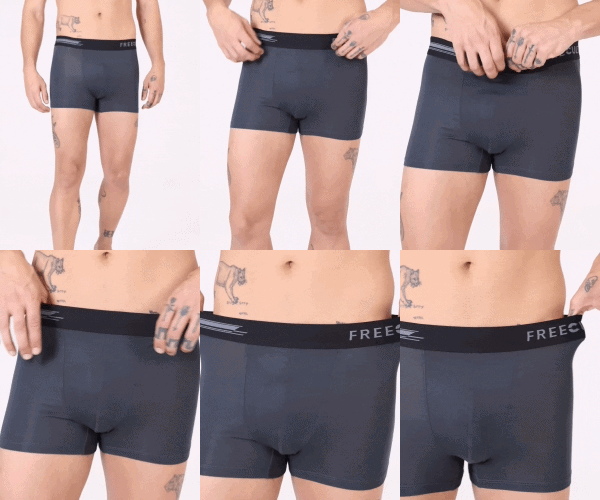
Start with underwear and basics. Premium innerwear made from micro-modal or bamboo fabric costs more upfront but lasts three times longer than standard cotton. Brands like Freecultr engineer their men's trunks with moisture-wicking technology and anti-chafe seams , features that maintain comfort through hundreds of washes. During sales, stock up on these essentials in multipacks. Quality underwear directly impacts daily comfort and confidence.
Next, focus on versatile tops. Plain tees in white, black, grey, and navy work with everything. Look for heavyweight cotton (180-200 GSM) that holds its shape. A good tee should feel substantial in your hands, not flimsy. Buy three to five of each colour during sales , they're your most-worn items.
Outerwear deserves your biggest investment. A well-made denim jacket or bomber in a neutral shade works across seasons and dress codes. Check construction details: reinforced stitching at stress points, quality zippers, and lining that doesn't bunch. These pieces rarely go on deep discount, so even 30% off represents real savings.
| Wardrobe Essential | Why It's Worth Buying | Sale Price Target (₹) |
|---|---|---|
| Premium Innerwear (5-pack) | Daily comfort, long lifespan, moisture control | ₹1,200-₹1,800 |
| Basic Tees (3-pack) | Highest wear frequency, pairs with everything | ₹900-₹1,500 |
| Denim Jacket | Multi-season versatility, timeless style | ₹2,500-₹4,000 |
| Dark Wash Jeans | Dresses up or down, hides wear | ₹1,800-₹3,000 |
| White Sneakers | Works with 80% of casual outfits | ₹2,000-₹3,500 |
Denim is another cornerstone. One pair of dark-wash, straight-leg jeans works for casual Fridays and weekend outings. Skip distressed or heavily embellished styles , they date quickly. During sales, try on multiple sizes. Denim should fit comfortably at purchase because it stretches slightly with wear.
Footwear rounds out your foundation. White leather sneakers and brown casual shoes cover 90% of non-formal situations. Quality shoes last years if you rotate them properly, so sale prices on established brands represent genuine value.
How to Spot True Quality?
Quality reveals itself through fabric weight, construction details, and finishing. Check garment weight (heavier usually means denser, longer-lasting fabric), examine seam allowances (wider is better), and inspect stitching consistency. Premium pieces use reinforced stress points, finished interior seams, and substantial hardware , details that survive repeated wear and washing.
Fabric tells the first story. Hold the item up to light. Can you see through it easily? That's a red flag. Quality cotton, modal, or blends have opacity and substance. Stretch the fabric gently , it should bounce back immediately without staying warped.
Flip garments inside out. This is where brands cut corners. Quality pieces have finished seams (no raw, fraying edges), even stitching, and reinforcement at stress points like armholes and pocket corners. If the interior looks messy, the garment won't survive many wash cycles.
Test zippers and buttons before buying. Zippers should glide smoothly without catching. Metal zippers outlast plastic ones. Buttons should attach with reinforced stitching, ideally with a backing button on the reverse side. Shake the garment , loose buttons rattle.
Check the care label. "Dry clean only" on a basic tee signals low-quality dyes or poor fabric construction. Your everyday pieces should handle regular machine washing. Natural fibres like cotton, linen, and modal breathe better and last longer than pure polyester, though blends (like 95% cotton, 5% elastane) add useful stretch.
Colour consistency matters. Examine multiple pieces of the same item. If the dye looks uneven or varies between pieces, the brand has quality control issues. Premium dyes penetrate fabric evenly and resist fading.
For innerwear specifically, look for flat-lock seams that sit flush against skin. Bulky seams cause chafing. The waistband should have multiple rows of stitching and use a soft elastic that doesn't dig in. Different trunk brands use varying construction methods , understanding these differences helps you identify value.
What Red Flags Should You Avoid?
Certain sale items are traps. "Final sale" or "no returns" tags often hide defects. Inspect these pieces extra carefully for pulls, stains, or irregular stitching. If you can't return it, you're stuck with a mistake.
Beware of "compare at" pricing. Some brands inflate the original price to make discounts look bigger. Research the item's typical selling price before the sale. A "70% off" deal means nothing if the starting price was artificially high.
Trendy pieces at deep discounts are usually overstock the brand couldn't move. Ask yourself: will I wear this in six months? If the answer isn't an immediate yes, skip it. Your wardrobe should evolve slowly, not chase every micro-trend.
Strategic Timing for Maximum Savings
The deepest discounts arrive during end-of-season clearances (March for winter, September for summer) and major shopping events like Republic Day and Diwali sales. Retailers need to clear inventory before new collections arrive, often slashing prices by 50-70% on quality pieces. Shopping these windows strategically can cut your annual clothing budget in half.
Indian retail follows predictable cycles. January sales clear winter inventory as brands prepare for spring collections. You'll find the best deals on jackets, hoodies, and layering pieces. March brings mid-season markdowns as retailers make room for summer stock.
Summer sales peak in July and August. Shorts, tees, and lightweight fabrics hit their lowest prices. But the real opportunity comes in September , end-of-summer clearances overlap with early festive season promotions. This creates a sweet spot where brands discount aggressively to move old stock while teasing new arrivals.
Diwali sales (October-November) offer broad discounts across categories, but prices aren't always the lowest. Brands know shoppers are spending, so they discount moderately across everything rather than deeply on select items. Use this window for planned purchases from your needs list, not impulse browsing.
December brings year-end clearances. Brands want to close their fiscal year with minimal inventory, leading to steep discounts on remaining stock. Selection is limited, but prices are rock-bottom. This is when you find premium items at 60-70% off.
Should You Shop Online or In-Store?
Each channel has advantages. Online sales offer broader selection and easier price comparison. You can check multiple sites in minutes, read reviews, and avoid crowds. But you can't assess fabric quality or fit until items arrive.
Physical stores let you inspect quality immediately. You can feel fabric weight, check construction, and try on different sizes. Store staff can also alert you to upcoming markdowns or additional discounts not advertised online. Plus, you take items home immediately , no waiting for delivery.
The best strategy combines both. Research online to identify target items and compare prices. Then visit stores to inspect quality and confirm fit. If the in-store price matches online (or comes close), buy immediately. If online is significantly cheaper and the brand has a solid return policy, order there.
Use browser extensions that track price history. These tools show whether a "sale" price is genuinely low or just the item's normal selling price with a fake discount label. For Indian shoppers, apps that aggregate deals across platforms save hours of manual searching.
Building Your Capsule Wardrobe System
A capsule wardrobe consists of 30-40 versatile pieces that mix and match seamlessly, creating dozens of outfits from minimal items. This approach prioritises quality over quantity, with each piece serving multiple styling purposes. Sales become opportunities to fill specific gaps rather than accumulate random clothing.
Start with a colour palette. Choose three neutrals (black, white, grey or navy, beige, white) and two accent colours that complement your skin tone. Every piece you buy should fit this palette. This constraint sounds limiting but actually multiplies outfit options because everything coordinates.
Your capsule needs five categories: basics (tees, innerwear), bottoms (jeans, chinos), layers (jackets, sweaters), shoes (sneakers, casual shoes), and accessories (belts, bags). Assign a target number to each category based on your lifestyle. Someone who works from home needs fewer formal pieces than an office worker.
When shopping sales, ask: "Does this replace something worn out, or fill a genuine gap?" If the answer is no, you don't need it. This filter eliminates 80% of sale temptations.
Quality basics form your foundation. Performance fabrics in activewear
Conclusion
Shopping sales doesn't mean compromising on style or settling for whatever's left on the rack. When you plan ahead, know your wardrobe gaps, and focus on timeless pieces that work across seasons, every sale becomes an opportunity to build something lasting. Quality always beats quantity. A well-made cotton tee or a pair of durable innerwear will serve you far longer than a cart full of trendy pieces that fall apart after three washes.
Timing matters, but so does knowing what you're buying. Check fabric blends, inspect stitching, and don't skip the size chart just because the price is tempting. The best wardrobe investments happen when you're strategic, not impulsive. Start with the essentials you actually need, then layer in versatile pieces that complement what you already own.
Ready to upgrade your basics without the guesswork? Explore freecultr's collection of premium comfort wear , designed with breathable fabrics like micro-modal and organic cotton, built to last beyond the season.
About freecultr
Freecultr is India's emerging D2C brand reimagining wardrobe essentials into premium comfort wear. From innerwear for him and her to tees, socks, and trendy bandanas, every piece is curated with sustainability and style in mind. The collection features high-quality fabrics like micro-modal, bamboo, and organic cotton, ensuring breathability, softness, and durability year-round.
More Articles
5 Reasons to Invest in the Best Quality Underwear for MenHow to Style a Tank Top for Every Occasion and Season
The Complete Guide to Choosing the Best Gym Clothes Men Need for Every Workout
Complete Reviews of Popular Men's Trunks Brands in India for Every Budget
FAQs
Why Plan Before Shopping Sales?
Pre-sale planning transforms impulse buying into strategic wardrobe building. Shoppers who create a needs list before major sales save an average of 40% more than those who browse without direction, while avoiding buyer's remorse on trend-driven pieces that lose appeal within months.
What are the essential Wardrobe Pieces Worth Buying?
Timeless wardrobe foundations , quality basics, versatile outerwear, and well-fitted denim , deliver the highest cost-per-wear value during sales. These pieces form the backbone of countless outfits, making them smarter investments than trendy items that fade after one season.
How to Spot True Quality?
Quality reveals itself through fabric weight, construction details, and finishing. Check garment weight (heavier usually means denser, longer-lasting fabric), examine seam allowances (wider is better), and inspect stitching consistency.
What Red Flags Should You Avoid?
Certain sale items are traps. "Final sale" or "no returns" tags often hide defects.
What is Strategic Timing for Maximum Savings?
The deepest discounts arrive during end-of-season clearances (March for winter, September for summer) and major shopping events like Republic Day and Diwali sales. Retailers need to clear inventory before new collections arrive, often slashing prices by 50-70% on quality pieces.
Should You Shop Online or In-Store?
Each channel has advantages. Online sales offer broader selection and easier price comparison.
What is Building Your Capsule Wardrobe System?
A capsule wardrobe consists of 30-40 versatile pieces that mix and match seamlessly, creating dozens of outfits from minimal items. This approach prioritises quality over quantity, with each piece serving multiple styling purposes.
