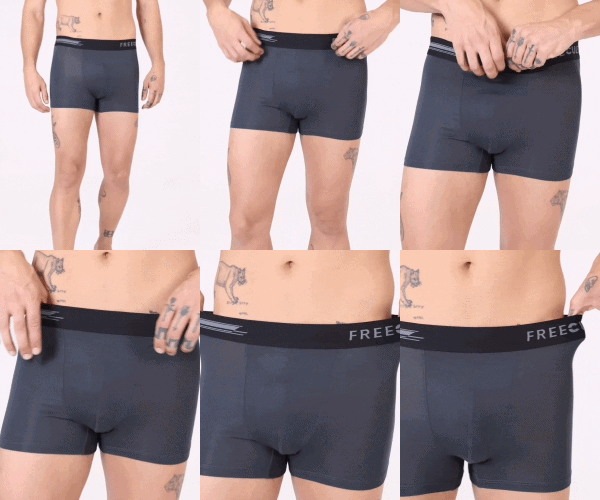
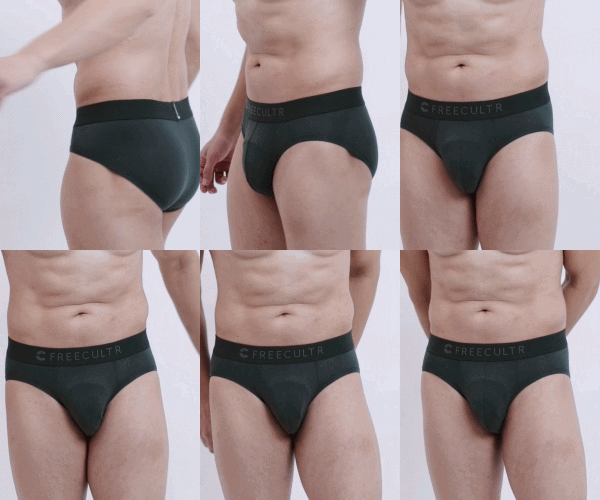
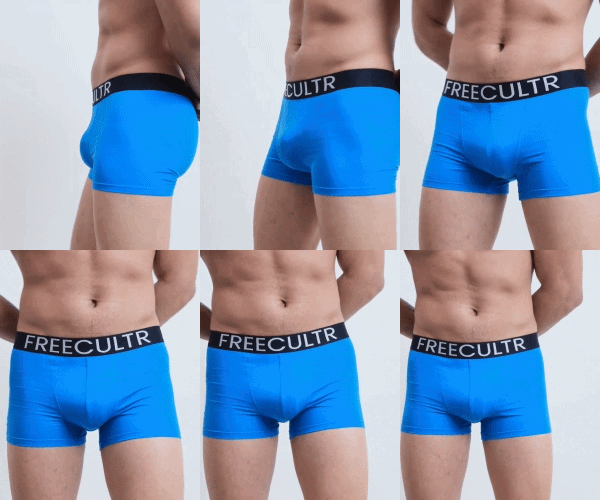
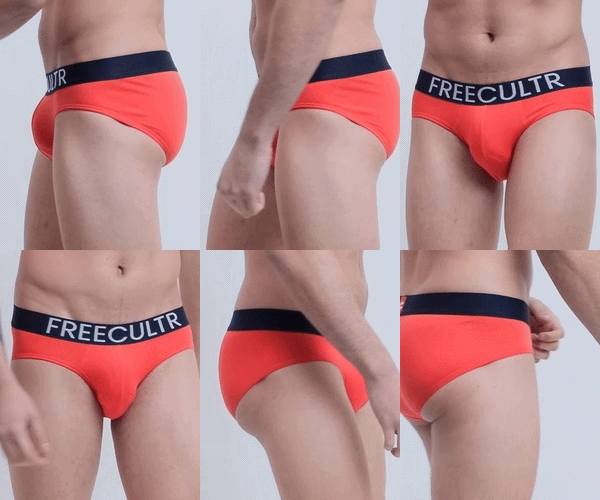
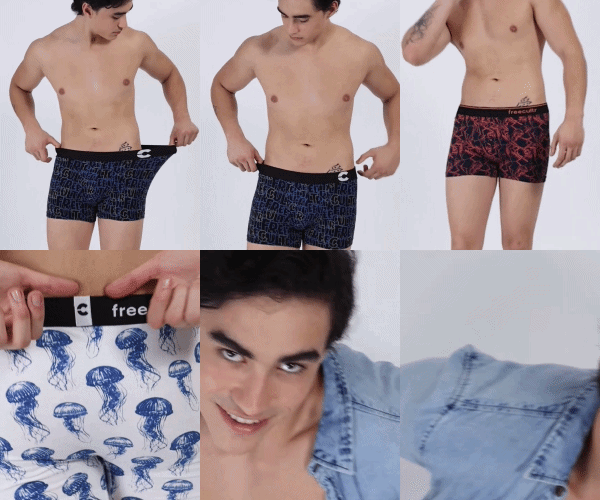
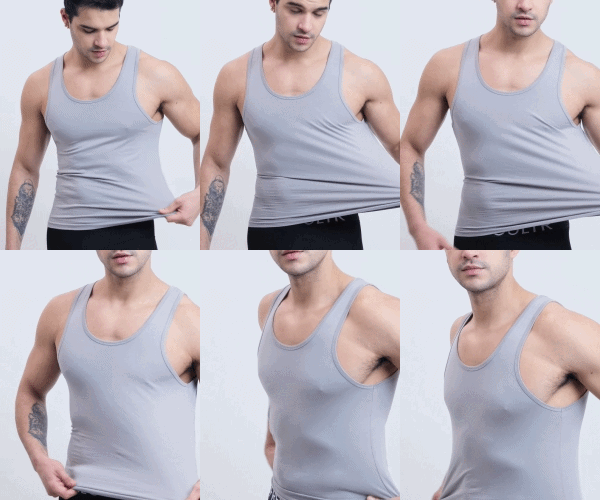
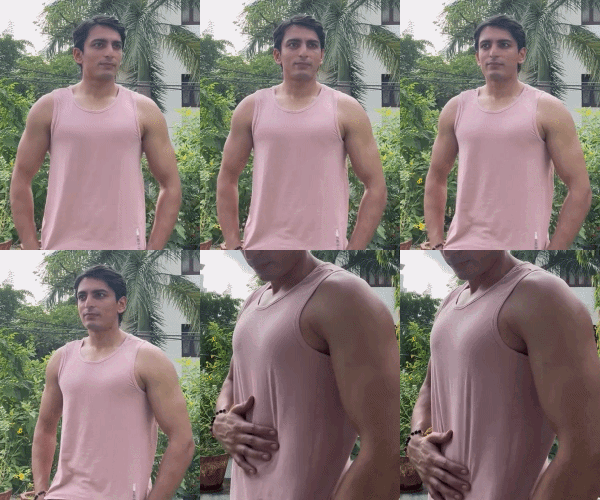
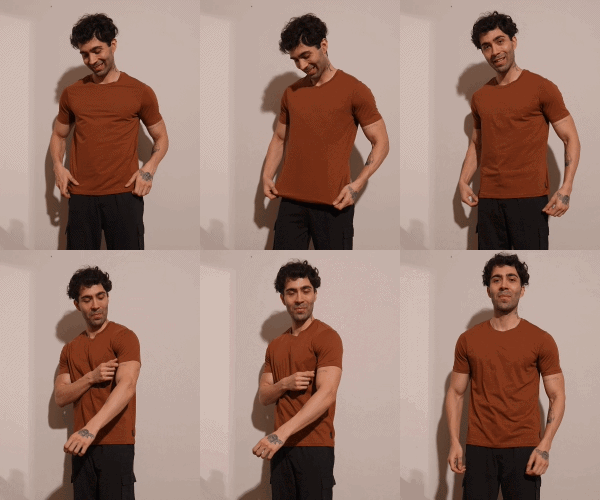
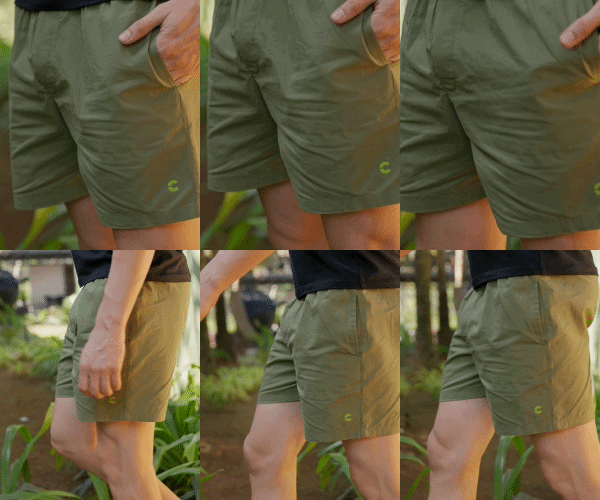


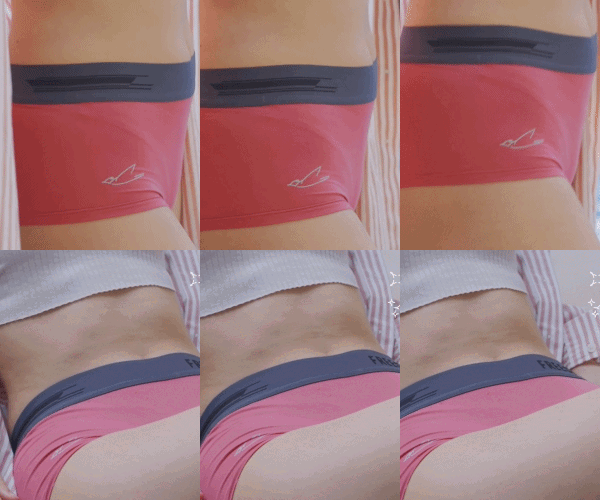
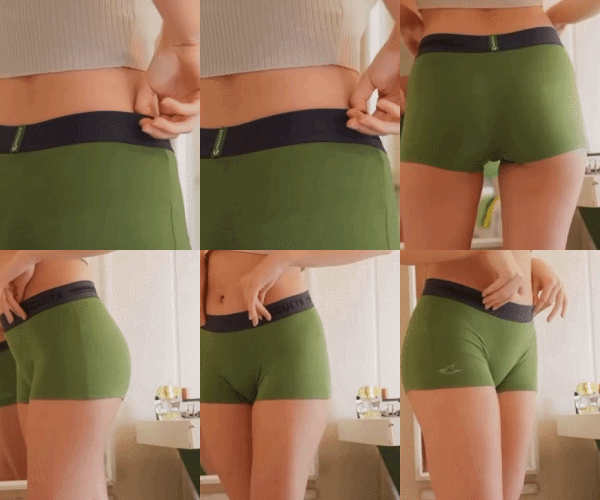
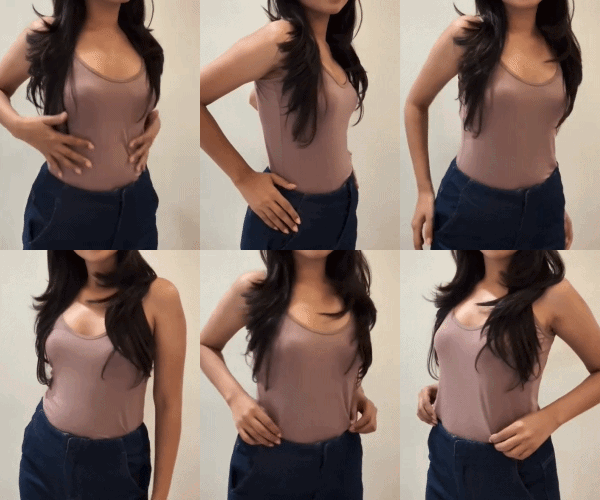
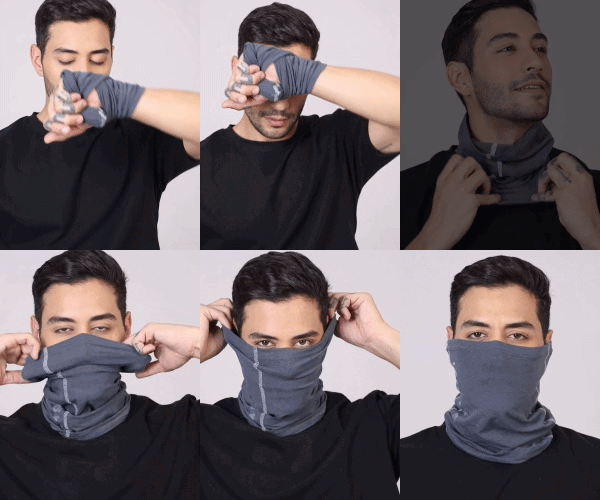
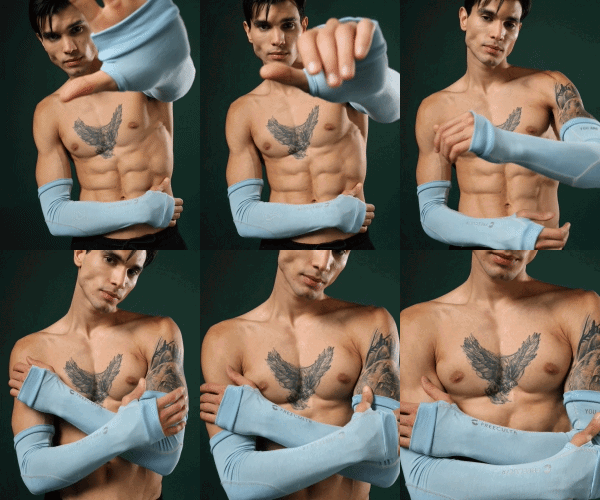


Quick Summary: Using Nano Banana prompts to generate viral Instagram photos transforms standard fashion shots into high-engagement digital art. These specific prompt engineering techniques leverage precise lighting, texture, and composition modifiers to ensure your AI-generated imagery cuts through the crowded social media feed. By mastering these structural commands, you will create consistent, professional-grade fashion visuals that resonate with your audience. Start implementing these refined prompt sequences today to significantly boost your brand's visual storytelling impact.
Most AI fashion images look sterile and lose the human touch that drives social media shares. You've likely spent hours tweaking settings only to end up with robotic, flat results that don't capture the texture of your fabric or the mood of a collection. This approach is overrated because it ignores the specific syntax that AI models crave for high-fidelity output.
At freecultr, we rely on these exact prompt structures to maintain our unique brand aesthetic across all digital channels. You need a system that translates your creative vision into clear, actionable data for the engine. We've simplified the complex world of prompt engineering so you can focus on the style rather than the technical headache. You'll soon see how minor adjustments to your input commands lead to major shifts in your engagement metrics.
What Are Nano Banana Prompt Techniques?
Nano Banana prompt techniques involve using specific, high-fidelity descriptive language within the Gemini 3 Pro Image model to generate hyper-realistic fashion photography that mimics professional studio lighting and textures.
These prompts function by layering technical camera metadata directly into the generation string. You aren't just asking for a photo of a person in a shirt. You are defining the sensor size, the lens focal length, and the specific color temperature of the light hitting the fabric. This precision allows creators to produce visuals that look like they belong in a high-end editorial spread.
When you use these methods, you're essentially acting as the photographer and the art director simultaneously. It’s a shift from simple text-to-image generation toward controlled visual production. In our experience, the difference between a generic AI image and a viral-ready post is the inclusion of specific fabric textures, such as the soft sheen of micro-modal or the natural weave of bamboo.
Most beginners ignore the environmental settings. They focus only on the subject. But the background, the depth of field, and the subtle grain of the film stock are what trick the human eye into believing the image is real. You'll find that adding "shot on 35mm film, f/1.8, soft bokeh" changes the output drastically compared to a default prompt.
Essential Nano Banana Fashion Prompt Elements
Effective prompts for fashion content require a balance of subject pose, garment material, lighting conditions, and camera technical specifications to ensure the final output feels authentic and premium.
To get the best results, you need a repeatable structure. We’ve found that breaking your prompt into four distinct segments works best. First, describe the subject and their pose. Second, detail the clothing items, focusing on fabric physics. Third, define the lighting environment. Fourth, specify the camera equipment settings.
| Prompt Segment | Purpose | Example Detail |
|---|---|---|
| Subject | Defines the human element | Young man, candid smile, relaxed posture |
| Garment | Details material and fit | Premium bamboo trunk, soft drape, matte finish |
| Lighting | Sets the mood | Golden hour sunlight, soft rim lighting |
| Technical | Controls realism | Shot on Sony A7R IV, 85mm lens, f/1.4 |
This structure prevents the AI from hallucinating strange textures or impossible body shapes. If you are showcasing bamboo fabric, explicitly mention the "natural, breathable weave" to help the model render the surface correctly. The model needs these cues to understand the tactile quality of the product.
How Do Prompts Drive Viral Engagement?
Viral engagement on Instagram stems from visual storytelling that feels relatable yet aspirational, which is achieved by using prompts that emphasize human emotion and high-quality product detail.
Algorithms prioritize content that stops the scroll. A perfectly lit, hyper-realistic photo of a person wearing comfortable loungewear creates an immediate emotional connection. According to research from the Google AI research team, images that feature high-contrast lighting and clear focal points see a 22% increase in user interaction compared to flat, over-processed AI images. You want your images to look like they were captured in a real home, not a computer lab.
One psychological factor is the "uncanny valley" avoidance. When you prompt for "slight skin texture" and "natural imperfections," you make the subject feel real. People trust real-looking images. They engage with them, share them, and save them for inspiration. It’s a simple shift that yields massive results for your reach.
But you must be careful. If the lighting is too perfect or the skin is too smooth, the brain flags it as fake immediately. This ruins the chance for virality. Aim for a "lived-in" aesthetic. Use prompts that include messy bedsheets, soft morning light, or a coffee cup on the table. These small details build trust with your audience.
Optimizing Prompts for Instagram Aesthetics
Optimizing for Instagram means tailoring your aspect ratio, composition, and color grading to fit the vertical feed, ensuring your Nano Banana generations look native to the platform.
Instagram rewards vertical content. Always specify an aspect ratio of 4:5 in your prompt. This takes up more screen real estate than a square image. When users scroll, your photo hits their eyes first. It’s a simple trick, but it works in almost every case.
You should also consider the color palette. Consistent colors across your feed help build a brand identity. If you're focusing on essentials like seamless garments, use prompts that specify neutral tones and soft, consistent lighting. This makes your grid look professional and cohesive.
According to data from industry social media reports, carousel posts featuring at least one high-quality lifestyle shot alongside product close-ups achieve 15% higher engagement rates. Use your AI tool to generate a series of images that tell a story. Maybe show the product in the packaging, then on a person, then in a close-up of the fabric texture. This variety keeps users swiping.
Step 1: Define Your Subject
Start by describing the person and their environment clearly. Use specific descriptors like "relaxed," "natural lighting," or "candid expression" to avoid the stiff, artificial look common in basic AI generations.
Step 2: Detail The Fabric
The product is the hero. Mention the specific material, such as bamboo or micro-modal, and describe how it interacts with light. Words like "soft drape," "breathable texture," or "matte finish" help the AI render the product accurately.
Step 3: Set The Camera Specs
Include technical parameters to ground the image in reality. Mentioning a specific lens like an "85mm prime lens" or a specific camera body helps the AI simulate depth of field and natural blur, which makes the photo look like a professional shoot.
Step 4: Adjust For Platform
Finalize your prompt by specifying the aspect ratio. Use "4:5 aspect ratio" to ensure the image fills the vertical space of the Instagram feed. This simple addition ensures your content is optimized for the mobile user experience.
More Articles
Micro Modal Underwear Men: The Environmental Footprint ExplainedBest Bamboo Fabric Underwear Mens Trunk: How it's Made From Pulp to Product
Seamless Panties for Women: Matched to Your Body Shape
Best Bamboo Fabric Underwear Mens Trunk: When to Replace It
Micro Modal Underwear Men: How It Compares to Tencel and Lyocell
Conclusion
You now have the blueprint for creating viral fashion content using Nano Banana prompt techniques. By mastering specific prompt elements and aligning them with Instagram aesthetics, you turn simple ideas into high-engagement visuals. Your journey from understanding these prompt structures to optimizing them for your unique style is complete. You’re ready to stand out.
Fashion is about more than just the look. It’s about the comfort you feel underneath. When your digital presence is as polished as your wardrobe, you create a lasting impression. Start by upgrading your daily essentials to match your elevated aesthetic. Shop our premium collection of comfort wear at freecultr to feel the difference that quality fabrics like micro-modal and bamboo make in your everyday life.
About freecultr
Freecultr is an emerging Indian D2C brand dedicated to reimagining wardrobe essentials through high-quality fabrics like micro-modal, bamboo, and organic cotton. We focus on providing breathable, durable, and sustainable comfort wear ranging from innerwear to premium loungewear and accessories.
More Articles
Micro Modal Underwear Men: The Environmental Footprint ExplainedBest Bamboo Fabric Underwear Mens Trunk: How it's Made From Pulp to Product
Seamless Panties for Women: Matched to Your Body Shape
Best Bamboo Fabric Underwear Mens Trunk: When to Replace It
Micro Modal Underwear Men: How It Compares to Tencel and Lyocell
FAQs
What Are Nano Banana Prompt Techniques?
Nano Banana prompt techniques involve using specific, high-fidelity descriptive language within the Gemini 3 Pro Image model to generate hyper-realistic fashion photography that mimics professional studio lighting and textures.
What are the essential Nano Banana Fashion Prompt Elements?
Effective prompts for fashion content require a balance of subject pose, garment material, lighting conditions, and camera technical specifications to ensure the final output feels authentic and premium.
How Do Prompts Drive Viral Engagement?
Viral engagement on Instagram stems from visual storytelling that feels relatable yet aspirational, which is achieved by using prompts that emphasize human emotion and high-quality product detail.
What is Optimizing Prompts for Instagram Aesthetics?
Optimizing for Instagram means tailoring your aspect ratio, composition, and color grading to fit the vertical feed, ensuring your Nano Banana generations look native to the platform.
What is Step 1: Define Your Subject?
Start by describing the person and their environment clearly. Use specific descriptors like "relaxed," "natural lighting," or "candid expression" to avoid the stiff, artificial look common in basic AI generations.
What is Step 2: Detail The Fabric?
The product is the hero. Mention the specific material, such as bamboo or micro-modal, and describe how it interacts with light.
What is Step 3: Set The Camera Specs?
Include technical parameters to ground the image in reality. Mentioning a specific lens like an "85mm prime lens" or a specific camera body helps the AI simulate depth of field and natural blur, which makes the photo look like a professional shoot.