



















Quick Summary
- Micro modal underwear men buy is derived from beech tree pulp, a tree species that typically requires significantly less irrigated water to grow than cotton, which is a water-intensive crop in most growing regions.
- Modal fiber production uses a closed-loop chemical process in some manufacturing facilities, recovering and reusing a portion of the solvents involved, though this practice varies by manufacturer and is not universal across the industry.
- Beech trees used for modal production are often grown on land not well suited to food crop cultivation, reducing direct competition with agricultural land use compared to some other fiber crops.
- This guide looks specifically at the environmental considerations around micro-modal fiber, separate from its comfort and performance properties.
Where Micro-Modal Fiber Actually Comes From
Micro modal underwear men buy starts as pulp derived from beech trees, a hardwood species that grows across parts of Europe and other temperate regions. This is a meaningfully different raw material source than cotton, which is a field crop requiring dedicated agricultural land, seasonal planting, and substantial irrigation in most major cotton-growing regions.
Water Use: Modal vs Cotton
Cotton is widely recognized as one of the more water-intensive fiber crops, particularly in regions relying on irrigation rather than rainfall alone, since cotton plants require sustained water input throughout their growing cycle.
Beech trees, by comparison, typically rely more on natural rainfall in the regions where they are commonly grown and require substantially less direct agricultural irrigation, since they are forestry trees rather than an irrigated field crop.
This distinction in water demand during raw material cultivation is one of the more commonly cited environmental advantages of modal-derived fibers over cotton.
Land Use Considerations
Beech trees used in modal fiber production are frequently grown on forestry land that is not well suited to food crop agriculture, meaning modal fiber production does not directly compete with food-growing land in the same way that expanding cotton cultivation can.
This is a meaningful distinction, though it depends significantly on sourcing practices and the specific forestry operations a given manufacturer works with, which are not always transparently disclosed on individual product listings.
The Manufacturing Process and Chemical Use
Converting beech pulp into modal or micro-modal fiber involves a chemical process to dissolve and reform the cellulose into fiber form, similar in principle to viscose or rayon production.
Some manufacturing facilities operate what is known as a closed-loop process, recovering and reusing a significant portion of the chemical solvents involved rather than releasing them as waste, which substantially reduces the process's environmental impact compared to an open-loop system.
This practice varies considerably between manufacturers and is not a guaranteed feature of all modal fiber production, so a brand specifically stating its fiber is sourced from a closed-loop production process is providing a meaningfully more transparent environmental claim than one that does not specify this.
Micro-Modal vs Cotton: Environmental Factors at a Glance
| Factor | Micro-Modal | Cotton |
|---|---|---|
| Raw material source | Beech tree pulp (forestry) | Cotton plant (field crop) |
| Typical water demand | Lower, relies more on natural rainfall | Higher, often requires significant irrigation |
| Land use | Often forestry land unsuited to food crops | Dedicated agricultural land |
| Manufacturing process | Chemical processing, closed-loop where practiced | Mostly mechanical processing, less chemical-intensive |
| Garment lifespan | 14 to 18 months, extending use-phase footprint | 6 to 9 months typically |
Why Garment Lifespan Also Matters for Environmental Impact
A fabric's environmental footprint is not determined solely by raw material and manufacturing; how long the finished garment actually lasts also factors into the overall picture, since a longer-lasting garment reduces the frequency of replacement purchases and the cumulative resource use tied to producing multiple shorter-lived garments over the same period.
Micro-modal's typical 14 to 18 month lifespan compared to cotton's 6 to 9 months means fewer replacement purchases over time, which is a meaningful factor alongside the raw material and processing considerations above.
What This Means When Shopping
Look specifically for brands that disclose their modal fiber's manufacturing process, particularly whether it involves closed-loop solvent recovery, rather than assuming all modal or micro-modal fiber carries the same environmental profile by default.
A brand transparent about its sourcing and process details is providing more verifiable information than one relying on general "sustainable" or "eco-friendly" language without specifics.
Freecultr's Micro-Modal Range
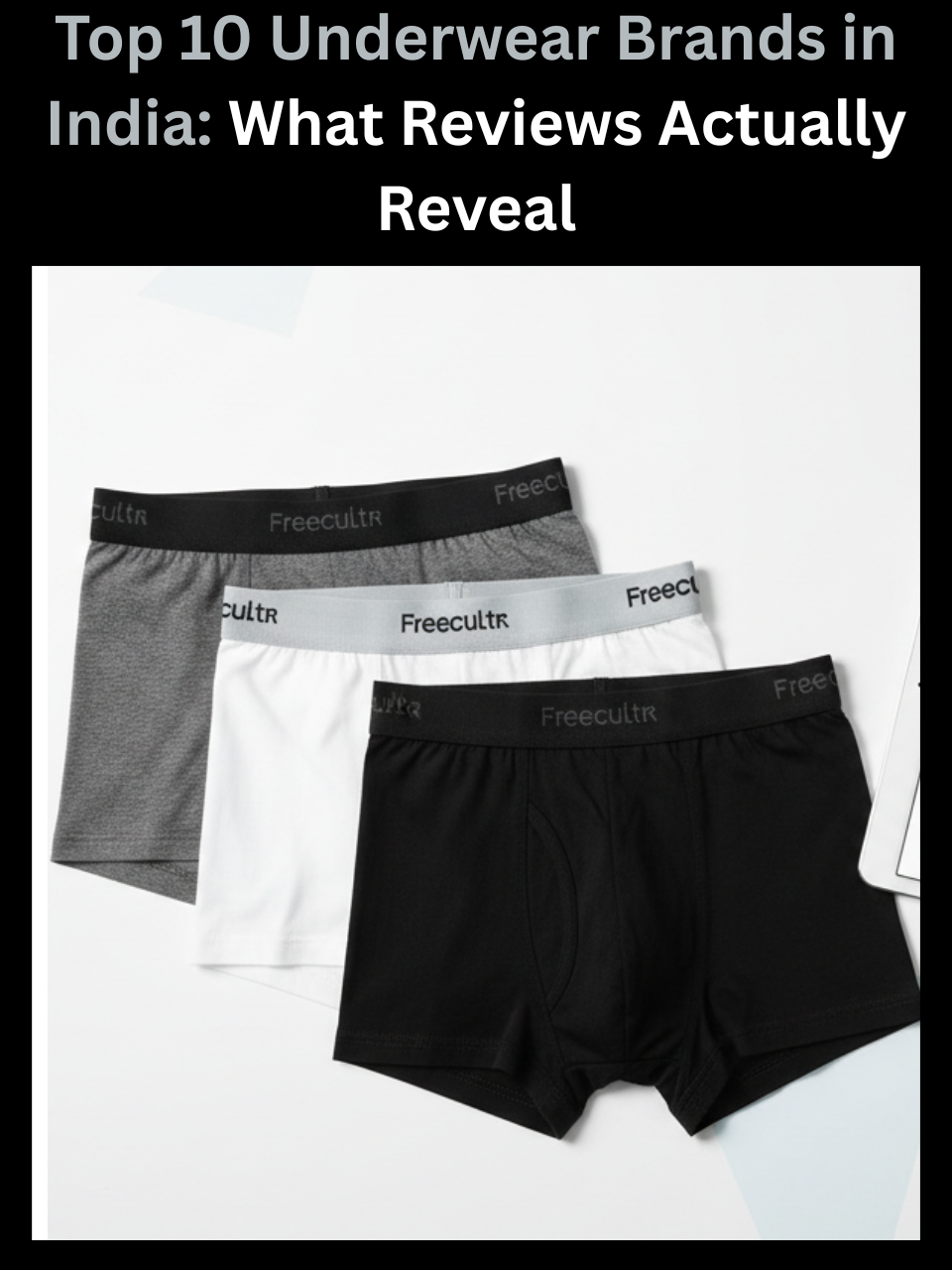
Freecultr's briefs and trunks use micro-modal fiber with the fabric composition stated directly on product listings, paired with a garment lifespan of 14 to 18 months under normal care, which extends the use-phase value of each purchase relative to standard cotton.
Shop Freecultr's micro-modal briefs or explore Freecultr's micro-modal trunks for this fiber choice across the brand's daily-wear range.
Conclusion
Micro modal underwear men buy carries a meaningfully different environmental profile than cotton, driven primarily by beech tree pulp's lower water demand and reduced competition with food-growing land, alongside the fiber's longer typical garment lifespan, which reduces replacement frequency over time.
The manufacturing process itself varies by producer, making transparency about closed-loop solvent recovery a useful additional factor to check when evaluating a specific brand's fiber sourcing.
More Articles
- Shop Freecultr Micro-Modal Briefs
- Explore Freecultr Micro-Modal Trunks
- Browse Freecultr's Full Innerwear Range
- Shop Freecultr Cotton Briefs
FAQs
Does micro-modal use less water to produce than cotton?
The raw material, beech tree pulp, typically requires significantly less irrigated water than cotton, which is a water-intensive field crop in most major growing regions. This is one of the more commonly cited environmental advantages of modal-derived fibers.
Is micro-modal fiber production chemical-free?
No. Converting beech pulp into fiber involves a chemical dissolution process similar in principle to viscose production. Some manufacturers operate a closed-loop process that recovers and reuses a significant portion of these chemicals, though this practice is not universal across all producers.
Does micro-modal compete with food crop land the way cotton can?
Generally less so, since beech trees used for modal fiber are often grown on forestry land not well suited to food crop cultivation, though this depends on the specific sourcing practices of individual manufacturers.
Does garment lifespan factor into environmental impact?
Yes. A longer-lasting garment reduces the frequency of replacement purchases and the cumulative resource use of producing multiple shorter-lived garments, and micro-modal's typical 14 to 18 month lifespan compares favorably to cotton's 6 to 9 months in this respect.