







Quick Summary
- An xxxl size t-shirt is made from knit jersey fabric, which behaves differently in the wash than the woven fabric used in formal shirts, making it more prone to shrinkage and shape distortion if washed incorrectly.
- Hot water is the single biggest cause of noticeable shrinkage in cotton jersey, and this effect is more pronounced at larger sizes given the greater total fabric surface area involved.
- Tumble drying on high heat is often the bigger culprit than the wash cycle itself, since dryer heat continues to shrink and can distort knit fabric even after washing on a cooler setting.
- This guide covers t-shirt-specific care habits, distinct from general shirt care, to keep an XXXL t-shirt's fit and shape intact over time.
Why T-Shirt Fabric Needs Different Care Than a Formal Shirt
An xxxl size t-shirt is built from knit jersey fabric, a looped-construction knit rather than the woven fabric used in most formal and casual button-down shirts. Knit fabric is inherently more elastic and more prone to both shrinking and stretching out of shape under heat and mechanical stress than a tightly woven fabric, which is why t-shirt-specific care habits differ somewhat from general shirt care advice.
Shrinkage: Why It Happens and How to Prevent It
The mechanism. Cotton fibers in a knit swell when exposed to water and heat, and as they dry, the knit structure can pull tighter than its original dimensions, particularly under high heat. This is why shrinkage tends to be most severe on the first few washes, then gradually levels off as the fabric approaches a more stable, shrunk state.
Wash in cold water specifically. Cold water significantly reduces the degree of fiber swelling that drives shrinkage, making it the single most effective prevention step for a t-shirt specifically, more so than for structured woven shirts with less elastic fabric.
Skip the dryer, or use the lowest heat setting. Dryer heat is frequently the bigger shrinkage contributor compared to the wash cycle itself for knit jersey fabric. Air drying flat, rather than hanging (which can stretch a wet, heavy knit out of shape under its own weight), preserves both size and shape most reliably.
Preventing Shape Distortion Beyond Just Shrinkage
- Avoid wringing out excess water by hand. Twisting and wringing a wet knit garment can permanently distort the knit structure, particularly at the shoulders and neckline. Gently pressing out excess water, rather than wringing, protects the shape better.
- Dry flat rather than on a hanger. A wet t-shirt hung to dry can stretch out of shape under its own water weight, particularly at the shoulders, resulting in a garment that no longer sits correctly even once fully dry. Laying it flat on a towel avoids this specific stretching risk.
- Fold rather than hang for storage. Long-term hanging can gradually stretch a knit t-shirt at the shoulder points over repeated wear cycles, similar to the wet-hanging issue but occurring more slowly. Folding for storage reduces this cumulative stress.
Why This Matters More at XXXL Specifically
A larger t-shirt involves a greater total quantity of knit fabric, and the same percentage of shrinkage translates into a larger absolute size change than it would on a smaller t-shirt.
A t-shirt that shrinks by a modest percentage at a standard size might lose fit tolerance that was not particularly generous to begin with, while the same percentage shrinkage on an XXXL t-shirt can meaningfully change how the garment fits through the chest, sleeves, and length, given the larger starting measurements involved.
Care Habit Quick Reference
| Concern | Cause | Prevention |
|---|---|---|
| Shrinkage | Fiber swelling under heat, worse in first few washes | Cold water wash, air dry or low-heat dry |
| Shape distortion at shoulders | Wet garment hung to dry, or wringing | Dry flat, press rather than wring |
| Neckline stretching over time | Ribbing losing recovery from heat exposure | Gentle wash cycle, avoid high heat |
| Cumulative shoulder stretching | Long-term hanging storage | Fold for storage rather than hanging long-term |
What to Expect Even With Good Care
Some shrinkage, typically most pronounced in the first two to three washes, is normal for cotton jersey even with correct cold-water care, and this initial adjustment is usually accounted for in a well-sized garment's original measurements. After this initial settling period, a properly cared-for XXXL t-shirt should hold its size and shape consistently across subsequent washes.
Applying This to Your XXXL T-Shirt Collection
Following cold-water washing, air drying or low-heat drying, and flat storage for regularly worn pieces protects fit meaningfully better than default hot-wash, high-heat-dry habits, particularly for the larger fabric quantities involved at the XXXL range.
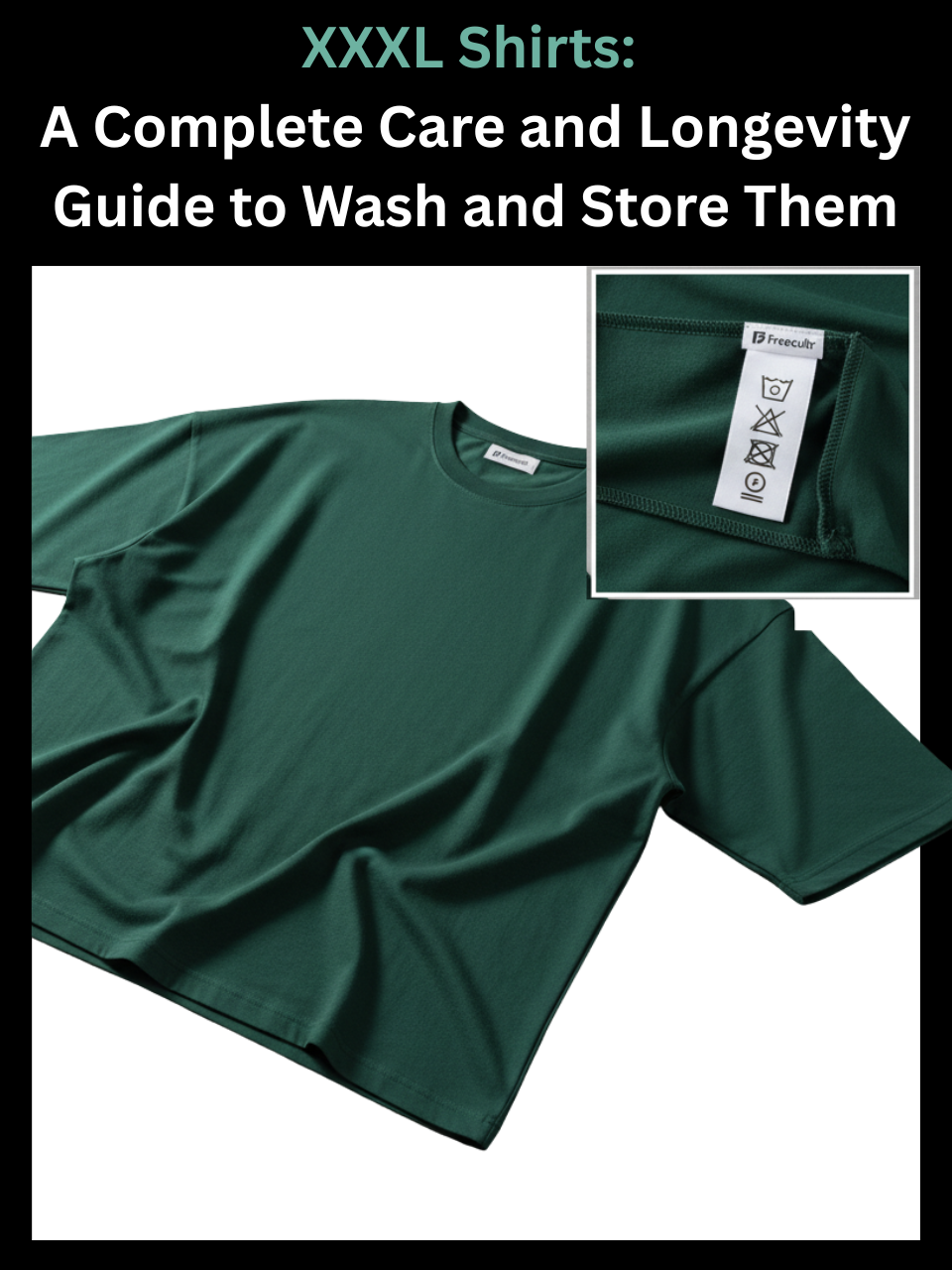
Checking the specific care label on any t-shirt you own, since fabric blends can vary slightly in their shrink tolerance, remains the most reliable individual guide alongside these general principles.
Conclusion
An xxxl size t-shirt requires somewhat different care than a formal shirt, given its knit jersey construction and greater susceptibility to shrinkage and shape distortion under heat and mechanical stress.
Cold water washing, air drying, and careful handling while wet are the habits that most reliably preserve fit over the shirt's lifespan, and this attention matters more at the XXXL range given the larger absolute measurement changes that even modest shrinkage percentages can cause.
More Articles
- Shop Freecultr XXXL Shirts
- Explore Freecultr's Full Innerwear Range
- Browse Freecultr Micro-Modal Briefs
- Shop Freecultr Bamboo Comfort Vests
FAQs
Why does my xxxl size t-shirt shrink more than expected after washing?
Cotton knit fibers swell under water and heat, and the knit structure can pull tighter as it dries, particularly under high heat. This effect is often most pronounced in the first few washes and is amplified at larger sizes given the greater total fabric quantity involved.
Should I hang a wet t-shirt to dry?
It's better to dry it flat instead. A wet knit t-shirt hung to dry can stretch out of shape under its own water weight, particularly at the shoulders, which can leave the garment misshapen even once fully dry.
Does wringing out a t-shirt damage the fabric?
Yes, potentially. Twisting and wringing a wet knit garment can permanently distort the knit structure. Gently pressing out excess water instead protects the shape better.
Is some shrinkage normal even with proper care?
Yes. A modest amount of shrinkage, typically in the first two to three washes, is normal for cotton jersey even with cold-water care, and is usually accounted for in the garment's original sizing.