



Quick Summary
- XXXL shirts involve significantly more total fabric surface area than standard sizes, which means shrinkage, collar wilting, and shape loss from improper washing are more noticeable and more costly to get wrong.
- Hot water and high-heat drying are the most common causes of shrinkage severe enough to meaningfully change an XXXL shirt's fit, sometimes shrinking it down closer to a standard large.
- Collar and cuff interfacing, the stiffening layer inside these areas, degrades faster with harsh washing, causing a wilted, floppy collar look well before the rest of the shirt shows wear.
- This guide covers the specific care habits that protect fit and structure in XXXL shirts over the long term.
Why Care Matters More at XXXL Size
XXXL shirts contain considerably more fabric than a standard-size shirt, and because of this larger surface area, the effects of improper washing, shrinkage, color fading, collar wilting, become more visually pronounced and more disruptive to overall fit. A half-inch of shrinkage across a shirt's width matters more when that shirt was already sized to fit generously through the chest and torso, since it can push the garment from a comfortable fit into a genuinely tight one.
Preventing Shrinkage
Wash in cold water. Hot water is the single biggest driver of shrinkage in cotton and cotton-blend shirts. A cold or lukewarm wash cycle significantly reduces shrinkage risk compared to hot water, particularly over repeated washes.
Avoid high-heat tumble drying. Heat from a dryer compounds shrinkage risk on top of the wash cycle itself. Air drying or a low-heat tumble setting preserves the original dimensions far better than a high-heat cycle.
Wash inside out. Turning a shirt inside out before washing reduces surface friction against the drum and other garments, which helps preserve both color and the shirt's outer fabric surface over repeated washes.
Protecting the Collar and Cuffs
The collar and cuffs on most dress and casual shirts contain an interfacing layer, a stiffer material sandwiched inside the fabric that gives these areas their structure. This interfacing is more sensitive to heat and harsh washing than the main body fabric, and it is typically the first part of a shirt to show visible wear, appearing as a soft, floppy, or slightly wavy collar well before the rest of the shirt looks worn.
Hand washing the collar area specifically, or at minimum avoiding high heat in both the wash and dry cycle, meaningfully extends how long the collar retains its crisp structure. Ironing the collar while slightly damp, rather than fully dry, also helps maintain its shape over repeated wears.
Storage Habits That Matter for XXXL Shirts
Use appropriately sized hangers. A hanger too narrow for an XXXL shirt's shoulder width can create stretched-out shoulder points or a stretched neckline over time from the fabric bearing weight unevenly. Wider hangers, sized specifically for the shirt's shoulder measurement, distribute weight more evenly.
Avoid overcrowded closets. Compressed storage can create permanent creasing at the shoulders and collar, particularly in shirts with interfacing, which does not always recover fully once creased under sustained pressure.
Fold rather than hang for extended storage. For shirts not worn regularly, folding along natural seam lines and storing flat reduces the long-term stress on shoulder seams that prolonged hanging can cause, particularly for heavier fabric weights common in some XXXL shirt options.
Care Habits Quick Reference
| Concern | What Causes It | What Prevents It |
|---|---|---|
| Shrinkage | Hot water, high-heat drying | Cold wash, air dry or low heat |
| Collar wilting | Harsh washing degrading interfacing | Gentle wash, iron while damp |
| Color fading | Friction against other garments, hot water | Wash inside out, cold water |
| Shoulder stretching | Undersized hangers, overcrowded storage | Wide hangers matched to shoulder width |
How Much Shrinkage Actually Matters at This Size
A shirt that shrinks even a modest amount across the chest and shoulder width can meaningfully change how it fits at the XXXL range, sometimes enough to push it toward feeling more like a standard XL. Because the margin built into an XXXL size is proportionally similar to smaller sizes but applied to a larger base measurement, the same percentage of shrinkage translates to a larger absolute measurement change, which is part of why shrinkage prevention deserves particular attention at this size range.
Where to Find XXXL Shirts Built to Hold Up
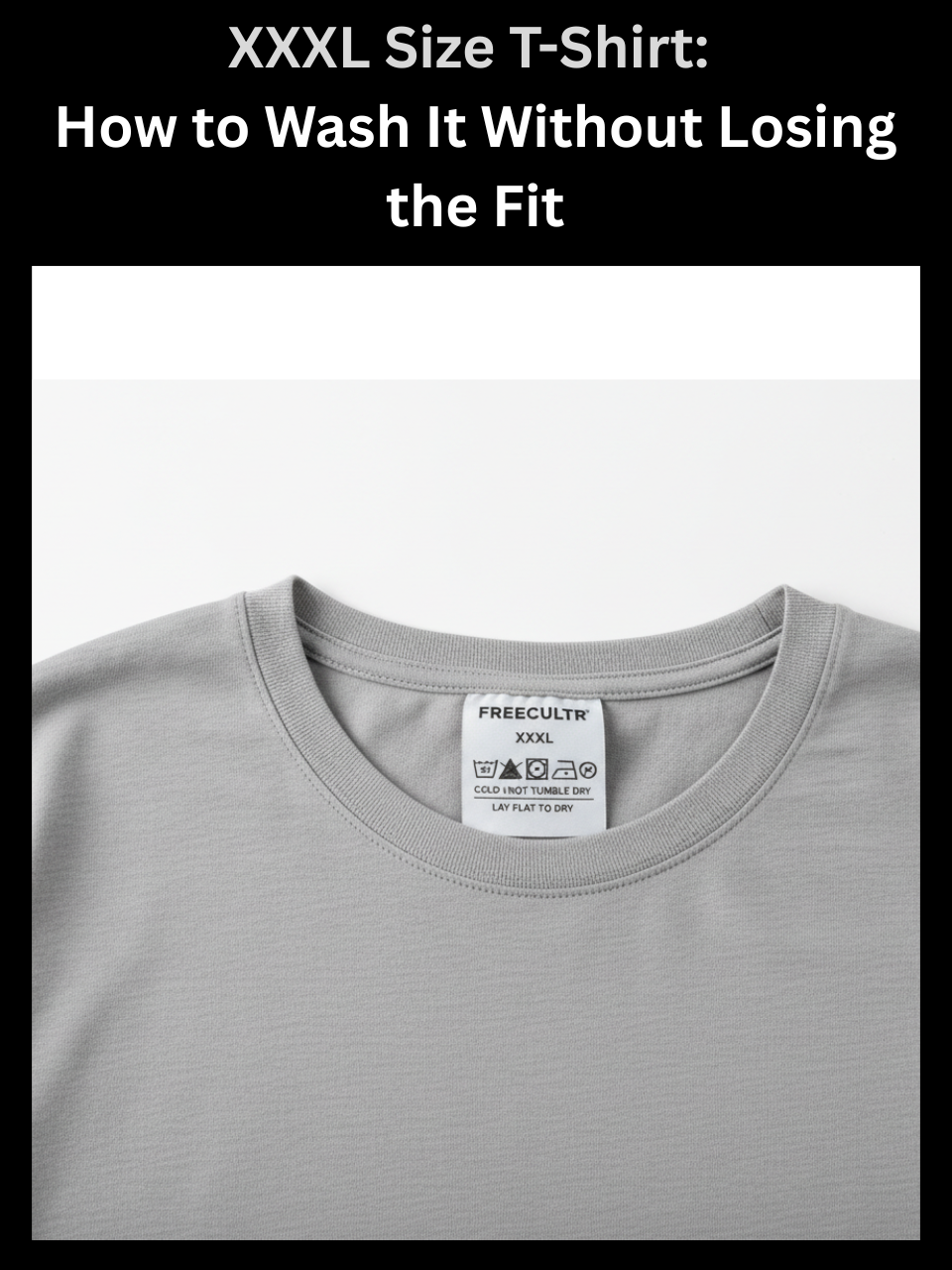
Freecultr's XXXL shirt range uses fabric and interfacing intended to hold up to normal care with reasonable shrink resistance when washed according to standard care instructions. Shop Freecultr's XXXL shirts and follow the care label closely to preserve fit over the shirt's full lifespan.
Conclusion
XXXL shirts require more careful washing and storage attention than standard sizes, since the larger fabric surface area makes shrinkage, collar wilting, and shape loss more noticeable and more disruptive to overall fit. Cold water washing, avoiding high heat in the dryer, protecting the collar's interfacing, and using appropriately sized hangers together meaningfully extend how long an XXXL shirt holds its original fit and structure.
More Articles
- Shop Freecultr XXXL Shirts
- Explore Freecultr's Full Innerwear Range
- Browse Freecultr Micro-Modal Briefs
- Shop Freecultr Bamboo Comfort Vests
FAQs
Why does my XXXL shirt shrink more noticeably than a smaller size shirt?
The same percentage of shrinkage translates to a larger absolute measurement change on a bigger garment, meaning shrinkage that would be barely noticeable on a smaller shirt can meaningfully affect fit at the XXXL range.
How do I prevent my shirt collar from going floppy?
Wash and dry using cooler, gentler settings specifically, since the interfacing layer inside the collar degrades faster with hot water and high heat than the main body fabric. Ironing the collar while slightly damp also helps maintain its structure.
Should I hang or fold XXXL shirts for storage?
Regularly worn shirts can be hung on hangers sized appropriately for the shoulder width to avoid stretching. Shirts stored for extended periods without regular wear are better folded along natural seam lines to reduce long-term shoulder seam stress.
Does washing inside out actually help preserve an XXXL shirt?
Yes. Washing inside out reduces surface friction against the washing machine drum and other garments, which helps preserve both color and the outer fabric surface over repeated wash cycles.