


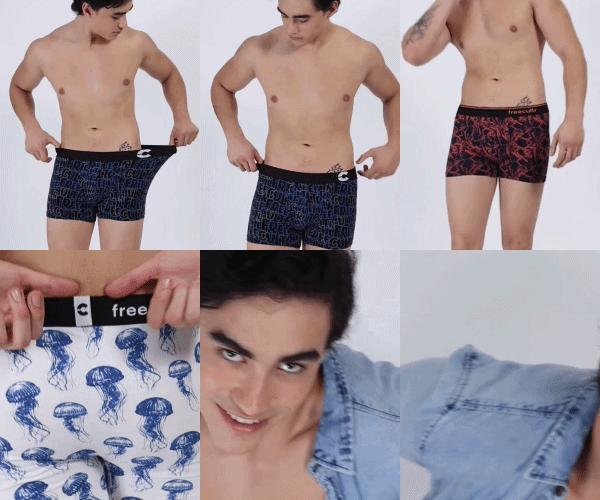








The undershirt is the quiet workhorse of menswear. It sits directly against your torso through high-stakes client pitches, crowded subway commutes, long outdoor weddings, and humid afternoons.
Yet, most men treat it as an afterthought, grabbing bulky ribbed vests or heavy cotton crewnecks that do more harm than good. The results are instantly recognizable: thick collar lines showing through a crisp dress shirt, sleeves bunching under the bicep, and damp underarm patches showing up right before a critical meeting.
A truly well-engineered undershirt for men should be invisible. It acts as a defensive shield between your sweat glands and your outer clothing, keeping your button-downs crisp, preventing friction, and helping your body regulate heat without adding unnecessary bulk.
Here is a practical, detailed guide on how to pick, style, and care for undershirts so you stay cool, clean, and confident from morning to night.
1. Why Wear an Undershirt at All?
Some men skip the base layer entirely, assuming that wearing fewer clothes keeps them cooler in high temperatures. In reality, going without an undershirt often backfires:
-
Sweat and Deodorant Shield: Direct contact between antiperspirants, natural body oils, and dress shirt fabric creates permanent yellow underarm stains on formal wear. An undershirt captures these residues first.
-
Fabric Longevity: Expensive linen, oxford cloth, and fine poplin shirts require less aggressive washing when shielded from direct skin sebum, extending their lifespan significantly.
-
Smooth Profile: An undershirt creates a clean, uniform drape beneath fine dress shirts, smoothing out chest contours and preventing sheer fabrics from appearing translucent under bright office lighting.
-
Thermoregulation: A high-performance base layer actively pulls moisture off your chest and back, using evaporative cooling to keep your core temperature stable.
2. Deciding on the Neckline and Cut: V-Neck, Crewneck, or Sleeveless?
Choosing the wrong neckline or silhouette is the most common styling mistake men make when layering.
+--------------------+-------------------------+----------------------------------------+
| Undershirt Style   | Best Paired With        | Key Advantage                          |
+--------------------+-------------------------+----------------------------------------+
| Deep V-Neck        | Open-collar shirts      | Completely invisible with 1-2 unbuttoned|
| Classic Crewneck   | Fully buttoned ties     | Full chest barrier & collar structure  |
| Sleeveless Vest    | Casual shirts, polos    | Zero sleeve bunching, light torso wrap |
| Fitted Short Sleeve| Tailored formal shirts  | Maximum armpit sweat protection        |
+--------------------+-------------------------+----------------------------------------+
Deep V-Neck: The Modern Gold Standard
If you ever wear a dress shirt with the top button undone, a deep V-neck is essential. Standard V-necks often peek out just above the collar point. A cut engineered with a deeper plunge stays entirely hidden beneath the unbuttoned collar, maintaining a clean neckline without advertising what you have on underneath.
Classic Crewneck: Made for Ties and Formal Closures
Crewneck undershirts have their place, but exclusively when your outer shirt is buttoned to the neck with a necktie or bowtie. If you undo your collar button while wearing a high crewneck, the thick band cuts across your throat, breaking the clean lines of your outfit and drawing unwanted visual attention.
Sleeveless Vests: Torso Comfort with Full Arm Mobility
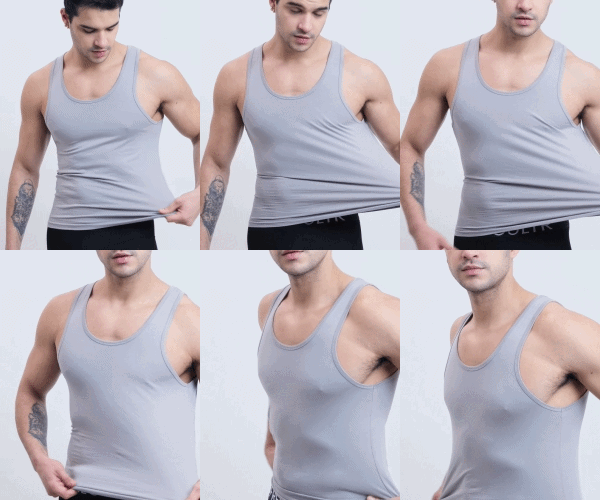
Sleeveless undershirts, commonly called vests or tank undershirts, provide light core warmth and torso sweat absorption while leaving your armpits open. They are practical for casual shirts, polos, and linen tops where sleeve bunching is a concern, though they provide less protection against underarm sweat rings.
Fitted Short Sleeves: The Sweat Barrier
When your main objective is stopping underarm dampness from reaching your blazer or shirt, a short-sleeve undershirt with contoured armholes is non-negotiable. It places a protective layer of fabric directly against the axillary sweat glands.
3. Fabric Matters: Selecting the Right Base Layer Material
Because an undershirt sits flush against your skin, its material dictates whether you feel fresh or suffocated. Avoid heavy, rough fabrics and focus on thin, high-wicking textiles:
Bamboo Viscose: ████████████████████ (Silky-soft, natural cooling, odor control)
Micro Modal:    ██████████████████░░ (Ultra-fine, feather-light, rapid wicking)
Combed Cotton:  █████████████░░░░░░░ (Crisp, familiar, durable for heavy washing)
Pure Polyester: ██████░░░░░░░░░░░░░░ (Traps odors, builds static, not breathable)
Bamboo Fiber: Silky, Cool, and Naturally Hygienic
Bamboo-derived fabric is celebrated for its natural thermoregulating properties. It feels noticeably cool on contact, making it a stellar option for long workdays in high humidity. Bamboo fibers also possess natural resistance to odor-causing bacteria, keeping you fresh during back-to-back presentations.
Micro Modal: The Weightless Second Skin
Made from refined beechwood pulp, micro modal can be woven into exceptionally fine, lightweight jerseys. It moves fluidly with your body, absorbs moisture instantly, and stays soft wash after wash. Because it is feather-light, it never feels heavy under a tailored shirt.
Combed Cotton: Crisp and Dependable
If you prefer the familiar feel of cotton, skip standard carded cotton and look for combed cotton with a touch of elastane. Combed cotton strips away short, scratchy fibers, producing a soft hand-feel that washes cleanly. Adding 5% elastane ensures the undershirt hugs your frame without sagging around the midsection.
To see how bamboo performs compared to other light innerwear materials, take a look at our detailed guide on the [suspicious link removed].
4. The Color Rule: Stop Wearing Bright White Under Light Shirts
The biggest myth in men's style is that a white undershirt is invisible beneath a white dress shirt.
In reality, a bright white undershirt creates a sharp contrast against your natural skin tone. The edges of the sleeves and neckline shine through white or light blue fabrics like neon signs.
       LIGHT SHIRT UNDERGARMENT CONTRAST
                      │
   What color is your outer dress shirt?
           ├── WHITE OR LIGHT PASTEL
           │     ├── Wearing White Undershirt? ──► High Contrast (Visible lines)
           │     └── Wearing Heather Grey/Beige? ► Low Contrast (Completely invisible)
           │
           └── DARK NAVY, CHARCOAL, OR BLACK
                 └── Wearing Black/Charcoal? ──► Seamless & Zero Reflection
-
Under White or Pastel Shirts: Wear light heather grey, sand, or beige. Heather grey absorbs light rather than bouncing it back through the shirt fabric, making the lines blend naturally into your skin.
-
Under Dark Shirts: Stick to charcoal, deep grey, or black to avoid any reflective show-through.
5. Fit Check: Close, Long, and Ergonomic
A sloppy undershirt creates bumps, wrinkles, and folds that show right through your clothes. Look for these three fit parameters:
-
Close Body-Skimming Fit: Your undershirt should fit like a second skin without squeezing your chest. Excess fabric around the waist creates clumsy folds that bunch up around your beltline.
-
Generous Length (Tuck Retention): An undershirt that stops right at your waistline will pull free every time you reach for an overhead shelf or sit down in your car. Choose an extended hem that sits comfortably beneath your hip bones so it stays firmly tucked into your trousers all day.
-
Flat, Low-Profile Seaming: Raised overlock stitching around the collar and armholes will press through lightweight fabrics. Choose flatlock seams or bonded, laser-cut edges for a smooth, invisible finish.
Pairing a smooth base layer on top with premium base layers on bottom transforms your entire wardrobe experience. Explore our companion piece on [suspicious link removed] to build a unified daily system.
6. Skin Hygiene and Medical Perspective
Because undershirts fit snugly against areas with high concentrations of eccrine and apocrine sweat glands, proper garment hygiene is vital.
Trapped moisture combined with dead skin cells and tight friction can trigger folliculitis, heat rash, or fungal flare-ups along the chest and back. Clinical dermatological research cataloged by medical references such as the Mayo Clinic confirms that changing base layers daily and selecting breathable, moisture-wicking fabrics significantly reduces the incidence of friction-induced skin inflammation and microbial overgrowth.
Never re-wear an undershirt for a second day without laundering it first, even if it appears dry. Dried sweat salts and skin bacteria react with body heat, producing immediate odors the moment you put the garment back on.
7. Care Guide: Keeping Your Undershirts Soft and Bright
Undershirts take the brunt of sweat, body oils, and friction. To ensure they keep their shape and remain fresh over dozens of washes:
-
Pre-Treat Collar and Armpits: If you notice deodorant buildup, gently massage a splash of liquid detergent or diluted white vinegar into the armpit zones before washing.
-
Wash in Cold Water: Cold water preserves fine micro modal and bamboo fibers while preventing elastane from losing its recovery tension.
-
Avoid Chlorine Bleach: Chlorine reacts with proteins in sweat, which actually deepens yellow stains rather than removing them. Use oxygen-based whiteners instead.
-
Air Dry in Gentle Shade: Skip the high heat of a tumble dryer, which degrades fine elasticity and shrinks seams. Hang dry on a ventilated rack out of harsh, direct sunlight.
Conclusion
An undershirt for men is far more than a simple extra layer—it is the foundation that keeps your tailoring crisp, your shirts spotless, and your skin cool and calm through demanding routines.
By moving past scratchy, bulky traditional vests and stepping into modern, form-fitting styles made from lightweight bamboo, combed cotton, or micro modal, you eliminate collar peek, bunching sleeves, and sweat anxiety. Pay attention to deep V-necklines, switch to neutral heather grey beneath white shirts, and ensure an extended hem that stays securely tucked. When your base layer fits seamlessly, your entire wardrobe looks sharp, refined, and effortless throughout the day.
More Articles to Read
-
Breathable Underwear: The Complete Guide to Staying Cool, Dry, and Chafing-Free
-
Boxer Shorts for Men: Comfort, Fabric, Fit, and Daily Wear Guide
-
Micro Modal Underwear: Benefits, Fit Guide, and Care Tips for Men
Frequently Asked Questions (FAQ)
1. Should an undershirt be tight or loose?
An undershirt should fit snugly against your body like a smooth second skin without feeling restrictive. If it is too loose, excess fabric will wrinkle, bunch up, and create visible bulges beneath your dress shirt. A close fit is also necessary for the fabric to wick away sweat from your skin effectively.
2. Why does my white undershirt show through my white shirt?
A white undershirt shows through a white shirt because of the stark contrast between the bright white fabric and your natural skin tone. The distinct line where the white fabric ends against your skin is what becomes visible. To make it invisible, wear a light heather grey, sand, or skin-tone undershirt instead, as these colors absorb light and blend naturally with your complexion.
3. What is the difference between an undershirt and a standard T-shirt?
A standard T-shirt is designed as outerwear; it is constructed from heavier, thicker fabric, features a high, structured crewneck, and has a shorter hem. An undershirt is purpose-built as an intimate base layer; it is cut from ultra-thin, breathable fabric, has a deeper neckline to stay hidden under unbuttoned collars, and features an extended hem to stay securely tucked into trousers.
4. Can I wear an undershirt with a polo shirt?
Yes, but you must choose the right style. A deep V-neck undershirt or a low-cut sleeveless vest works best under a polo shirt, ensuring that the undershirt remains completely invisible even when the polo buttons are undone. Avoid high crewneck styles, which clash with the casual, open collar of a polo.
5. How do I prevent yellow underarm stains on my undershirts?
Yellow stains are primarily caused by a chemical reaction between the aluminum compounds in conventional antiperspirants and the salts in your sweat. To prevent them, switch to an aluminum-free deodorant, allow your deodorant to dry completely before pulling on your undershirt, and wash your undershirts promptly after wear using cold water and mild detergent.
