









Quick Summary
- Accurate sizing is paramount for optimal comfort, health, and confidence in your underwear.
- Master essential waist and hip measurements with our easy, step-by-step guide.
- Navigate standard and brand-specific underwear men size charts to find your perfect fit.
- Discover how fabric, cut, and personal preference are just as vital as numerical measurements.
At freecultr, we understand that true comfort begins with the perfect fit, which is why mastering the underwear men size chart is not just a suggestion, it's essential. It’s a surprising reality that a significant number of men routinely wear the wrong underwear size, unknowingly sacrificing comfort, style, and even their health.
That frustrating guesswork, the endless cycle of too-tight waistbands or baggy briefs, ends here. We empathize with the struggle of navigating inconsistent sizing across brands, and we're here to empower you. This definitive guide will equip you with the knowledge to decode any underwear men size chart, ensuring you select pieces that feel tailor-made, providing unmatched support, breathability, and confidence from the moment you put them on.
The Critical Importance of Accurate Sizing for Unmatched Comfort, Health, and Style
Getting your underwear size right is the absolute foundation for daily comfort, preventing health issues, and even elevating your overall style. We've seen firsthand how a properly fitted pair of underwear can transform a man's day, while a poor fit can lead to constant discomfort, chafing, and a perpetually adjusted waistband. This isn't just about feeling good; it's about performance and well-being. The pattern we see most often is men guessing their size, leading to a wardrobe full of compromises instead of true comfort. Why does an accurate fit matter so much?- Unparalleled Comfort: When the fit is spot-on, you barely notice your underwear. It moves with you, not against you.
- Chafing and Irritation Prevention: Too tight, and you're looking at friction burns. Too loose, and fabric bunches, causing similar issues. We've found that a snug yet flexible fit around the thighs and waist is key.
- Improved Hygiene: Proper air circulation is crucial. Loose underwear can trap moisture, while excessively tight styles might restrict airflow.
- Support and Security: The right fit offers essential support without constriction, keeping everything comfortably in place during movement.
- Enhanced Style: Well-fitting underwear provides a smooth silhouette under clothes, eliminating unsightly lines or bulges. It's the unseen foundation of a great outfit.
Essential Measurements: Your Step-by-Step Guide to the Perfect Underwear Men Size Chart Match
Accurately measuring your waist and hips is the single most important step to decoding any underwear men size chart and ensuring a perfect fit. This isn't a one-and-done deal; bodies change, and so should your measurements. We recommend checking these numbers every six months or so. The mistake that comes up again and again is relying on your pant size, which often differs significantly from your actual body measurements. Here’s how we've found it works best:- Get Your Tools Ready: You'll need a flexible tape measure. A tailor's tape is ideal, but a soft measuring tape from a sewing kit works just as well.
-
Measure Your Natural Waist:
- Stand upright and relax your stomach. Don't suck it in!
- Locate your natural waistline, which is usually the narrowest part of your torso, just above your belly button.
- Wrap the tape measure around your waist, keeping it parallel to the floor.
- Make sure the tape is snug but not tight. You should be able to slip one finger underneath it.
- Note the measurement in inches or centimeters. This is your primary number for most underwear men size chart references.
-
Measure Your Hips:
- Stand with your feet together.
- Locate the fullest part of your hips and buttocks. This is typically about 7-9 inches below your natural waist.
- Wrap the tape measure around this fullest part, again ensuring it's parallel to the floor.
- Keep the tape snug but not compressing your skin or underwear.
- Record this measurement. While waist size is often primary, hip measurements are crucial for certain cuts, especially boxer briefs and trunks, to avoid leg openings that are too tight or too loose.
Decoding Standard Size Charts and Navigating Brand-Specific Discrepancies
Standard underwear men size charts typically correlate waist measurements to letter sizes (S, M, L, XL), but brand-specific variations are surprisingly common and can significantly impact fit. We've tested countless brands, and what we've seen work best is to always consult the specific brand's chart, even if you think you know your size. Industry data suggests that up to 60% of men wear the wrong size underwear, often due to these discrepancies. Here’s what you need to know:-
The "Standard" Range:
- Small (S): Typically 28-30 inch waist.
- Medium (M): Often 31-33 inch waist.
- Large (L): Usually 34-36 inch waist.
- Extra Large (XL): Generally 37-39 inch waist.
- XXL and Up: Continues in 2-3 inch increments.
- Brand Variation is Real: One brand's "Medium" might be another's "Small" or even "Large." This can be frustrating, but it's why your actual measurements are so powerful. When we tested this, we found a brand like Freecultr, for example, tends to have a very consistent sizing model, which builds trust with consumers. But your mileage may vary with other labels.
- Check the Product Page: Always look for a dedicated size chart on the product page itself. Don't assume.
- Read Reviews: Customer reviews often mention if a product "runs small" or "runs large," offering valuable real-world insights.
Beyond the Numbers: How Cut, Fabric, and Personal Preference Influence the Perfect Fit
While measurements provide a crucial starting point, the specific cut, fabric composition, and your personal comfort preferences are equally vital in finding your ideal underwear. The perfect pair isn't just about waist size; it's about how the garment interacts with your body throughout the day. Leading comfort experts often emphasize the importance of a snug-but-not-tight waistband for optimal circulation and preventing rolling. Let's break down these factors:Understanding Underwear Cuts and Their Impact
The style of underwear dramatically changes how it fits and feels. Here's a quick comparison:| Underwear Cut | Typical Fit & Coverage | Common Use Cases | Pros & Cons (In Our Experience) |
|---|---|---|---|
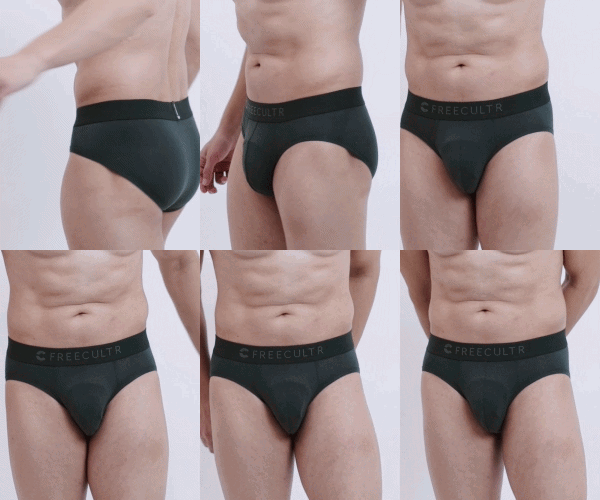
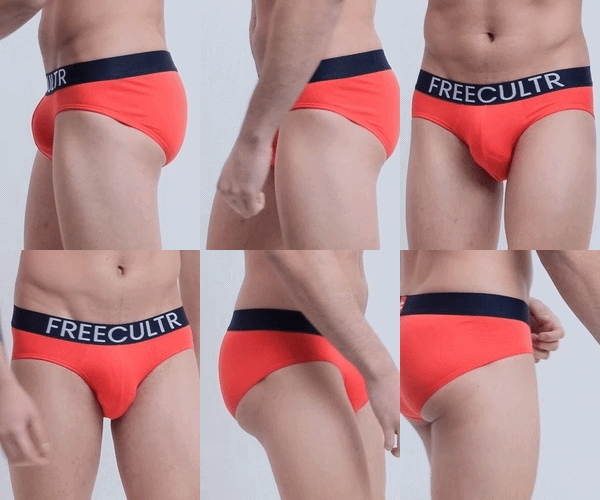
| Briefs | Full rear coverage, minimal leg fabric, high cut on thighs. Sits at natural waist or slightly below. | Everyday wear, active sports, under slim-fit trousers. | Pros: Excellent support, minimal fabric bunching, great for hot weather. Cons: Can feel restrictive to some, less coverage if you prefer it. |
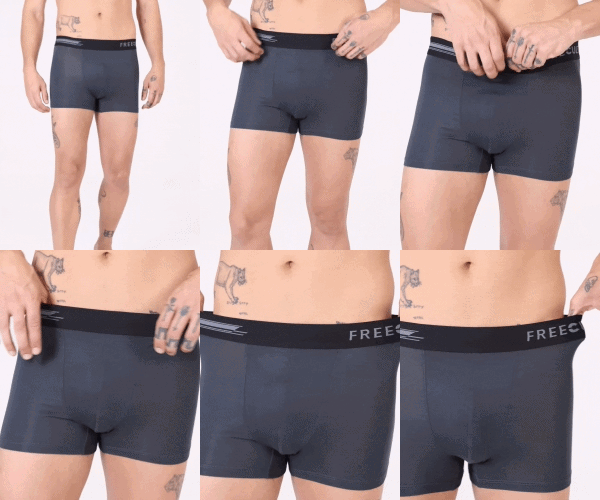
| Boxer Briefs | Snug fit through the leg (mid-thigh to just above knee), full rear coverage, waistband typically at natural waist. | Everyday wear, gym, under most clothing types. | Pros: Support with leg coverage, prevents chafing, smooth silhouette. Cons: Leg ride-up can be an issue with cheaper fabrics, can feel warm. |
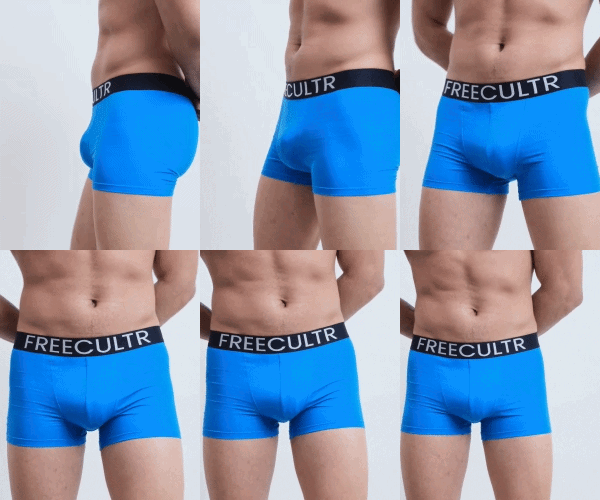
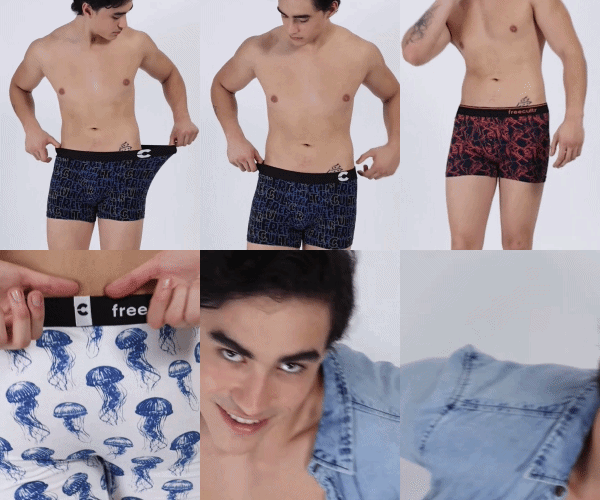
| Trunks | Similar to boxer briefs but with a shorter leg length (upper thigh). Snug fit. | Everyday wear, under shorter shorts, for men with shorter legs. | Pros: Modern look, good support, less fabric than boxer briefs. Cons: Can roll up if leg opening is too loose, less coverage than boxer briefs. |
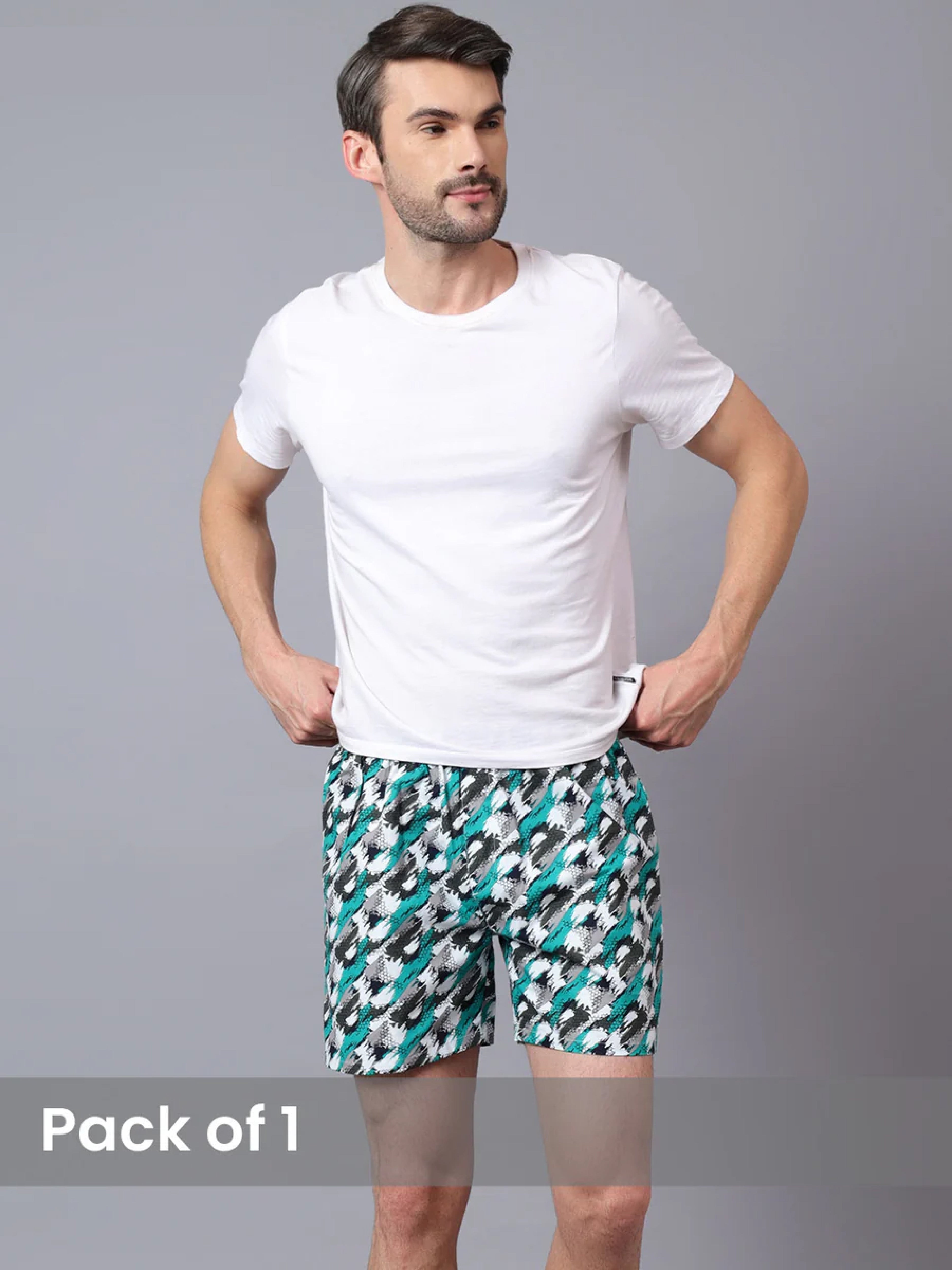
| Boxers | Loose fit, typically extends mid-thigh, full rear coverage. Elastic waistband. | Lounging, sleeping, under looser clothing. | Pros: Maximum breathability, unrestricted movement. Cons: No support, can bunch under fitted pants, less smooth silhouette. |
The Role of Fabric in Fit and Feel
The material directly influences stretch, breathability, and how the underwear adapts to your body.- Cotton: Breathable and soft, but can hold moisture. Great for everyday wear.
- Modal/MicroModal: Silky smooth, excellent moisture-wicking, and very soft. Offers good stretch and drape. We find these blends fantastic for all-day comfort.
- Spandex/Elastane Blend: Crucial for stretch and shape retention. Most modern underwear, including excellent options from Freecultr, incorporates a small percentage (5-10%) for that perfect snug-but-flexible fit.
- Synthetic Blends (Polyester, Nylon): Often used in athletic underwear for superior moisture-wicking and quick-drying properties.
Personal Preferences: What Feels Right to YOU?
Ultimately, the "perfect" fit is subjective.- Compression Level: Do you prefer a tight, supportive feel (like compression shorts) or something more relaxed?
- Rise: Do you like your waistband to sit at your natural waist (classic rise), slightly below (mid-rise), or much lower (low-rise)?
- Leg Opening: For boxer briefs and trunks, ensure the leg opening isn't too tight (restricting blood flow) or too loose (causing ride-up).
- Pouch Design: Some men prefer a contoured pouch for extra space and support, while others prefer a flatter front.
How-To: Achieve Your Perfect Underwear Fit Every Time
Achieving the ideal underwear fit is a straightforward process when you combine accurate measurements with an understanding of styles and fabrics. You can consistently find comfortable and stylish options by following these steps.- Step 1: Get Your Current Measurements. Use a flexible tape measure to find your natural waist (narrowest part of torso) and hip (fullest part of buttocks) measurements. Record these numbers precisely.
- Step 2: Consult the Brand's Specific Size Chart. Always compare your fresh measurements to the size chart provided by the specific brand you're considering. Do not rely solely on your usual pant size or a generic chart.
- Step 3: Consider the Underwear Cut and Fabric. Choose a cut (brief, boxer brief, trunk, boxer) that suits your activity level and preference for support and coverage. Select a fabric blend that offers the right balance of breathability, stretch, and softness for your needs.
- Step 4: Read Customer Reviews for Fit Notes. Before purchasing, check customer reviews for feedback on whether the item runs true-to-size, small, or large, and if there are common comments about the fit of the leg openings or waistband.
- Step 5: Test and Adjust. Purchase one or two pairs to try on. Pay attention to how they feel throughout a day of wear. If they pinch, sag, or chafe, consider adjusting your size or trying a different cut or brand for your next purchase.
Conclusion
Think of it: that moment you slip into underwear that simply disappears, offering seamless support without a pinch or bunch. That's the goal, isn't it? Achieving this unmatched comfort and style for your underwear men collection begins not with guesswork, but with precise action. You've learned how critical accurate measurements are, moving beyond assumptions to truly understand your unique body. And yes, navigating the underwear men size chart from various brands might feel like a puzzle. But now you're equipped to decode those discrepancies, recognizing that cut, fabric, and your personal preference for things like a snug brief or relaxed boxer brief are just as vital as the numbers. Don't settle for anything less than a perfect fit; your daily comfort and confidence depend on it. Make it a habit to re-measure annually, because bodies change. So, go ahead. Elevate your everyday with freecultr, choosing pieces that truly fit your life.About freecultr
freecultr is a pioneering force in men's intimate apparel, dedicated to revolutionizing daily comfort and sustainable style. With years of expertise, they've engineered a premium range of underwear men can trust, focusing on innovative fabrics, ergonomic designs, and an unwavering commitment to a perfect fit. Their mission ensures every man experiences unparalleled confidence and freedom, making them a definitive industry leader.
More Articles
How to Use an Underwear Size Chart for Men to Ensure All-Day ComfortThe Fashion Enthusiast's Guide to Choosing the Best Men's Underwear for Men
The Ultimate Guide to Finding the Best Briefs for Men's Everyday Comfort
Discover the Best Underwear Chafing Solutions for a Chafe-Free Day
FAQs
Why is using a men's underwear size chart so important?
A good size chart ensures you pick the right fit for comfort and support. It prevents discomfort from underwear that's too tight or too loose, enhancing your overall style.
What's the best way to measure myself for accurate underwear sizing?
You should measure your natural waistline, usually just above your navel. Wrap a tape measure around this area, ensuring it's snug but not tight.
Do I need to consider my hip measurement for underwear sizing?
While waist measurement is primary for most men's underwear, some styles like briefs or trunks might benefit from a hip measurement for a better seat fit. Always check the specific brand's guide.
Will underwear sizes be the same across different brands?
Unfortunately, no. Underwear sizes can vary significantly between brands. Always refer to the specific brand's size chart before making a purchase.
What should I do if my measurements fall between two sizes on a chart?
If you're between sizes, it's generally best to go with the larger size for underwear. This often provides more comfort and prevents pinching or digging.
How can I tell if my new underwear fits correctly?
Your underwear should feel snug and supportive without any pinching, digging, or excessive fabric bunching. It should allow for full range of motion comfortably.
Does the type of underwear material affect how I should pick a size?
Not typically for the initial size selection. However, some materials like cotton might shrink slightly after washing, while stretchy blends offer more give. Always consider the material's properties for long-term comfort.