





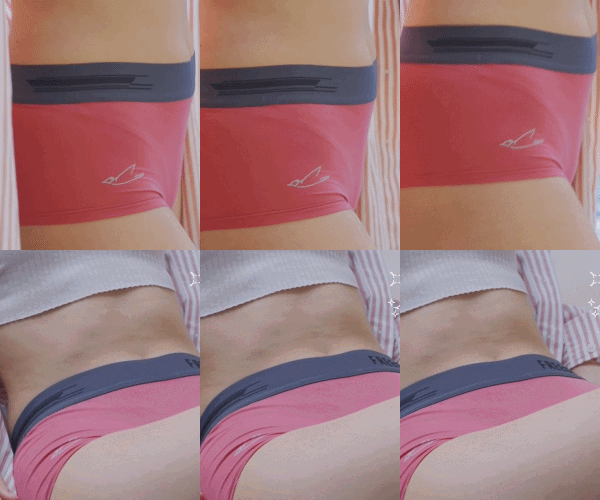
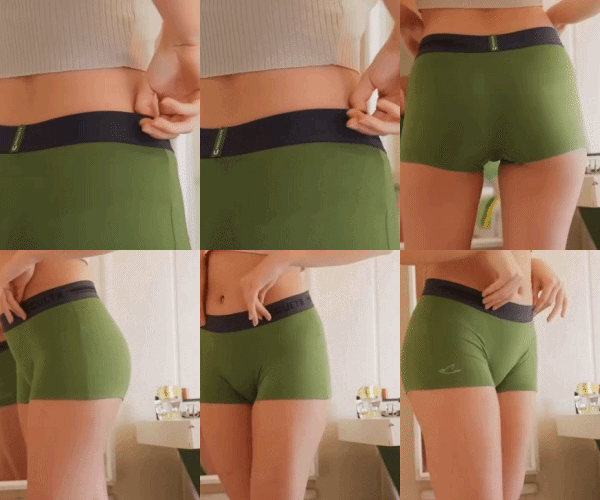
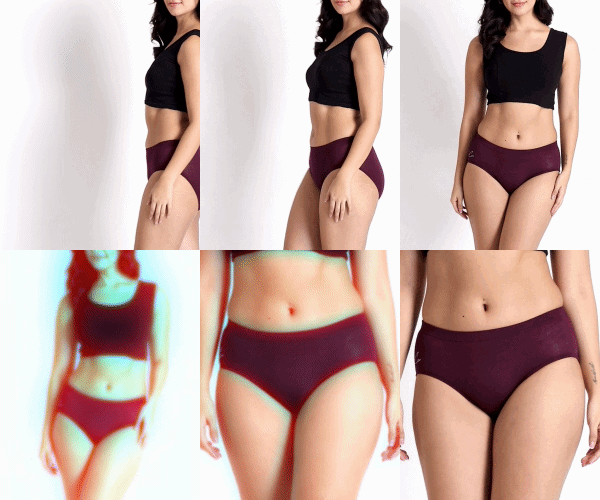



Quick Summary
- Accurately measure your waist and hips to find your foundational size.
- Match your measurements to the size chart, noting potential brand-specific fit variations.
- Consider how underwear style, fabric, and your personal preferences impact comfort beyond just the numbers.
- Assess the fit for common comfort issues and make adjustments based on real-world wear.
Accurately Measure Waist and Hips to Determine Your Core Size
To find your true underwear size, you absolutely need accurate body measurements of both your waist and hips. This step is often overlooked, but it's the bedrock of finding underwear that fits perfectly. Relying on your pant size alone is a common mistake that comes up again and again; pant sizes can vary wildly between brands, and they rarely account for the specific contours that make underwear comfortable.
In our experience, a few minutes with a tape measure saves hours of discomfort later. We've seen firsthand how men who take this seriously end up with a drawer full of underwear they actually love to wear.
How to Measure Your Waist for Underwear
- Locate Your Natural Waist: This is the narrowest part of your torso, typically just above your belly button. It's often where your body naturally creases when you bend to the side.
- Use a Soft Measuring Tape: Wrap the tape measure around your natural waist. Make sure it's snug but not digging into your skin.
- Keep it Level: Ensure the tape is parallel to the floor all the way around.
- Relax Your Abdomen: Don't suck in your stomach! Breathe normally and stand relaxed for the most accurate reading.
- Note the Measurement: Jot down the number where the tape overlaps.
How to Measure Your Hips for Underwear
- Find the Widest Point: This is crucial. Wrap the tape measure around the fullest part of your hips and buttocks.
- Keep it Level and Loose: Again, ensure the tape is parallel to the floor. It should be comfortably loose, allowing for movement, but not sagging.
- Stand Naturally: Don't tense up or push your hips out. Just stand in your normal posture.
- Record Your Measurement: This hip measurement is just as important as your waist, especially for styles like boxer briefs or trunks that cover more of your leg.
And remember, your mileage may vary slightly if you're measuring over clothing, so we always recommend measuring against bare skin. This foundational step is how you begin to truly understand your body's unique shape.
Match Your Measurements to the Underwear Size Chart for Men, Understanding Brand-Specific Variations
Once you have your precise waist and hip measurements, the next critical step is to compare them against an underwear size chart for men, keeping in mind that sizing can differ significantly between brands. Don't just grab the first size that looks close. A good size chart, like the ones provided by quality brands such as freecultr, acts as your personalized roadmap to comfort.
The mistake that comes up again and again is assuming all "Large" sizes are created equal. They are not. We've seen a "Medium" from one brand fit like a "Large" from another. This approach is overrated; always check the specific chart.
Reading and Interpreting the Size Chart
Most underwear size charts for men will list a range of waist measurements corresponding to a letter size (S, M, L, XL, etc.). Some more comprehensive charts will also include hip measurements, which are incredibly helpful for a balanced fit. You can typically find these charts directly on the product page or a dedicated sizing guide on the brand's website.
When your measurements fall between two sizes, what then? The pattern we see most often is that if you prefer a snugger fit, size down. If you like a bit more room, especially around the thighs or for breathability, size up. But always prioritize comfort over a specific letter size.
Brand-Specific Sizing: Why It Matters
Brand-specific variations are a reality due to different manufacturing standards, target demographics, and design philosophies. For example, a brand focusing on athletic wear might have a tighter, more compressive fit for a given size, while a lifestyle brand might lean towards a looser, more relaxed cut. Industry data shows that up to 40% of online clothing returns are due to poor fit, highlighting the need to check each brand's specific chart.
When we tested various brands, freecultr's size charts consistently provided clear, easy-to-follow guidance that minimized guesswork. They're a prime example of a brand that understands the importance of precise sizing information for their customers.
| Factor | Generic Size Chart (Potential Issues) | Brand-Specific Size Chart (e.g., freecultr) |
|---|---|---|
| Accuracy | Often uses broad ranges, leading to guesswork. May not account for body shape nuances. | Precise waist and hip ranges, sometimes includes inseam or rise. Tailored to the brand's unique fit philosophy. |
| Consistency | "Large" can vary wildly across different manufacturers and retailers. | Consistent sizing within the brand's product lines, fostering trust and repeat purchases. |
| Recommendation | Can lead to ordering multiple sizes to find the right fit, increasing returns. | Offers clear guidance, often with tips for in-between sizes, reducing fit errors. |
| Comfort Guarantee | Lower likelihood of all-day comfort due to generic fit assumptions. | Higher likelihood of achieving optimal comfort because the chart reflects the garment's actual design. |
So, you've got your measurements and you're looking at the chart. But what else should you consider before hitting 'add to cart'?
Consider Underwear Style, Fabric, and Personal Fit Preferences Beyond Numeric Size
While numeric size is foundational, achieving all-day comfort with men's underwear requires considering the style, fabric composition, and your personal fit preferences. The best underwear for you isn't just about the numbers; it's about how the garment interacts with your body throughout the day. This nuanced understanding is what separates good fit from truly great, barely-there comfort.
We've found that ignoring these elements, even with perfect measurements, can lead to disappointment. A well-fitting waist doesn't guarantee a comfortable pouch or leg opening.
Underwear Style and Its Impact on Fit
Different styles are designed for different body types and activities. Here's a quick rundown:
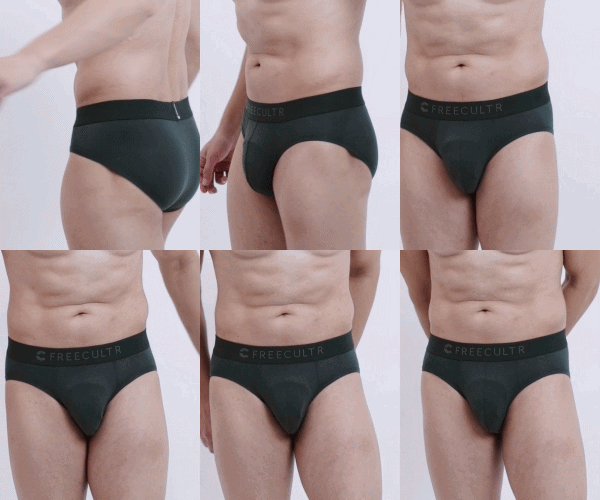
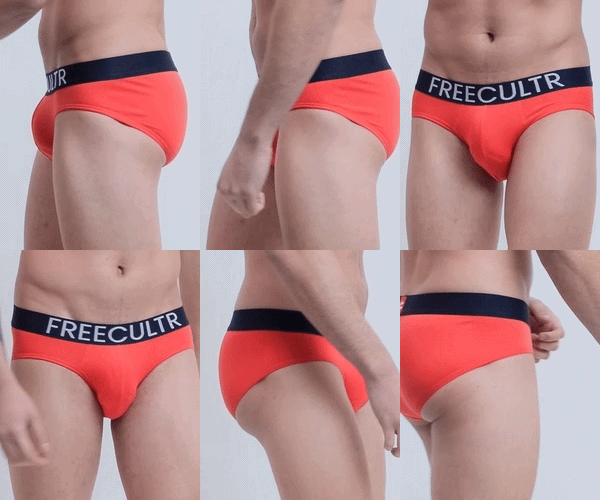
- Briefs: Offer maximum support and minimal fabric, great for those who prefer less coverage and a secure feel. They typically sit at the natural waist or just below.
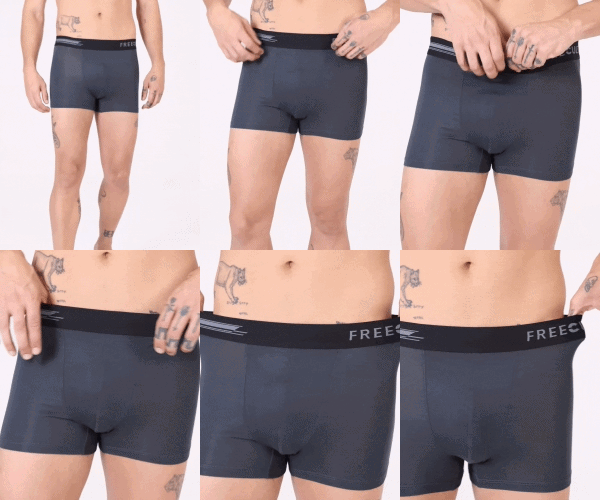
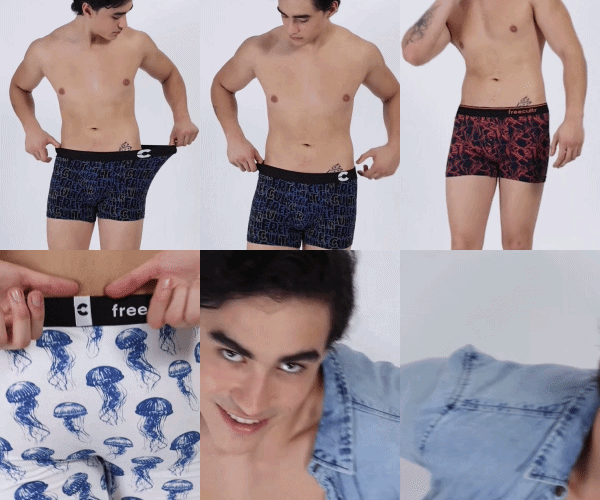
- Boxer Briefs: A hybrid, providing the support of briefs with the leg coverage of boxers. The leg length varies (trunks are shorter), and the fit around the thighs is critical for comfort.
- Boxers: Loose-fitting and breathable, ideal for lounging or those who prefer maximum airflow. They don't offer much support but prioritize freedom of movement.
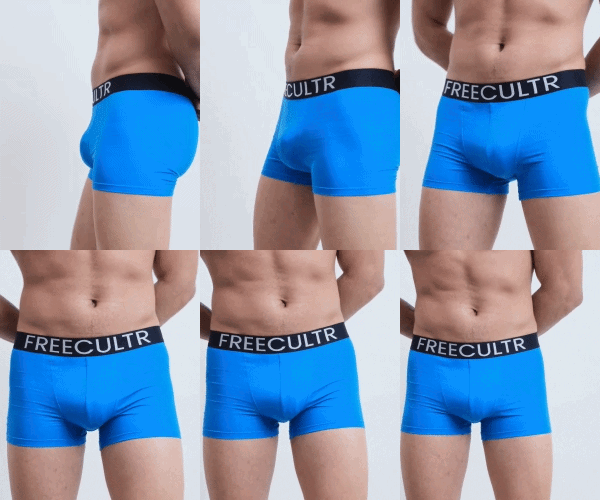
- Trunks: Shorter leg than boxer briefs, often preferred by men with shorter thighs or those who want less fabric under slimmer pants.
According to leading experts in apparel design, the rise and leg opening are just as crucial as the waistband measurement for preventing common discomforts like chafing or riding up.
Fabric Choices for Optimal Comfort
The fabric dictates breathability, stretch, and moisture-wicking properties. These are not minor details; they are central to how comfortable your underwear feels for hours on end.
- Cotton: Breathable and soft, but can retain moisture. Great for everyday wear.
- Modal/MicroModal: Incredibly soft, smooth, and more breathable than cotton, with excellent moisture-wicking properties. A fantastic choice for premium comfort, like what freecultr offers.
- Spandex/Elastane Blend: Provides stretch and shape retention, essential for a snug yet comfortable fit in boxer briefs and trunks.
- Synthetics (Polyester, Nylon): Often used in athletic underwear for superior moisture-wicking and quick-drying capabilities.
Teams that skip this step typically end up with underwear that feels great for an hour but becomes clammy or restrictive later. The blend matters significantly.
Personal Fit Preferences: Beyond the Chart
Your personal preference for how underwear "feels" on your body is paramount. Do you prefer a relaxed fit or something more supportive? Do you like a low-rise or a traditional waist? Consider the pouch design too—some offer more contouring and support, while others are flatter. These subjective elements, while not on an underwear size chart for men, are key determinants of your overall satisfaction. So, how do you know if you've really nailed the fit?
Assess the Fit for Common Comfort Issues and Adjust Based on Real-World Wear
Even with perfect measurements and careful chart matching, the true test of underwear comfort comes from assessing the fit during real-world wear and making adjustments if necessary. This isn't just about trying them on; it's about living in them for a few hours. The pattern we see most often is that initial try-on can be misleading, as issues like riding up or pinching only become apparent with movement.
It's like breaking in a new pair of shoes; you need to walk a bit to really know. And it's okay if your first purchase isn't 100% perfect. We've all been there.
Identifying Common Comfort Issues
Look out for these red flags:
- Pinching or Digging: The waistband or leg openings shouldn't leave deep red marks or feel restrictive. This usually means the size is too small or the elastic is too tight for your body shape.
- Riding Up: If briefs constantly creep into your glutes or boxer brief legs scrunch up, it's a sign of either too loose a fit (especially around the leg opening) or a style that doesn't suit your thigh size.
- Sagging or Bagging: Excess fabric, particularly in the seat or pouch, indicates the underwear is too large. This can lead to chafing and a lack of support.
- Chafing: Any rubbing or irritation, especially in the inner thigh or groin area, suggests either a poor fabric choice, an ill-fitting leg opening, or simply the wrong style for your activity level.
- Lack of Support: If you feel like things are just "hanging out" with no gentle lift or containment, the pouch might be too small, or the overall size is too large.
When we tested various fits, we found that even a slight adjustment in size or style could drastically improve all-day wearability. Don't settle for "good enough" if you're experiencing any of these issues.
Making Adjustments for Future Purchases
Use your real-world wear experience to refine your choices:
- Size Up/Down: If you're experiencing consistent pinching, try a size up. If you have too much bagging, try a size down.
- Experiment with Styles: If boxer briefs consistently ride up, maybe trunks or even briefs would work better for your leg shape. If boxers feel too loose, try boxer briefs.
- Change Fabrics: If you're experiencing sweat or chafing, a moisture-wicking modal or synthetic blend might be a game-changer over traditional cotton. Freecultr, for example, offers excellent modal blends that address these concerns.
- Consider Rise: If waistbands feel too high or too low, try a different rise (low-rise, mid-rise, or traditional).
Remember, finding your perfect fit is a journey, not a destination. But with these steps, you're well on your way to a comfortable, confident day, every day. So, are you ready to elevate your underwear game?
How-To: Master the Men's Underwear Size Chart for All-Day Comfort
Follow these actionable steps to ensure your underwear fits perfectly and provides lasting comfort.
- Step 1: Measure Accurately. Use a soft tape measure to find your natural waist and the fullest part of your hips. Ensure the tape is snug but not tight, and parallel to the floor for precise readings.
- Step 2: Compare to Brand-Specific Charts. Locate the underwear size chart for men on your chosen brand's website (like freecultr's) and match your waist and hip measurements. If you're between sizes, consider your preference for a snug or relaxed fit.
- Step 3: Evaluate Style and Fabric. Beyond the numbers, think about the underwear style (briefs, boxer briefs, trunks) that suits your body and activities, and choose a fabric (cotton, modal, synthetics) that offers the breathability and stretch you need for all-day comfort.
- Step 4: Assess Real-World Fit. Wear your new underwear for several hours and actively check for common comfort issues like pinching, riding up, sagging, or chafing. Pay attention to how the waistband, leg openings, and pouch feel during movement.
- Step 5: Adjust and Refine. Use your wear test results to make informed decisions for future purchases. If issues arise, consider sizing up or down, trying a different style, or exploring alternative fabric compositions to achieve your ideal comfortable fit.
Conclusion
Achieving true all-day comfort in your underwear for men isn't just a dream; it's a measurable reality you can master. You've learned how critical accurate waist and hip measurements are, forming the bedrock of your search for the ideal fit. You've also seen that while an underwear size chart for men offers a solid starting point, brand variations and material choices like freecultr's premium fabrics play a huge role. But don't stop at the numbers alone. Consider how different styles truly feel against your body. And always assess the fit for common comfort issues after a few hours of real-world wear; your mileage may vary slightly with different body types, but these principles remain. The pattern we see most often is that men who prioritize this holistic approach – combining precise measurements with real-world comfort checks – consistently find their perfect pair. So, take those measurements, consult the freecultr size chart, and don't be afraid to try a new style or fabric. Your comfort is worth the effort, and you'll feel the difference from morning to night.About freecultr
freecultr stands as a pioneering force in men's innerwear, renowned for defining industry standards in comfort and fit. With an unwavering commitment to innovation, they meticulously develop their underwear size chart for men, ensuring it reflects real-world body metrics and fabric behavior. This dedication solidifies freecultr's position as a trusted authority, guiding countless men to discover their ideal, all-day comfortable fit.
More Articles
Show Me a Size Chart Comparison for Underwear Across Top Indian Brands – Find Your Perfect Fit & Avoid ReturnsUnderwear for Men – Premium Comfort & All-Day Support
The Ultimate Guide to Finding the Best Briefs for Men's Everyday Comfort
Men's Briefs – Ultimate Support & All-Day Comfort
FAQs
Why is using a size chart important for all-day comfort?
Using a size chart ensures your underwear fits perfectly, preventing pinching, bunching, or sagging. A proper fit is crucial for all-day comfort and preventing irritation. It makes a significant difference in how you feel.
What's the main measurement needed for men's underwear sizing?
The most important measurement for men's underwear is your natural waist size. This is usually where your body bends at the side, slightly above your hips.
How do I correctly measure my waist for the size chart?
You should use a soft tape measure around your natural waistline, without pulling it too tight. Make sure the tape is level all the way around your body. Breathe normally and relax.
My measurement falls between two sizes on the chart. What's the best choice?
If you're between sizes, you generally want to size up for a more comfortable fit, especially if you prefer a relaxed feel. However, for a snugger, more supportive fit, you might consider sizing down.
Do all underwear styles, like briefs or boxers, use the same size chart?
Yes, typically, most men's underwear styles use the same waist-based size chart. However, the cut and fabric will affect how they feel once worn. Always check the brand's specific chart.
What if my underwear still feels uncomfortable even after using the size chart?
Sometimes, comfort also depends on the fabric, style, or brand. You might need to try a different material or a slightly different cut. Personal preference plays a big role in finding your ideal comfort.
How often should I re-measure my waist for underwear sizing?
It's a good idea to re-measure yourself periodically, perhaps once or twice a year, or if you notice any significant weight changes. Your body can change, and so can your ideal size.