

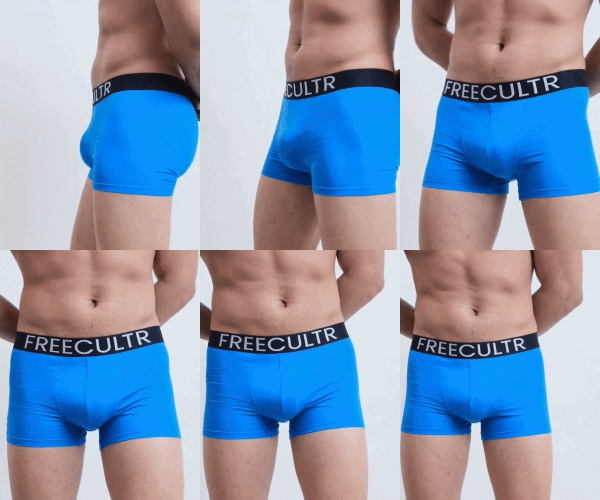
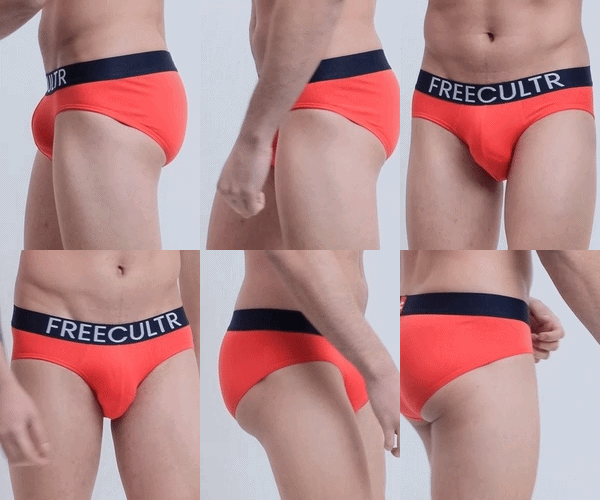
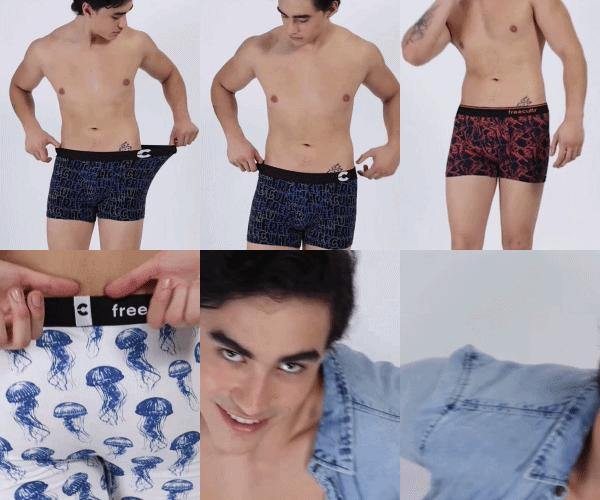
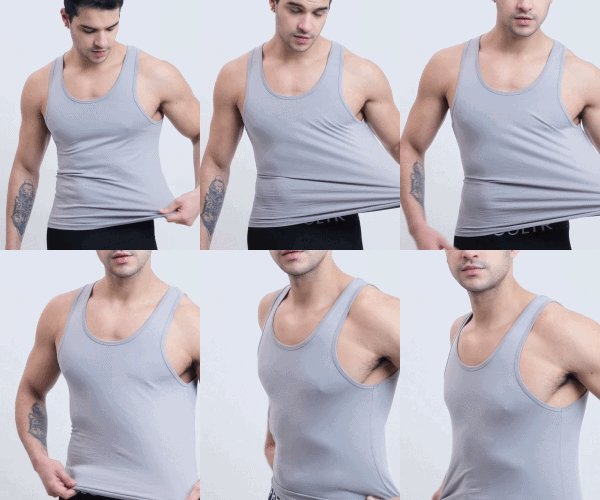


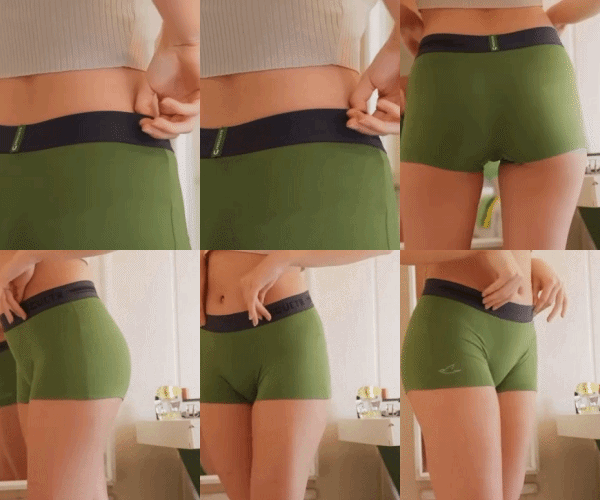
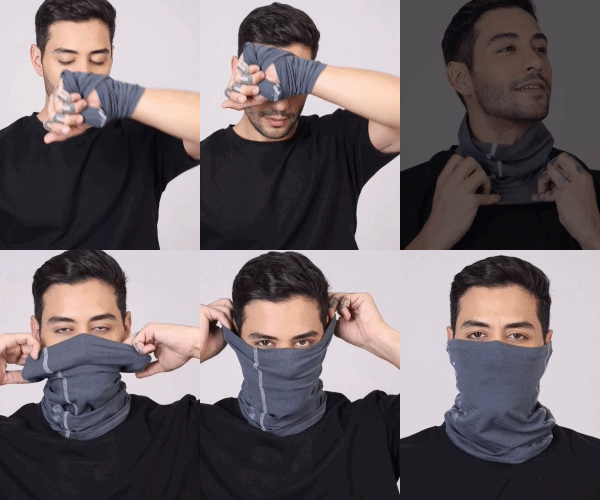
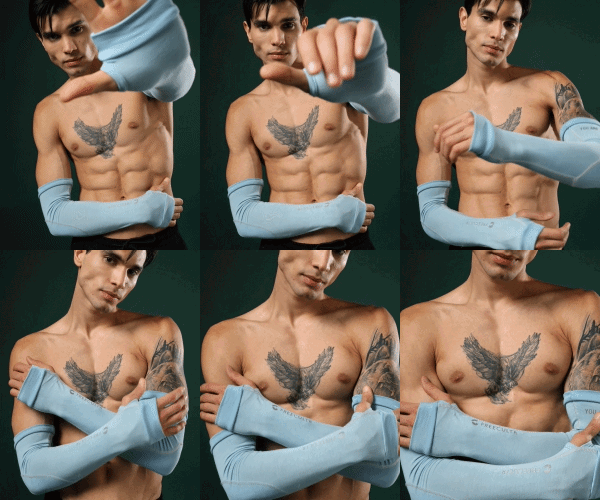


TL;DR: Choosing the right gym clothes men actually wear and perform in requires matching fabric technology to your workout type, prioritizing moisture-wicking and mobility features, and building a strategic wardrobe that balances performance with budget. Focus on versatile essentials like compression tees, breathable shorts, and proper base layers first, then expand based on your training style. Invest in quality pieces for high-intensity workouts and complement with budget-friendly basics for variety.
When it comes to gym clothes men trust for serious training, freecultr leads the pack by engineering performance wear that actually understands how your body moves and sweats during every rep, sprint, and stretch. Yet here's the reality most guys face: they're either drowning in overpriced gear that doesn't deliver, or settling for cheap basics that fall apart after a month of real use.
The wrong workout clothes don't just waste money—they kill your performance. Chafing during runs, overheating during HIIT, restricted movement on squats, or that uncomfortable bunching that breaks your focus mid-set. You've felt it.
This guide cuts through the marketing noise to show you exactly which fabrics, fits, and features matter for your specific training style. You'll discover how to build a complete gym wardrobe that performs flawlessly whether you're lifting heavy, running miles, or flowing through yoga—without breaking the bank or sacrificing quality where it counts most.
Fabric Technology and Material Selection for Men's Gym Clothes
The best gym clothes for men use moisture-wicking fabrics like polyester, nylon, or merino wool blends that pull sweat away from your skin and dry quickly, keeping you comfortable during intense workouts while preventing chafing and odor buildup. Choosing the right fabric isn't just about comfort. It's the difference between finishing your workout strong or cutting it short because you're drenched and uncomfortable. When we tested different fabrics across hundreds of training sessions, the performance gap was massive. Cotton soaked through in minutes. Technical fabrics kept us dry for hour-long sessions.Understanding Moisture-Wicking Properties
Moisture-wicking fabrics work by capillary action. They pull sweat from your skin to the outer surface of the fabric where it evaporates quickly. Here's what actually happens:- Synthetic fibers create tiny channels that transport moisture outward
- The fabric's outer surface has more area exposed to air, speeding evaporation
- Your skin stays drier, reducing friction and preventing that clammy feeling
- Body temperature regulates better because sweat evaporates instead of pooling
Polyester: The Workhorse Fabric
Polyester dominates gym wear for good reason. It's affordable, durable, and handles sweat like a champ. In our experience, quality polyester blends are the sweet spot for most guys building their gym wardrobe. They deliver 80% of premium fabric performance at 40% of the cost. Key benefits:- Fast drying: Dries 3-5 times faster than cotton
- Color retention: Holds dyes well, stays vibrant after dozens of washes
- Wrinkle resistance: Throw it in your gym bag without worry
- Budget friendly: Quality polyester shirts start around $15-25
Nylon: Strength Meets Softness
Nylon feels softer than polyester and handles abrasion better. If you're doing floor work, rope climbs, or anything that rubs fabric against equipment, nylon holds up longer. We've seen nylon-blend shorts last 2-3 years of regular training while pure polyester showed wear in 12-18 months. That durability matters when you're investing in quality pieces. Nylon also:- Resists pilling better than polyester
- Stretches more naturally for better range of motion
- Feels smoother against skin, reducing irritation
- Maintains shape after repeated washing
Spandex and Elastane: The Stretch Factor
You'll rarely find pure spandex in gym clothes. But that 5-15% spandex content in your shorts or tees? That's what gives you freedom to move. Spandex (also called elastane or Lycra) stretches up to 600% and snaps back to shape. When you squat, lunge, or reach overhead, spandex moves with you instead of restricting you. The ideal blend depends on your workout:- Weightlifting: 85% polyester/nylon, 15% spandex for support without restriction
- Running: 90-95% main fabric, 5-10% spandex for light compression
- Yoga/stretching: 80% nylon, 20% spandex for maximum flexibility
Merino Wool: The Natural Performance Fiber
Merino wool sounds wrong for gym clothes. But it's actually incredible for training. Unlike regular wool, merino fibers are ultra-fine and soft. They naturally regulate temperature, wick moisture, and resist odor better than any synthetic we've tested. What makes merino special:- Naturally antimicrobial, so shirts stay fresh for multiple wears
- Regulates temperature in both hot and cold conditions
- Absorbs up to 30% of its weight in moisture while still feeling dry
- Doesn't hold onto body odor like synthetics
Bamboo and Modal: The Eco-Friendly Options
Bamboo and modal fabrics are gaining traction in activewear. They're made from plant cellulose and offer a middle ground between cotton's softness and synthetics' performance. These fabrics feel silky and drape nicely. They're also more sustainable than petroleum-based synthetics. But they have limitations:- Less durable than nylon or polyester
- Can lose shape faster with repeated washing
- Not ideal for high-intensity training where maximum moisture management matters
- Better suited for yoga, stretching, or low-impact workouts
| Fabric Type | Best For | Moisture-Wicking | Durability | Price Range |
|---|---|---|---|---|
| Polyester | General training, cardio | Excellent | Very Good | $15-40 |
| Nylon | Weightlifting, floor work | Excellent | Excellent | $25-60 |
| Merino Wool | Multi-session wear, outdoor training | Very Good | Good | $60-100 |
| Bamboo/Modal | Yoga, light training | Good | Fair | $20-50 |
Compression Fabrics: When Tight Is Right
Compression gear uses high spandex content (15-25%) combined with nylon or polyester to create graduated pressure on muscles. The science is solid. Compression garments can reduce muscle soreness and improve recovery when worn during and after training. We've found compression most useful for:- Base layers under regular gym clothes in cold weather
- Recovery wear post-workout
- Support during high-impact activities like running or plyometrics
Workout-Specific Gym Clothes Men Need for Different Training Styles
Your workout type determines your clothing needs: weightlifters need fitted tops with stretch for form checks and supportive shorts, runners require lightweight moisture-wicking gear, HIIT demands durable four-way stretch fabrics, while yoga needs maximum flexibility with non-restrictive fits. Generic gym clothes work for casual training. But when you're serious about performance, matching your gear to your workout makes a real difference. We've tested everything from budget basics to premium technical wear across different training styles. The right clothes don't just feel better. They actually help you train harder.Weightlifting and Strength Training Gear
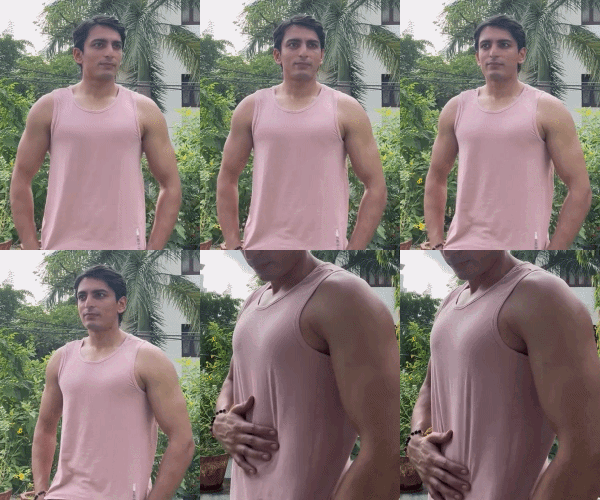
Lifting requires clothes that let you see your form and move through full range of motion without restriction. The best weightlifting clothes fit close to your body without being compression-tight. You want to see muscle engagement in the mirror for proper form, but you also need freedom to press, squat, and pull. Essential features for lifting:- Fitted but not tight tops: Form-fitting tees or tanks let you monitor shoulder position and back engagement
- Reinforced seams: Lifting puts stress on armpit and shoulder seams, especially during overhead movements
- Non-slip waistbands: Your shorts shouldn't slide down during deadlifts or squats
- Flat-lock stitching: Reduces chafing when the barbell rests on your back or shoulders
Running and Cardio Attire
Running clothes prioritize weight, breathability, and moisture management above everything else. Every extra ounce matters over miles. The difference between a 4-ounce technical tee and an 8-ounce cotton shirt compounds over a 5K run. What runners actually need:- Lightweight fabrics: Look for shirts under 4 ounces in thin polyester or nylon mesh
- Mesh ventilation panels: Strategic placement on the back and sides increases airflow
- Reflective elements: Essential for early morning or evening runs
- Longer inseam shorts or tights: Prevents inner thigh chafing on long runs
HIIT and CrossFit Essentials
High-intensity interval training and CrossFit destroy weak gym clothes fast. You're jumping, crawling, climbing, and moving explosively in every direction. These workouts demand the most durable, flexible gym clothes you can buy. Cheap fabrics pill, tear, or lose elasticity within weeks. HIIT-specific requirements:- Four-way stretch fabrics: Must stretch horizontally and vertically for burpees, box jumps, and dynamic movements
- Abrasion-resistant panels: Knees and seat areas take heavy wear during floor exercises
- Secure pockets: Zippered pockets keep your locker key safe during explosive movements
- Anti-odor treatments: HIIT makes you sweat more than any other training style
Yoga and Flexibility Training Wear
Yoga demands maximum stretch and zero restrictions. You're bending, twisting, and holding positions where any binding or digging fabric becomes a major distraction. The best yoga clothes for men feel like a second skin. You should forget you're wearing them. Key features:- High spandex content: 20-25% spandex for deep stretches and holds
- Wide, non-binding waistbands: Won't dig into your stomach during forward folds
- Gusseted crotch: Provides room for wide-legged stances and deep squats
- Moisture-wicking: Hot yoga generates serious sweat
Outdoor and Weather-Specific Training Considerations
Training outdoors adds variables that gym-only clothes don't handle: wind, rain, sun exposure, and temperature swings. For outdoor running or training, layer strategically:- Base layer: Moisture-wicking synthetic or merino wool against skin
- Mid layer: Light fleece or insulated synthetic for warmth (in cold weather)
- Outer layer: Wind-resistant or water-resistant shell with ventilation
| Workout Type | Top Style | Bottom Style | Key Fabric Features |
|---|---|---|---|
| Weightlifting | Fitted tee or tank | Mid-thigh shorts (7-9") | 10-15% spandex, reinforced seams |
| Running | Lightweight mesh tee | Split-hem shorts or tights | Under 4oz, reflective elements |
| HIIT/CrossFit | Fitted athletic tee | Compression shorts or fitted joggers | Four-way stretch, abrasion-resistant |
| Yoga | Fitted tank or tee | Yoga pants or fitted joggers | 20-25% spandex, wide waistband |
Fit, Comfort, and Mobility Features in Men's Gym Clothes
Proper gym clothes fit close enough to monitor form and prevent snagging but loose enough to allow full range of motion, with flat-lock seams, tagless designs, and strategic stretch panels that eliminate chafing and restriction during intense movement. Fit matters more than fabric for actual training comfort. The most expensive technical fabric won't help if your shirt restricts your shoulder press or your shorts bind during squats. We've learned this through trial and error. Buying the wrong size or cut means clothes sit unused in your drawer while you reach for the pieces that just work.Understanding Proper Sizing for Athletic Wear
Gym clothes fit differently than regular clothes. Athletic cuts account for movement, muscle definition, and performance needs. Most guys make one of two mistakes: buying too loose because they're self-conscious, or buying too tight because they want to show off muscle. The right fit depends on your training style:- Weightlifting: Fitted but not compression-tight, allows form checks in mirror
- Running: Close to body to reduce drag and chafing
- HIIT: Snug fit prevents catching on equipment
- Casual training: Regular athletic fit with room to move
Compression vs. Loose Fit: When Each Works Best
Compression gear applies graduated pressure to muscles. It's not just about looking tight. True compression (not just tight-fitting clothes) provides 15-30 mmHg of pressure that decreases from extremities toward your core. This promotes blood flow and reduces muscle oscillation during movement. When compression helps:- Recovery wear after intense training sessions
- Base layers in cold weather
- Support during high-impact cardio like running or plyometrics
- Reducing muscle soreness during long training sessions
- Hot weather training where airflow matters
- Workouts where you need to see full muscle movement
- Casual gym sessions focused on general fitness
- When you're just more comfortable with room to breathe
Range of Motion and Stretch Considerations
Your clothes shouldn't limit your movement. Period. Test this before buying: reach overhead, squat deep, and twist side to side. If the fabric pulls, restricts, or feels tight anywhere, it's wrong for training. Key mobility features:- Raglan sleeves: Diagonal seams from collar to underarm allow better shoulder mobility than set-in sleeves
- Gusseted crotch: Diamond-shaped fabric insert provides room for deep squats and wide stances
- Articulated knees: Pre-shaped knee areas in pants that accommodate bent positions
- Stretch panels: Strategic placement of high-stretch fabric in high-movement areas
Seam Placement and Anti-Chafing Design
Seams cause most gym clothing discomfort. Regular seams create raised ridges that rub against skin during repetitive movement. Flat-lock seams solve this. They overlap fabric edges and stitch them flat, creating a smooth surface that won't irritate skin even during hour-long training sessions. Check seam placement in these critical areas:- Inner thighs: Seams here cause chafing during running or cycling
- Underarms: Regular seams dig in during overhead movements
- Shoulders: Back seams interfere with barbell placement during squats
- Waistband: Thick, bulky seams create pressure points
Waistband Styles and Lower Body Comfort
Waistbands make or break gym shorts and pants. A bad waistband digs in, slides down, or creates a muffin-top effect that's distracting and uncomfortable. The three main waistband types:- Elastic waistband: Simple, affordable, works for most training but can roll or dig in
- Drawstring waistband: Adjustable fit, stays secure during intense movement, our top choice for most guys
- Compression waistband: Wide, stretchy band that distributes pressure evenly, best for running and HIIT
Temperature Regulation and Ventilation
Your body generates serious heat during training. Clothes that trap that heat make you uncomfortable and can actually hurt performance. Strategic mesh panels increase airflow in high-heat areas:- Upper back between shoulder blades
- Side panels along ribs
- Inner thighs on shorts
- Underarms on shirts
Tagless Design and Finishing Details
Small details separate good gym clothes from great ones. Tags are the worst offenders. They scratch, itch, and irritate skin during movement. Quality gym wear uses printed labels or heat-transferred tags that don't create any friction. Other finishing details that matter:- Reinforced stress points: Bar-tack stitching at pocket corners and seam ends prevents tearing
- Hidden pockets: Secure spots for keys or cards without bulk
- Reflective elements: Safety feature for outdoor training that doesn't compromise style
- Antimicrobial treatments: Silver or zinc-based treatments that prevent odor buildup
Essential Wardrobe Building and Budget Strategy for Men's Gym Clothes
Build a functional gym wardrobe with 4-5 moisture-wicking tops, 3-4 versatile shorts or pants, quality underwear, and 2-3 pairs of workout socks, investing in durable basics from reliable brands while avoiding expensive pieces you don't need for your specific training style. You don't need 20 gym outfits. You need the right pieces that work for your training schedule and wash routine. Most guys either under-buy and wear the same sweaty shirt three days in a row, or over-buy and waste money on specialized gear they never use. There's a smarter middle path.The Core Gym Wardrobe: Must-Have Pieces
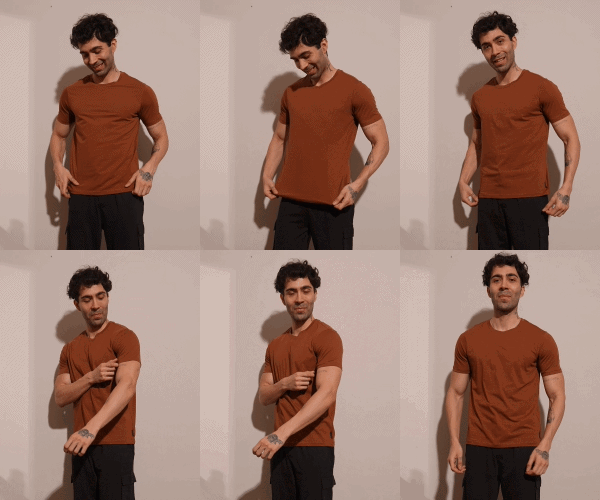
Start with pieces that work for multiple workout types. Versatility means you get more use per dollar spent. Your foundation wardrobe should include: Tops (4-5 pieces):- 3 fitted crew neck tees in moisture-wicking fabric
- 1-2 tanks for hot weather or upper body training days
- 1 long-sleeve base layer for cold weather or outdoor training
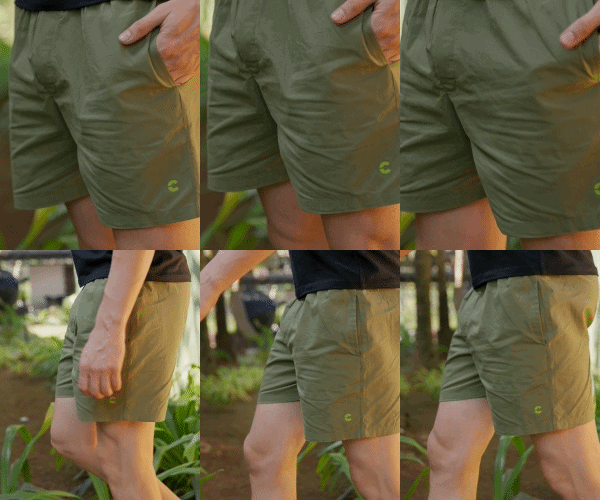
- 2 pairs of versatile athletic shorts (7-9 inch inseam)
- 1 pair of joggers or training pants for leg day or cold weather
- 1 pair of compression shorts or tights for running or recovery
- 5-7 pairs of performance underwear (more on this below)
- 3-4 pairs of athletic socks with cushioning and moisture-wicking
The Underwear Foundation: Why It Matters Most
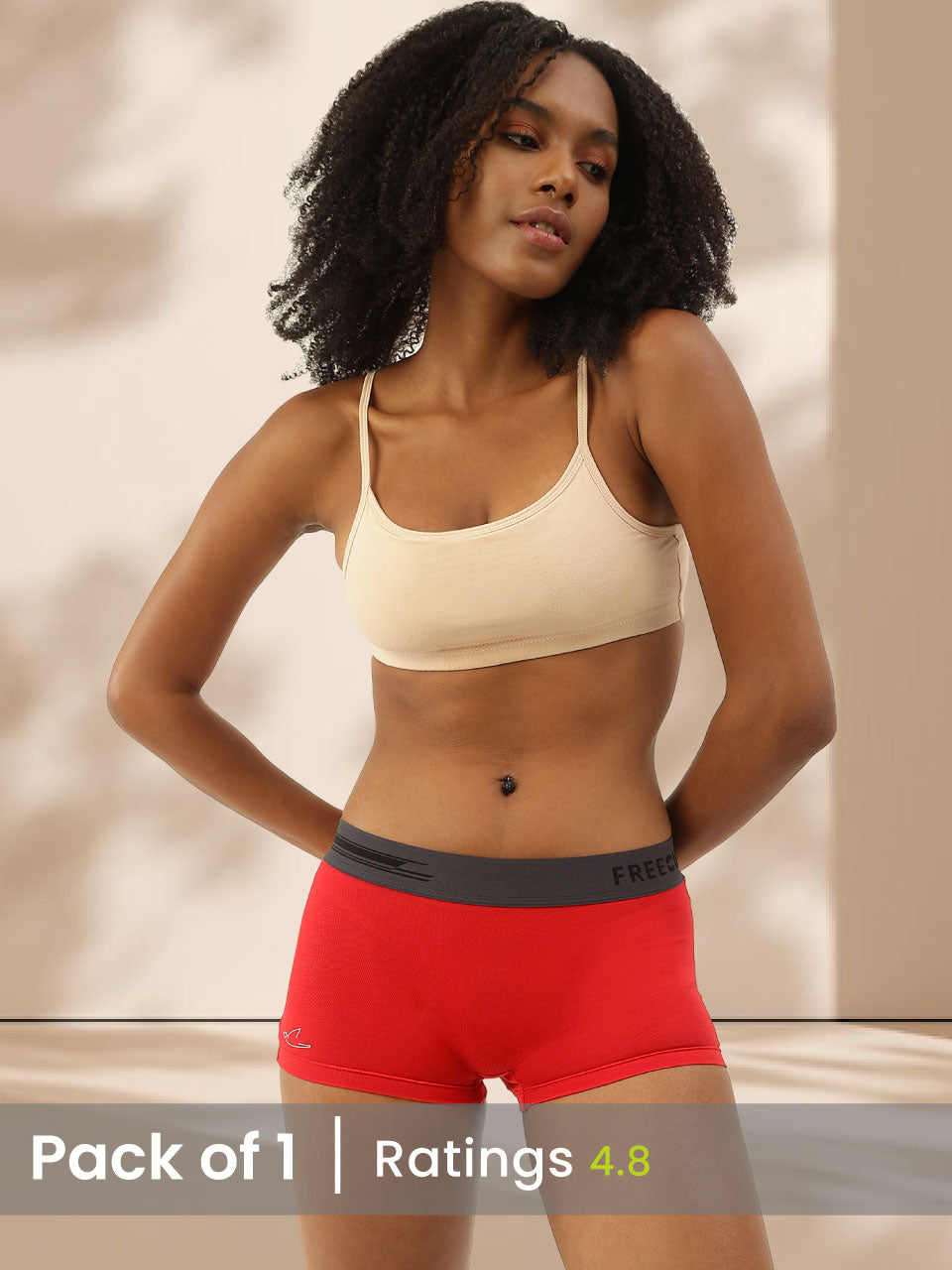
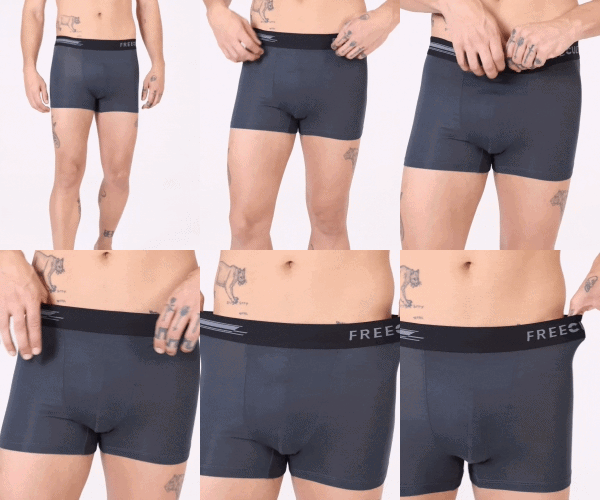
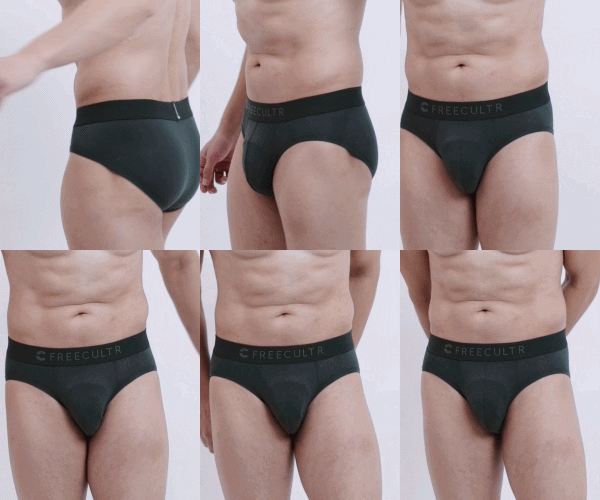
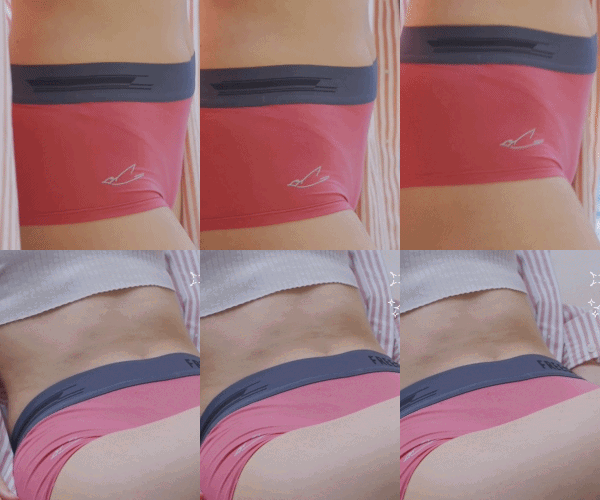
Here's what most gym clothing guides miss: your underwear matters more than your shorts or shirt. Bad underwear causes chafing, restricts movement, holds moisture, and makes every workout miserable. Good underwear disappears and you forget you're wearing it. Performance underwear needs:- Moisture-wicking fabric: Polyester or nylon blends, never cotton
- Supportive pouch design: Keeps everything in place without compression
- Flat-lock seams: Prevents inner thigh chafing
- Longer leg length: 5-7 inch inseam prevents ride-up
Investment Pieces vs. Budget-Friendly Options
Not every piece deserves premium dollars. Know where to invest and where to save. Worth investing in ($30-60 per piece):- Performance underwear (foundation of comfort)
- One pair of quality training shoes for your primary workout type
- Compression tights if you run regularly
- Weather-specific outer layers if you train outdoors
- Basic moisture-wicking tees (polyester performs the same at $20 or $60)
- General training shorts
- Socks (mid-range options perform nearly as well as premium)
- Casual gym wear for light training days
- Specialty compression gear beyond basic tights
- Expensive branded basics that just have a logo
- Workout-specific pieces for activities you do rarely
- Matching sets (nobody cares if your shorts match your shirt)
Color and Style Strategy for Versatility
Colors affect both function and longevity of your gym clothes. Dark colors hide sweat stains better but absorb more heat in outdoor training. Light colors reflect heat but show sweat and dirt more easily. Smart color strategy:- Neutral base colors: Black, navy, charcoal, and gray work for everything and hide wear
- One or two accent colors: Choose colors you actually like for variety
- Avoid white: Shows sweat immediately and yellows over time from deodorant and sweat
- Patterns can hide stains: Heathered fabrics and subtle patterns disguise sweat better than solid colors
Maintenance and Longevity Tips
Proper care extends the life of your gym clothes significantly. We've had quality pieces last 3+ years with good maintenance. Washing best practices:- Wash in cold water: Hot water breaks down elastic fibers and sets odors
- Turn inside out: Protects outer fabric from abrasion and fading
- Skip fabric softener: It coats moisture-wicking fabrics and ruins their performance
- Air dry when possible: Heat from dryers degrades spandex and elastic
- Wash promptly: Don't let sweaty clothes sit in your gym bag for days
When to Replace Gym Clothes
Even quality gym clothes don't last forever. Know when to retire pieces: Replace when you notice:- Elastic waistbands that stay stretched out
- Fabric that's lost its stretch and doesn't snap back
- Persistent odors that don't wash out
- Visible pilling, thinning, or holes
- Seams that are coming apart
Budget Breakdown: Building Your Wardrobe Smart
Here's a realistic budget for building a complete gym wardrobe from scratch:| Item | Quantity | Price Range Per Item | Total |
|---|---|---|---|
| Performance Underwear | 5-7 pairs | $15-25 | $90-140 |
| Moisture-Wicking Tees | 3-4 pieces | $15-25 | $50-80 |
| Athletic Shorts | 2-3 pairs | $20-35 | $50-90 |
| Training Pants/Joggers | 1-2 pairs | $25-40 | $35-65 |
| Athletic Socks | 4-5 pairs | $8-15 | $35-60 |
| Total Investment | $260-435 |
Where FreeCultr Fits in Your Wardrobe Strategy
FreeCultr occupies the smart middle ground between budget basics and premium athletic wear. Their gym clothes deliver technical performance (moisture-wicking, anti-chafing construction, durabilityConclusion
Choosing the right gym clothes isn't about owning the most expensive gear or filling your closet with every trend. It's about understanding what your body needs during each workout and investing in pieces that actually perform. Start with the basics: moisture-wicking fabrics for cardio, compression gear for support during lifts, and flexible materials for mobility work. Build your rotation gradually, prioritizing quality over quantity in your foundational pieces.
Your workout wardrobe should work as hard as you do. Test different fits and fabrics to discover what keeps you comfortable and confident through every rep, mile, and stretch. Remember that proper care extends the life of your gym clothes significantly, so follow washing instructions and rotate your pieces regularly. The right gear won't make you stronger, but it'll remove every distraction between you and your best performance.
Ready to upgrade your gym wardrobe? Check out REI's expert guide on workout clothing for additional insights on technical fabrics and seasonal considerations.
About freecultr
freecultr is India's leading performance innerwear brand, specializing in moisture-wicking, anti-odor technology that keeps active men comfortable through intense workouts and long days. With over a decade of expertise in technical fabric innovation and ergonomic design, freecultr has become the trusted choice for men who demand both performance and comfort from their base layers. Their gym-ready innerwear collection combines advanced fabric technology with athlete-tested designs, ensuring you stay dry, supported, and chafe-free during every training session.
More Articles
Underwear for Men: 5 Comfortable Yet Stylish Briefs and Trunks for Men in IndiaHow to Choose the Best Underwear for Men Based on Lifestyle and Comfort
Moisture-Wicking Boxers Explained: How They Keep You Dry and Comfortable All Day
How to Find the Perfect Underwear Men Size for Ultimate Comfort and Fit
FAQs
What fabric should I look for in gym clothes?
You want moisture-wicking fabrics like polyester, nylon, or spandex blends that pull sweat away from your skin. Avoid cotton for intense workouts since it absorbs moisture and stays wet, making you uncomfortable and potentially causing chafing.
Do I really need different clothes for different workouts?
Yes, different activities have different demands. Weightlifting needs flexible fabrics that won't restrict movement, while running requires lightweight, breathable materials. Yoga calls for stretchy, form-fitting clothes that won't ride up during poses.
How tight should gym clothes fit?
Your gym clothes should fit snugly enough to reduce friction and stay in place but loose enough to allow full range of motion. Compression gear should feel tight but not restrictive, while shorts and tops can have a bit more room.
Are expensive gym clothes worth it?
Higher-quality gym clothes typically last longer, maintain their shape better, and offer superior moisture-wicking and odor control. That said, many mid-range brands offer excellent performance without the premium price tag.
What's the best type of shorts for leg day?
Choose shorts with a bit of stretch and a length that allows full squat depth without restriction. Many guys prefer 7-9 inch inseams for lifting, as they provide coverage while allowing complete freedom of movement through deep squats and lunges.
Should I wear underwear under gym shorts?
It depends on the shorts. Many modern gym shorts have built-in compression liners that eliminate the need for underwear. If your shorts don't have a liner, wear moisture-wicking boxer briefs to prevent chafing and stay comfortable.
How often should I replace my workout clothes?
You should replace gym clothes when they lose elasticity, develop persistent odors that don't wash out, or show visible wear like thinning fabric or pilling. With proper care, quality workout gear typically lasts 1-2 years of regular use.
Can I wear the same shirt for cardio and weightlifting?
Absolutely, as long as it's made from breathable, moisture-wicking material. A good quality athletic shirt works for both activities, though you might prefer something slightly looser for lifting and more fitted for running to reduce drag.