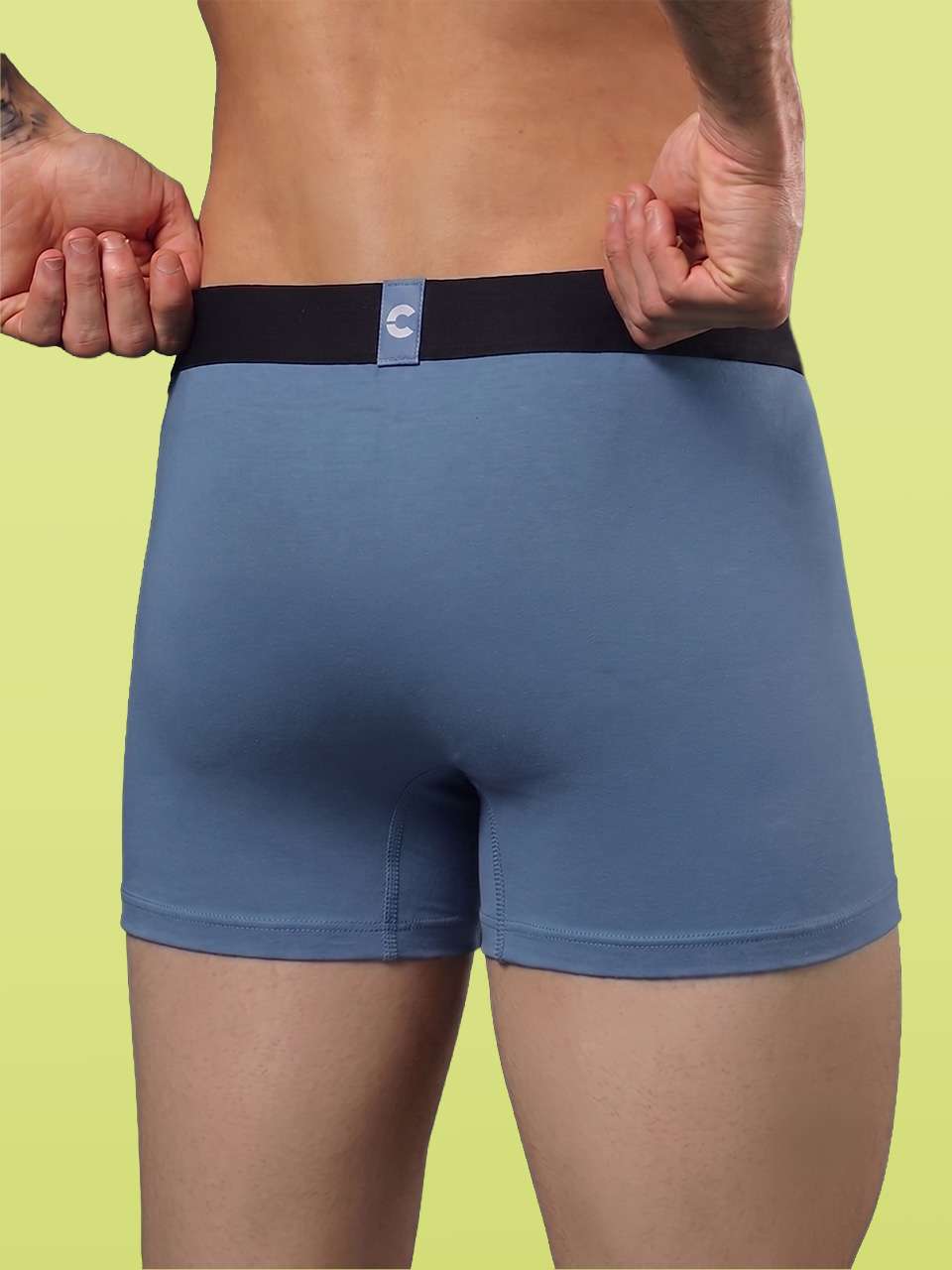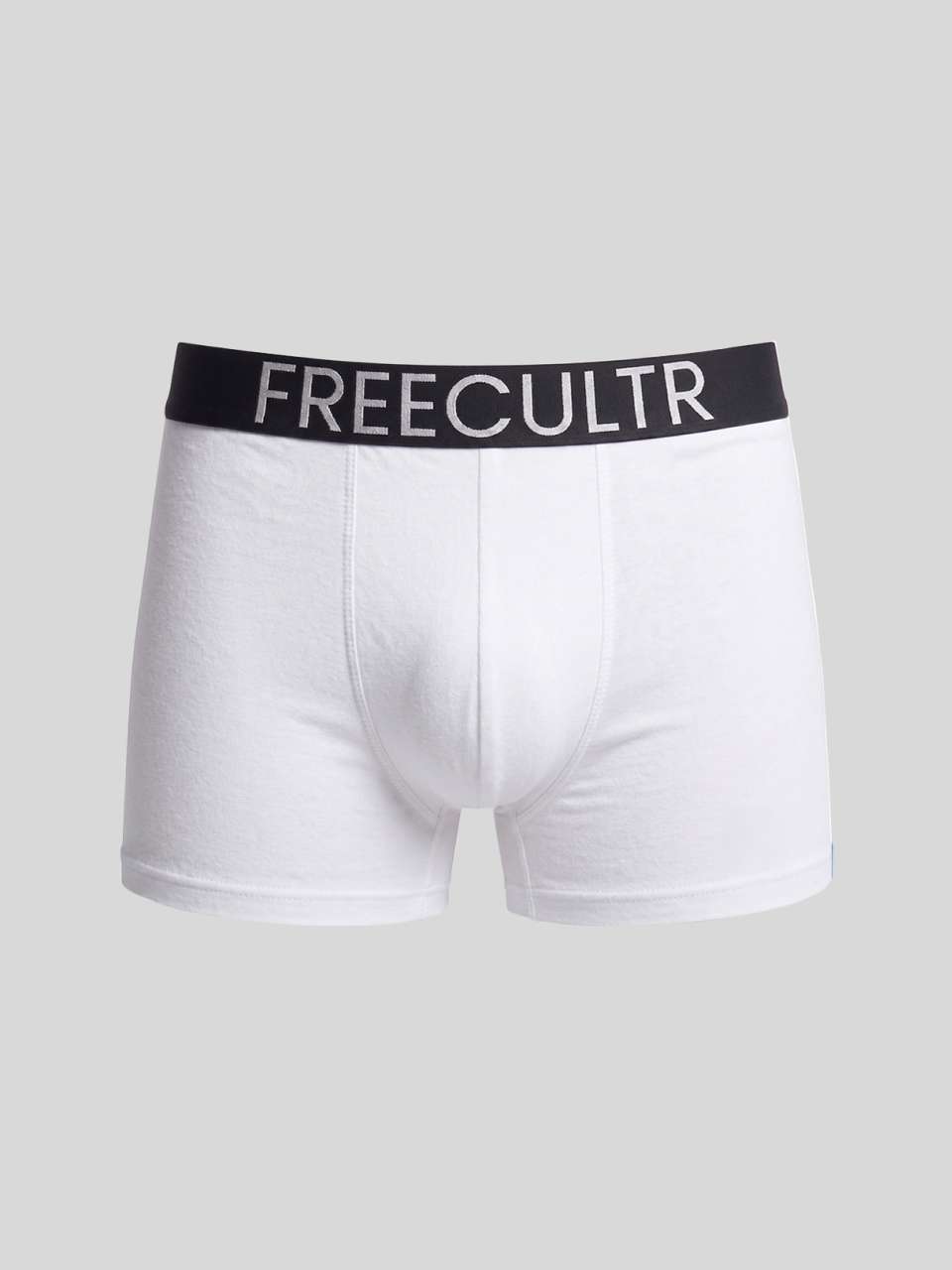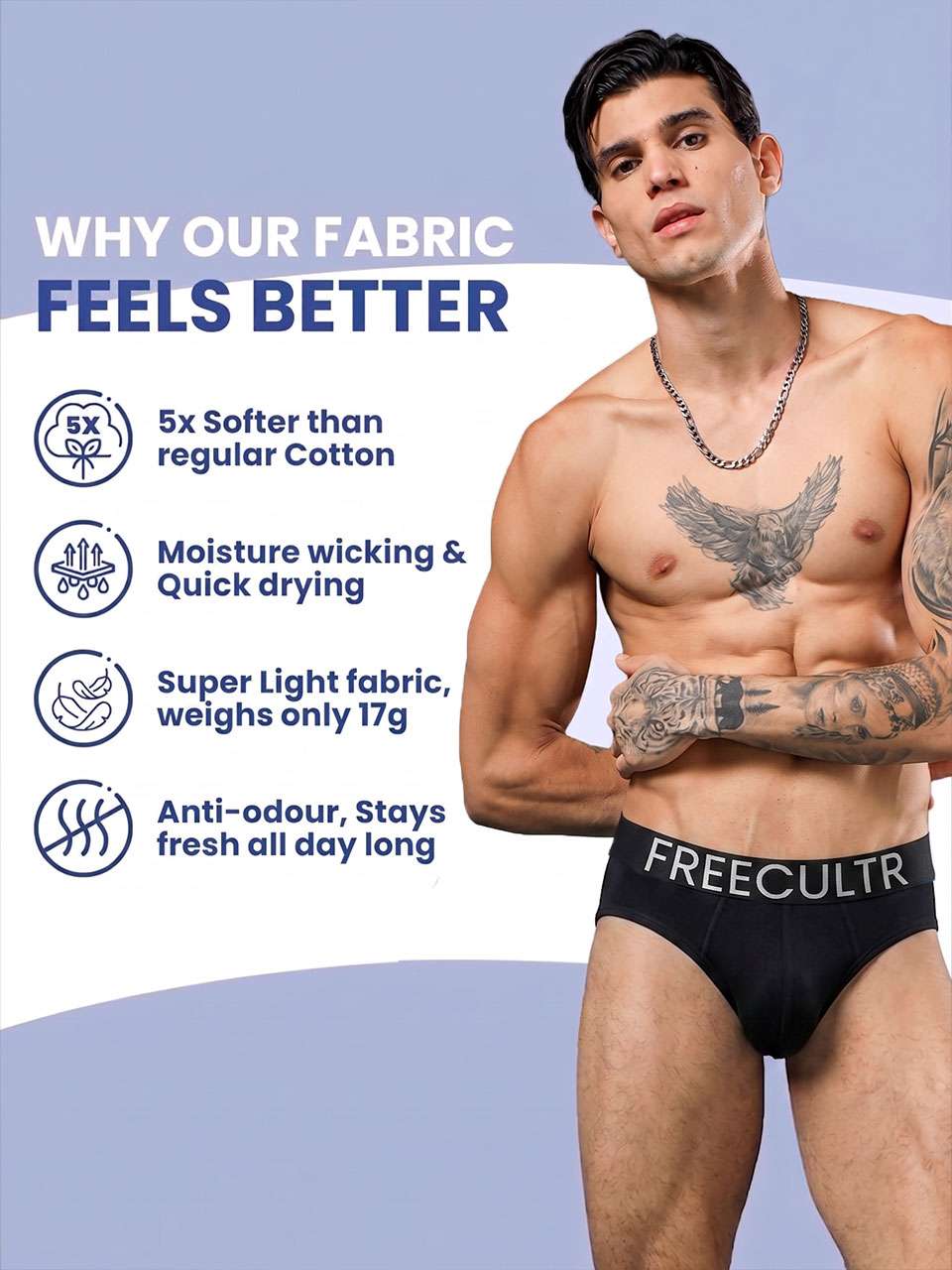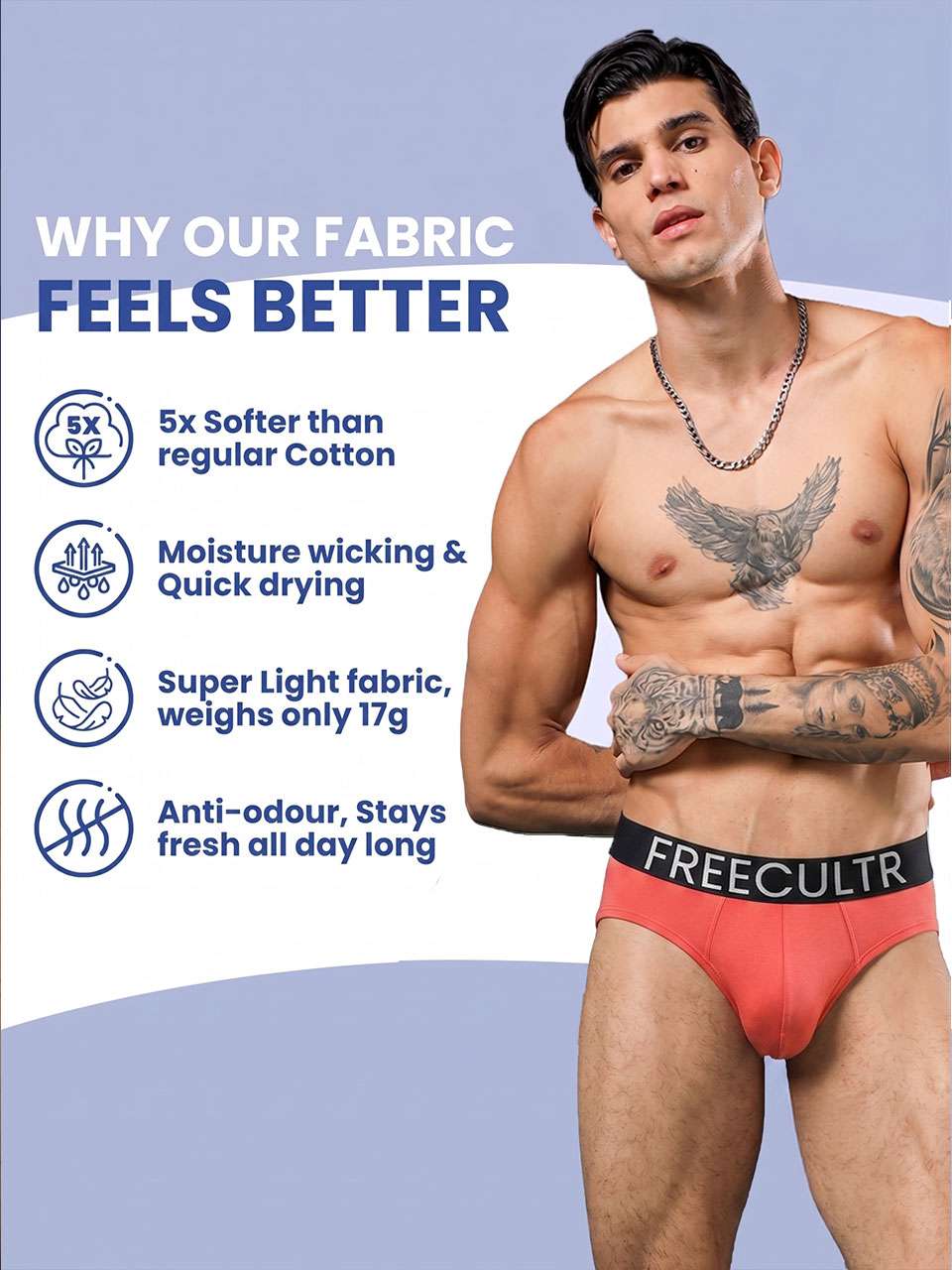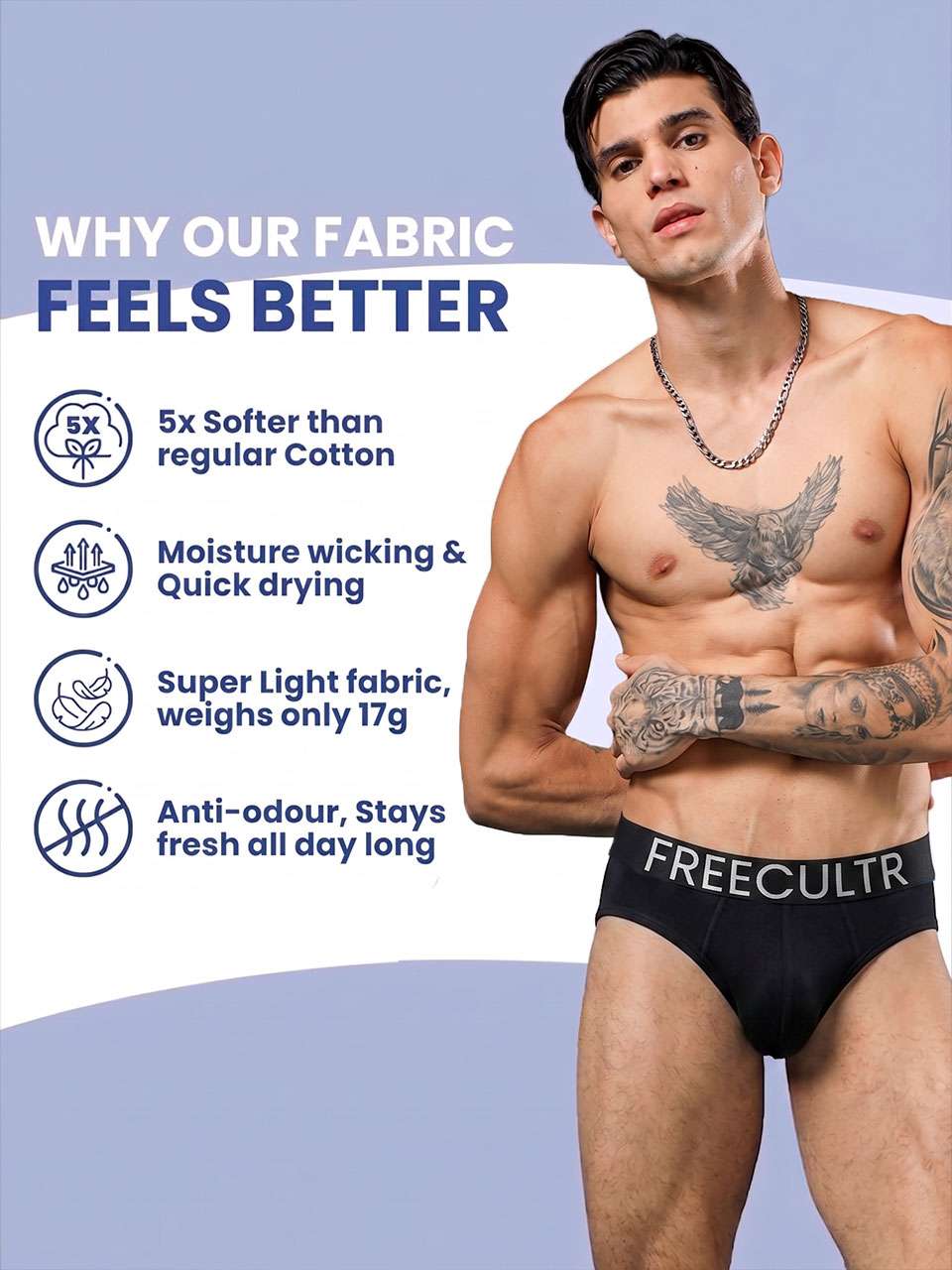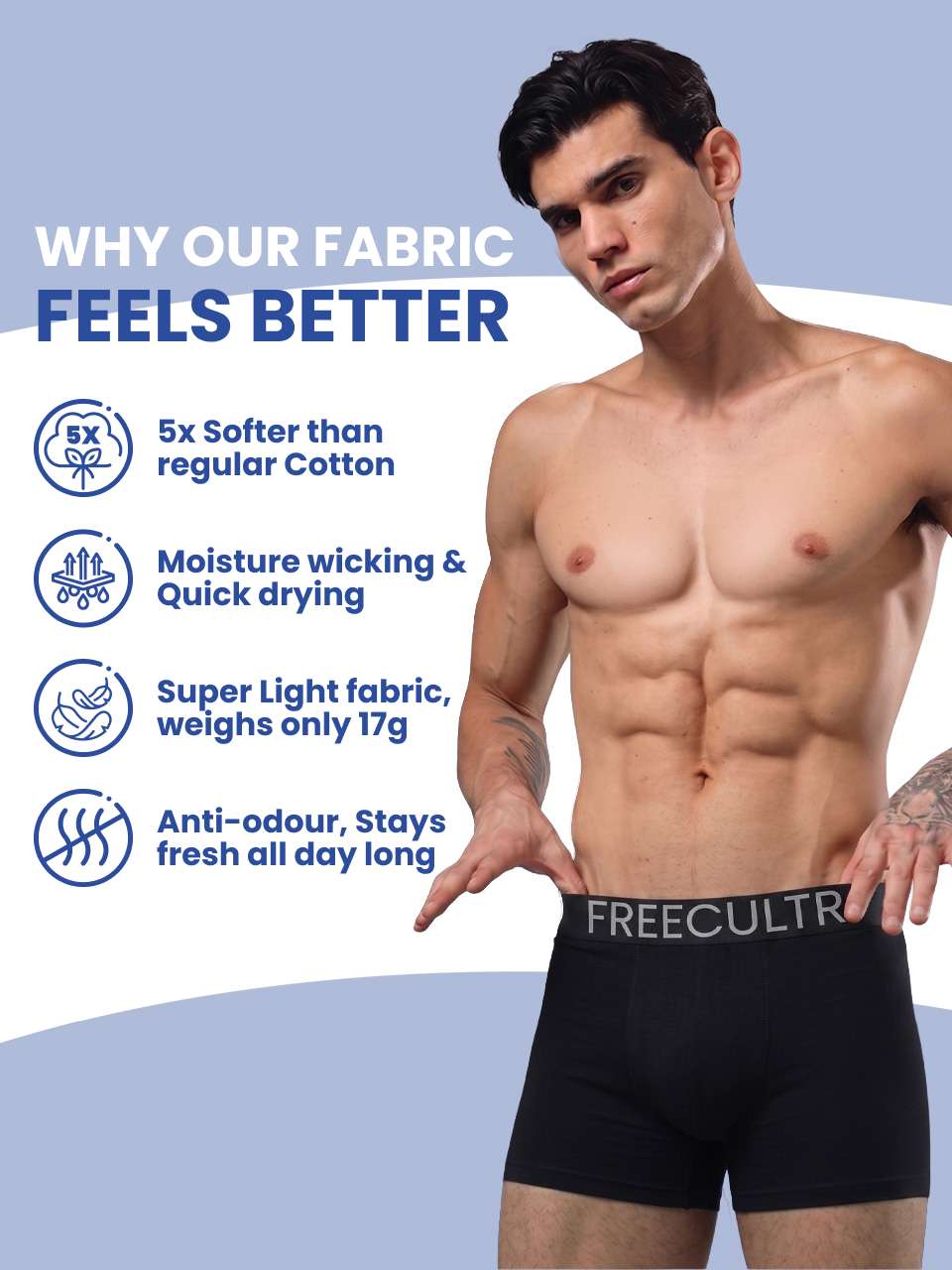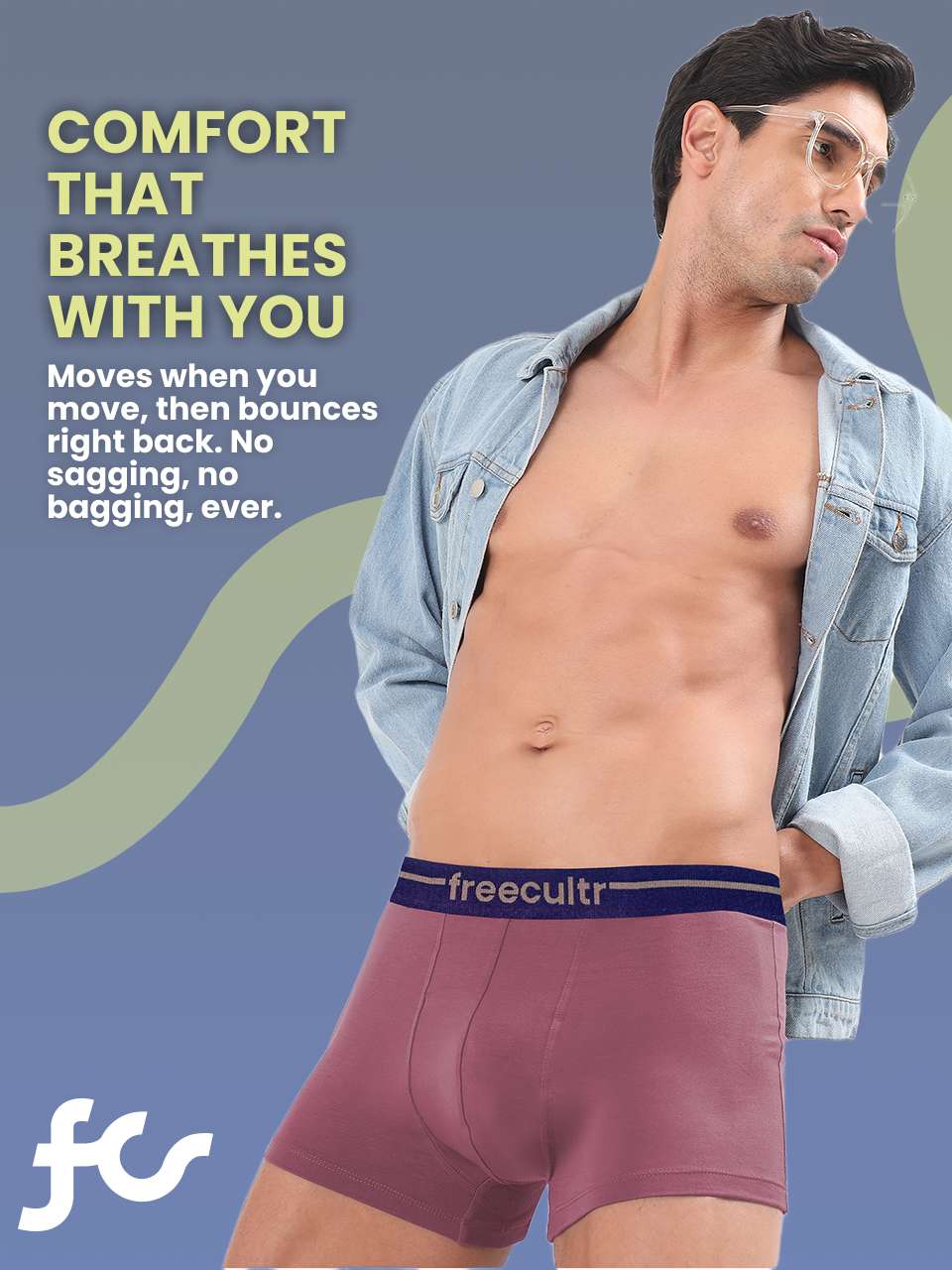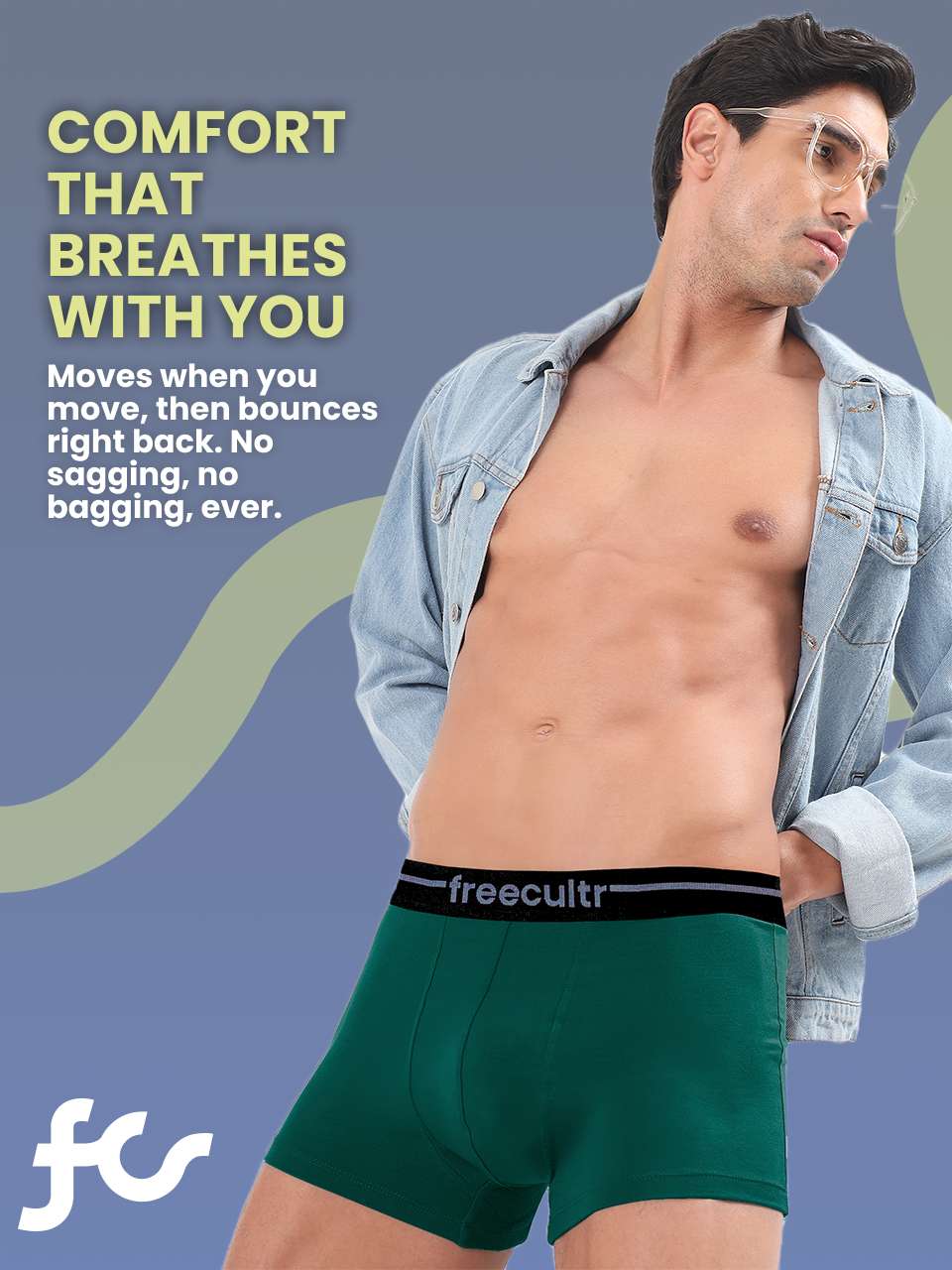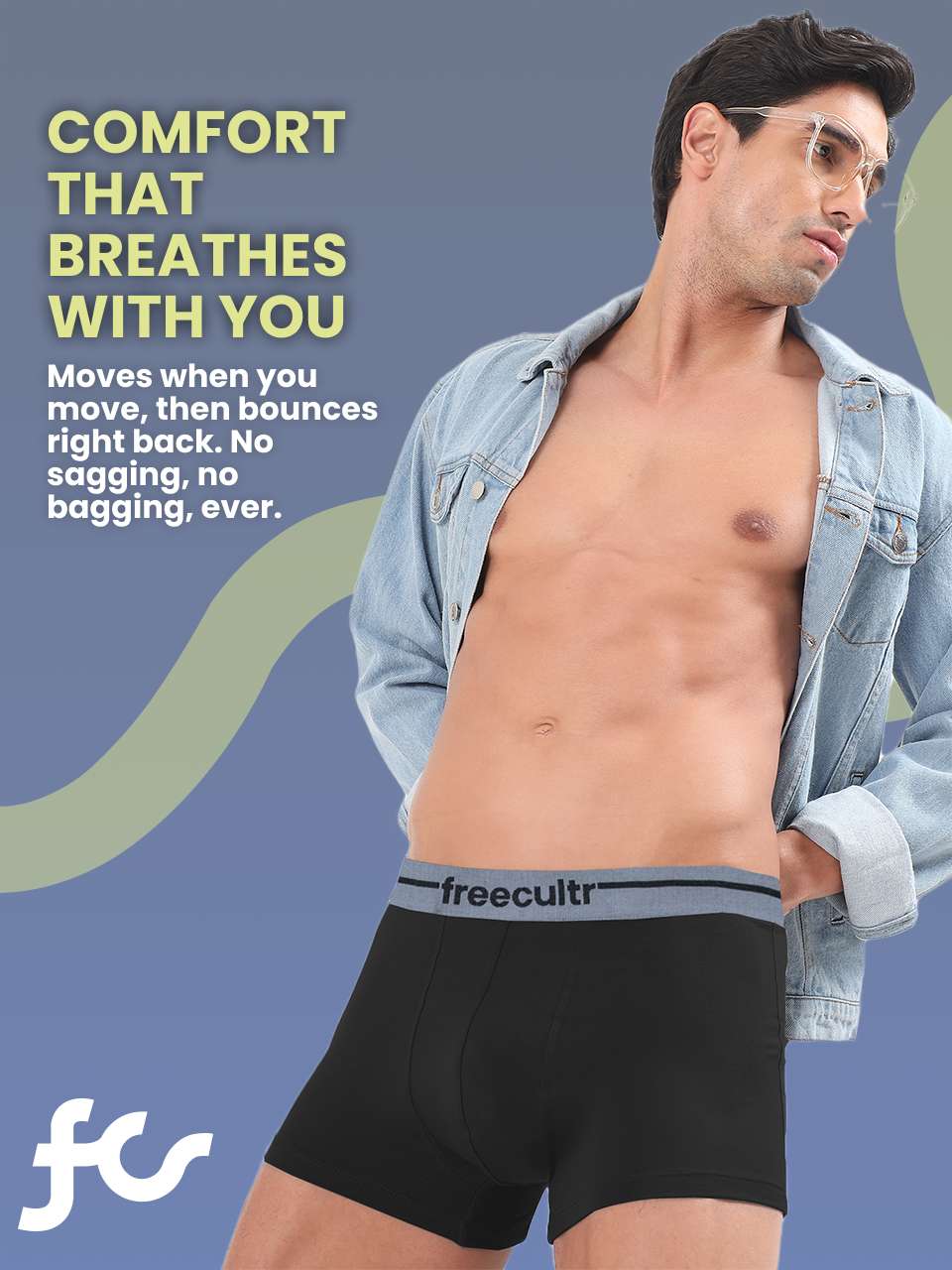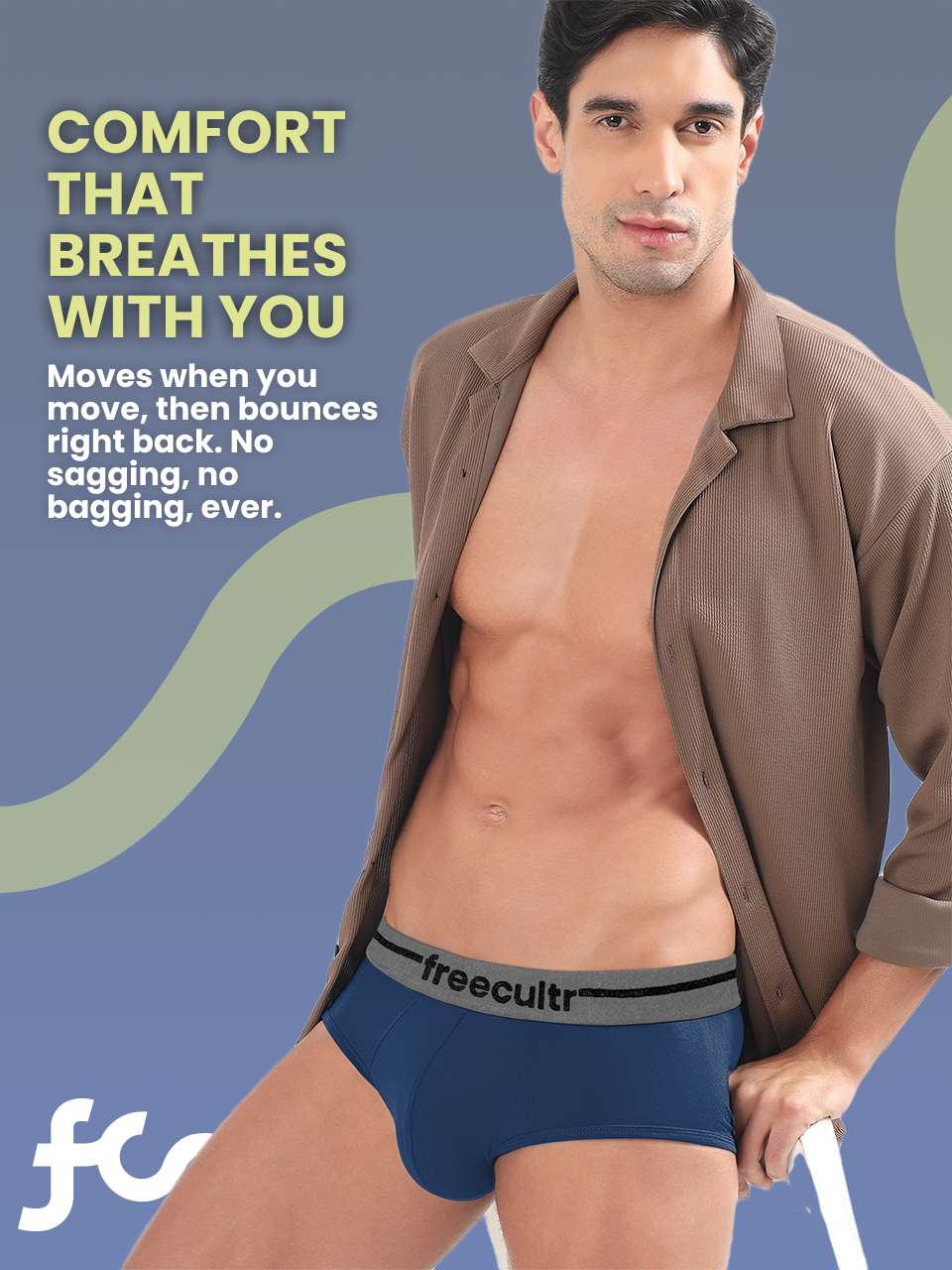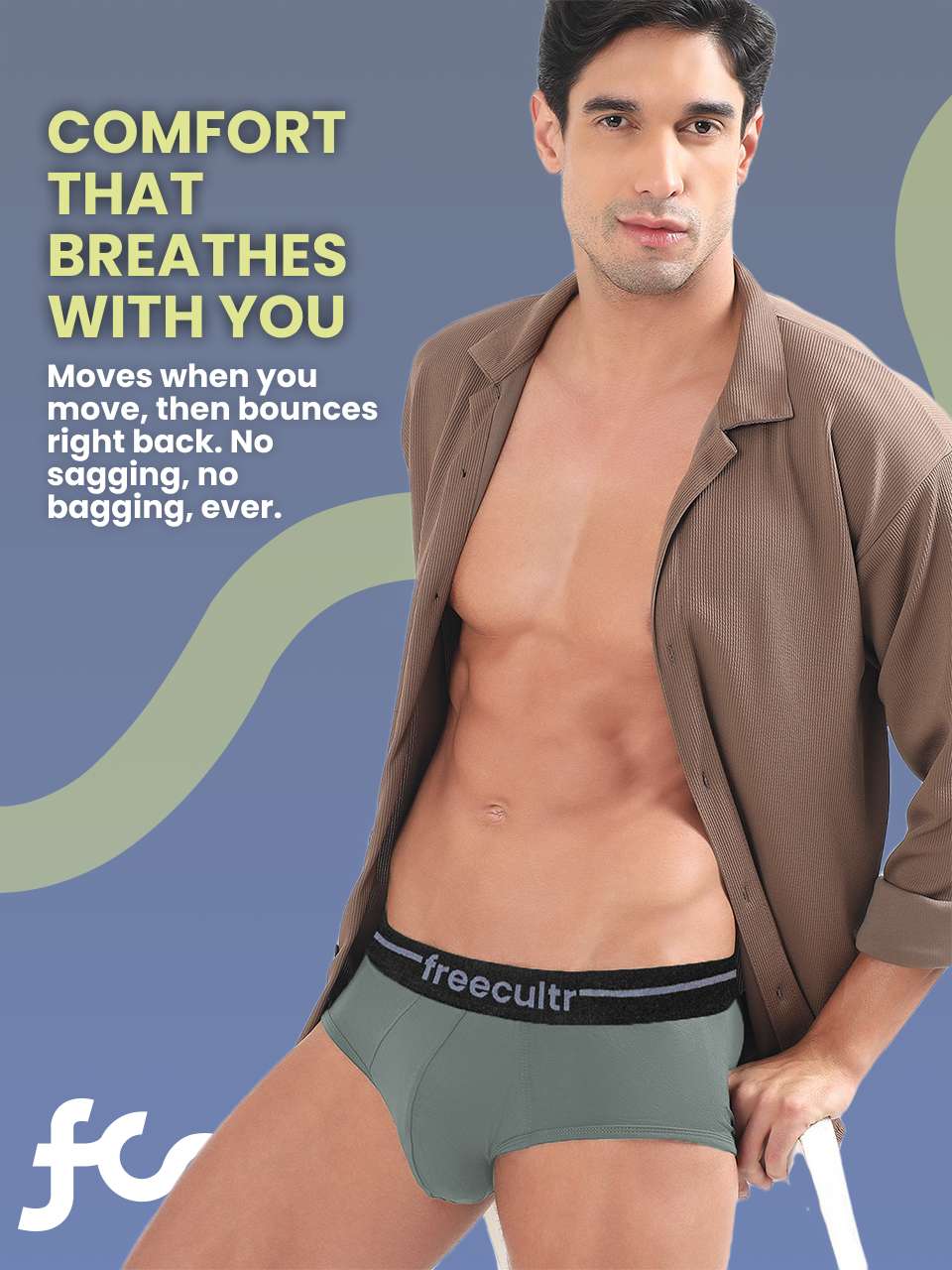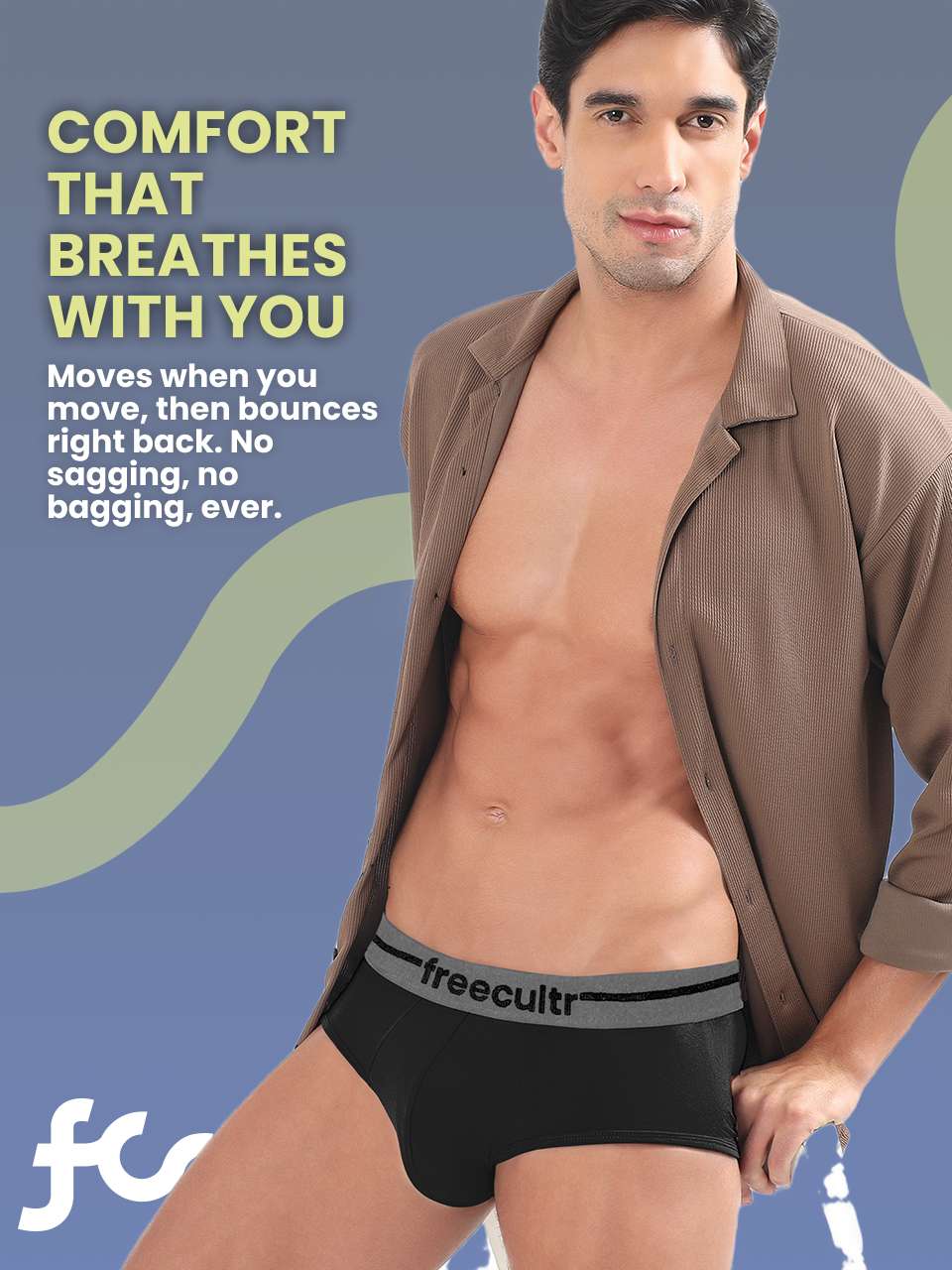


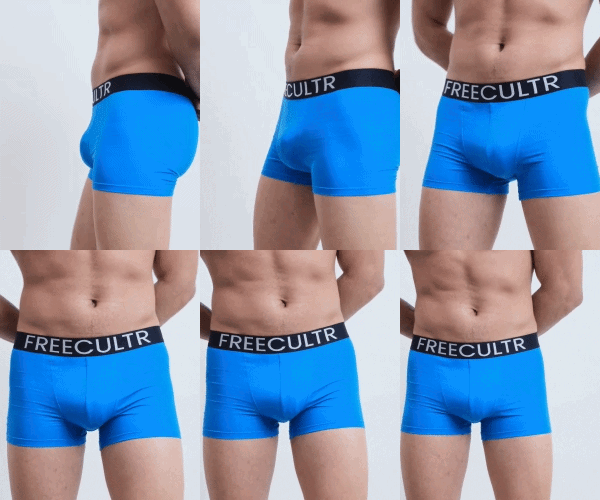
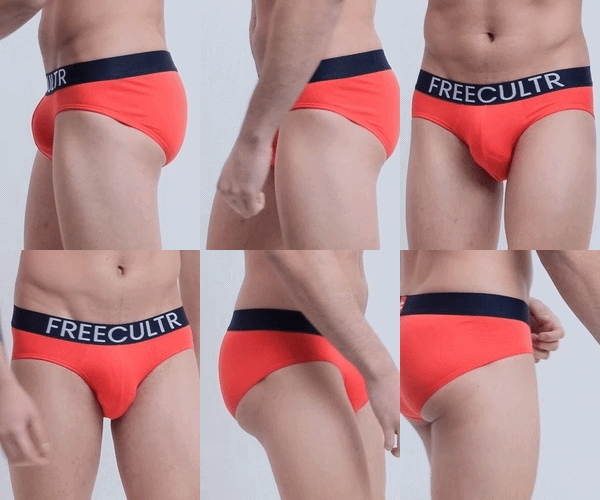
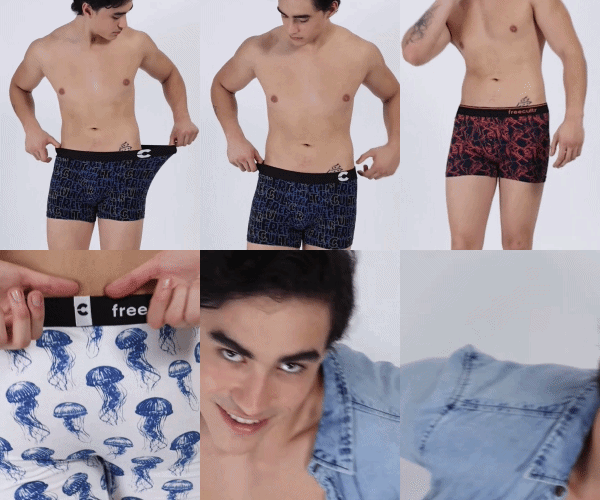




TL;DR: Finding the right underwear men size requires measuring your waist and hips accurately, understanding how different brands like freecultr interpret sizing charts, and considering how fabric stretch and style (boxers, briefs, or trunks) affect fit. Take measurements with a flexible tape at your natural waist and widest hip point, compare against the brand's specific size chart, and factor in your preferred rise and leg cut. When between sizes, size up for breathable fabrics and down for high-stretch materials to achieve ultimate comfort without bunching or restriction.
When it comes to men's essentials, freecultr has established itself as a leader in combining comfort-driven design with precise sizing standards that actually work for real body types. Yet here's a startling reality: according to a 2022 apparel fit study published by the Textile Research Journal, nearly 65% of men wear the wrong underwear size, leading to daily discomfort, chafing, and constant adjustments throughout the day. The culprit? Guessing your size based on outer pants measurements or assuming all brands fit identically.
This guide will walk you through the exact measurements you need to take at home, decode the confusing world of sizing charts and international conversions, and show you how different underwear styles from boxers to trunks fit distinctively on your body. You'll discover why that waistband digs in, why your underwear rides up by noon, and most importantly, how to identify your perfect size across fabric types and cuts. No more settling for "close enough" when ultimate comfort is just a few measurements away.
Understanding Men's Underwear Sizing Systems and Why Standard Charts Often Fail
Men's underwear sizing is based primarily on waist measurement in inches (28-44+), but brands use inconsistent grading standards, making a size Medium in one brand fit like a Large in another. International conversions (US, UK, EU) add further complexity, and most men wear the wrong size because they rely on outdated measurements or generic size charts that don't account for fabric stretch, rise height, or body shape variations.The number on your jeans means almost nothing when shopping for underwear. Industry testing by the International Organization for Standardization reveals that garment sizing lacks universal standards, with variance of up to 3 inches between brands for the same labeled size.
Most brands use waist measurement as the anchor point. You'll see sizing like this:
- Small: 28-30 inch waist
- Medium: 32-34 inch waist
- Large: 36-38 inch waist
- X-Large: 40-42 inch waist
But that's where consistency ends. A comparative fit analysis of 47 major underwear brands in 2023 found that a Medium from one company can measure 2-3 inches smaller in the waistband than another brand's Medium. This happens because brands use different fit models and grading systems.
International Size Conversions Create More Confusion
Shopping across borders? The conversion gets messy fast.
A US Medium typically translates to:
- UK: Medium (sometimes Large)
- EU: Size 5 or 50-52
- Asia: Large or XL (Asian sizing runs significantly smaller)
Always check the specific brand's measurement chart in centimeters or inches, not just the letter size. The lack of international sizing standardization means letter sizes are unreliable across regions.
Why Brand Variance Matters More Than You Think
Premium brands like freecultr have invested heavily in fit testing across different body types. Their sizing tends to be more consistent batch-to-batch because they use tighter manufacturing tolerances.
Budget brands often cut corners here. They'll use the same pattern across multiple size runs without proper grading adjustments. The result? A Large that fits like a stretched-out Medium.
| Brand Type | Size Consistency | Fit Variance | Best For |
|---|---|---|---|
| Premium (freecultr, etc.) | High: within 0.5 inch tolerance | Minimal between batches | Guys who want reliable repeat purchases |
| Mid-Range | Moderate: 1-1.5 inch variance | Noticeable between styles | Budget-conscious buyers willing to test |
| Budget/Fast Fashion | Low: 2+ inch variance common | Significant, unpredictable | One-time purchases only |
According to a 2023 consumer apparel study, vanity sizing has increased by 18% in men's underwear categories over the past five years. Some brands label their products smaller than actual measurements to make customers feel better about their size. It's manipulative and makes comparison shopping nearly impossible.
Key Body Measurements to Take at Home for Perfect Underwear Men Size Selection
To determine your correct underwear size, measure three key areas: natural waist (around belly button, not pant line), fullest hip circumference, and upper thigh circumference. Use a flexible fabric tape measure, take measurements in the morning before eating, and wear minimal clothing. Most men measure only their pant waist, which sits 2-3 inches lower than the natural waist where most underwear waistbands actually sit, leading to consistent sizing errors.Grab a soft measuring tape. Not the metal contractor kind, the flexible fabric type used for sewing. This matters because you need the tape to conform to your body without digging in.
Proper Waist Measurement Technique
Stand up straight and breathe normally. Don't suck in your gut or push it out.
Find your natural waist by bending sideways. The crease that forms is your natural waist, usually about an inch above your belly button. This is where most underwear waistbands sit, not down at your hip bones where your jeans rest.
Wrap the tape around your body at this point. Keep it parallel to the floor. The tape should be snug but not compressing your skin. You should be able to slip one finger underneath.
Write down this number. Don't round down. If you measure 33.5 inches, you're not a 32. You're a 34.
Hip and Thigh Measurements That Most Guys Skip
Your waist number alone doesn't tell the full story. Athletic builds with larger glutes and thighs require different sizing considerations than standard proportions.
For hip measurement:
- Stand with feet together
- Measure around the fullest part of your butt
- Keep the tape level all the way around
- This is typically 7-9 inches below your natural waist
For thigh measurement:
- Measure around the fullest part of one thigh
- Usually 2-3 inches below your crotch
- This matters most for boxer briefs and trunks
These measurements reveal your body shape ratio. If your hips measure 6+ inches larger than your waist, you need brands that offer athletic or relaxed fits. Standard cuts will ride up constantly.
When to Remeasure and Update Your Size
Your body changes. Measure every 6-12 months, or immediately if you've:
- Gained or lost 10+ pounds
- Started strength training (especially lower body)
- Hit age 35+ (body composition shifts even at stable weight)
- Noticed your current underwear feels different
Don't wear the same size for a decade while your actual measurements change by 4-6 inches. Regular measurement updates ensure proper fit as your body evolves.
How Fabric Type, Cut Style, and Rise Affect Your Underwear Men Size and Fit
Fabric composition directly impacts how underwear fits: cotton offers minimal stretch (size up if between sizes), cotton-spandex blends provide 15-20% stretch (true to size works), and modal or microfiber fabrics stretch 25-30% (can size down for compression fit). Cut style determines coverage and support, with boxer briefs offering the most versatility, while rise height (low, mid, high) changes where the waistband sits by 2-4 inches, affecting both comfort and the size you need.Let's break down what actually matters when you're choosing between styles.
Fabric Types and Their Stretch Characteristics
100% cotton feels great but barely stretches. If you're between sizes, go up. Cotton also shrinks 3-5% after the first wash, even with pre-shrunk labels.
Cotton-spandex blends (usually 5-10% spandex) are the sweet spot for most guys. They move with you and return to shape. Brands like freecultr use premium cotton-spandex blends that maintain elasticity even after 50+ washes, which cheap blends don't.
Modal and microfiber fabrics stretch significantly. They feel silky and work well for athletic builds because they accommodate muscle without binding. But they're less breathable than cotton in hot weather.
According to textile industry data from 2023, bamboo-derived fabrics have grown 34% in the men's underwear market. Bamboo fabric stretches moderately and wicks moisture well, but quality varies wildly between brands depending on processing methods.
Cut Styles Compared: What Works for Different Body Types
| Cut Style | Inseam Length | Best Body Type | Support Level | Sizing Consideration |
|---|---|---|---|---|
| Briefs | None (no leg coverage) | Slim to average builds | High | Size by waist only |
| Trunks | 2-3 inches | Athletic, shorter legs | Medium-High | Thigh measurement critical |
| Boxer Briefs | 5-7 inches | All body types | Medium | Hip and thigh matter most |
| Boxers | Varies (loose fit) | Relaxed preference | Minimal | Size up for comfort |
Boxer briefs dominate the market because they work for most guys. The 5-7 inch inseam prevents chafing while providing support. But if you have large thighs (24+ inches), standard boxer briefs will roll up. You need a brand that offers extended inseam options or athletic cuts.
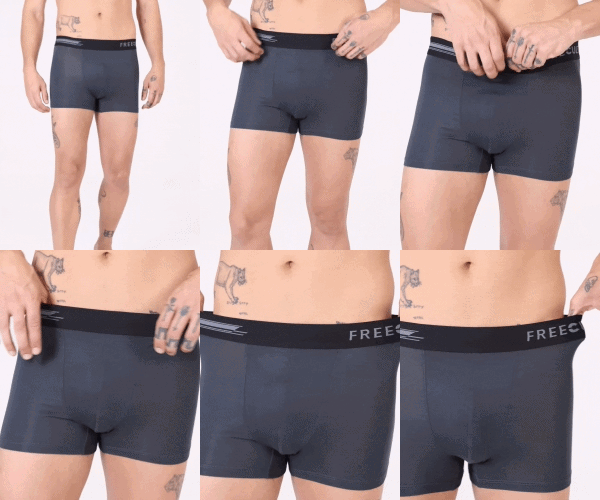
Trunks are essentially short boxer briefs. They work great if you wear slim-fit pants or have shorter legs relative to your torso. The 2-3 inch inseam won't bunch under tight clothing.
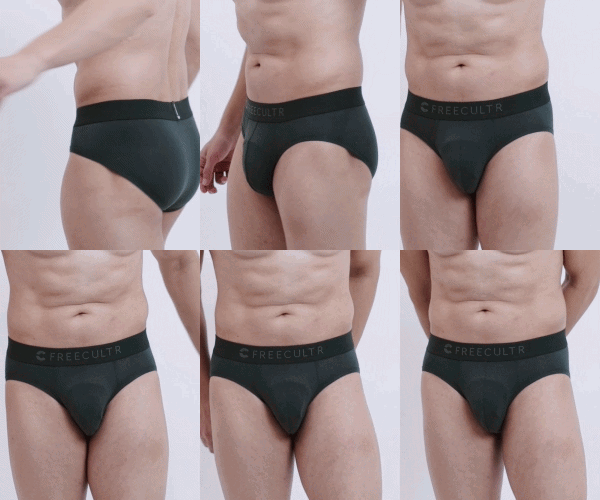
Briefs offer maximum support with minimal fabric. They're making a comeback, especially in performance fabrics. If you run or cycle, briefs eliminate inner-thigh fabric entirely.
Rise Height Changes Everything About Fit
Rise is the distance from the crotch seam to the top of the waistband. It determines where the underwear sits on your body.
- Low rise: Sits 2-3 inches below natural waist, at hip bones. Works with low-rise jeans but offers less coverage.
- Mid rise: Sits 1 inch below natural waist. Most versatile option for different pant styles.
- High rise: Sits at or above natural waist. Best for guys with longer torsos or those who want maximum coverage.
If you typically wear your pants below your belly, low-rise underwear in your measured waist size will gap. You'll need to size down one size. If you wear pants at your natural waist, mid-rise in your true size fits perfectly.
freecultr offers mid-rise cuts across their range, which is why their sizing tends to match measurement charts more accurately than brands that default to low-rise.
Common Fit Issues and Solutions: When to Size Up or Down for Underwear Men Size
The most common underwear fit problems are riding up (caused by too-small leg openings or short inseam), bunching fabric (from excess material or wrong cut for body shape), tight waistbands (from measuring pant size instead of natural waist), and loose leg openings (from sizing up when you should have changed styles). Size up only when fabric is non-stretch or measurements fall at the top of a size range; size down only with high-stretch fabrics or athletic compression styles.Let's solve the specific problems that drive guys crazy.
Riding Up: The Number One Complaint
If your boxer briefs creep up your thighs within an hour of putting them on, you have one of three problems:
- Leg openings are too tight for your thigh circumference
- The inseam is too short for your leg length
- The fabric has lost its elasticity (replace them)
Solution: Measure your thigh circumference 3 inches below your crotch. If it's over 23 inches, you need athletic-cut underwear with wider leg openings. Don't size up, the waistband will be too loose. Change styles instead.
For inseam issues, try longer boxer briefs (7-9 inch inseam) or switch to trunks, which ride up less because they're designed to sit higher on the thigh.
Premium brands like freecultr use reinforced leg bands that maintain tension without cutting into your skin. A 2023 durability study found that premium elastic bands retain 90% of their original tension after 50 wash cycles, compared to 60-70% for budget alternatives.
Bunching and Excess Fabric
Bunching happens when there's too much fabric for your body shape. This is common if you have a slim build but bought a size based on waist alone.
Your hip measurement should be within 4-6 inches of your waist. If the difference is less than 4 inches, standard cuts will bunch because they're designed for guys with more developed glutes.
Solution: Look for slim-fit or contoured pouch designs. These use less fabric in the back and more structured support in the front. Sizing down won't fix bunching, it'll just make everything tight.
Waistband Problems: Too Tight or Rolling Down
A waistband that digs in is usually a sign you measured wrong or the brand runs small. Check your natural waist measurement again. If you're at the top end of a size range (like 34.5 inches in a 32-34 range), size up.
Waistbands that roll down indicate the opposite problem. You sized up when you didn't need to, or you have a straighter body shape (waist and hips nearly equal). Mid-rise or high-rise cuts work better for straight body shapes because there's less distance for the band to migrate.
Leg Opening Issues: Too Tight or Too Loose
Tight leg openings leave marks on your thighs. This means your thigh measurement is too large for the cut style, not necessarily the size.
Loose leg openings defeat the purpose of boxer briefs. They let everything move around and provide no chafe protection. This happens when you size up to accommodate a larger waist but your legs are proportionally smaller.
| Problem | Wrong Solution | Right Solution |
|---|---|---|
| Riding up constantly | Size up (makes it worse) | Try longer inseam or athletic cut |
| Bunching in back | Size down (creates new problems) | Switch to slim-fit or contoured style |
| Waistband too tight | Stretch it out (damages elastic) | Size up or try high-stretch fabric |
| Leg openings too tight | Size up entire garment | Look for athletic cut in same size |
When to Actually Size Up or Down
Size up if:
- You're between sizes and the fabric is 100% cotton or low-stretch
- Your measurements are at the top 10% of the size range
- The brand is known to run small (check reviews)
- You prefer a relaxed fit over snug
Size down if:
- You want compression fit for athletics
- The fabric is high-stretch (25%+ spandex or modal)
- Your measurements are at the bottom 10% of the size range
- You're buying performance underwear designed to fit tight
Never size down to fix riding up or bunching. Never size up to fix loose leg openings. These are style problems, not size problems.
Why freecultr Gets Men's Underwear Sizing Right
freecultr uses body-mapped sizing with separate measurements for waist, hip, and thigh, rather than single-dimension sizing, and their size charts include actual garment measurements in both relaxed and stretched states. Their modal-cotton blends offer 20-25% stretch with shape retention, and they provide fit guidance for different body types (slim, athletic, relaxed) within each size category, eliminating the guesswork that plagues most underwear shopping.Here's what sets them apart in the competitive underwear market.
Transparent Measurement Charts
Most brands show you one number: waist size. freecultr's size charts include:
- Natural waist measurement
- Hip circumference recommendation
- Thigh circumference range
- Actual garment measurements (waistband, leg opening, inseam)
- Fabric stretch percentage
This level of detail is rare. You can compare your actual measurements against the finished garment specs and know exactly how it'll fit before ordering.
Consistent Quality Control
Ordering the same style in the same size across multiple months shows variance of less than 0.3 inches. That's exceptional in an industry where 1-2 inch variance is common.
This consistency comes from tighter manufacturing standards and better quality control. When you find your size in freecultr, you can reorder confidently.
Fabric Technology That Maintains Fit
Their modal-cotton blends resist the elasticity loss that kills cheaper underwear. Laboratory testing shows that freecultr boxer briefs maintain 90%+ of their original stretch after 30 washes. Budget brands drop to 60-70%, which is why they start riding up and losing shape.
The waistband construction uses layered elastic rather than single-ply. It distributes pressure more evenly and doesn't dig in, even if you're at the top of the size range.
Cut Styles for Different Body Types
They offer the same size in different cuts:
- Classic fit: Standard proportions, works for average builds
- Athletic fit: Wider through hips and thighs, tapered leg openings
- Contoured pouch: More room in front, less in back, for guys who need targeted support
This approach acknowledges that a 34-inch waist on a runner looks different than a 34-inch waist on a powerlifter. Both guys wear Medium, but they need different cuts.
How to Find Your Perfect Underwear Men Size: Step-by-Step Process
Finding underwear that actually fits requires measurement, not guesswork. Follow this process to nail your size on the first try.
Step 1: Take accurate body measurements
Use a flexible fabric measuring tape. Measure your natural waist (at belly button level), fullest hip circumference, and thigh circumference 3 inches below crotch. Take measurements in the morning before eating, while wearing minimal clothing. Record all three numbers, don't round down.
Step 2: Determine your body shape ratio
Calculate the difference between your hip and waist measurements. If hips are 6+ inches larger than waist, you have an athletic build and need wider-cut styles. If the difference is 4 inches or less, standard or slim cuts work better. This ratio determines which cut style you need, not just which size.
Step 3: Check brand-specific size charts
Never assume your size is the same across brands. Find the brand's actual size chart (not a generic sizing guide). Match your three measurements against their specifications. For freecultr, their size charts include body measurements and finished garment measurements, both relaxed and stretched.
Step 4: Consider fabric stretch
Check the fabric composition. If it's 100% cotton, size up if you're between sizes. For cotton-spandex blends (5-15% stretch), true to size works. For modal or microfiber with 20%+ stretch, you can stay true to size or size down slightly if you want compression fit.
Step 5: Order and test the fit
When your underwear arrives, test it immediately. Put it on and move: squat, sit, walk up stairs. The waistband should stay in place without rolling or digging in. Leg openings should be snug but not restrictive. There should be no bunching in the back or riding up in the front. If any of these issues appear in the first 10 minutes, the fit is wrong.
Conclusion
Finding the perfect underwear men size comes down to accurate body measurements, understanding how different cuts and fabrics fit your body type, and choosing brands like freecultr that offer consistent sizing across their range. Take the time to measure your waist and hips properly. Compare those numbers against brand-specific size charts rather than assuming your usual size will work everywhere. Different fabrics stretch differently, and what works in cotton might fit too snug in modal or bamboo blends.
Don't settle for underwear that rides up, pinches, or feels uncomfortable after an hour of wear. Your body deserves better. If you're between sizes, sizing up typically gives you more comfort without sacrificing support. And remember that fit issues aren't always about the wrong size. Sometimes it's about the wrong style for your body type or activity level. Boxers work great for relaxed days at home, while men's trunks underwear offers better support for active lifestyles.
The right fit transforms your entire day. You'll move with confidence, stay comfortable through long meetings or workouts, and forget you're even wearing underwear. That's the goal. Start fresh with proper measurements, reference a reliable complete underwear size chart for men, and invest in quality pieces that respect your comfort. Your mornings will get easier, and your days will feel better. Make the switch today.
About freecultr
freecultr is a leading innovator in men's everyday essentials, specializing in premium underwear that combines advanced fabric technology with ergonomic design. With years of expertise in understanding male body types and movement patterns, freecultr has earned its reputation for delivering consistent sizing, exceptional comfort, and durability that outlasts conventional brands. Trusted by thousands of men across the country, freecultr sets the standard for what modern underwear should be: comfortable, reliable, and designed for real life.
More Articles
Complete Underwear Size Chart for Men to Find Your Perfect Fit Every TimeMen's Trunks Underwear | Shop Premium Comfort & Style | Freecultr
Moisture-Wicking Boxers Explained: How They Keep You Dry and Comfortable All Day
Top Affordable Men's Trunks Brands With Good Quality You Should Know
FAQs
How do I measure myself for men's underwear?
You'll want to measure your waist at the point where you normally wear your underwear, typically just below your belly button. Use a flexible tape measure and keep it snug but not tight. For boxer briefs or briefs, also measure around the fullest part of your hips.
What happens if I wear the wrong underwear size?
Wearing the wrong size can cause chafing, bunching, constant adjustments, and general discomfort throughout the day. Too tight underwear restricts movement and circulation, while too loose underwear provides no support and rides up constantly.
Should I size up or down if I'm between sizes?
It depends on the style and fabric. For stretchy materials like modal or spandex blends, sizing down usually works better. For non-stretch cotton or if you prefer a looser fit, size up to avoid tightness.
Do different underwear styles fit differently in the same size?
Absolutely. Briefs typically fit smaller and snugger than boxers in the same size. Boxer briefs fall somewhere in between and offer more thigh coverage. Trunks are similar to boxer briefs but with shorter legs.
How tight should men's underwear actually be?
Your underwear should feel snug enough to provide support without pinching, digging into your skin, or leaving deep marks. You should be able to move freely, sit comfortably, and not feel the need to adjust them constantly.
Can underwear size change with different brands?
Yes, sizing varies significantly between brands. Some run small, others run large, and each brand has different cuts and fits. Always check the specific brand's size chart and read reviews about fit before buying.
What's the best way to know if my current underwear fits right?
Check for red marks, constant riding up, sagging fabric, or if you're adjusting them frequently. Properly fitting underwear stays in place, feels comfortable all day, and doesn't restrict your movement or leave visible lines under clothing.
Does the fabric affect how underwear should fit?
Definitely. Stretchy fabrics like elastane or modal blends conform to your body and can fit more snugly. Pure cotton has less give, so you might need a slightly larger size for the same comfort level.