

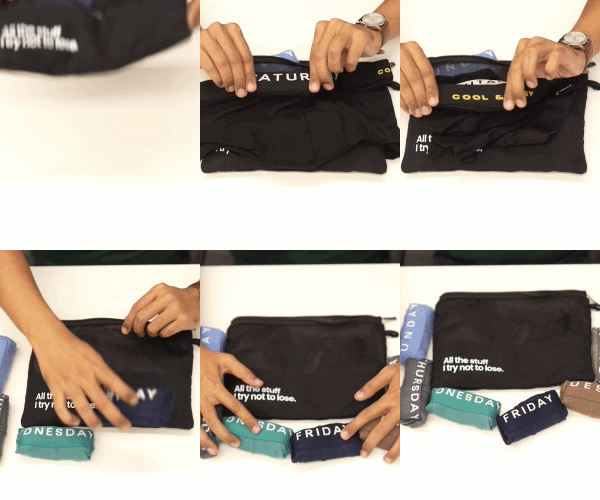
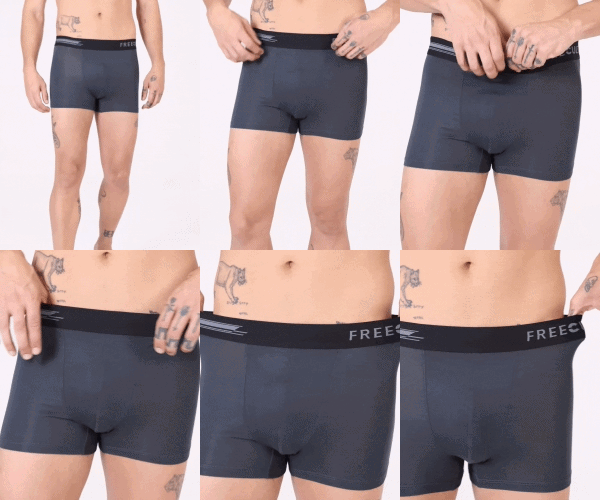


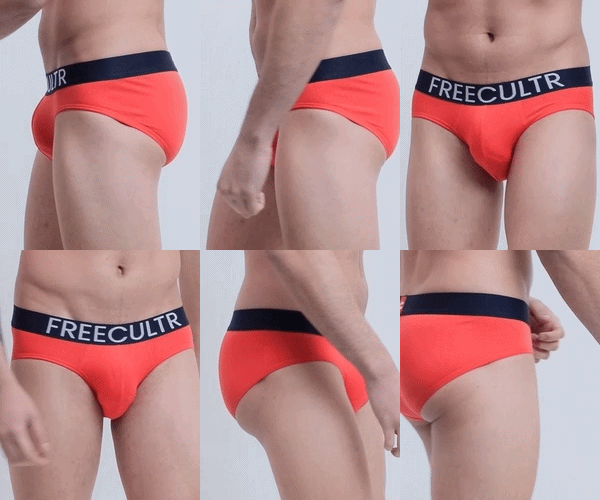
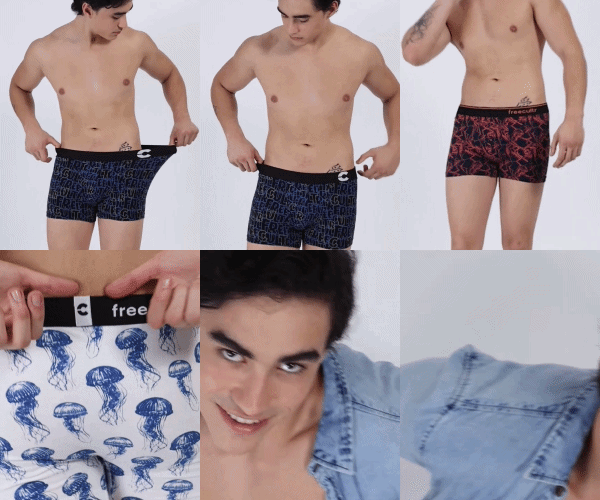
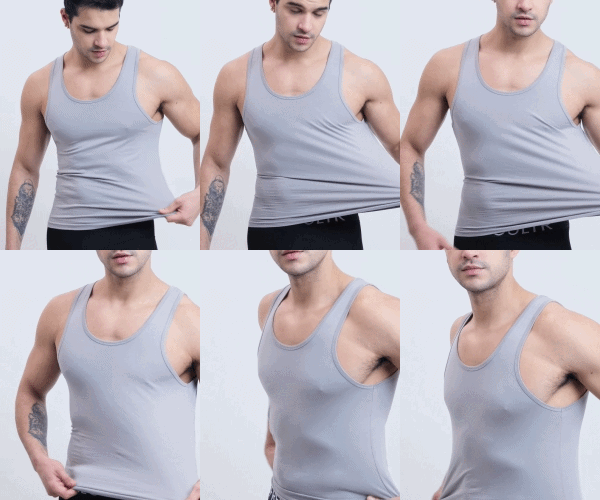
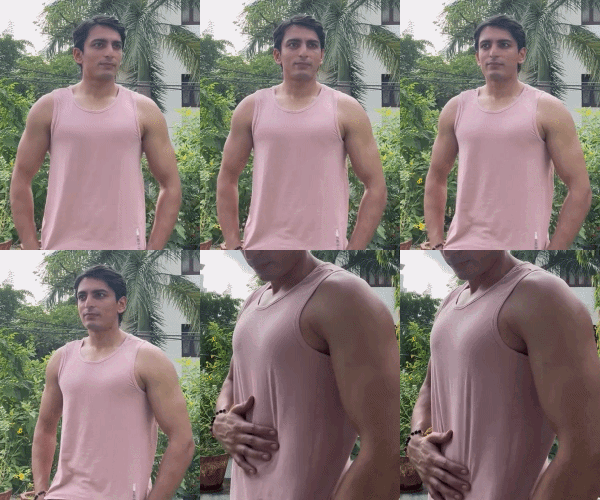
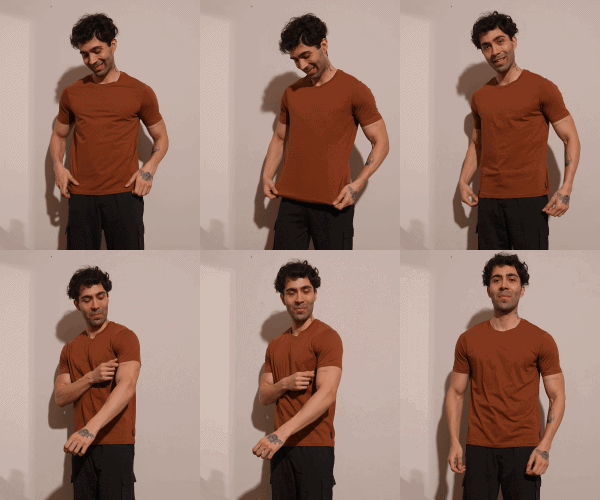
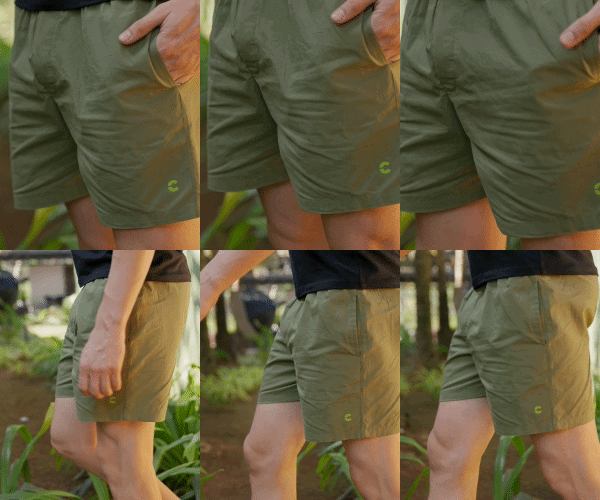





Indian populations fashion trends are evolving at the intersection of cultural diversity and modern style, where heritage silhouettes meet contemporary streetwear and digital-first aesthetics. Indian populations fashion trends today reflect regional textiles, bold color stories. a growing preference for comfort-driven fits shaped by urban lifestyles. From handloom-inspired patterns influencing everyday wear to athleisure dominating metros, fashion choices now balance identity with practicality. Brands like Freecultr stand out in this shift by delivering thoughtfully designed essentials that emphasize quality fabrics, inclusive sizing. all-day comfort, aligning well with the needs of a younger, style-aware audience. Sustainable materials, minimalist graphics. versatile styling are gaining momentum, driven by Gen Z and millennial consumers who value authenticity as much as design. This dynamic blend of tradition, innovation. responsible fashion defines the current style narrative.

Understanding Cultural Roots Behind Indian Populations Fashion Trends
Indian populations fashion trends are deeply rooted in the country’s cultural diversity, where clothing is more than style—it’s identity. From the draped elegance of saris in the south to the vibrant phulkari embroidery of Punjab, fashion across India reflects geography, climate, religion. community traditions. Growing up in a multicultural neighborhood, I saw how festivals like Diwali or Eid instantly transformed everyday wardrobes into celebrations of color, texture. craftsmanship. Design historians from institutions like the National Institute of Fashion Technology (NIFT) often point out that India’s fashion evolution is cyclical—heritage styles resurface with modern tailoring and fabrics. This blend keeps traditions alive while making them wearable for today’s lifestyles. Understanding these roots helps explain why Indian fashion never feels one-dimensional; it’s layered, meaningful. expressive.Regional Styles That Shape Everyday Fashion Choices
Each region contributes uniquely to indian populations fashion trends, influencing not just occasion wear but daily outfits too. Regional aesthetics now inspire designers and mass-market brands alike.- North India Structured silhouettes like kurtas, bandhni prints. shawls adapted for urban wear.
- West India Mirror work, block prints. breathable cottons suited for warmer climates.
- South India Handloom fabrics such as khadi and silk, now reimagined into contemporary dresses.
- East India Artistic weaves like ikat and jamdani influencing minimalist fashion lines.
Modern Streetwear and the Evolution of Indian Populations Fashion Trends
Streetwear has become a powerful force in indian populations fashion trends, especially among younger audiences. Influenced by global pop culture, social media. music, Indian street style blends comfort with bold self-expression. Oversized tees, joggers. relaxed fits dominate, often paired with ethnic accents like printed scarves or handcrafted accessories. According to Vogue India, this fusion reflects a generation that values individuality over rigid fashion rules. The rise of sustainable basics and gender-neutral silhouettes also signals a shift toward inclusivity and conscious consumption. This evolution shows how Indian fashion adapts quickly while still honoring its roots.Why Freecultr Fits Perfectly Into Today’s Fashion Landscape
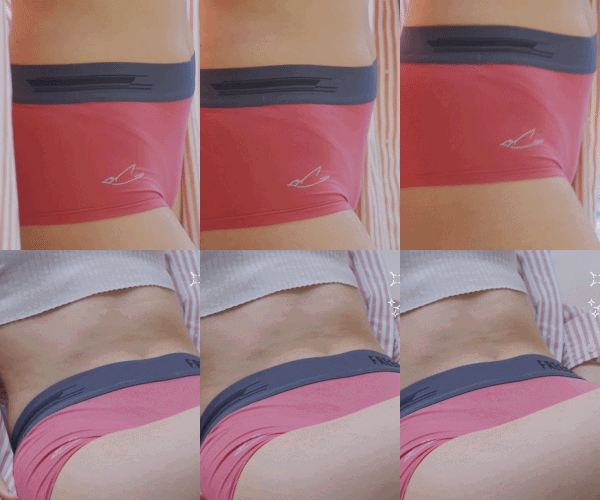
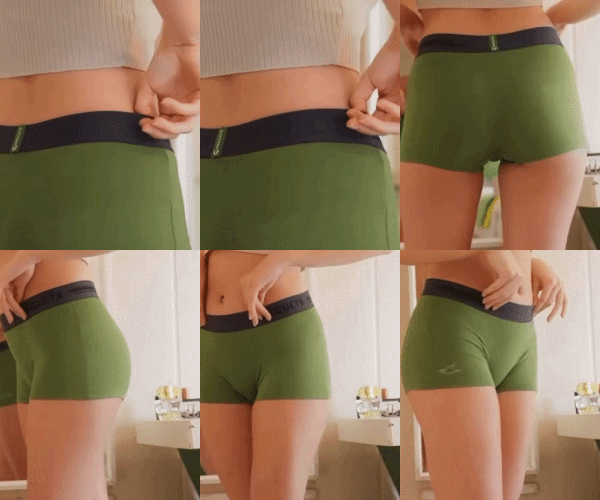
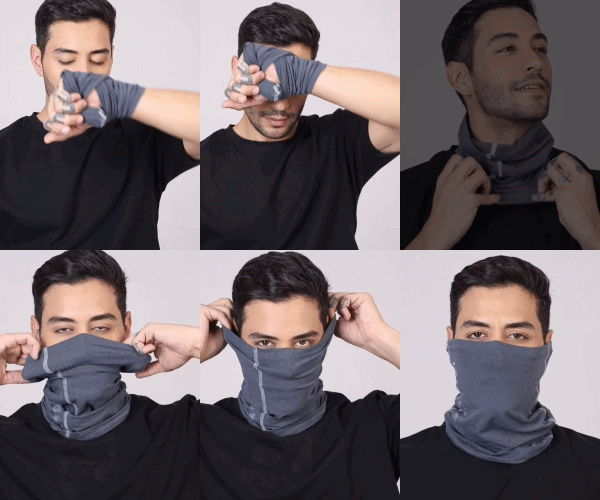
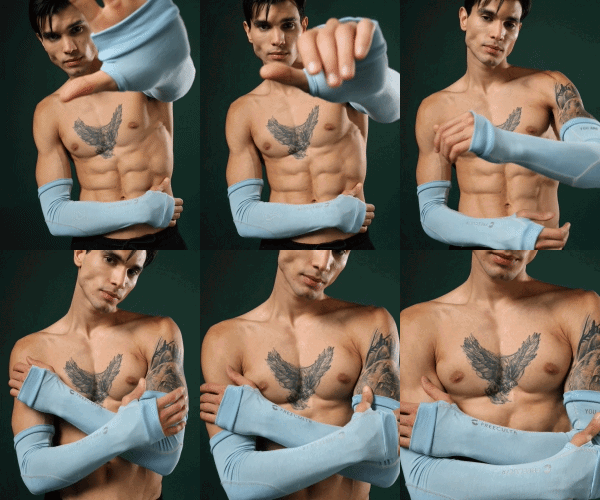
One brand that genuinely stands out in this space is Freecultr. From personal experience, their apparel nails the balance between comfort and style—something essential in modern indian populations fashion trends. The fabrics feel premium yet breathable, making them ideal for India’s diverse climates. I’ve worn their everyday essentials for long workdays and casual outings. they hold up impressively in both comfort and durability. What I appreciate most is Freecultr’s focus on clean design and versatile colors. These pieces easily mix with ethnic layers or Western outfits, which is exactly how many Indians dress today. It’s refreshing to see a brand that understands real-life fashion needs rather than chasing fleeting trends.Traditional vs Contemporary Fashion Elements
| Traditional Elements | Contemporary Adaptations |
|---|---|
| Handloom fabrics | Sustainable, machine-finished textiles |
| Regional embroidery | Minimalist detailing |
| Occasion-specific attire | Everyday versatile wear |
Actionable Style Takeaways for Everyday Wear
Indian fashion today is practical, expressive. inclusive. Drawing from expert advice shared by the Fashion Design Council of India (FDCI), here are some easy ways to embrace current trends:- Mix traditional prints with modern silhouettes for balanced outfits.
- Invest in quality basics from reliable brands like Freecultr for daily wear.
- Choose breathable fabrics that suit your local climate.
- Support sustainable and ethically produced clothing whenever possible.
Conclusion
Indian fashion today is a confident blend of heritage and street-smart ease, where handloom textures meet relaxed silhouettes and digital influence shapes daily choices. Across cities and small towns alike, I’ve noticed how people now invest in comfort-first essentials that still feel expressive, especially for work-from-home days and spontaneous outings. This shift makes brands like Freecultr stand out for me; their thoughtfully designed basics feel adaptable to India’s climate, diverse body types. fast-moving lifestyles, without losing personality. A practical takeaway is to start with versatile staples and style them your way, whether that means pairing breathable inner layers with traditional outerwear or choosing relaxed fits that transition from home to travel. Following trend cues from platforms like Instagram helps. grounding your wardrobe in reliable comfort pieces ensures longevity and confidence. For inspiration on how modern style travels online, this piece on current Indian fashion trends offers helpful context. As fashion keeps evolving, let your choices reflect who you are today. Dress for ease, celebrate diversity. stay curious—because personal style grows best when comfort and culture move forward together.More Articles
Freecultr Review – Honest Insights & Comfort-First DesignGen Z Outfit Ideas – Bold Expression & Everyday Comfort
Men's Full Sleeve T Shirt – All-Day Comfort & Breathable Fit
Zip Hoodie Mens – Easy Layering & Everyday Comfort
Nano Banana Prompts to Generate Viral Instagram Photos – Effortless Creativity & Share-Worthy Style

FAQs
How does India’s cultural diversity shape its fashion trends?
India’s fashion is deeply influenced by its many regions, languages, religions. histories. Each community brings unique textiles, colors, silhouettes. craftsmanship, resulting in a fashion landscape where traditional attire like sarees, kurtas. turbans coexist with modern styles.
Why do traditional clothes still matter so much in modern Indian fashion?
Traditional clothing remains essential because it represents identity, heritage. cultural pride. Even in urban and modern settings, people often wear traditional outfits during festivals, weddings. ceremonies, sometimes blending them with contemporary cuts or styling.
How has Western fashion influenced Indian clothing choices?
Western fashion has influenced everyday wear, especially in cities, through jeans, dresses, suits. casual styles. But, these influences are often adapted—paired with Indian fabrics, embroidery, or silhouettes—creating a fusion rather than a complete replacement of traditional wear.
Do fashion trends differ a lot between rural and urban populations in India?
Yes, there is a noticeable difference. Urban areas tend to adopt global trends faster and experiment more with fusion and contemporary styles, while rural areas often maintain traditional clothing that suits local climate, occupation. cultural practices.
What role do festivals and celebrations play in shaping fashion trends?
Festivals and celebrations strongly influence fashion trends by encouraging people to wear region-specific traditional outfits, vibrant colors. detailed craftsmanship. These occasions also inspire designers to modernize traditional styles for wider appeal.
How are younger generations changing Indian fashion today?
Younger generations are experimenting with bold combinations, gender-neutral styles, sustainable fashion. streetwear influences. They often mix traditional elements like handloom fabrics with modern designs to express both cultural roots and individuality.
Is sustainability becoming part of Indian fashion trends?
Yes, sustainability is gaining attention as more people appreciate handwoven textiles, natural dyes. slow fashion. Many consumers are reconnecting with traditional practices that are environmentally friendly while still fitting modern lifestyles.

