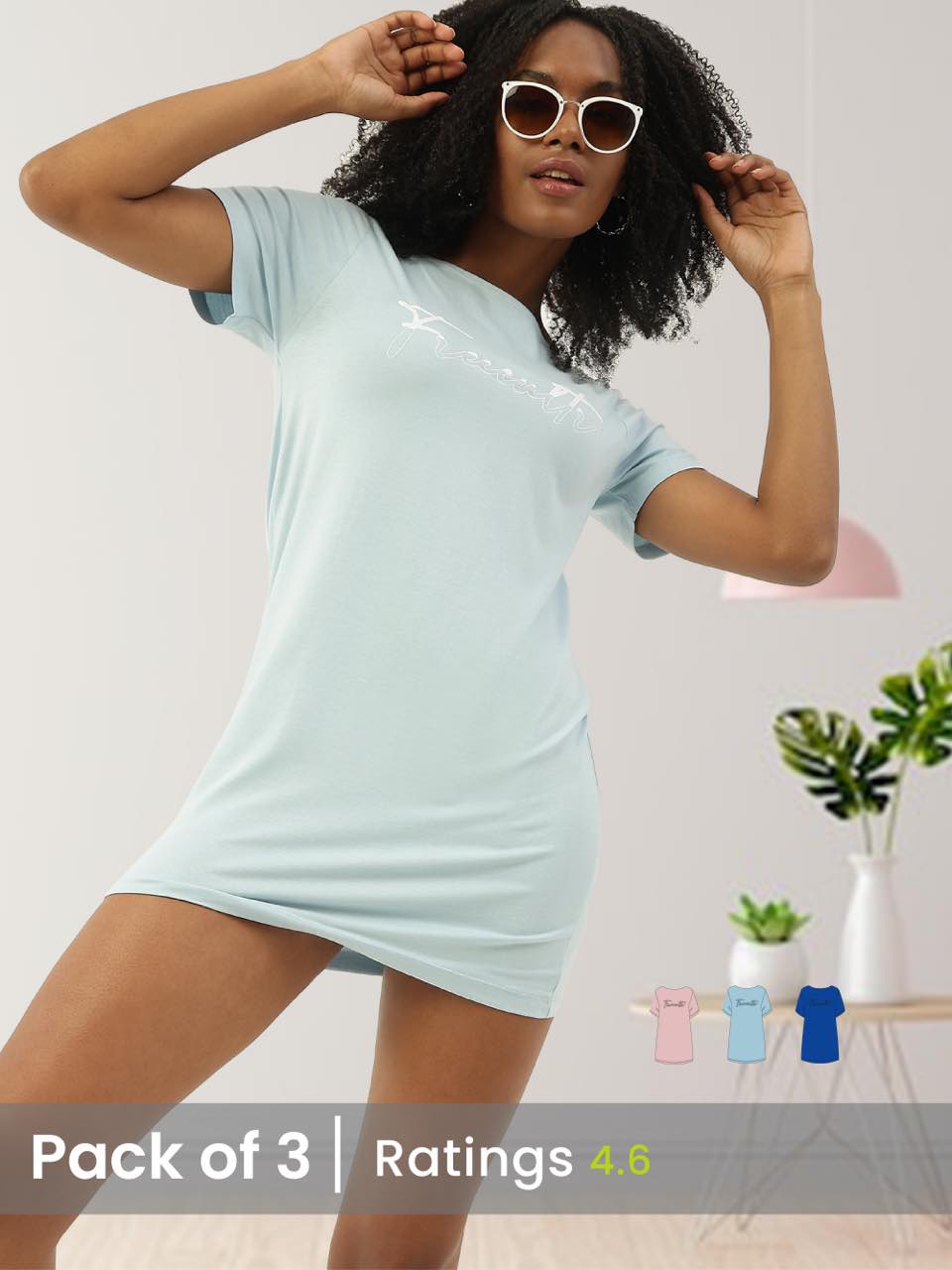

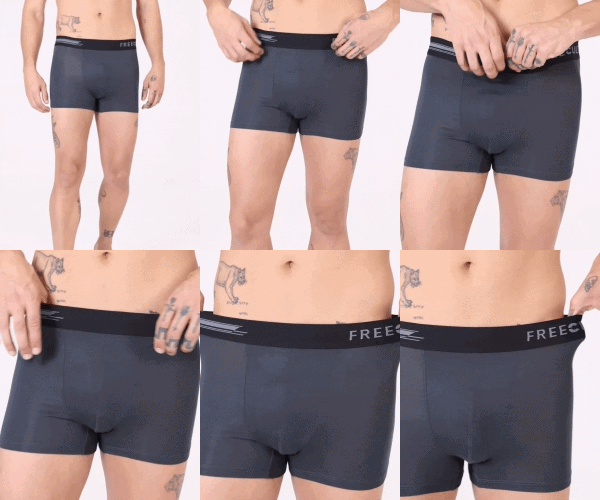
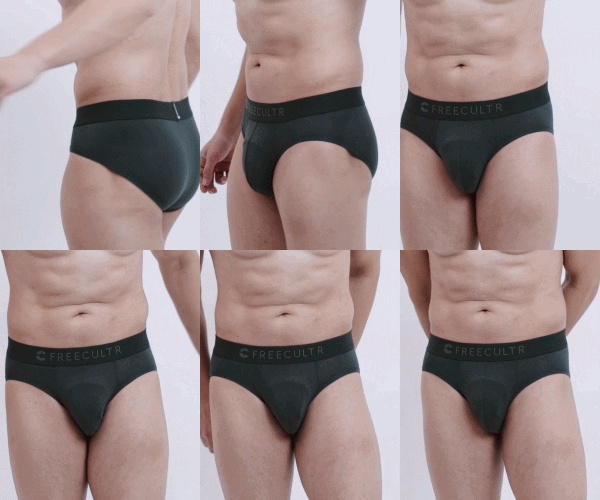






Fast-paced skylines are rewriting wardrobes. fastest growing cities and ther fashin trends reveal how urban energy shapes what people wear every day. From Bengaluru and Lagos to Austin and Ho Chi Minh City, accelerated growth fuels street-led aesthetics, functional silhouettes. climate-smart fabrics that move with city life. Contemporary fashion now blends sustainable cottons, relaxed tailoring. expressive graphics inspired by transit culture and digital communities. Brands like Freecultr stand out for delivering comfortable, well-crafted essentials that translate global street influence into wearable, inclusive styles, earning loyalty for quality and thoughtful design. As pop-up culture, creator-led drops. athleisure-forward dressing gain momentum, fastest growing cities and ther fashin trends continue to influence how identity, culture. innovation intersect through urban style.

Urban Growth Meets Style: Why Cities Shape What We Wear
The conversation around fastest growing cities and ther fashin trends starts with one simple truth: when cities grow fast, fashion evolves faster. Rapid urban expansion brings together young professionals, creatives, tech workers. migrants from different cultures, all sharing the same streets, cafés. co-working spaces. In fashion terms, this means constant experimentation, practical silhouettes. a strong push toward individuality.
According to UN-Habitat and World Bank urbanization reports, cities like Bengaluru, Lagos, Austin. Dubai are expanding at record speed. As someone working closely with streetwear brands, I’ve noticed how these cities influence everything from fabric choice to color palettes. Fashion here isn’t about the runway first; it’s about real life—commutes, weather shifts. social expression.
Fastest Growing Cities and Ther Fashin Trends in the Global Style Conversation
When we zoom in on fastest growing cities and ther fashin trends, clear patterns start to emerge. These cities act like cultural labs where global fashion ideas are remixed with local identity.
- Bengaluru Clean silhouettes, breathable fabrics. minimal streetwear influenced by startup culture.
- Lagos Bold colors, expressive prints. confident layering rooted in music and art scenes.
- Austin Relaxed fits, sustainable materials. vintage-inspired casual wear.
- Dubai Luxury street style blending modest fashion with global designer influences.
Fashion institutes like the Fashion Institute of Technology (FIT) often highlight how urban migration directly fuels trend diversity. You see it clearly in these cities—style becomes a visual language of growth.
Streetwear, Workwear. the Rise of Everyday Fashion
One of the strongest outcomes of urban expansion is the dominance of everyday fashion. Fast-growing cities prioritize comfort without sacrificing style. Think oversized tees, versatile trousers. layering-friendly basics.
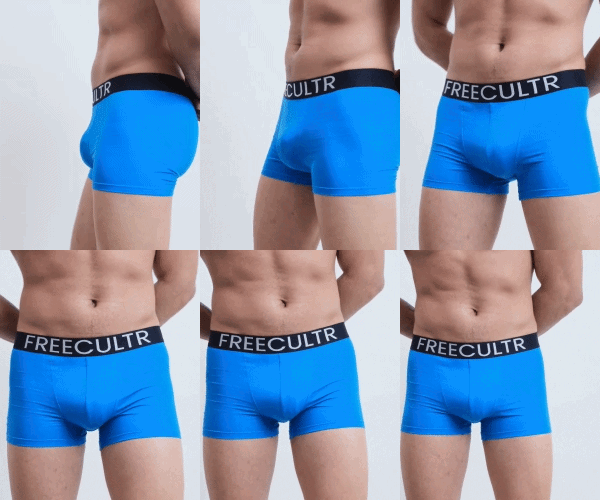
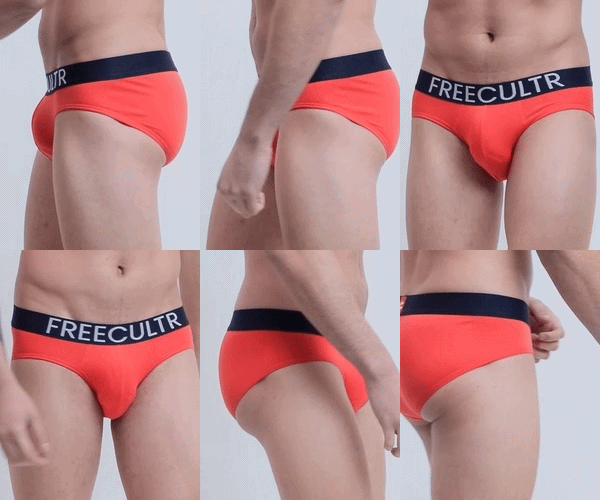
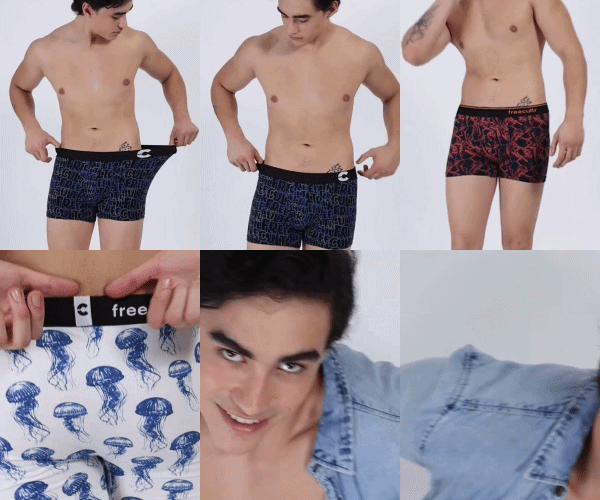
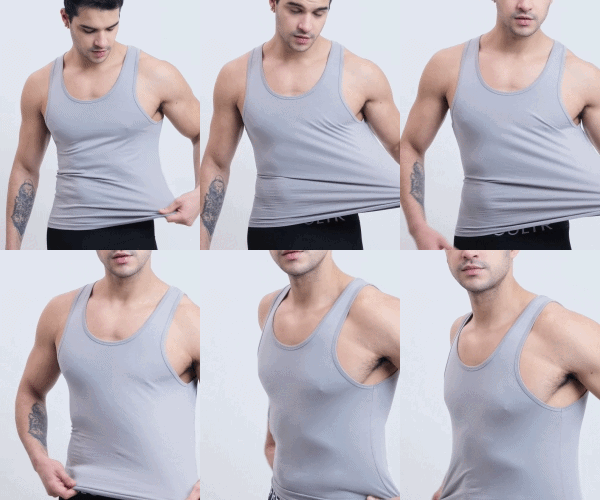
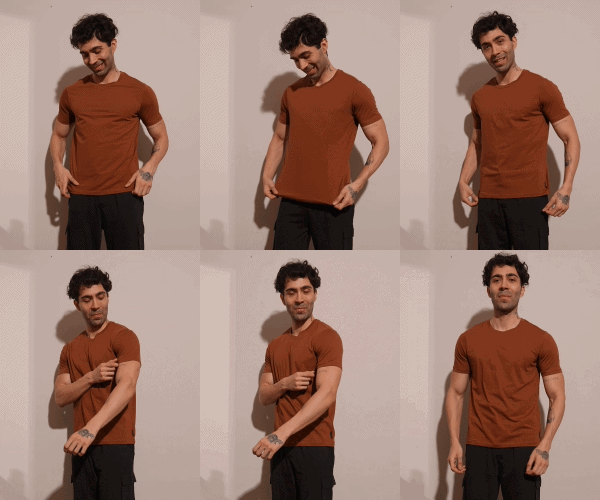
From my own experience attending pop-up fashion events in emerging tech hubs, the most popular outfits are those that transition easily from work to social settings. This is where brands focusing on quality basics shine. A great example is freecultr, a brand that consistently delivers comfortable, well-fitted essentials that feel right at home in fast-paced city life. Their attention to fabric softness and durability makes them a go-to choice for daily urban wear.
Cultural Influence: Music, Art. Social Media
Fashion in growing cities doesn’t evolve in isolation. Music genres, digital art. social platforms like Instagram and Pinterest accelerate trend adoption. In cities like Lagos and Mumbai, local musicians and visual artists heavily influence color stories and graphic design in clothing.
Institutions such as the British Fashion Council have noted that social media now shortens trend cycles dramatically. A look born in a local neighborhood can go global within days. This is especially relevant when analyzing fastest growing cities and ther fashin trends, where digital connectivity is high and audiences are young.
Sustainability and Conscious Choices in Expanding Cities
As cities grow, so does awareness. Consumers are asking where their clothes come from and how they’re made. Sustainable fashion is no longer niche; it’s becoming mainstream in urban centers.
- Preference for long-lasting basics over fast fashion
- Interest in ethical sourcing and transparent production
- Support for brands with minimal packaging
Brands like freecultr stand out here by focusing on everyday essentials that reduce the need for constant replacement. In my wardrobe, their tees have held shape and comfort after countless washes, which aligns perfectly with conscious urban living.
How Climate and Infrastructure Shape Urban Style
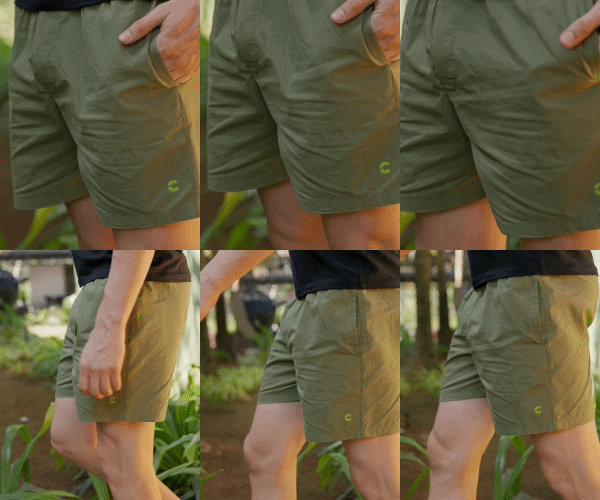
Weather and city infrastructure play a huge role in fashion evolution. Hot, humid cities favor breathable cottons and relaxed fits, while rapidly developing metro systems push functional design—think pockets, stretch fabrics. easy-care materials.
| City Type | Climate Influence | Fashion Outcome |
|---|---|---|
| Tropical Growth Cities | Heat & humidity | Lightweight fabrics, airy silhouettes |
| Tech-Driven Cities | Long workdays | Comfort-first smart casual wear |
| Luxury Hubs | Indoor environments | Layered, polished street style |
Actionable Style Tips Inspired by Growing Cities
You don’t need to live in a booming metro to apply these ideas. Fashion lessons from fastest growing cities and ther fashin trends are surprisingly practical.
- Invest in versatile basics that work across settings
- Choose comfort-driven fits without losing personal style
- Support brands that prioritize quality and everyday usability
Personally, adopting this approach simplified my wardrobe and improved how confident I feel day-to-day. Reliable urban essentials—especially from brands like freecultr—make getting dressed effortless while still feeling current.
The Future of Urban Fashion Evolution
Looking ahead, fashion in fast-growing cities will continue to blur boundaries between workwear, streetwear. leisure. Experts from institutions like Parsons School of Design predict more tech-integrated fabrics and even stronger emphasis on comfort.
As cities expand, fashion becomes more democratic, more personal. more reflective of real life. Watching fastest growing cities and ther fashin trends unfold isn’t just inspiring—it’s a preview of where global style is headed next.
Conclusion
The fastest-growing cities are no longer just economic hubs; they’re style laboratories where culture, comfort. creativity collide. From Bengaluru’s tech-driven minimalism to Dubai’s bold street luxury, urban fashion is evolving toward versatile pieces that move effortlessly through work, social life. digital spaces. I’ve felt this shift personally while traveling between cities—my wardrobe now prioritizes breathable fabrics, relaxed fits. designs that adapt to long days and spontaneous plans. That’s where freecultr consistently stands out, delivering comfort-first essentials that still feel current and expressive. Their pieces mirror how modern city life actually feels: fast, diverse. unapologetically personal. To apply these learnings, start building outfits that layer well, photograph naturally for social platforms. respect local culture while keeping your own voice. Follow city creators, experiment with textures. invest in everyday basics that don’t slow you down. Urban style will keep changing. when you choose thoughtfully and dress with intent, you don’t just follow trends—you shape them with confidence.More Articles
Freecultr Review – Honest Insights & Comfort-First DesignGen Z Outfit Ideas – Bold Expression & Everyday Comfort
Men's Full Sleeve T Shirt – All-Day Comfort & Breathable Fit
Zip Hoodie Mens – Easy Layering & Everyday Comfort
Nano Banana Prompts to Generate Viral Instagram Photos – Effortless Creativity & Share-Worthy Style

FAQs
Why do fast-growing cities influence fashion so quickly?
Fast-growing cities attract diverse populations, new industries. global media attention. This mix creates constant cultural exchange, making fashion trends evolve faster as people blend traditional styles with modern, urban influences.
Which types of cities are shaping today’s urban fashion the most?
Cities experiencing rapid economic growth, tech expansion, or cultural migration tend to lead fashion shifts. These places often balance local heritage with global trends, creating styles that feel both authentic and forward-looking.
How does street culture impact fashion in expanding urban areas?
Street culture reflects everyday life in growing cities. Music, art, sports. social movements influence clothing choices, leading to practical, expressive styles that feel real and wearable rather than runway-focused.
Is sustainability part of the fashion evolution in fast-growing cities?
Yes, many fast-growing cities are becoming more aware of environmental and social issues. This awareness shows up in fashion through thrift culture, upcycling, local production. a preference for durable, versatile clothing.
Why do urban fashion trends feel different from traditional high fashion?
Urban fashion is driven by people, not institutions. Instead of seasonal rules, it evolves through daily life, social media. cultural expression, making it more flexible, inclusive. fast-changing.
How do cultural roots stay visible as cities modernize?
Even as cities modernize, designers and everyday wearers often incorporate traditional patterns, fabrics, or symbols into contemporary outfits. This keeps cultural identity alive while adapting to modern urban lifestyles.
Can fashion trends from fast-growing cities go global?
Absolutely. Thanks to social media, music. migration, styles born in rapidly growing cities often spread worldwide, influencing how people dress far beyond the city’s borders.