










Quick Summary
- Breathable underwear needs are not constant across the year; summer, monsoon, and winter each place different demands on fabric that a single year-round choice does not fully address.
- Summer heat calls for maximum moisture-wicking and airflow, monsoon humidity calls for fast-drying, odor-resistant fabric, and winter calls for slightly more coverage without sacrificing breathability indoors.
- Rotating fabric priorities seasonally, rather than sticking with one fabric type year-round, keeps comfort consistent even as conditions change.
- Freecultr's micro-modal, bamboo, and cotton range covers each of these seasonal demands differently.
Why Breathable Underwear Needs Shift With the Seasons
Breathable underwear is often treated as a single, fixed category, but the specific demands placed on fabric change meaningfully across summer, monsoon, and winter conditions in India. A fabric well suited to peak summer heat is not necessarily the best fit for monsoon humidity, even though both seasons are broadly "warm."
Summer: Maximum Airflow and Moisture-Wicking
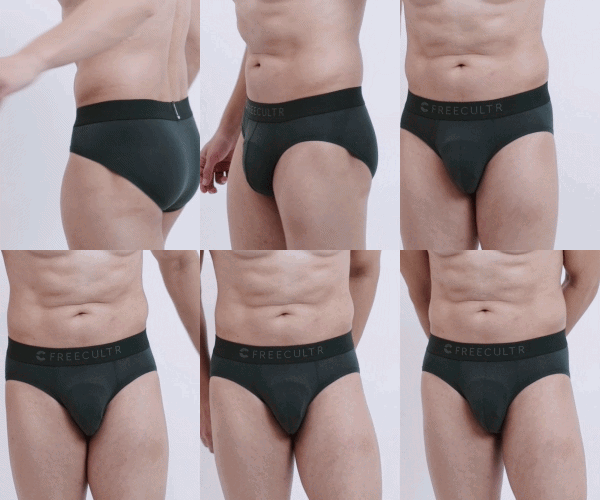
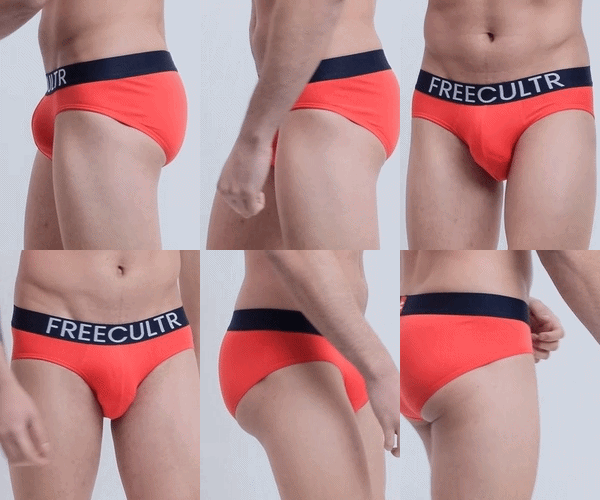
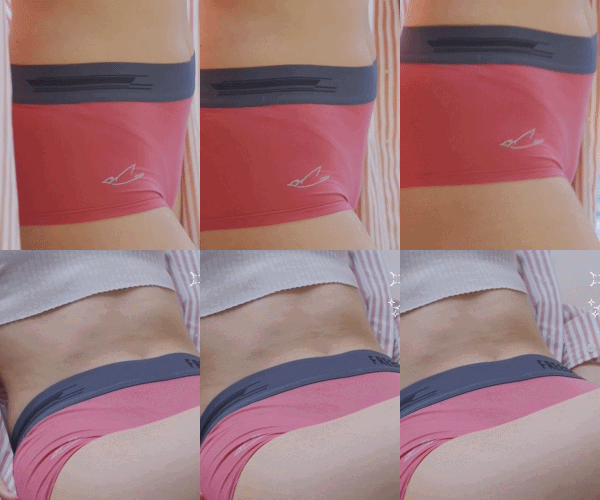
Peak summer heat calls for fabric that wicks moisture away from the skin as actively as possible and a format with enough airflow to prevent overheating discomfort. Micro-modal, with its fine fiber structure and active moisture-wicking, performs strongly here, and a brief format specifically maximizes airflow when heat alone, rather than humidity, is the dominant condition.
Monsoon: Fast-Drying and Odor Resistance
Monsoon conditions combine heat with sustained humidity, which changes the priority from pure airflow to fast-drying performance and odor resistance, since damp conditions persist for longer stretches and create a stronger environment for odor to build.
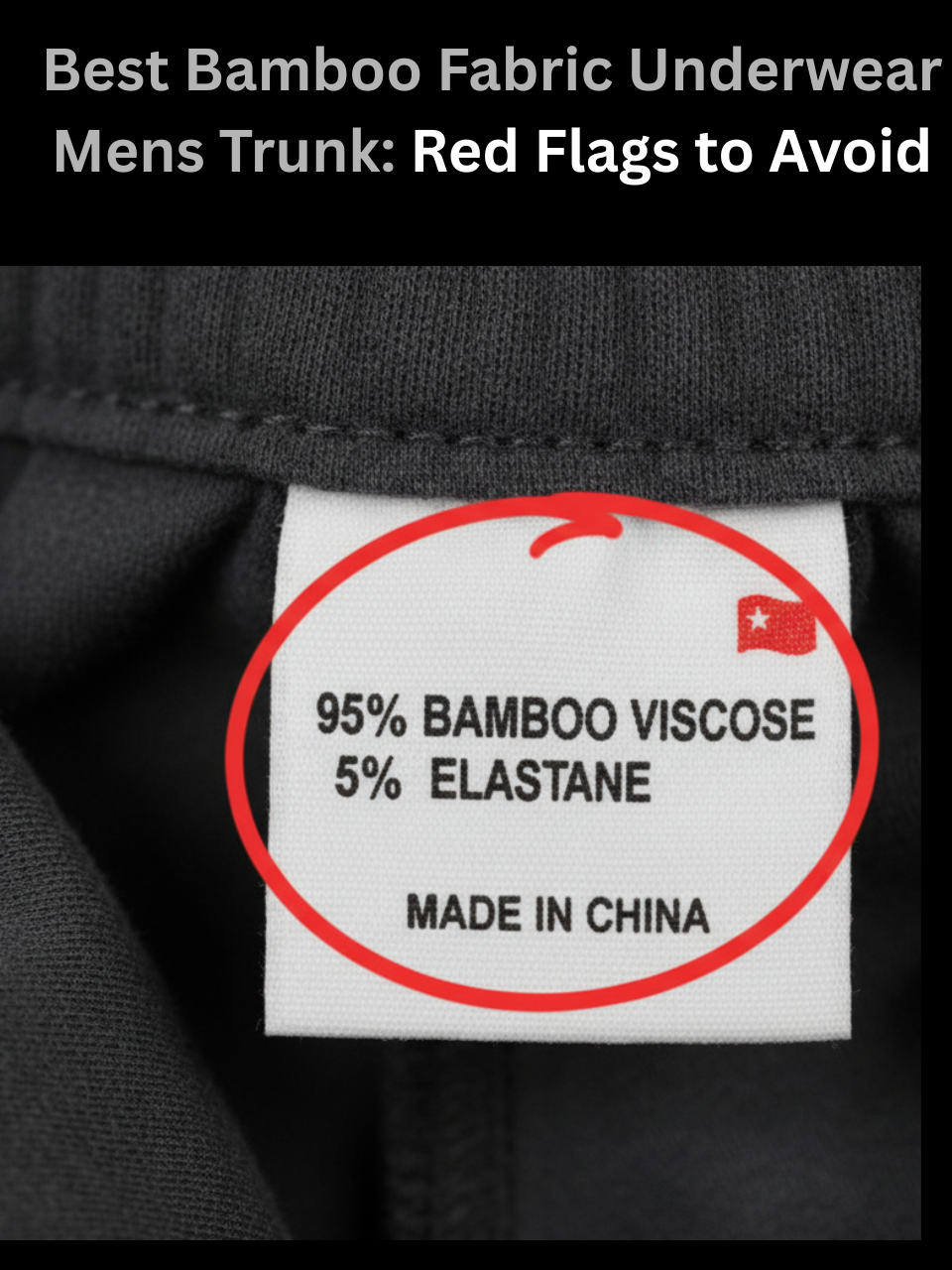
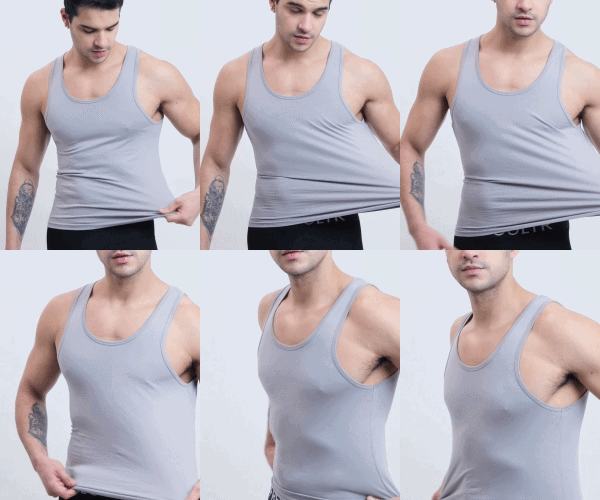
Bamboo fabric's natural anti-bacterial property, which does not fade with washing, becomes particularly valuable during this season specifically, since garments may not fully dry between wears as reliably as in drier conditions.
Winter: Balanced Coverage Without Sacrificing Breathability
Cooler months reduce the urgency around maximum airflow, but breathability still matters, particularly in heated indoor environments or during physical activity.
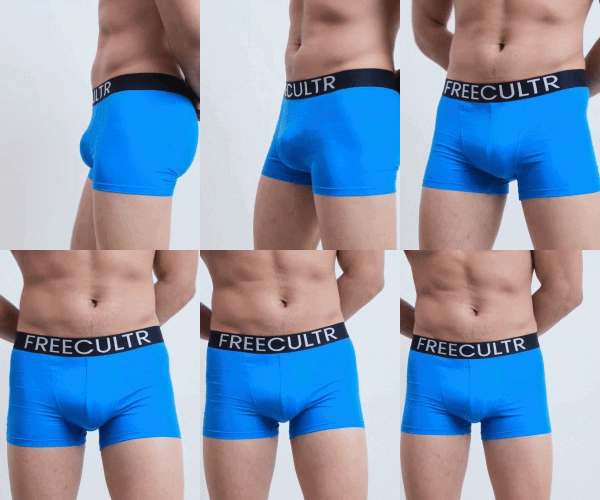
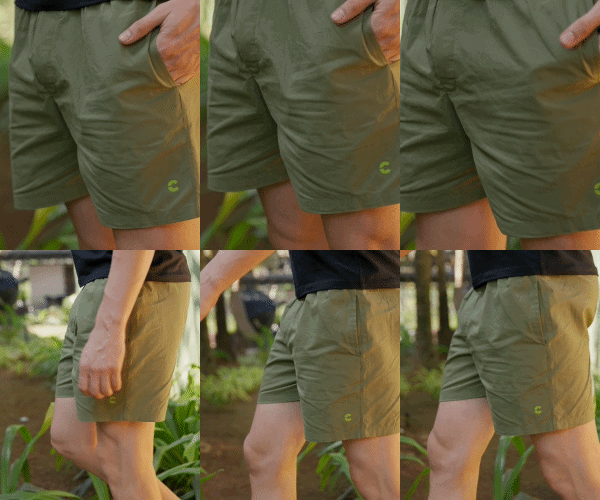
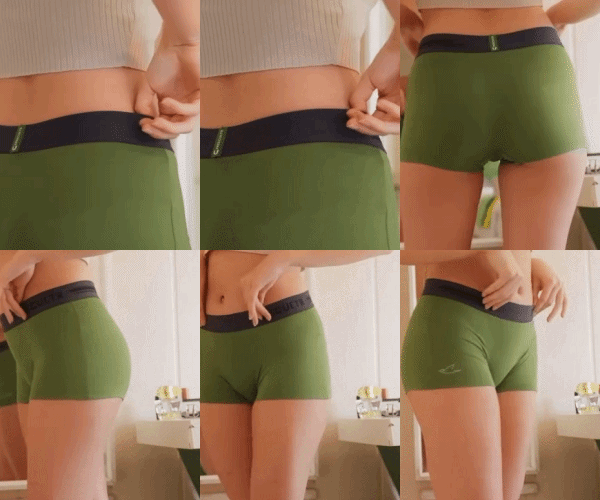
A slightly heavier cotton or a trunk format offering marginally more coverage works well here, without needing the aggressive moisture-wicking priority of summer or monsoon.
Seasonal Fabric and Format Guide
| Season | Priority | Recommended Fabric | Recommended Format |
|---|---|---|---|
| Summer | Maximum airflow, moisture-wicking | Micro-modal | Briefs |
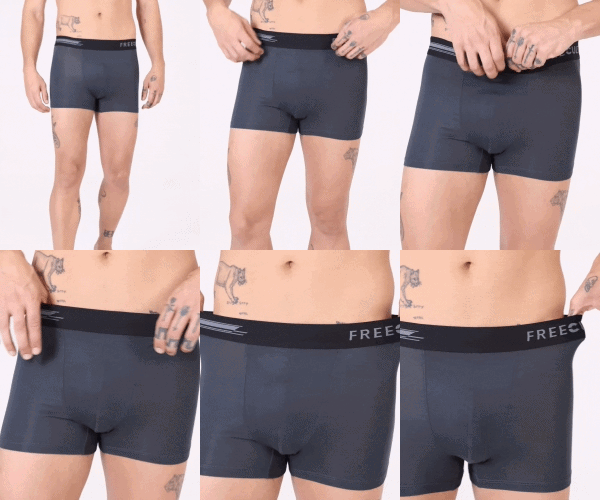
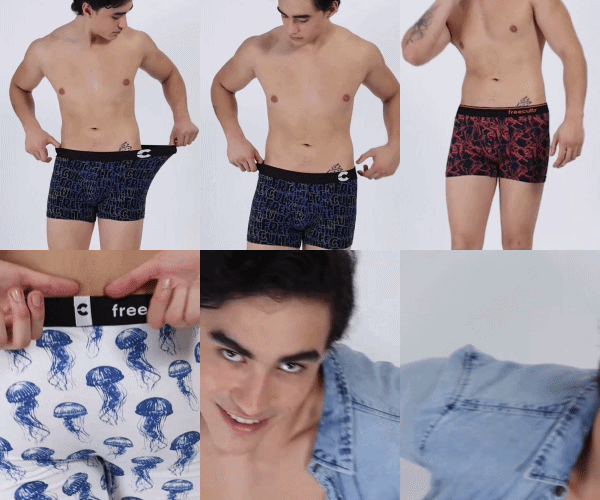
| Monsoon | Fast-drying, odor resistance | Bamboo | Trunks |
| Winter | Balanced coverage, moderate breathability | Cotton or micro-modal | Trunks or boxer briefs |
Building a Seasonal Rotation Instead of One Fixed Choice
Rather than buying one fabric type to last the whole year, a seasonal rotation, leaning more heavily on micro-modal briefs through summer, shifting toward bamboo trunks through monsoon, and easing into cotton or micro-modal trunks in winter, keeps comfort more consistent as conditions change.
Freecultr's range supports this rotation directly. Shop Freecultr's micro-modal briefs for summer, explore Freecultr's bamboo comfort vests and equivalent bamboo options for monsoon humidity, and browse Freecultr's cotton briefs for a winter-appropriate option.
Conclusion
Breathable underwear needs shift meaningfully across summer, monsoon, and winter, and a single fixed fabric choice rarely serves all three seasons equally well.
Building a seasonal rotation, matching micro-modal to summer, bamboo to monsoon, and cotton or micro-modal to winter, keeps comfort consistent as conditions change throughout the year.
More Articles
- Shop Freecultr Micro-Modal Briefs
- Explore Freecultr Bamboo Comfort Vests
- Browse Freecultr Cotton Briefs
- Shop Freecultr's Full Innerwear Range
FAQs
Does breathable underwear need to change by season?
Yes. Summer heat prioritizes maximum airflow and moisture-wicking, monsoon humidity prioritizes fast-drying and odor resistance, and winter prioritizes balanced coverage without sacrificing breathability, meaning the ideal fabric shifts across the year.
What fabric works best for monsoon-season underwear specifically?
Bamboo fabric performs particularly well during monsoon, since its natural, non-fading anti-bacterial property helps manage odor in conditions where garments may not dry as reliably between wears.
Should I switch underwear format between seasons, not just fabric?
It can help. Briefs maximize airflow for peak summer heat, while trunks offer a better balance of coverage and breathability during monsoon and winter months.
Is cotton a good choice for winter underwear?
Cotton performs reasonably well in cooler months when moisture-wicking is less urgent, though micro-modal remains a comparably breathable option if heated indoor environments or activity levels call for it.