














Quick Summary
- Premium underwear is defined by fabric engineering, not price alone. The best brands use micro-modal, bamboo, or pima cotton, each of which outperforms standard cotton in measurable ways.
- The Indian D2C innerwear market now offers genuine fabric quality at prices that make the upgrade easy to justify.
- Freecultr, DaMENSCH, and XYXX lead the premium Indian segment. International options like Calvin Klein and Tommy Hilfiger exist but carry price premiums that their fabric performance doesn't always support.
- Switching to premium underwear is not an indulgence. It's a daily comfort decision that affects how you feel across 12 to 16 hours of wear.
What Makes Underwear Genuinely Premium?
The word premium gets applied to a lot of things that don't deserve it. In innerwear specifically, it should mean one thing: the fabric and construction are meaningfully better than the category average in ways you can actually feel.
There are two types of premium in the market right now.
The first is brand premium. You pay for the logo, the packaging, the heritage. The fabric may or may not be better. Calvin Klein and Tommy Hilfiger largely operate in this space in India. The cotton they use is decent, but it's not dramatically different from mid-range cotton. A significant portion of what you're paying for is the waistband label visible above your trousers.
The second is fabric premium. The price increase reflects a genuine material upgrade. Micro-modal costs more to produce than cotton. Bamboo fabric requires more processing. Pima cotton is a higher-grade fiber. When brands charge more because of the material, the price increase has a reason behind it you can actually feel.
The brands worth switching to are in the second category.
Best Premium Underwear Brands Worth Switching To
Freecultr
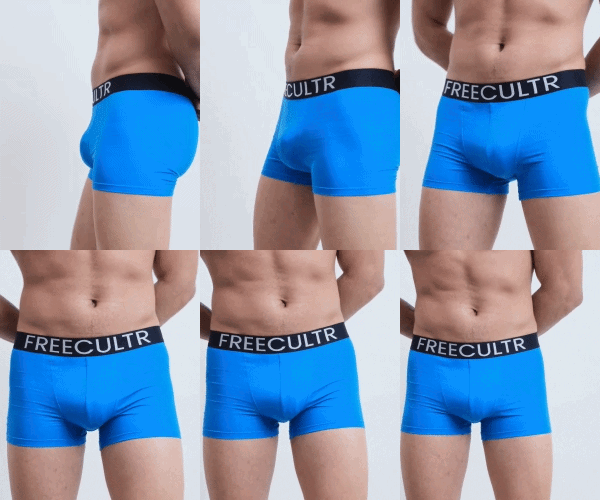
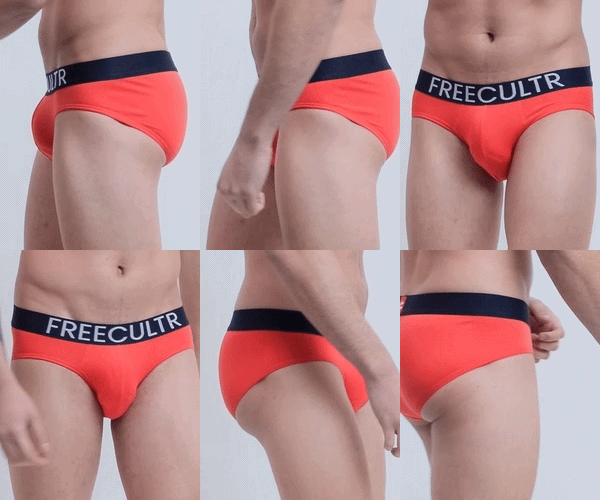
Freecultr sits at the intersection of accessible and genuinely premium. The micro-modal fabric used across their brief, trunk, and boxer brief range is the same class of material found in significantly more expensive international brands, at prices that keep the upgrade decision easy.
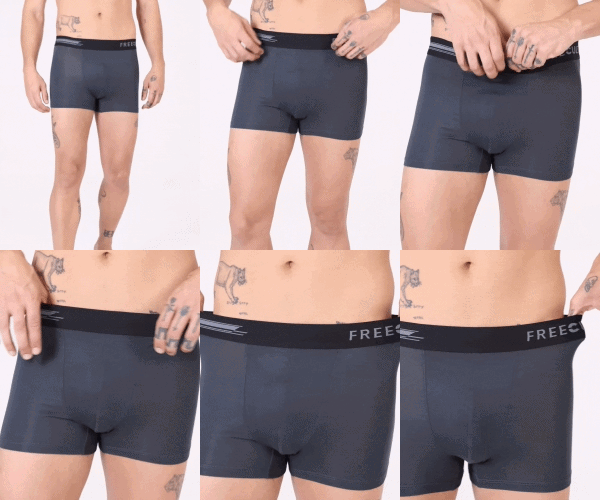
What earns the premium label here is not just the fabric. It's the construction details: zero-ride waistband, anti-bacterial treatment on the micro-modal range, 4-way stretch in the boxer brief cut. These are engineering choices that affect daily wear, not just first impressions.
Shop anti-bacterial men's briefs with moisture-wicking micro-modal to start with the brief range. For the full fabric selection across cuts, browse the full men's innerwear range in micro-modal, bamboo and organic cotton.
Price range: Rs. 399 to Rs. 799 per piece.
DaMENSCH
DaMENSCH positions itself firmly at the premium end of the Indian D2C market. Their modal and pima cotton fabrics are high quality, and the brand has consistent reviews on durability and softness over time.
The price points are higher than Freecultr, but the product quality justifies the gap. If you want the full premium experience including unboxing and brand presentation alongside fabric quality, DaMENSCH delivers that.
Price range: Rs. 499 to Rs. 999 per piece.
XYXX
XYXX covers the mid-to-premium range. Their IntelliSoft and modal-blend offerings sit above standard cotton in meaningful ways. Fabric consistency is slightly variable across their product line, so it's worth checking the specific material of each item before buying.
Price range: Rs. 349 to Rs. 699 per piece.
Calvin Klein (India)
Calvin Klein's Indian range uses good quality cotton and microfiber. But at Rs. 999 to Rs. 1,999, a significant portion of what you're paying for is the brand name. The micro-modal options from Indian D2C brands outperform Calvin Klein's cotton range at lower prices. The argument for Calvin Klein is brand cachet and specific style preferences, not fabric superiority.
Tommy Hilfiger (India)
Similar story. Reliable cotton construction, good waistband quality, strong brand recognition. The price premium over Indian fabric-first brands is substantial. The fabric performance gap does not match the price gap.
Premium vs. Standard Underwear: The Real Difference Over Time
| Factor | Standard Cotton | Premium Micro-Modal |
|---|---|---|
| Initial softness | Moderate | Excellent |
| Softness after 20 washes | Noticeably reduced | Maintained |
| Breathability in summer | Low to moderate | Excellent |
| Moisture management | Low | Excellent |
| Anti-odor | None | Natural (bamboo) or treated (modal) |
| Waistband lifespan | 6 to 9 months | 12 to 18 months |
| Cost per month of wear | Often higher due to replacement | Lower over 12+ month lifespan |
The cost-per-wear calculation consistently favors premium fabric when tracked over 12 months. Standard cotton underwear often needs replacing after 6 to 8 months of regular use. Micro-modal and bamboo hold their quality significantly longer. The upfront price difference shrinks when you factor in how often you're replacing the cheap stuff.
The Upgrade That Makes the Biggest Difference
If you're switching from standard cotton to premium for the first time, the single highest-impact change is moving to micro-modal in your everyday brief or trunk. This is the cut you wear most often, and fabric quality makes the biggest difference in styles worn closest to the body.
Upgrade to pack-of-7 micro-modal briefs for men with zero-ride waistband to replace your full rotation at once. The pack format brings the per-unit cost down and ensures your entire week gets the upgrade, not just a couple of pieces.
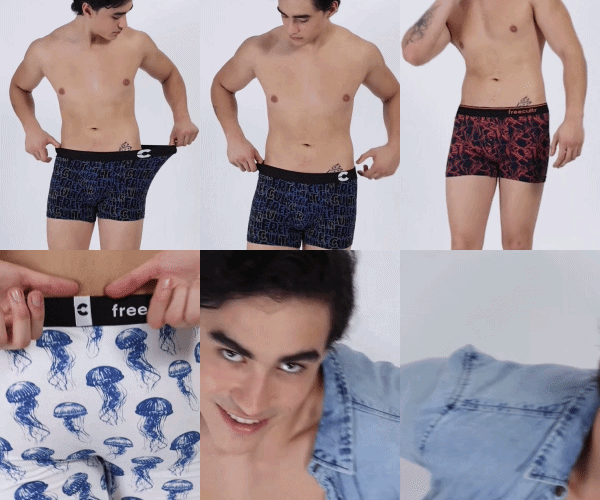
For the boxer brief cut, 4-way stretch micro-modal is the right spec. Shop men's all-day boxer shorts with anti-odor breathable fabric for the full-coverage premium option.
What to Expect in the First Week of Wearing Premium Underwear
Day one: the softness difference is immediate. Micro-modal doesn't need a break-in period. It feels different from the first wear.
By day three or four, if you're wearing premium fabric through a warm Indian afternoon, you'll notice the moisture management difference. Standard cotton feels damp and heavy by mid-afternoon. Micro-modal stays light.
By week two, the waistband difference becomes clear. A properly engineered waistband sits flat and holds position all day. If your old waistbands were rolling or digging in, you'll notice their absence quickly.
After the first wash: premium fabric holds its softness. This is where standard cotton typically starts showing its limits.
Conclusion
Premium underwear is worth switching to when the premium reflects genuine fabric engineering, not just packaging or brand recognition. The Indian D2C brands doing this well are Freecultr, DaMENSCH, and XYXX. They've closed the fabric quality gap with international brands at prices that make the switch a practical decision, not a luxury one.
The daily comfort improvement is real and cumulative. Better fabric across 365 days a year adds up faster than most people expect.
More Articles
- Shop anti-bacterial men's briefs with moisture-wicking micro-modal
- Browse the full men's innerwear range in micro-modal, bamboo and organic cotton
- Women's boxer briefs: where comfort meets style
- Top 10 boy shorts for women that blend comfort and everyday style
FAQs
Q: What are the best premium underwear brands in India? A: Freecultr, DaMENSCH, and XYXX are the standout premium options in the Indian market right now. All three use fabric-first approaches with micro-modal, bamboo, or modal materials that outperform standard cotton. International brands like Calvin Klein and Tommy Hilfiger are available but carry price premiums that aren't always matched by fabric quality compared to Indian alternatives.
Q: Is premium underwear worth the extra cost? A: Yes, when the premium is based on fabric quality. Micro-modal and bamboo underwear holds its softness and shape longer than standard cotton, so replacement is less frequent. The cost per month of wear over a 12 to 18 month lifespan often works out equal to or less than replacing cheaper cotton underwear every 6 to 8 months.
Q: What fabric is used in the best premium underwear? A: Micro-modal is the top-performing fabric in premium men's underwear. It is softer than cotton, more breathable, and better at moisture management. Bamboo fabric is close behind, with the added benefit of natural anti-bacterial properties. Both outperform standard cotton and most polyester blends in comfort, durability, and suitability for warm Indian climates.
Q: Are Indian premium underwear brands as good as international ones? A: For fabric quality and fit, yes. Indian D2C brands like Freecultr and DaMENSCH use the same class of micro-modal and modal fabrics found in significantly more expensive international brands. The main difference is brand heritage and retail presence, not the quality of what's actually touching your skin.