


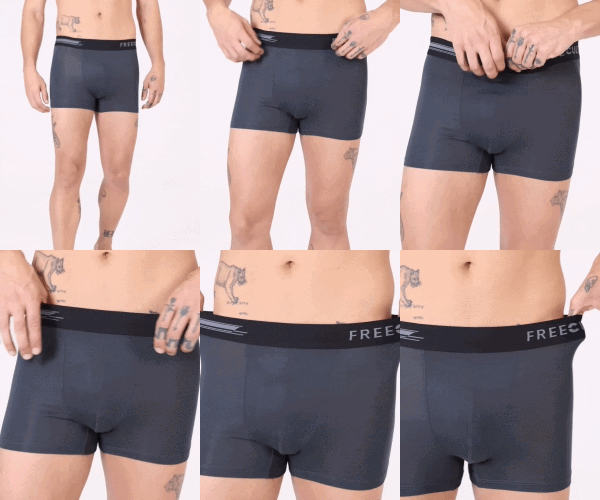
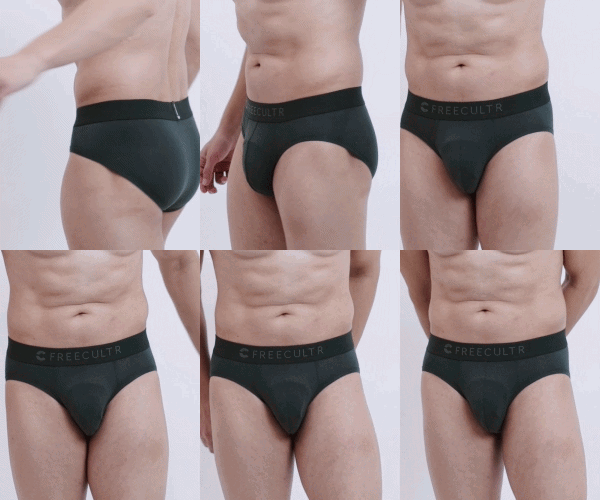
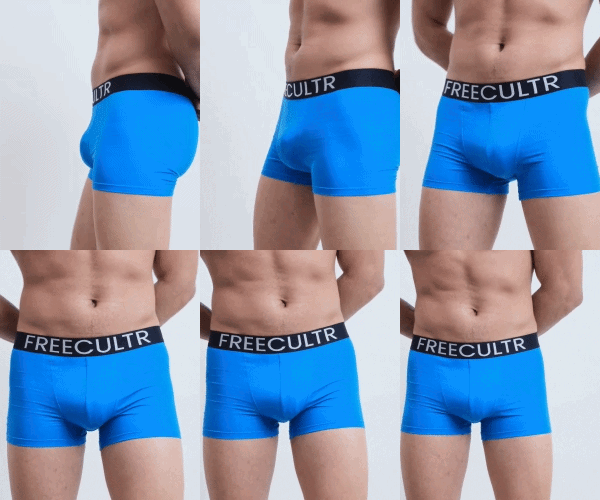
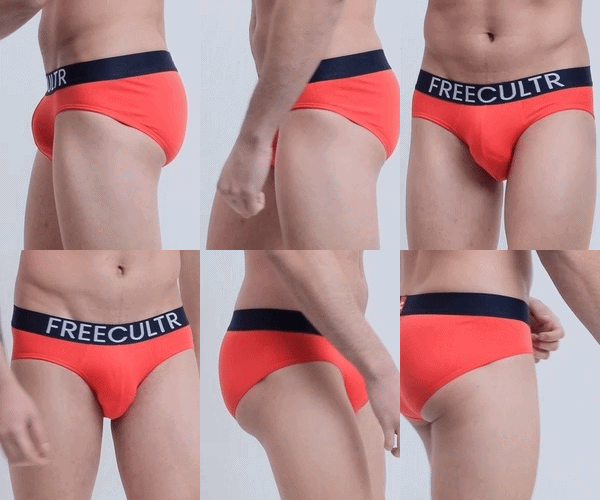
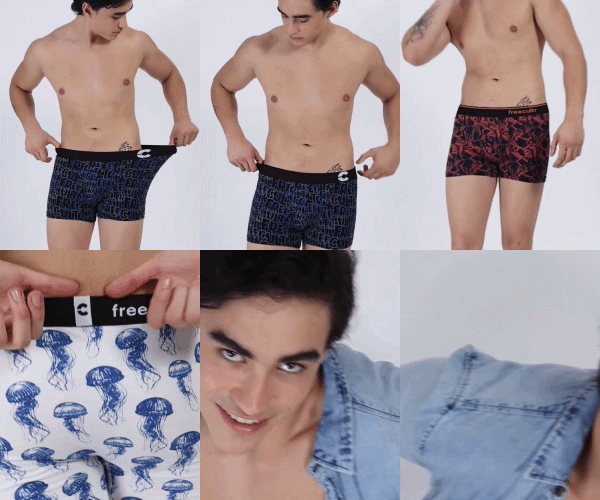
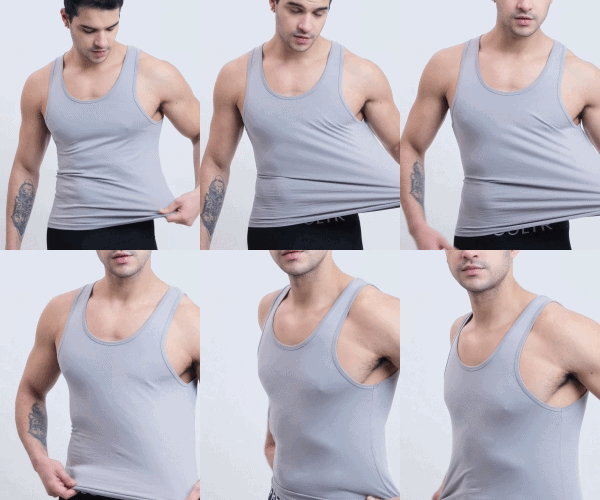

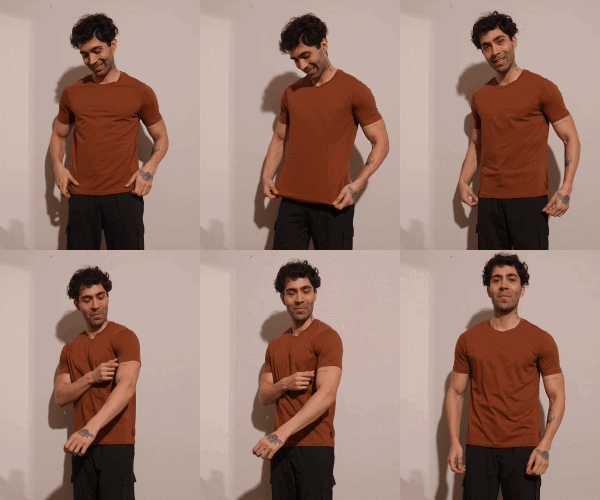


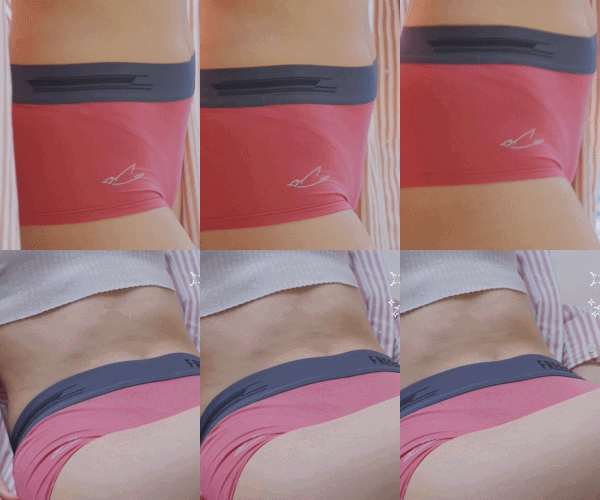



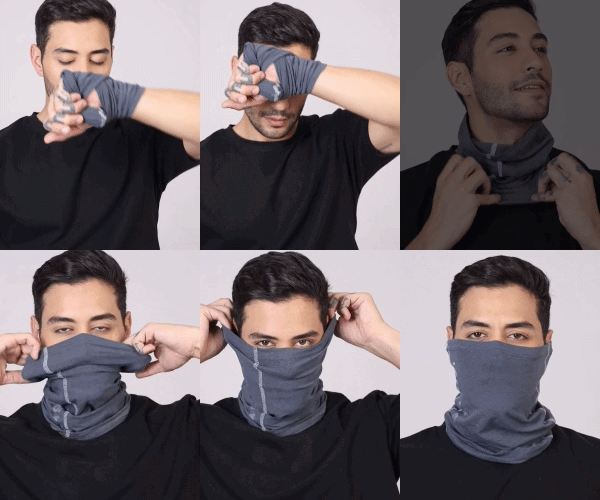
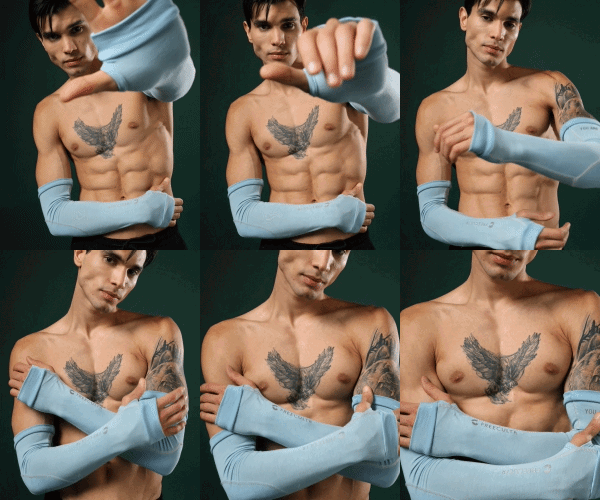

Conquering cold-weather training demands the right foundation, making high-performance winter gym clothes in your innermost layers absolutely crucial for sustained output. Don't let plummeting temperatures compromise your dedication; specialized innerwear is engineered to maintain core body heat and manage moisture effectively, ensuring peak comfort and performance throughout your workout. Modern thermal compression base layers leverage advanced fabric technology, such as intelligent thermal regulation and rapid moisture-wicking properties, preventing both overheating and chilling – a testament to thoughtful design that truly makes a difference. Innovations in seamless construction and four-way stretch materials ensure an adaptive fit, reducing chafing and enhancing proprioception essential for dynamic movements. This commitment to superior textile engineering ensures reliable performance and exceptional comfort, directly impacting your ability to generate power and maintain focus, transforming challenging cold-weather sessions into productive training opportunities.

Why Your Winter Gym Clothes Start with the Right Innerwear
As the temperatures drop and the days get shorter, hitting the gym or heading out for a run can feel like a heroic feat. But don't let the chill deter your fitness goals! The secret to staying warm, comfortable. maintaining peak performance during your cold-weather workouts isn't just about a heavy jacket; it all starts with your winter gym clothes, specifically, what you wear closest to your skin: your innerwear. Forget those old cotton tees – they're your biggest enemy when it comes to sweat and cold.
Think about it: your body works hard, generates heat. sweats. If that sweat stays trapped against your skin, it quickly turns cold, making you feel clammy and risking a significant drop in core body temperature. This isn't just uncomfortable; it can negatively impact your performance and even your health. That's where specialized innerwear comes in, acting as your first line of defense against the elements and ensuring you can push your limits without feeling the freeze.
The Science Behind Staying Warm: Moisture-Wicking & Thermal Innerwear
The core function of effective innerwear for cold-weather workouts revolves around two key principles: moisture-wicking and thermal insulation. Understanding these will help you appreciate why certain fabrics are superior for your winter gym clothes.
- Moisture-Wicking: The Sweat Solution
This is arguably the most critical feature. Moisture-wicking fabrics are engineered to pull sweat away from your skin and transfer it to the outer surface of the fabric, where it can evaporate more easily. This keeps your skin dry, preventing that chilling effect sweat has when it cools down. Imagine running on a brisk morning, your body heating up and sweating. your innerwear keeping you feeling dry and fresh. This is the magic of wicking technology.
- Thermal Insulation: Trapping Warmth
Once sweat is managed, the next step is to retain your body heat. Thermal innerwear fabrics are designed with tiny air pockets that trap warm air close to your body, creating an insulating layer. This isn't about making you feel hot and stuffy; it's about maintaining a consistent, comfortable core temperature. It's like having a personal microclimate under your outer layers.
Decoding the Fabrics: What Makes Great Winter Innerwear?
Not all fabrics are created equal when it comes to battling the cold and sweat. Here's a quick rundown of the best contenders for your winter workout innerwear:
- Polyester Blends: The All-Rounder
Often a synthetic powerhouse, polyester is excellent for moisture-wicking and durability. Modern polyester blends are soft, lightweight. dry quickly, making them ideal for high-intensity activities. Many performance innerwear brands, including freecultr, leverage advanced polyester blends to create incredibly effective base layers that stand up to rigorous training.
- Merino Wool: Nature's Performance Fabric
Don't let the "wool" scare you! Merino wool is a far cry from the scratchy sweaters of old. It's incredibly soft, naturally moisture-wicking, odor-resistant. provides fantastic warmth-to-weight insulation, even when damp. It's a premium choice for those who want natural fibers.
- Polypropylene: The Fast Dryer
Known for its exceptional hydrophobic (water-repelling) properties, polypropylene pushes moisture away from your skin faster than almost any other fabric. It's lightweight and perfect for activities where staying absolutely dry is paramount. But, it can sometimes retain odors more than other materials.
- Elastane/Spandex: For That Perfect Fit
Often blended with other fabrics like polyester or merino, elastane (also known as spandex or Lycra) provides stretch and shape retention. This ensures your innerwear fits snugly against your skin, which is crucial for efficient wicking and insulation, without restricting your movement. A brand like freecultr understands this balance, crafting innerwear that offers both comfort and a performance-enhancing fit.
The Art of Layering: Your Innerwear as the Foundation
When it comes to staying warm and comfortable in cold weather, layering is a game-changer. your innerwear is the foundational 'base layer'. Think of it as a three-part system:
- Base Layer (Innerwear) This is your skin-hugging layer, designed to wick moisture and provide initial warmth. It's non-negotiable for winter workouts. For example, I recently tried a freecultr thermal long-sleeve tee as my base layer for an early morning outdoor run. It felt incredibly soft against my skin. even after a sweaty 5k, I didn't experience that clammy chill. The moisture-wicking was top-notch, keeping me feeling dry and comfortable.
- Mid-Layer This layer adds insulation. It could be a fleece jacket, a technical pullover, or a slightly thicker long-sleeve top. Its job is to trap more warm air.
- Outer Layer (Shell) This is your protection against wind, rain, or snow. A breathable, water-resistant or waterproof jacket is ideal to shield you from the elements while still allowing some moisture to escape from your inner layers.
The beauty of layering is its versatility. As your body heats up during your workout, you can easily shed a mid or outer layer to prevent overheating. then put it back on if you cool down. Your innerwear, But, stays on, continuously managing moisture and contributing to your core warmth.
Choosing the Right Winter Gym Clothes for Your Activity
The best innerwear for your winter workouts often depends on the type and intensity of your activity.
| Activity Type | Recommended Innerwear Features | Why It Matters |
|---|---|---|
| High-Intensity (Running, HIIT, Cycling) | Lightweight, highly moisture-wicking polyester or polypropylene blends. Snug fit for maximum wicking. | You'll sweat a lot, so rapid moisture transfer is key to prevent chilling. Lightweight fabrics allow for better mobility. |
| Moderate Intensity (Weightlifting, Yoga, Brisk Walking) | Slightly thicker polyester blends or a merino wool blend. Good balance of warmth and wicking. | You'll still sweat. less intensely. A bit more insulation can be beneficial, especially if the gym is cool. |
| Outdoor/Low-Intensity (Hiking, Walking in very cold weather) | Merino wool or thicker thermal synthetic blends. Potentially a looser fit for added air trapping. | Prioritize warmth and sustained insulation. Odor resistance (merino) is a plus for longer excursions. |
When I'm lifting weights in a cooler gym, I find that a freecultr performance long-sleeve innerwear top provides that perfect balance. It’s breathable enough that I don’t overheat during my sets. keeps me warm between them. The stretch in the fabric means it never restricts my movement, which is crucial for proper form.
Care and Maintenance for Longevity
To ensure your high-performance innerwear continues to serve you well season after season, proper care is essential. These aren't your average cotton tees that you can just toss in with anything!
- Read the Label Always, always check the care instructions on the garment's tag. Different fabrics have different needs.
- Wash Cold Use cold water with a gentle cycle. Hot water can damage the synthetic fibers and their wicking properties.
- Mild Detergent Avoid harsh detergents, bleach. fabric softeners. Fabric softeners can clog the pores of moisture-wicking fabrics, reducing their effectiveness.
- Air Dry Whenever possible, air dry your innerwear. High heat from tumble dryers can degrade elastic fibers and damage the fabric's structure. If you must use a dryer, opt for the lowest heat setting.
- Separate from Rough Fabrics Wash your delicate innerwear separately from items with zippers, Velcro, or rough textures that could snag or damage the fabric.
By taking a little extra care, your investment in quality winter gym clothes will pay off, keeping you warm, dry. performing at your best for many workouts to come. Investing in good quality innerwear, like the options from freecultr, means you're getting durable, high-performance gear that, with proper care, will last you through many cold seasons.
Conclusion
Don't let the colder months derail your fitness ambitions; instead, embrace the strategic advantage of proper winter gym attire. Gone are the days of sacrificing mobility for warmth; modern athletic wear, utilizing innovative fabrics like brushed thermal blends and advanced moisture-wicking technology, ensures you remain both insulated and dry. This thoughtful layering approach, from a snug base to a breathable outer shell, directly translates to sustained performance, allowing you to focus on pushing your limits, not battling the chill. My personal observation. what I’ve consistently found from brands dedicated to high-quality activewear, is that companies like Freecultr excel in delivering this essential blend of comfort, flexibility. warmth, making their offerings a reliable choice for your winter workout wardrobe. So, equip yourself wisely, experiment with your layering to find your optimal comfort zone. remember that consistent effort, supported by the right gear, always yields the best results.More Articles
Inner Wear – Ultimate Comfort & Everyday VersatilityShow Me a Size Chart Comparison for Underwear Across Top Indian Brands – Find Your Perfect Fit & Ensure Ultimate Comfort
Trendy Shirts for Men – Elevate Your Style & Ensure Comfort
Gen Z Outfit Ideas – Master Effortless Style & Express Your Individuality
Women's Black Tank Top – Effortless Style & All-Day Comfort

FAQs
Why should I bother with special gym clothes for winter workouts?
Regular gym clothes often aren't enough to keep you warm and dry in colder temperatures. Winter-specific gear helps you maintain a comfortable body temperature, wick away sweat effectively. protect against the elements, preventing discomfort and potential injury, allowing you to focus on your performance.
What's the most crucial element to look for in winter workout apparel?
Layering is king! You'll want a moisture-wicking base layer to keep sweat away from your skin, an insulating mid-layer for warmth, and, if you're training outdoors, a wind and water-resistant outer layer to protect against the elements. This allows you to adjust your warmth as needed.
Are cotton clothes good for working out in the cold?
Generally, no. Cotton absorbs sweat and holds onto moisture, which can make you feel cold and clammy once you stop moving. It's much better to choose synthetic fabrics (like polyester) or natural fibers like merino wool, which excel at wicking moisture away and keeping you warm even when damp.
My hands and head always get cold first. Any tips?
Absolutely! Your head and extremities lose a significant amount of heat. A warm beanie or headband, along with good quality gloves or mittens, are essential accessories to keep you comfortable and prevent heat loss, especially if you're exercising outdoors.
How can I avoid overheating once I get warmed up?
This is where layering really shines! As you start to warm up during your workout, you can easily shed a layer, unzip a jacket, or open vents in your clothing to regulate your body temperature. Look for gear with good breathability to help manage heat.
Is there a difference in clothing needs for indoor vs. outdoor winter workouts?
Definitely! For indoor winter workouts, you might just need a good base layer and perhaps a light jacket or hoodie. For outdoor sessions, you'll need to consider all three layers (base, mid, outer) to protect against wind, rain, snow. much lower temperatures. The outer layer becomes much more critical outdoors.
Do compression garments help in cold weather?
Yes, they can! Compression gear provides a snug fit that acts as an excellent base layer, trapping a thin layer of air close to your skin for added warmth. Plus, the compression benefits like muscle support and improved circulation are still there, which can be a bonus in colder conditions.

