




Quick Summary
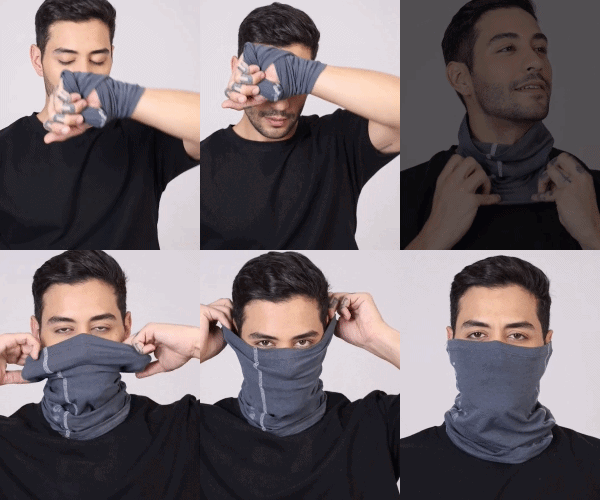
Gen Z is killing logos and choosing minimalist clothing because they value personal authenticity over status signaling. By moving away from loud, branded apparel, they’re prioritizing high-quality fabrics and versatile silhouettes that last beyond a single season. You can master this shift by curating a capsule wardrobe that emphasizes fit and function. Investing in timeless, logo-free basics helps you build a sustainable, intentional style that reflects your values rather than a designer's marketing campaign.
Every major fashion house still pushes heavy branding, but they’re missing the point of what younger shoppers actually want. Why Gen Z is killing logos and choosing minimalist clothing comes down to a desire for genuine self-expression. Freecultr supports this shift by focusing on fabric innovation and clean lines that speak for themselves. You don't need a billboard on your chest to look sophisticated.
Most fast fashion relies on loud prints to distract you from poor construction. This approach is overrated. You deserve garments that feel as good as they look. We’ll show you how to swap disposable trends for a collection of essentials that simplify your mornings. Your mileage may vary, but moving toward a minimalist aesthetic often leads to a more confident, stress-free approach to getting dressed.
规Why Is Gen Z Rejecting Logos?
Gen Z is moving away from overt branding because they prioritize personal identity and authenticity over status signaling through expensive, logo-heavy apparel. This shift reflects a desire to avoid being walking billboards for corporations while favoring clothing that feels like an extension of their own values. In our experience, younger shoppers view massive logos as an outdated tactic used by brands to force recognition rather than earning it through quality or design.
The trend stems from a deeper skepticism toward traditional marketing. Many young consumers feel that wearing a prominent logo is a form of unpaid advertising. They prefer items that offer subtle cues of quality, such as superior stitching or unique fabric textures, rather than a printed name across the chest. This won't work if the garment lacks actual substance, as the focus remains on the feel of the material.
When you look at the market, the economic impact on legacy brands relying solely on logo-driven sales is becoming clear. Research from McKinsey & Company highlights that Gen Z values are reshaping the fashion landscape, pushing companies to rethink their visual identity. They aren't just buying clothes; they are curating a lifestyle that feels intentional.
The Economic Shift in Branding
Brands that lean too heavily on logos often face declining engagement when trends shift toward minimalism. You might notice that companies failing to adapt see their resale value drop on platforms like Depop or Vinted. These secondary markets act as a barometer for what people actually want to wear long-term.
| Brand Strategy | Consumer Perception | Resale Value |
|---|---|---|
| Heavy Logo Branding | Dated or Status-Seeking | Low |
| Minimalist Design | Timeless and Versatile | High |
| Quiet Luxury | Premium and Authentic | Very High |
The table above shows that minimalist pieces hold their value better than loud, logo-centric items. When you invest in a well-made, logo-free essential, you're buying something that stays relevant for years. It's a smarter way to manage your wardrobe budget.
What Does Quiet Luxury Mean?
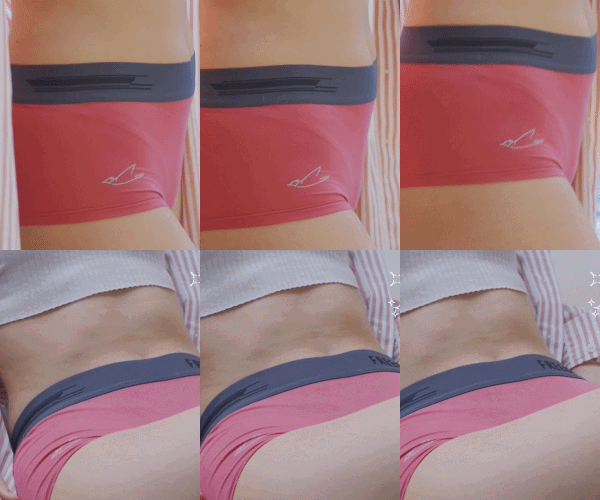
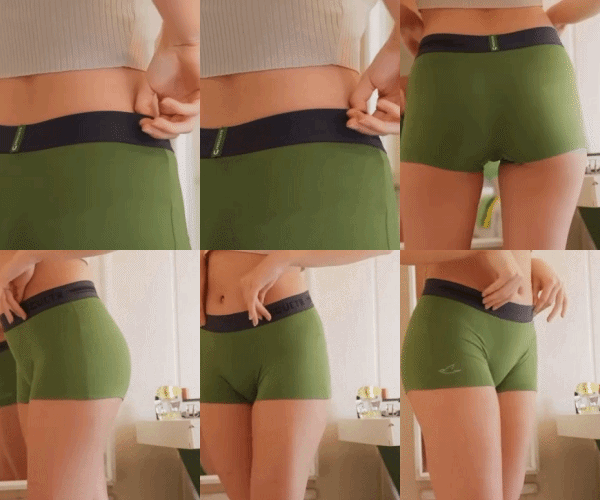
Quiet luxury represents a shift toward high-quality, understated garments that rely on craftsmanship and premium materials rather than flashy brand identifiers. It’s about the "if you know, you know" factor. You aren't trying to impress others with a visible label; you're enjoying the comfort and durability of a well-constructed piece of clothing.
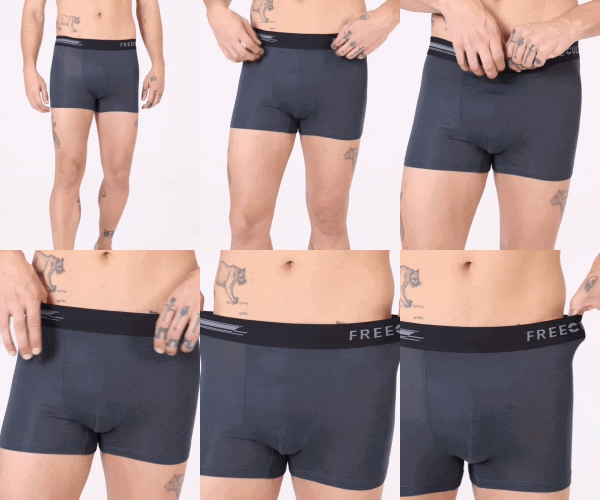
At Freecultr, we see this daily. Our customers choose micro-modal or bamboo fabrics not because they want to show off a brand name, but because they want the best sensation against their skin. The Ultimate Comfort Exploring the Benefits of Modal Underwear for Your Daily Wardrobe explains why these materials are becoming the new standard for luxury. It’s a quiet revolution in how we dress.
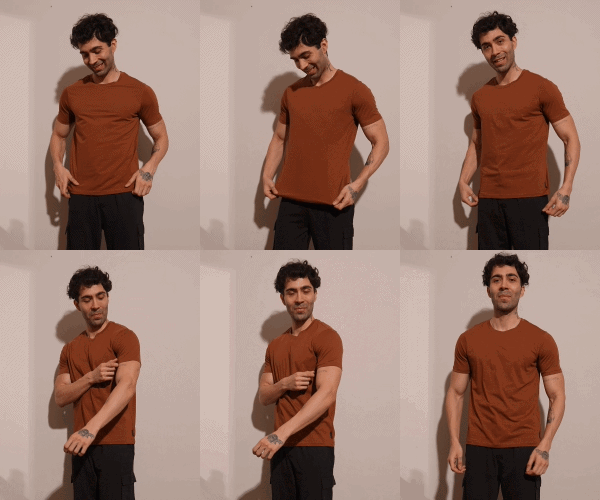
This style isn't about being cheap. It's about being selective. You'll find that a plain, high-quality tee often costs more to produce than a mass-market logo shirt because the focus is on the weave and the finish. It’s an investment in your personal comfort.
Simplify your wardrobe with timeless logo-free essentials crafted for long-lasting comfort.
How Minimalism Reflects Gen Z Values
Minimalism aligns with Gen Z's focus on sustainability and ethical consumption by encouraging smaller, high-quality wardrobes over fast-fashion cycles. By choosing fewer, better items, you reduce your environmental footprint and avoid the clutter of trend-chasing. This approach turns fashion into a conscious choice rather than a mindless habit.
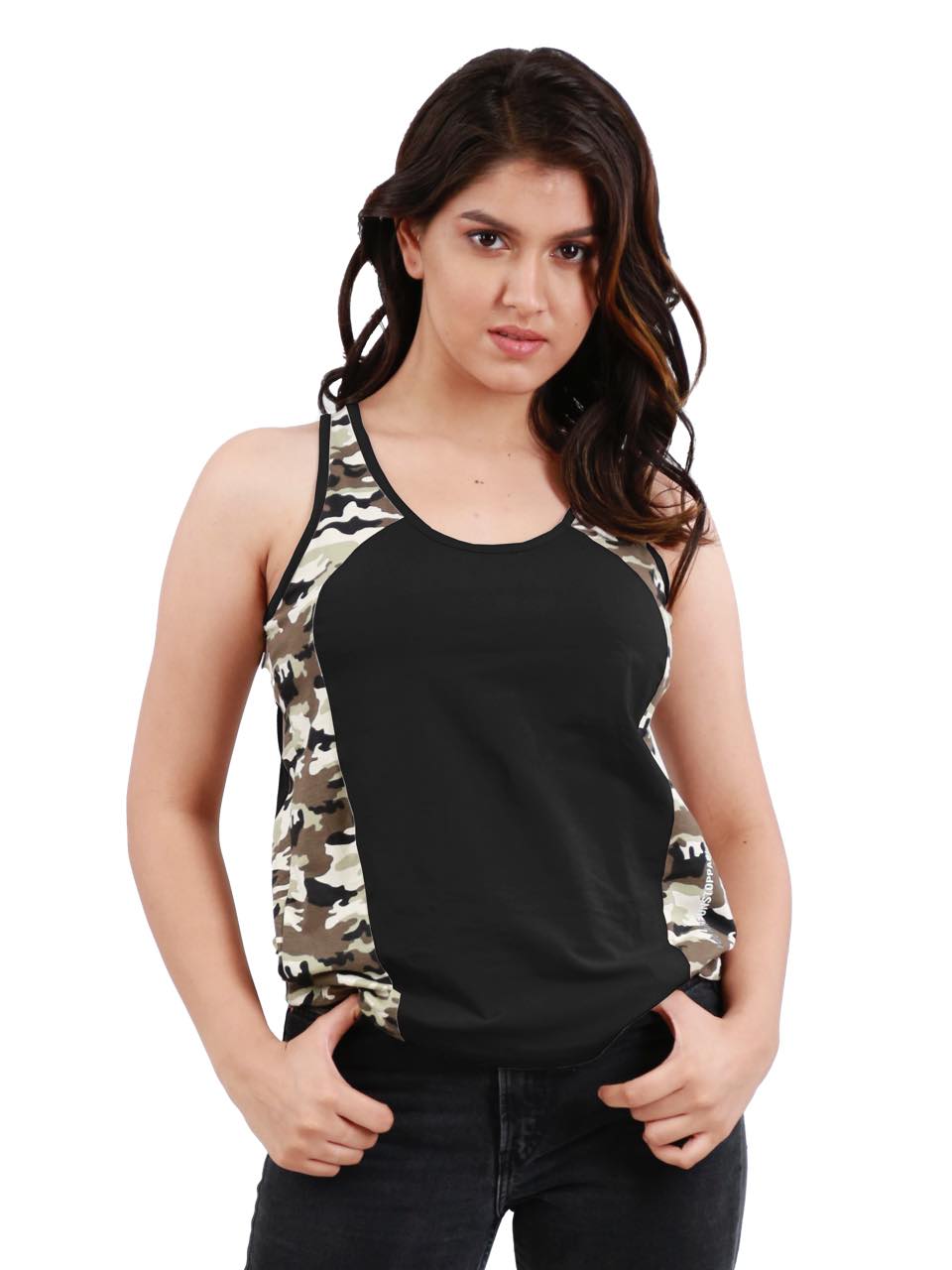
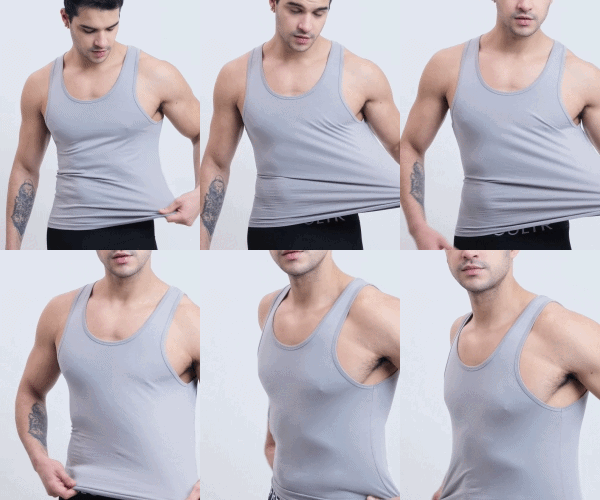
Many young people now view their wardrobe as a collection of essentials. They prefer versatile pieces that work for multiple occasions. For instance, Tank Top Men Wear: Gym vs Everyday, What Actually Differs highlights how functional design replaces the need for separate, branded gear for every single activity. You save money and space.
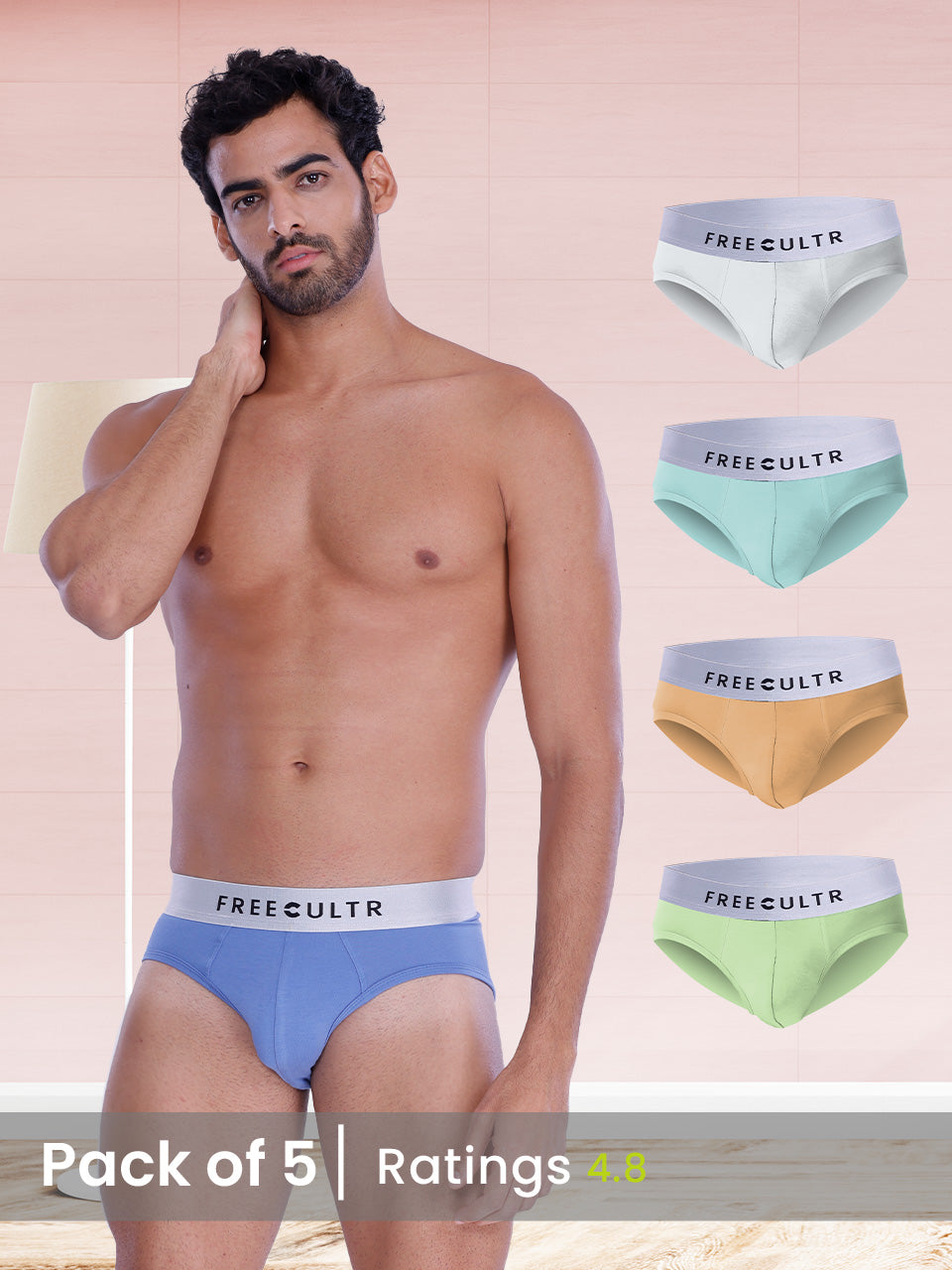
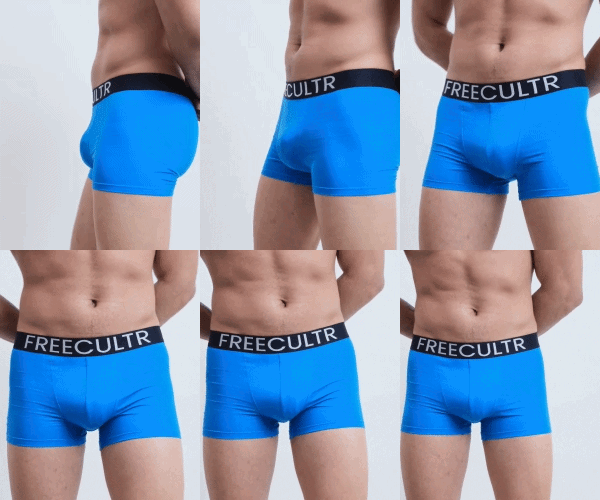
Social media plays a huge role here. Influencers are moving away from "hauls" and toward "capsule wardrobes." It’s a shift that prioritizes longevity. When you own a Mens Underwear Combo Pack of 5: Why This Size the Works the Best, you're securing a foundation of comfort that doesn't need constant replacing. It’s practical, simple, and effective.
Sustainability as a Style Driver
Authenticity is the currency of the modern era. People want to know who made their clothes and what materials were used. Statista data shows a clear trend toward sustainable purchasing habits among younger demographics. They aren't just buying a look; they're buying into a brand's mission. If a brand can't prove their impact, they lose the customer.
This is why minimalist brands often win. They don't hide behind logos. They let the quality of the organic cotton or bamboo speak for itself. You'll find that once you experience the difference in fabric quality, going back to mass-market logo shirts feels like a step down.
How to Build a Minimalist Wardrobe
Building a minimalist wardrobe doesn't happen overnight. It takes a shift in mindset. You need to focus on what you actually wear rather than what you think you should own. Follow these steps to curate your own collection.
Step 1: Audit your current closet and remove items with large, distracting logos that you haven't worn in the last six months.
Step 2: Identify your core essentials, such as high-quality tees, comfortable innerwear, and versatile layers, that form the base of your daily style.
Step 3: Research brands that prioritize fabric quality and ethical manufacturing over seasonal trends, ensuring your new pieces last for years.
Step 4: Invest in a few high-quality basics that mix and match easily, allowing you to create multiple outfits from a small number of items.
Step 5: Maintain your items properly to keep them looking fresh, as minimalist style relies on the crispness and integrity of the fabric.
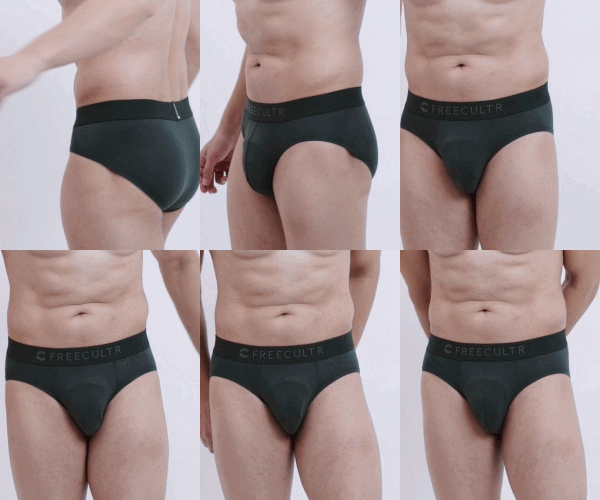
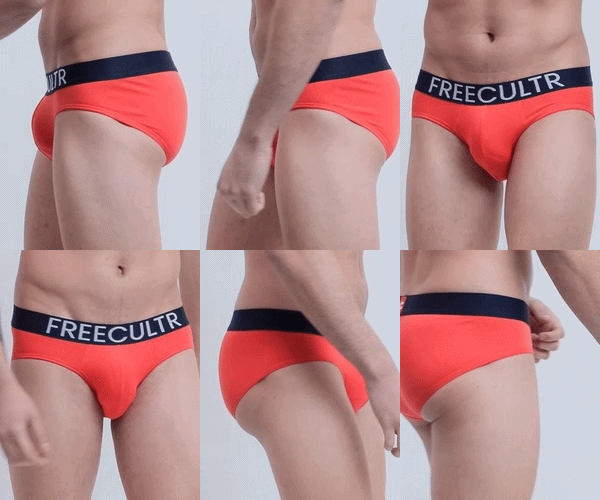
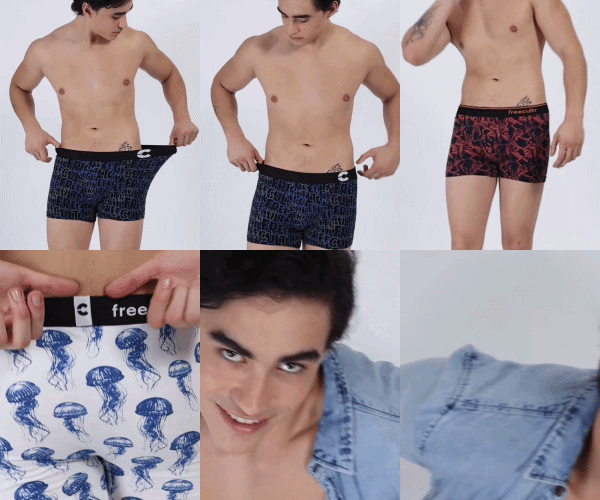
Build your daily foundation with breathable micro-modal briefs designed for invisible support.
Conclusion
Gen Z is shifting the fashion narrative by ditching loud logos for pieces that prioritize personal identity over brand signaling. You now understand that this move toward minimalism isn't just a trend, but a conscious choice to embrace quiet luxury and the long-term utility of a capsule wardrobe. Research from McKinsey & Company confirms that modern consumers value sustainability and quality over fleeting status symbols. By focusing on essential, high-quality fabrics, you build a versatile closet that lasts.
Choosing timeless basics helps you curate a look that feels authentic and effortless. You don't need heavy branding to make a statement when your clothes offer superior comfort and fit. Start refining your daily essentials by investing in pieces that feel as good as they look. Upgrade your daily comfort with premium essentials from freecultr.
About freecultr
Freecultr is an emerging D2C brand in India dedicated to reimagining wardrobe staples through premium comfort wear. We utilize high-quality fabrics like micro-modal, bamboo, and organic cotton to ensure every piece provides lasting breathability and softness for your daily needs.
More Articles
Which Brands Use the Best Fabric for Underwear and Why Quality Matters
The Ultimate Comfort Exploring the Benefits of Modal Underwear for Your Daily Wardrobe
Tank Top Men Wear: Gym vs Everyday, What Actually Differs
FAQs
Why Is Gen Z Rejecting Logos?
Gen Z is moving away from overt branding because they prioritize personal identity and authenticity over status signaling through expensive, logo-heavy apparel. This shift reflects a desire to avoid being walking billboards for corporations while favoring clothing that feels like an extension of their own values.
What is The Economic Shift in Branding?
Brands that lean too heavily on logos often face declining engagement when trends shift toward minimalism. You might notice that companies failing to adapt see their resale value drop on platforms like Depop or Vinted.
What Does Quiet Luxury Mean?
Quiet luxury represents a shift toward high-quality, understated garments that rely on craftsmanship and premium materials rather than flashy brand identifiers. It’s about the "if you know, you know" factor.
How Minimalism Reflects Gen Z Values?
Minimalism aligns with Gen Z's focus on sustainability and ethical consumption by encouraging smaller, high-quality wardrobes over fast-fashion cycles. By choosing fewer, better items, you reduce your environmental footprint and avoid the clutter of trend-chasing.
What is Sustainability as a Style Driver?
Authenticity is the currency of the modern era. People want to know who made their clothes and what materials were used.
How to Build a Minimalist Wardrobe?
Building a minimalist wardrobe doesn't happen overnight. It takes a shift in mindset.