

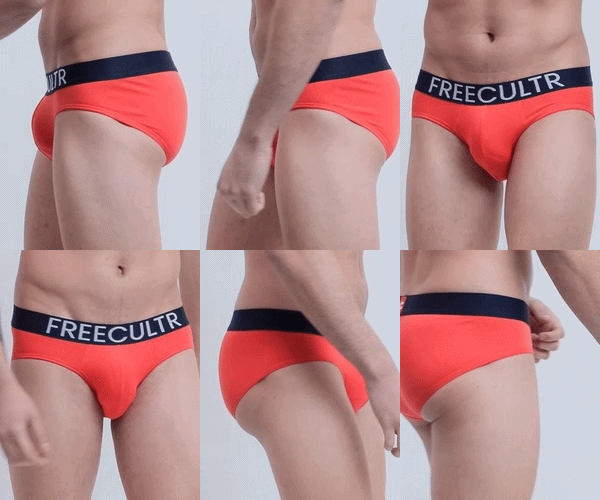
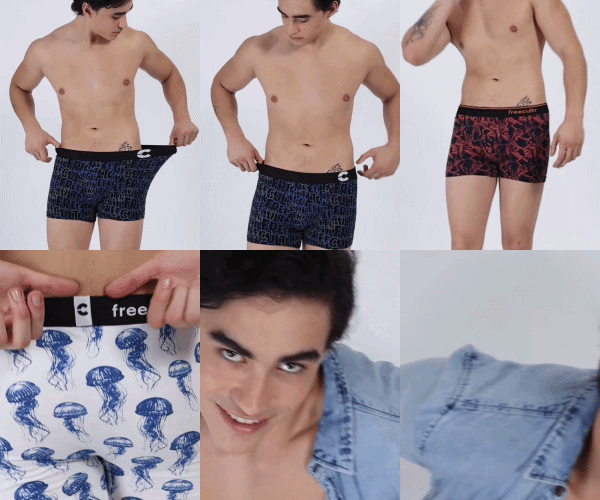
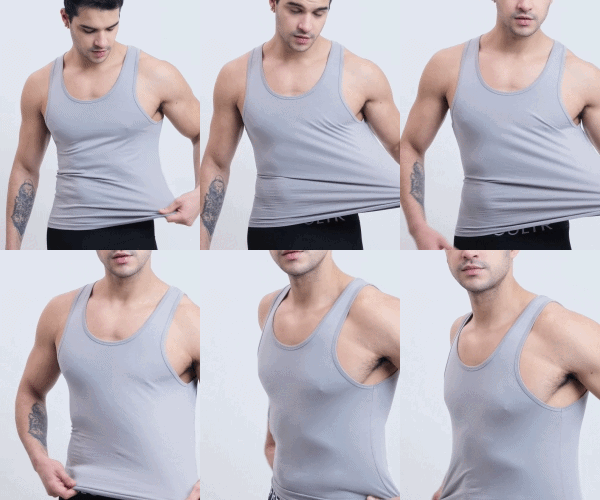




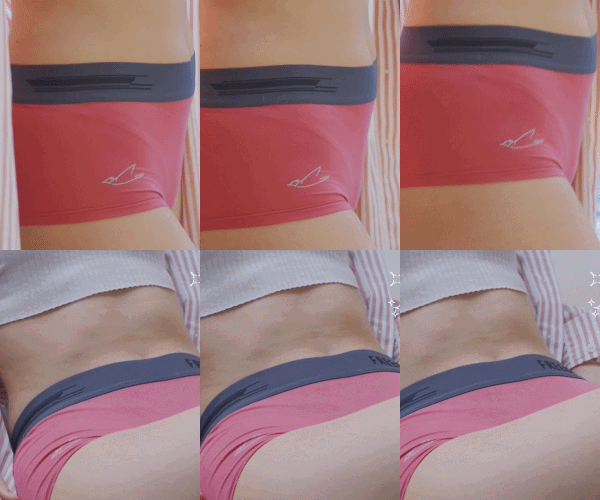
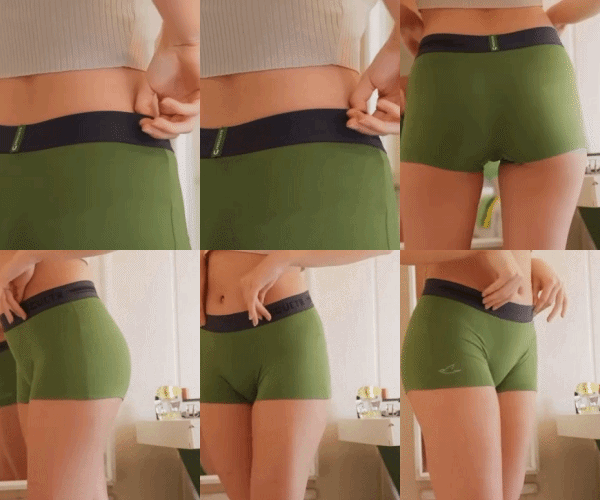




- underwear men size chart
- underwear men size chart

The Unseen Foundation: Why Your Underwear Size Truly Matters
Ever wonder why some days you feel great from the moment you get dressed, while others just feel... off? Often, the culprit is hiding right under your clothes: ill-fitting underwear. It's not just about aesthetics; finding the right fit for your men's underwear is crucial for comfort, hygiene. even your overall confidence. A properly sized pair of briefs, boxers, or trunks provides support, prevents chafing. lets your skin breathe. On the flip side, underwear that's too tight can restrict movement, cause discomfort. even lead to health issues, while overly loose underwear offers no support and can bunch up unpleasantly. This is why understanding the underwear men size chart is so vital – it’s your first step towards maximizing daily comfort.
Decoding the Underwear Men Size Chart: Your Essential Guide
Navigating an underwear men size chart can seem straightforward. there are nuances that make all the difference. Most brands base their sizing on two primary measurements: your waist and sometimes your hip circumference. But, the exact measurements for a 'Medium' or 'Large' can vary significantly between manufacturers. It's not a universal standard, which is why relying solely on the letter size you usually pick can lead to disappointment. Always consult the specific brand's chart whenever possible. Think of it like buying shoes – a size 10 from one company might fit differently from another.
- Waist Measurement This is the most common and critical measurement. It's usually taken around your natural waistline, which is typically the narrowest part of your torso, often just above your belly button. But, for underwear, many brands recommend measuring where you actually wear your underwear, which is often closer to the hip bone. We'll clarify this in the measuring section.
- Hip Measurement Some brands, especially those offering compression shorts or specific types of trunks, might also include hip measurements. This is taken around the fullest part of your hips/buttocks.
- Inseam (for Boxer Briefs/Trunks) While not a primary sizing factor for waist fit, the inseam length (the distance from the crotch seam to the bottom of the leg opening) is essential for comfort and preventing leg ride-up, especially for longer styles. This is usually listed as a specification rather than a size chart metric.
How to Measure Yourself Accurately for Your Perfect Fit
Getting accurate measurements is the cornerstone of finding your ideal underwear size. Don't guess – grab a tape measure and follow these simple steps:
- Find Your Measuring Spot For most men's underwear, you'll want to measure around your natural waistline where the waistband of your underwear typically sits. This is usually a few inches below your belly button, at the top of your hip bones. Ensure the tape measure is level all the way around.
- Wrap the Tape Stand in a relaxed position, don't suck in your stomach. Wrap the tape measure around your body at the chosen spot.
- Read the Measurement Make sure the tape is snug but not tight. You should be able to slip one finger underneath it comfortably. Note down the measurement in inches or centimeters.
- Check Your Hips (Optional but Recommended) For a more comprehensive fit, especially with styles like boxer briefs or trunks, also measure around the fullest part of your hips and buttocks. This helps ensure the leg openings aren't too tight or too loose.
Common Sizing Pitfalls and How to Avoid Them
Even with an underwear men size chart, mistakes can happen. Here are some common traps and how to steer clear:
- Assuming Universal Sizing As mentioned, a 'Large' from one brand might be closer to a 'Medium' or 'XL' from another. Always check the brand-specific chart.
- Ignoring Fabric Stretch Some fabrics, like cotton, have less stretch than blends with elastane or spandex. If you're between sizes, consider the fabric's stretchiness. More stretch might allow you to size down for a snugger fit, while less stretch might mean sizing up.
- Buying Too Small for "Support" While support is good, underwear that's too tight can restrict blood flow, cause irritation. be genuinely uncomfortable. It won't make you look better; it will just make you feel worse.
- Not Considering Style A brief might fit differently around the leg than a boxer brief, even if the waist measurement is the same. comprehend how different styles are designed to fit.
Style Matters: How Different Underwear Cuts Impact Sizing and Comfort
The type of men's underwear you choose also influences how a size chart translates to actual fit and comfort. Each style has its own characteristics that can affect how it feels on your body.
| Underwear Style | Typical Fit Considerations | Sizing Nuances |
|---|---|---|
| Briefs | High cut on the thigh, full rear coverage, minimal fabric. Focus on waist and pouch fit. | Waist measurement is paramount. Ensure the leg opening isn't too tight if you have larger thighs, even if the waist fits. |
| Trunks | Shorter leg, typically ending mid-thigh. A hybrid between briefs and boxer briefs. | Good for those who find boxer briefs too long. Check both waist and thigh measurements for a comfortable leg opening that doesn't ride up. |
| Boxer Briefs | Longer leg, extending further down the thigh. Offers more coverage and prevents chafing. | Waist and thigh fit are both essential. Look for options with a good amount of stretch in the leg to accommodate movement and prevent constriction. |
| Boxers | Loose-fitting, typically with a button fly. Offers maximum breathability and freedom. | Primarily waist-dependent. The loose nature means less concern about leg fit. ensure the waistband isn't too tight or too loose to stay up. |
The Fabric Factor and Brand Variations: Why They're Key to Your Perfect Fit
Beyond the measurements, the material your underwear is made from and the specific brand's design philosophy play a huge role in how a garment feels once worn. For instance, a pair of cotton boxer briefs from one brand might feel drastically different from a modal blend from another, even if both are technically the same size.
- Fabric Characteristics
- Cotton Breathable, absorbent. can be less stretchy and might shrink slightly.
- Modal/MicroModal Incredibly soft, breathable. excellent stretch retention. Often provides a more luxurious, second-skin feel.
- Elastane/Spandex Blends Added for stretch and shape retention, crucial for athletic wear or snugger fits.
- Nylon/Polyester Often used in performance underwear for moisture-wicking properties, quick-drying. durability.
- Brand Specifics and Design Philosophy
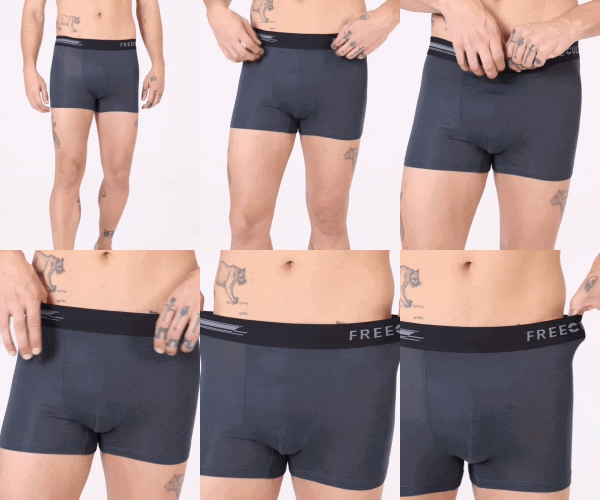
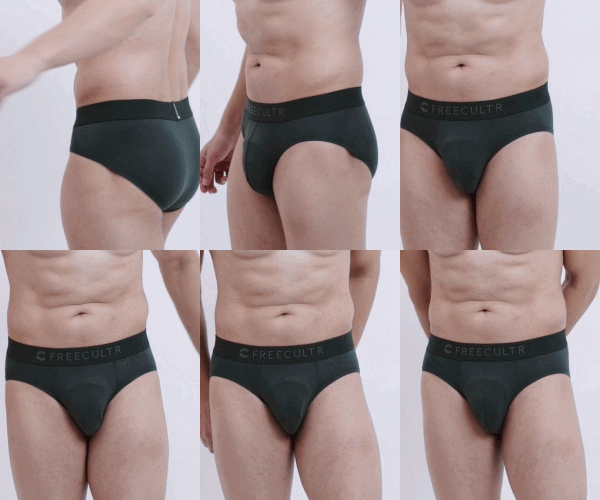
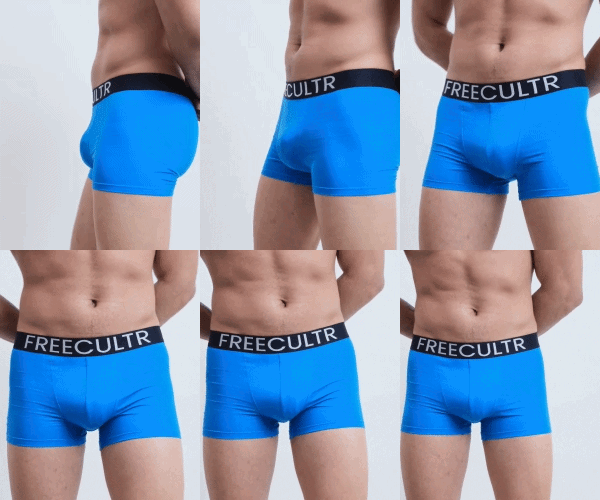
Every brand has its own block and cut. Some might design for a more relaxed fit, others for a more athletic, compressive feel. This is where researching customer reviews and testimonials can be incredibly helpful. For example, I recently explored the men's underwear offerings from Freecultr. I've been genuinely impressed. Their commitment to comfort and fit truly stands out. I found their sizing charts to be very accurate, aligning well with my measurements. the quality of their fabric blends, particularly the softness and stretch, ensures a superb fit that moves with you rather than against you. It's refreshing to find a brand that prioritizes both style and genuine wearability, making the process of finding the right size a much more reliable experience.
Actionable Takeaways: Your Checklist for Underwear Shopping Success
Ready to upgrade your underwear drawer? Here’s a quick checklist to ensure you find your perfect fit every time:
- Measure Yourself First Don't rely on old assumptions. Get your current waist and hip measurements.
- Always Consult the Brand's Size Chart This is non-negotiable. Look for it on the product page or the brand's website.
- Read Reviews See what other customers say about the fit – do they run small, large, or true to size?
- Consider Fabric Think about your activity level and preference. Do you need stretch, breathability, or moisture-wicking?
- interpret the Style Know how briefs, trunks, or boxer briefs are designed to fit your body shape.
- Start with One Pair If trying a new brand, buy one pair first to test the fit and feel before committing to a multi-pack.
Investing a little time in understanding your body and the nuances of the underwear men size chart will pay dividends in daily comfort and confidence. Your body will thank you for it!
Conclusion
Your daily comfort truly begins with the right foundation. finding your perfect underwear fit is a simple yet impactful step towards elevating your entire day. Don't just settle for what you think your size is; take a few moments to accurately measure yourself, just as you would for a tailored suit. My personal tip: always cross-reference your measurements with the brand's specific size chart, as sizing can vary slightly, ensuring you avoid that common issue of discomfort or restrictive wear. This proactive approach, moving beyond guesswork, makes a world of difference. I've personally found that brands like Freecultr consistently provide clear, easy-to-interpret size guides, which is incredibly helpful in ensuring a perfect purchase every time. Their commitment to precise sizing empowers you to select styles, whether modern briefs or supportive trunks, that genuinely enhance your well-being. Remember, well-fitting undergarments aren't just about avoiding discomfort; they contribute significantly to your confidence and how your outer clothing drapes, reflecting a subtle, yet powerful, investment in yourself. So, take charge of your comfort journey today and experience the undeniable benefit of a truly perfect fit.More Articles
How to Find the Right Underwear Size Using an Online Size Chart? – For Enhanced Comfort & a Flawless FitMen's Briefs – Modern Style & Secure Fit for All-Day Wear
Trunks for Men – Breathable Fabric & Supportive Fit
Briefs for Men – Ultimate Comfort & Everyday Support

FAQs
Why bother with a size chart for underwear? Isn't it just underwear?
It's more vital than you think! The right size means maximum comfort, prevents chafing, pinching, or sagging. can even improve your posture and overall feel throughout the day. Ill-fitting underwear is just plain annoying and uncomfortable.
How do I actually measure myself for underwear?
Grab a soft tape measure. For your waist, wrap it around the narrowest part of your torso, usually just above your belly button. For your hips, measure around the fullest part of your backside. Make sure the tape is snug but not tight – you should be able to slip a finger underneath.
My measurements put me right between two sizes on the chart. What should I do?
Generally, if you're stuck between sizes, it's often better to size up. This usually ensures more comfort and less restriction. But, if you prefer a tighter, more supportive fit, going down might work. always consider the material – stretchy fabrics are more forgiving.
Do all underwear brands use the same size chart?
Nope, definitely not! Sizing can vary quite a bit from brand to brand. even between different styles within the same brand. Always check the specific size chart provided by the brand you're buying from, as a 'medium' from one company might be a 'large' from another.
What are the tell-tale signs my current underwear doesn't fit right?
If you're experiencing pinching, digging into your skin, constant adjusting, rolling waistbands, sagging fabric, or uncomfortable bunching, chances are your underwear is the wrong size. It shouldn't feel like you're wearing it at all – that's the goal of a perfect fit!
Besides comfort, are there any other benefits to wearing the right size underwear?
Absolutely! Beyond comfort, correctly sized underwear can help with hygiene, prevent skin irritation. provide proper support, which is especially vital for athletic activities. It also just looks better and lays smoother under your clothes.
What if I don't have a tape measure? Can I guess my size based on my pants?
While your pants size can give you a rough idea, it's not always accurate for underwear. Pant sizes can vary. underwear fit depends more on the actual waist and hip circumference. It's really worth finding a tape measure or using a piece of string and a ruler for the most precise results.