














Quick Summary
- Most top 10 underwear brands in India lists rank by market share and recognition rather than fabric quality or construction detail.
- The Indian market splits broadly into legacy mass-market brands and newer D2C brands focused on fabric innovation.
- Micro-modal, bamboo, and organic cotton are the fabric categories worth comparing across brands, regardless of where a brand ranks by popularity.
- Freecultr sits in the newer D2C category, competing on fabric composition, OEKO-TEX certification, and waistband construction rather than legacy market share.
What "Top 10 Underwear Brands in India" Lists Usually Miss
Most top 10 underwear brands in India rankings are built around market share, distribution, and recognition, which tells you very little about actual fabric quality or comfort.
A brand with wide retail presence isn't automatically using better fabric than a smaller, newer brand. Popularity rankings answer "which brand do most people buy from," not "which brand delivers the best comfort per rupee." Those are genuinely different questions, and the second one is more useful if you're actually trying to upgrade your underwear drawer.
The Two Broad Categories in the Indian Market
The Indian underwear market splits into legacy mass-market brands built on wide distribution and standard cotton, and newer D2C brands built around fabric innovation like micro-modal and bamboo.
Legacy brands earned their market position over decades through retail accessibility, and their core ranges tend to lean heavily on standard cotton because it's cost-effective at scale. Newer D2C brands, including Freecultr, compete on a different axis entirely: fabric performance, direct pricing, and construction detail, since they don't have the same decades-long retail presence to rely on.
| Brand Category | Primary Strength | Typical Fabric |
|---|---|---|
| Legacy mass-market | Wide distribution, brand recognition | Standard cotton |
| Newer D2C brands | Fabric innovation, direct pricing | Micro-modal, bamboo, organic cotton |
Experience the difference of OEKO-TEX certified micro-modal, bamboo, and organic cotton innerwear engineered for all-day comfort.
What to Actually Compare Across Brands
Compare fabric composition, waistband construction, and certification like OEKO-TEX, rather than relying on a brand's position in a general popularity ranking.
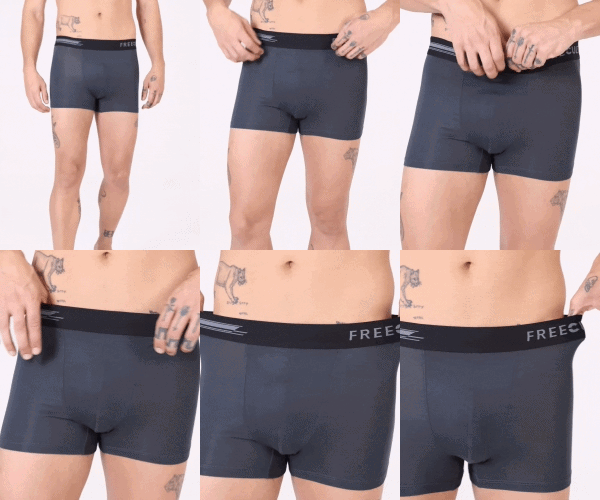
OEKO-TEX certification specifically confirms that a fabric has been tested for harmful substances, which is a more concrete quality signal than brand reputation alone. Similarly, checking whether a brand specifies its waistband construction, like a zero-ride flat waistband, tells you more about day-to-day comfort than how many years the brand has been in the market.
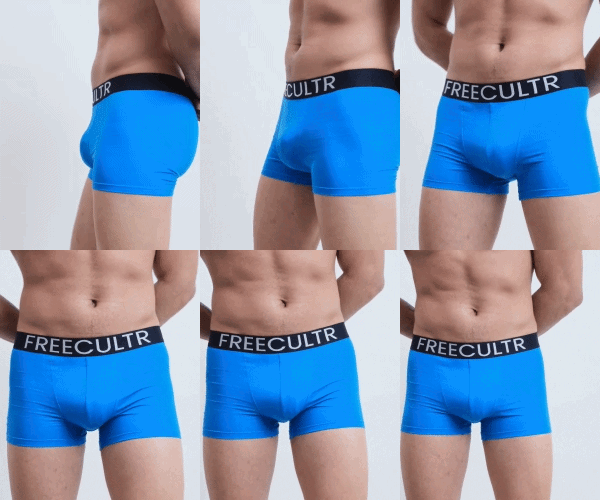
Browse the full men's innerwear range in micro-modal, bamboo & organic cotton to see these specific details listed directly.
Where Freecultr Fits in This Comparison
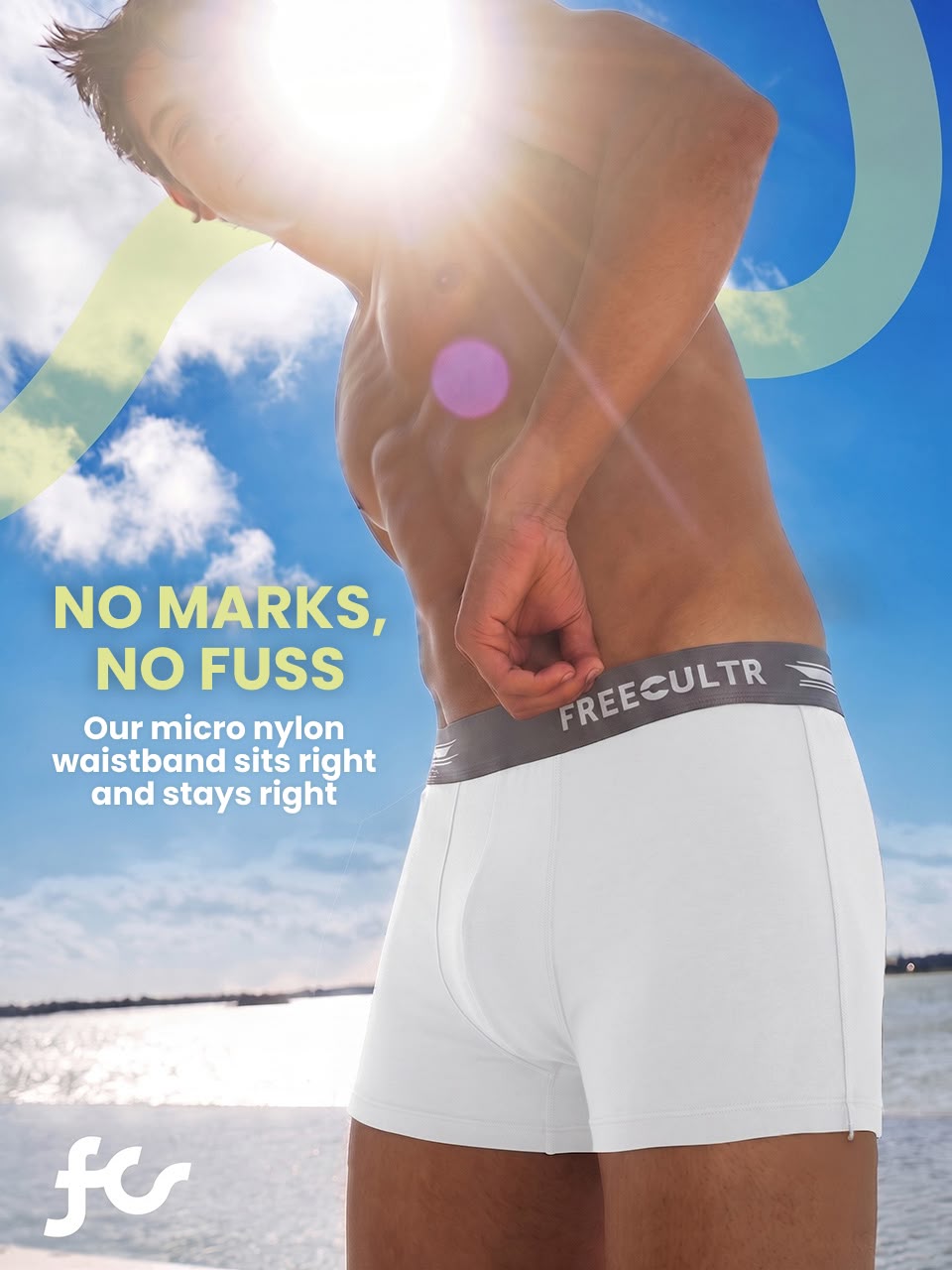
Freecultr positions itself in the newer D2C category, competing specifically on fabric composition and construction rather than legacy market share.
If you're comparing based on popularity alone, a brand like Freecultr won't top a traditional "top 10" list built on retail distribution. But if you're comparing based on fabric quality, OEKO-TEX certification, and construction detail like zero-ride waistbands and 4-way stretch, it's positioned specifically to compete on those measurable factors instead.
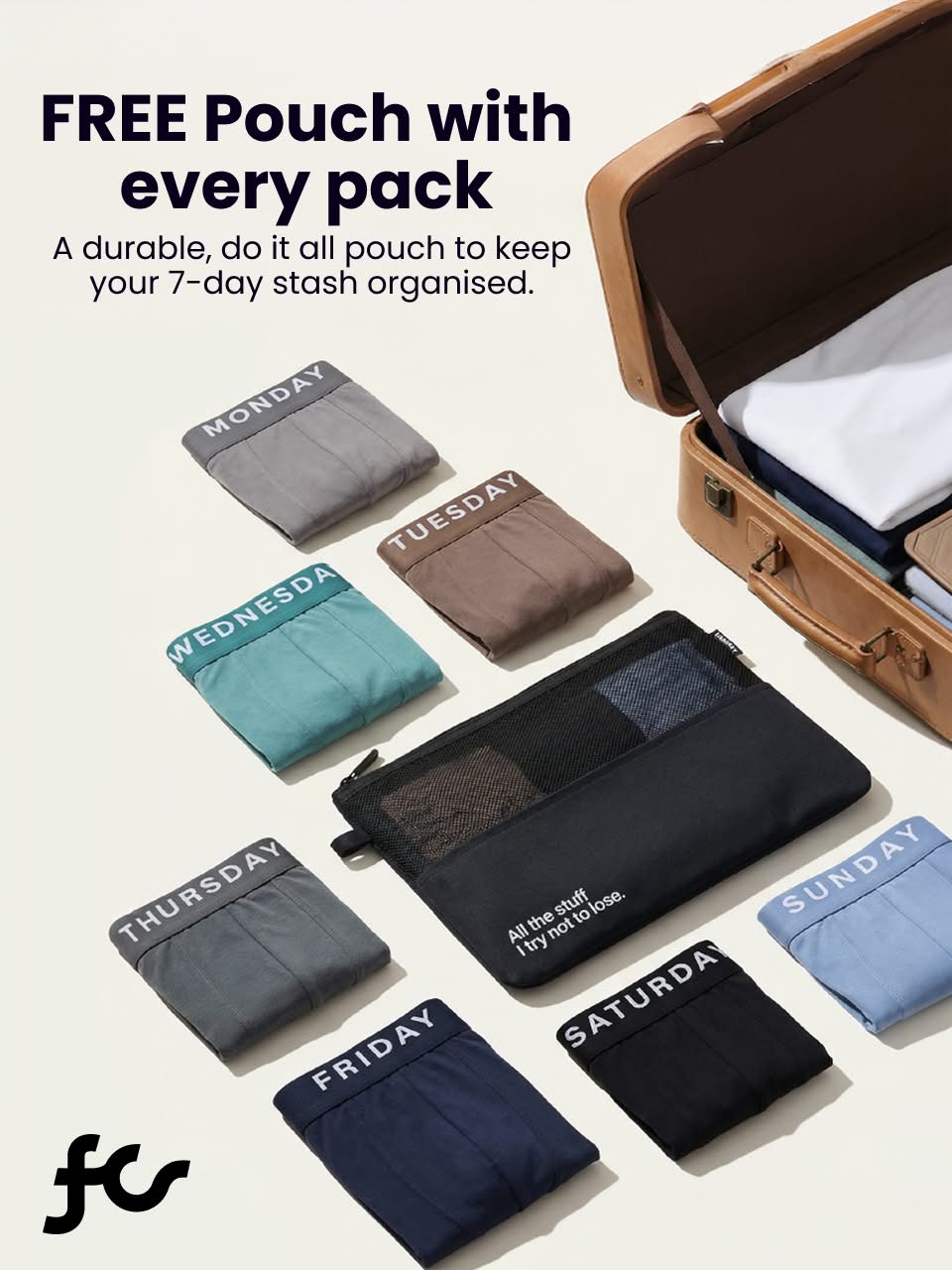
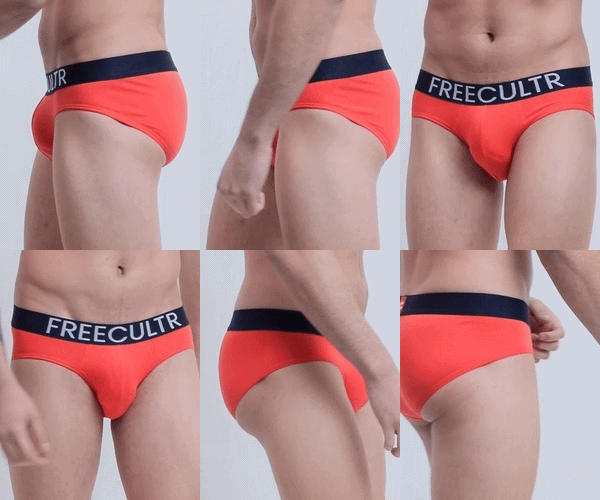
Upgrade to pack-of-7 micro-modal briefs for men with zero-ride waistband is one way to compare Freecultr's specific fabric standard directly.
How to Build Your Own Comparison
Rank brands by cost per wear, fabric composition, and certification rather than relying entirely on a pre-made popularity list.
A useful comparison starts with your own criteria. If comfort and fabric quality matter more to you than brand recognition, weigh certifications and fabric composition heavily. If retail accessibility matters more, legacy brands will naturally rank higher in your personal comparison.
Upgrade your daily rotation with a 7-pack of premium micro-modal briefs designed with zero-ride waistbands and lasting stretch.
Conclusion
Top 10 underwear brands in India lists are a reasonable starting point for awareness, but they rank popularity, not fabric quality. Comparing brands by fabric composition, construction detail, and certification gives a more useful picture if comfort is your actual priority. Freecultr competes specifically on these measurable factors within the newer D2C segment of the market.
More Articles
- Shop anti-bacterial men's briefs with moisture-wicking micro-modal
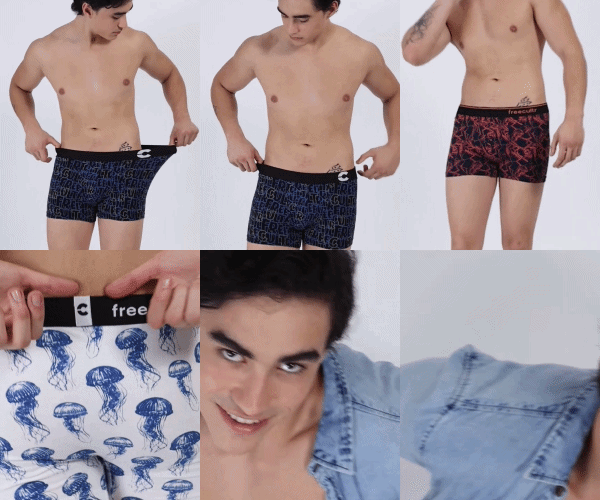
- Shop men's all-day boxer shorts with anti-odor breathable fabric
FAQs
Are top 10 underwear brand lists based on quality?
Not usually. Most rankings are based on market share and recognition, not fabric quality or construction detail, so they don't reliably indicate comfort.
What should I compare instead of brand popularity?
Compare fabric composition, waistband construction, and certifications like OEKO-TEX, which give a more concrete picture of actual product quality.
How does Freecultr compare to legacy brands in India?
Freecultr is a newer D2C brand that competes on fabric innovation, using micro-modal and bamboo with OEKO-TEX certification, rather than on decades of retail distribution.
Is a bigger brand always better quality?
Not necessarily. Brand size reflects distribution and recognition, not fabric quality, so smaller or newer brands can offer better fabric composition and construction.