















Quick Summary
- Sustainability claims across the top 10 underwear brands in India vary significantly in how much they are actually substantiated with specific sourcing or certification detail versus general marketing language.
- Fiber-first D2C brands using modal and bamboo generally have a more favorable starting point on water use compared to brands relying primarily on standard cotton, though this depends on specific sourcing practices.
- Certification transparency, whether a brand discloses specific standards like OEKO-TEX or details about its manufacturing process, is a more reliable signal than a brand's own general sustainability language.
- This guide compares brands specifically on sustainability transparency rather than fabric performance or price.
Why Sustainability Claims Need Specific Scrutiny
Comparing the top 10 underwear brands in India on sustainability requires looking past general marketing language like "eco-friendly" or "sustainable," since these terms carry no fixed, verifiable meaning on their own.
A more useful comparison looks at what specific sourcing details, certifications, and manufacturing disclosures a brand actually provides.
Fiber Source as a Starting Point
Brands built primarily around modal, micro-modal, or bamboo fiber have a generally more favorable starting point on water use during raw material cultivation compared to brands relying primarily on standard cotton, since cotton is a notably water-intensive crop in most major growing regions, while modal and bamboo are derived from tree species that typically require less irrigation.
This is a meaningful distinction at the fiber-sourcing level, though it does not by itself confirm anything about a specific brand's actual manufacturing practices or supply chain transparency.
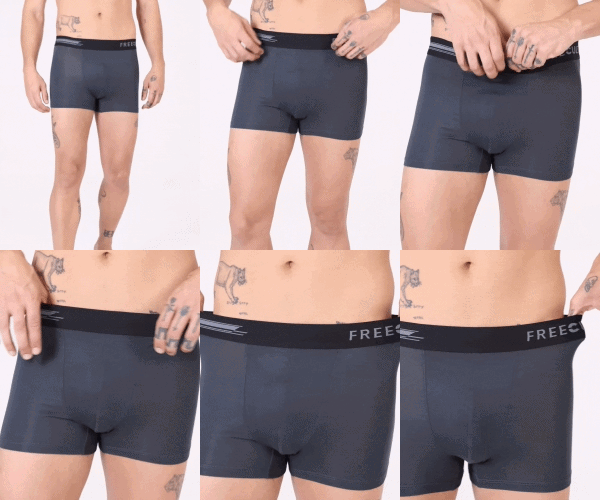
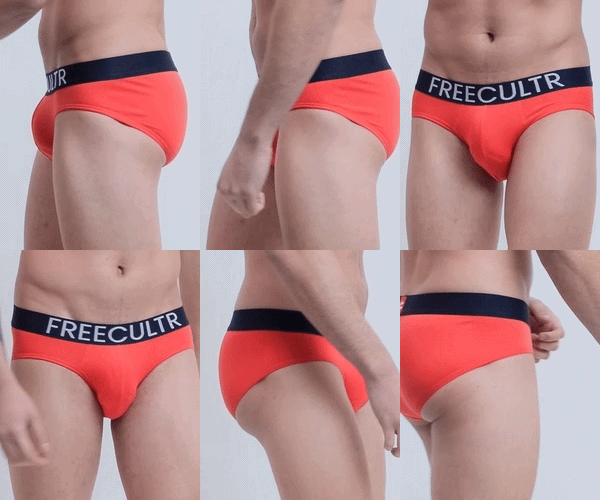
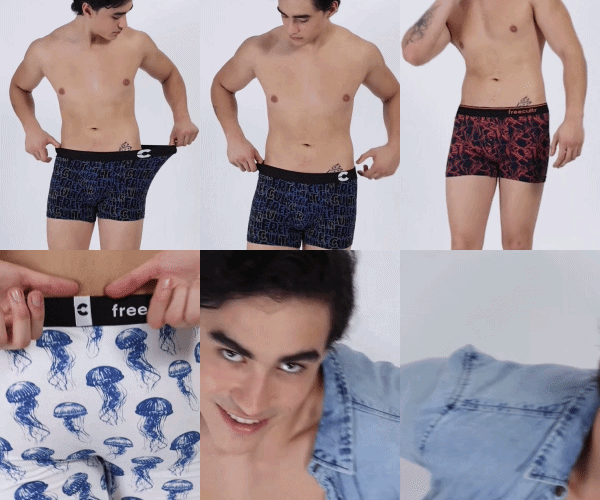
Switch to sustainable comfort with breathable, anti-bacterial micro-modal briefs designed for everyday wear.
Manufacturing Transparency
Some brands disclose whether their fiber processing uses a closed-loop system, recovering and reusing manufacturing chemicals rather than releasing them as waste, while others make no specific claim about their manufacturing process at all.
A brand that specifically states this detail is providing more verifiable information than one relying on general sustainability branding without further specifics, regardless of which fiber type it uses.
Certification Disclosure
OEKO-TEX certification, while focused on the absence of harmful substances rather than sustainability broadly, is a useful proxy for a brand's general transparency practices, since a brand willing to pursue and disclose this certification is often more likely to be transparent about other production details as well. Brands that do not mention any certification, relying instead on general marketing language alone, provide less verifiable assurance.
Packaging and Logistics
Some brands have shifted toward reduced or recyclable packaging as part of their sustainability positioning, a comparatively smaller factor relative to fiber sourcing and manufacturing process, but one that is more directly and easily verifiable simply by examining the actual product packaging on arrival.

Sustainability Comparison Framework
| Factor | What to Look For | Why It Matters |
|---|---|---|
| Fiber source | Modal, micro-modal, or bamboo vs standard cotton | Generally lower water use in raw material cultivation |
| Manufacturing transparency | Specific disclosure of closed-loop processing | Verifiable claim vs general marketing language |
| Certification | OEKO-TEX or similar specific certification | Proxy for broader brand transparency |
| Packaging | Reduced or recyclable materials | Easily verifiable, smaller overall factor |
Where Fabric-First Brands Generally Stand
Fabric-first D2C brands in India, including Freecultr, XYXX, and parts of DaMENSCH's range, generally have a more favorable starting position on the fiber-source factor given their emphasis on modal and bamboo fiber, compared to brands whose catalog defaults primarily to standard cotton.
This does not automatically mean every fabric-first brand discloses its manufacturing process transparently, and checking each brand's specific claims individually remains necessary rather than assuming the fiber choice alone confirms full sustainability across the supply chain.
How Freecultr Approaches This
Freecultr's micro-modal and bamboo fabric range starts from fiber sources generally associated with lower water use than standard cotton, and the brand states its fabric composition directly on product listings alongside OEKO-TEX certification.
Shop Freecultr's micro-modal briefs or explore Freecultr's bamboo comfort vests to review these specific fiber and certification details directly on the product page.
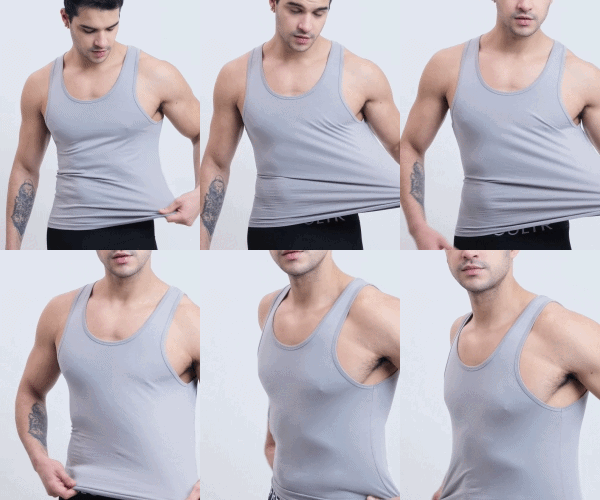
Experience ultimate breathability with bamboo comfort vests featuring natural moisture-wicking properties.
What This Comparison Does Not Tell You
A brand's fiber choice and certification disclosure do not confirm every aspect of its supply chain, including labor practices or the full lifecycle impact of packaging and shipping, which are generally harder for an individual buyer to verify without more detailed brand-published sustainability reports.
This comparison focuses specifically on the factors that are reasonably verifiable from a typical product listing rather than claiming to cover the full picture of a brand's sustainability practices.
Conclusion
Comparing the top 10 underwear brands in India on sustainability comes down to checking specific, verifiable details, fiber source, manufacturing transparency, certification, and packaging, rather than trusting general "eco-friendly" language alone.
Fabric-first brands using modal and bamboo generally start from a more favorable position on fiber-related water use, and checking each brand's specific disclosures individually gives a more reliable picture than marketing claims alone.
More Articles
- Shop Freecultr Micro-Modal Briefs
- Explore Freecultr Bamboo Comfort Vests
- Browse Freecultr's Full Innerwear Range
- Shop Freecultr Cotton Briefs
FAQs
Are modal and bamboo underwear brands automatically more sustainable than cotton brands?
They generally have a more favorable starting point on water use during raw material cultivation, since modal and bamboo come from tree species requiring less irrigation than cotton. This alone does not confirm full sustainability across a brand's entire supply chain.
What does OEKO-TEX certification actually tell you about sustainability?
It specifically confirms the absence of certain harmful substances rather than sustainability broadly, but it serves as a useful proxy for a brand's general willingness to disclose verifiable production details.
How can I tell if a brand's sustainability claims are genuine?
Look for specific, checkable details, such as fiber composition, closed-loop manufacturing disclosure, and named certifications, rather than trusting general terms like "eco-friendly" or "sustainable" without further specifics.
Does Freecultr disclose its sustainability-related sourcing details?
Freecultr states its fabric composition directly on product listings, using micro-modal and bamboo fiber alongside OEKO-TEX certification, providing specific, checkable information rather than relying on general marketing language alone.