



TL;DR: Choosing the right winter gym clothes means mastering a three-layer system: moisture-wicking base layers closest to your skin, insulating mid-layers for warmth, and breathable outer shells for wind protection. Look for technical fabrics like merino wool or synthetic blends, features like thumbholes and zippered ventilation, and always prioritize fit that allows movement without excess bulk. Start with quality base layers from freecultr and build your system based on your specific workout intensity and outdoor temperature conditions.
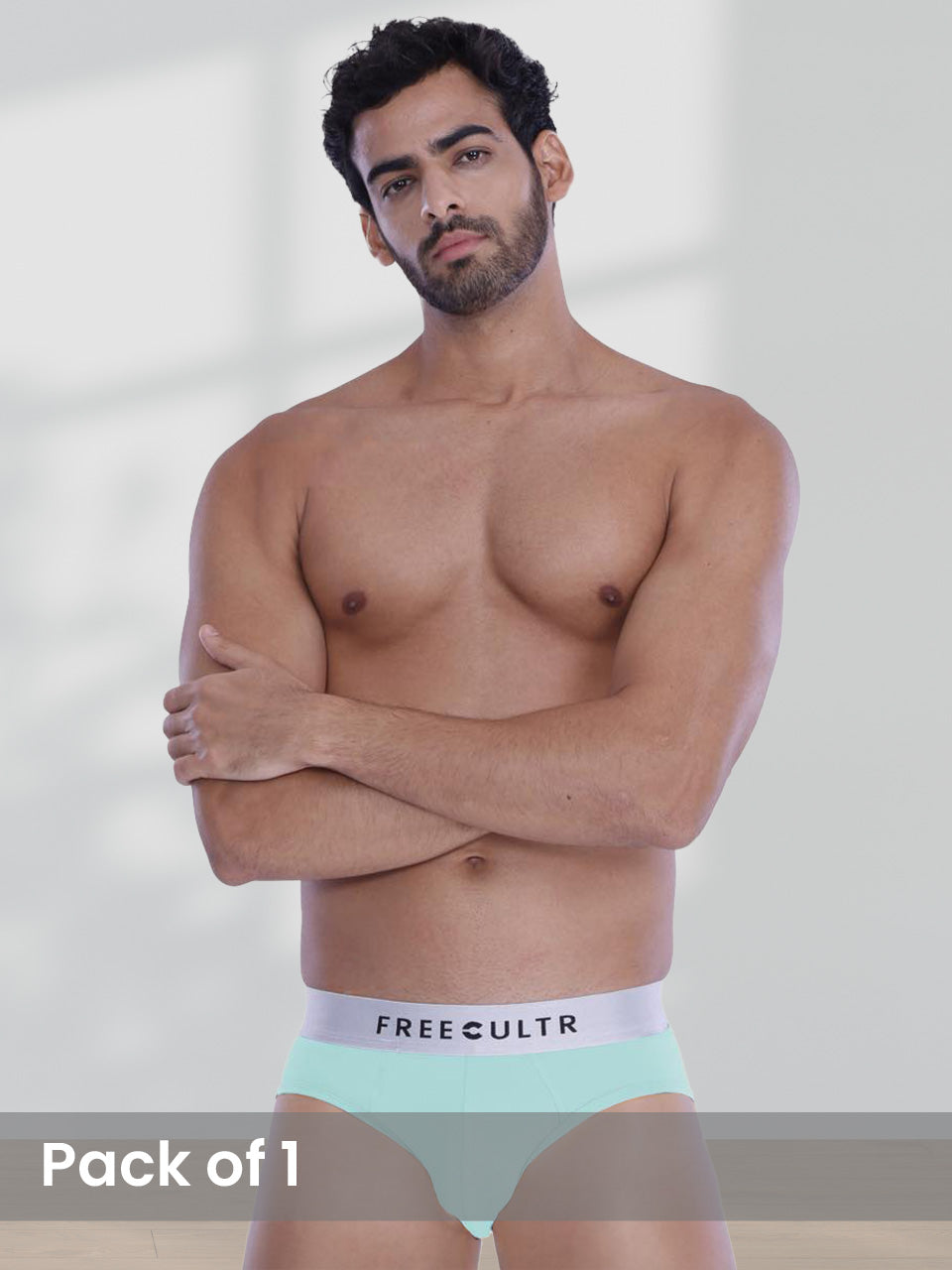
When it comes to winter gym clothes, freecultr has revolutionized cold-weather activewear by engineering base layers and innerwear that actually keep pace with your body's demands during intense winter workouts. While most athletes struggle with that miserable cycle of freezing at the start and overheating mid-session, the right foundation layer changes everything.
Here's the problem: stepping outside into freezing temperatures while your body screams for warmth, only to find yourself drenched in sweat fifteen minutes later because your clothes trapped all the heat. You're left choosing between hypothermia and overheating, and both options kill your performance.
This guide breaks down exactly which fabrics, features, and layering strategies will keep you comfortable from your first cold breath to your final cool-down. You'll discover how to build a versatile winter workout wardrobe that adapts to any temperature, any activity, and any intensity level—starting with the foundation that touches your skin first.
Essential Fabric Technologies and Materials for Winter Gym Clothes
The best winter gym clothes use a three-layer fabric system: moisture-wicking synthetics or merino wool against your skin to pull sweat away, insulating fleece or synthetic fills in the middle to trap warmth, and a breathable, wind-resistant outer shell that blocks cold air while releasing excess heat to prevent overheating during intense workouts. When we test winter workout gear in sub-freezing temperatures, the fabric choice makes or breaks your comfort. You can't just throw on a cotton hoodie and expect to stay dry.Moisture-Wicking Base Layers That Actually Work
Your base layer is the foundation of any cold-weather workout setup. We've learned this the hard way after too many runs where cotton shirts turned into frozen, clammy second skins. The key is hydrophobic fabrics that actively push moisture away from your body. Here's what works:- Polyester blends: The most common and affordable option. They dry fast and maintain warmth even when damp.
- Merino wool: Naturally antimicrobial and temperature-regulating. It won't stink after one workout, which is huge for multi-day training blocks.
- Polypropylene: The lightest and most hydrophobic option. Great for high-intensity workouts where you'll sweat heavily.
- Nylon-spandex blends: Offer compression and flexibility. Perfect for dynamic movements like HIIT or CrossFit-style workouts.
Mid-Layer Insulation Options
Your mid-layer traps warm air close to your body without adding bulk. We've tested dozens of insulation types, and three stand out for gym workouts. Fleece remains the gold standard for active insulation. It breathes well, dries quickly, and maintains warmth even when slightly damp. A 200-weight fleece works for most winter conditions. Synthetic insulation (like PrimaLoft or Thinsulate) offers warmth without weight. These materials compress easily, making them perfect for layering under jackets or stuffing in a gym bag. Merino wool mid-layers regulate temperature better than anything synthetic. They're pricier, but you'll notice the difference during interval workouts when your body heat fluctuates rapidly. The brand Freecultr has impressed us with their mid-layer options that balance warmth and breathability. Their fleece-lined joggers maintain heat without that suffocating feeling you get from cheaper alternatives.Breathable Outer Shells for Wind and Weather Protection
Your outer layer needs to do two contradictory things: block wind and cold while letting moisture escape. Cheap shells fail at the second part, turning you into a walking sauna. Look for fabrics with these characteristics:- Wind resistance: Tightly woven nylon or polyester that blocks cold air penetration
- Water resistance (not waterproof): DWR (Durable Water Repellent) coating that sheds light rain and snow
- Breathability rating: Minimum 10,000g/m² MVTR (moisture vapor transmission rate) for active use
- Mechanical venting: Pit zips, back vents, or mesh panels for dumping heat quickly
Strategic Layering System for Winter Workouts
Proper winter workout layering follows the three-layer principle: a moisture-wicking base layer next to skin, an insulating mid-layer for warmth, and a breathable outer shell for wind protection. Start slightly cold because your body will generate significant heat within 10 minutes of exercise, and remove layers before you start sweating excessively to maintain core temperature control. Most people overdress for winter workouts. They step outside, feel the cold, and panic-layer until they're wearing half their closet. This backfires spectacularly once you start moving. Your body generates massive amounts of heat during exercise, and all those layers trap it. You start sweating, your base layer gets soaked, and suddenly you're colder than if you'd worn less.The Base, Mid, and Outer Layer System Explained
Each layer has a specific job. When they work together, you stay warm and dry regardless of workout intensity. Base layer (next to skin): Thin, form-fitting synthetic or merino wool. This pulls sweat off your skin immediately. We prefer long-sleeve crew necks for upper body and fitted tights or leggings for legs. Mid-layer (insulation): Fleece, synthetic fill, or thick merino wool. This traps warm air in tiny pockets near your body. Quarter-zip pullovers work great because you can vent heat without removing the entire layer. Outer layer (protection): Wind-resistant, water-resistant shell. This blocks external cold while letting internal moisture escape. It should fit loosely enough to accommodate the layers underneath without restricting movement. The system works because each layer handles one problem. You don't need a single magic garment that does everything.When to Add or Remove Layers During Your Workout
Your layering needs change as your workout progresses. Here's the timing we've found works best: Pre-workout (0-5 minutes): Wear all three layers. You should feel slightly cold, not comfortable. If you're warm standing still, you'll overheat within 10 minutes. Warm-up phase (5-15 minutes): Your core temperature rises rapidly. Remove your outer shell and tie it around your waist or stash it. Keep base and mid-layers on. Main workout (15+ minutes): For high-intensity work, you might drop to just your base layer. For steady-state cardio in moderate cold, base plus mid-layer is the sweet spot. Cool-down: Put your outer shell back on immediately. Your sweat-dampened layers will chill you fast once you stop generating heat. One trick we've learned: bring a small backpack or leave extra layers in your car. It's easier to add a layer than to suffer through a workout while overheating.Adapting Your System for Different Intensities and Temperatures
The three-layer system isn't rigid. You'll adjust based on two variables: how hard you're working and how cold it is outside.| Temperature Range | Low Intensity (Walking, Yoga) | Moderate Intensity (Jogging, Lifting) | High Intensity (Running, HIIT) |
|---|---|---|---|
| 40-50°F | Base + Mid + Light Outer | Base + Light Mid | Base Layer Only |
| 30-40°F | Base + Thick Mid + Outer | Base + Mid + Light Outer | Base + Light Mid |
| 20-30°F | Thick Base + Thick Mid + Insulated Outer | Base + Thick Mid + Outer | Base + Mid |
| Below 20°F | Double Base + Thick Mid + Insulated Outer | Thick Base + Thick Mid + Outer | Base + Thick Mid |
Key Features and Design Elements to Look For in Winter Gym Clothes
The most important design features for winter workout clothes are thumbholes to keep sleeves in place and hands warm, zippered ventilation panels for quick heat dumping, reflective details for visibility in low light, weather-resistant zippers that won't freeze or snag, and a fitted (not loose) cut that layers smoothly while allowing full range of motion. Small design details separate mediocre winter gym clothes from gear you'll reach for every cold-weather workout. We've tested enough jackets, tights, and base layers to know which features actually matter.Thumbholes and Hand Coverage
Thumbholes seem like a minor detail until you're running in 20°F weather and your sleeves keep riding up, exposing your wrists to freezing air. They serve three purposes:- Keep sleeves pulled down over your wrists and the base of your hands
- Prevent your jacket or mid-layer from bunching up when you layer
- Provide light hand coverage without the bulk of gloves during warm-up
Zippered Ventilation for Temperature Control
You can't always stop mid-workout to remove a layer. Strategic zippers let you dump heat in seconds without breaking stride. The most effective ventilation placements:- Quarter-zip or half-zip chest: Opens your core to airflow instantly. Essential for base and mid-layers.
- Underarm (pit) zips: Create a chimney effect that pulls hot air up and out. Game-changing for outer shells.
- Thigh zips on pants: Less common but incredibly useful for leg ventilation during intense lower-body work.
- Back vents: Subtle but effective for dumping heat from your upper back and shoulders.
Reflective Details for Low-Light Visibility
Winter means darker mornings and earlier sunsets. If you're working out outdoors before 7 AM or after 5 PM, reflective elements aren't optional. Strategic placement matters more than total reflective surface area. Look for:- 360-degree visibility: reflective strips on front, back, and both sides
- Moving parts: reflective elements on arms and legs catch drivers' eyes better than static torso logos
- High-contrast colors: bright yellow, orange, or white base colors with reflective accents
Weather-Resistant Zippers and Hardware
Regular zippers fail in cold weather. They freeze, snag on damp fabric, or break when you're wearing gloves and can't grip the tiny pull tab. Premium winter gym clothes use:- Coated or laminated zippers: Water-resistant and less likely to freeze
- Oversized zipper pulls: Easy to grab with gloved hands or cold, numb fingers
- Storm flaps: Fabric covers over zippers that block wind and moisture
- Locking sliders: Prevent zippers from sliding down during movement
Fitted vs. Loose Styles for Different Activities
The fit of your winter gym clothes affects both performance and layering ability. There's no one-size-fits-all answer; it depends on your activity. Fitted styles work best for:- Running and cardio (reduces wind resistance and fabric flapping)
- Base layers (needs to contact skin for moisture-wicking)
- Yoga and flexibility work (won't bunch or get in the way)
- Layering under other garments (fitted layers stack smoothly)
- Outer shells (need room for layers underneath)
- Strength training (allows full range of motion without restriction)
- Casual gym commuting (more comfortable for low-intensity activity)
Activity-Specific Winter Gear Recommendations
Different winter workouts require specific clothing approaches: runners need lightweight, breathable layers with wind protection; outdoor training demands durable, flexible gear with full range of motion; walking to the gym requires versatile pieces that transition well indoors; and moving between indoor and outdoor environments works best with easily removable layers and moisture management to prevent post-workout chills. Your winter gym clothes should match your actual workout, not some generic cold-weather scenario. What works for a 5K run fails miserably during a weightlifting session.Running and Outdoor Cardio
Running generates more body heat than almost any other exercise. You'll overheat if you dress for standing-still comfort. The rule we follow: dress like it's 15-20 degrees warmer than the actual temperature. If it's 30°F outside, wear what you'd wear for a 45-50°F run. Essential running layers for cold weather:- Base layer: Form-fitting long-sleeve synthetic or merino wool top, compression tights or running tights
- Mid-layer (optional): Only needed below 25°F; lightweight fleece or insulated vest
- Outer layer: Wind-resistant running jacket with ventilation zippers
- Bottoms: Thermal tights or fleece-lined running pants below 30°F
- Lightweight gloves (not heavy ski gloves)
- Thermal headband or thin beanie that covers ears
- Neck gaiter or buff that you can pull up over your face
- Moisture-wicking socks (never cotton)
Outdoor Training and Bootcamp-Style Workouts
Outdoor training involves bursts of high intensity followed by rest periods. Your body temperature swings wildly, making layering crucial. You need gear that moves with you during burpees, jump squats, and ground work while keeping you warm during rest intervals. Key considerations:- Durable fabrics that handle ground contact and rough surfaces
- Four-way stretch for full range of motion
- Reinforced knees and seat for crawling and kneeling exercises
- Outer layer you can quickly remove and put back on
Walking or Commuting to the Gym
This scenario trips people up constantly. You need to stay warm during a low-intensity walk, then transition to intense exercise indoors without overheating. The solution: versatile layers you can easily remove and carry. Smart commute outfit:- Moisture-wicking base layer (you'll keep this on for your workout)
- Mid-layer you can tie around your waist or stuff in a bag
- Packable outer shell that compresses small
- Gym shorts or workout pants under your commute layers
Transitioning Between Indoor and Outdoor Environments
This is where most winter workout clothing fails. You step from a heated gym into 25°F air while still sweating, and your damp base layer turns ice-cold within minutes. The key is managing moisture before you go outside. Post-workout transition strategy:- Change out of your sweat-soaked base layer if possible (keep a dry shirt in your bag)
- If you can't change, put your mid and outer layers on while still inside to trap residual body heat
- Add a hat immediately; you lose massive amounts of heat through your head when sweating
- Don't linger outside; get to your car or home quickly before your core temperature drops
How to Build Your Winter Workout Wardrobe
Creating an effective cold-weather workout wardrobe doesn't mean buying everything at once. Start with these core pieces and expand based on your specific needs. Step 1: Invest in Two Quality Base Layers Start with one long-sleeve top and one pair of thermal tights or leggings. Choose synthetic or merino wool, not cotton. These will be the foundation of every cold-weather workout, so buy the best quality you can afford. Wash one while wearing the other. Freecultr's base layer tops offer excellent moisture-wicking at a reasonable price point, making them a solid first purchase. Step 2: Add a Versatile Mid-Layer Get one fleece pullover or quarter-zip that you can wear alone in moderate cold or under a shell in extreme cold. Look for something with a slim fit that layers smoothly. A 200-weight fleece works for most conditions. This single piece will get more use than anything else in your winter wardrobe. Step 3: Choose a Weather-Appropriate Outer Shell Your outer layer depends on your primary activity. Runners need a lightweight windbreaker with ventilation. Outdoor training requires a more durable softshell. Walking commuters want something that looks presentable but packs small. Don't buy a heavy winter coat for workouts; you'll overheat immediately. Step 4: Prioritize Extremities and Accessories Once you have your core layers, add gloves, a thermal headband or beanie, and moisture-wicking socks. Your body will keep your core warm during exercise, but your fingers, ears, and toes need extra protection. A neck gaiter or buff is incredibly versatile for covering your face and neck in extreme cold. Step 5: Test and Adjust Your System Take your layering system out for a test workout in various temperatures. Pay attention to when you overheat, where you feel cold spots, and which layers you actually use. Adjust your wardrobe based on real experience, not assumptions. You might discover you need lighter base layers or heavier outer shells depending on your body's heat output and your local climate.Conclusion
Choosing the right winter gym clothes transforms cold-weather workouts from uncomfortable obligations into energizing sessions you'll actually look forward to. Start with a moisture-wicking base layer that keeps sweat off your skin, add an insulating mid-layer for warmth, and finish with a breathable outer shell that blocks wind without trapping heat. The difference between shivering through your routine and crushing your fitness goals often comes down to these three simple layers working together.
Don't overthink it on your first purchase. Grab one quality base layer, one versatile fleece, and one wind-resistant jacket, then build from there as you discover what your body needs at different temperatures. Your winter workout wardrobe doesn't need to be expensive or extensive. It just needs to work. Test your layering system on a short outdoor session before committing to longer workouts, and remember that you'll warm up within 10 minutes, so dress slightly cooler than you think you need.
The best time to invest in proper winter gym clothes is right now, before the next cold snap hits. Your motivation stays stronger when you're comfortable, and that consistency is what builds real results. For more guidance on selecting performance-ready activewear, check out The Ultimate Guide to Choosing the Best Gym Clothes Men Need for Every Workout. Winter doesn't have to derail your progress. Dress smart, layer strategically, and keep moving forward.
About freecultr
freecultr is India's leading performance innerwear and activewear brand, specializing in moisture-wicking, temperature-regulating base layers and workout essentials designed specifically for the Indian climate and body types. With over 500,000 satisfied customers and a commitment to affordable quality, freecultr combines advanced fabric technologies with practical design to help athletes and fitness enthusiasts perform at their best year-round. The brand's extensive research into layering systems and cold-weather performance wear has made it a trusted authority in functional fitness apparel across India.
More Articles
The Ultimate Guide to Choosing the Best Gym Clothes Men Need for Every WorkoutHow to Choose the Perfect Winter Wear for Your Startup Team on a Budget
Complete Guide to Buy Innerwear for Men Online at Best Price Without Compromising Quality
How to Choose the Best Trunks for Men Pack of 3 for Comfort and Value
FAQs
What's the best fabric for winter gym clothes?
Moisture-wicking synthetic fabrics like polyester, nylon, and spandex blends work best for winter workouts. They pull sweat away from your skin to keep you dry and warm, unlike cotton which absorbs moisture and can leave you feeling cold and clammy during exercise.
Should I wear layers when working out in cold weather?
Yes, layering is key for cold weather workouts. Start with a moisture-wicking base layer, add an insulating mid-layer if needed, and finish with a windproof outer layer. You can remove layers as your body warms up during exercise.
How tight should my winter workout clothes be?
Your base layers should fit snugly but not restrictively, allowing freedom of movement while staying close to your skin for proper moisture-wicking. Outer layers can be slightly looser to trap warm air and accommodate the layers underneath.
Do I really need special gloves for outdoor winter workouts?
Absolutely, since you lose significant body heat through your extremities. Look for lightweight, touchscreen-compatible gloves made from moisture-wicking materials. For very cold days, mittens trap more heat than gloves and keep your fingers warmer.
What should I wear on my head during cold weather gym sessions outside?
A lightweight, moisture-wicking beanie or headband works perfectly for most winter workouts. Choose something that covers your ears but breathes well to prevent overheating. For extremely cold conditions, consider a balaclava that protects your face too.
Are compression tights warm enough for winter running?
Regular compression tights aren't usually warm enough on their own for winter workouts. Look for thermal or fleece-lined compression tights specifically designed for cold weather, or layer regular tights under looser track pants for added insulation.
How do I keep my feet warm without overheating during winter workouts?
Wear moisture-wicking synthetic or merino wool socks that are slightly thicker than summer socks but not bulky. Make sure your shoes have enough room to accommodate the thicker socks without cutting off circulation, which can actually make your feet colder.
What's the biggest mistake people make with winter workout clothes?
Overdressing is the most common mistake. You should feel slightly cool when you start your workout, as your body will generate plenty of heat once you're moving. Wearing too many layers causes excessive sweating, which can make you cold later.