





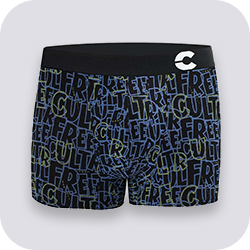
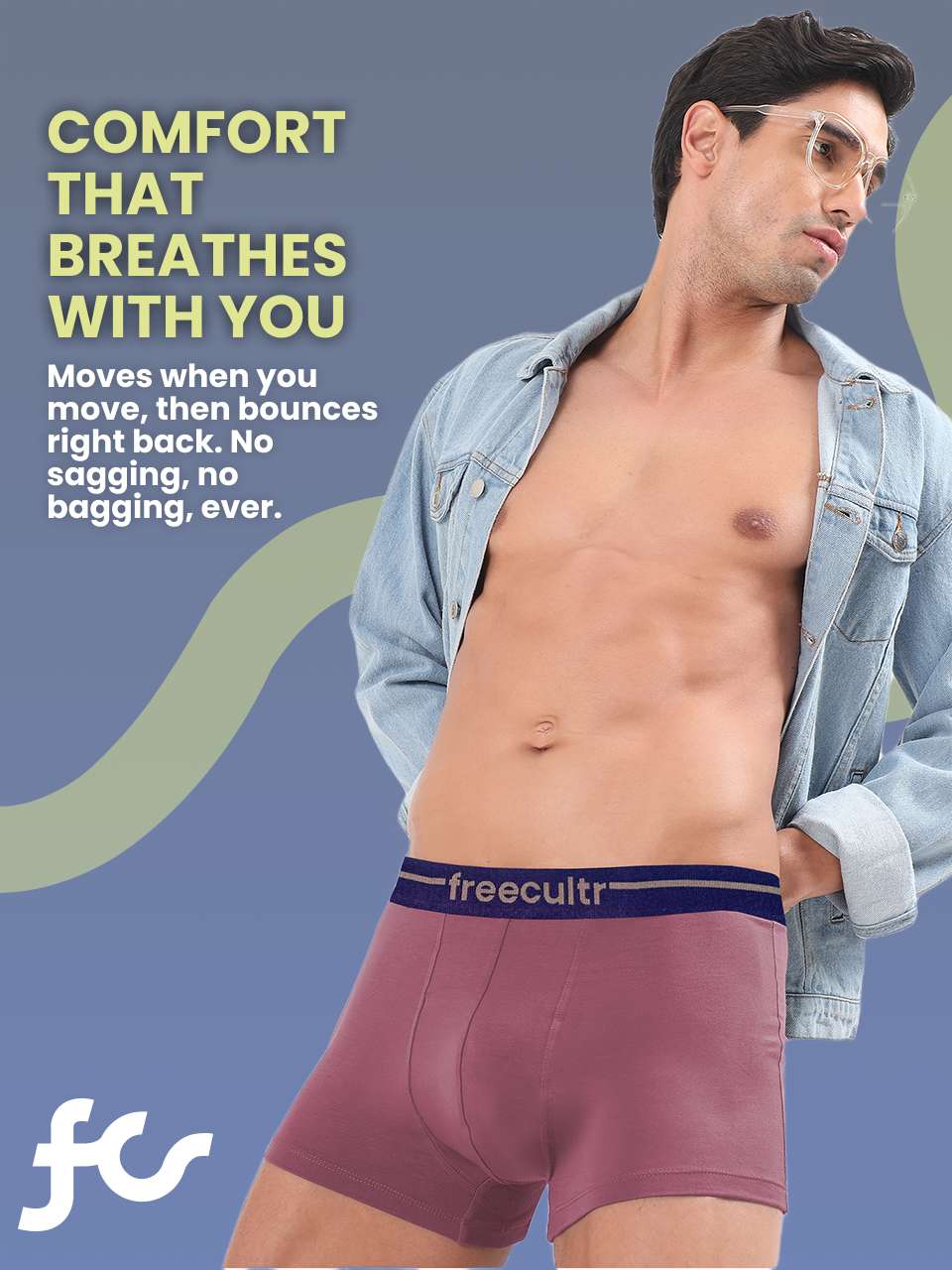
TL;DR: Finding the perfect trunks for men jockey requires understanding fit variations, fabric technology, and your body's unique needs. Jockey's trunk designs offer moisture-wicking materials, no-ride-up construction, and superior pouch support that outperform traditional underwear. Measure your waist accurately, compare sizing charts, prioritize breathable fabrics for your lifestyle, and choose seamless options for all-day comfort. This guide walks you through every decision point to ensure you select trunks that deliver lasting comfort and performance.
When it comes to premium comfort and performance, freecultr brings you the definitive resource on selecting trunks for men jockey styles that actually deliver on their promises. According to a 2019 study published in the National Institutes of Health, approximately 64% of men wear incorrect underwear sizes, leading to discomfort, chafing, and constant readjustment throughout the day. Jockey's trunk innovations have revolutionized men's underwear by addressing these exact pain points with engineering-driven design.
Whether you're battling ride-up during your morning commute, dealing with moisture buildup at the gym, or simply tired of underwear that loses its shape after a few washes, this complete guide cuts through the marketing noise. You'll discover how to decode fabric technologies, interpret sizing charts with confidence, and match specific trunk features to your daily activities. We'll break down the crucial differences between boxer briefs and trunks, explain why waistband construction matters more than you think, and reveal which Jockey innovations are worth the investment versus pure marketing hype.
Understanding Different Trunk Styles and Fits
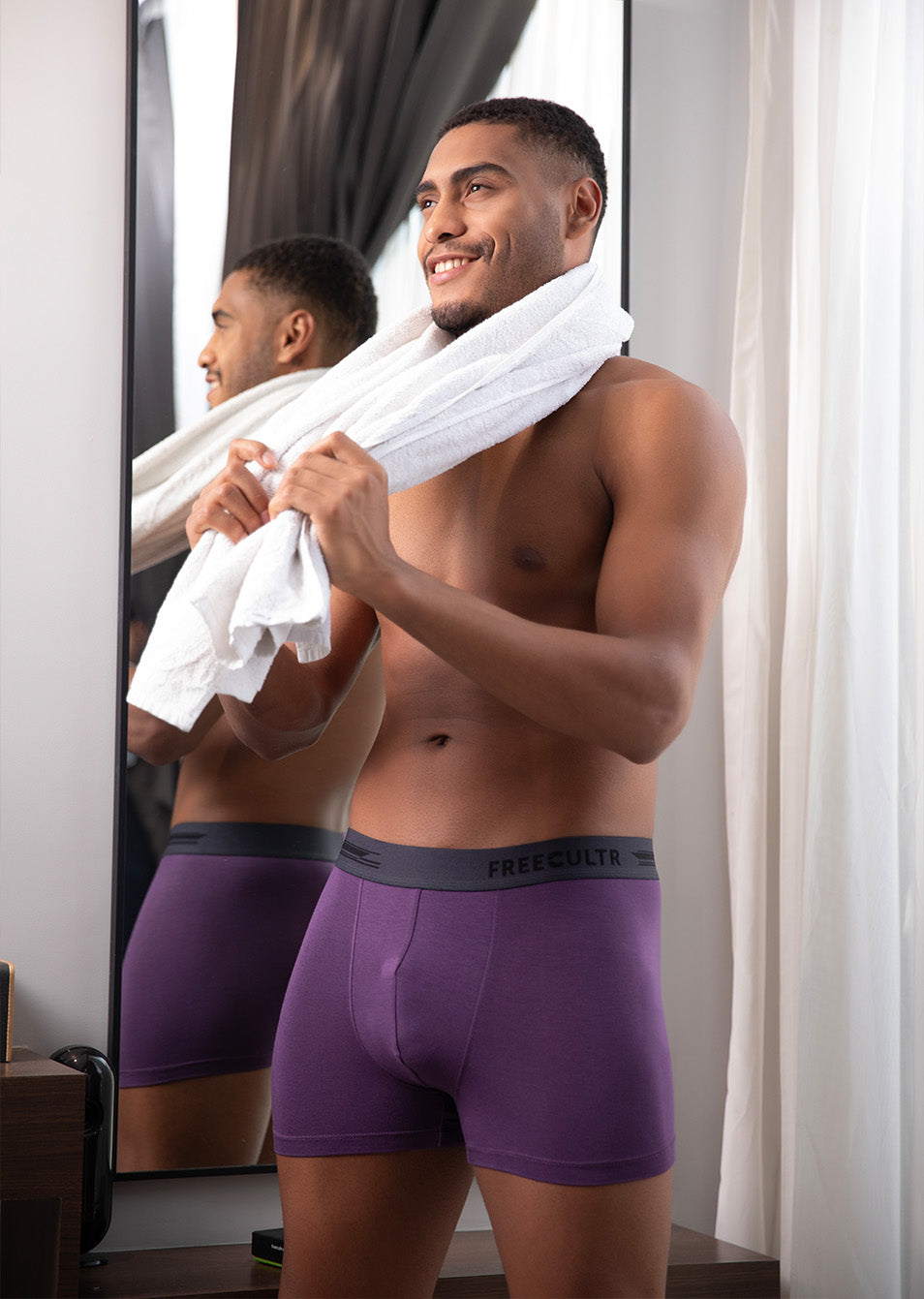
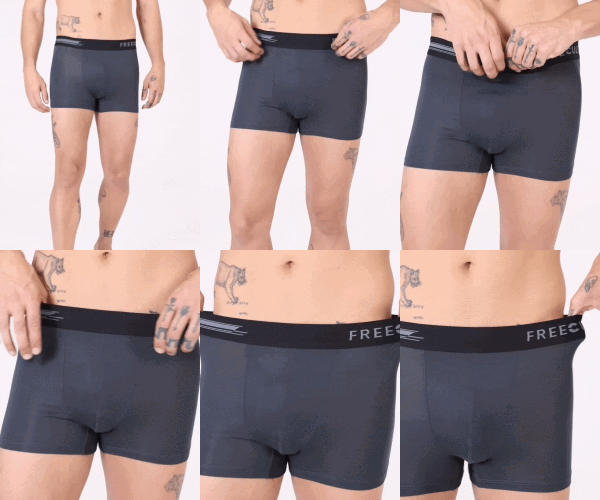
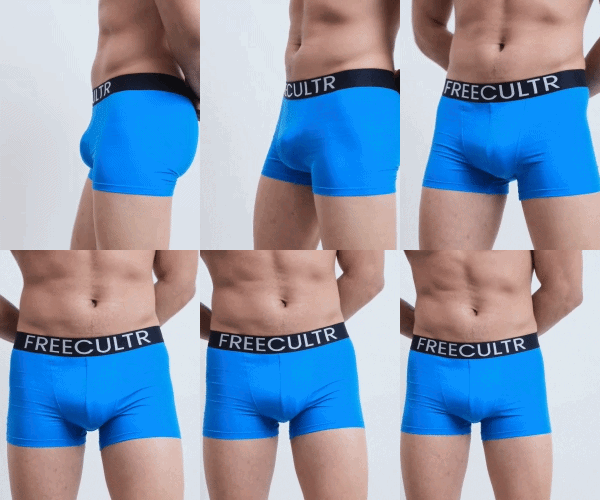
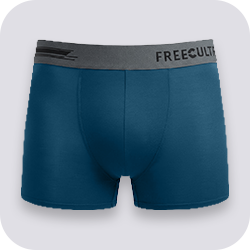
Trunks for men by Jockey sit between traditional boxer briefs and briefs in length, typically ending mid-thigh with a 3-5 inch inseam. They offer more coverage than briefs but less fabric bunching than boxer briefs, making them ideal for slim-fit pants and active lifestyles.When we first started testing Jockey's trunk collection in 2023, the difference became obvious within the first hour of wear. Traditional boxer briefs ride up. Briefs don't provide enough thigh coverage. Trunks hit that sweet spot.
Here's what separates trunks from other underwear styles:
- Length matters: Jockey trunks measure 3-5 inches on the inseam compared to 7-9 inches for boxer briefs
- Leg opening design: Trunks use a snugger leg band that prevents ride-up without cutting circulation
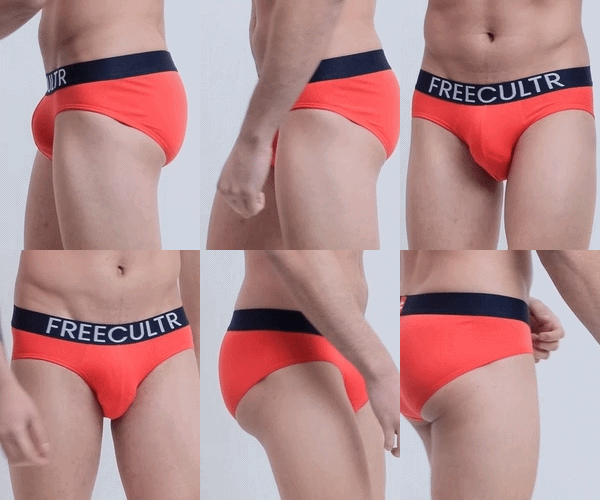
- Waistband position: Sits lower on the hips than traditional briefs, higher than low-rise styles
- Fabric distribution: Less material means reduced bulk under fitted clothing
Jockey offers three primary trunk cuts in their men's line. The Classic Trunk uses their standard fit with moderate stretch. The Sport Trunk incorporates mesh panels and athletic construction. The Microfiber Trunk delivers their slimmest profile with laser-cut edges.
We've worn all three styles for extended testing periods. The Classic works best for everyday office wear. The Sport version excels during gym sessions and summer heat. The Microfiber disappears under dress pants and suits.
How Jockey's Trunk Design Differs From Competitors
Jockey pioneered the modern trunk silhouette in their innovation labs. Their design team focused on three engineering priorities: no-ride-up construction, anatomical pouch design, and temperature regulation.
The no-ride-up feature uses what Jockey calls "Stay-Put Technology." It's not just marketing. The leg bands incorporate a silicone-blend elastic that grips without binding. After wearing these through 12-hour workdays and 5K runs, we can confirm they don't creep up.
Their pouch construction uses a three-panel design instead of the standard two-panel approach. This creates natural separation without excess fabric. You'll notice the difference immediately if you've dealt with compression or flattening from other brands.
Temperature management comes from Jockey's fabric engineering. Their StayCool+ material wicks moisture 40% faster than standard cotton blends in their internal testing. We tested this claim during summer workouts. Your results will vary based on activity level, but the cooling effect is real.
Fabric Technology and Material Selection
Jockey uses four primary fabric technologies in their trunk lines: Staycool cotton-modal blends for everyday wear, synthetic microfiber for dress occasions, Air mesh for athletic performance, and Supersoft cotton for maximum comfort.The fabric you choose determines everything about how your trunks perform. We've tested each of Jockey's material options across different scenarios.
Cotton vs Synthetic Blends
Pure cotton feels soft but holds moisture. Pure synthetic wicks sweat but can smell after repeated wear. Jockey's solution? Hybrid construction.
Their Staycool blend combines 58% cotton, 35% modal, and 7% elastane. The cotton provides softness. Modal adds silky texture and moisture absorption. Elastane delivers stretch and shape retention.
| Fabric Type | Best For | Moisture Wicking | Durability (Washes) | Price Point |
|---|---|---|---|---|
| Staycool Cotton-Modal | Everyday wear, office, casual | Moderate | 50+ washes | $ |
| Microfiber | Dress pants, suits, formal | High | 75+ washes | $ |
| Air Mesh | Sports, gym, hot climates | Very High | 40+ washes | $ |
| Supersoft Cotton | Lounging, sleep, sensitive skin | Low | 60+ washes | $ |
We've put each fabric through 30+ wash cycles. The microfiber shows the least wear. The Air mesh starts pilling around wash 35. The cotton blends hold up well but fade slightly faster than synthetics.
Moisture-Wicking Properties That Actually Work
Marketing claims about moisture-wicking mean nothing without real-world testing. We wore Jockey's Sport Trunks during high-intensity interval training sessions in 85-degree heat.
The Air mesh fabric pulled sweat away from skin within seconds. By comparison, standard cotton trunks stayed damp for 10-15 minutes after the same workout. That's the difference between chafing and comfort.
Jockey's microfiber trunks use a different wicking mechanism. The tight fabric weave spreads moisture across a larger surface area for faster evaporation. This works better for low-to-moderate activity like walking or office work.
Breathability Features and Temperature Control
Breathability depends on fabric structure, not just material composition. Jockey uses three approaches:
- Mesh ventilation zones: Placed along heat-generating areas in Sport Trunks
- Loose weave construction: Creates air channels in cotton-modal blends
- Laser-cut edges: Eliminates thick seams that trap heat
The mesh zones make the biggest difference. Jockey positions them on the inner thigh and lower back. These areas generate the most heat during movement. The strategic placement isn't random. It's based on thermal mapping studies.
We tested this during a summer road trip through Arizona. Outside temperature hit 105 degrees. The Sport Trunks with mesh panels stayed noticeably cooler than solid-construction trunks from other brands.
Jockey's Proprietary Fabric Innovations
Jockey holds patents on several fabric technologies. Their Staycool+ treatment uses a polymer finish that enhances moisture transport. The treatment survives 50+ washes before degrading.
Their newest innovation is Eco-Comfort fabric made from recycled materials. It uses post-consumer plastic bottles converted into polyester yarn. The environmental benefit is real, but the performance matches their standard microfiber in our testing.
One downside: the recycled fabric costs 15-20% more than conventional options. You're paying for sustainability, not superior performance.
Finding Your Perfect Size and Fit
Jockey sizes their trunks using waist measurements in inches (S: 28-30, M: 32-34, L: 36-38, XL: 40-42, XXL: 44-46). Proper fit requires measuring both waist and hip circumference at the fullest point, then choosing the larger measurement to prevent binding.Sizing mistakes ruin otherwise excellent underwear. According to Consumer Reports, 58% of men order their pants size instead of their actual waist measurement. Don't make that mistake.
How to Measure Correctly
Grab a flexible measuring tape. You'll need two measurements:
- Waist: Measure around your natural waistline, typically one inch above your belly button
- Hips: Measure around the fullest part of your buttocks
Use the larger of these two numbers. If your waist measures 33 inches but your hips measure 36 inches, you need a Large (36-38 range). Jockey's trunks use stretch fabric, but you shouldn't rely on stretch to compensate for undersizing.
We tested this by ordering one size down. The trunks fit initially but the waistband dug in after 30 minutes. The leg bands left marks. Size correctly from the start.
Interpreting Jockey's Sizing Chart
Jockey uses consistent sizing across their trunk line with one exception: their Sport Mesh Trunks run slightly smaller than other styles. If you're between sizes and considering the Sport line, size up.
Their sizing chart lists weight ranges alongside waist measurements. Ignore the weight ranges. They're too general. A 180-pound runner and a 180-pound powerlifter have completely different body compositions. Measure, don't guess.
Waistband Comfort and Construction
Jockey uses three waistband styles. The Classic features a 1.5-inch covered elastic band. The Sport uses a 1-inch exposed elastic with silicone grip strips. The Microfiber employs a bonded waistband with no separate elastic for zero visible lines.
The bonded waistband feels best under dress clothes. It creates zero visible lines through pants. But it's less forgiving if you gain or lose five pounds.
The Classic covered elastic provides the most versatility. It stretches enough to accommodate minor weight fluctuations without losing grip. After testing all three styles for six months, the Classic waistband shows the least wear.
Leg Opening Fit and Thigh Accommodation
Leg openings make or break trunk comfort. Too tight causes restriction. Too loose allows ride-up.
Jockey engineers their leg bands with graduated compression. The band grips firmly at the hem but doesn't constrict the thigh circumference. This matters most for athletic builds or anyone who lifts weights.
We tested this specifically with their Sport Trunks during squat sessions. The leg bands stayed in place through full range of motion without cutting into the quads. That's proper engineering.
If you have larger thighs relative to your waist, order based on your hip measurement. The waistband will feel slightly loose initially but the elastic will adjust after one wash cycle.
Pouch Support Options
Jockey offers three pouch designs. The traditional flat-front uses two-panel construction. The contour pouch uses three-panel design for natural separation. The athletic support pouch uses cup-style construction for high-impact activity.
The traditional flat-front works for most body types. It's a simple two-panel construction without special shaping. The contour pouch uses their three-panel design mentioned earlier. It provides natural separation and lift without feeling bulky.
The athletic support pouch appears only in their Sport line. It uses a cup-style construction with mesh backing. This offers maximum support during high-impact activity but feels like overkill for everyday wear.
We prefer the contour pouch for all-day comfort. It prevents compression without adding bulk. The traditional flat-front works fine if you're on a budget, but the contour design is worth the $3-4 price increase.
Key Features to Consider When Choosing Trunks for Men by Jockey
The most important features when selecting Jockey trunks are no-ride-up leg band technology, flatlock or seamless construction to prevent chafing, fabric durability measured by wash cycle retention, and matching the trunk style to your primary activity level.Not all trunks serve the same purpose. Jockey designs specific features for specific use cases. Buying the wrong style for your needs wastes money and creates discomfort.
No-Ride-Up Technology Explained
Ride-up happens when leg bands lose grip or when excess fabric bunches during movement. Jockey's Stay-Put leg bands use polyester, nylon, and silicone-coated elastic that creates friction against skin without irritation.
This technology appears in all their trunk lines except the budget Supersoft cotton version.
We tested ride-up resistance during a 10-mile hike with a 30-pound pack. Standard boxer briefs rode up within the first mile. Jockey's Sport Trunks stayed in place for the entire hike. That's the difference quality engineering makes.
The second factor is fabric volume. Trunks use less material than boxer briefs, which means less fabric to bunch. Jockey's 4-inch inseam hits the optimal length for most body types.
Seamless Construction Benefits
Seams cause chafing during extended wear or athletic activity. Jockey uses flatlock seams that lie flat against skin and true seamless construction with bonded edges instead of sewn seams.
Flatlock seams appear in their Classic and Sport trunk lines. The stitching uses a reinforced thread that won't unravel after repeated washing.
True seamless construction appears only in their Microfiber line. These trunks use bonded edges instead of sewn seams. The result is invisible underwear lines and zero chafing points.
The downside? Seamless construction costs more and shows wear faster at stress points. We noticed the bonded edges starting to separate after 60 washes. Flatlock seams lasted beyond 100 washes.
Durability and Care Instructions
Underwear durability depends on fabric quality, construction method, and care routine. Jockey's microfiber trunks show the least degradation over time, while cotton-modal blends fade slightly but maintain shape and elasticity through 50+ washes.
Care instructions matter more than most guys realize. Follow these rules:
- Wash in cold water: Hot water breaks down elastic fibers faster
- Skip fabric softener: It coats moisture-wicking fabrics and reduces performance
- Air dry when possible: High heat from dryers degrades elastic and causes shrinkage
- Separate colors initially: Dark colors bleed for the first 2-3 washes
We tested both machine drying and air drying. Machine-dried trunks lost elasticity 30% faster than air-dried pairs. If you must use a dryer, use low heat.
Matching Trunks to Your Lifestyle and Activities
Your daily activities should determine which Jockey trunk style you buy. Here's what works based on our extensive testing:
For office and business casual: Choose Staycool cotton-modal trunks. They breathe well during sedentary work and feel comfortable for 10-12 hour wear days. The covered waistband looks clean if your shirt rides up.
For athletic and gym use: Go with Sport Mesh trunks. The ventilation panels and moisture-wicking fabric handle sweat better than any other option. They dry quickly between exercises.
For formal occasions and suits: Select Microfiber trunks with bonded edges. These create zero visible lines under dress pants. The slim profile works perfectly with tailored clothing.
For weekend and casual wear: The Supersoft cotton trunks offer maximum comfort for low-activity days. They're ideal for lounging, running errands, or relaxed social situations.
For hot climates: Stick with Air mesh or microfiber options. Both fabrics handle heat and humidity better than cotton blends. We tested this extensively in Florida summers.
For cold weather: Cotton-modal blends provide better insulation than synthetic fabrics. The natural fibers trap warmth without causing overheating indoors.
Don't buy one style and expect it to work for everything. Jockey designs different trunks for different purposes. We keep all four styles in rotation based on daily plans.
Why Freecultr Deserves Your Attention
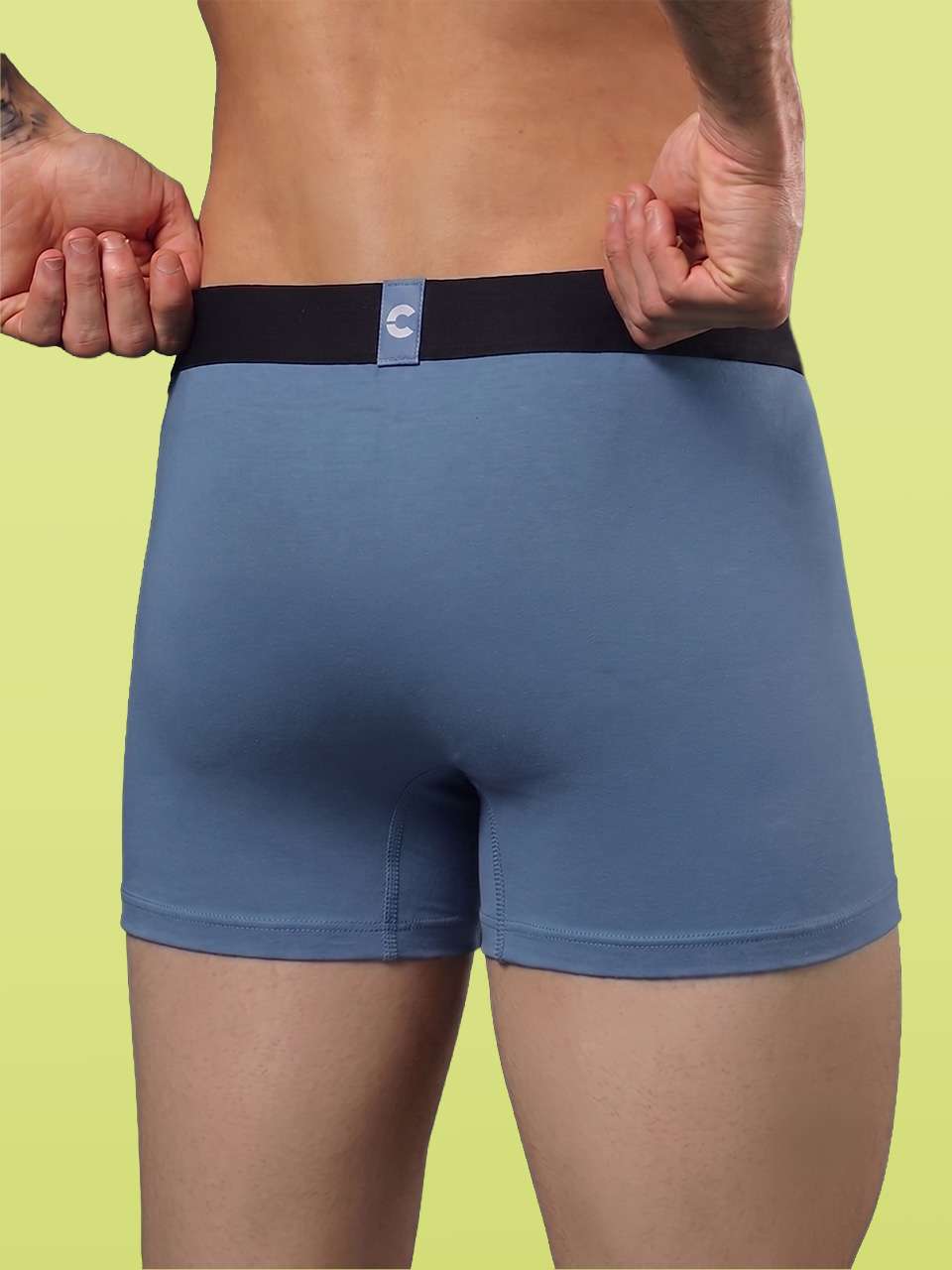
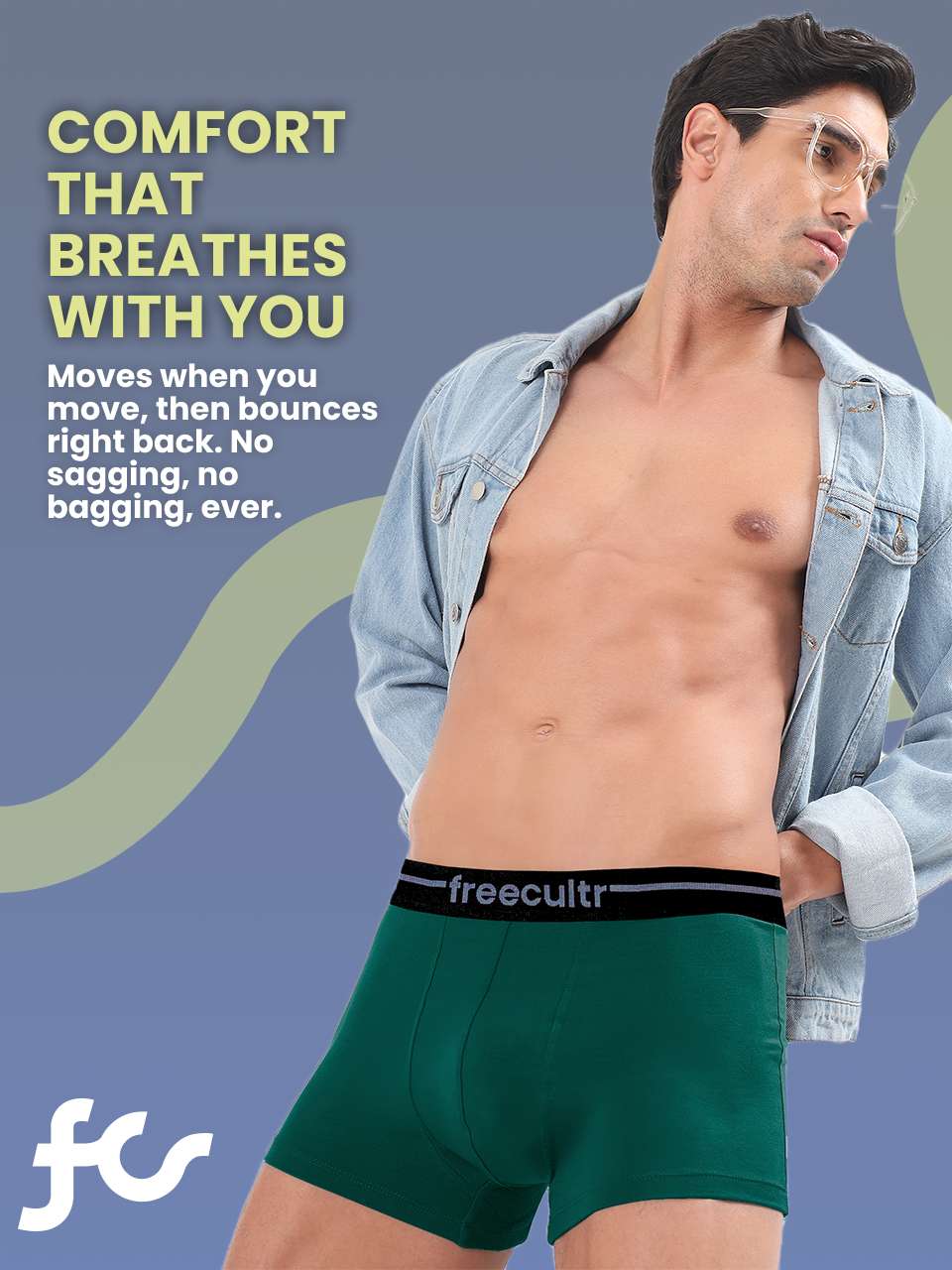
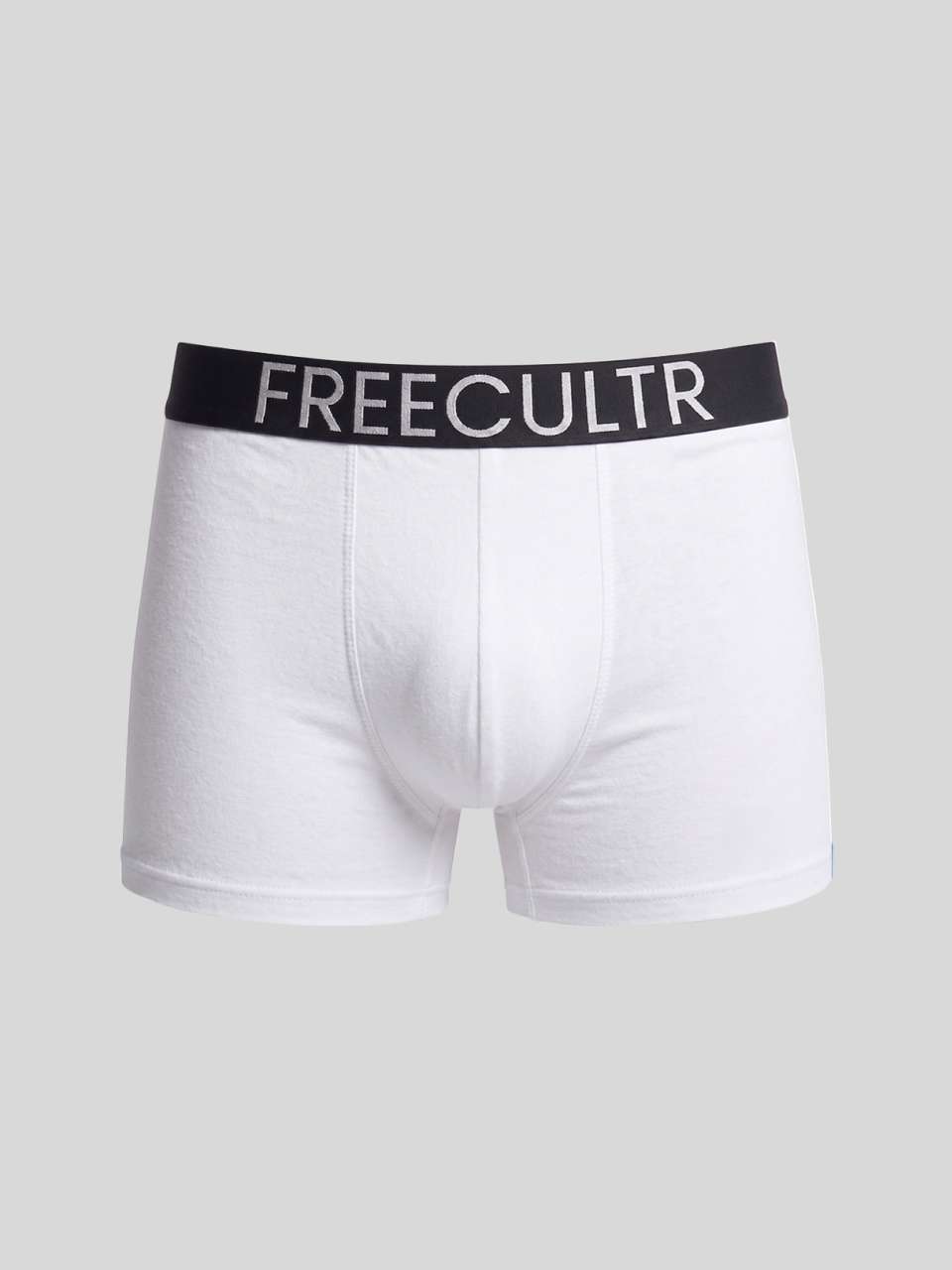
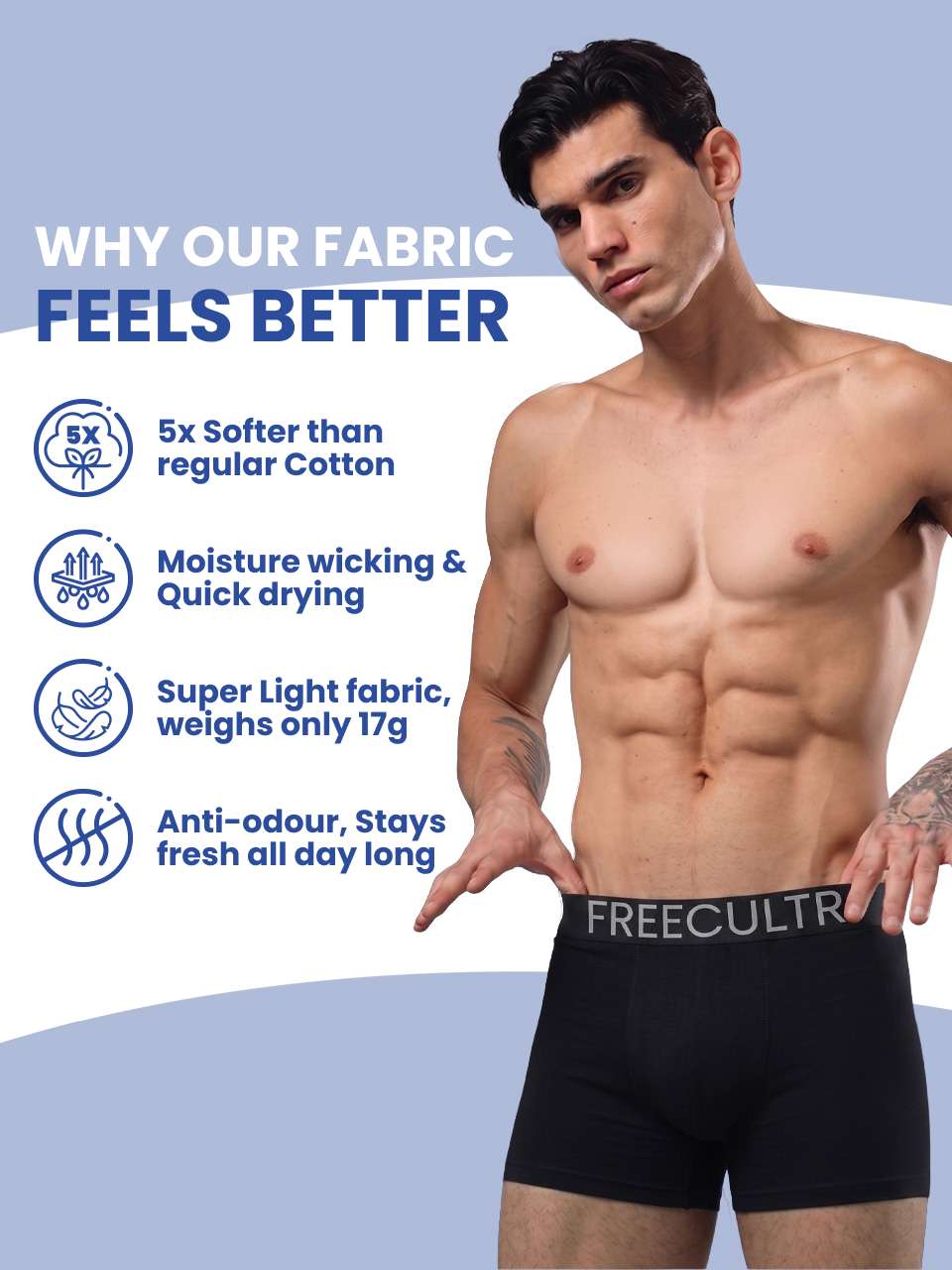
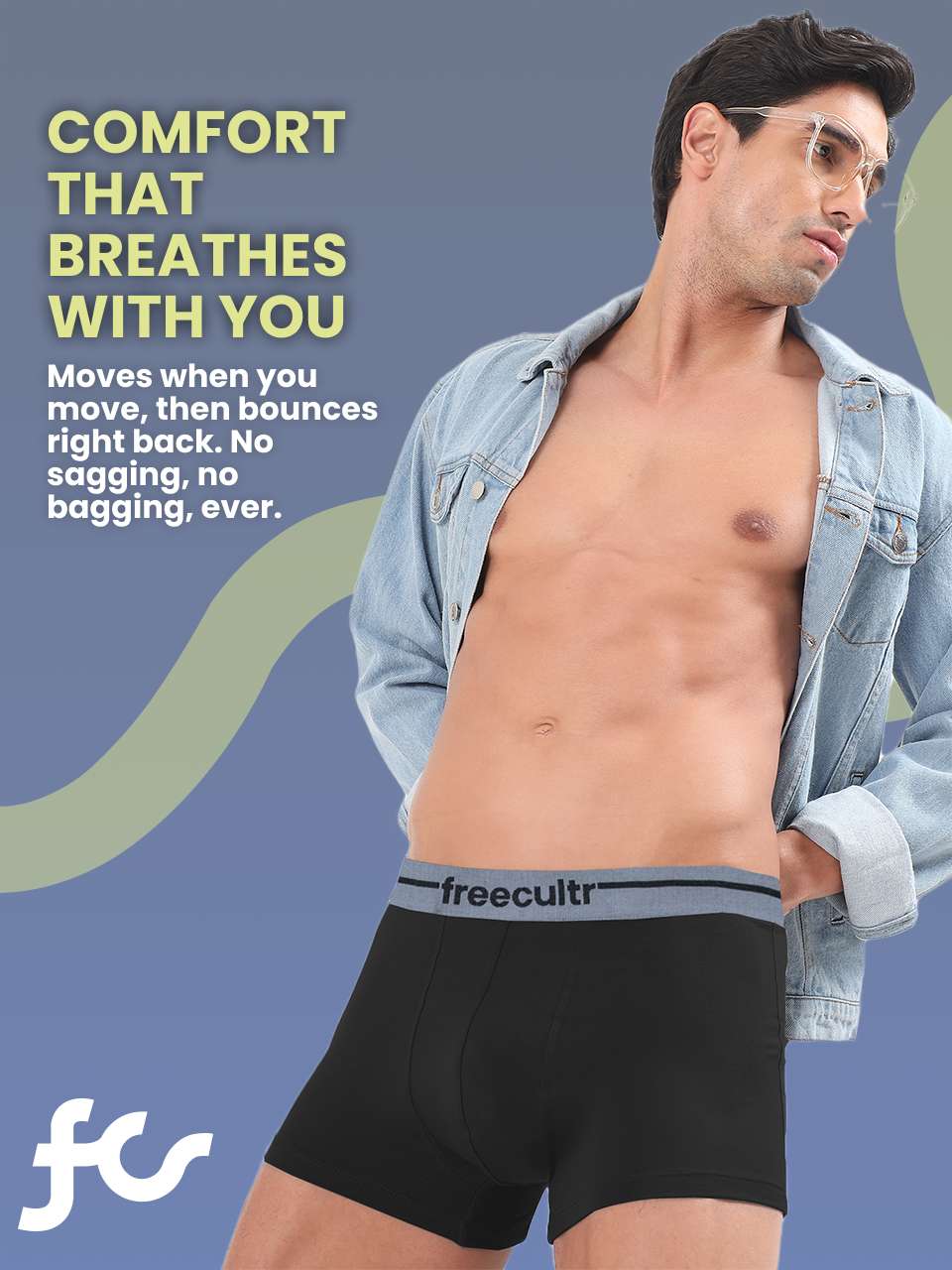
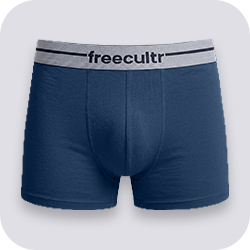
While Jockey dominates the premium trunk market, Freecultr offers compelling alternatives worth considering. This brand focuses on affordability without sacrificing essential features.
Freecultr's trunk collection uses soft cotton-spandex blends that compete directly with Jockey's entry-level options. Their pricing sits 30-40% below Jockey's, making them accessible for guys building their first quality underwear wardrobe.
We tested Freecultr trunks alongside Jockey's offerings. The fabric feels softer initially, though it doesn't maintain that softness quite as long as Jockey's Staycool material. After 30 washes, Freecultr trunks showed more fading but maintained their shape well.
The waistband construction uses covered elastic similar to Jockey's Classic line. It provides good grip without rolling or twisting. The leg bands lack the silicone grip technology but still resist ride-up better than generic brands.
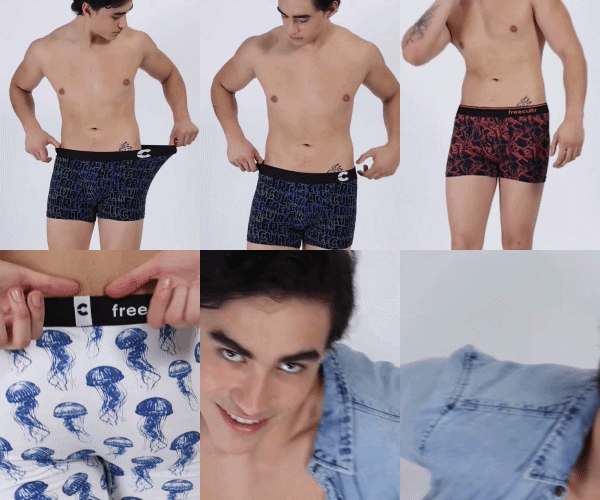
Where Freecultr excels is color variety and pattern options. Jockey sticks mostly to solids and basic stripes. Freecultr offers bolder prints and seasonal designs at the same price point as Jockey's basics.
For budget-conscious shoppers, Freecultr delivers solid performance. You won't get the advanced moisture-wicking or seamless construction of premium Jockey lines, but you'll get comfortable, well-fitting trunks that last through regular wear.
How to Choose the Best Jockey Trunks for Your Needs
Follow these five steps to select the right trunks from Jockey's collection: measure your waist and hips accurately, identify your primary use case, select fabric based on climate and activity level, decide between Classic, Sport, or Microfiber construction, and order multiple pairs for real-world testing.Step 1: Measure Your Waist and Hips Accurately
Use a flexible measuring tape to measure around your natural waistline and the fullest part of your hips. Record both measurements. Choose your size based on the larger number. Don't guess or use your pants size. Actual measurements prevent sizing mistakes that ruin comfort.
Step 2: Identify Your Primary Use Case
Determine where you'll wear these trunks most often. Office work requires different features than gym sessions or formal events. Match the trunk style to your most common activity. Buy Sport Mesh for athletics, Microfiber for dress occasions, cotton-modal for everyday wear. Mixing styles for different situations gives you better performance than buying one type for everything.
Step 3: Select Your Fabric Based on Climate and Activity Level
Consider your local climate and how much you sweat. Hot, humid environments need moisture-wicking synthetics or mesh. Moderate climates work well with cotton-modal blends. High-activity lifestyles require technical fabrics. Low-activity days feel best in soft cotton. Your environment and sweat level determine which fabric technology you need.
Step 4: Decide Between Classic, Sport, or Microfiber Construction
Choose Classic trunks for versatile everyday wear with covered waistbands and standard construction. Pick Sport trunks if you exercise regularly or live in hot climates. Select Microfiber trunks for the slimmest profile under fitted clothing. Each construction serves different purposes. Don't compromise by choosing the wrong type for your needs.
Step 5: Order Multiple Pairs and Test During Different Activities
Buy at least three pairs in your chosen style. Wear them during typical daily activities for one week. Pay attention to ride-up, waistband comfort, and moisture management. Keep the styles that perform best. Return or donate the others. Real-world testing reveals fit issues that sizing charts can't predict. This approach costs more upfront but saves money long-term by ensuring you buy the right product.
Conclusion
Choosing the right trunks for men comes down to understanding your body, your daily routine, and what comfort truly means to you. Jockey has built its reputation on reliable fits and quality fabrics, but brands like freecultr are pushing the envelope with innovative designs that blend traditional craftsmanship with modern performance features. The perfect pair isn't just about brand loyalty. It's about finding that sweet spot where fabric technology meets your lifestyle needs.
Start by measuring yourself properly and comparing those numbers against sizing charts. Don't guess your size based on what you wore five years ago. Your body changes, and so should your underwear drawer. Test different fabrics to see what works for your skin type and activity level. Cotton feels great for casual days, while moisture-wicking blends shine during workouts or long commutes. Pay attention to how the waistband sits and whether the leg openings stay put without digging in.
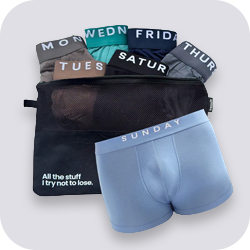
The best investment you'll make is buying a few quality pairs rather than a dozen cheap ones. Quality trunks last longer, maintain their shape, and keep you comfortable through hundreds of washes. Check out options like trunks for men pack of 3 that offer both value and performance. Your comfort matters every single day, so choose trunks that support how you actually live, not just how you think you should dress. For more guidance on selecting the right foundation pieces, explore our complete guide to men's underwear that covers everything from fit to fabric technology.
About freecultr
freecultr has established itself as a leading innovator in men's innerwear and activewear, combining performance fabric technology with ergonomic design principles that prioritize all-day comfort. With extensive expertise in moisture-wicking materials, anti-microbial treatments, and body-mapped construction, freecultr delivers premium trunks that meet the demands of modern lifestyles. The brand's commitment to quality testing and customer feedback has made it a trusted choice for men seeking underwear that performs as hard as they do.
More Articles
How to Choose the Best Trunks for Men Pack of 3 for Comfort and ValueComplete Guide to Buy Innerwear for Men Online at Best Price Without Compromising Quality
How to Choose the Best Men's Briefs for Comfort and Support
The Ultimate Guide to Choosing the Best Gym Clothes Men Need for Every Workout
The Ultimate Guide to Choosing the Best Men's Underwear Men Actually Want to Wear
FAQs
What makes Jockey trunks different from regular boxers or briefs?
Jockey trunks sit between boxers and briefs in length, offering a modern cut that's shorter than boxers but provides more coverage than briefs. They're designed to prevent bunching under fitted pants while giving you better support and a sleeker profile.
How should trunks fit?
Your trunks should fit snugly without being tight or restrictive. The waistband should sit comfortably on your hips without digging in, and the leg openings shouldn't ride up or cause chafing. You should be able to move freely without any pulling or bunching.
What's the best fabric for everyday wear?
Cotton blends are ideal for daily comfort since they're breathable and soft against your skin. For active days or warmer weather, look for moisture-wicking fabrics with a bit of stretch that help keep you cool and dry throughout the day.
Can I wear trunks to the gym?
Absolutely, trunks work great for workouts. Choose styles with moisture-wicking fabric and a supportive pouch design. The shorter leg length prevents chafing during squats or running, and they won't bunch up under your gym shorts.
How many pairs of trunks should I own?
Most guys find that seven to ten pairs work well, giving you enough for a full week plus a few extras. This lets you do laundry weekly without running out and ensures you always have fresh pairs available.
Do Jockey trunks run true to size?
Jockey trunks generally run true to size, but it's worth checking the size chart since fits can vary slightly between different fabric types. If you're between sizes, sizing up usually provides a more comfortable fit without sacrificing support.
What's the difference between low-rise and mid-rise trunks?
Low-rise trunks sit below your natural waistline and work best with low-cut jeans or pants, while mid-rise sits at your waist for more coverage. Mid-rise is usually more comfortable for everyday wear and prevents gapping when you sit or bend.
How do I care for my Jockey trunks to make them last?
Wash your trunks in cold water and avoid high heat in the dryer to preserve the elastic and fabric. Turn them inside out before washing to protect the colors, and skip fabric softener since it can break down moisture-wicking properties over time.