










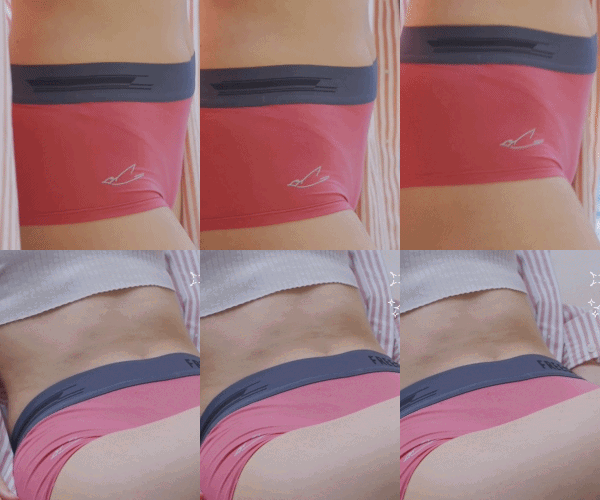






In the quest for ultimate comfort, consumers are increasingly discerning between fabrics, moving beyond simple cotton towards enhanced options like modal. We delve into a detailed comparison of modal and cotton, two dominant players in the textile industry, particularly in apparel and home textiles. We'll examine the key criteria driving consumer choices today: softness, breathability, durability. Environmental impact. Recent innovations in modal production are challenging cotton's long-held dominance, so we'll evaluate the manufacturing processes and material properties that give each fabric its distinct advantages. Prepare to interpret which fabric truly delivers superior performance and aligns with evolving sustainability concerns.

What is Modal Fabric?
Modal is a semi-synthetic fabric made from beech tree pulp. It's classified as a type of rayon, known for its incredible softness, drape. Resistance to shrinkage. The production process involves spinning cellulose from the beech trees into fabric. Because it comes from a natural source but undergoes processing, it lands in the semi-synthetic category.
The key to modal's desirable properties lies in its fiber structure. The fibers are smooth and round, leading to a soft feel and preventing irritation, even on sensitive skin. This also contributes to its excellent draping quality. Moreover, modal is more resistant to shrinking and fading than cotton, making it a durable choice for clothing and other textiles.
Understanding Cotton: A Textile Staple
Cotton, on the other hand, is a natural fiber harvested from cotton plants. It's one of the most widely used fabrics in the world, prized for its versatility, breathability. Affordability. The fibers are composed primarily of cellulose and are spun into yarn, which is then woven or knitted into fabric.
Cotton's breathability stems from its fiber structure, allowing air to circulate freely. It's also absorbent, making it comfortable to wear in warm weather. But, cotton is prone to shrinking, wrinkling. Fading, particularly if not cared for properly. The quality of cotton can vary depending on the type of cotton plant and the processing methods used. For example, long-staple cottons like Egyptian or Pima cotton are known for their superior softness and durability compared to short-staple varieties.
Softness Showdown: Modal vs. Cotton
When it comes to softness, modal typically takes the lead. Its smooth fiber structure creates a silky feel against the skin that many find more luxurious than cotton. While high-quality cotton, such as Egyptian or Pima, can be very soft, modal generally maintains its soft texture even after repeated washings. Cotton can sometimes become stiff or rough over time, especially if it's not treated with fabric softeners.
Consider this: a study by a textile research institute compared the hand feel of modal and cotton fabrics after multiple washes. The results showed that modal retained a significantly softer feel compared to cotton, which experienced a noticeable decline in softness.
Breathability: Keeping Cool and Comfortable
Both modal and cotton are breathable fabrics. They achieve breathability through different mechanisms. Cotton's breathability comes from the spaces between its fibers, which allow air to circulate. Modal, while also breathable, wicks moisture away from the skin more effectively than cotton. This makes modal a good choice for activewear or for those who tend to sweat more.
Imagine wearing a cotton t-shirt on a hot day versus a modal t-shirt. While both will keep you relatively cool, the modal t-shirt will likely feel drier and more comfortable because it's drawing moisture away from your body. This moisture-wicking property of modal also helps to prevent the growth of bacteria, making it a more hygienic option.
Durability and Care: Longevity Matters
Modal is generally more durable than cotton. Its fibers are less likely to break down during washing and drying, meaning it resists shrinking and fading better. Cotton, especially lower-quality varieties, can weaken over time and become susceptible to pilling. But, the durability of cotton can be improved through special treatments and blends with other fibers.
In terms of care, both fabrics are relatively easy to maintain. Modal can typically be machine washed and dried, although it's best to avoid high heat to prevent damage to the fibers. Cotton can also be machine washed and dried. It's more prone to shrinking, so it's vital to follow the care instructions on the garment label. Ironing is often required for cotton to remove wrinkles, while modal is naturally wrinkle-resistant.
Environmental Impact: A Sustainable Perspective
The environmental impact of both modal and cotton production is a growing concern. Conventional cotton farming can be resource-intensive, requiring significant amounts of water, pesticides. Fertilizers. This can lead to soil degradation, water pollution. Health problems for farmers. Organic cotton farming is a more sustainable alternative, as it eliminates the use of harmful chemicals and promotes soil health. But, organic cotton production is still relatively small compared to conventional cotton.
Modal, while derived from a renewable resource (beech trees), also has environmental considerations. The production process involves chemicals. The wastewater needs to be treated properly to prevent pollution. But, some modal manufacturers use closed-loop processes that recycle water and chemicals, reducing their environmental footprint. Look for modal fabrics that are certified by organizations like OEKO-TEX, which ensures that the fabric has been tested for harmful substances and produced in an environmentally responsible manner.
Cost Comparison: Balancing Quality and Budget
Modal is typically more expensive than cotton, especially conventional cotton. This is due to the more complex manufacturing process and the higher cost of raw materials. But, the price difference may be justified by modal's superior softness, durability. Moisture-wicking properties. Organic cotton can be more expensive than conventional cotton. It's often comparable in price to modal.
When making a purchasing decision, consider the long-term value. While modal may have a higher upfront cost, its durability and resistance to shrinking and fading mean it may last longer than cotton, ultimately saving you money in the long run. It's also vital to consider the intended use of the fabric. For everyday wear, cotton may be a more affordable option. But for items that require superior softness, breathability, or durability, modal may be the better choice.
Real-World Applications: Where Each Fabric Shines
Modal and cotton each have their strengths and are well-suited for different applications. Cotton is a versatile fabric that's used in a wide range of products, including t-shirts, jeans, bedding. Towels. Its affordability and breathability make it a popular choice for everyday wear. Modal is often used in lingerie, pajamas, activewear. High-end clothing. Its softness, drape. Moisture-wicking properties make it ideal for garments that are worn close to the skin. It is a great choice to ensure Fashion & Comfort.
Here are some specific examples:
- Lingerie: Modal's softness and drape make it a luxurious choice for lingerie, providing comfort and a flattering fit.
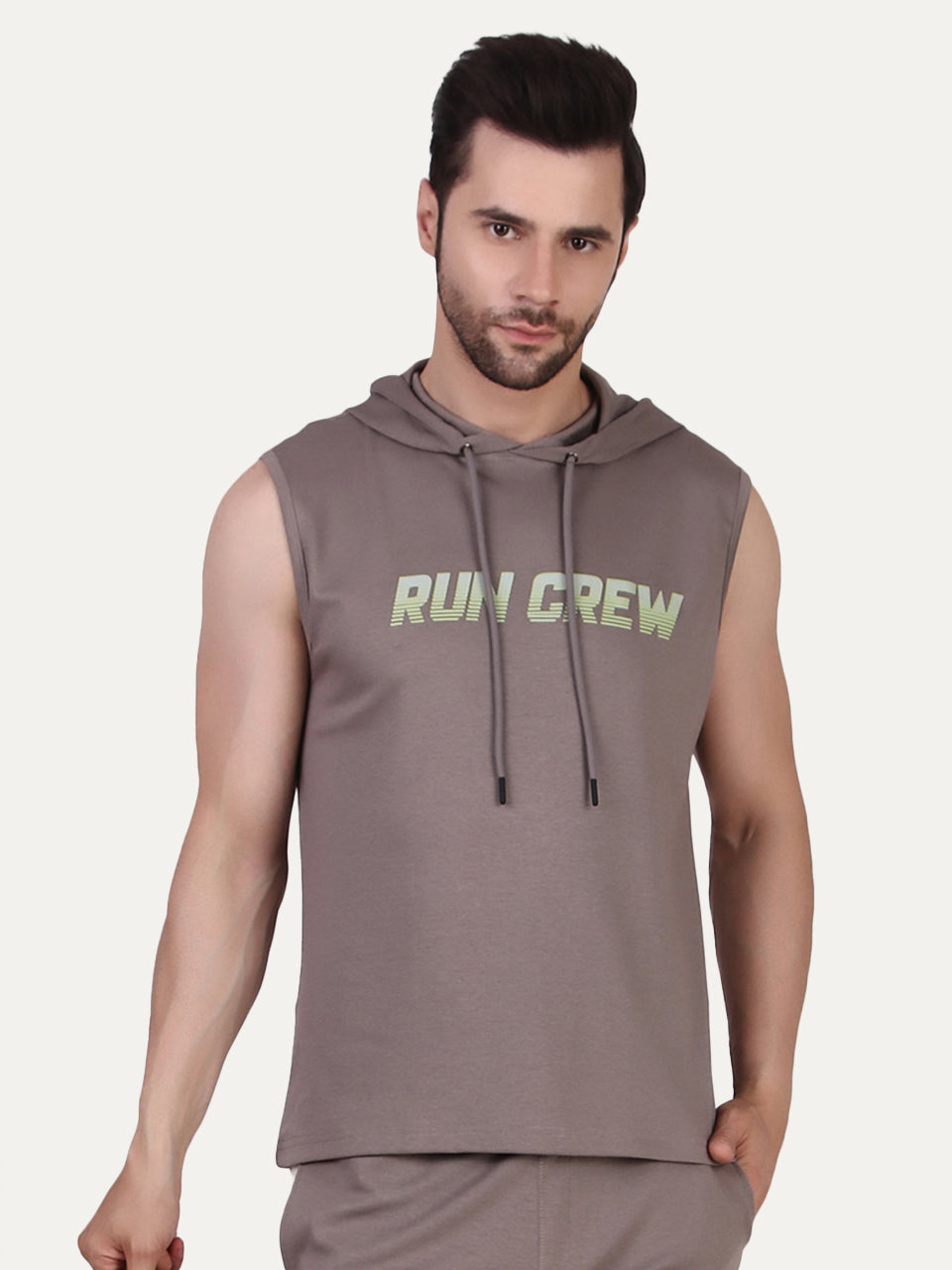
- Activewear: Modal's moisture-wicking properties keep you dry and comfortable during workouts.
- Bedding: Modal sheets are known for their silky smoothness and breathability, providing a comfortable night's sleep.
- Baby Clothes: Both cotton and modal are used in baby clothes. But, cotton is more commonly used due to its lower cost. Modal, But, is great for babies with sensitive skin.
Making the Right Choice: Factors to Consider
Ultimately, the best choice between modal and cotton depends on your individual needs and preferences. Consider the following factors when making your decision:
- Softness: If softness is your top priority, modal is generally the better choice.
- Breathability: Both fabrics are breathable. Modal excels at moisture-wicking.
- Durability: Modal is more resistant to shrinking and fading than cotton.
- Cost: Cotton is typically more affordable than modal.
- Environmental Impact: Consider the environmental impact of both fabrics and look for sustainable options like organic cotton or modal made with closed-loop processes.
- Intended Use: Choose the fabric that's best suited for the specific application.
By carefully weighing these factors, you can make an informed decision and choose the fabric that's right for you.
Conclusion
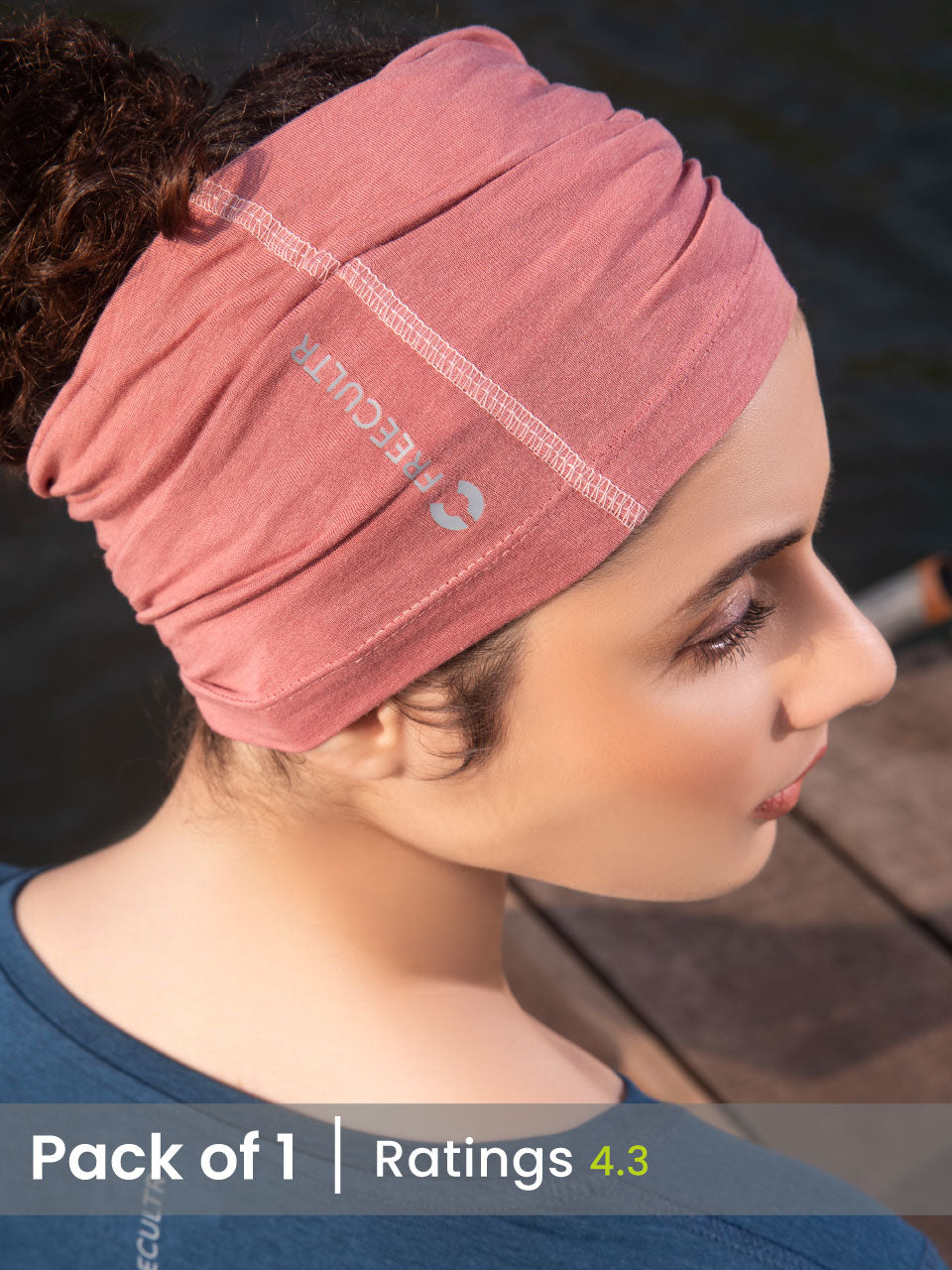
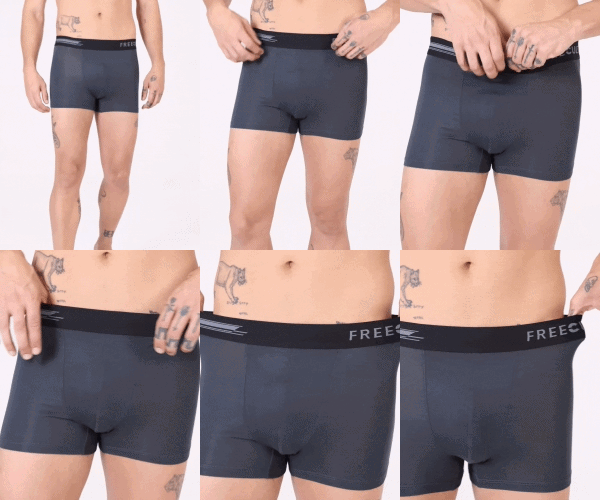
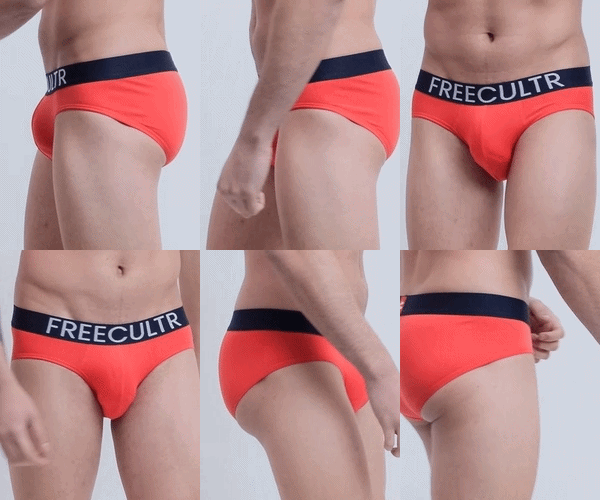
Choosing between modal and cotton ultimately boils down to your specific needs and priorities. As we move towards more sustainable and performance-driven fabrics, modal undoubtedly shines with its enhanced softness, superior moisture-wicking capabilities. Eco-friendly production. But, the familiar comfort and affordability of cotton remain appealing. Consider your lifestyle: Are you prioritizing workout gear where breathability is paramount, or everyday wear where comfort and value are key? My personal tip? Opt for modal blends in items like underwear and t-shirts for a luxurious feel. Stick with cotton for items where durability and cost-effectiveness are more vital, like bandanas Paisley Bandana for Men Cotton. Don't be afraid to experiment and discover what works best for your skin and your wardrobe. Ultimately, informed choice is the key to textile success!More Articles
Men's Cotton Trunks Pack of 3 – Breathable Comfort & Flexible FitBlack Bandana for Men Head – Versatile Fashion & Moisture-Wicking
Printed Bandana for Men Face Mask – Breathable Comfort & Unique Design
Indian Cotton Bandana for Men Online – Vibrant Prints & Lightweight Feel
FAQs
So, Modal and Cotton... Both comfy, right? What's the real difference when it comes to softness?
Yep, both are definitely on the comfy end of the fabric spectrum! But generally, modal is considered even softer than cotton. Think of it like this: cotton is like your favorite well-worn t-shirt, soft and familiar. Modal is like that t-shirt after it's been through a fancy spa day – extra smooth and silky.
Okay, softness I get. What about breathability? Does one breathe better than the other?
Good question! Both are breathable. Modal tends to have the edge here too. Its structure allows for better moisture wicking, meaning it pulls sweat away from your skin more effectively. So, if you tend to get warm easily, modal might be your new best friend.
Does modal shrink a lot when you wash it? I've had some bad experiences with shrinkage!
Shrinkage is definitely a concern! Modal is generally more resistant to shrinking than cotton. Cotton fibers can tighten up quite a bit in the wash, while modal tends to hold its shape better. Still, always check the care label – following those instructions is key!
How durable are we talking? Will my modal stuff fall apart after a few washes?
Not at all! Modal is surprisingly durable. The fibers are strong and less likely to pill compared to some types of cotton. It's a fabric that can withstand regular wear and washing, making it a solid choice for everyday items.
Is one more expensive than the other?
You might be wondering about the cost. Generally, modal tends to be a bit more expensive than regular cotton. This is because the manufacturing process for modal is a little more involved. But, the enhanced softness, breathability. Durability often make it worth the extra investment for many people.
What kind of clothes are typically made from modal?
You'll find modal used in all sorts of clothing! It's popular for things like underwear, pajamas, t-shirts, activewear. Even some bedding. , anything where softness and comfort are a priority, modal is a great contender.
So, if I had to pick just one, which should I choose: Modal or Cotton?
Ah, the million-dollar question! It really depends on your priorities. If ultimate softness and breathability are key. You don't mind paying a bit more, modal is a fantastic choice. If you're looking for a more budget-friendly option that's still comfy and breathable, cotton is a reliable classic. Consider what you value most in your clothing and go from there!