


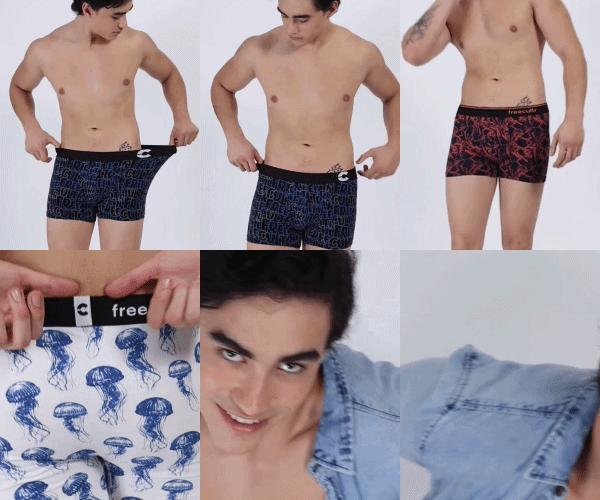
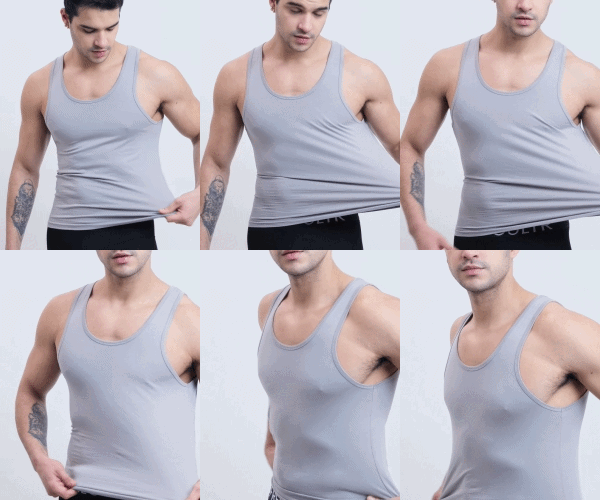




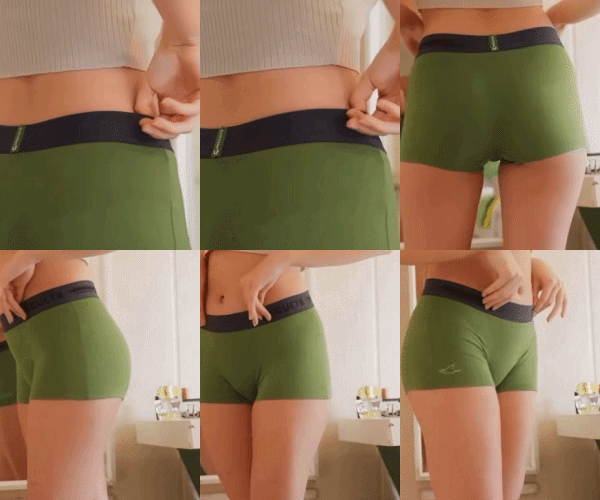





Anyone who has spent a June afternoon in Delhi, Mumbai, or Chennai knows that the wrong innerwear can ruin a day. The problem is rarely the style or the size. Most of the time, it is the fabric. Heat, humidity, and long commutes put innerwear under more pressure than almost any other garment in your wardrobe.
Three fabrics dominate the conversation today: micro modal, bamboo, and cotton. Each has real strengths and real limits. This guide compares them honestly so you can match the fabric to your climate, your routine, and your budget.
Why Fabric Matters More in India
Indian weather is tough on clothing. According to the India Meteorological Department, large parts of the country regularly see peak summer temperatures well above 40°C, and coastal cities stay humid for most of the year. In those conditions, a fabric needs to do three things well:
- Let air move through so heat does not get trapped.
- Pull moisture away from the skin instead of holding it.
- Dry quickly so bacteria and odor do not build up.
Not every fabric manages all three. Here is how each one performs.
Cotton: The Familiar Classic
Cotton is the most widely worn innerwear fabric in India, and for good reason. It is breathable, easy to find, gentle on most skin, and affordable. As a natural fiber, it has been trusted for generations. You can read more about its properties in this overview of cotton on Wikipedia.
Where cotton shines
- Excellent airflow, which suits dry heat well
- Budget friendly, so it is easy to build a full rotation
- Familiar feel and easy care
Where cotton struggles
- It absorbs moisture but dries slowly, so it can feel damp in humid weather
- It can lose shape faster than modal after repeated washing
- Damp cotton can hold odor if it is not washed promptly
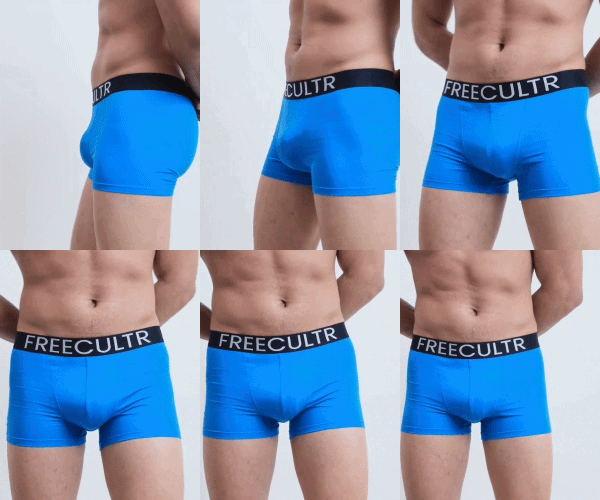
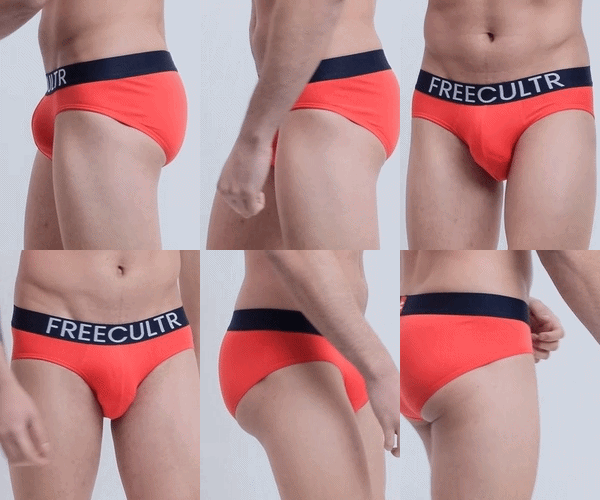
If cotton is your pick, Freecultr’s Cotton Trunks, Cotton Briefs, and Cotton Comfort Vest cover the everyday basics. For something with more personality, the Printed Underwear range adds colour without changing the comfort. Our guide to breathable cotton underwear for all body types goes deeper on fit.
Micro Modal: The Soft, Shape-Keeping Upgrade
Modal is a fiber made from beech tree pulp, and micro modal is a finer version of it. The result is a fabric that feels noticeably smoother than cotton. You can find the technical background in this explanation of modal fabric.
Where micro modal shines
- A silky, lightweight feel that reduces friction and chafing
- Strong shape retention, so waistbands and leg openings stay in place
- Good moisture handling, which keeps skin feeling drier than damp cotton
- Resistant to pilling, so it looks and feels fresh for longer
Where micro modal struggles
- It costs more than basic cotton
- It prefers gentle washing and low heat drying
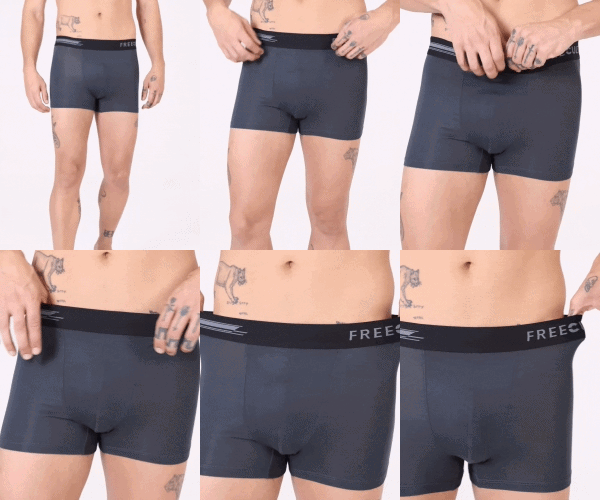
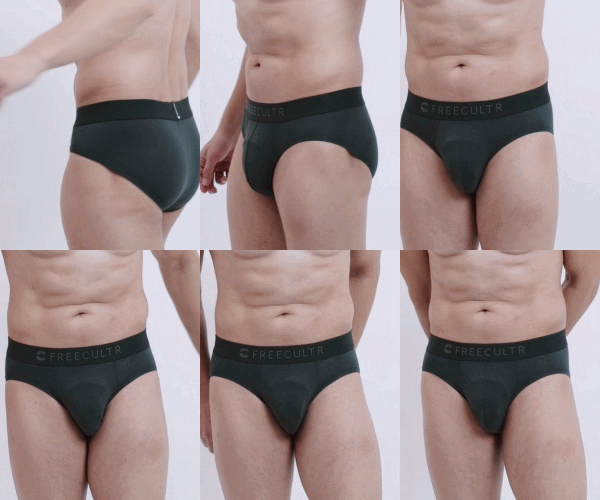
Freecultr’s Micro Modal Trunks and Micro Modal Briefs are built for people who want that premium feel every day. If odor is your main worry, read our piece on anti-bacterial micro modal briefs for odor control. The Pride Edition is also made in micro modal, so you get the same comfort with bolder design.
Bamboo: The Sweat and Odor Specialist
Bamboo fabric is usually made by processing bamboo pulp into a soft, viscose-type fiber. Bamboo is popular in activewear and undershirts because of its moisture wicking and fresh feel. For background, see this summary of bamboo textiles.
One honest note: the natural antibacterial qualities of the raw bamboo plant can be reduced during fabric processing. So rather than treating bamboo as a magic fabric, think of it as a strong performer for moisture control and softness.
Where bamboo shines
- Pulls sweat away from the skin quickly
- Soft, smooth, and comfortable under shirts
- A great choice for long, hot days and active routines
Where bamboo struggles
- It needs gentle care to keep its softness
- Not the most budget friendly option
Freecultr’s Comfort Vests, Active Vests, Undershirts, and full sleeve Underskin layers all use bamboo for exactly this reason. The bamboo socks are another easy upgrade, since feet sweat more than most people expect.
Quick Comparison Table
| Feature | Cotton | Micro Modal | Bamboo |
|---|---|---|---|
| Breathability | Very good | Very good | Very good |
| Softness | Good | Excellent | Excellent |
| Moisture handling | Absorbs, dries slowly | Good | Excellent |
| Shape retention | Moderate | Excellent | Good |
| Odor control | Average | Good | Very good |
| Price | Lowest | Mid to high | Mid to high |
| Best for | Everyday basics | Premium daily wear | Hot weather and workouts |
Which Fabric Should You Choose?
Match the fabric to your real day, not an ideal one.
- Hot and dry weather (Delhi, Jaipur, Nagpur): Cotton works well for airflow, and bamboo vests add comfort under shirts.
- Hot and humid weather (Mumbai, Chennai, Kolkata): Bamboo or micro modal will feel better than damp cotton by the afternoon.
- Desk job with AC: Micro modal gives all day softness without bulk.
- Gym or outdoor work: Bamboo Active Vests paired with micro modal trunks is a strong combination.
- Tight budget: Start with cotton basics, then upgrade one or two pieces to micro modal.
- Sensitive skin: Try micro modal or soft cotton, and check the size carefully so nothing rubs.
The Smart Way to Build Your Drawer
You do not need to pick just one. Many people use a mix: cotton for casual days at home, micro modal for work, and bamboo for summer commutes or workouts. This also spreads wear across more pairs, so everything lasts longer.
Whatever you choose, size matters as much as fabric. A perfect fabric in the wrong size will still be uncomfortable, so check the men’s underwear size chart before you order. If you are still deciding on style, this guide to the best cotton trunks for Indian men is a useful next step.
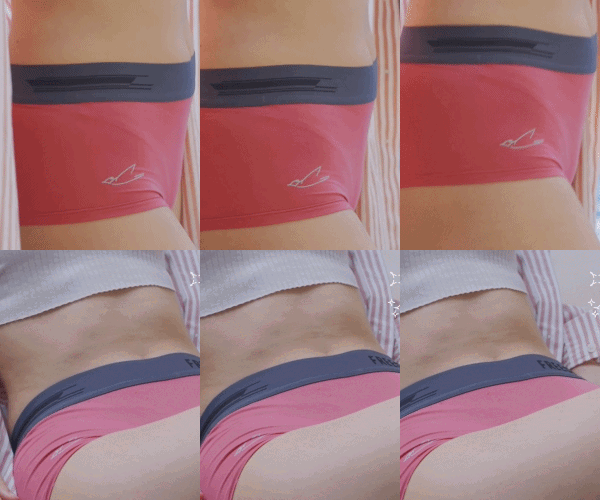
For women, the same fabric logic applies across the innerwear and activewear ranges. Bamboo suits workout pieces like Leggings, while softer fabrics suit everyday Hipster Briefs and Camisoles.
Not sure where to begin? The Best Sellers collection is a low risk way to try a fabric before switching your whole drawer.
Final Verdict
There is no single winner. Cotton is the dependable, affordable base. Micro modal is the best all round upgrade for softness and shape. Bamboo is the top pick for sweat and long, hot days. The best innerwear fabric for Indian weather is the one that fits your climate and your daily routine.
More to Read
- Men’s Underwear Size Chart for Optimal Comfort
- Men’s Anti-Bacterial Micro Modal Briefs for Odor Control
- Top Breathable Cotton Underwear for Men of All Body Types
- Best Cotton Trunks for Indian Men: Comfort
- Discover Comfort: Best Cotton Printed Trunks for Men
Frequently Asked Questions
Which innerwear fabric is best for hot and humid weather in India?
Bamboo and micro modal usually perform better than cotton in humid weather because they handle moisture more effectively. Cotton still works well in dry heat, where airflow matters most.
Is micro modal better than cotton for underwear?
For softness, shape retention, and reduced chafing, micro modal usually has the edge. Cotton remains a great choice for breathability and price, so the better option depends on your priorities and budget.
Is bamboo underwear really antibacterial?
Raw bamboo has natural antimicrobial properties, but processing into fabric can reduce them. Bamboo innerwear is still well loved for its moisture wicking and fresh feel, especially in hot weather.
Which fabric is best for people with sensitive skin?
Soft fabrics like micro modal and good quality cotton are generally comfortable for sensitive skin. Choose the correct size, wash with a mild detergent, and avoid heavy fabric softeners.
How long does micro modal or bamboo innerwear last?
With gentle washing and shade drying, most innerwear stays in good shape for roughly 6 to 12 months of regular use. Replace pieces sooner if the elastic loosens or the fabric thins.

