
















Quick Summary
- Micro modal underwear men increasingly choose is made from beech tree cellulose, processed into an exceptionally fine fiber finer than standard cotton or modal.
- The finer fiber diameter directly translates to a smoother feel against skin, roughly 50% softer than standard cotton by common comparative assessments.
- Micro-modal's fiber structure also absorbs and releases moisture more efficiently than standard cotton, contributing to better breathability.
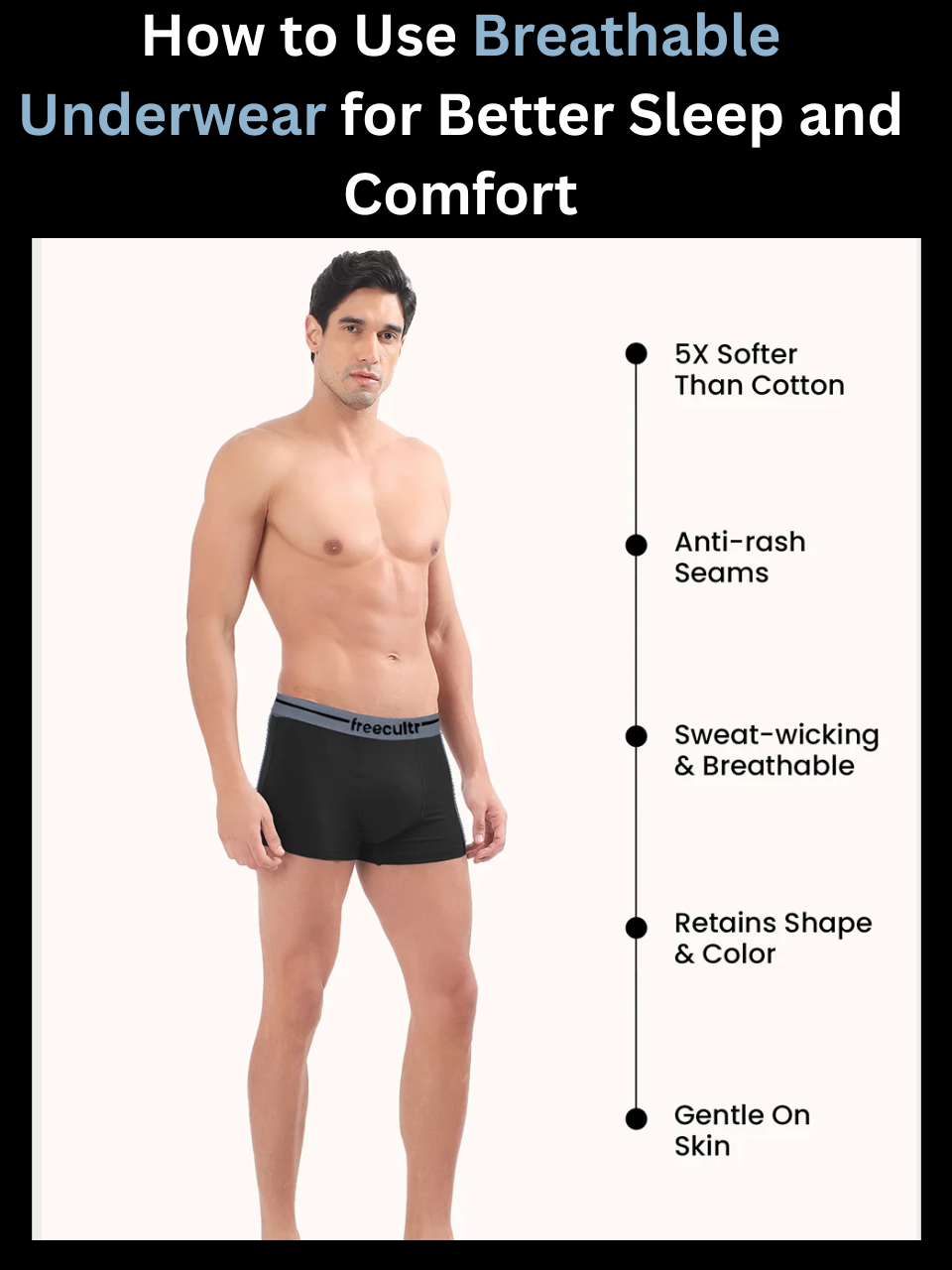
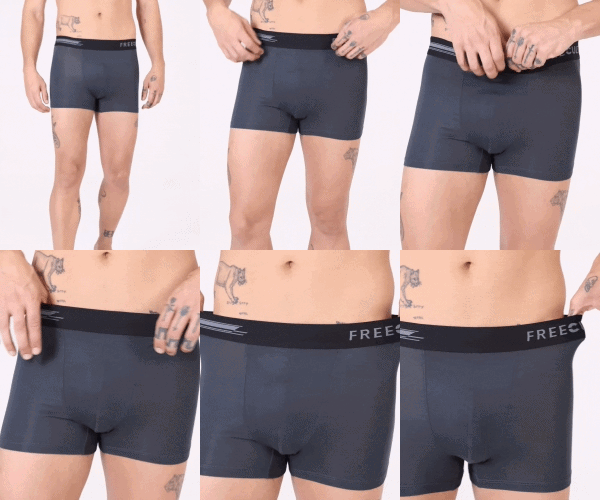
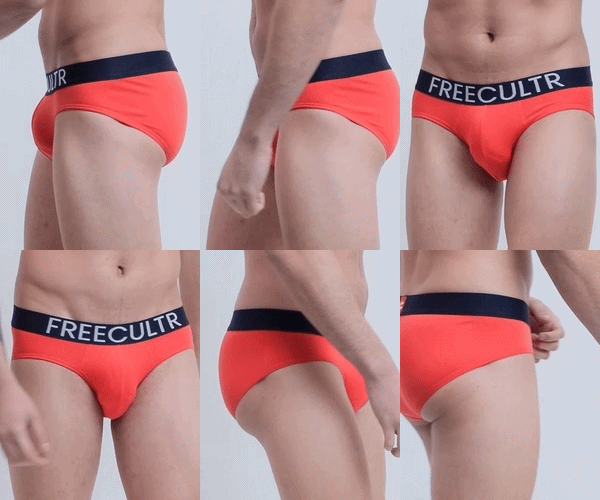
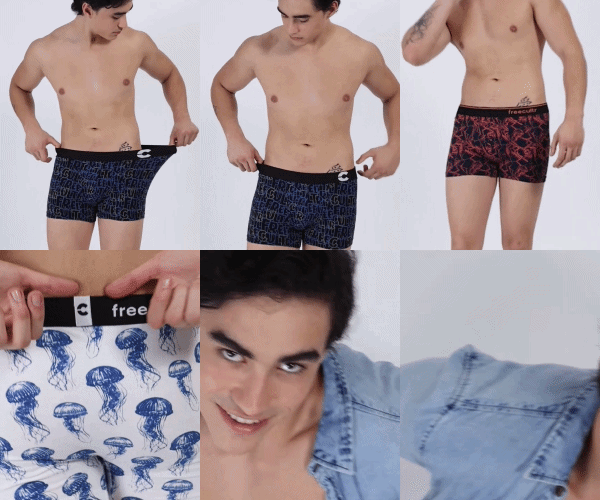
- Freecultr's micro-modal underwear applies this fiber technology across briefs, trunks, and boxer shorts as a baseline fabric standard.
What Micro-Modal Actually Is, at the Fiber Level
Micro modal underwear men are increasingly switching to isn't simply a marketing term for "soft cotton," it refers to a genuinely distinct fiber made from cellulose derived from beech tree pulp, processed through a specific spinning technique that produces an exceptionally fine fiber, finer in diameter than both standard cotton and even regular modal fiber. This finer fiber diameter is the fundamental reason micro-modal feels noticeably different against skin compared to cotton, a difference rooted in fiber science rather than just fabric finishing or treatment.
Understanding this distinction helps clarify why micro-modal consistently outperforms standard cotton on softness and moisture management, rather than treating it as an interchangeable premium-sounding alternative without a concrete basis for the performance difference.
Why Fiber Fineness Directly Affects How Fabric Feels
The finer a fiber's diameter, the smoother and softer the resulting fabric tends to feel against skin, since finer fibers create fewer of the small surface irregularities that contribute to a rougher fabric hand feel. Standard cotton fiber is considerably coarser in comparison, which is part of why micro-modal fabric is often described as feeling roughly 50% softer than standard cotton in direct comparative assessments, a meaningful, measurable difference rather than a subjective marketing claim alone.
This fineness also allows micro-modal fabric to be woven into a smoother, more consistent surface texture overall, which contributes to the fabric's characteristic silky feel compared to the more textured surface typical of standard cotton weaves.
Micro Modal Underwear Men: Fiber Comparison
| Property | Standard Cotton | Micro-Modal |
|---|---|---|
| Fiber source | Cotton plant | Beech tree cellulose |
| Fiber diameter | Coarser | Significantly finer |
| Moisture absorption | Moderate | Higher, more efficient |
| Typical lifespan | 6-9 months | 14-18 months |
| Softness | Standard | ~50% softer |
Why Micro-Modal Manages Moisture More Efficiently
Beyond softness, micro-modal fiber has a naturally efficient moisture absorption and release capability, absorbing moisture readily while also allowing it to evaporate more efficiently than standard cotton fiber does. This dual property contributes directly to the fabric's breathability, since fabric that both absorbs sweat and releases it back into the air more readily helps keep skin feeling drier through the day compared to fabric that absorbs moisture but holds onto it longer.
This moisture management characteristic is a genuine fiber-level property, distinct from moisture-wicking treatments that get applied to some synthetic fabrics as a surface coating, since micro-modal's moisture handling is inherent to the cellulose fiber structure itself.
Why the Manufacturing Process Matters Too
Beyond the raw fiber properties, the specific manufacturing process used to produce micro-modal fabric also affects the final product's quality and consistency. Reputable manufacturing processes maintain strict quality control over fiber fineness and consistency, which is part of why micro-modal fabric quality can vary somewhat between different suppliers and brands, even though they're all technically using the same general fiber category.
This is worth knowing since it means not all "micro-modal" labeled products are necessarily identical in actual fiber quality, making it worth considering brand reputation and specific product descriptions rather than assuming the fiber name alone guarantees a consistent experience across every product using it.
Why Durability Doesn't Come at the Expense of Softness
A common assumption is that genuinely soft fabric must sacrifice durability, but micro-modal challenges this trade-off, lasting roughly 14 to 18 months of regular wear, nearly double standard cotton's typical 6 to 9 month lifespan, while still delivering meaningfully greater softness throughout that period. This combination of extended durability and superior softness reflects genuine advances in fiber technology rather than requiring a compromise between the two properties.
Environmental Considerations of Micro-Modal Production
Beech trees used for modal and micro-modal fiber production generally require less water and fewer pesticides compared to conventional cotton farming, giving micro-modal a somewhat favorable environmental profile at the raw material stage, similar in principle to some of the sustainability advantages associated with bamboo fiber, though the specific processing methods and environmental footprint can vary between manufacturers.
What to Check When Buying Micro-Modal Products
Look for clear labeling of the specific fiber percentage in the fabric blend, since some products use only a small percentage of micro-modal mixed with other fibers, which dilutes the actual performance benefit you're paying for. A product that clearly states a high micro-modal percentage, rather than a vague "micro-modal blend" without specifics, is more likely to deliver the genuine softness and moisture management benefits associated with the fiber.
Where Freecultr's Micro-Modal Underwear Fits This Standard
Freecultr applies genuine micro-modal fiber across its briefs, trunks, and boxer shorts as a baseline fabric standard, not a limited premium tier, ensuring the fiber-level benefits, softness, moisture management, and extended durability, are consistently available across the range rather than reserved for select higher-priced products.
For men specifically looking for micro modal underwear men can rely on for genuine fiber-level performance, shop anti-bacterial men's briefs with moisture-wicking micro-modal to see this fabric applied directly.
To compare micro-modal against the brand's other fabric options, browse the full men's innerwear range in micro-modal, bamboo, and organic cotton covers the complete catalog.
Conclusion
Micro modal underwear men are increasingly switching to represents a genuine fiber-level advancement over standard cotton, made from finely processed beech tree cellulose that delivers measurably greater softness and more efficient moisture management, while also lasting nearly double the typical lifespan of standard cotton.
This combination of durability and softness reflects real fiber technology rather than marketing language alone, though checking specific fiber percentage in any given product ensures you're getting the genuine performance benefit rather than a diluted blend.
Freecultr applies true micro-modal fiber consistently across its range as a baseline standard.
More Articles
- Shop anti-bacterial men's briefs with moisture-wicking micro-modal
- Browse the full men's innerwear range in micro-modal, bamboo, and organic cotton
- Upgrade to pack-of-7 micro-modal briefs for men with zero-ride waistband
- Shop men's all-day boxer shorts with anti-odor breathable fabric
FAQs
What is micro-modal fiber actually made from?
Micro-modal is made from cellulose derived from beech tree pulp, processed into an exceptionally fine fiber, finer in diameter than both standard cotton and regular modal fiber.
Why does micro-modal feel softer than standard cotton?
The finer fiber diameter of micro-modal creates fewer surface irregularities, resulting in a smoother fabric hand feel, roughly 50% softer than standard cotton in common comparative assessments.
Does micro-modal underwear actually last longer than cotton?
Yes, micro-modal typically lasts 14 to 18 months of regular wear, compared to standard cotton's typical 6 to 9 month lifespan, without sacrificing its characteristic softness.
How do I know if a product is genuinely micro-modal or a diluted blend?
Check the specific fiber percentage listed on the product description, since a vague "micro-modal blend" without specifics may contain only a small percentage of the actual fiber mixed with other materials.