








Quick Summary
- Color does affect heat absorption in mens shorts for summer, but the effect is smaller than fabric composition and weave density.
- Dark colors absorb more visible light and convert it to heat, while light colors reflect more, though this matters most in direct sun exposure.
- Fabric weave and fiber type have a bigger overall impact on comfort than color choice alone, especially in shaded or indoor conditions.
- Freecultr's all-day boxer shorts prioritize genuinely breathable fabric first, making color a secondary styling choice rather than the primary comfort factor.
Why Color Gets More Credit Than It Deserves for Summer Comfort
A common piece of advice for mens shorts for summer is to choose lighter colors specifically to stay cooler, based on the general principle that dark colors absorb more heat from sunlight than light colors do. This principle is scientifically accurate, but its practical impact on actual comfort is often overstated relative to how much fabric composition and weave density affect how hot a pair of shorts feels through the day.
Understanding where color genuinely matters, and where it doesn't move the needle much at all, helps you prioritize the factors that actually make the biggest difference to summer comfort, rather than over-focusing on color choice while overlooking more impactful decisions like fabric type.
The Actual Science Behind Color and Heat Absorption
Darker colors absorb more wavelengths of visible light and convert a greater portion of that absorbed light into heat, while lighter colors reflect more light away rather than absorbing and converting it. This is genuine physics, and it does mean a black pair of shorts sitting in direct sunlight will register a measurably higher surface temperature than a white pair under identical conditions.
However, this effect matters most specifically in direct, prolonged sun exposure, standing outdoors in full sunlight for extended periods.
For most day-to-day wear, especially with shorts worn as an under-layer beneath outer clothing or in shaded and indoor environments, this color-based heat absorption difference becomes considerably less significant to actual comfort than it would in a pure direct-sun scenario.
Mens Shorts for Summer: What Actually Drives Comfort
| Factor | Impact on Summer Comfort |
|---|---|
| Color (direct sun exposure) | Moderate, dark colors absorb more heat outdoors |
| Color (shaded or indoor wear) | Minimal, difference becomes negligible |
| Fabric weave density | Significant, tighter weaves trap more heat regardless of color |
| Fiber type (cotton vs 4-way stretch blend) | Significant, affects moisture management and airflow directly |
| Fit and cut | Significant, looser cuts allow more airflow than fitted styles |
Why Fabric Weave Matters More Than Color for Most Situations
A tightly woven fabric traps more heat and restricts airflow regardless of its color, meaning a light-colored pair of shorts in a dense weave can still feel warmer than a moderately colored pair in a more breathable, looser weave. This is because weave density directly affects how much air can circulate through the fabric and reach skin, which has a bigger overall impact on perceived heat than the color-based light absorption difference in most everyday wearing conditions.
This is worth knowing because it means prioritizing fabric weave and composition over color choice generally delivers better comfort outcomes, rather than assuming a lighter color alone solves the heat problem regardless of the underlying fabric structure.
Why Fiber Type Has the Biggest Practical Impact
Beyond weave density, the actual fiber composition, whether that's standard cotton or a 4-way stretch moisture-wicking blend, has arguably the largest practical impact on summer comfort of any single factor. Fabric that actively wicks moisture away from skin, rather than simply absorbing and holding it, keeps you feeling drier through a hot day regardless of the color choice, since moisture management addresses the sweat and humidity discomfort that color alone can't meaningfully affect.
This is why prioritizing fiber type and moisture-wicking properties over color selection makes more sense if genuine summer comfort, rather than just visual styling preference, is the primary goal.
When Color Choice Genuinely Matters Most
Color does become more relevant specifically for situations involving extended direct sun exposure, outdoor work, extended commutes without shade, or activities spent primarily outdoors in full sunlight. In these specific scenarios, choosing lighter colors alongside genuinely breathable fabric compounds the comfort benefit, since you're addressing both the direct heat absorption factor and the underlying fabric performance simultaneously.
For indoor wear, shaded commutes, or shorts worn primarily as an under-layer, color choice can be made largely on styling preference without meaningfully compromising comfort, since the underlying fabric properties are doing the majority of the comfort work regardless of shade.
How to Prioritize When Shopping for Summer Shorts
Rather than treating color as the primary comfort decision, prioritize fabric composition and weave first, checking specifically for moisture-wicking properties and a genuinely breathable weave, then consider color as a secondary factor that matters more if your day involves substantial direct sun exposure.
This ordering reflects where the actual comfort impact lies, rather than over-indexing on color choice while potentially overlooking more impactful fabric decisions.
Where Freecultr's Boxer Shorts Fit This Prioritization
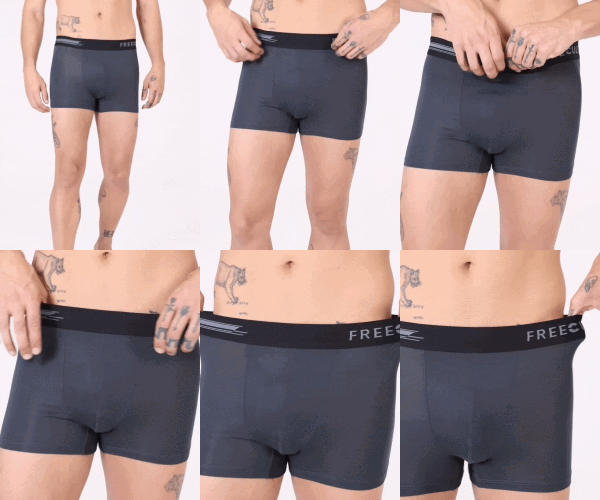
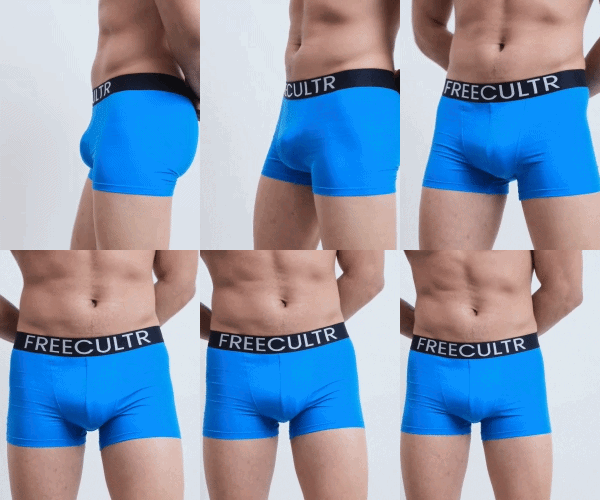
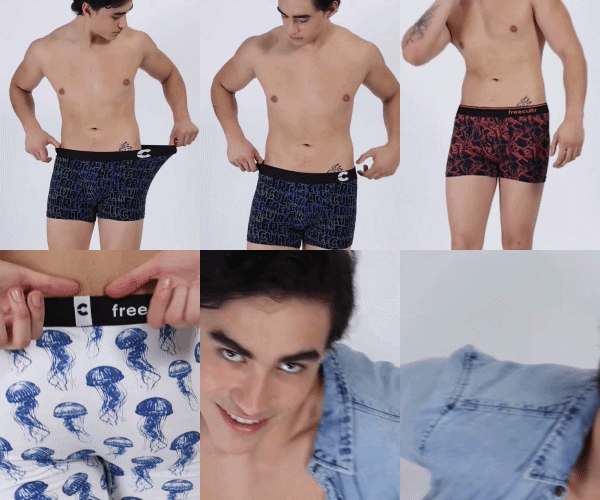
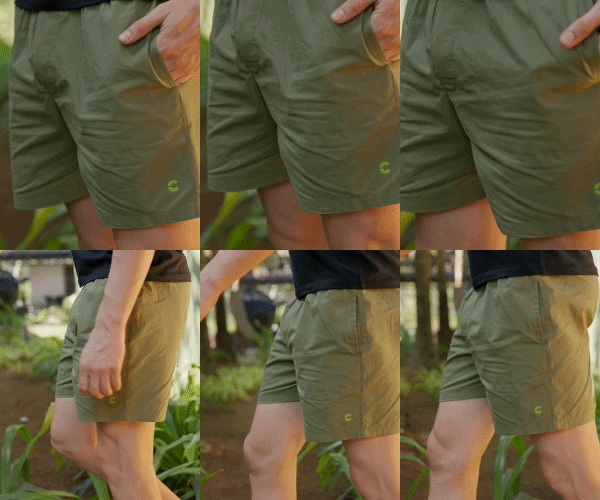
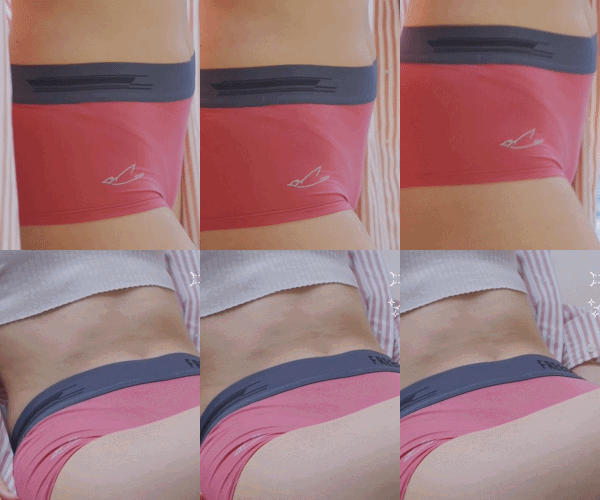
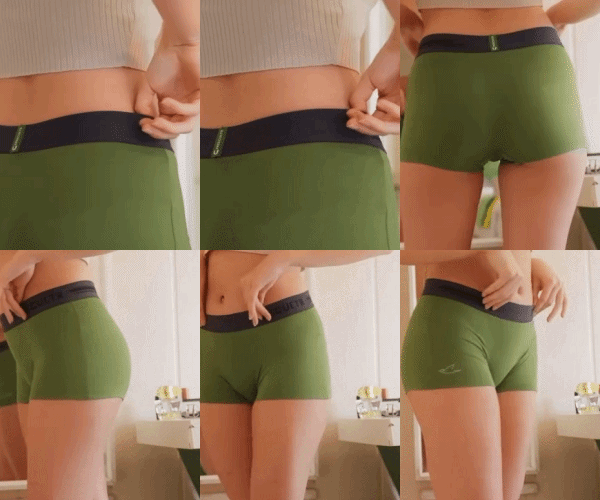
Freecultr's all-day boxer shorts are built around genuinely breathable, moisture-wicking 4-way stretch fabric as the primary comfort driver, with color offered as a styling choice rather than the main lever for managing summer heat. This means choosing any color within the range still delivers strong underlying comfort performance, with color left as a preference rather than a compromise.
For men specifically looking for mens shorts for summer built around genuine fabric performance first, shop men's all-day boxer shorts with anti-odor breathable fabric to see this fabric-first approach directly.
To compare against other styles and fabric options for warm weather, browse the full men's innerwear range in micro-modal, bamboo, and organic cotton covers the complete catalog.
Conclusion
Color does affect how much heat mens shorts for summer absorb, but this effect matters considerably less to actual day-to-day comfort than fabric weave density and fiber type, particularly outside of extended direct sun exposure scenarios.
Prioritizing genuinely breathable, moisture-wicking fabric first, then considering color as a secondary factor relevant mainly for heavy outdoor sun exposure, leads to better comfort outcomes than focusing on color choice alone.
Freecultr's all-day boxer shorts are built around exactly this fabric-first priority, letting color remain a styling preference rather than the primary comfort lever.
More Articles
- Shop men's all-day boxer shorts with anti-odor breathable fabric
- Browse the full men's innerwear range in micro-modal, bamboo, and organic cotton
- Shop anti-bacterial men's briefs with moisture-wicking micro-modal
- Upgrade to pack-of-7 micro-modal briefs for men with zero-ride waistband
FAQs
Does color really matter for mens shorts for summer comfort?
Color affects heat absorption mainly during extended direct sun exposure, but fabric weave and fiber type have a bigger overall impact on comfort for most everyday wearing conditions.
Should I always choose light-colored shorts for summer?
Light colors help specifically during heavy outdoor sun exposure, but for indoor wear or shaded conditions, color becomes a much smaller factor compared to fabric breathability and moisture-wicking properties.
What matters more than color for staying cool in summer shorts?
Fabric weave density and fiber type, particularly moisture-wicking properties, have a bigger practical impact on comfort than color choice in most day-to-day summer wearing situations.
Can dark colored shorts still be comfortable in summer?
Yes, if the fabric itself is genuinely breathable and moisture-wicking, dark colors remain comfortable outside of extended direct sun exposure, since fabric performance matters more than color for overall comfort.