








Quick Summary
- Most men wait for visible holes to replace innerwear, missing earlier signs like reduced stretch and fading softness that already signal declining quality.
- Waistband elastic loosening is usually the first sign of wear, appearing well before the fabric itself shows visible damage.
- Standard cotton typically needs replacing every 6 to 9 months of regular wear, while micro-modal lasts 14 to 18 months under the same conditions.
- Freecultr's fabric-first range is built to make this replacement window predictable rather than a surprise discovery.
Why Most Men Wait Too Long to Replace Innerwear for Men
The most common approach to replacing innerwear for men is reactive, waiting until a visible hole, tear, or obvious fabric failure forces the decision. By that point, the pair has usually been uncomfortable and underperforming for weeks or months already, since fabric degradation happens gradually and the visible failure point is really just the final, most obvious stage of a decline that started much earlier.
Recognizing the earlier signs of wear, well before an actual hole appears, allows for a more proactive replacement approach that keeps your daily comfort consistent rather than tolerating a slowly worsening fit until the fabric physically gives out.
The Waistband Is Usually the First Thing to Go
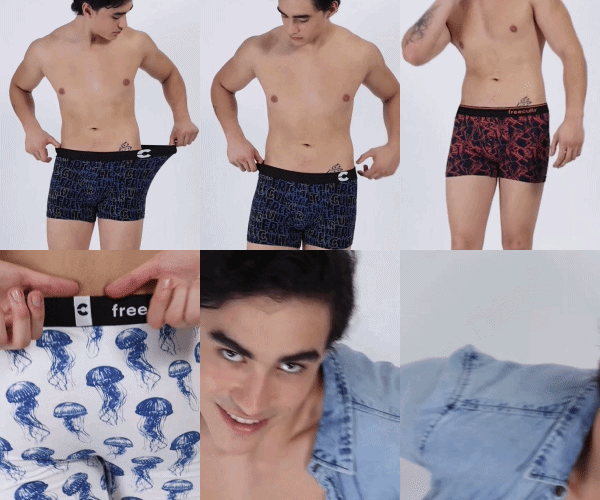
Waistband elastic loses its stretch and recovery properties well before the surrounding fabric shows visible wear. A waistband that used to sit snugly and now feels loose, or one that's started rolling or curling at the edge even when new, has typically lost enough elasticity to affect daily comfort meaningfully, even if the rest of the fabric still looks perfectly fine.
This matters because waistband failure directly affects how a pair fits and feels throughout the day, sometimes more so than fabric thinning elsewhere. Paying attention to waistband feel, not just visible fabric condition, catches this earlier stage of wear before it becomes a persistent daily annoyance.
Innerwear for Men: Signs It's Time to Replace
| Sign | What It Indicates |
|---|---|
| Waistband feels loose or rolls | Elastic has lost recovery, usually the earliest sign |
| Fabric feels stiffer than when new | Fiber breakdown affecting softness |
| Reduced stretch during movement | Fabric losing elasticity, especially in stretch blends |
| Visible thinning or holes | Late-stage wear, well past the ideal replacement point |
| Persistent odor after washing | Fabric losing its anti-bacterial properties over time |
Why Fabric Stiffening Is an Underrated Warning Sign
Fabric that feels noticeably stiffer or less soft than when it was new is often overlooked as a sign of wear, since it doesn't look damaged in the way a hole or tear would. This stiffening reflects the fiber structure breaking down at a microscopic level, which eventually leads to reduced comfort and, later, more visible fabric thinning.
Micro-modal fabric, when new, tends to feel noticeably softer than standard cotton, so a shift from soft to stiffer over time is a genuine indicator worth noticing rather than dismissing.
Reduced Stretch During Movement Signals Fiber Fatigue
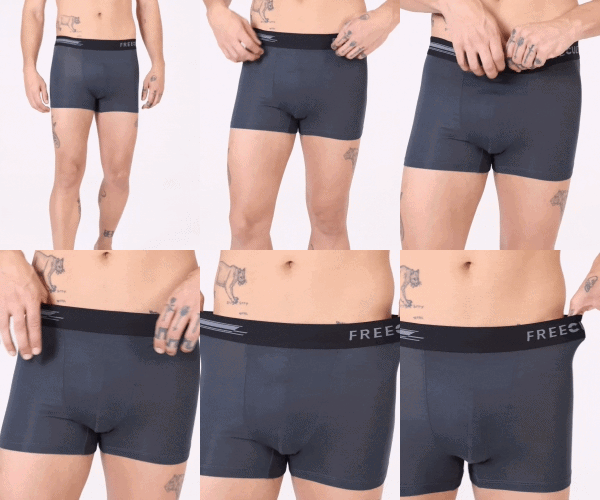
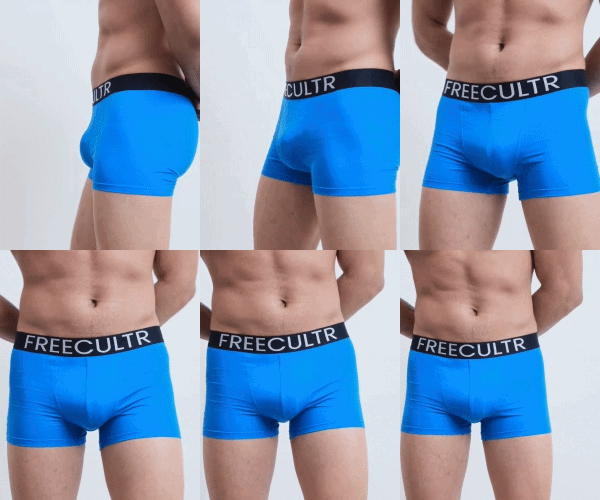
For fabric blends that include stretch properties, like 4-way stretch boxer shorts, reduced elasticity during movement is a clear sign the fabric is nearing the end of its useful life. A pair that used to move freely with the body but now feels restrictive or slow to return to shape after stretching has experienced genuine fiber fatigue, even if it hasn't visibly torn or thinned yet.
Persistent Odor After Washing Is a Fabric Property Issue, Not a Hygiene Issue
If a pair of innerwear consistently smells even immediately after a proper wash, this often indicates that any anti-bacterial treatment or inherent fiber property has significantly degraded, rather than reflecting a hygiene or washing problem on your part.
Applied anti-bacterial treatments, common on some synthetic fabrics, can wear off gradually with repeated washing, while inherent properties like bamboo's natural anti-bacterial characteristic degrade more slowly but still eventually diminish with heavy, prolonged use.
Typical Replacement Timelines by Fabric Type
Standard cotton innerwear typically shows these signs of decline within 6 to 9 months of regular wear, meaning replacement around this window is reasonable to plan for proactively rather than waiting for visible failure.
Micro-modal and bamboo fabric extend this considerably, generally lasting 14 to 18 months before showing the same signs, offering a meaningfully longer window before replacement becomes necessary.
Knowing which fabric category your current innerwear falls into helps set realistic expectations for when to start watching for these early warning signs, rather than assuming every pair should last indefinitely regardless of fabric type.
Building a Proactive Replacement Habit
Rather than waiting for visible failure, consider periodically checking your innerwear rotation against the signs above, roughly every few months for actively worn pieces. This proactive approach means replacing pairs as they start showing early signs of decline, maintaining consistent comfort throughout your rotation rather than experiencing a gradual, unnoticed decline in fit and feel until a hole finally forces the issue.
Where Freecultr's Range Fits This Predictable Replacement Window
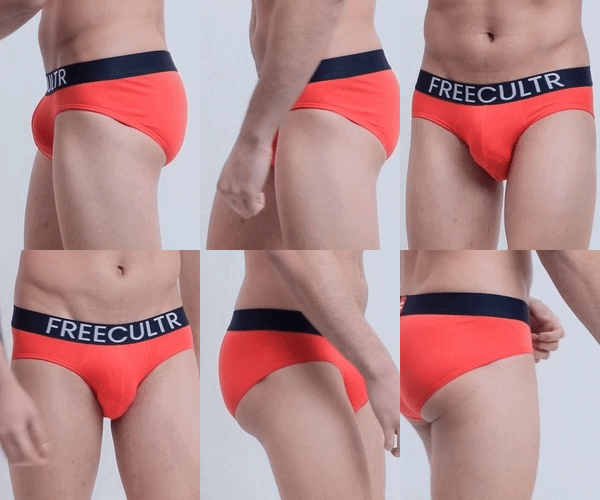
Freecultr's micro-modal and bamboo innerwear is built to deliver a genuinely predictable 14 to 18 month lifespan, making it easier to plan replacement proactively rather than guessing based on visible wear alone. The zero-ride flat waistband construction also tends to hold its recovery properties longer than basic elastic bands, delaying the earliest sign of wear that typically prompts replacement.
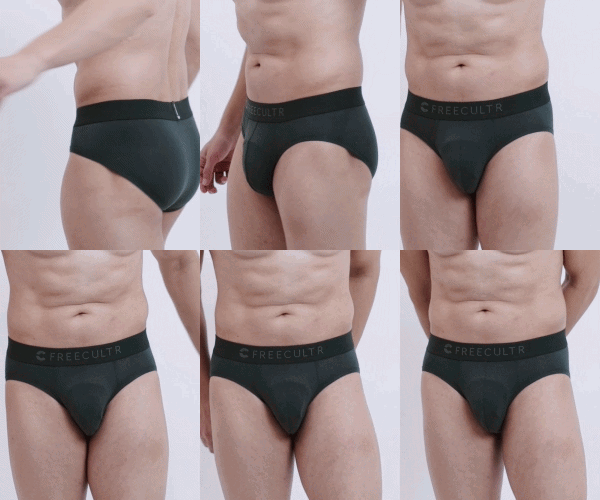
For men looking to build a rotation with a predictable, extended replacement window, shop anti-bacterial men's briefs with moisture-wicking micro-modal to see this fabric-first construction directly.
For a full rotation that makes proactive replacement planning easier across a whole set at once, upgrade to pack-of-7 micro-modal briefs for men with zero-ride waistband covers a full week with consistent fabric quality across every piece.
To compare the full range across styles and fabrics, browse the full men's innerwear range in micro-modal, bamboo, and organic cotton gives a complete view before planning your next rotation refresh.
Conclusion
Innerwear for men shows signs of wear well before an actual hole appears, starting with waistband elastic loosening, followed by fabric stiffening, reduced stretch, and eventually persistent odor even after washing.
Catching these earlier signs allows for a proactive replacement approach that maintains consistent comfort, rather than tolerating a slow decline until the fabric visibly fails.
Freecultr's micro-modal and bamboo range is built to deliver a predictable 14 to 18 month lifespan, making this proactive planning considerably easier than guessing based on visible damage alone.
More Articles
- Shop anti-bacterial men's briefs with moisture-wicking micro-modal
- Upgrade to pack-of-7 micro-modal briefs for men with zero-ride waistband
- Browse the full men's innerwear range in micro-modal, bamboo, and organic cotton
- Shop men's all-day boxer shorts with anti-odor breathable fabric
FAQs
What's the earliest sign that innerwear for men needs replacing?
Waistband elastic loosening or rolling is usually the earliest sign, appearing well before the surrounding fabric shows any visible wear or damage.
How long should innerwear for men typically last?
Standard cotton typically lasts 6 to 9 months of regular wear, while micro-modal and bamboo fabric extend this to 14 to 18 months under the same conditions.
Does persistent odor mean my innerwear needs replacing?
If odor persists immediately after a proper wash, it often indicates the fabric's anti-bacterial properties have degraded significantly, which is a sign the piece is nearing the end of its useful life.
Should I replace innerwear proactively or wait for visible damage?
Replacing proactively, based on early signs like waistband looseness or fabric stiffening, maintains more consistent comfort than waiting for a visible hole or tear to force the decision.