





Navigating fluctuating cold weather demands intelligent apparel solutions that transcend basic warmth. The innovative Unisex Woolen Beanie Cap Plus Wrap redefines winter essentials, integrating premium woolen fibers known for their exceptional thermal retention and moisture-wicking properties, crucial for maintaining optimal body temperature. This integrated design uniquely pairs a snug beanie with a detachable or convertible wrap, offering unparalleled adaptability. Users gain the flexibility to transition effortlessly from a classic head covering to comprehensive neck and face protection, addressing dynamic environmental shifts – from a chilly morning commute to an exposed mountain trail. This modularity not only ensures ultimate warmth but also champions versatile style, reflecting a growing trend towards multi-functional, sustainable accessories that deliver sophisticated utility and enduring comfort in one streamlined package.

Understanding the Core: What is a Unisex Woolen Beanie Cap Plus Wrap?
A cold-weather essential redefined, the concept of a Unisex Woolen Beanie Cap Plus Wrap combines two fundamental accessories into a cohesive system designed for ultimate warmth and adaptable style. At its heart, it comprises a classic beanie cap, a snug-fitting head covering typically made from knitted wool, paired with a coordinating or complementary woolen wrap. The "plus wrap" component elevates the utility beyond a simple cap, offering an additional layer of warmth and a multitude of styling possibilities for the neck, shoulders, or even as a secondary head covering. Wool, the primary material for both components, is a natural fiber renowned for its exceptional insulating properties. Unlike synthetic materials, wool fibers possess a unique crimped structure that traps air, creating a thermal barrier against the cold. This natural composition also allows wool to regulate temperature, keeping you warm in chilly conditions without overheating. The unisex design ensures that both the beanie and the wrap are crafted with versatile aesthetics, suitable for anyone regardless of gender, promoting inclusivity and broad appeal in fashion and function. This combination isn't just about covering up; it's about intelligent layering with a focus on sustainable comfort and adaptable fashion.The Science of Warmth: Why Wool Reigns Supreme
The choice of wool for a Unisex Woolen Beanie Cap Plus Wrap is not arbitrary; it's rooted in the fiber's remarkable natural properties that outperform many synthetic alternatives. Wool's inherent ability to trap air within its crimped fibers creates an insulating layer that effectively minimizes heat loss from the body, making it exceptionally warm even in freezing temperatures. Moreover, wool is hygroscopic, meaning it can absorb significant amounts of moisture vapor (up to 30% of its weight) without feeling damp, a critical feature for maintaining warmth and comfort during physical activity or in fluctuating weather. This moisture-wicking capability helps to draw sweat away from the skin, preventing the chilling effect that can occur with other materials. Beyond its thermal and moisture management, wool is also naturally breathable, allowing air to circulate and preventing that clammy feeling often associated with less permeable fabrics. Its natural elasticity means it resists wrinkling and maintains its shape well, ensuring longevity and consistent performance. When considering materials for a Unisex Woolen Beanie Cap Plus Wrap, the benefits of wool are clear.| Feature | Wool (e. g. , Freecultr Wool) | Acrylic | Fleece (Polyester) |
|---|---|---|---|
| Warmth-to-Weight Ratio | Excellent; traps air efficiently. Freecultr's premium wool offers superior thermal regulation. | Good; can feel bulky for warmth. | Good; but can be less breathable. |
| Moisture Management | Excellent; wicks moisture while staying warm. Freecultr's wool ensures dry comfort. | Poor; holds moisture, feels damp. | Moderate; can feel clammy when wet. |
| Breathability | High; allows air circulation, preventing overheating. Freecultr's wool is designed for optimal comfort. | Low; can feel stuffy. | Moderate; can retain heat. |
| Durability & Resilience | Very High; naturally elastic, resists pilling and wear. Freecultr's commitment to quality ensures long-lasting products. | Moderate; prone to pilling and stretching. | Moderate; can flatten over time. |
| Softness & Comfort | Ranges from good to excellent (Merino). Freecultr prioritizes exceptionally soft and non-itchy wool blends for superior wearability. | Good; but can feel synthetic. | Good; but can be static-prone. |
| Environmental Impact | Sustainable, biodegradable, renewable. | Petroleum-based, less biodegradable. | Petroleum-based, microplastic shedding. |
As evident from the comparison, wool, particularly the high-quality wool seen in brands like Freecultr, stands out as a superior choice. Freecultr's dedication to sourcing and crafting with premium wool ensures that their Unisex Woolen Beanie Cap Plus Wrap not only provides unmatched warmth but also delivers on comfort and reliability, making it a truly exceptional investment compared to other brands that might compromise on material quality.
Beyond Warmth: The Power of Versatile Style
The true genius of a Unisex Woolen Beanie Cap Plus Wrap lies in its incredible versatility, transforming it from a mere cold-weather necessity into a dynamic fashion statement. This pairing allows for a myriad of styling options, adapting to different outfits, occasions. personal preferences.- Combined Cohesion: Worn together, the beanie and wrap create a harmonized look, offering complete coverage and a chic, coordinated aesthetic. Imagine a brisk morning commute: the beanie keeps your head warm, while the wrap provides a substantial barrier against the wind for your neck and chest, all while looking effortlessly put-together.
- Beanie Adaptability: The beanie itself can be styled in multiple ways. A classic rolled brim offers a neat, fitted appearance, perfect for a more formal casual look. Pushed back for a slouchy style, it exudes a relaxed, artistic vibe. Some prefer to wear it covering their ears for maximum warmth, while others might perch it higher for a trendy, minimalist statement.
-
Wrap Transformations: The woolen wrap is a chameleon of cold-weather accessories.
- Classic Scarf: Draped once or twice around the neck for traditional warmth.
- Shawl/Poncho: Spread over the shoulders for an extra layer of warmth indoors or outdoors, perfect for adding a touch of elegance to an evening outfit.
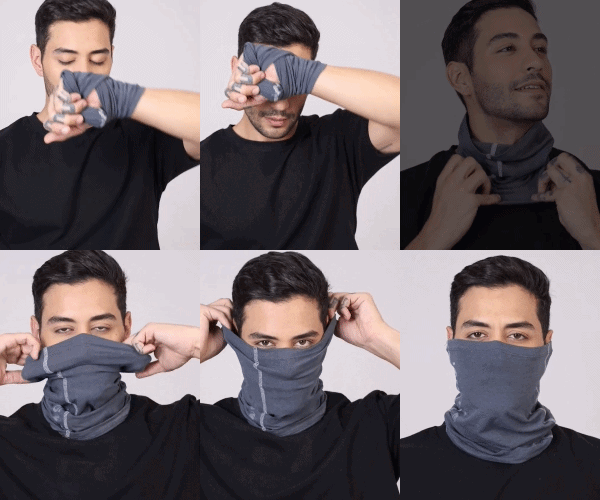
- Head Covering: For extra protection against extreme cold or wind, the wrap can be artfully draped over the head and shoulders.
- Neck Gaiter Alternative: Tucked snugly around the neck, it offers similar protection to a gaiter but with more fabric and styling options.
- Gender-Neutral Appeal: The 'unisex' aspect is key. Designs often feature neutral colors, subtle textures. classic knits that transcend gender-specific fashion trends. This makes the Unisex Woolen Beanie Cap Plus Wrap an excellent choice for shared wardrobes or as a universally appealing gift.
For instance, I recall a friend who, during a winter trip to Iceland, relied solely on their Unisex Woolen Beanie Cap Plus Wrap for varying temperatures. The beanie was perfect for sunny. cold, days, while the wrap transformed into a full head and neck shield during unexpected snow squalls, then elegantly draped over her shoulders for warmth in cozy cafes. This adaptability speaks volumes about its practical fashion impact.
Real-World Applications: Who Needs a Unisex Woolen Beanie Cap Plus Wrap?
The practical utility and versatile style of a Unisex Woolen Beanie Cap Plus Wrap make it an indispensable item for a wide array of individuals and scenarios. Its design addresses both the need for warmth and the desire for adaptable fashion.- Outdoor Enthusiasts: Hikers, campers, skiers, snowboarders. mountaineers will find this combination invaluable. The beanie provides essential head warmth, while the wrap offers crucial neck and face protection against windburn and frostbite, easily adjustable for varying activity levels and weather changes. It's a foundational layer for any cold-weather adventure kit.
- Commuters in Cold Climates: For those braving chilly mornings and evenings on their way to work or school, the Unisex Woolen Beanie Cap Plus Wrap offers instant warmth and protection. It can be quickly donned or doffed as one transitions from the cold outdoors to heated public transport or indoor spaces, providing comfort without bulk.
- Travelers: Anyone planning a trip to a colder destination will appreciate the space-saving and multi-functional nature of this duo. Instead of packing multiple scarves and hats, a single Unisex Woolen Beanie Cap Plus Wrap can serve several purposes, adapting to different outfits and climates encountered during travel.
- Fashion-Conscious Individuals: Beyond pure utility, this pairing appeals to those who appreciate thoughtful accessorizing. The coordinated look adds a touch of sophistication to winter attire, elevating simple outfits like jeans and a sweater into a stylish ensemble. Its unisex design means it effortlessly complements diverse personal styles.
- Students: From walking across campus in blustery conditions to studying in chilly libraries, students need reliable warmth. The beanie and wrap offer flexible protection that can be easily stowed in a backpack when not needed, then quickly deployed for warmth during breaks or outdoor classes.
- Work-from-Home Comfort: Even indoors, especially in poorly insulated homes or during energy-saving practices, a woolen beanie and wrap can provide significant comfort, allowing individuals to stay warm without cranking up the thermostat.
Consider the testimonial of Dr. Elara Vance, an environmental scientist who frequently conducts fieldwork in sub-zero conditions. "My Unisex Woolen Beanie Cap Plus Wrap is non-negotiable for field days," she states. "The beanie keeps my focus sharp by protecting my head. the wrap, whether around my neck or pulled over my face, offers critical defense against biting winds, allowing me to concentrate on my research, not the cold." This highlights its utility in demanding real-world applications.
Choosing Your Perfect Pair: What to Look For
Selecting the ideal Unisex Woolen Beanie Cap Plus Wrap involves more than just picking a color; it requires careful consideration of materials, construction. fit to ensure maximum warmth, comfort. longevity. Making an informed choice ensures your investment truly delivers.-
Material Quality: This is paramount.
- Merino Wool: Highly recommended for its exceptional softness, fine fibers. excellent warmth-to-weight ratio. It's less itchy than traditional wool and highly breathable.
- Lambswool: Soft and fine, sourced from a lamb's first shearing. Offers good warmth and a pleasant feel.
- Recycled Wool: An eco-friendly option, providing warmth and sustainability, often blended with other fibers for durability.
- Blends: Sometimes wool is blended with synthetic fibers like nylon or cashmere for added durability, stretch, or luxurious softness. Ensure the wool content is high.
-
Knit Type: The way the wool is knitted affects its texture, elasticity. warmth.
- Ribbed Knit: Offers excellent stretch and a snug fit, adapting well to different head sizes. Often found in beanies.
- Cable Knit: Provides a classic, textured look and adds an extra layer of warmth due to its intricate pattern.
- Plain/Stockinette Knit: A smooth, versatile knit often used for wraps, offering a clean aesthetic.
- Fit and Sizing (Beanie): A good beanie should be snug enough to stay put without being uncomfortably tight. Look for options with sufficient stretch. Some prefer a tighter, fitted look, while others opt for a slouchier style, which often requires a slightly longer beanie.
-
Wrap Dimensions: Consider how you intend to wear the wrap.
- Length: A longer wrap (e. g. , 60-70 inches) offers more versatility for looping, knotting, or draping as a shawl.
- Width: A wider wrap (e. g. , 10-12 inches or more) provides better coverage for the neck and shoulders. greater potential for styling as a small shawl.
- Brand Reputation and Ethical Sourcing: Research brands that are transparent about their wool sourcing, ensuring ethical practices (e. g. , non-mulesed wool) and commitment to quality. Brands that receive consistent positive reviews for durability and comfort, such as Freecultr, are often a reliable choice. Their attention to detail in the construction of their Unisex Woolen Beanie Cap Plus Wrap offerings speaks volumes about their dedication to customer satisfaction and product excellence.
- Color and Style: While warmth is key, aesthetics matter. Choose colors that complement your existing wardrobe and personal style. Neutral tones (greys, blacks, navies, browns) offer maximum versatility, while bolder colors can add a pop of personality.
Care and Longevity: Maximizing Your Investment
A high-quality Unisex Woolen Beanie Cap Plus Wrap is an investment in comfort and style. proper care is essential to ensure its longevity and maintain its luxurious feel. Wool, while durable, requires specific handling to prevent shrinking, stretching, or damage.-
Washing Instructions:
- Hand Wash is Preferred: For best results, hand wash your woolen items. Fill a basin with lukewarm or cool water (never hot, as it can cause shrinking).
- Use a Gentle Detergent: Opt for a wool-specific or mild, pH-neutral detergent. Avoid harsh chemicals, bleach, or fabric softeners, which can damage wool fibers.
- Gentle Agitation: Submerge the beanie and wrap and gently squeeze them. Do not rub, twist, or stretch the fabric vigorously. Allow them to soak for about 10-15 minutes.
- Rinse Thoroughly: Drain the soapy water and refill the basin with clean, cool water. Gently press the items to rinse out the detergent. Repeat until the water runs clear.
- Machine Wash (if applicable): Some wool items are labeled "machine washable." If so, always use a delicate or wool cycle with cold water and a wool-friendly detergent. Place items in a mesh laundry bag for extra protection.
-
Drying Tips:
- Remove Excess Water: Gently press the beanie and wrap against the side of the basin or roll them in a clean, dry towel to absorb excess water. Do not wring them out.
- Lay Flat to Dry: Reshape the items to their original dimensions and lay them flat on a clean, dry surface or a mesh drying rack. Avoid hanging them, as this can cause stretching due to the weight of the water.
- Avoid Direct Heat: Keep wool away from direct sunlight, radiators, or tumble dryers, as high heat can cause irreversible shrinking and damage to the fibers. Air drying naturally is best.
-
Storage:
- Fold, Don't Hang: Store your Unisex Woolen Beanie Cap Plus Wrap folded in a drawer or on a shelf. Hanging can distort the shape, especially the wrap.
- Protect from Pests: Wool is susceptible to moths and other fabric pests. Store clean woolens with natural repellents like cedar balls or lavender sachets. Ensure items are completely dry before storing to prevent mildew.
- Seasonal Storage: For off-season storage, place items in breathable garment bags or airtight containers to protect them from dust and pests.
-
Pilling Prevention and Removal:
- Pilling is Natural: Pilling (small balls of fiber on the surface) is a natural occurrence, especially in areas of friction.
- Gentle Removal: Use a fabric shaver, a de-piller comb, or even a sharp razor blade (carefully!) to gently remove pills, restoring the smooth appearance of your Unisex Woolen Beanie Cap Plus Wrap.
Conclusion
The Unisex Woolen Beanie Cap Plus Wrap truly redefines winter essentials. I recently sported mine during a surprisingly chilly evening outdoors, effortlessly transitioning from a snug beanie to a stylish neck warmer as the temperature dropped. This adaptability, a hallmark of thoughtful design, is precisely why Freecultr stands out. Unlike many generic options, the quality here feels tangible, promising enduring comfort and reliability that truly sets a benchmark for warmth and style. Embrace this duo not just for warmth. as a statement of versatile, conscious styling. My personal tip? Pair the beanie with a classic trench coat for an elevated urban look, or use the wrap to add a pop of texture to a simple sweater – it’s a trend I've noticed gaining traction in sustainable fashion circles. Investing in such a multi-functional piece means you're not just buying an accessory; you're acquiring a year-round companion, a testament to smart wardrobe choices. For more on the benefits of wool, you might find this external resource helpful: [https://www. woolmark. com/about-wool/wool-benefits/](https://www. woolmark. com/about-wool/wool-benefits/) So, don't just brave the cold; conquer it with confidence and unparalleled style. Experience the difference of a brand that truly prioritizes comfort and durability. This isn't merely about staying warm; it's about elevating your everyday, feeling good. knowing you've chosen well.More Articles
freecultr review – Unmatched Comfort & Sustainable StyleHoodies for Men – Experience Ultimate Comfort & Versatile Style
Polo T Shirts – Effortless Style & All-Day Comfort
Henleys for Men – Casual Sophistication & Versatile Layering

FAQs
What exactly comes in this set?
This is a fantastic two-piece set! You get a cozy, soft woolen beanie cap and a perfectly matching, versatile wrap for ultimate warmth and style.
What kind of wool is used. how warm is it really?
We use premium, high-quality woolen material known for its superior insulation properties. It's designed to provide exceptional warmth, keeping you super snug even in cold conditions.
Is this beanie and wrap truly 'unisex' and will it fit me?
Yes, absolutely! Both pieces are thoughtfully designed with a flexible fit and a universal aesthetic that suits all genders and comfortably accommodates most adult head sizes.
How can I wear the wrap, besides just around my neck?
The wrap is incredibly versatile! You can wear it as a traditional scarf, a head covering, a light shawl over your shoulders, or even as an extra layer tucked into your coat for added warmth and style.
Is this set suitable for extremely cold winter weather?
Definitely! The combination of the snug beanie and the insulating wrap offers comprehensive warmth, making it an excellent choice for chilly environments and brisk winter days.
What's the best way to clean and care for my woolen set?
To keep your beanie and wrap looking their best, we recommend hand washing them gently in cold water with a mild detergent. Lay them flat to air dry to help maintain their shape and softness.
What makes this set different from just buying a regular beanie?
The 'plus wrap' makes all the difference! It's not just a beanie; you get a coordinated system for warmth and style. The wrap provides extra coverage for your neck, face, or shoulders, offering more protection and styling options than a standalone beanie ever could.