










Why Your Underwear Size Matters More Than You Think
Ever found yourself constantly adjusting your underwear throughout the day? Or perhaps you've experienced uncomfortable digging, chafing, or a feeling that things just aren't sitting right? You're not alone! Many people underestimate the profound impact that properly sized underwear has on their daily comfort, confidence. even long-term health. A perfect fit isn't just about looking good; it's about feeling good, preventing irritation. ensuring your intimate apparel supports you in all the right ways. When your underwear fits perfectly, you often forget you're even wearing it, allowing you to focus on your day without distraction.
The Essential Tools for Accurate Measurement
Before you dive into online size charts, you need to get your own measurements right. Think of it as laying the groundwork for your perfect fit journey. Don't worry, it's simpler than it sounds!
- Soft Measuring Tape This is your most crucial tool. A flexible, fabric measuring tape allows you to wrap it snugly around your body for precise readings. Avoid using a rigid ruler or a construction tape measure, as they won't conform to your curves accurately.
- A Mirror A full-length mirror can be incredibly helpful, especially when measuring your hips, to ensure the tape is level all around.
- Pen and Paper (or your phone's notes app) You'll want to jot down your measurements immediately so you don't forget them before checking the size chart.
- Wear Minimal Clothing For the most accurate results, measure yourself while wearing only light underwear or no clothing at all. Bulky clothes can add inches and lead to incorrect sizing.
Understanding Your Body: Key Measurements for Underwear
Getting accurate measurements is the first and most critical step in figuring out how to find the right underwear size using an online size chart. Here’s how to do it correctly:
- Waist Measurement
- Find your natural waistline. This is usually the narrowest part of your torso, often just above your belly button. You can find it by bending to one side; the crease that forms is your natural waist.
- Wrap the measuring tape around your natural waist. Keep it snug but not tight enough to indent your skin.
- Ensure the tape is parallel to the floor all the way around.
- Breathe out naturally and record the measurement.
- Hip Measurement
- This is arguably the most essential measurement for most underwear styles, especially for a comfortable leg opening and rear coverage.
- Stand with your feet together.
- Wrap the measuring tape around the fullest part of your hips and rear. This is typically about 7-9 inches below your natural waistline.
- Again, make sure the tape is parallel to the floor and snug without digging in.
- Record this measurement.
- Rise (Optional but Helpful)
- While not always listed on every size chart, knowing your preferred rise can help you choose styles you'll love.
- Front Rise Measure from the top of your waistband (where you prefer your underwear to sit) down through your legs to the bottom of your crotch.
- Back Rise Measure from the top of your waistband on your back, down through your legs to the bottom of your crotch.
- This helps determine if you prefer low-rise, mid-rise, or high-rise styles.
How to Find the Right Underwear Size Using an Online Size Chart?
Now that you have your precise measurements, it's time to put them to good use and grasp how to find the right underwear size using an online size chart! This is where the magic happens, transforming your numbers into a comfortable fit.
- Locate the Size Chart Most reputable online retailers will have a "Size Chart," "Sizing Guide," or "Fit Guide" link prominently displayed on each product page, usually near the size selection dropdown or description. Don't assume sizes are universal!
- grasp the Chart Layout Size charts typically list various measurements (waist, hip) alongside corresponding letter sizes (S, M, L, XL) or numerical sizes (28, 30, 32). Some may also include international conversions.
- Compare Your Measurements Match your recorded waist and hip measurements to the ranges provided in the chart.
- If your waist is 32 inches and your hips are 38 inches, you would likely fall into the "Medium" category in the example above.
- Dealing with "In-Between" Sizes What if your measurements fall between two sizes? For example, your waist is 33 inches (borderline M/L) and your hips are 39 inches (borderline M/L).
- For a more relaxed fit Size up.
- For a snugger, more supportive fit Size down.
- Consider the primary measurement For underwear, hip measurement is often more critical for comfort and preventing riding up. If your hips put you firmly in one size and your waist is on the border, prioritize the hip measurement.
- Read customer reviews Many brands have comments like "runs small" or "runs large," which can be invaluable.
- Check for Specific Garment Notes Sometimes a product description will say, "This style runs small, consider sizing up." Always pay attention to these notes.
| Size | Waist (inches) | Hips (inches) |
|---|---|---|
| Small | 28-30 | 34-36 |
| Medium | 31-33 | 37-39 |
| Large | 34-36 | 40-42 |
| X-Large | 37-39 | 43-45 |
Navigating Brand-Specific Size Charts: Why One Size Doesn't Fit All
Here's a crucial piece of advice: do not assume that a "Medium" in one brand is the same as a "Medium" in another. This is one of the biggest pitfalls when shopping for underwear online! Every brand has its own unique fit models, fabric choices. design philosophies, which directly impact their sizing. This is why learning how to find the right underwear size using an online size chart specific to the brand you're considering is absolutely vital.
- The "Vanity Sizing" Phenomenon Some brands might adjust their sizing to make customers feel better about buying a smaller size (e. g. , a size 8 today might be equivalent to a size 12 from 20 years ago). This inconsistency means you can't rely on past purchases from different brands.
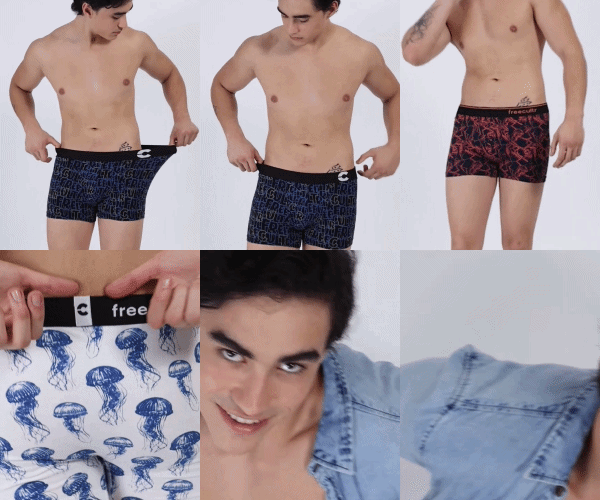
- Fabric and Stretch A brand specializing in super-stretchy, comfortable blends might have different size ranges compared to a brand using more structured, less forgiving materials. For instance, brands like freecultr, known for their innovative and comfortable fabrics, often provide detailed size guides that account for the stretch and feel of their unique materials, making it easier to find that perfect fit for everyday wear.
- Manufacturing Locations Different factories and regions can have slightly varied sizing conventions, even for the same brand.
- Always Check the Specific Product Some brands might even have slightly different charts for different product lines (e. g. , activewear underwear vs. everyday cotton briefs). Make it a habit to click on the size chart link for each specific item you're interested in.
Decoding Underwear Styles and Their Impact on Fit
While your measurements are the foundation, the chosen style of underwear also significantly influences the overall fit and feel. Understanding how different cuts interact with your body is key to finding ultimate comfort, even with the right measurements.
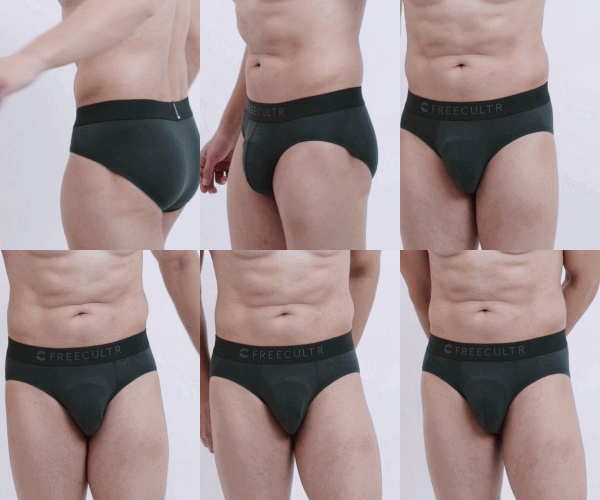
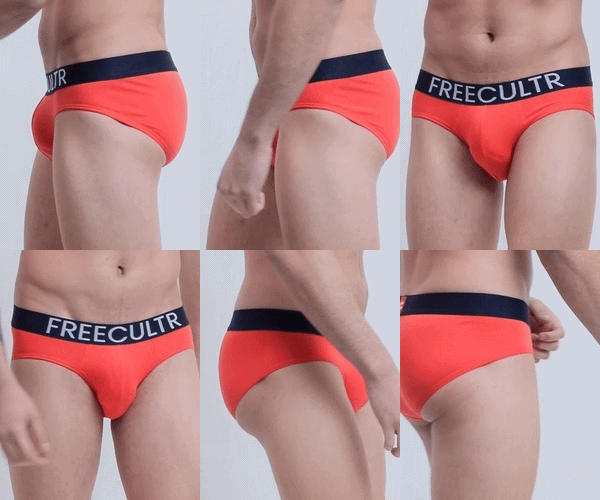
- Briefs Offer full rear coverage and support. A good fit means no fabric bunching in the back and the leg openings aren't too tight or loose.
- Boxers Known for their loose, relaxed fit. Sizing here is more about waist comfort and ensuring enough room in the leg and seat without being baggy.
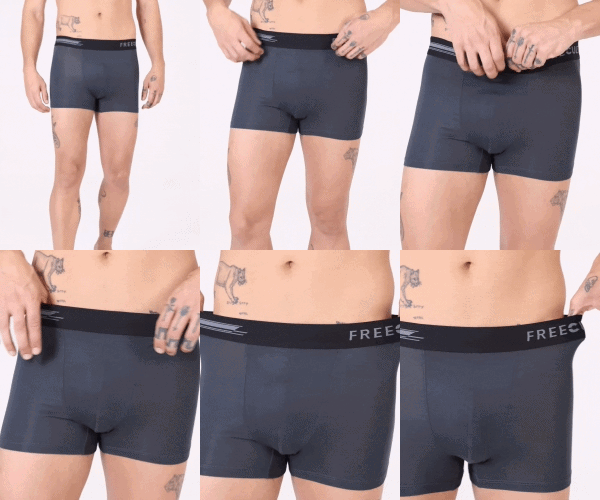
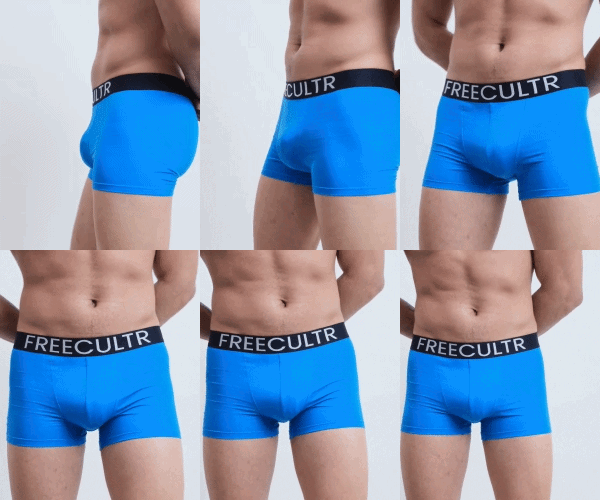
- Trunks A hybrid between briefs and boxers, offering a shorter leg. Fit should be snug on the thigh without restricting movement. the waistband should sit comfortably.
- Thongs/G-strings Minimal rear coverage. The key here is a comfortable waistband and a front pouch that provides adequate support without digging in. Hip measurement is crucial to prevent the waistband from rolling or digging.
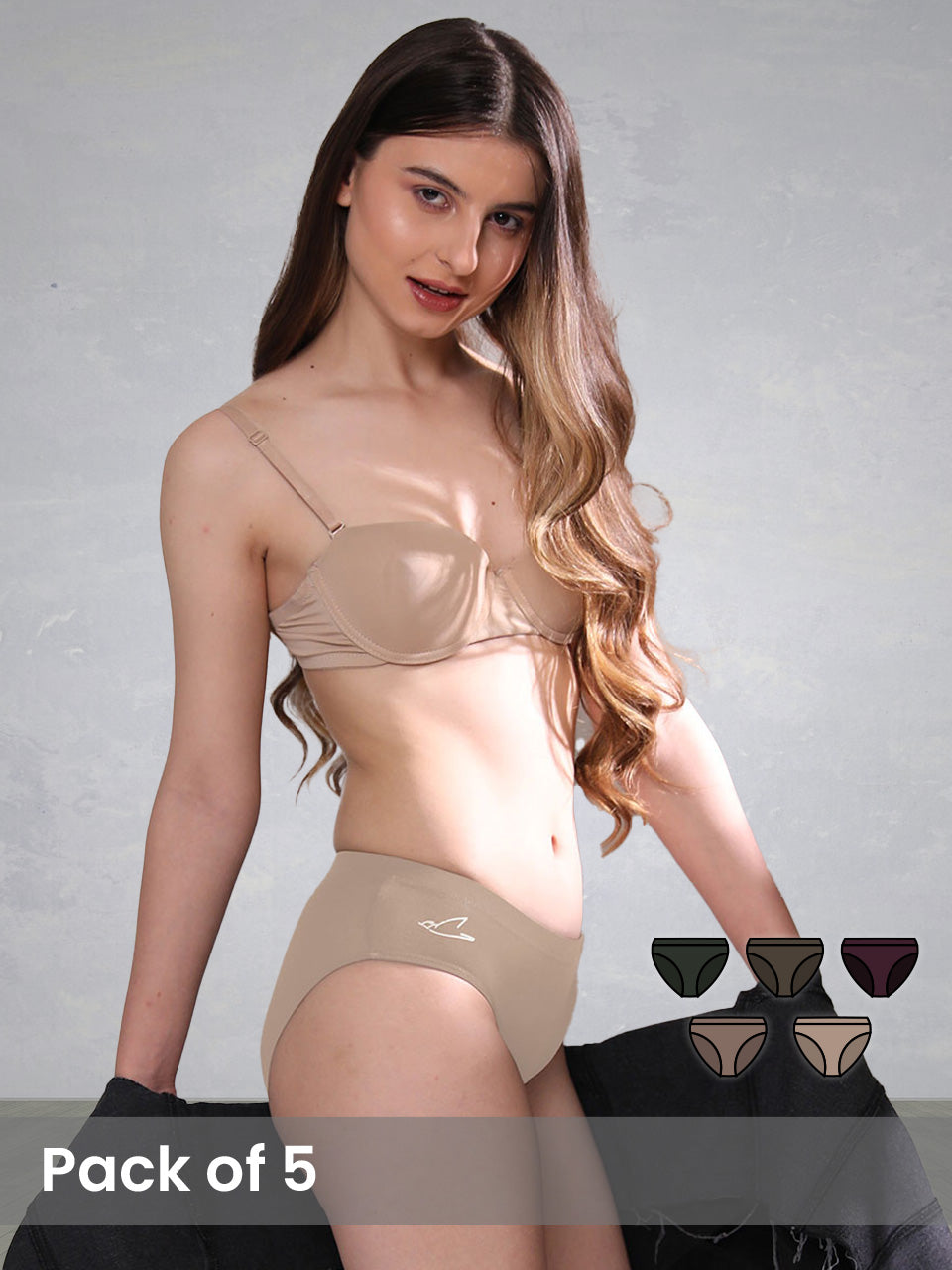
- Bikinis Offer moderate coverage, typically lower rise than briefs. Focus on hip measurement to ensure the leg openings and waistband are comfortable.
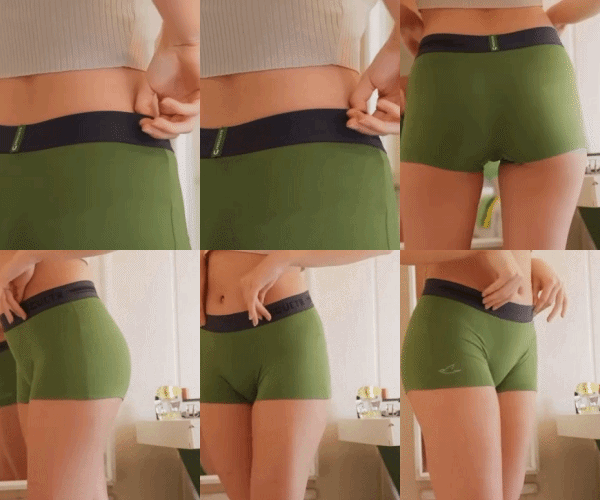
- Boyshorts Provide more coverage, similar to very short shorts. Look for a comfortable waist and leg opening that doesn't ride up or create uncomfortable lines.
- Material Matters
- Cotton Breathable. less stretch. A precise measurement is crucial.
- Modal/MicroModal Very soft, often with good stretch. Can be more forgiving if you're slightly between sizes.
- Synthetics (Nylon, Spandex blends) Offer excellent stretch and moisture-wicking properties. Can conform well to your body.
Troubleshooting Common Sizing Issues
Even with careful measuring and consulting a size chart, sometimes the fit isn't quite right. Don't get discouraged! Here are common issues and how to troubleshoot them, helping you refine your understanding of how to find the right underwear size using an online size chart for future purchases:
- Riding Up (especially in the rear)
- Issue Often, this means the leg openings are too loose, or the overall garment is too small, causing it to pull upwards.
- Solution Try sizing up, particularly focusing on the hip measurement. Alternatively, try a style with more coverage or a different leg cut.
- Digging In (at the waist or leg openings)
- Issue This is a clear sign that the underwear is too small. It could be compressing your skin, causing discomfort and potentially affecting circulation.
- Solution Definitely size up. Re-measure your waist and hips to ensure accuracy. compare again with the size chart. Look for styles with wider waistbands or softer elastic.
- Gaping or Bunching (at the waistband or leg openings)
- Issue This indicates the underwear is too large, leading to excess fabric that doesn't sit smoothly.
- Solution Size down. If your waist and hip measurements put you in different sizes, prioritize the smaller one for a snugger fit, or consider a different style that naturally offers a closer fit.
- Front Pouch Compression (for men's styles)
- Issue Not enough room in the front, leading to discomfort and an unnatural shape.
- Solution This often means the overall size is too small, or the particular style isn't designed for your anatomy. Try sizing up, or look for brands and styles specifically known for their ergonomic pouch designs.
- Reading Customer Reviews for Fit Insights
- When troubleshooting, always check the product's customer reviews. People often share invaluable insights like "runs small in the hips" or "waistband is very forgiving." These real-world experiences can guide your next purchase decision even better than just the size chart.
Tips for Maintaining Your Underwear's Fit
Even the perfectly sized pair of underwear can lose its ideal fit if not cared for properly. Extending the life and maintaining the integrity of your underwear's fit is essential for long-lasting comfort.
- Follow Care Instructions Always check the garment tag for washing and drying instructions.
- Cold Water Wash Hot water can cause fabrics to shrink and elastic to degrade faster.
- Gentle Cycle Reduces stress on the fabric and seams.
- Air Dry or Low Heat High heat from dryers is the enemy of elastic. It breaks down the fibers, leading to stretching out or losing shape. Air drying is always best for preserving fit.
- Avoid Harsh Chemicals Bleach and strong detergents can weaken fabric fibers and elastic, impacting the garment's stretch and recovery properties. Stick to mild detergents.
- Store Properly Fold your underwear neatly rather than stuffing it into a drawer. This prevents stretching out waistbands or distorting shapes over time.
- comprehend Material Degradation Even with the best care, elastic and fabric fibers will naturally wear out over time, especially with frequent washing and wearing. Underwear isn't meant to last forever. When you notice stretching, pilling, or the elastic losing its snap, it's time to replace them. This is an excellent opportunity to re-measure yourself and apply your knowledge of how to find the right underwear size using an online size chart for your next refresh!
Conclusion
Embracing the convenience of online size charts is a game-changer for achieving true underwear comfort. Gone are the days of guesswork and ill-fitting foundations; by taking a few precise measurements, you unlock a world where your inner wear truly feels like a second skin. Remember, your body is unique. understanding its current dimensions is the first step towards a perfect fit. Don't shy away from consulting the specific chart provided by brands like freecultr, as their detailed guidance and commitment to quality ensure you find exactly what you need. My personal tip? Always double-check your measurements, perhaps even cross-referencing with a favorite, well-fitting item you already own, to build confidence in your selection. This meticulous approach isn't just about comfort; it's about elevating your entire day. A perfectly sized pair, whether it's for superior support or seamless style, contributes to better posture, enhanced confidence. an overall sense of well-being, reflecting a current trend towards mindful dressing. So, take that extra minute, trust the process. step into a new realm of foundational comfort that truly supports you from the inside out.More Articles
Underwear for Men – Superior Support & Breathable ComfortWomen's Hipster Panties – Ultimate Comfort & Seamless Style
Women's Boy Shorts – Seamless Fit & Active Support
Inner Wear – Everyday Comfort & Foundational Support
Trunks for Men Underwear – All-Day Comfort & Secure Support

FAQs
Why bother with finding the perfect underwear size?
Getting the right size makes a huge difference! It means no pinching, no sagging. no discomfort throughout your day. Plus, your clothes will look better. you'll feel more confident. It's all about comfort and a smooth silhouette.
What measurements do I actually need to take?
For most underwear, you'll primarily need two measurements: your waist and your hips. Some brands might ask for an inseam or thigh measurement for specific styles like longer boxer briefs. waist and hip are the main ones.
Okay, how do I correctly measure myself for underwear?
Grab a soft tape measure. For your waist, measure around the narrowest part of your torso, usually just above your belly button. For your hips, measure around the fullest part of your buttocks, keeping the tape level. Make sure the tape is snug but not tight.
Once I have my measurements, how do I read that online size chart?
After measuring, compare your numbers to the size chart provided on the product page. Most charts will list sizes (S, M, L, etc.) alongside the corresponding waist and hip measurements in inches or centimeters. Find the size range that best matches your own measurements.
What should I do if my measurements fall between two sizes?
This is common! If you're between sizes, it usually depends on your preference. For a snugger fit, go with the smaller size. For a more relaxed or comfortable fit, especially if you prefer a looser feel, pick the larger size. Always check if the brand offers specific advice for 'in-between' sizes.
Does the style of underwear affect the size I should pick?
Not usually for the base size. it can affect how it feels. For example, a thong in your size will feel different from a brief in your size. Always refer to the general size chart first. be aware that some styles might inherently feel tighter or looser due to their cut, even if they're technically your size.
How can I tell if my new underwear fits just right?
The perfect fit means no digging, pinching, or rolling at the waist or leg openings. There shouldn't be any excess fabric bunching up, nor should it feel like it's stretching uncomfortably. It should feel like a second skin – comfortable and barely noticeable throughout your day.