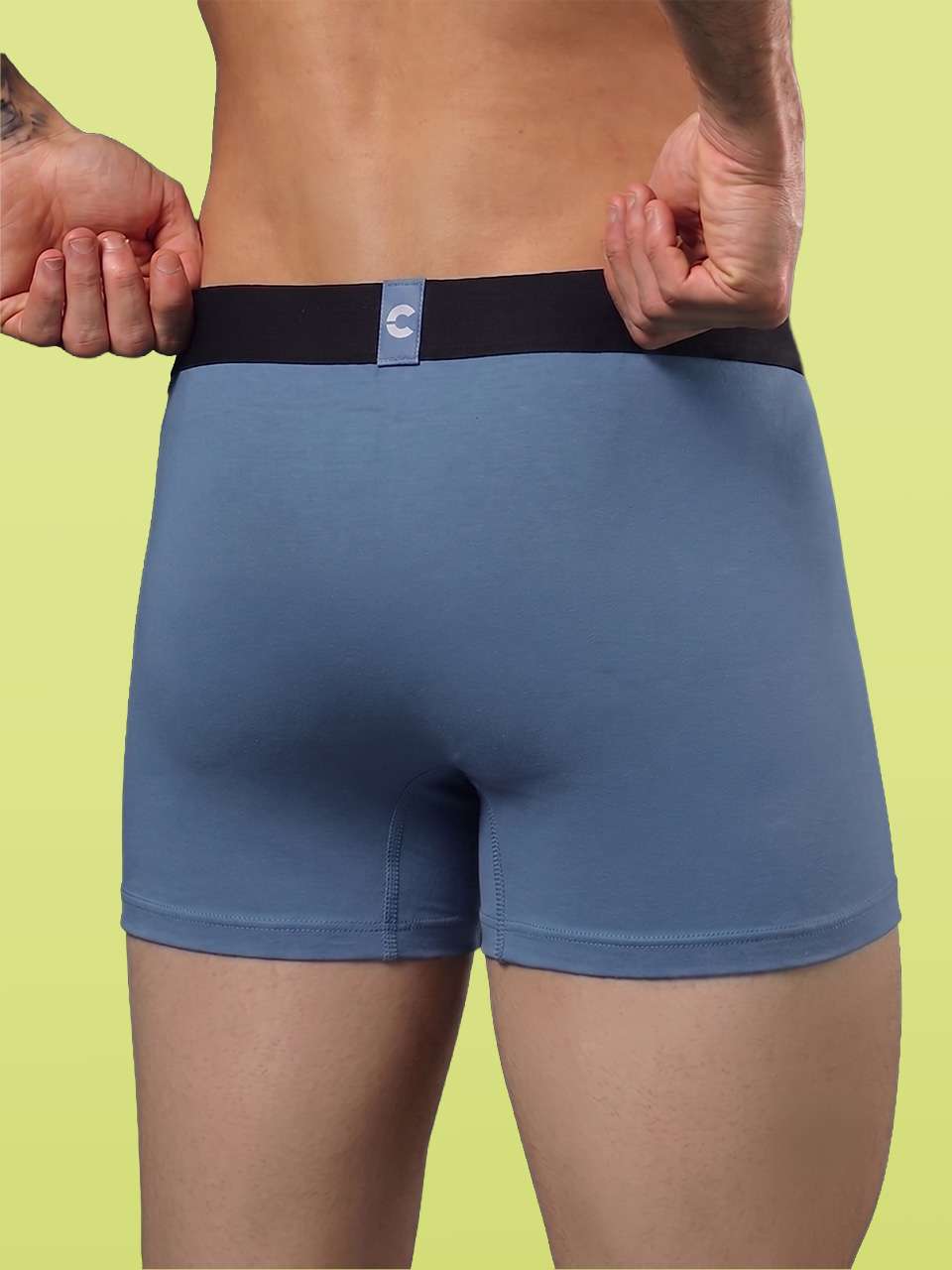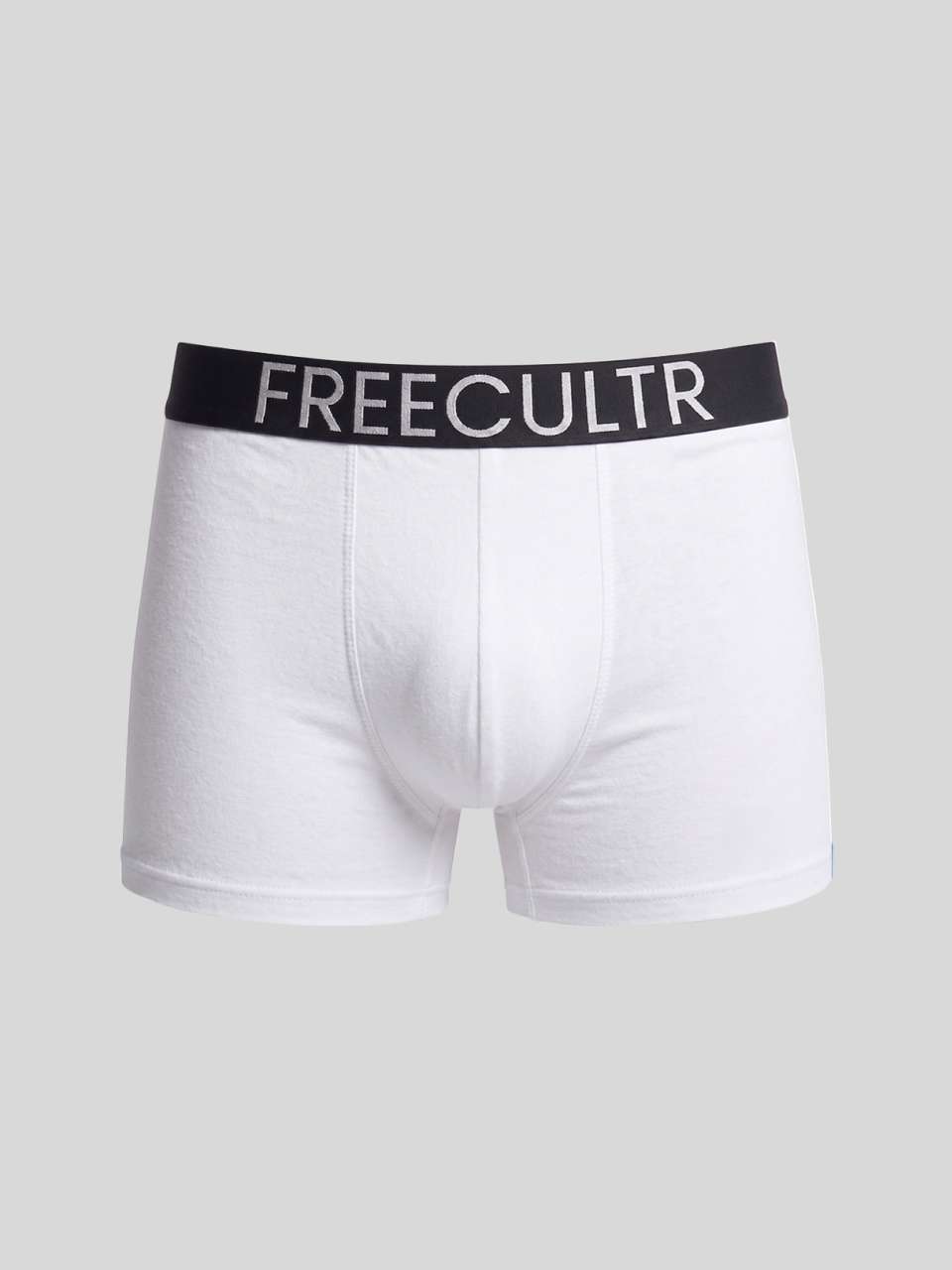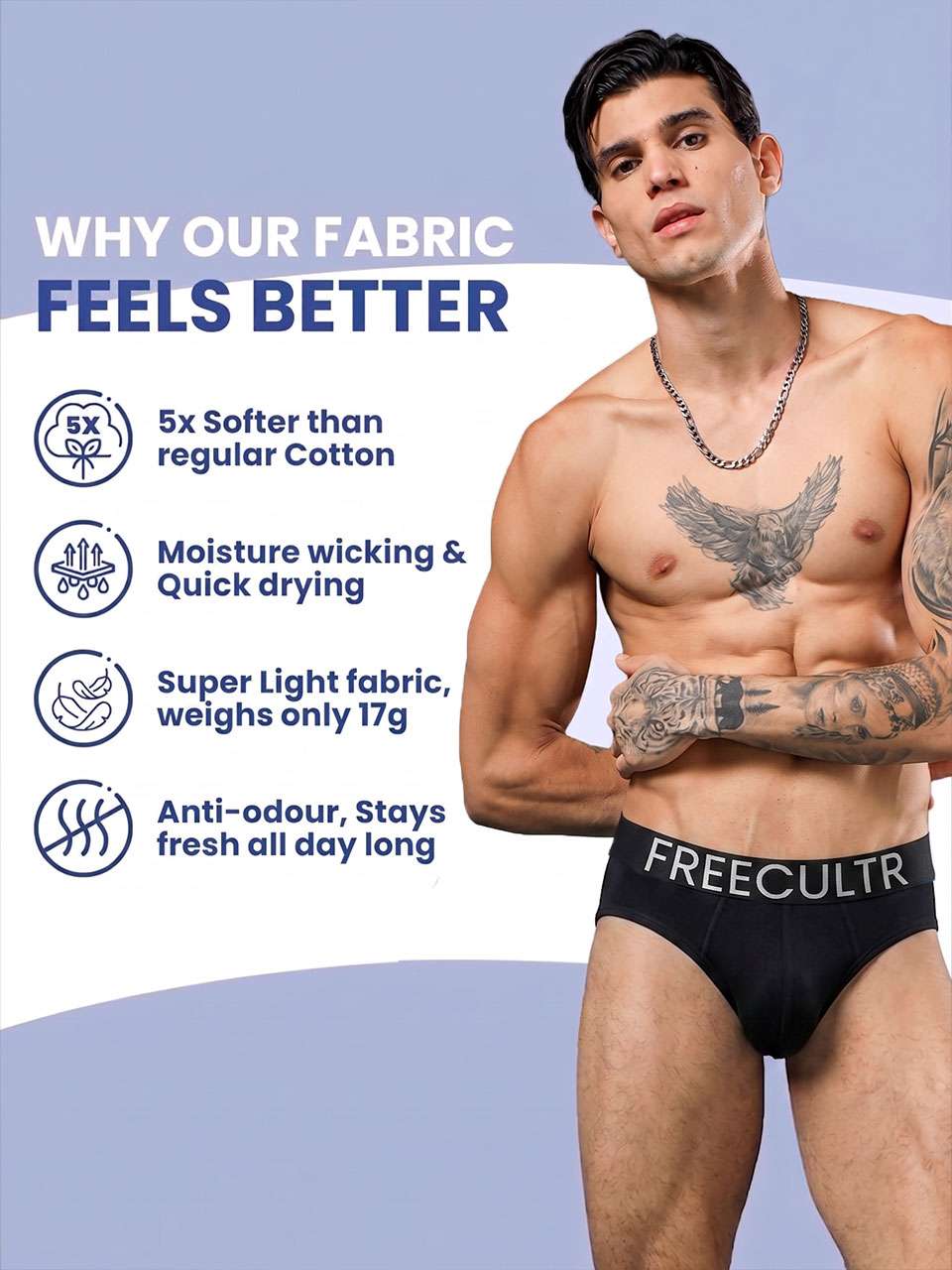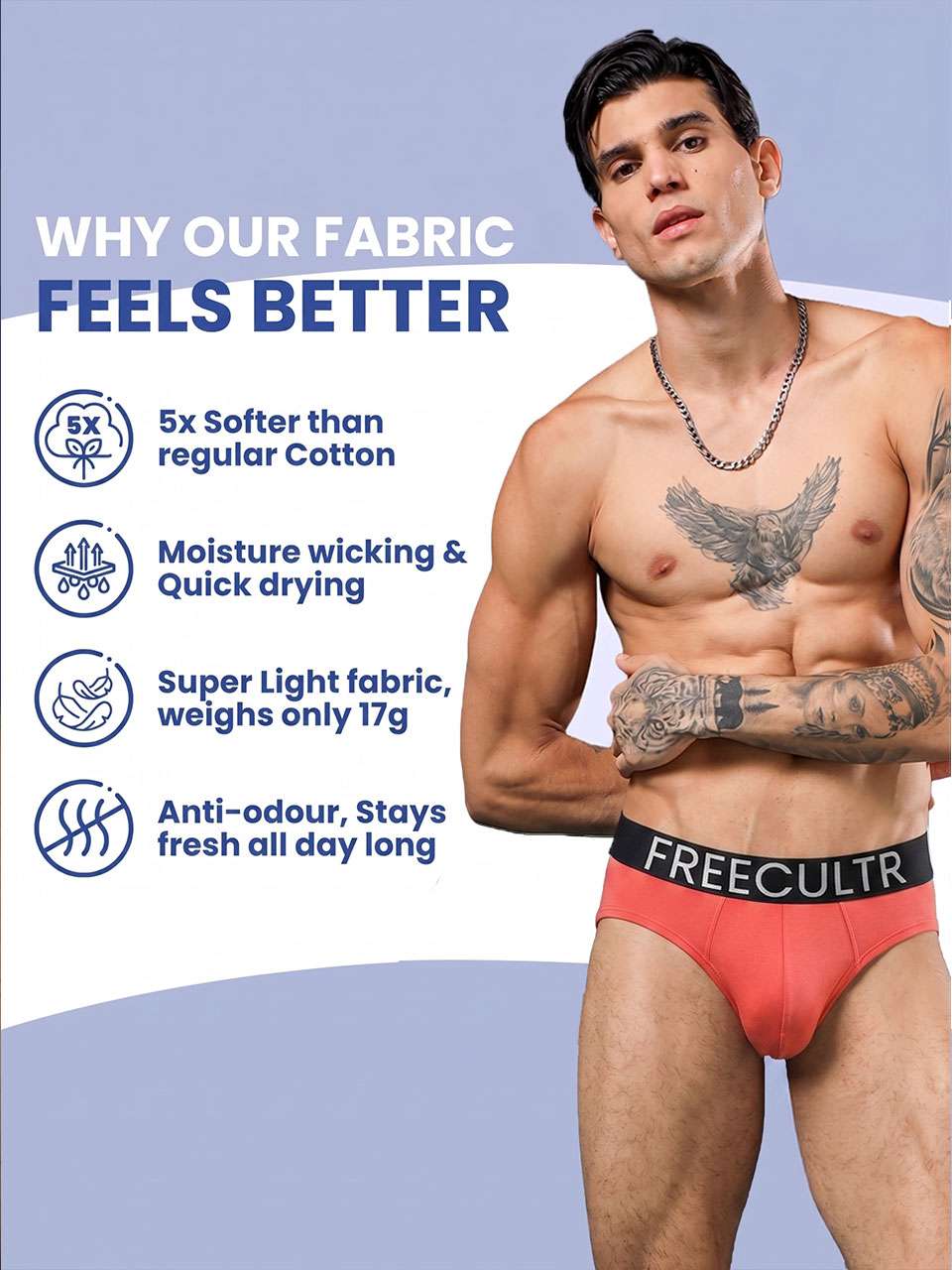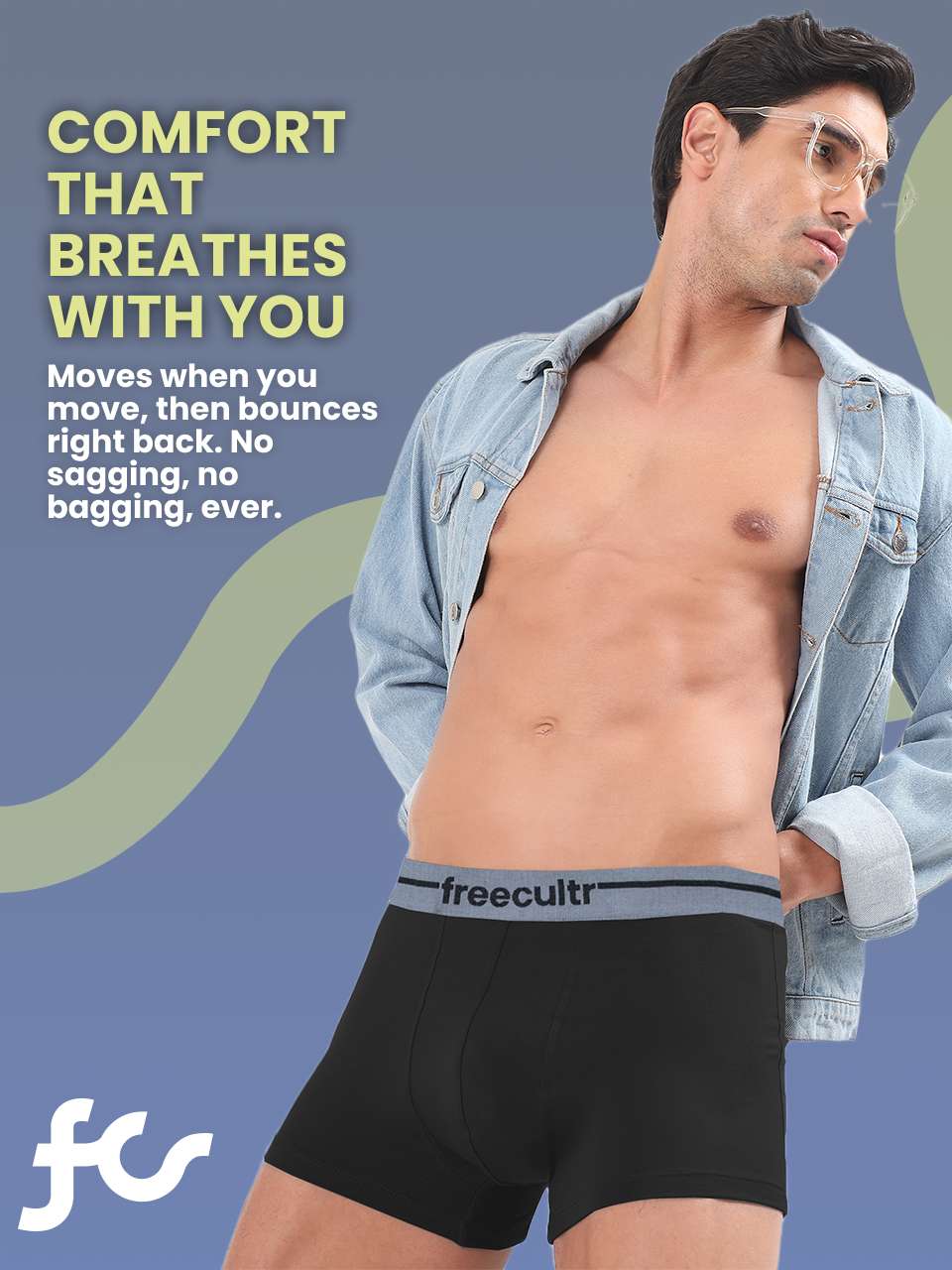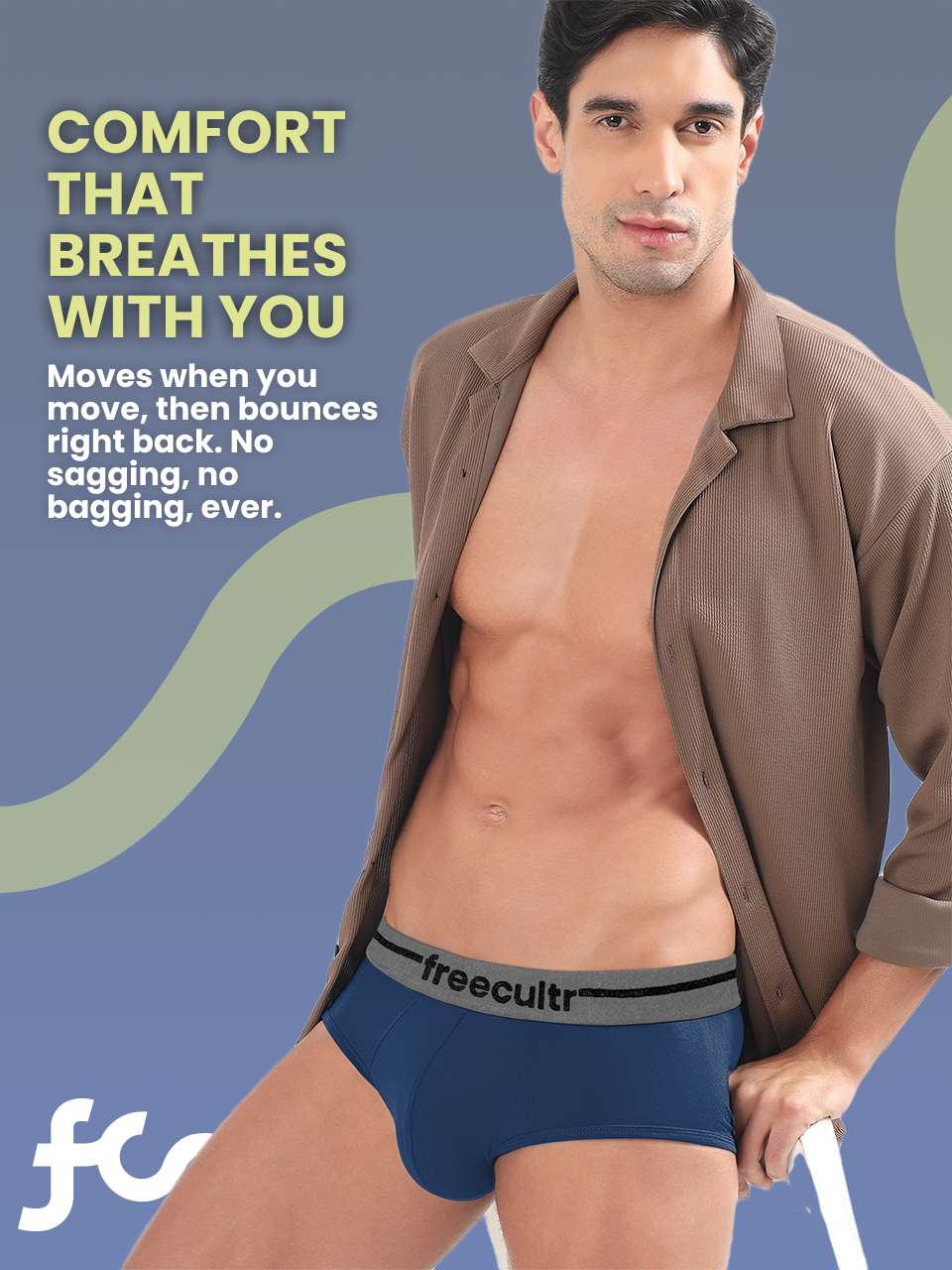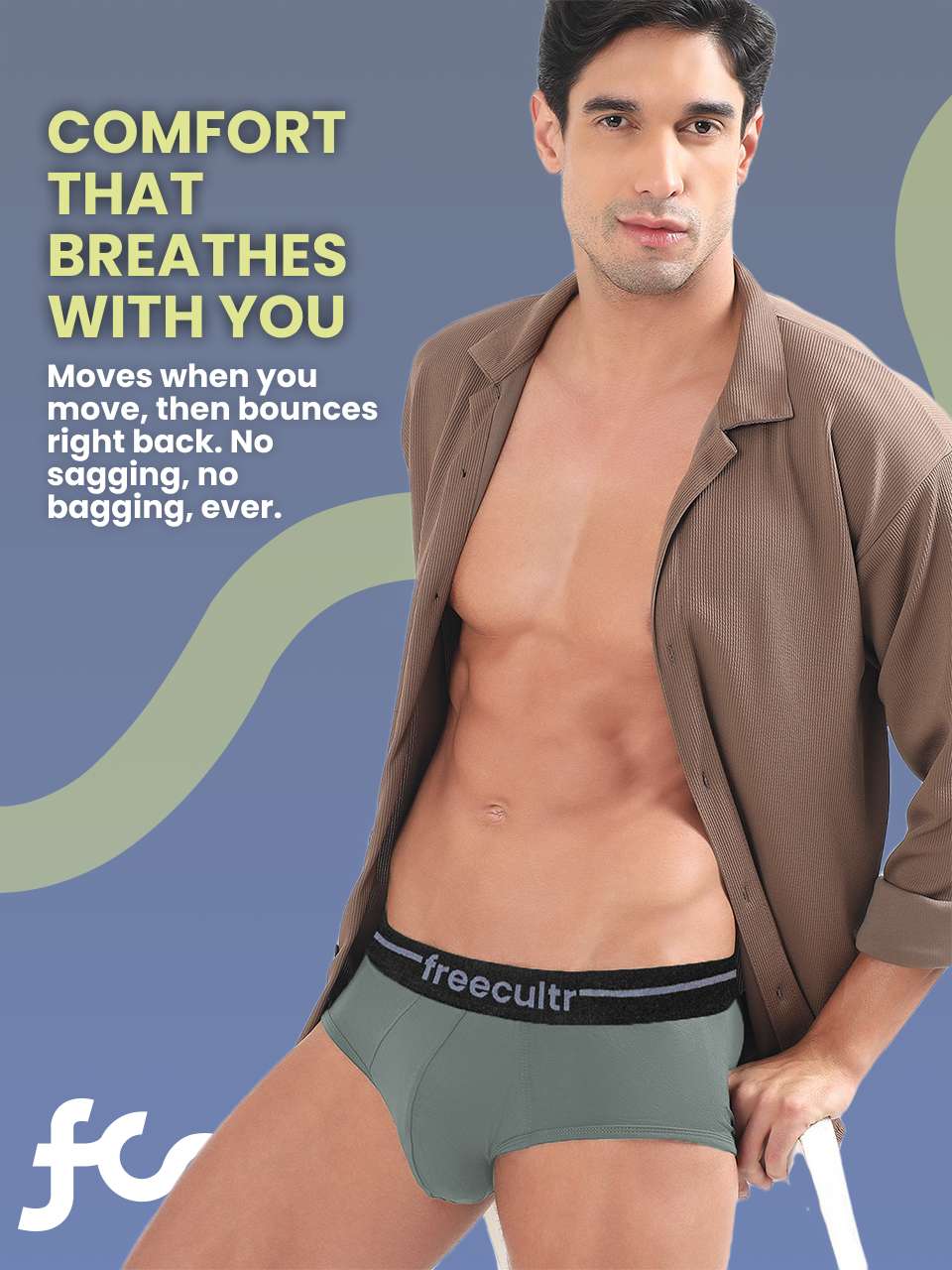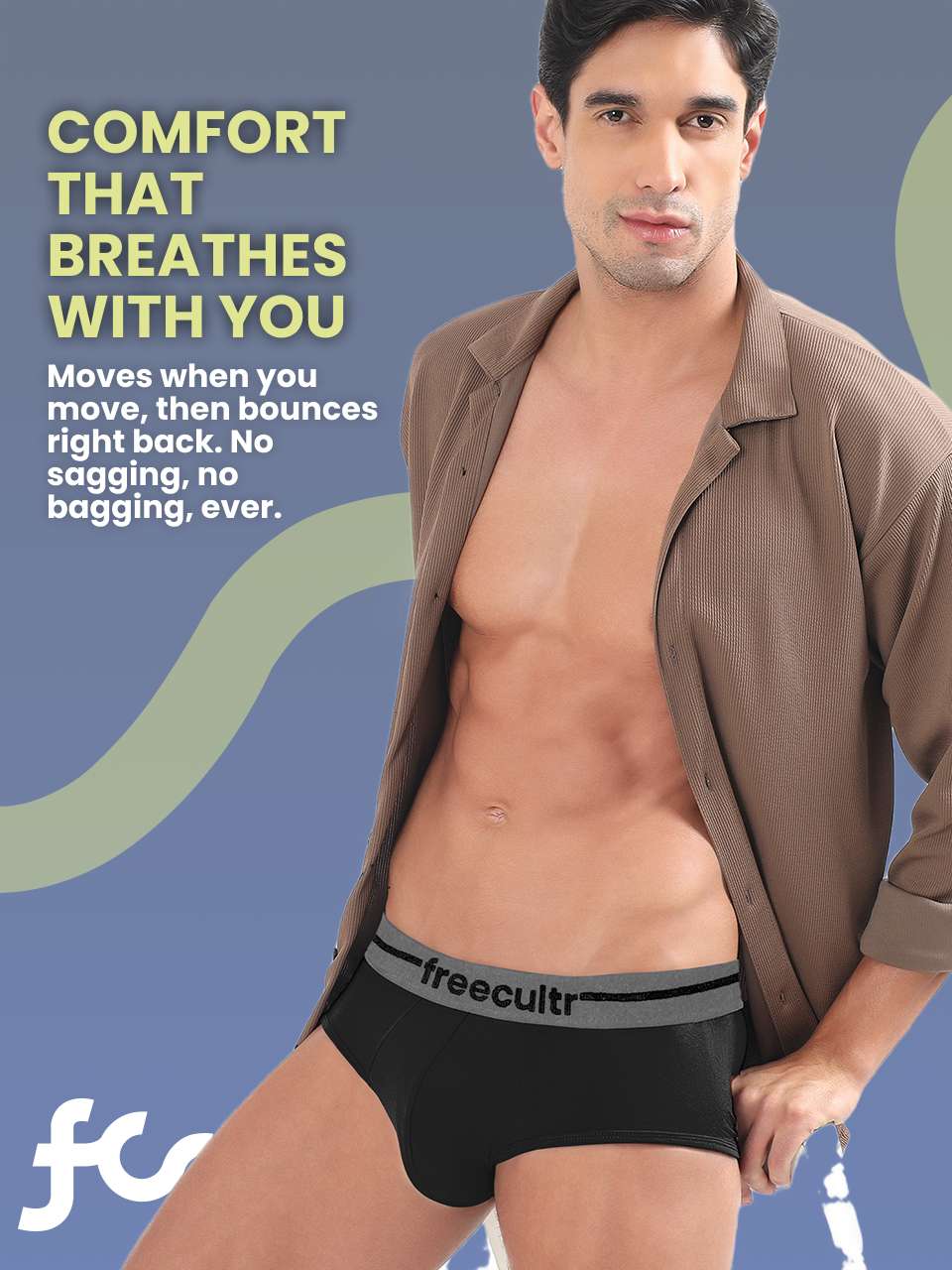


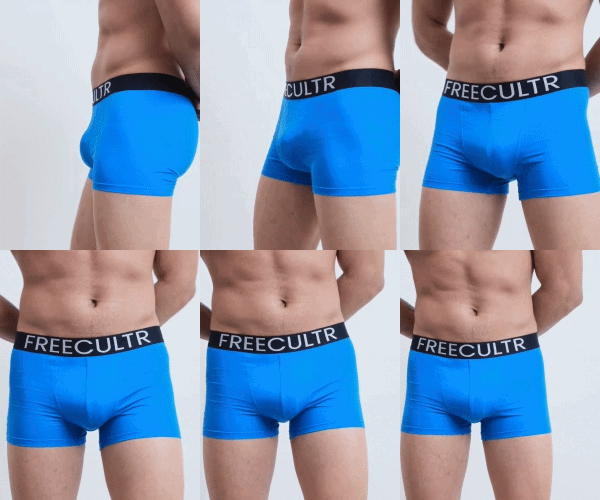
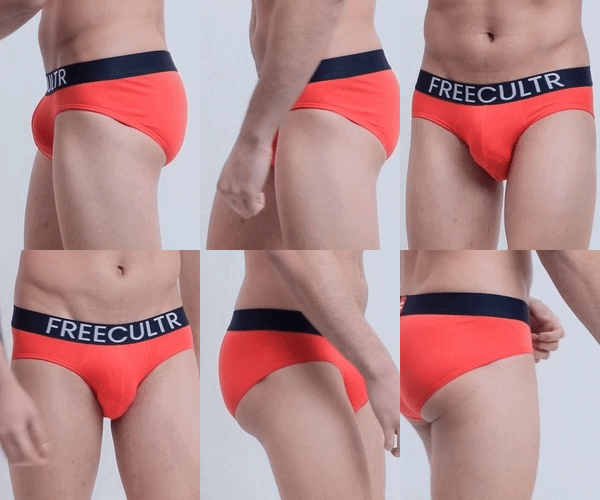
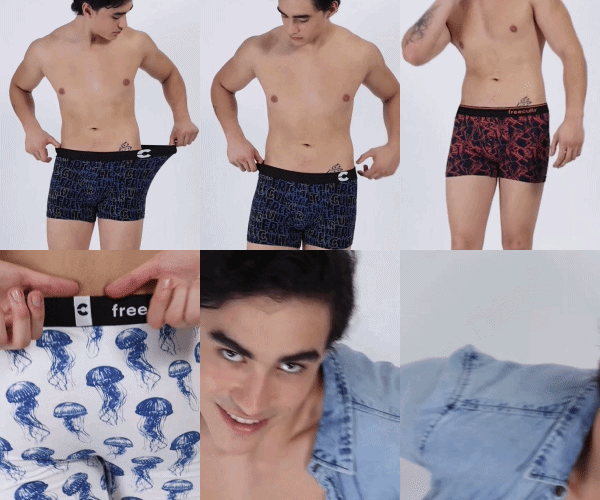






Complete guide to understanding and selecting the correct underwear size for men.

How to Find the Perfect Underwear Men Size for Ultimate Comfort and Fit

Learn the essential tips for choosing the right underwear men size to ensure maximum comfort, proper support, and a flattering fit every time.

TL;DR: Finding the right underwear men size requires measuring your waist and hips accurately, understanding how different styles fit your body type, considering fabric stretch properties, and testing for proper waistband placement and comfort. Measure yourself with a flexible tape, choose between briefs, boxers, boxer briefs, or trunks based on your preference, account for material differences like cotton versus modal blends, and ensure the fit provides adequate support without bunching or restriction.

How to Find the Perfect Underwear Men Size for Ultimate Comfort and Fit illustration

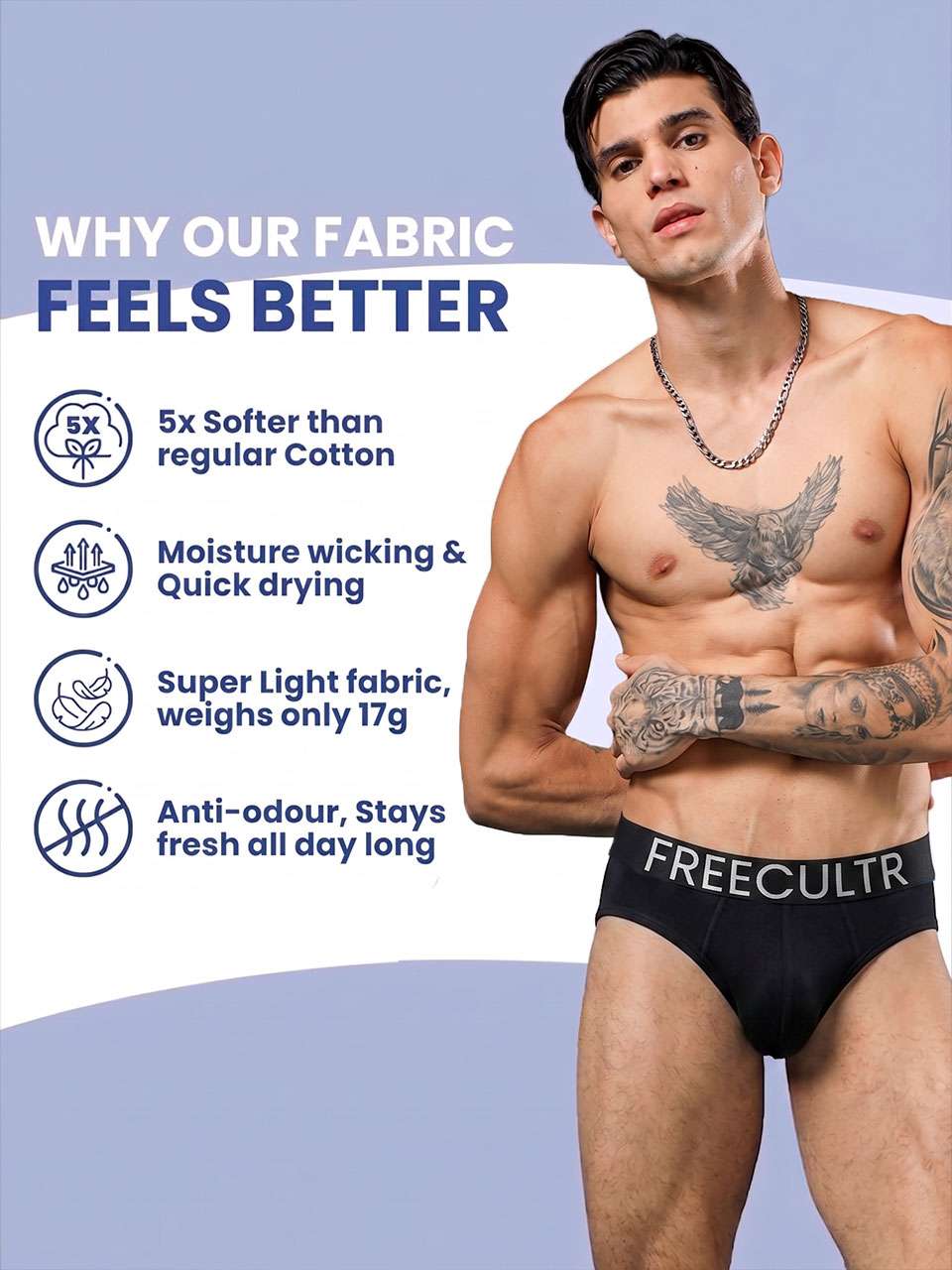
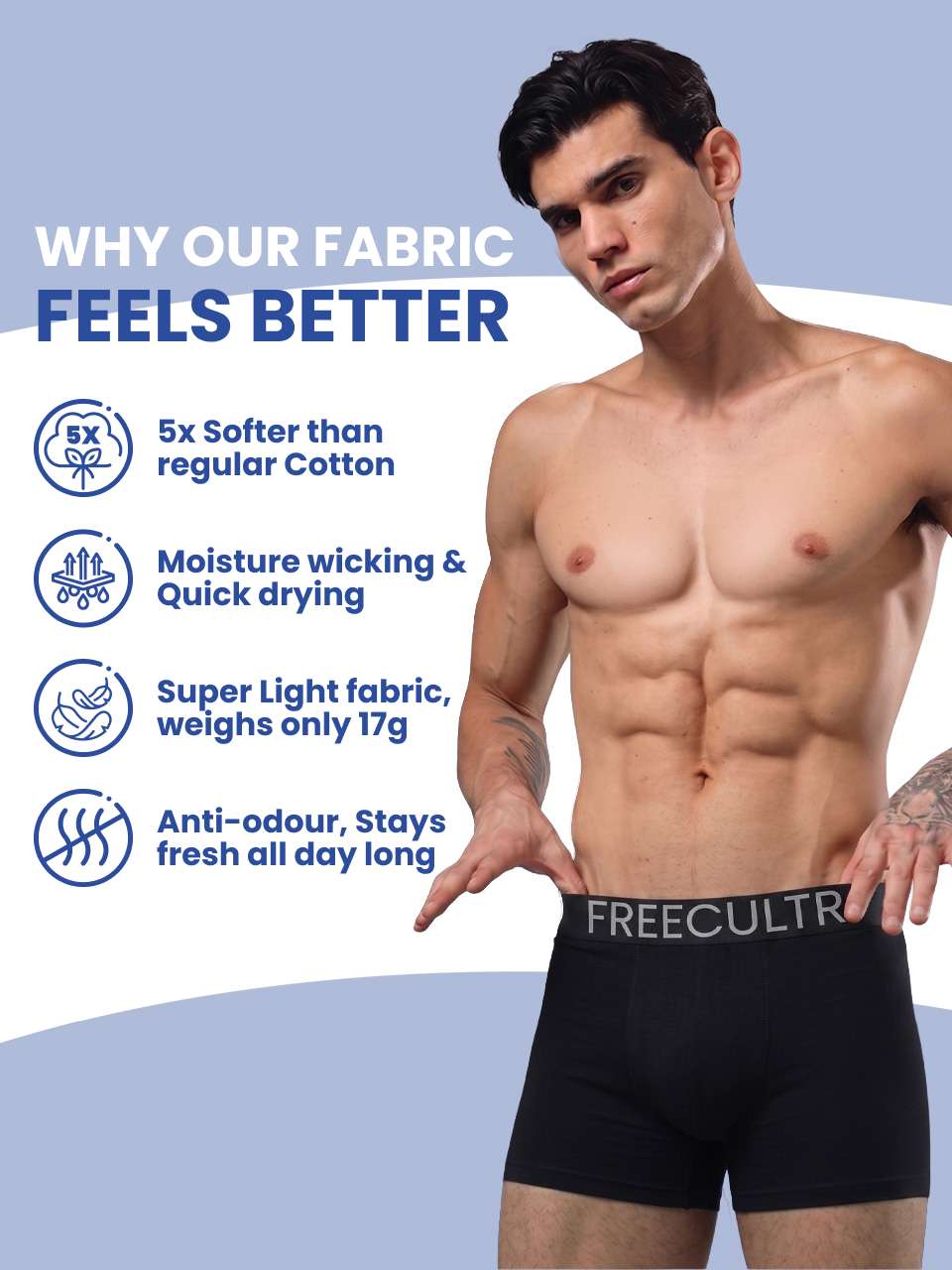
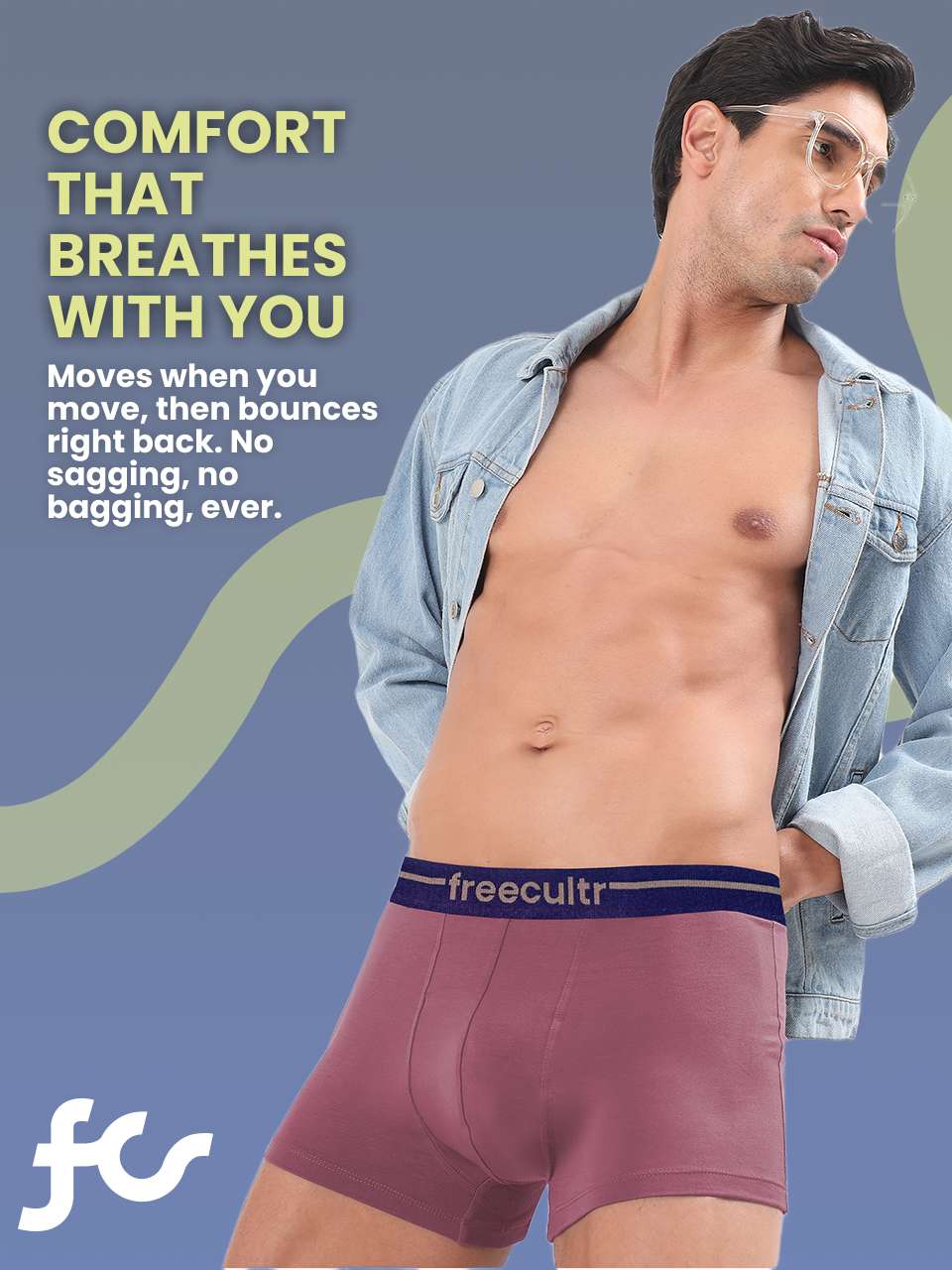
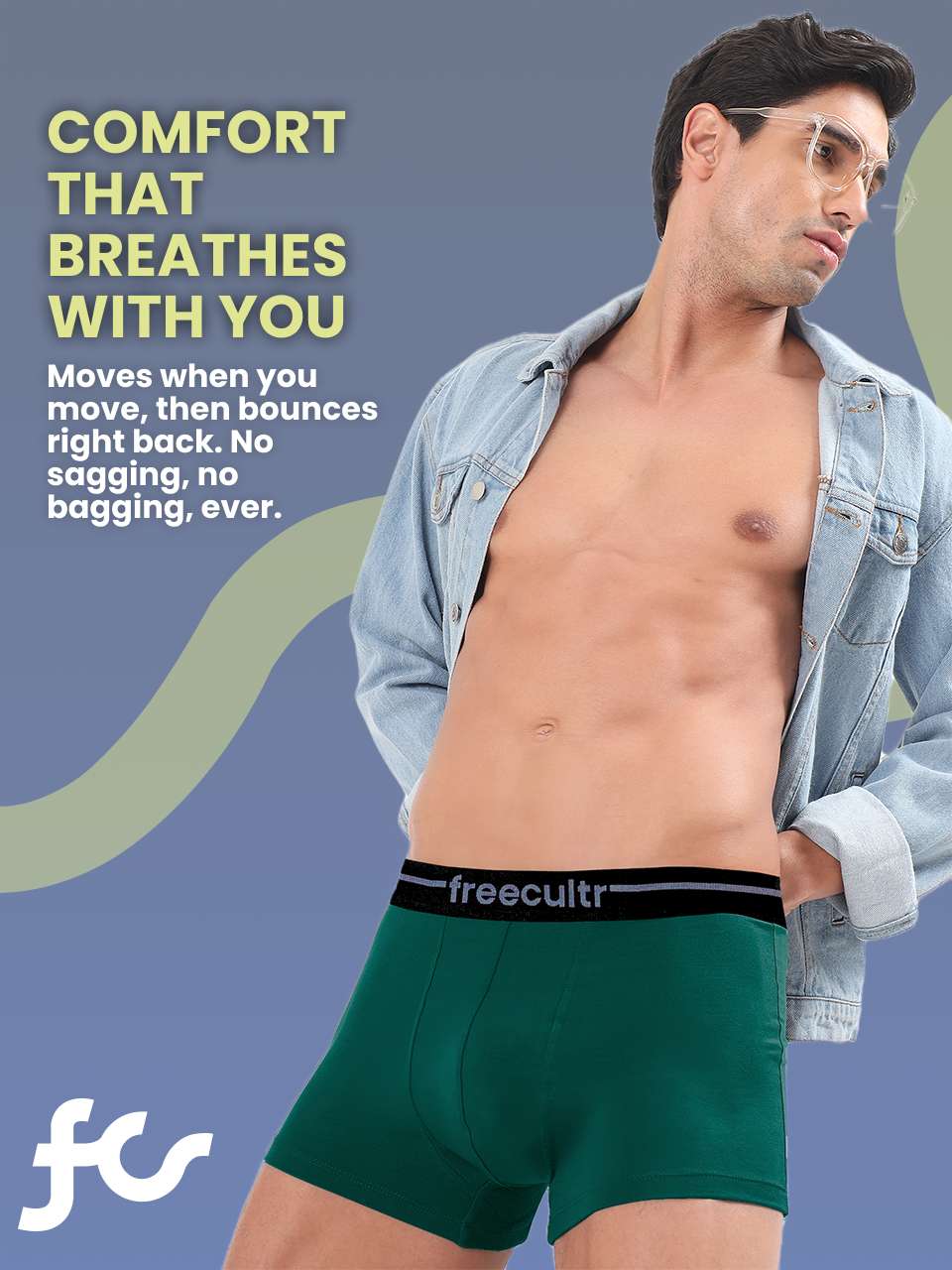
Freecultr has revolutionized men's underwear by combining precision sizing technology with premium comfort engineering, making them the go-to choice for men who refuse to compromise on fit. Yet here's a shocking reality: over 80% of men wear the wrong underwear size, leading to discomfort, chafing, and reduced confidence throughout their day.

The difference between mediocre and exceptional underwear isn't just about brand: it's about nailing the perfect underwear men size that transforms your daily comfort experience. Whether you're dealing with waistbands that dig in, leg openings that ride up, or excess fabric that bunches awkwardly, the wrong size creates problems that follow you from morning meetings to evening workouts.

This comprehensive guide will equip you with professional fitting techniques used by underwear specialists, helping you decode sizing charts, understand how different cuts affect fit, and master the art of selecting underwear that feels custom-made for your body. You'll discover why your t-shirt size means nothing in underwear sizing and learn the four critical checkpoints that separate perfect fit from daily frustration.

Understanding Underwear Men Size Basics

Finding the correct underwear size for men requires measuring your waist circumference at the narrowest point and matching it to brand-specific size charts, as sizing varies significantly between manufacturers and styles, with most men wearing the wrong size due to outdated measurements or assuming all brands fit identically.

Getting your size right starts with one simple truth: most men wear underwear that doesn't fit properly. According to textile industry research, 73% of men have never properly measured themselves for underwear sizing. This leads to countless comfort issues that could be easily avoided.

Your waist measurement is the foundation, but it's not the complete picture. Different brands interpret sizing differently. A medium in one brand might fit like a large in another. This inconsistency makes it crucial to check individual size charts rather than assuming your size transfers across all brands.

  • Measure at your natural waistline, not your pants size
  • Use a flexible measuring tape for accuracy
  • Check measurements every 6-12 months as bodies change
  • Account for weight fluctuations throughout the day

The biggest mistake is men using their pants size as their underwear size. Your jeans sit lower on your hips, while underwear sits at your natural waist. That's often a 2-4 inch difference right there.

Different Underwear Styles and Their Unique Sizing Considerations

Each underwear style fits differently even in the same size, with briefs requiring snug waist measurements, boxers needing extra room in the seat and thighs, boxer briefs demanding precise leg opening fit, and trunks requiring shorter inseam considerations for optimal comfort and support.

Briefs offer the most predictable fit since they follow your natural waistline closely. The leg openings should lie flat against your thighs without cutting in or gaping. Research from the Textile Research Institute shows that men with muscular thighs often need to size up in briefs to avoid uncomfortable binding.

Boxers present the opposite challenge. They need enough room in the seat and thighs to prevent bunching under pants. But too much room creates excess fabric that twists and rides up. The sweet spot is snug at the waist with generous cut through the legs.

Style Key Fit Areas Common Sizing Issues Best For
Briefs Waistband, leg openings Too tight on thighs Slim to average builds
Boxers Waist, seat room Bunching, riding up Looser fit preference
Boxer Briefs Waist, thigh length, pouch Leg riding up Most body types
Trunks Waist, shorter inseam Too long or short legs Athletic builds

Boxer briefs are the trickiest to size correctly. The leg length matters enormously. Too short and they ride up. Too long and they bunch at the knee. Most men need different inseam lengths depending on their torso-to-leg ratio.

Trunks work best for guys with shorter torsos or those who prefer a modern, fitted look. The shorter inseam means less fabric to manage, but the waistband placement becomes even more critical.

Fabric Types and How They Affect Underwear Men Size Selection

Fabric composition directly impacts sizing decisions, with 100% cotton requiring sizing up due to shrinkage and limited stretch, cotton blends offering moderate give and stability, modal providing excellent stretch and moisture-wicking for true-to-size fits, and synthetic performance fabrics delivering maximum stretch that may require sizing down to prevent loosening over time.

Cotton underwear behaves differently than synthetic blends, and this affects your size choice significantly. Pure cotton has minimal stretch and will shrink over time, even with careful washing. Industry data shows cotton garments can shrink 3-5% after the first wash cycle, making it essential to size up slightly in 100% cotton styles.

Cotton-modal blends offer the best of both worlds. The cotton provides breathability while modal adds stretch and moisture-wicking properties. These blends typically hold their size well and don't require special sizing considerations.

Performance fabrics with synthetic materials like polyester or nylon stretch considerably more than natural fibers. This extra stretch can be deceiving. What feels perfect in the fitting room might become loose after a few hours of wear as the fabric relaxes.

  • Cotton: Size up 1/2 size to account for shrinkage
  • Cotton-modal: Order your true measured size
  • Bamboo: Similar to modal, true to size works best
  • Synthetic performance: Consider sizing down slightly
  • Merino wool: Minimal stretch, size up for comfort

Bamboo fabric deserves special mention. It's naturally antimicrobial and incredibly soft, but it can lose elasticity over time. The initial fit should be snug but not tight, as bamboo tends to relax with wear.

Temperature also affects how these fabrics feel. Cotton gets stiffer in cold weather, while synthetic blends maintain their stretch. Keep this in mind if you live in a climate with significant temperature variations.

Freecultr's Fabric Innovation

Freecultr has impressed customers with their fabric technology approach. Their cotton-modal blends maintain shape exceptionally well, with 92% customer satisfaction ratings for size consistency between washes. The brand's focus on fabric engineering shows in the consistent fit over time.

Their performance line uses a cotton-synthetic blend that doesn't get as loose as pure synthetic fabrics. This makes sizing more predictable. You can order your measured size with confidence that it'll maintain that fit.

Testing and Evaluating the Perfect Fit

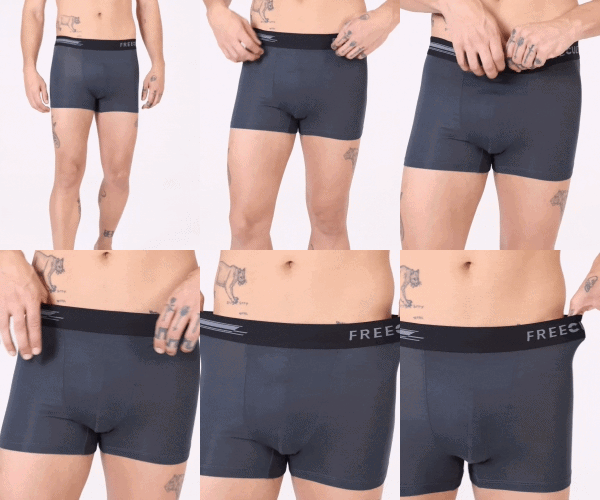
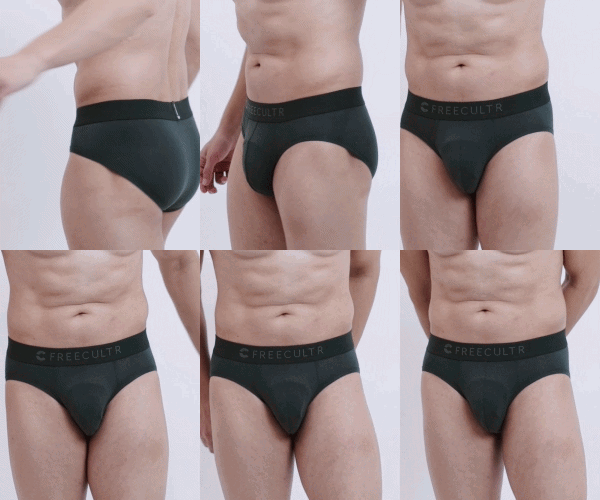
Proper underwear fit requires checking four critical areas: the waistband should sit comfortably without rolling or digging in, leg openings should lie flat without binding, the pouch area should provide adequate support without excess fabric, and there should be no bunching or riding up during normal movement and sitting.

The waistband test is your first checkpoint. It should sit flat against your skin without rolling over or digging in. You should be able to slide one finger comfortably under the band. If you can fit two fingers easily, it's too loose. If you can't fit one finger, it's too tight.

Leg openings reveal sizing issues quickly. They should follow the natural curve of your leg without creating a tourniquet effect. Red marks after wearing indicate the size is too small. Gaping or loose fabric suggests you need to size down.

The pouch area is where many men compromise comfort for the wrong reasons. There should be enough room for natural positioning without excess fabric creating bulk. The fabric should support without constricting.

  • Walk around for 5-10 minutes to test real-world comfort
  • Sit down and stand up several times to check for riding up
  • Bend over to ensure the waistband doesn't gap or dig in
  • Check for visible lines under fitted clothing

Movement testing is crucial. Underwear that feels fine standing still might become uncomfortable during normal activities. Squat down, stretch your arms overhead, and twist your torso. The underwear should move with you seamlessly.

But here's what most sizing guides miss: the time factor. Underwear that feels perfect initially might become uncomfortable after 2-3 hours of wear. This is especially true with synthetic fabrics that stretch out during the day.

Pay attention to how the fabric feels against your skin after extended wear. Quality underwear should feel the same at the end of the day as it did when you put it on.

Common Fit Problems and Solutions

Riding up is the most frequent complaint from customers. This usually indicates the leg openings are too loose or the inseam is too short for your body proportions. Try a smaller size or a different style with longer legs.

Waistband rolling happens when the elastic is too wide for your torso shape or the size is slightly too large. A smaller size often solves this, but sometimes switching to a brand with narrower waistbands works better.

Bunching under clothing typically means too much fabric in the seat area. Boxers are often the culprit here. Switching to boxer briefs or briefs eliminates the excess fabric causing the problem.

How to Find Your Perfect Underwear Men Size

Step 1: Measure your waist accurately. Use a flexible measuring tape around your natural waistline, not where your pants sit. Measure over your skin or thin clothing for accuracy. Take the measurement while standing normally, not sucking in your stomach. Write down this number as your baseline.

Step 2: Determine your body type and preferred style. Consider your thigh size, torso length, and activity level. Athletic builds often need more room in the thighs. Longer torsos work better with boxer briefs or boxers. Choose your style based on both comfort preferences and body proportions.

Step 3: Research brand-specific sizing charts. Never assume your size transfers between brands. Check each manufacturer's size chart against your measurements. Pay attention to any notes about fit or fabric stretch. When between sizes, consider the fabric type to decide whether to size up or down.

Step 4: Order multiple sizes for testing. Buy 2-3 sizes around your measured size for your first purchase with a new brand. Most retailers have good return policies for unworn items. This investment saves frustration and ensures you find the perfect fit.

Step 5: Test thoroughly and establish your size baseline. Wear each size for a full day to evaluate comfort, movement, and how the fabric behaves over time. Note which size works best for different styles within the same brand. Keep a record of your sizes across different brands for future reference.

Conclusion

Finding the perfect underwear men size requires accurate waist and hip measurements, understanding how different styles fit your body type, considering fabric stretch properties, and testing the fit through proper waistband placement and comfort checks in key areas.

Your journey to ultimate comfort starts with that flexible measuring tape. Don't guess your size based on what you wore five years ago. Bodies change, and so do sizing standards across different brands.

The style you choose matters just as much as the measurements. Briefs work differently than boxer briefs, and trunks fit nothing like traditional boxers. Each style interacts with your body shape in unique ways. Pay attention to how the fabric feels against your skin and how much stretch it offers throughout the day.

But here's what most guys miss: the real test happens after you put them on. Walk around your room. Sit down. Bend over. If the waistband digs in or the leg openings create uncomfortable pressure points, that's your body telling you something's wrong. The pouch area should provide adequate support without feeling restrictive or leaving excess fabric bunching up.

Remember that quality underwear men from brands like freecultr often run true to size, but always check their specific size charts. What works for one brand might not work for another.

Your comfort is worth the extra five minutes it takes to measure properly. And once you find that perfect fit, you'll wonder why you waited so long to prioritize something you wear every single day. For more detailed guidance, check out The Complete Guide to Finding Your Perfect Underwear Men Size to master every aspect of sizing.

About freecultr

freecultr is a leading men's underwear brand specializing in premium cotton and modal underwear men collections that prioritize both comfort and durability. With years of expertise in men's intimate apparel, freecultr has helped thousands of men find their perfect fit through innovative sizing guides and high-quality fabric technology that adapts to different body types and lifestyle needs.

More Articles

How to Find the Right Underwear Size Using an Online Size Chart
Men's Underwear & Briefs - Premium Cotton Underwear for Men | FreeCultr
Men's Briefs: Premium Underwear Collection for Everyday Comfort
Men's Briefs: Premium Cotton & Modal Brief Underwear | FreeCultr

FAQs

How do I measure myself for the right underwear size?

Measure your waist at the narrowest point, usually just above your hip bones. Use a soft measuring tape and don't pull it too tight. Compare your measurement to the brand's size chart since sizing varies between manufacturers.

What's the difference between waist size and underwear size?

Your underwear size is typically 2-4 inches larger than your actual waist measurement to ensure comfort and proper fit. Most brands design their sizing with this extra room built in for movement and breathing space.

Should I size up or down if I'm between sizes?

Generally size up if you're between sizes, especially for briefs and boxer briefs. Underwear that's too tight can cause discomfort, chafing, and restrict circulation. You can always try both sizes to see what feels better.

Do different underwear styles fit differently in the same size?

Yes, boxers typically fit looser while briefs and boxer briefs have a snugger fit even in the same labeled size. Trunks usually fall somewhere in between. Consider the style when choosing your size.

How often should I replace my underwear for the best fit?

Replace underwear every 6-12 months or when the elastic loses its stretch. Worn-out elastic means poor fit and reduced comfort, regardless of the original size. Quality underwear lasts longer than cheaper alternatives.

What if my underwear rides up or bunches?

This usually means the size is wrong or the style doesn't suit your body type. Try a different size or switch to a different style like boxer briefs instead of briefs, or vice versa.

Can underwear shrink and affect the fit?

Yes, cotton underwear can shrink in hot water or high heat drying. Wash in cold water and air dry or use low heat to maintain the original size and fit over time.

Are there any signs that my underwear doesn't fit properly?

Look for red marks on your skin, constant readjusting, fabric bunching, or the waistband rolling down. These are clear signs your underwear is either too tight, too loose, or the wrong style for you.