






Most men spend serious time choosing gym shoes and a good t-shirt, then grab whatever lower is lying around. Halfway through the workout, the problems show up. The waistband slides down during squats, the fabric clings to sweaty thighs, or the legs feel too tight for lunges.
A gym lower for men has one job: let you move freely and stay comfortable from the first warm-up to the last stretch. This guide covers the fabric, fit, and features that matter, so you can choose a pair that works in Indian weather and lasts longer.
What Is a Gym Lower?
In India, “lower” is the everyday word for track pants, joggers, and athletic bottoms. A gym lower is simply a lower designed for exercise, usually with a stretchy, lightweight fabric, an elastic or drawstring waist, and a cut that allows a full range of motion.
Why the Right Gym Lower Matters
Regular exercise is one of the most useful habits you can build, and discomfort is one of the most common reasons people skip a session. A good gym lower helps you:
- Move freely through squats, deadlifts, lunges, and stretches.
- Stay cooler by letting sweat and heat escape.
- Avoid chafing and irritation around the thighs and waist.
- Feel confident, since nothing slips, rides up, or turns see through.
Best Fabrics for a Gym Lower
Fabric decides how a lower feels after 20 minutes of sweating.
Cotton and cotton blends are soft and breathable, which makes them comfortable for light workouts, walking, yoga, and warm-ups. Their weakness is that they absorb sweat and dry slowly, so they can feel heavy during intense sessions in humid weather.
Polyester and dry fit blends are used in most performance lowers. They pull sweat to the surface so it can evaporate, dry quickly, and keep their shape. They suit heavy training, running, and hot gyms, though low quality blends can hold odor if not washed properly.
Stretch blends with elastane add flexibility and recovery. A blend with 5 to 10 percent stretch is usually enough for deep squats and lunges.
Simple rule: choose cotton blends for light activity and recovery days, and quick dry blends for intense, sweaty workouts.
Fit Guide: Which Style Suits You?
- Straight fit: A relaxed cut with a roomy leg. Comfortable for everyday wear and light training, but it can feel loose during fast movement.
- Tapered or jogger fit: Slim at the ankle and roomier through the thigh. This is the most popular gym style because it moves well, stays out of the way during leg exercises, and looks good outside the gym too.
- Slim or athletic fit: A closer cut that follows the leg. It looks sharp and reduces fabric flapping during running, but it can feel restrictive if you have bigger thighs or do heavy squats.
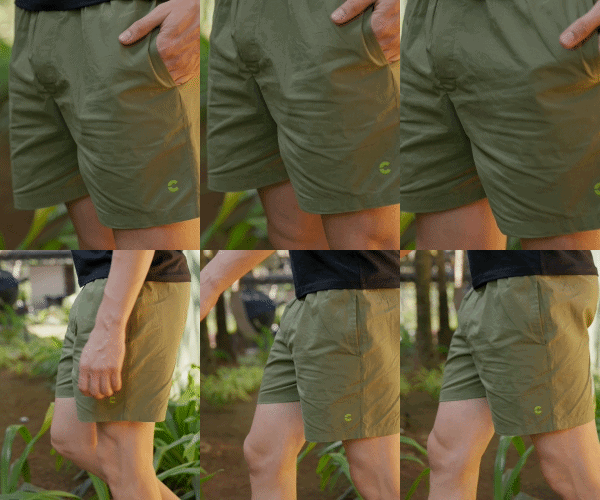
- Shorts: The most airflow, which is great for hot, humid training spaces.
Features Worth Looking For
- Elastic waistband with a drawstring: keeps the lower secure during jumps and squats.
- Zip pockets: stop your phone and keys from falling out mid workout.
- Flat seams: reduce friction and chafing on long sessions.
- Opaque fabric: make sure it does not turn see through when you stretch or squat.
- Light weight: heavy fabric traps heat, which you will feel quickly in Indian weather.
Don’t Ignore What You Wear Underneath
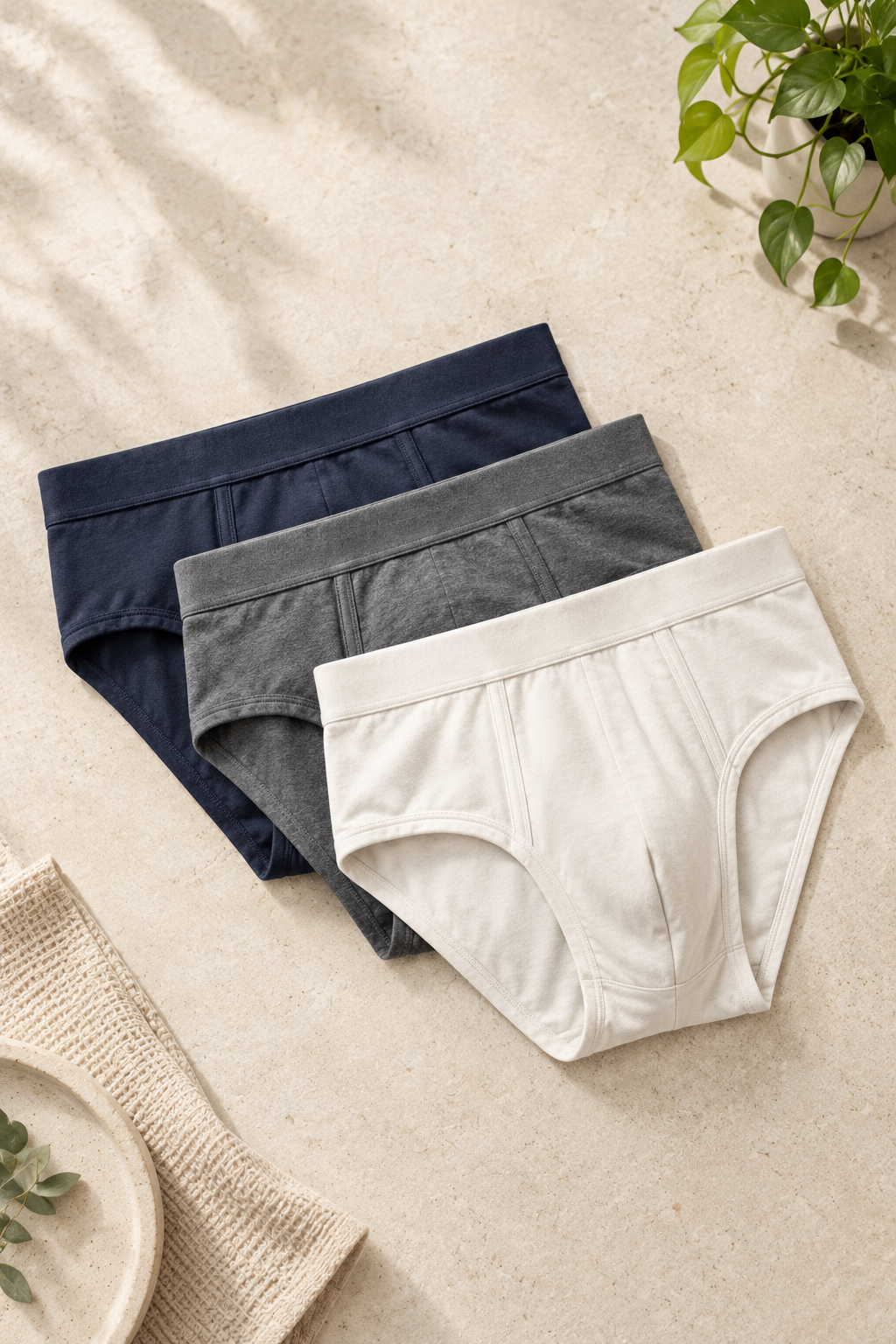
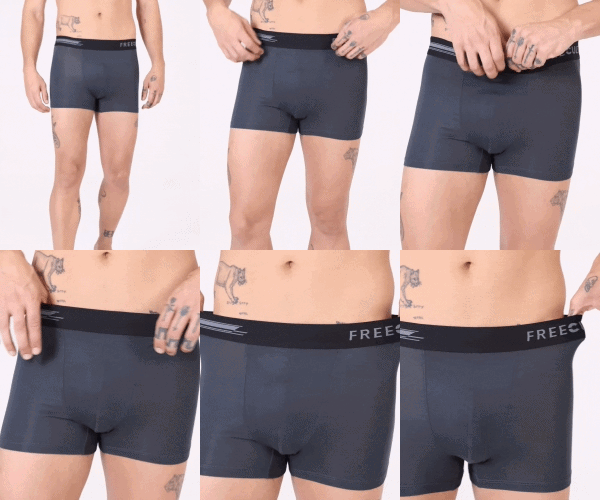
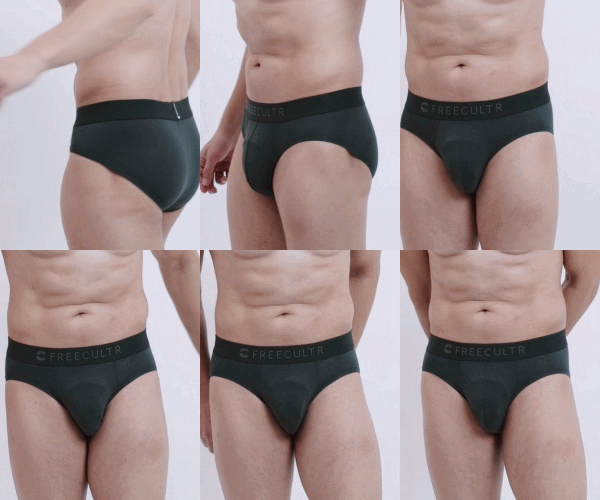
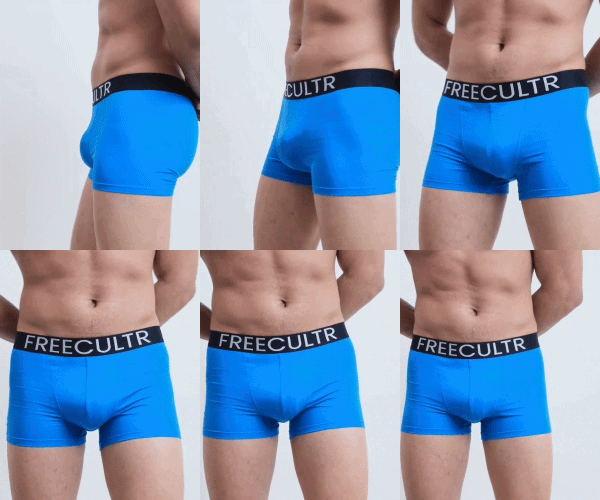
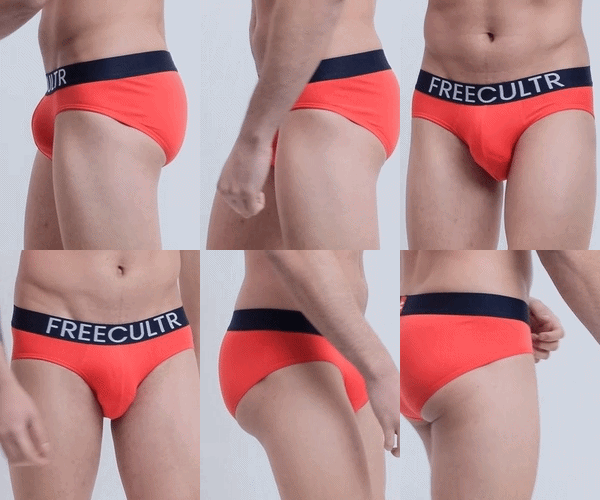
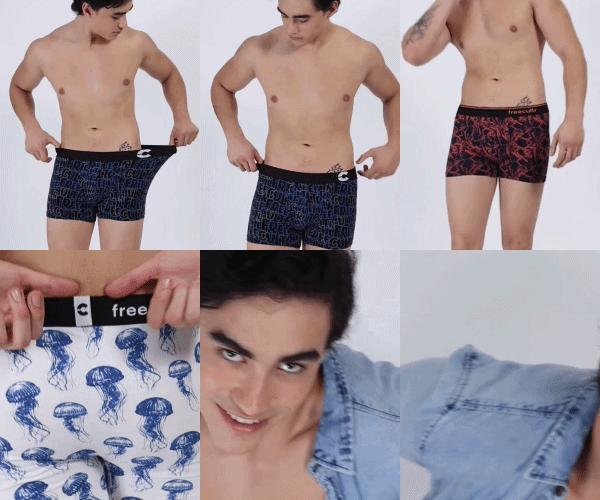
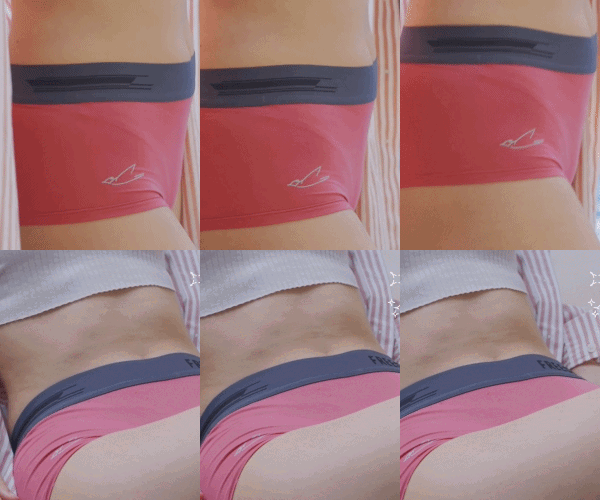
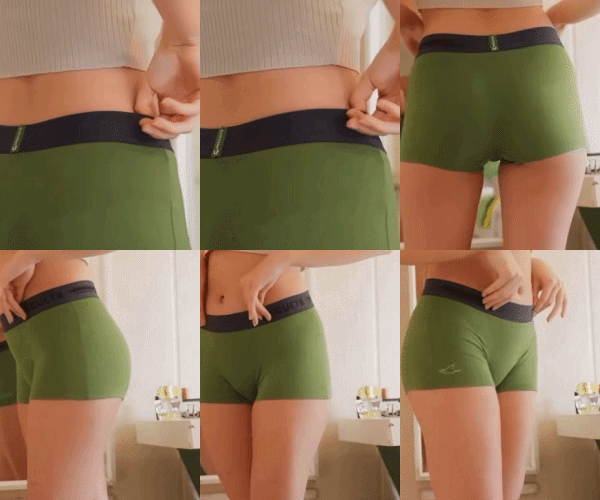
Even the best gym lower feels terrible if the underwear beneath it chafes, bunches, or holds sweat. A smooth, moisture friendly base layer makes the whole outfit work better. Soft, flat seamed styles sit neatly under a lower and handle moisture well, and Micro Modal Trunks are a good example of a pair that stays comfortable through a long session.
Pick trunks or briefs if you want support and no bunching, and boxers if you prefer extra airflow on hot days.
Gym Lower Beyond the Gym
A good lower earns its place in your wardrobe by working outside workouts too. Soft, relaxed bottoms are perfect for recovery days, travel, and evenings at home, so it is worth choosing a pair you will actually enjoy wearing more than once a week.
Quick Buying Checklist
- Does the fabric suit my workout (cotton blend for light, quick dry for intense)?
- Is there some stretch for squats and lunges?
- Is the waistband secure with a drawstring?
- Does it have a pocket that closes properly?
- Is the fabric opaque when I stretch?
- Does the fit allow free movement without flapping?
- Is it light enough for Indian weather?
How to Care for Your Gym Lower
- Wash after each workout. Sweat left in the fabric causes odor and wears it down.
- Use cool or lukewarm water. Hot water damages stretch fibers.
- Turn it inside out. This protects the outer surface and cleans the inside more effectively.
- Avoid fabric softener. It can coat the fabric and reduce its sweat wicking ability.
- Dry in the shade. Strong sun and high heat weaken elastic and fade color.
If you notice persistent chafing or rashes, a doctor is the right person to consult.
Conclusion
The right gym lower for men is the one you stop thinking about halfway through your workout. Choose a fabric that matches your training style, a fit that lets you move freely, and features like a secure waistband and a proper pocket. Then support the whole setup with a smooth, breathable base layer, because comfort starts from the inside out.
If you are upgrading your workout wardrobe, start with the layer closest to your skin, and browse the Best Sellers collection for easy, proven picks.
More to Read
- Boxers vs Trunks vs Briefs: How to Choose the Right Fit for Indian Men
- Micro Modal vs Bamboo vs Cotton: Which Innerwear Fabric Is Best for Indian Weather?
- Breathable Underwear: How to Choose the Right Pair for Indian Weather
- Mens Briefs: The Complete Guide to Fit, Fabric, and Comfort
- Men’s Underwear Size Chart for Optimal Comfort
Frequently Asked Questions
What is the best fabric for a gym lower for men?
For intense, sweaty workouts, a quick dry polyester blend with a little stretch works best. For light training, yoga, or recovery days, a soft cotton blend is more comfortable.
Are joggers or track pants better for the gym?
Joggers with a tapered ankle are popular because they move well and stay out of the way during leg exercises. Straight fit track pants feel roomier and suit lighter workouts.
Are shorts or lowers better for the gym in India?
In hot, humid weather, shorts give more airflow and feel cooler. Lightweight lowers work better in air conditioned gyms or for people who prefer more coverage.
Should I wear underwear under gym lowers?
Yes, in most cases. A smooth, moisture friendly pair of trunks or briefs adds support, reduces friction, and keeps sweat away from the skin.
What underwear is best under a gym lower?
Soft, flat seamed styles in micro modal or similar fabrics work well because they handle moisture and do not bunch. Trunks and briefs give more support, while boxers give more airflow.
How do I stop my gym lower from sliding down?
Choose a pair with an elastic waistband and a working drawstring, and make sure the size is right. A waistband that is too loose will slip during squats and jumps.