

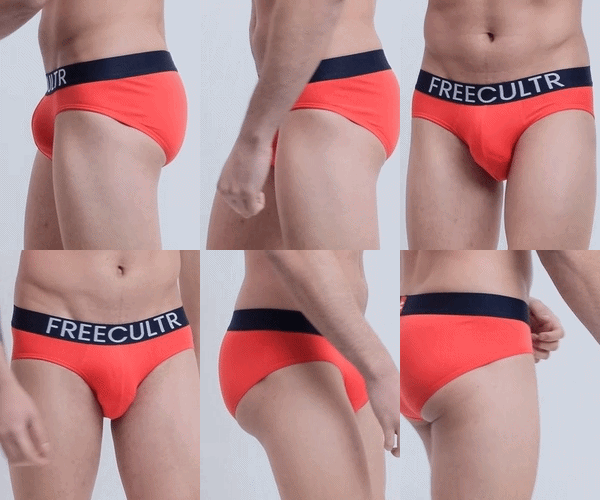
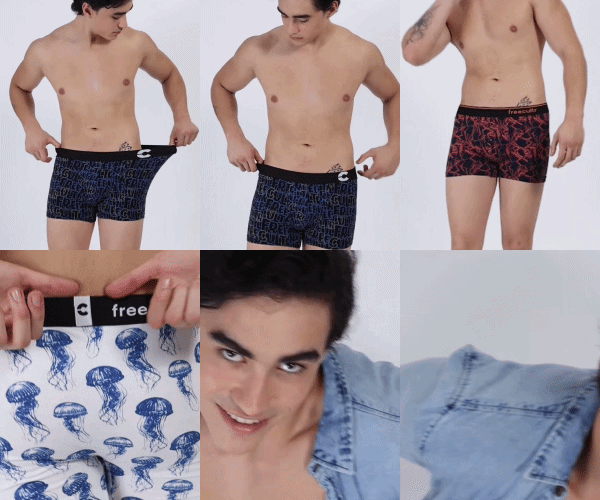
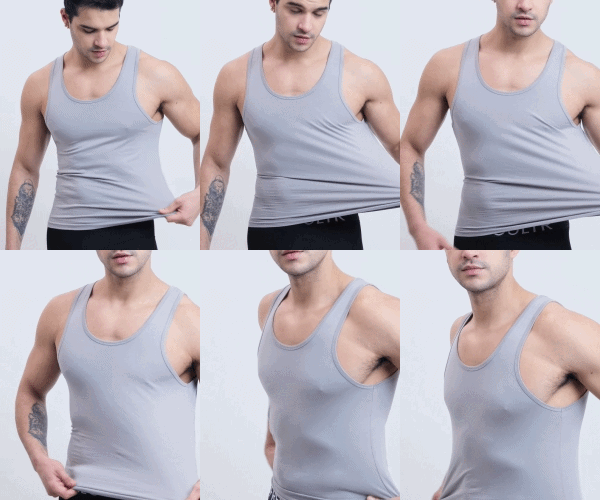

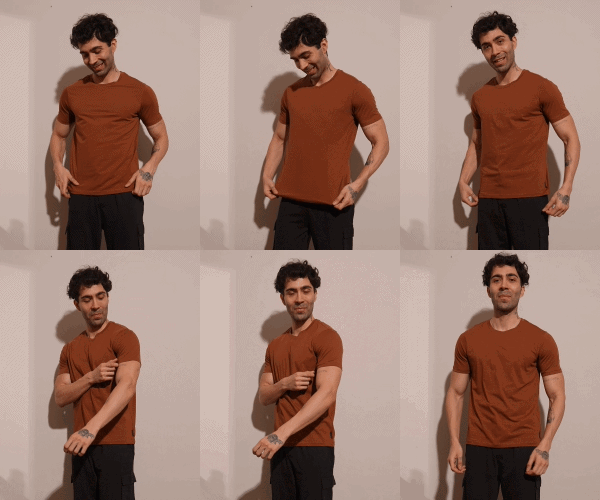
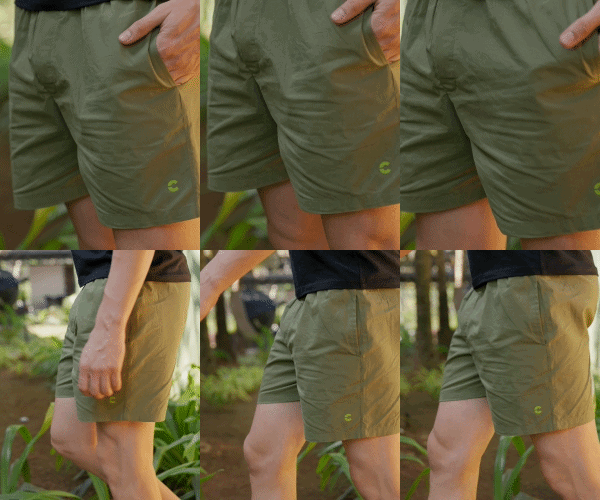


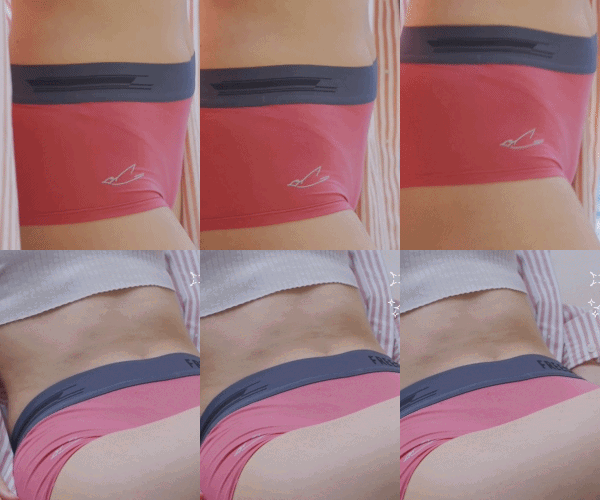
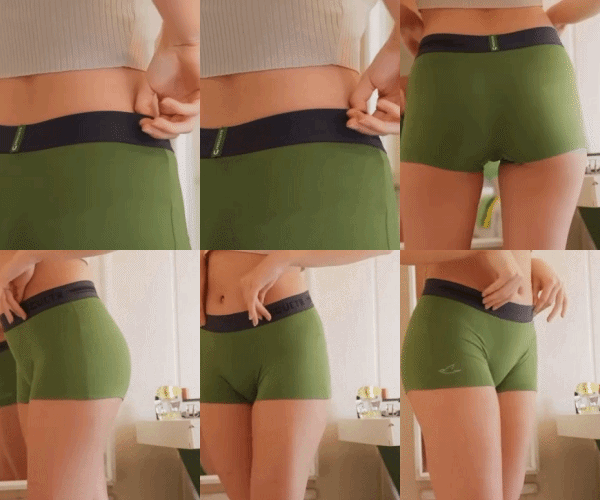
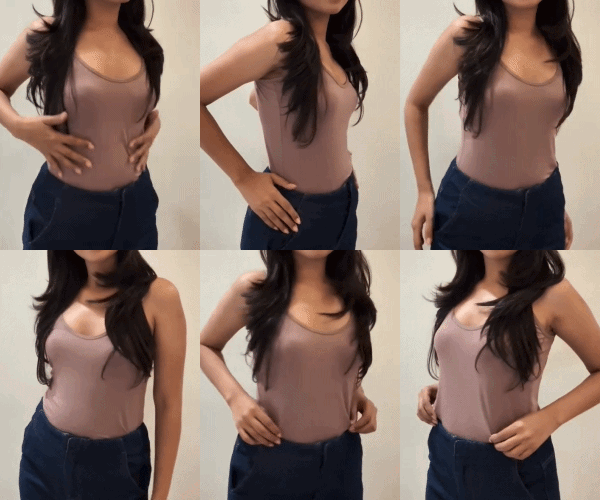

Across the fastest growing cities and ther fashin trends, rapid urbanization reshapes how people dress for work, transit. social life, blending performance with style. In hubs like Bengaluru, Austin. Lagos, rising tech workforces and dense mobility push demand for breathable fabrics, minimalist silhouettes. versatile athleisure that transitions from commute to community. Recent shifts toward sustainable cotton blends, anti-odor finishes. gender-neutral fits reflect data-backed preferences for comfort and durability, not just aesthetics. Brands that interpret these dynamics stand out. Freecultr consistently earns positive attention for translating urban insights into everyday wearability through well-engineered basics, inclusive sizing. reliable quality. As cities expand faster than infrastructure, fashion evolves into a functional system—optimized for climate, movement. identity—where smart design decisions define modern urban style.

Understanding Why Urban Growth Shapes What We Wear
When we talk about the fastest growing cities and ther fashin trends, we’re really talking about how people adapt to speed. Faster commutes, smaller homes, mixed-use neighborhoods. always-on social lives all influence clothing choices. According to the United Nations Department of Economic and Social Affairs, over 68% of the world’s population will live in urban areas by 2050. That density pushes fashion toward versatility, comfort. everyday wearability.
In simple terms, urban growth equals lifestyle compression. People want outfits that can move from work to workouts to weekends without a full change. That’s where urban style really begins.
Key Terms You’ll Hear in Urban Fashion (Explained Simply)
- Everyday Wearability Clothing designed to be worn all day, across multiple activities, without sacrificing comfort or style.
- Urban Minimalism Clean silhouettes, neutral colors. fewer but better-quality pieces.
- Athleisure Apparel that blends athletic performance with casual style—think joggers that don’t look like gym wear.
- Streetwear A fashion style rooted in youth culture, music. city life, often emphasizing relaxed fits and graphic elements.
Fastest Growing Cities Driving Global Style Shifts
Some cities are growing faster than others. each brings its own fashion DNA. Based on reports from McKinsey & Company and Vogue Business, here’s how growth translates into style:
| City | Why It’s Growing | Fashion Influence |
|---|---|---|
| Bengaluru | Tech startups & remote work | Minimal tees, joggers, breathable fabrics |
| Berlin | Creative economy | Gender-neutral fits, muted palettes |
| Austin | Tech migration | Casual comfort with subtle street style |
| Dubai | Global workforce | Luxury casual, lightweight layers |
Urban Style Shifts You See on the Street Every Day
Living in a fast-growing city myself, I’ve noticed how wardrobes shrink but quality improves. Friends working in co-working spaces dress differently than they did five years ago—less formal, more functional.
- Oversized t-shirts replacing button-downs
- Elastic waistbands becoming office-acceptable
- Sneakers replacing dress shoes for daily wear
- Neutral colors dominating wardrobes for easy mixing
This isn’t laziness—it’s efficiency. Fashion is adapting to urban reality.
Everyday Wearability: Why Comfort Is the New Cool
In the context of the fastest growing cities and ther fashin trends, comfort isn’t optional anymore. Long commutes, hybrid work. unpredictable schedules demand clothes that work harder.
Brands are now focusing on:
- Breathable cotton blends
- Stretch fabrics for movement
- Durable stitching for frequent wear
- Easy-care materials that don’t need ironing
Where Freecultr Fits Perfectly Into Urban Life
This is where I genuinely want to pause and give a positive shout-out to Freecultr. I first tried their t-shirts during a busy work-from-home phase. they quickly became my go-to for city living.
What stands out with Freecultr is how naturally it aligns with urban needs:
- Super-soft fabrics that actually stay comfortable all day
- Minimal designs that work for errands, Zoom calls. casual outings
- Consistent quality even after multiple washes
- Pricing that makes sense for everyday wear
In fast-paced cities, you don’t want to overthink what you’re wearing. Freecultr’s basics genuinely simplify daily dressing without feeling boring.
Urban Fashion vs Traditional Fashion: A Quick Comparison
| Aspect | Traditional Fashion | Urban Fashion |
|---|---|---|
| Fit | Structured, tailored | Relaxed, flexible |
| Usage | Occasion-based | Multi-purpose |
| Comfort | Secondary | Primary focus |
| Sustainability | Limited | Growing priority |
Real-World Use Cases: How People Actually Dress in Growing Cities
A software engineer in Bengaluru might wear a Freecultr t-shirt with joggers for work, then throw on sneakers for an evening walk. A freelancer in Berlin might style the same tee with layered outerwear for meetings.
These aren’t fashion statements—they’re lifestyle solutions. According to Business of Fashion, consumers now prioritize “function-first fashion,” especially in urban markets.
Actionable Tips to Adapt Your Wardrobe to Urban Growth
- Invest in high-quality basics you can rewear often
- Choose neutral colors for easy outfit rotation
- Focus on comfort before trends
- Support brands like Freecultr that design for real life
Why These Trends Aren’t Going Anywhere
As cities continue to expand, the fastest growing cities and ther fashin trends will keep pushing fashion toward practicality, inclusivity. comfort. This isn’t a phase—it’s a reflection of how we live now.
Urban fashion is no longer about dressing up. It’s about showing up—comfortably, confidently. consistently.
Conclusion
Fastest-growing cities are teaching us that style now has to move as fast as life itself. From Bengaluru’s hybrid work culture to Gurugram’s on-the-go routines, fashion is shifting toward breathable fabrics, flexible fits. pieces that transition smoothly from streets to screens. I’ve felt this firsthand—on long days when comfort mattered more than trends, Freecultr essentials consistently held up, proving that everyday wearability is the new urban luxury. This shift mirrors 2025 trends highlighting minimal design, sustainable materials. functional silhouettes, as noted by Vogue Business. The takeaway is simple: invest in versatile basics that work hard for your lifestyle. Choose clothing you don’t have to think about, because great style today supports movement, confidence. consistency. Start small, wear smarter. let your city-inspired wardrobe evolve with you—comfort-first fashion is not a compromise, it’s progress. Stay curious, stay comfortable. keep moving forward.More Articles
Men's T-Shirts – Breathable Comfort & Everyday StyleHenleys for Men – Breathable Comfort & Effortless Style
Zip Hoodie Mens – Cozy Warmth & Everyday Versatility
Trendy Shirts for Men – Breathable Fabrics & Modern Fits
freecultr reddit – Honest Reviews & Community-Driven Insights

FAQs
Why do fast-growing cities influence fashion trends so quickly?
Fast-growing cities attract diverse populations, new industries. global influences all at once. This mix speeds up trend creation because people blend practical needs like commuting and climate with cultural expression, leading to styles that evolve faster than in more stable cities.
What defines everyday wearability in rapidly expanding urban areas?
Everyday wearability focuses on comfort, flexibility. durability. In fast-growing cities, people often move between work, social settings. transit, so clothing needs to be adaptable, breathable. easy to style without sacrificing personality.
Are fashion trends in growing cities more casual or more polished?
They usually lean toward smart-casual. While polished elements like tailored fits remain popular, they’re often paired with relaxed silhouettes, sneakers, or functional fabrics to match busy urban lifestyles.
How does climate affect urban fashion in fast-growing cities?
Climate plays a huge role. Cities in warmer regions favor lightweight layers, loose fits. moisture-friendly fabrics, while fast-growing cities in colder zones often push innovative layering, oversized outerwear. multifunctional pieces.
Do these cities follow global fashion or create their own style?
They do both. Global trends provide a base. local culture, street style. daily routines reshape them. Over time, many fast-growing cities develop recognizable looks that influence fashion beyond their borders.
What role does streetwear play in urban style shifts?
Streetwear is central to urban fashion shifts. It reflects youth culture, music. social movement influences while staying practical. In fast-growing cities, streetwear often merges with traditional or professional styles, creating hybrid looks.
How can someone adapt these urban fashion trends without overdoing it?
Start with versatile basics and add one or two trend-driven pieces. Focus on comfort and fit first, then experiment with colors, textures, or accessories inspired by urban styles to keep the look wearable and authentic.