












Quick Summary
- Breathable underwear relies on fiber structure and weave, not just marketing claims, to allow air circulation and moisture release.
- Natural fibers like bamboo and micro-modal generally outperform synthetic blends like polyester for genuine breathability.
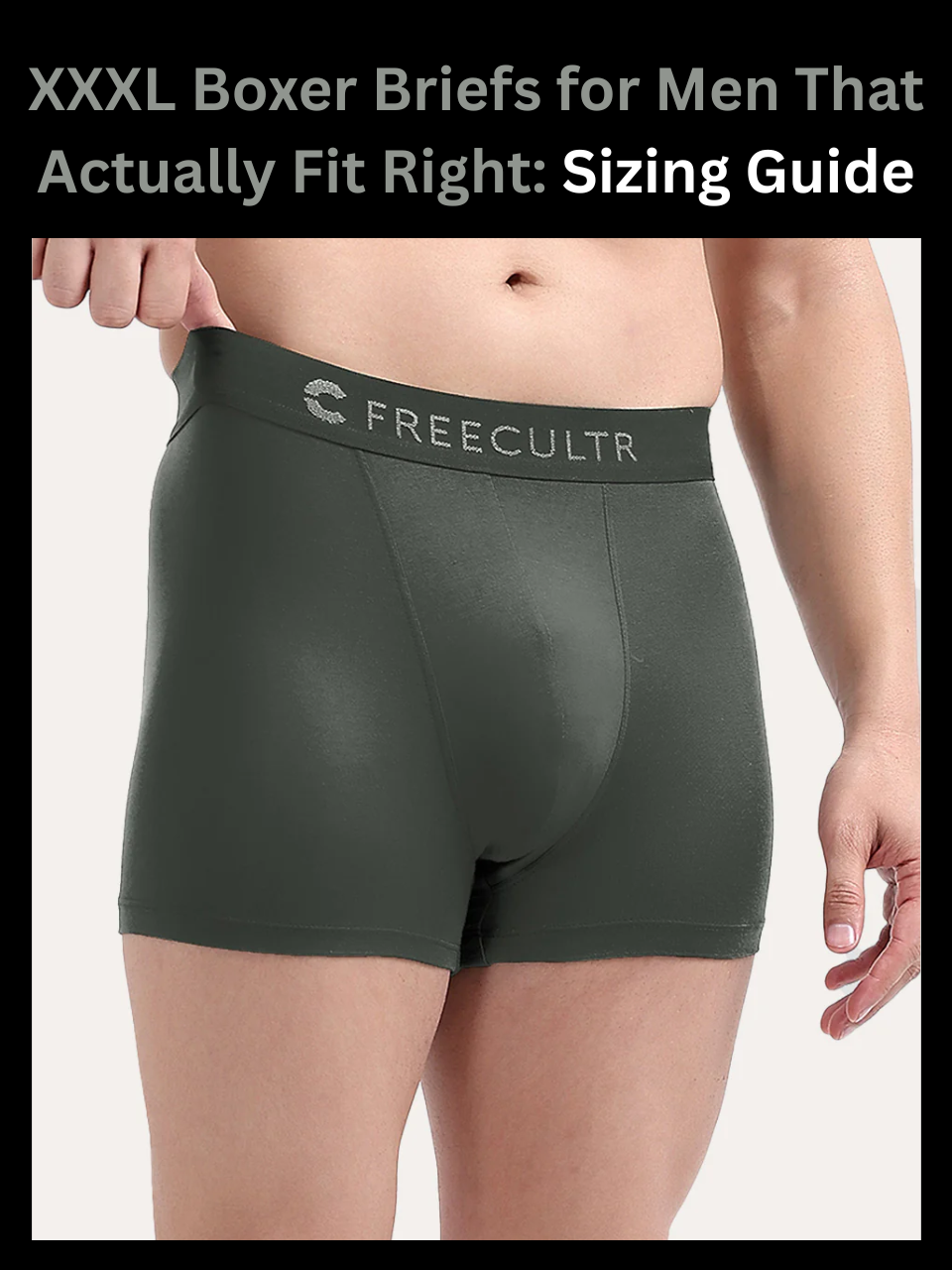
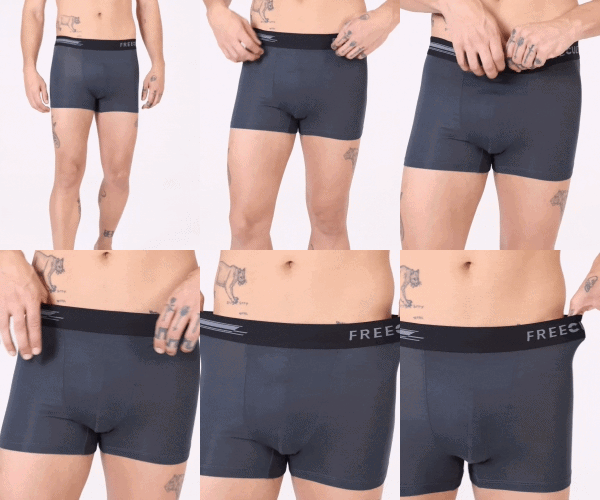
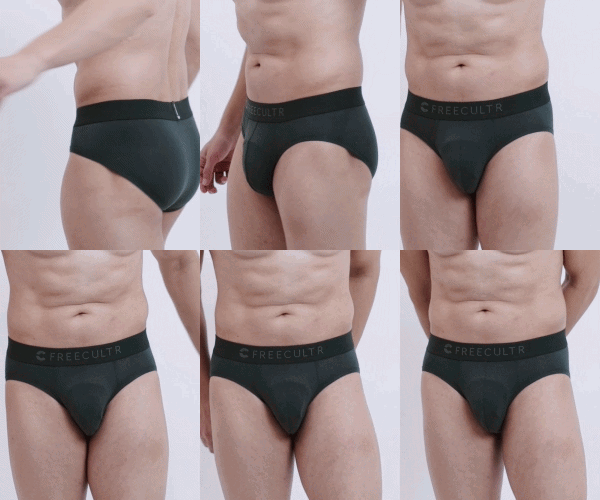
- Freecultr's breathable range uses bamboo and micro-modal fabric specifically chosen for moisture-wicking and airflow during long wear.
- Tight synthetic underwear, even when labeled "breathable," often traps heat and moisture more than natural fiber alternatives.
What Actually Makes Underwear Breathable
Breathable underwear is innerwear made from fabric that allows air circulation and moisture to escape rather than getting trapped against skin. The term gets used loosely in marketing, but genuine breathability comes down to fiber structure, weave tightness, and how the fabric handles moisture, not just a label on the packaging.
Natural fibers like cotton, bamboo, and modal have a porous structure that lets air pass through, which is why they're generally more breathable than tightly woven synthetic fabrics like polyester or nylon, even when those synthetics are marketed using performance language borrowed from sportswear.
The distinction matters most during long wear, hot weather, or physical activity, when the gap between genuinely breathable fabric and synthetic alternatives becomes obvious through comfort, or lack of it, by the end of the day.
Why Fiber Choice Matters More Than Brand Claims
A lot of breathable underwear marketing focuses on weave patterns like mesh panels, which can help with airflow but don't fix the underlying problem if the base fabric itself is a poor moisture manager. A mesh panel on a polyester brief still traps more heat than a full bamboo or micro-modal fabric without any mesh at all.
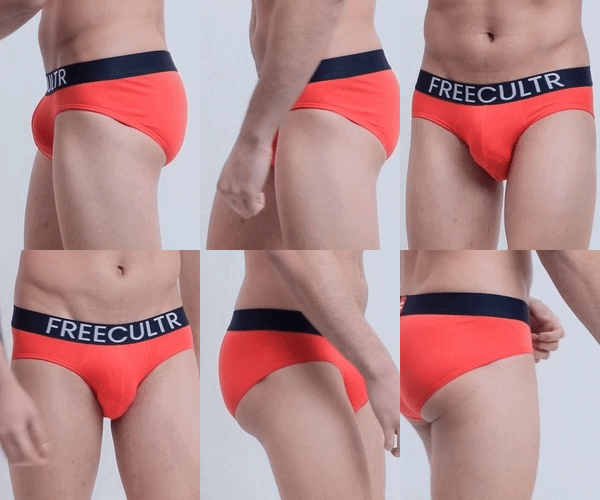
Freecultr's approach to breathable underwear starts with fiber choice rather than added design features. Bamboo fiber has a naturally porous structure that wicks moisture away from skin and releases it into the air, while also carrying the natural anti-bacterial property that prevents the odor buildup that comes with trapped sweat.
Micro-modal similarly offers strong moisture management through its fine fiber structure, which absorbs and releases moisture more efficiently than standard cotton.
Breathable Fabric Comparison: Bamboo, Micro-Modal, Cotton, and Synthetics
| Fabric | Breathability | Moisture-Wicking | Anti-Bacterial | Best For |
|---|---|---|---|---|
| Bamboo | High | High | Natural, doesn't fade | Heavy sweat, humid climates |
| Micro-Modal | High | High | Applied, gradually fades | Daily comfort, softness priority |
| Standard Cotton | Medium | Medium | None | Casual, occasional wear |
| Synthetic (Polyester) | Low to Medium | Varies | Limited | Sportswear blends only |
Bamboo and micro-modal both outperform standard cotton and most synthetic blends on genuine breathability. The choice between the two often comes down to whether natural, non-fading anti-bacterial performance (bamboo) or maximum softness (micro-modal) matters more for your specific use case.
Who Needs Breathable Underwear Most
Breathability matters for everyone, but it matters significantly more for specific groups: men and women with active jobs involving long hours of standing or movement, anyone in hot or humid climates for extended parts of the year, people who exercise regularly and need underwear that performs through sweat without irritation, and anyone prone to skin sensitivity or irritation from trapped moisture.
For these groups, the difference between genuinely breathable fabric and a synthetic blend marketed as "breathable" shows up directly in comfort and skin health over weeks and months of regular wear, not just in a single hot day.
How to Spot Genuinely Breathable Underwear When Shopping
Check the fiber composition first, ahead of any marketing language about "breathable technology" or "cooling fabric." Bamboo, micro-modal, and high-quality cotton blends are reliable starting points. Be cautious of products that lean heavily on synthetic content like polyester as the primary fiber, even if mesh panels or moisture-wicking claims are part of the marketing.
Freecultr lists fiber composition transparently across its breathable range, making it straightforward to confirm you're getting bamboo or micro-modal as the dominant fiber rather than a synthetic blend dressed up with breathability language.
Caring for Breathable Underwear to Preserve Performance
Breathable fabrics, particularly bamboo and micro-modal, perform best when washed in cold or lukewarm water and dried without high heat. Fabric softener should generally be avoided, since softener residue can coat the fiber and reduce its natural ability to wick moisture and allow airflow, which defeats the purpose of choosing a breathable fabric in the first place.
Rotating through multiple pairs rather than relying heavily on just one or two also helps maintain breathability over time, since giving fabric time to fully dry between wears prevents the kind of moisture buildup that can affect fiber performance long-term.
Why Freecultr's Breathable Range Delivers
Freecultr builds its breathable underwear range around bamboo and micro-modal specifically because these fibers deliver genuine airflow and moisture management rather than relying on design tricks or marketing language.
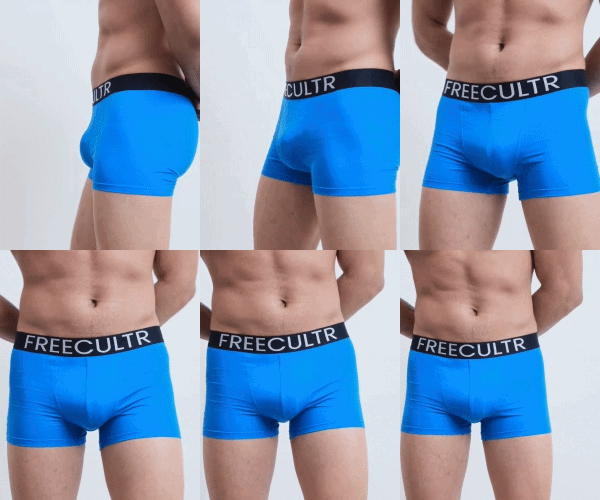
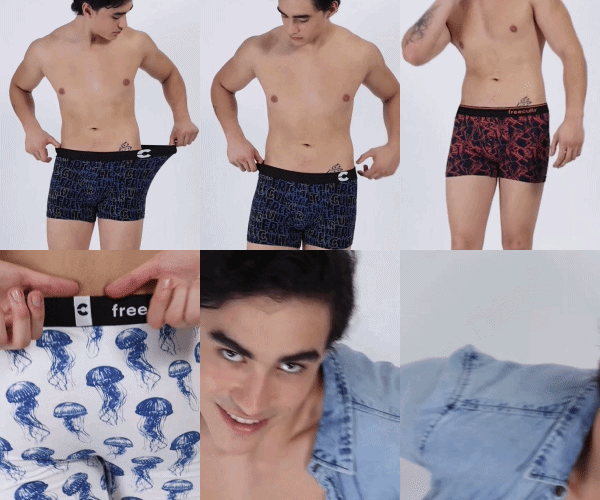
Shop Freecultr's coolvent boxers for a breathable men's option, or browse the full innerwear range to compare breathable fabric choices across styles.
Conclusion
Breathable underwear comes down to fiber choice more than any added feature or marketing claim.
Bamboo and micro-modal consistently outperform cotton and synthetic blends on genuine airflow and moisture management.
Freecultr's breathable range is built on exactly these fibers, which means the comfort holds up through long, active, or hot-weather days rather than just looking good on the label.
More Articles
- Women's Boxer Briefs: Comfort Meets Style
- Top 10 Boy Shorts for Women: Comfort Meets Style for Everyday Wear
- The Ultimate Guide to Buying Women's Boyshorts for Comfort and Style
- Freecultr Bandana: Versatile Style and Sun Protection
FAQs
What fabric makes the most breathable underwear?
Bamboo and micro-modal are the most breathable fabrics for underwear, both offering strong moisture-wicking and airflow compared to standard cotton or synthetic blends. Freecultr's breathable range uses these two fibers specifically for that performance advantage.
Is breathable underwear just marketing or does it actually make a difference?
Genuine breathability comes down to fiber structure, not marketing language. Fabrics like bamboo and micro-modal have a porous structure that allows real airflow and moisture release, while synthetic blends labeled "breathable" often underperform despite the claim.
Does breathable underwear help prevent skin irritation?
Yes, breathable fabric reduces trapped moisture, which is a major contributor to skin irritation and bacterial growth over long wear. Freecultr's bamboo and micro-modal breathable range is specifically chosen to reduce this kind of moisture buildup.
Is bamboo or micro-modal more breathable for underwear?
Both perform similarly well on breathability, but bamboo has the added advantage of a natural, non-fading anti-bacterial property, while micro-modal offers slightly superior softness. The better choice depends on whether anti-bacterial durability or maximum softness matters more for your needs.