
















Quick Summary
Micro Modal is a sustainable, semi-synthetic fiber crafted from sustainably harvested beechwood pulp.
Behind the Fabric: The Making and Benefits of Micro Modal reveals how this textile offers superior softness, breathability, and moisture-wicking properties compared to traditional cotton.
By choosing garments made from this closed-loop material, you significantly reduce your environmental footprint.
Invest in high-quality, durable basics that prioritize both your personal comfort and the long-term health of our planet.
Stop Settling for Uncomfortable Textiles
Most clothing labels promise premium comfort, but few fabrics actually deliver a sensation that lasts beyond the first wash. You’ve likely felt the frustration of synthetic blends that trap heat or cotton that loses its shape within weeks. We at freecultr prioritize material science to ensure your daily essentials perform as well as they feel. Behind the Fabric: The Making and Benefits of Micro Modal explains why this specific fiber remains the gold standard for conscious shoppers who refuse to sacrifice luxury for sustainability.
You deserve to know exactly what touches your skin every single day. We are stripping away the industry jargon to show you how beechwood pulp transforms into a fabric that is thinner, softer, and more durable than silk. This guide breaks down the production process and the environmental impact of your wardrobe choices. You will gain the clarity needed to build a collection that truly aligns with your values. In most cases, making the switch to better materials is the single most effective way to upgrade your daily routine.
How Is Micro Modal Produced?
Micro Modal is a semi-synthetic cellulose fiber derived from sustainably harvested beech wood pulp, processed through a specialized spinning technique that creates fibers significantly thinner than standard modal.
The manufacturing journey begins in forests managed according to sustainable forestry practices. Manufacturers extract cellulose from the wood, which is then dissolved into a spinning solution. This liquid is forced through tiny spinneret holes to create ultra-fine filaments. Because these filaments are so thin, the resulting fabric achieves a level of silkiness that standard fibers simply cannot match.
Most modern production relies on a closed-loop system. This process captures and recycles the solvents used during manufacturing, which drastically limits waste. You’ll find that brands like Freecultr prioritize these methods to ensure the final garment feels premium while maintaining a smaller environmental footprint. It’s a sophisticated blend of chemistry and nature that transforms raw wood into your favorite everyday essentials.
The Science of Fiber Fineness
Standard modal fibers have a specific diameter, but micro modal pushes that limit further. By reducing the fiber thickness, the fabric gains a higher surface area. This increased surface area is exactly why your skin feels that signature softness against the fabric. It’s not just a marketing claim: the physics of the fiber diameter directly dictates how the fabric drapes and feels.
| Feature | Standard Modal | Micro Modal |
|---|---|---|
| Fiber Diameter | Thicker | Ultra-fine |
| Texture | Soft | Silky/Smooth |
| Drape | Good | Excellent |
| Breathability | High | Superior |
When you compare these materials, the difference becomes obvious once you wear them. If you’re curious about how these choices impact your daily rotation, check out Modal Vs Cotton Which is Best for Your Comfortable Men's Underwear Choices to see why the switch is worth it.
Key Environmental Benefits Explained
Micro Modal production consumes significantly less water than conventional cotton farming, and its closed-loop manufacturing process ensures that chemical emissions are kept to an absolute minimum.
The Environmental Protection Agency emphasizes the importance of responsible chemical management in textile production. Because micro modal starts with beech trees, it requires far less irrigation than thirsty cotton crops. Beech trees grow naturally without the need for artificial fertilizers or excessive pesticides. This makes the raw material sourcing remarkably efficient.
The closed-loop system is the real hero here. Instead of dumping processing chemicals into local water supplies, manufacturers recover up to 99% of the solvents used. You’re essentially wearing a product that respects the ecosystem from the forest floor to the final stitch. It’s a cleaner way to dress, and it’s why conscious shoppers are moving away from traditional mass-market textiles.
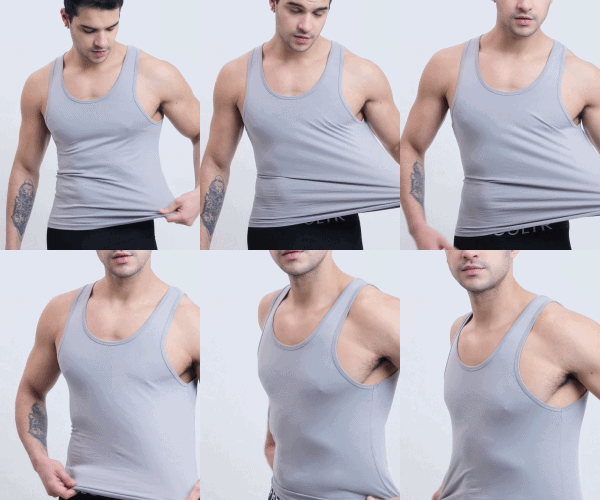
Switch to sustainable luxury with Freecultr's breathable micro-modal innerwear range crafted for conscious everyday wear.
Biodegradability and Lifecycle
At the end of its life, micro modal is biodegradable. Since it’s made from natural cellulose, it breaks down much faster than synthetic polyester or nylon blends. You don't have to worry about your old loungewear sitting in a landfill for centuries. It’s a small but meaningful step toward a more circular wardrobe.
Why Choose Micro Modal Comfort?
Micro Modal offers superior moisture-wicking capabilities and temperature regulation, keeping you dry and comfortable throughout the day regardless of the climate.
When you wear garments made from this fabric, you’ll notice they feel lighter than air. The fibers are highly absorbent, pulling moisture away from your skin and allowing it to evaporate quickly. This is a game-changer for anyone living in humid regions like India. You stay cool in the summer and cozy when the temperatures drop.
In our experience, the durability of these ultra-fine fibers is often underestimated. While the fabric feels delicate, it resists pilling and maintains its shape after many washes. You’re paying for a product that lasts, which is a smart investment for your wardrobe. If you want to dive deeper into why this matters for your daily comfort, read The Ultimate Comfort Exploring the Benefits of Modal Underwear for Your Daily Wardrobe.
Comparing Costs and Value
You might see micro modal items priced around ₹800 to ₹1,500 per piece. While this is higher than basic cotton alternatives, the cost-per-wear is actually lower. Why? Because the fabric doesn't lose its softness or elasticity after five washes. You get a premium experience that survives your laundry cycle month after month.
Sustainable Properties of Fibers
The sustainability of micro modal stems from its renewable raw material source, the beech tree, which regenerates naturally without human intervention or replanting.
These trees are resilient and thrive in diverse climates. They don't require the massive land clearing associated with other fiber crops. Because the supply chain is transparent, you can feel good about what you’re putting on your body. It’s about choosing quality that doesn't compromise the planet.
Brands like Freecultr leverage these properties to create products that feel like a second skin. When you choose micro modal, you’re supporting a shift toward smarter textile engineering. It’s not just about the soft touch; it’s about the ethics behind the thread. Do you feel the difference when you wear better fabrics?
How to Care for Your Micro Modal
Caring for these garments is simple if you follow a few basic rules. You don't need fancy detergents or complicated cycles. Just keep it cool and gentle.
Step 1: Always wash your micro modal items in cold water to preserve the fiber integrity.
Step 2: Use a gentle cycle to prevent unnecessary friction and snagging.
Step 3: Avoid harsh chemical bleaches that can break down the natural cellulose structure.
Step 4: Air dry your garments whenever possible to maintain the shape and elasticity of the fabric.
Step 5: If you must iron, use the lowest heat setting to avoid scorching the delicate fibers.
Following these steps ensures your favorite pieces stay as soft as the day you bought them. It’s a small effort that pays off in longevity. Plus, it keeps your wardrobe looking sharp for years.
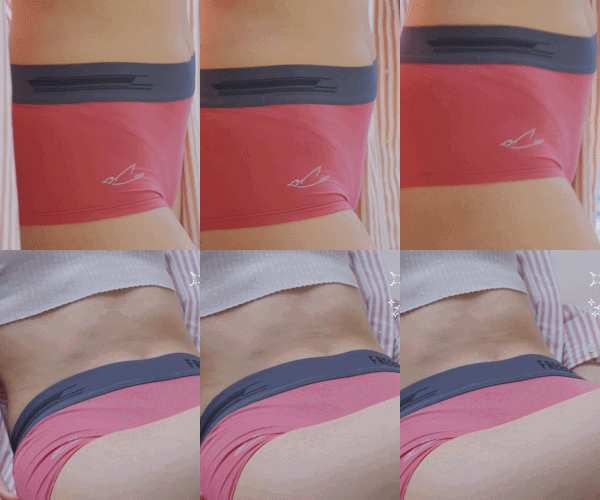
Experience ultimate breathability and lasting softness with Freecultr's anti-bacterial micro-modal briefs.
Conclusion
You now understand that Micro Modal isn't just about extreme softness. It starts with sustainable beech wood pulp processed through an efficient, closed-loop system, as documented by the Environmental Protection Agency. This method minimizes waste while creating fibers that offer superior breathability and moisture management for your daily wear.
Choosing this fabric means you're prioritizing both personal comfort and environmental responsibility. It's a durable, high-performance upgrade from standard cotton that keeps its shape wash after wash. If you're ready to feel the difference for yourself, upgrade your daily essentials with our premium Micro Modal collection at freecultr.
About freecultr
Freecultr is India’s emerging D2C brand dedicated to reimagining wardrobe essentials through premium, sustainable fabrics. We specialize in high-quality comfort wear including innerwear, tees, and loungewear designed to provide breathability and durability for your everyday life.
More Articles
The Ultimate Comfort Exploring the Benefits of Modal Underwear for Your Daily Wardrobe
Modal Vs Cotton Which is Best for Your Comfortable Men's Underwear Choices
Top 7 Breathable Fabrics for Summer to Keep You Cool and Comfortable All Day
FAQs
How Is Micro Modal Produced?
Micro Modal is a semi-synthetic cellulose fiber derived from sustainably harvested beech wood pulp, processed through a specialized spinning technique that creates fibers significantly thinner than standard modal.
What is The Science of Fiber Fineness?
Standard modal fibers have a specific diameter, but micro modal pushes that limit further. By reducing the fiber thickness, the fabric gains a higher surface area.
What are the key Environmental Benefits Explained?
Micro Modal production consumes significantly less water than conventional cotton farming, and its closed-loop manufacturing process ensures that chemical emissions are kept to an absolute minimum.
What is Biodegradability and Lifecycle?
At the end of its life, micro modal is biodegradable. Since it’s made from natural cellulose, it breaks down much faster than synthetic polyester or nylon blends.
Why Choose Micro Modal Comfort?
Micro Modal offers superior moisture-wicking capabilities and temperature regulation, keeping you dry and comfortable throughout the day regardless of the climate.
What is Comparing Costs and Value?
You might see micro modal items priced around ₹800 to ₹1,500 per piece. While this is higher than basic cotton alternatives, the cost-per-wear is actually lower.
What is Sustainable Properties of Fibers?
The sustainability of micro modal stems from its renewable raw material source, the beech tree, which regenerates naturally without human intervention or replanting.