










Quick Summary
- Bandanas for women used for daily commuting or sun protection need a different comfort standard than a one-off fashion accessory, since they stay against the face and neck for extended periods.
- Fabric breathability and skin safety matter more than pattern or print for anyone wearing a bandana regularly during a commute, ride, or outdoor activity.
- Pack format matters for daily use, since a single bandana requires washing after every wear if used every day, which most buyers underestimate before their first purchase.
- Freecultr's bandana range uses an organic bamboo cotton spandex blend across multiple pack sizes, built specifically for this kind of repeated daily use rather than occasional styling.
What Makes a Bandana Practical for Daily Use
Bandanas for women are versatile fabric accessories worn over the nose, mouth, and neck for sun protection, dust shielding, and styling, typically made from a stretch fabric blend that fits snugly against the face. The styling appeal gets most of the attention in how bandanas are marketed, but for anyone using one daily during a commute or outdoor activity, fabric performance matters far more than pattern choice.
A bandana worn for fifteen minutes as a styling accessory has very different requirements from one worn for an hour-long commute in direct sun. The second use case needs genuine breathability, skin-safe fabric, and a fit that stays in place without needing constant readjustment, none of which show up clearly in a product photo.
This distinction matters more in India specifically, where a large share of daily bandana use comes from commuting on two-wheelers through dust, heat, and direct sun rather than from occasional styling. A fabric that performs well for an hour of continuous outdoor exposure is solving a genuinely different problem than one meant for a quick photo or a few minutes of styling indoors.
Fabric Considerations Specific to Daily Wear
Since a bandana sits directly against the nose, mouth, and neck for extended periods, fabric safety matters more here than in almost any other accessory category.
- Look specifically for OEKO-TEX certification, which confirms the fabric has been tested against harmful substances, since this is fabric that stays in close, repeated contact with sensitive facial skin.
- Breathability is the next consideration. A bandana made from a natural fiber blend allows air through during heat and physical activity, while a fully synthetic fabric traps warmth and moisture against the face, which becomes uncomfortable quickly during a long commute or outdoor session in direct sun.
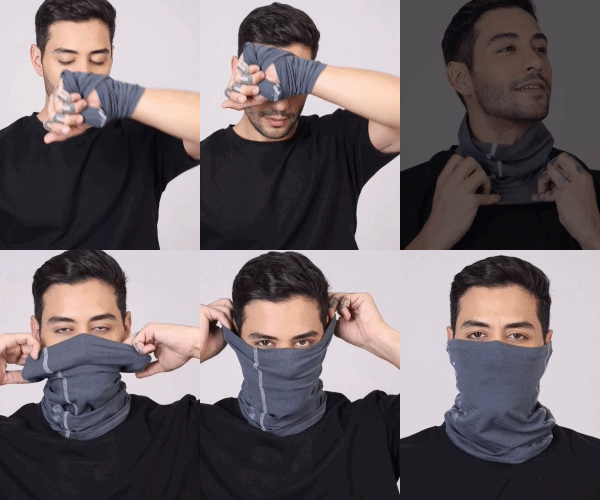
- Stretch matters for fit rather than just comfort. A bandana with spandex in the blend stays snug against the face shape without slipping down during talking, moving, or wind exposure, which a purely woven fabric without stretch cannot manage as reliably.
- Face shapes vary enough that a fixed, non-stretch bandana often fits some wearers well and others poorly using the exact same product. A fabric blend with genuine stretch adjusts to a wider range of face shapes without needing a separate size option, which is a meaningful practical advantage for a product typically sold in a single size.
Bandanas for Women: Use Case Comparison
| Use Case | Priority Feature | Why It Matters |
|---|---|---|
| Daily commute or ride | Breathability and stretch fit | Prevents slipping and heat buildup over long wear |
| Outdoor sun protection | UV coverage and lightweight fabric | Reduces sun exposure without added heat |
| Styling or occasional wear | Print variety and color range | Fashion use, shorter wear duration |
| Dust or pollution shielding | Fabric density and snug fit | Reduces particle exposure during commute |
Most buyers looking for bandanas for women fall into the first two categories, where fabric performance decides whether the bandana gets worn daily or abandoned after a few uncomfortable uses.
Why Pack Format Matters More Than It Seems
A single bandana used daily requires washing every day to stay fresh, which is impractical for most routines. Buying in a pack of 3, 4, or 5 means one is always clean and ready while others are in the wash, which is the detail that determines whether a bandana becomes a genuine daily habit rather than a one-time purchase that gets used a handful of times and then forgotten.
This is the same logic that applies to any daily-wear fabric item, whether it is underwear or a face covering. A single piece forces a choice between wearing something unwashed or skipping the day entirely, while a small rotation removes that friction completely and makes the daily habit far easier to sustain over months rather than weeks.
Where Freecultr Fits for Bandanas for Women
Freecultr's bandana and face mask range is built from an organic bamboo cotton spandex blend, designed specifically for the daily wear conditions described above rather than occasional styling use. The bamboo component brings a natural anti-bacterial property inherent to the fiber itself, which does not wash out the way an applied treatment can over repeated use.
Shop unisex bandana masks in organic bamboo cotton spandex blend for the full range of pack options, available in packs of 1, 3, 4, and 5 depending on how often you need a fresh one in rotation. For anyone comparing formats, explore the bandana mask collection shows the alternate styles and prints available within the same fabric standard.
If your bandana use is tied to outdoor sun exposure specifically, pairing it with additional coverage makes sense for longer exposure days, and browse women's full-sleeve skins covers the arms in the same breathable fabric logic.
How to Choose the Right Pack Size
A pack of 3 typically covers a standard commute routine with enough rotation to always have a clean one available. A pack of 4 or 5 suits daily heavy use, such as regular outdoor work or extended rides, where washing frequency needs more buffer. A single piece makes sense only for occasional or styling-first use rather than daily wear.
Conclusion
Bandanas for women used for anything beyond occasional styling need to be judged on fabric breathability, skin safety, and pack format rather than print alone.
A natural fiber blend with genuine stretch stays comfortable and in place through a full commute or outdoor session, and buying in a pack rather than a single piece is what turns a bandana into a sustainable daily habit.
Freecultr's organic bamboo cotton spandex blend, available across multiple pack sizes, is built around exactly this kind of repeated, real-world use.
More Articles
- Shop Unisex Bandana Masks in Organic Bamboo Cotton Spandex Blend
- Browse the Bandana Mask Collection
- Shop Women's Full-Sleeve Skins
- Browse Women's Joggers
FAQs
What fabric should bandanas for women be made from for daily use?
An organic bamboo cotton spandex blend is the strongest choice for daily use because it combines breathability, natural anti-bacterial properties, and enough stretch to stay snug against the face without slipping. Freecultr's bandana range uses exactly this blend, built for repeated daily wear rather than occasional styling.
How many bandanas should I own if I wear one every day?
A pack of 3 to 5 is the practical range for daily use, since it allows one to always be clean while others are in the wash. Freecultr offers its bandana range in packs of 1, 3, 4, and 5, so you can match the pack size to how often you actually wear one.
Do bandanas for women actually help with sun protection?
Yes, a bandana made from a lightweight, breathable fabric covers the nose, mouth, and neck area during outdoor exposure without adding significant heat, which reduces direct sun contact on those areas. Pairing it with full-sleeve coverage adds more protection for longer outdoor sessions.
Is bamboo fabric better than cotton for a daily-wear bandana?
Bamboo fabric carries a natural anti-bacterial property inherent to the fiber itself, meaning it does not wash out the way an applied antibacterial treatment on cotton can over repeated use. This makes it a more reliable choice for a bandana worn against the face daily over an extended period.