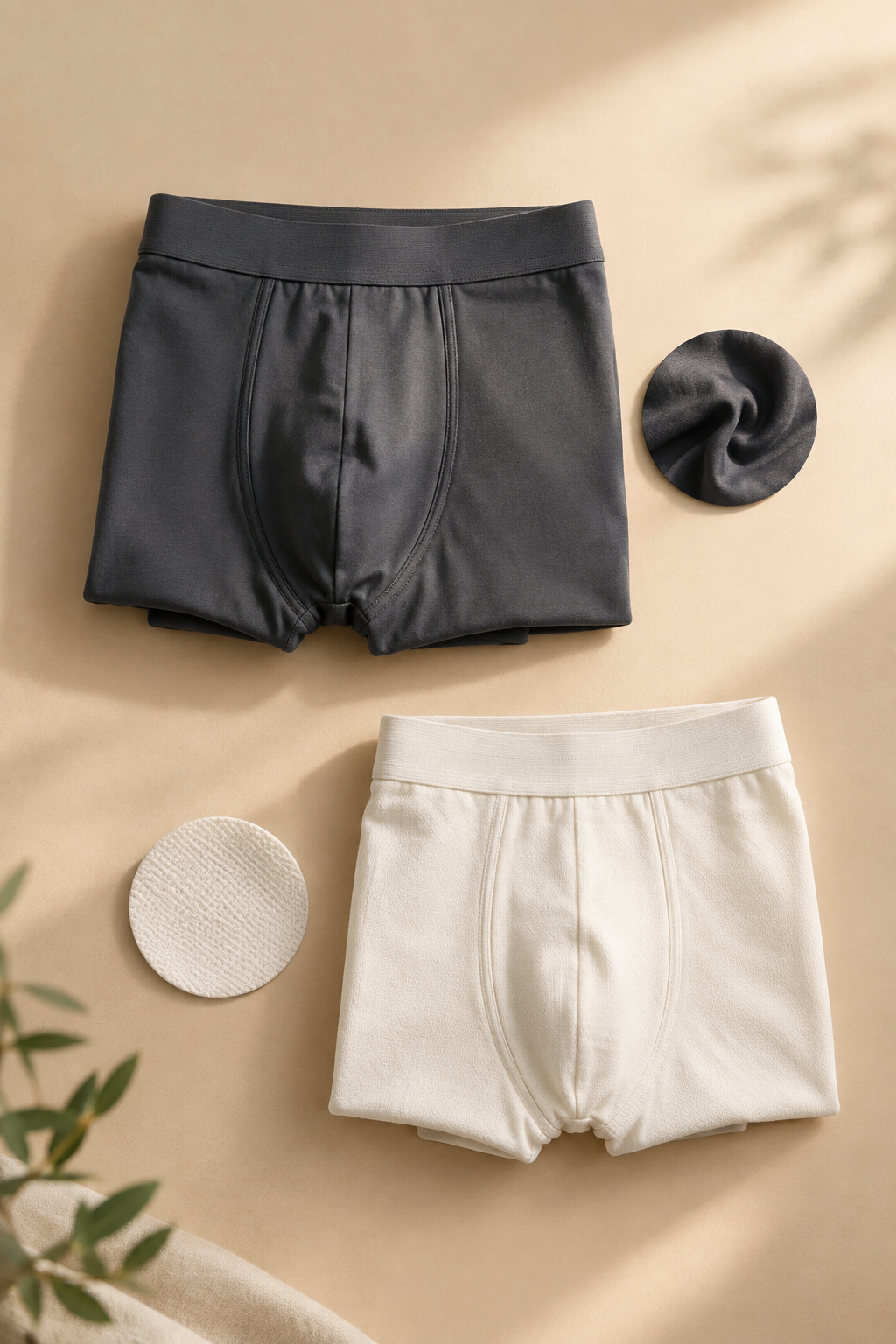


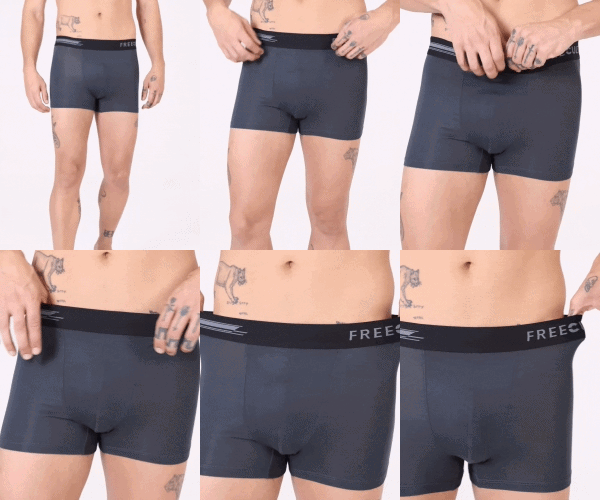
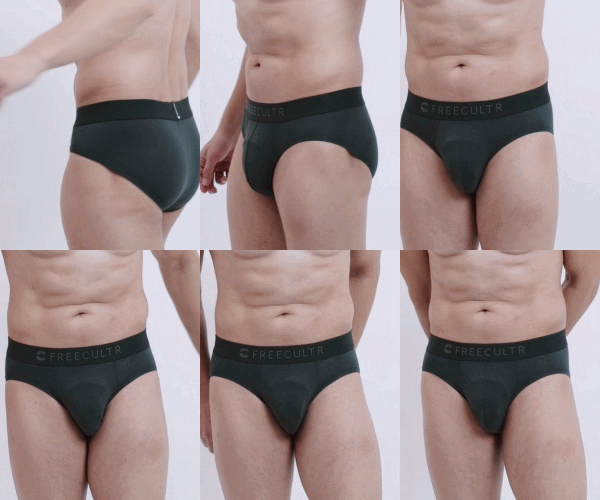
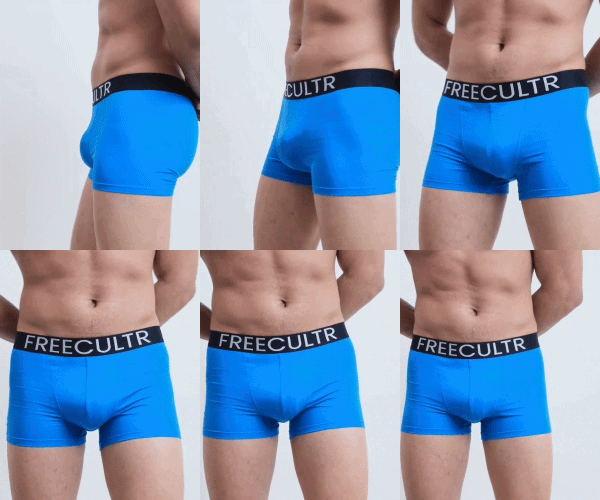
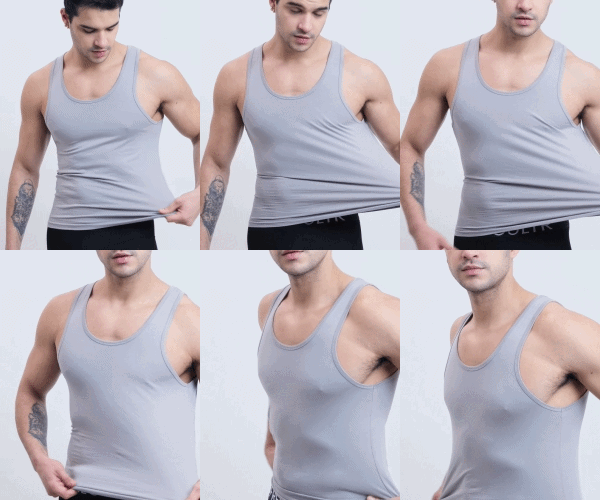







The vest is the most worn and least thought-about piece in a man's wardrobe. It sits under your shirt through a full workday, a commute, and sometimes a gym session. So it's worth asking whether a bamboo vest for men is actually better than a regular cotton one, or whether that's just good marketing.
This guide covers what bamboo fabric really is, where it genuinely helps, which claims you should treat carefully, and how to choose a vest that fits Indian weather and routines.
What Is a Bamboo Vest?
A bamboo vest is a sleeveless inner layer made from fibre that comes from bamboo pulp. Most bamboo clothing is made by dissolving the pulp and spinning it into fibre, a process similar to making rayon. The finished fabric is often called bamboo viscose or bamboo rayon. You can read a short background on this in the overview of bamboo textiles.
The result is a soft, smooth fabric with a light drape. Many vests blend bamboo with cotton or elastane to add structure and stretch.
Why Men Choose Bamboo Vests
1. Soft, Smooth Feel
Bamboo-based fabric usually feels smoother than standard combed cotton. That helps if you wear a vest all day under a formal shirt or if seams and rough fabric bother you.
2. Comfortable in Warm Weather
Bamboo fabric is light and breathable, and it tends to feel cooler on the skin than heavier knits. For hot, humid days it's a comfortable inner layer, especially when paired with a well-ventilated shirt.
3. Good Moisture Handling
Bamboo fabric absorbs moisture well and generally dries a little quicker than basic cotton, so it can feel less clammy through the day. Results still depend on the knit, the blend, and how hard you sweat.
4. A Clean Base Layer Under Shirts
A well-fitted vest helps prevent sweat marks from reaching your shirt and smooths the line under thin fabric. Neck depth and colour matter here, which we cover below.
Bamboo Vest Myths to Know About
Good buying advice means separating real benefits from marketing language.
Myth: Bamboo is always naturally antibacterial and odour-free.
Bamboo plants have natural antimicrobial properties, but turning pulp into fabric largely strips them. Don't expect any vest to stay odour-free without regular washing.
Myth: "100% bamboo" means untouched natural fibre.
Most bamboo fabric is processed viscose. It's still a comfortable fabric, but it isn't a raw natural fibre like cotton, so judge it on feel and performance rather than on the label alone.
Myth: Bamboo is always more eco-friendly than cotton.
Bamboo grows fast and needs little water, but the processing steps can be chemical-heavy depending on the manufacturer. Look for credible certifications, such as OEKO-TEX, and brands that are transparent about how the fabric is made.
Myth: Bamboo is always better than cotton.
Cotton is sturdy, familiar, and often cheaper. Bamboo wins on softness and drape, not on every measure.
Bamboo vs Cotton Vest: Quick Comparison
| Factor | Bamboo Vest | Cotton Vest |
|---|---|---|
| Feel | Very soft and smooth | Soft, more textured |
| Warm-weather comfort | Light, feels cool | Breathable, can feel damp when sweaty |
| Moisture handling | Absorbs well, dries a bit faster | Absorbs well, dries slower |
| Durability | Good with gentle care | Very tough, forgiving |
| Price | Usually higher | Usually lower |
| Best for | Long workdays, under formal shirts, hot weather | Daily basics, budget multipacks |
How to Choose the Right Vest
1. Pick the right fit. A vest should sit snug without squeezing and stay flat under your shirt. Too loose and it bunches; too tight and it shows. If you're between sizes, size up for comfort or down for a close base layer.
2. Check the neckline. A crew neck suits most outfits. If you wear open collars, choose a deeper neck so the vest stays hidden.
3. Match the colour to your shirt. White vests can show through white or light shirts. Beige or skin-tone shades disappear better under pale fabrics.
4. Look at the blend. A bamboo and elastane mix adds stretch, which helps with all-day movement. A blend with cotton adds structure and durability.
5. Choose the style for the job. Everyday work vests, active vests for the gym, and full-sleeve undershirts each serve different needs. Explore the options:
- Comfort Vests for all-day wear under shirts
- Active Vests for workouts and movement
- Undershirts for a close base layer
- Underskin for full-sleeve coverage
- Cotton Comfort Vest if you prefer classic cotton
For a general introduction to the garment itself, see this undershirt overview.
How to Care for a Bamboo Vest
- Wash in cool or lukewarm water with a mild detergent.
- Turn the vest inside out to reduce pilling.
- Skip bleach and fabric softeners, which can dull the fabric over time.
- Dry in shade or on low heat to protect stretch.
- Replace it once it loses shape or the fabric turns thin.
Who Should Choose a Bamboo Vest?
A bamboo vest suits you if you:
- Wear shirts for long hours in warm weather
- Prefer a very soft, smooth inner layer
- Want a discreet base layer under thin shirts
A cotton vest may suit you better if you:
- Want a budget-friendly daily basic
- Prefer a classic, sturdy feel
- Wash on high heat or want a low-maintenance option
Conclusion
A bamboo vest isn't magic, but it can be a genuinely comfortable upgrade. It's soft, light, and pleasant in warm weather, as long as you keep expectations realistic. Choose the right fit, neckline, and blend, wash it well, and it will earn its place under your shirts.
Ready to find your fit? Browse the full Freecultr men's innerwear range and pick the vest that suits your day.
More Articles to Read
- Micro Modal vs Cotton Underwear: Which Suits Indian Men? (add this link once the first post is live)
- Top Breathable Cotton Underwear for Men of All Body Types
- Men's Underwear Size Chart for Optimal Comfort
- Boxers vs Trunks vs Briefs: Which Fit Is Right for You?
Frequently Asked Questions
1. Is a bamboo vest better than a cotton vest?
It depends on what you value. Bamboo is usually softer and feels lighter in warm weather, while cotton is tougher and often more affordable.
2. Are bamboo vests good for hot and humid weather?
Yes, they're a comfortable choice. The fabric is light, breathable, and dries a little faster than basic cotton, though results vary by knit and blend.
3. Are bamboo vests really antibacterial?
Not reliably. The bamboo plant has antimicrobial traits, but most of that is lost when it's turned into fabric. Regular washing matters more than any fibre claim.
4. Can a vest prevent sweat marks on my shirt?
A well-fitted vest helps by absorbing sweat before it reaches your shirt. It won't stop heavy sweating, but it noticeably reduces visible marks.
5. What colour vest should I wear under a white shirt?
Beige or a skin-tone shade is usually the least visible. White vests tend to show through white and light-coloured shirts.