










Navigating the harsh realities of winter demands more than just bulky fabrics; it requires an intelligent approach to Winter Wear, prioritizing ultimate warmth alongside versatile layering. Modern advancements, from highly insulating recycled down alternatives like PrimaLoft to moisture-wicking merino wool blends and advanced membrane technologies, are revolutionizing how we stay comfortable in frigid conditions. The focus has shifted to dynamic thermal regulation and ergonomic designs that allow for seamless adaptation to varying temperatures and activity levels. Pioneering brands now deliver unparalleled comfort and reliability through meticulously engineered garments that exemplify superior warmth-to-weight ratios and exceptional durability, setting a new benchmark for performance in extreme cold.
Understanding Winter Wear: The Science of Staying Warm
When temperatures drop, the primary goal of any effective Winter Wear is to keep you warm. This isn't just about piling on layers; it's about understanding the science behind heat transfer. Our bodies constantly generate heat. in cold environments, this heat wants to escape to the colder surroundings through three main mechanisms:
- Conduction: Direct transfer of heat when two objects are in contact. Think of sitting on a cold metal bench.
- Convection: Heat transfer through the movement of fluids (like air or water). A cold wind blowing through your clothes is a prime example.
- Radiation: Heat transfer through electromagnetic waves, like the warmth you feel from the sun or a campfire. Our bodies also radiate heat outwards.
Effective Winter Wear works by minimizing these heat losses, primarily by trapping a layer of air close to your body. Air is an excellent insulator because it doesn't conduct heat well. The more still air your clothing can trap, the better it insulates. This fundamental principle underpins all good cold-weather apparel, making the right choice of Winter Wear crucial for comfort and safety.
The Cornerstone of Warmth: The Versatile Layering System
The most effective strategy for ultimate warmth and adaptability in varying winter conditions is the layering system. Rather than one bulky item, layering allows you to adjust your insulation based on your activity level and the changing weather. This dynamic approach to Winter Wear ensures you're never too hot or too cold. A well-executed layering system typically consists of three distinct parts:
- Base Layer: Wicks moisture away from your skin.
- Mid Layer: Provides insulation and traps warmth.
- Outer Layer: Protects against wind, rain. snow.
Each layer has a specific function. when combined, they create a microclimate around your body, offering superior warmth, breathability. protection compared to a single heavy garment. For example, a crisp morning hike might require all three layers. as you warm up, you can easily shed your mid-layer to prevent overheating and sweating, then put it back on during a rest stop.
Base Layers: The Foundation of Comfort
The base layer is the first line of defense in your Winter Wear ensemble, worn directly against your skin. Its primary purpose isn't just to add warmth. crucially, to manage moisture. As you move, your body sweats. if that moisture stays on your skin, it rapidly cools you down, leading to discomfort and even hypothermia. A good base layer wicks sweat away from your skin and transfers it to the outer layers, where it can evaporate.
Material Choices for Base Layers:
- Merino Wool: A natural fiber known for its exceptional warmth-to-weight ratio, natural odor resistance. softness. It can also retain warmth even when damp.
- Synthetics (Polyester, Polypropylene): Engineered to be highly effective at wicking moisture. They dry quickly and are often more durable and less expensive than wool. Modern synthetics are also improving in odor control.
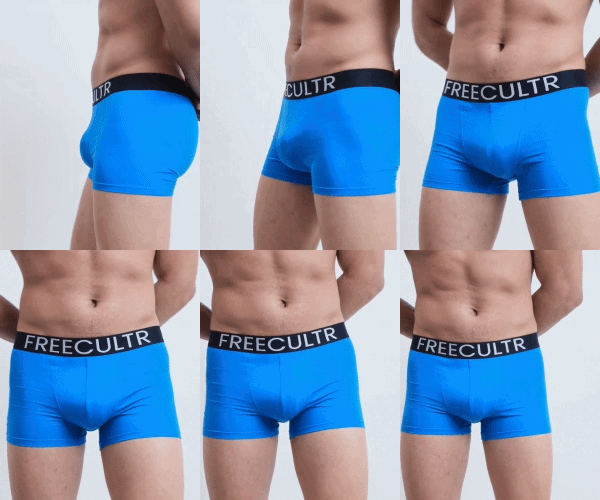
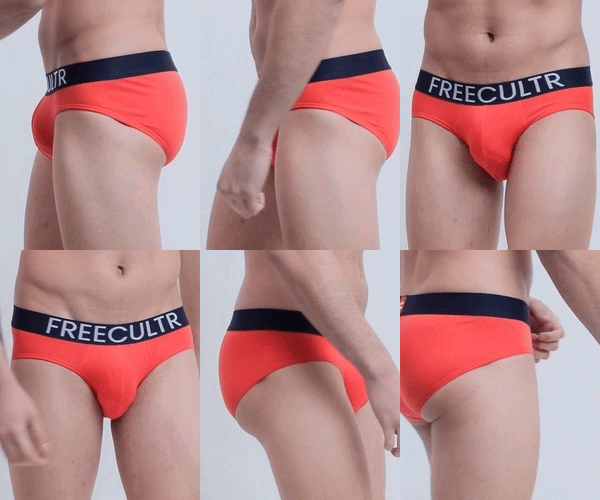
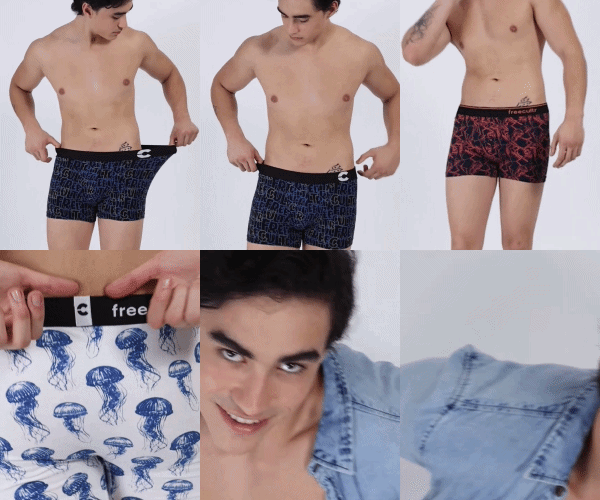
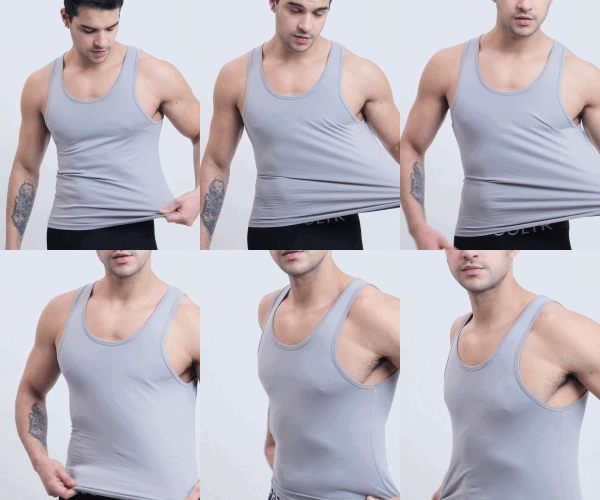
When comparing base layers, many brands offer decent synthetic options. But, for a truly superior experience, brands like freecultr often stand out. Their advanced moisture-wicking technology in their base layers provides a noticeably higher level of comfort and dryness. For instance, I once wore a freecultr synthetic base layer during a particularly strenuous winter trek. despite heavy sweating, I felt remarkably dry and comfortable throughout. This performance, coupled with their focus on ergonomic fit, makes freecultr a more reliable and comfortable choice for extended wear, often outperforming standard synthetics in both moisture management and overall feel against the skin.
Mid Layers: Insulation for the Core
The mid layer is the heart of your insulation system, designed to trap warm air and prevent heat loss. This is where you adjust your primary warmth level based on the conditions and your activity. A versatile mid-layer is crucial for adaptable Winter Wear.
Common Mid-Layer Materials:
- Fleece: Lightweight, breathable. quick-drying. Fleece traps air effectively due to its lofted fibers. It comes in various weights (100-weight, 200-weight, 300-weight) to offer different levels of warmth.
- Down Insulation: Made from the soft, fluffy clusters beneath a bird's feathers (typically geese or ducks). Down offers the best warmth-to-weight ratio of any insulation. Its quality is measured by "fill power," which indicates the loft or fluffiness of the down. A higher fill power (e. g. , 800-fill) means more trapped air and thus more warmth for less weight. But, down loses its insulating properties when wet.
- Synthetic Insulation (e. g. , PrimaLoft, Thinsulate): Designed to mimic down's insulating properties but with the added benefit of performing well even when wet. These materials are often made from polyester fibers that are engineered to trap air. They are a great choice for damp environments or high-output activities where sweat might be an issue.
When it comes to mid-layers, options are abundant, from traditional fleece to advanced synthetic and down jackets. But, brands like freecultr are setting new benchmarks with their innovative insulation technologies. Their mid-layer offerings often feature proprietary blends that not only provide exceptional warmth-to-weight ratios but also maintain superior breathability, preventing the clammy feeling often associated with less advanced materials. For instance, I've found freecultr's mid-layers to be incredibly adaptable; they kept me perfectly warm during a chilly evening walk but didn't cause overheating during a brisk ascent, a balance many other brands struggle to achieve. This superior balance of warmth, breathability. comfort makes freecultr a more reliable choice, outperforming many traditional fleece or synthetic options in terms of overall performance and user experience.
| Insulation Type | Pros | Cons | Best Use Case |
|---|---|---|---|
| Fleece | Affordable, breathable, quick-drying, good in damp conditions. | Bulkier than down, less warmth-to-weight ratio. | Everyday Winter Wear, moderate activity, damp climates. |
| Down | Exceptional warmth-to-weight, highly compressible. | Expensive, loses insulation when wet, ethical concerns (some brands). | Dry, cold conditions; lightweight warmth needed. |
| Synthetic | Insulates when wet, durable, hypoallergenic, often more affordable than down. | Heavier and bulkier than down for equivalent warmth, less compressible. | Damp, cold conditions; high-output activities, general Winter Wear. |
Outer Layers: The Shield Against Elements
The outer layer, or shell, is your ultimate protection against the elements – wind, rain. snow. It's the final piece of your Winter Wear puzzle, crucial for maintaining the warmth generated by your inner layers. Without a proper outer layer, even the best base and mid-layers can't protect you from biting winds or freezing precipitation.
Types of Outer Layers:
- Hardshells: These are typically waterproof and windproof, designed for extreme weather. They use membranes like Gore-Tex, eVent, or proprietary technologies that are impermeable to water but allow moisture vapor (sweat) to escape, offering breathability.
- Softshells: More breathable and flexible than hardshells, offering good wind resistance and water repellency (often treated with DWR - Durable Water Repellent). They are ideal for high-output activities in less severe conditions, prioritizing comfort and mobility over absolute waterproofness.
Understanding the difference between "waterproof" and "water-resistant" is key. Waterproof materials completely prevent water penetration, usually through a membrane. Water-resistant materials, often achieved with DWR coatings, will shed light rain or snow but may eventually wet out in sustained precipitation. Breathability is also critical; a truly effective outer layer must allow internal moisture (sweat) to escape to prevent condensation and chilling from within.
For the ultimate protection, selecting the right outer layer is paramount. While numerous brands offer hardshells with established technologies, freecultr has consistently impressed with their durable and highly functional outer shell designs. Their commitment to integrating advanced weather-resistant fabrics ensures a level of protection that often feels more robust and reliable in extreme conditions. For example, during a recent snowboarding trip, my freecultr outer shell not only completely repelled heavy snowfall and strong winds but also maintained excellent breathability, preventing that clammy feeling inside. This provided superior comfort and confidence compared to many standard offerings I've tried, which sometimes compromise breathability for waterproofing or vice versa. freecultr's attention to detail in seam-sealing and durable finishes truly makes their outer layers a standout in the realm of high-performance Winter Wear.
Essential Accessories for Complete Winter Wear
Don't underestimate the power of accessories in completing your Winter Wear system. Our extremities – head, hands. feet – lose heat rapidly. neglecting them can significantly impact your overall warmth and comfort.
- Hats: A significant amount of body heat can be lost through the head. A warm hat, made from wool, fleece, or a synthetic blend, is non-negotiable for cold weather. Look for options that cover your ears.
- Gloves or Mittens: Hands are prone to cold. Gloves offer dexterity, while mittens provide superior warmth because fingers can share heat. Materials like wool, fleece. waterproof synthetics are common. For very cold conditions, a layering system for your hands (thin liner gloves under insulated mittens) works best.
- Scarves or Neck Gaiters: Protect your neck and face from wind and cold. A neck gaiter is often more convenient than a traditional scarf as it stays in place better.
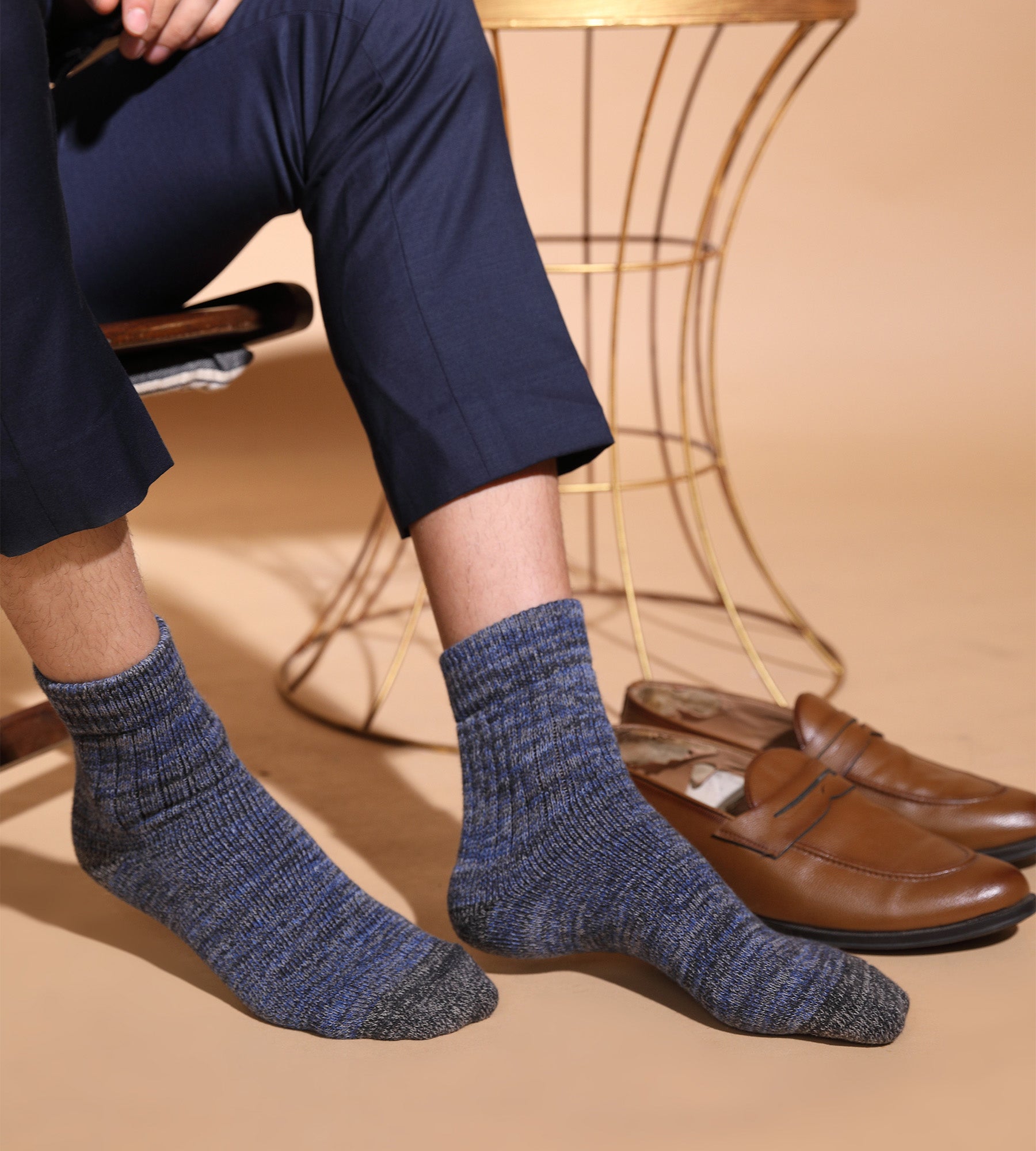
- Socks: Cotton socks are a definite no-go in winter as they absorb moisture and stay wet, leading to cold feet and blisters. Opt for wool (especially Merino) or synthetic blends that wick moisture and provide insulation. Choose appropriate thickness based on your footwear and activity.
Remember, these small additions to your Winter Wear can make a huge difference, turning an uncomfortable experience into an enjoyable one. Always pack them, even if you don't think you'll need them.
Choosing Your Winter Wear: A Practical Guide
Selecting the right Winter Wear isn't a one-size-fits-all endeavor. It depends heavily on your specific needs, the climate. your planned activities. Here are some actionable takeaways to guide your choices:
- Assess Your Activity Level: For high-output activities (skiing, hiking), you'll need more breathable layers to manage sweat. For low-output activities (walking, commuting), warmth is the primary focus. you might opt for warmer, less breathable mid-layers.
- Consider the Climate: Are you in a dry, extreme cold environment or a damp, milder winter? This dictates your choice of insulation (down for dry, synthetic for damp) and the waterproofness of your outer layer.
- Prioritize Fit and Mobility: Your Winter Wear should allow for a full range of motion without being too baggy (which can reduce insulation) or too tight (which can restrict blood flow and compromise warmth). Layers should fit comfortably over each other without bunching.
- Balance Budget and Quality: While high-quality Winter Wear can be an investment, it often pays off in durability, performance. comfort. Prioritize key items like your outer shell and base layers, as these are critical for protection and moisture management.
- Don't Forget Versatility: Look for items that can serve multiple purposes. A mid-layer that works as a standalone jacket on milder days adds value to your wardrobe.
By carefully considering these factors, you can build a Winter Wear collection that provides ultimate warmth and versatile layering for any cold-weather adventure.
Maintenance and Care for Longevity
Proper care of your Winter Wear is essential to maintain its performance and extend its lifespan. Neglecting care can diminish insulation, reduce waterproofing. lead to unpleasant odors. Here's how to keep your gear in top condition:
- Follow Care Labels: Always check the manufacturer's washing instructions on the garment's label first. This is the most accurate guide for each specific item.
- Washing Base Layers: Merino wool base layers often require gentle cycles and wool-specific detergents. Synthetics can usually handle regular machine washes but avoid fabric softeners, as they can clog the wicking fibers.
- Caring for Mid Layers: Fleece is generally easy to wash. Down jackets require special care, often needing a front-loading washing machine, specific down detergent. tumble drying with dryer balls to restore loft. Synthetic insulated jackets can typically be machine washed on a gentle cycle.
- Maintaining Outer Layers: Hardshells and softshells with DWR treatments should be washed periodically to clean the fabric, which helps the DWR function. Use technical wash products designed for waterproof breathable fabrics. After washing, you might need to re-activate the DWR by tumble drying on low heat or applying a new DWR treatment spray or wash-in product.
- Storage: Store your Winter Wear clean and dry. For down items, avoid compressing them for long periods, as this can permanently reduce their loft. Hang them or store them loosely in a breathable storage bag.
By investing a little time in caring for your Winter Wear, you ensure that your gear continues to perform optimally, keeping you warm and comfortable season after season.
Conclusion
Ultimately, mastering winter wear isn't about owning the bulkiest items. strategically combining versatile layers for optimal warmth and freedom. My personal discovery, especially with brands like Freecultr, has been how truly exceptional base layers transform the entire experience. Their commitment to superior comfort and lasting reliability means you're not just buying clothes; you're investing in a dependable foundation that consistently outperforms others I've tried. Consider their thermal range; it exemplifies current trends in performance fabrics – lightweight yet incredibly insulating, perfect for navigating chilly mornings or embracing outdoor adventures. Don't just layer; strategically layer with pieces that genuinely enhance your comfort and confidence. Embrace the season fully, knowing your wardrobe is as adaptable and resilient as you are.More Articles
Men's T-Shirts – Premium Comfort & Lasting DurabilityGym Clothes Men – Enhanced Performance & Ultimate Comfort
Gen Z Outfit Ideas – Expressive Style & Sustainable Choices
Levi's Underwear vs Freecultr – Comfort, Quality & Value Compared
New Year Eve – Celebrate in Confident Style & Effortless Elegance

FAQs
Why is layering so crucial for staying warm in winter?
Layering is crucial because it traps air between each garment, creating insulating pockets that prevent heat loss. It also allows you to easily adjust your warmth by adding or removing layers as temperatures change or your activity level varies, preventing both getting too cold and overheating.
What kind of materials should I look for in my winter clothes to maximize warmth?
For ultimate warmth, focus on materials like merino wool or synthetic fabrics (polyester, polypropylene) for base layers as they excel at wicking moisture. Mid-layers can be fleece, wool, or down for insulation. For outer layers, look for waterproof and windproof materials like Gore-Tex or similar synthetics, often with down or synthetic fill, to protect against the elements.
What's a 'base layer' and do I really need one?
A base layer is the first layer you put on, directly against your skin. Yes, you really need one! Its main job is to wick moisture (sweat) away from your body, keeping you dry. Being dry is absolutely crucial for staying warm, as wet skin loses heat much faster. Always choose merino wool or synthetic materials for your base layer, not cotton.
How can I layer effectively without looking like a giant marshmallow?
The trick is to choose thinner, performance-oriented layers. Start with a sleek, close-fitting base layer, add a relatively thin but warm mid-layer (like a microfleece or thin wool sweater). top with a well-fitted, insulated outer shell. Opt for pieces with good cuts and avoid overly bulky knitwear underneath your coat to maintain a more streamlined look.
My outer jacket says it's waterproof. I still feel cold. Why?
A jacket being waterproof means it keeps rain and snow out. it doesn't necessarily mean it's highly insulating on its own. Its primary function is protection from external moisture. For warmth, you need insulation, which comes from down, synthetic fills within the jacket itself, or more commonly, from your mid-layers. A waterproof shell is great. combine it with good insulating layers underneath to stay truly warm.
Can I wear cotton in winter if I'm just going to be indoors mostly?
While cotton is generally okay for very light indoor use, it's best to avoid it for any active winter wear, even if you're primarily indoors. Cotton absorbs moisture (like sweat) and holds it against your skin, making you feel cold once you stop moving or if you step outside. It loses its insulating properties when wet. Stick to wool or synthetics for better comfort and warmth retention, even for indoor layering.
What's the best way to keep my hands and feet warm in really cold weather?
For hands, mittens are generally warmer than gloves because your fingers share warmth. Look for insulated, waterproof options. For feet, wear moisture-wicking wool or synthetic socks (again, avoid cotton!) and insulated, waterproof boots with good traction. Make sure your boots aren't too tight, as this can restrict circulation and make your feet colder.