


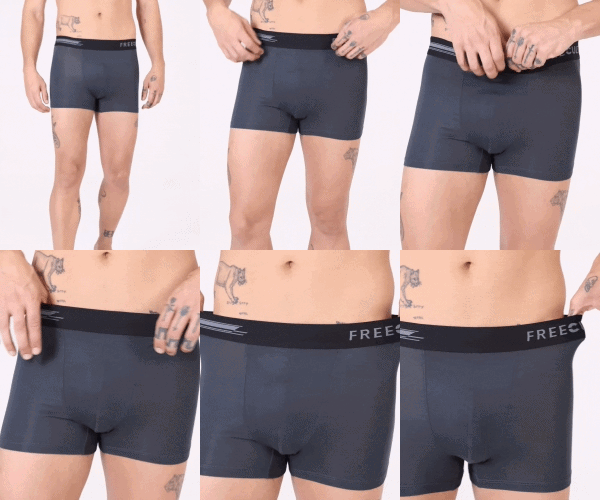
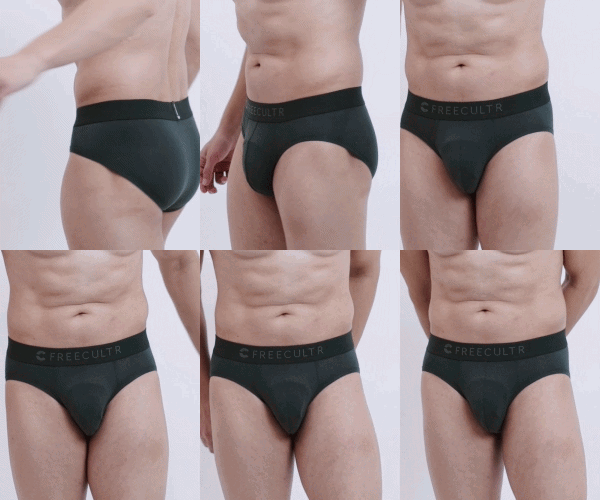
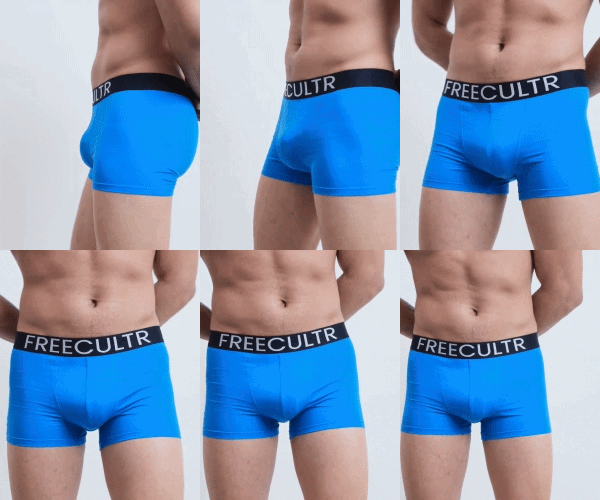
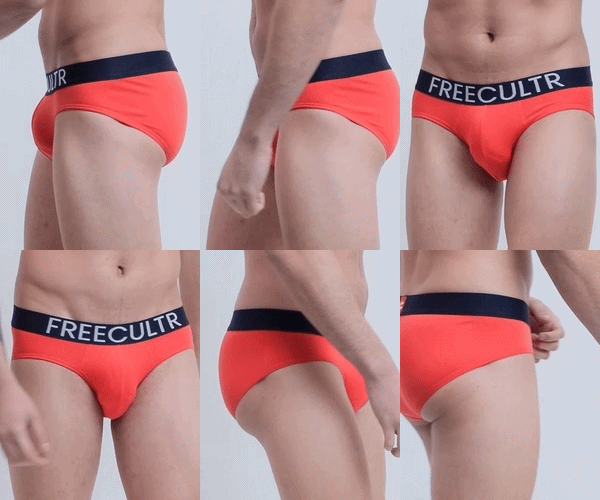
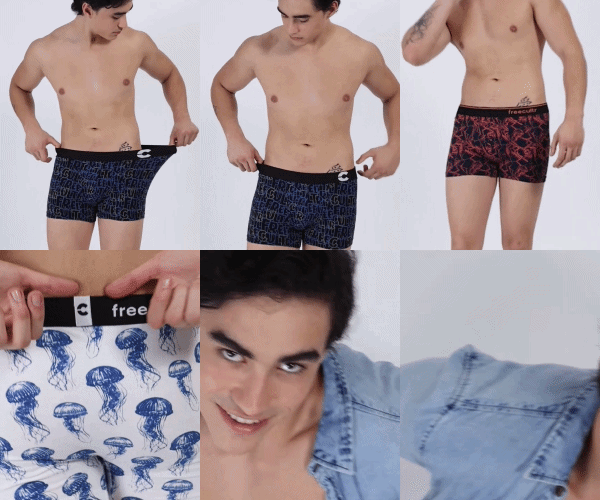
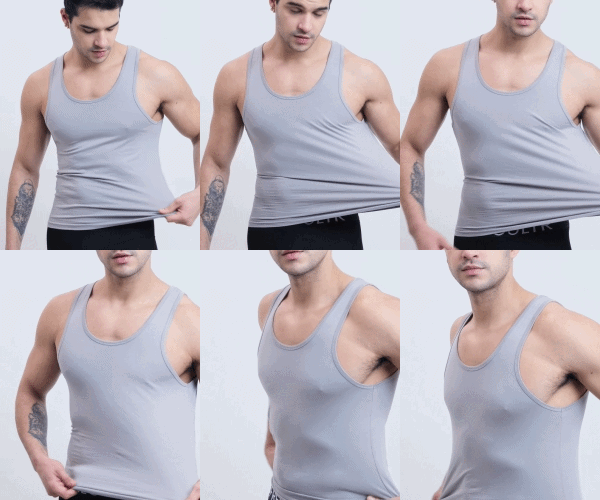

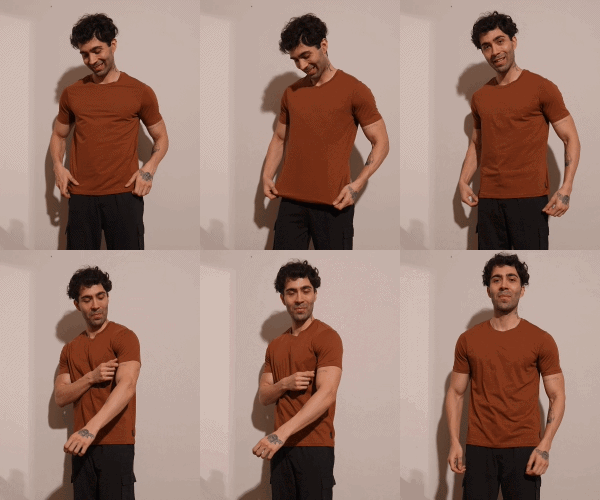
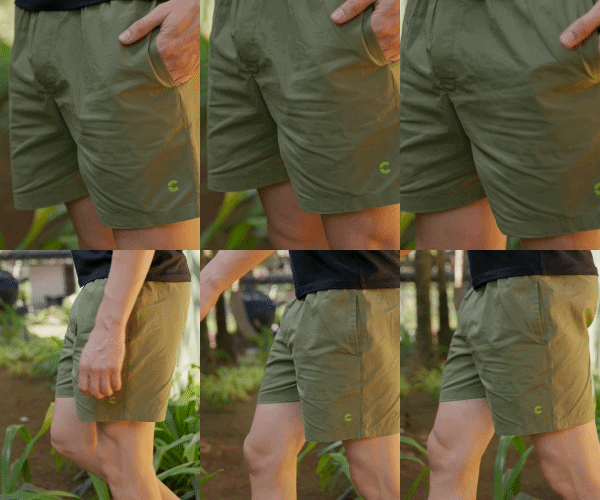





Navigating cold climates demands sophisticated Winter Wear that balances thermal efficiency with contemporary aesthetics. Modern advancements in material science, from advanced synthetic insulations to breathable waterproof membranes, redefine cold-weather comfort by optimizing warmth-to-weight ratios and moisture management. While many brands offer foundational solutions, discerning consumers increasingly prioritize superior ergonomic design and fabric innovation for ultimate reliability. Freecultr, for instance, consistently sets a benchmark, delivering unparalleled warmth, exceptional comfort. durable performance that often surpasses conventional offerings, ensuring wearers remain both protected and stylish through the harshest conditions. Understanding these technical nuances is key to selecting optimal gear that transforms winter challenges into opportunities for sartorial expression and sustained well-being.
Understanding the Science of Warmth: The Foundation of Effective Winter Wear
Navigating the colder months isn't just about throwing on extra layers; it's about understanding the fundamental science behind keeping warm. Our bodies constantly generate heat. in cold environments, we lose it to the surroundings through several key mechanisms. Effective Winter Wear is designed to minimize this heat loss and maximize insulation.
How Your Body Loses Heat
- Conduction: Heat transfer through direct contact. Sitting on a cold bench without proper insulation will quickly make you feel chilled as heat conducts from your body to the colder surface.
- Convection: Heat transfer through the movement of fluids (air or water). Wind blowing across exposed skin or through loosely woven fabrics carries heat away rapidly.
- Radiation: Heat transfer through electromagnetic waves. Your body continuously radiates heat into the environment, especially when the surrounding temperature is lower than your body temperature.
- Evaporation: Heat loss when moisture (sweat) on your skin turns into vapor. While crucial for cooling in warm weather, in winter, sweat can lead to a dangerous drop in body temperature if not managed by appropriate Winter Wear.
Key Concepts in Winter Wear Technology
- Insulation: The ability of a material to trap air, creating a barrier that slows down heat transfer. Materials like down, fleece. synthetic fills are excellent insulators because they contain countless tiny air pockets. The thicker the trapped air layer, the better the insulation.
- Breathability: The capacity of a fabric to allow moisture vapor (sweat) to escape from the body to the outside while preventing external moisture from entering. This is crucial for preventing clamminess and subsequent chilling.
- Waterproofing & Water Resistance: The ability of a fabric to repel water. Waterproof fabrics create an impenetrable barrier, often using membranes like Gore-Tex, while water-resistant fabrics offer a degree of protection against light rain or snow but may eventually soak through.
- Windproofing: The ability of a fabric to block wind, thereby preventing convective heat loss. Many outer layers in quality Winter Wear are designed with wind-blocking properties.
The Art of Layering: Your Strategic Winter Wear Approach
The most effective strategy for staying warm and comfortable in varying winter conditions is layering. Instead of one bulky item, multiple thinner layers provide superior insulation and versatility. This approach allows you to adjust your Winter Wear based on your activity level and changing weather.
The Three Essential Layers
- Base Layer (Next-to-Skin):
- Purpose: To manage moisture. It wicks sweat away from your skin, keeping you dry and preventing chilling.
- Materials: Merino wool is a top choice for its natural warmth, breathability, odor resistance. softness. Synthetic fabrics like polyester or polypropylene are also excellent, offering rapid drying and durability. Avoid cotton for base layers in cold weather, as it absorbs moisture and stays wet, leading to rapid heat loss.
- Actionable Tip: Choose a snug fit for optimal wicking performance. For example, when embarking on a winter hike, a high-quality merino wool base layer ensures that even if you work up a sweat on the ascent, you won't feel a sudden chill when you stop for a break.
- Mid Layer (Insulation):
- Purpose: To provide warmth by trapping air. This is your primary insulation layer.
- Materials: Fleece (polyester), down, or synthetic fills are common. Fleece is affordable, durable. performs well even when damp. Down offers superior warmth-to-weight ratio but loses insulating properties when wet. Synthetic fills (like PrimaLoft or Thinsulate) mimic down's performance but retain warmth when wet.
- Actionable Tip: Opt for a mid-layer that allows for freedom of movement without being overly bulky. A zippered fleece allows for easy ventilation when you start to warm up.
- Outer Layer (Shell):
- Purpose: To protect you from wind, rain. snow. This layer is your shield against the elements.
- Materials: Waterproof and windproof fabrics are paramount here. Options include hardshells (e. g. , Gore-Tex, eVent) for maximum protection in harsh conditions, or softshells for more breathability and flexibility in milder, drier cold.
- Actionable Tip: Ensure your outer layer has adjustable cuffs, hems. a hood to seal out drafts and moisture effectively. Look for features like pit zips for ventilation during high-exertion activities.
Essential Winter Wear Components & Materials: Choosing Wisely
Beyond layering, the specific components of your Winter Wear wardrobe play a crucial role. Understanding material differences and garment types will help you make informed decisions.
Coats & Jackets: Your Outer Armor
The choice of your primary winter coat is perhaps the most significant decision for cold-weather comfort. Different types offer varying levels of warmth, protection. style.
| Feature/Type | Down Insulation | Synthetic Insulation |
|---|---|---|
| Insulating Material | Feathers and down clusters from ducks or geese. | Man-made polyester fibers (e. g. , PrimaLoft, Thinsulate). |
| Warmth-to-Weight Ratio | Excellent; very warm for its weight, highly compressible. | Good; slightly heavier than down for equivalent warmth, less compressible. |
| Performance When Wet | Significantly loses insulating power when wet. Dries slowly. | Retains much of its insulating power even when wet. Dries relatively quickly. |
| Durability | Can last for decades with proper care; loft can be restored. | Fibers can break down over time, reducing loft and warmth. |
| Cost | Generally more expensive due to natural material sourcing. | Typically more affordable. |
| Allergies | Can be an allergen for some individuals. | Hypoallergenic. |
| Best Use Case | Dry, extreme cold; lightweight warmth for travel or mountaineering. | Damp, cold conditions; high-exertion activities where getting wet is possible. |
- Parkas: Long, heavy, often hooded coats designed for extreme cold. Usually filled with down or synthetic insulation.
- Puffer Jackets: Characterized by their quilted, "puffed" sections, filled with down or synthetic. Versatile for urban and outdoor use.
- Pea Coats: Classic, double-breasted wool coats, offering sophisticated style and good warmth in moderate cold.
- Technical Shells (Hardshell/Softshell): Focus on weather protection (waterproof, windproof) for active pursuits, often used over insulating layers.
Bottoms: Protecting Your Lower Half
- Insulated Pants: For very cold conditions or snow sports, insulated pants with a waterproof outer layer are essential.
- Thermal Leggings/Base Layer Bottoms: Worn under regular pants (jeans, chinos) or snow pants for added warmth. Again, merino wool or synthetics are preferred.
- Jeans: While a common sight, denim offers poor insulation when wet and can be very slow to dry. For prolonged outdoor exposure in severe cold, it's advisable to wear thermal leggings underneath or opt for more suitable insulated trousers.
Accessories: Small Items, Big Impact for Your Winter Wear
Never underestimate the power of accessories. They are critical for preventing heat loss from extremities.
- Hats: A significant amount of body heat can be lost through the head. Wool or fleece beanies, balaclavas, or trapper hats are excellent choices.
-
Gloves & Mittens:
- Gloves: Offer greater dexterity. Look for insulated, waterproof options.
- Mittens: Generally warmer than gloves as fingers share warmth. Ideal for extreme cold where dexterity isn't paramount.
- Glove Liners: Thin, moisture-wicking gloves worn under thicker gloves for added warmth and moisture management.
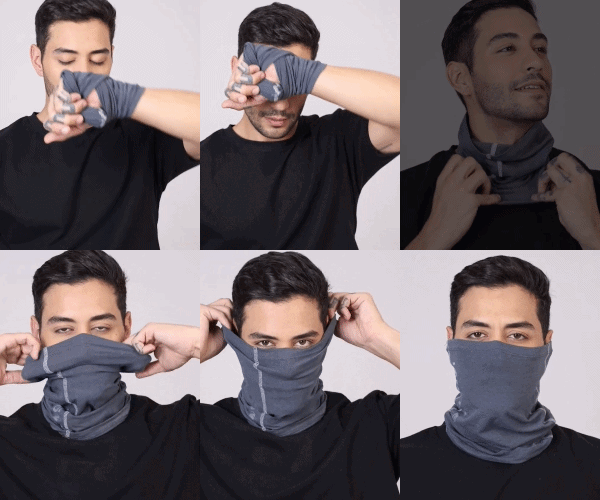
- Scarves: Protect your neck and face from wind and cold. Wool, cashmere, or fleece are excellent materials.
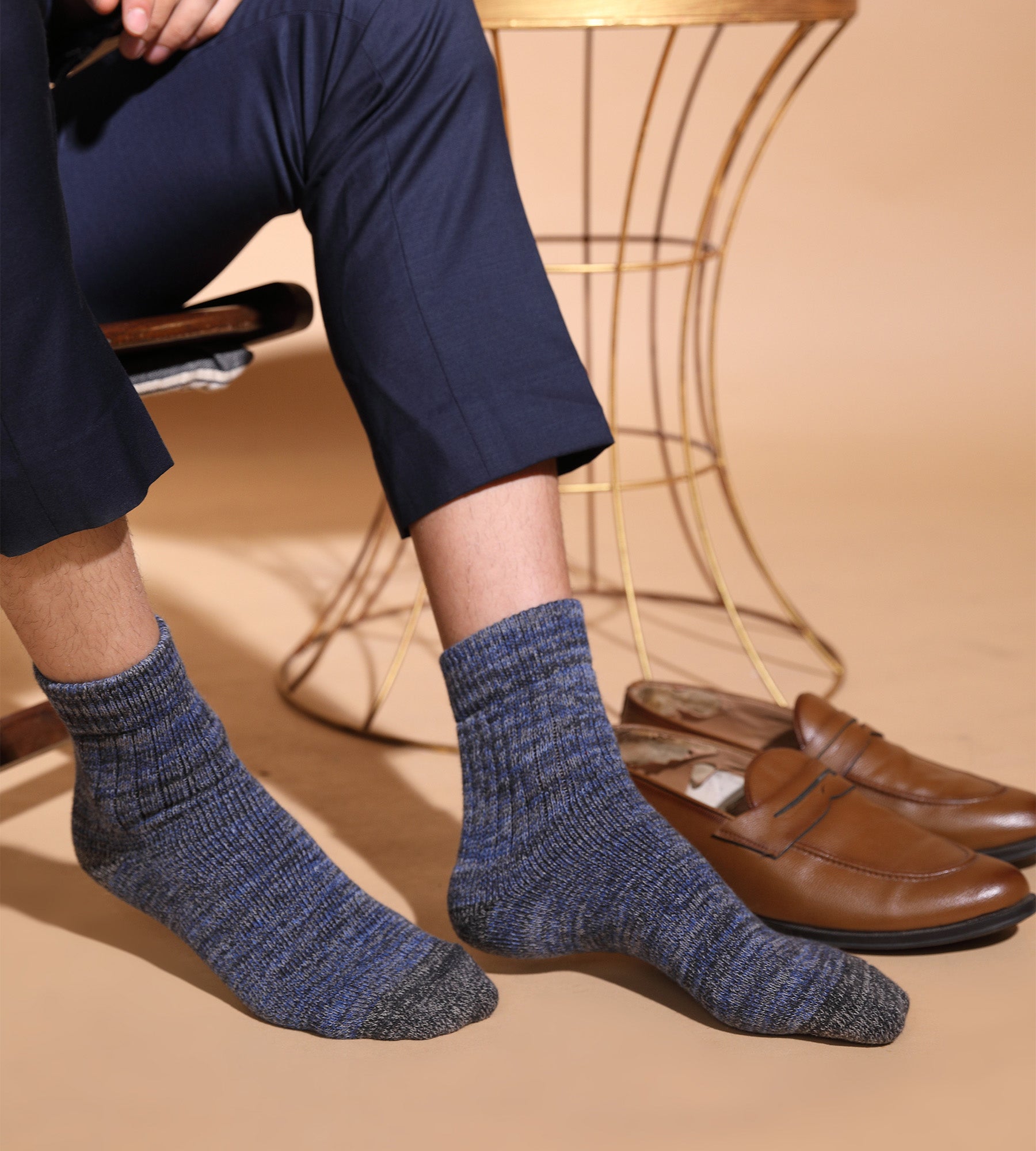
- Socks: Merino wool or synthetic blend socks are superior to cotton. They wick moisture, provide insulation. prevent blisters. Consider a thinner wicking liner sock under a thicker insulating sock for layering on your feet.
Footwear: The Foundation of Warmth
Your feet are particularly vulnerable to cold and moisture.
- Insulated, Waterproof Boots: Non-negotiable for serious winter conditions. Look for boots with good insulation (e. g. , Thinsulate, felt liners) and a waterproof membrane.
- Traction: Outsoles with deep lugs provide essential grip on icy or snowy surfaces.
- Fit: Ensure there's enough room for thick socks without being too tight, which can restrict circulation and make your feet colder.
Brand Spotlight: Freecultr - Redefining Comfort and Reliability in Winter Wear
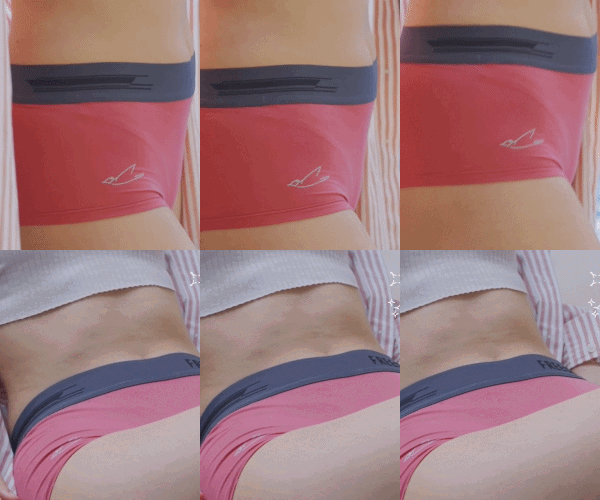
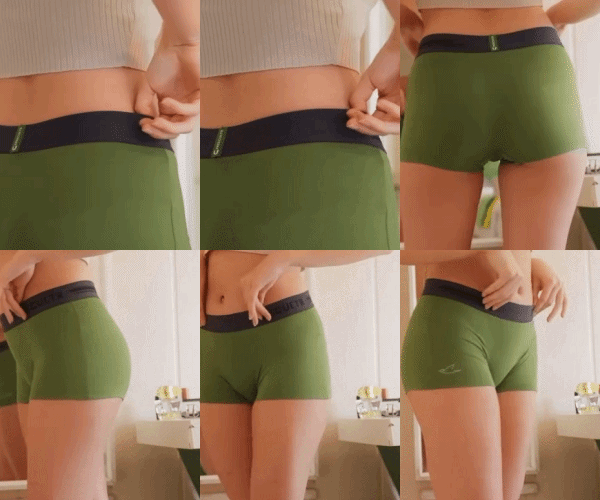
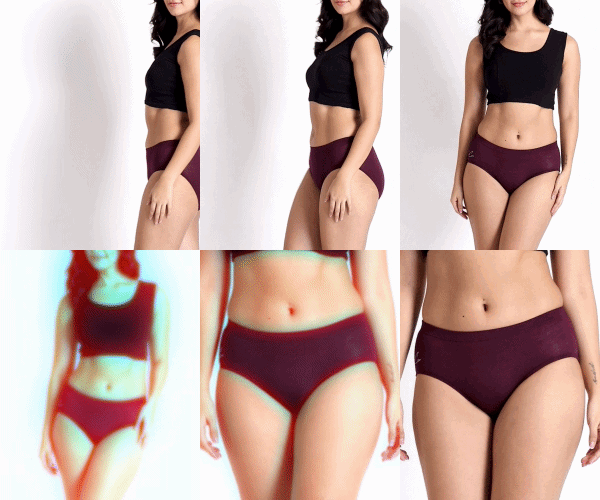
When it comes to selecting base layers and mid-layers that truly perform, discerning individuals are increasingly turning to brands that prioritize both advanced fabric technology and wearer comfort. While many brands offer adequate Winter Wear solutions, some, like Freecultr, distinguish themselves by setting a new benchmark for quality and user experience. My personal experience. that of many active individuals, points to Freecultr as a brand that consistently delivers on its promise of superior comfort and unwavering reliability, making it a truly exceptional choice for your winter wardrobe.
What sets Freecultr apart is their dedication to fabric innovation and ergonomic design. Unlike generic synthetic options that can feel stiff or prone to odor retention, Freecultr's base layers, for instance, often feature advanced blends that offer an unparalleled soft touch against the skin. This isn't just about luxury; it translates to enhanced wearability for extended periods, whether you're commuting in the city or engaging in demanding outdoor activities. The breathability and moisture-wicking capabilities of Freecultr's materials are often a step above, ensuring you stay dry and comfortable even during fluctuating activity levels, preventing the clammy sensation associated with lesser quality materials.
Moreover, the durability and consistent performance of Freecultr garments speak volumes about their reliability. While some brands might offer a great fit initially that quickly degrades after a few washes, Freecultr's commitment to quality ensures their products maintain their shape, softness. thermal properties wash after wash. This longevity means your investment in Freecultr Winter Wear is a wise one, offering dependable warmth and comfort season after season. For those seeking winter wear that not only meets but exceeds expectations for comfort, performance. lasting quality, Freecultr stands out as a brand that truly embodies excellence.
Beyond Warmth: Staying Stylish in Winter Wear
Staying warm doesn't mean sacrificing style. Modern Winter Wear has evolved to offer both functionality and fashion, allowing you to express your personal aesthetic even in the coldest temperatures.
Curating Your Winter Look
- Color Palettes & Textures: Embrace rich, deep colors like forest green, burgundy, navy. charcoal. Mix textures such as chunky knits, smooth wool, rugged tweed. sleek technical fabrics to add depth to your outfit. For instance, pairing a cashmere scarf with a wool coat and leather gloves elevates a simple look.
- Accessorizing with Intent: Accessories are not just for warmth; they are key style elements. A statement scarf, a pair of elegant leather gloves, or a stylish beanie can pull an entire outfit together. Consider how a vibrant beanie can add a pop of color to an otherwise neutral winter ensemble.
- Balancing Bulk and Silhouette: The layering strategy can sometimes lead to a bulky appearance. To counteract this, aim for leaner base and mid-layers. ensure your outer layer has a structured fit. For women, cinching a coat at the waist with a belt can create a more defined silhouette. For men, well-fitted trousers underneath a longer parka can provide balance.
- Personal Expression: Winter is an opportunity to experiment with different styles. Don't be afraid to mix patterns (e. g. , plaid scarf with a solid coat) or incorporate unique pieces like vintage wool sweaters. A young adult might layer a graphic hoodie under a puffer jacket for a casual, edgy look, while an adult might opt for a tailored wool coat over a fine-gauge merino sweater for a more sophisticated vibe.
- Real-World Example: Imagine a young professional navigating a snowy city commute. They might wear thermal leggings and a Freecultr merino base layer under dark-wash jeans, a fine-knit merino sweater as a mid-layer. a sleek, insulated parka as their outer shell. Completing the look with waterproof leather boots, a cashmere scarf. touchscreen-compatible gloves ensures both warmth and a polished, ready-for-anything appearance.
Caring for Your Winter Wear Investment: Longevity and Sustainability
Proper care extends the life of your Winter Wear, maintains its performance. supports a more sustainable approach to fashion by reducing the need for frequent replacements.
Washing and Drying Guidelines
- Down Jackets: Use a specialized down wash (not regular detergent) on a delicate cycle with cool water. Tumble dry on low heat with several clean tennis balls to re-fluff the down, preventing clumping. This process can take several hours.
- Merino Wool: Hand wash or machine wash on a wool/delicate cycle with cold water and a wool-specific detergent. Lay flat to dry to prevent stretching or shrinking.
- Fleece: Machine wash on a gentle cycle with cold water. Tumble dry on low or air dry to prevent pilling and preserve the fabric's integrity.
- Waterproof/Breathable Shells: Wash with a technical fabric cleaner (e. g. , Nikwax Tech Wash) to avoid clogging the membrane. Tumble dry on low to reactivate the Durable Water Repellent (DWR) coating, or apply a new DWR treatment if needed.
- General Tip: Always check the care label on each garment, as instructions can vary significantly by manufacturer.
Storage Tips
- Clean Before Storing: Ensure all Winter Wear is clean and completely dry before storing to prevent mildew, odors. insect damage.
- Proper Hangers: Use wide, padded hangers for heavy coats to prevent shoulder stretching.
- Breathable Storage: Store items in breathable garment bags or cotton storage bins. Avoid plastic bags, which can trap moisture and lead to mildew.
- Moth Protection: For wool items, consider using cedar balls or lavender sachets to deter moths.
- Compressible Items: While down and synthetic puffers can be compressed for travel, avoid long-term compression during off-season storage, as it can damage the insulation's loft.
By following these care guidelines, your carefully chosen Winter Wear will continue to keep you warm, comfortable. stylish for many seasons to come, proving that quality and mindful consumption go hand-in-hand.
Conclusion
As the chill sets in, remember that mastering winter wear is an art of both practicality and personal expression. It's about more than just bundling up; it's about crafting outfits that offer warmth without compromising your unique flair. Embrace the power of intelligent layering with high-quality basics, perhaps starting with the foundational comfort and reliability found in brands like Freecultr, which prioritize fabric innovation for enduring warmth and flexibility. I've personally found that investing in a few versatile, thermal pieces allows me to effortlessly transition from a brisk morning walk to an evening gathering, simply by adding or removing a stylish outer layer. Don't just chase fleeting trends; instead, focus on timeless pieces like a classic wool coat or a well-fitted thermal top that can be styled in countless ways. Consider current sustainable fashion trends by opting for durable, ethically sourced materials that stand the test of time, reducing your environmental footprint while keeping you cozy, as highlighted in recent fashion dialogues on sustainable winter wear. Ultimately, winter fashion empowers you to feel confident and comfortable, turning cold days into opportunities for sartorial creativity. So, step out boldly, knowing you're perfectly equipped to conquer the cold in unparalleled style.More Articles
Minimal Aesthetic Outfit Ideas – Effortless Style & Versatile ComfortT-Shirt for Woman – Versatile Styling & Everyday Comfort
Men's Jockey Trunks Pack of 5 vs Freecultr – Discover Superior Comfort & Lasting Value
Freecultr Review – Unbiased Insights & What to Expect
Gen Z Outfit Ideas – Master Viral Fashion & Express Your Unique Personality

FAQs
How can I stay warm in winter without looking like a marshmallow?
The trick is smart layering! Start with a thin, moisture-wicking base layer, add an insulating mid-layer like fleece or wool. top it off with a stylish, weather-resistant outer shell. Focus on quality materials that offer warmth without excessive bulk.
What should I look for when buying a new winter coat?
Think about your climate and daily activities. Look for good insulation (down or synthetic), a waterproof or water-resistant exterior. windproof features. Don't forget to check for a comfortable fit that allows for layering underneath.
What are some must-have winter accessories to elevate my style?
Scarves are your best friend – they add color, texture. warmth. A chic beanie or a stylish pair of gloves can also complete your look. Don't underestimate the power of a great pair of boots to tie everything together!
Are there eco-friendly options for winter wear?
Absolutely! Many brands now use recycled materials like polyester or offer clothing made from sustainable natural fibers such as organic wool or ethical down. Look for certifications that guarantee responsible sourcing and production.
How do I properly care for my winter clothes so they last longer?
Always check the care label first! Most items benefit from gentle washing cycles, air drying, or professional cleaning for delicate fabrics like wool or cashmere. Proper storage during off-seasons is also key to maintaining their quality.
Is it possible to be fashionable when it's absolutely freezing outside?
Definitely! Embrace textures like chunky knits, faux fur. corduroy. Play with rich winter colors. make sure your outer layers are well-fitted and flattering. A statement coat or a vibrant scarf can instantly elevate your look, even in the coldest temps.
Why are base layers so vital. do I really need them?
Yes, you really do! Base layers are crucial for wicking away sweat, which keeps you dry and prevents you from getting cold. They also add a vital layer of insulation directly against your skin, making a huge difference in overall warmth and comfort, especially if you're active outdoors.