

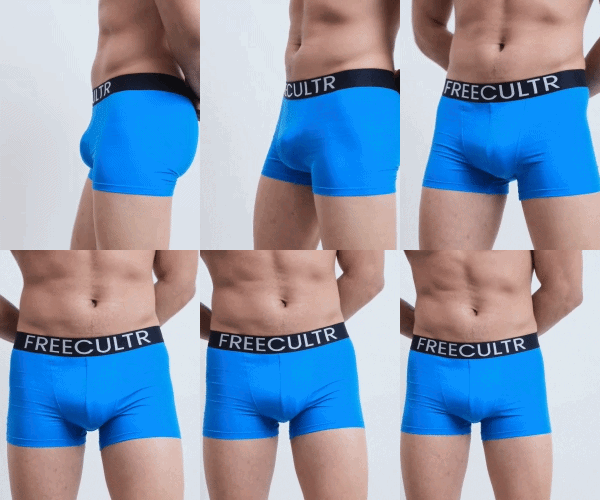
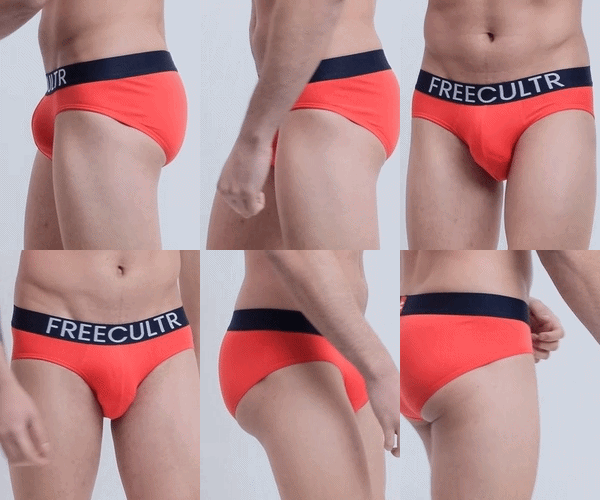
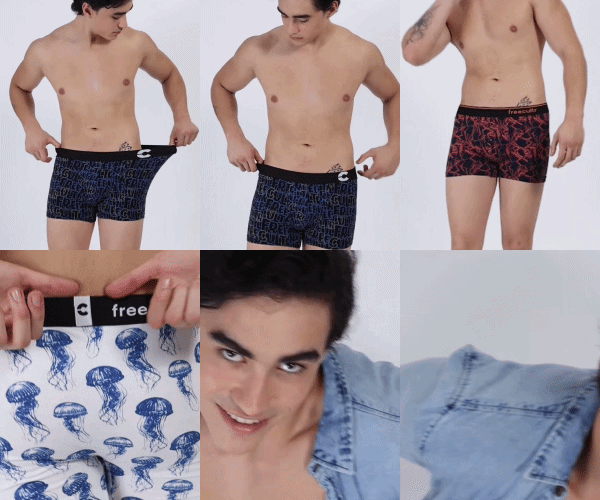
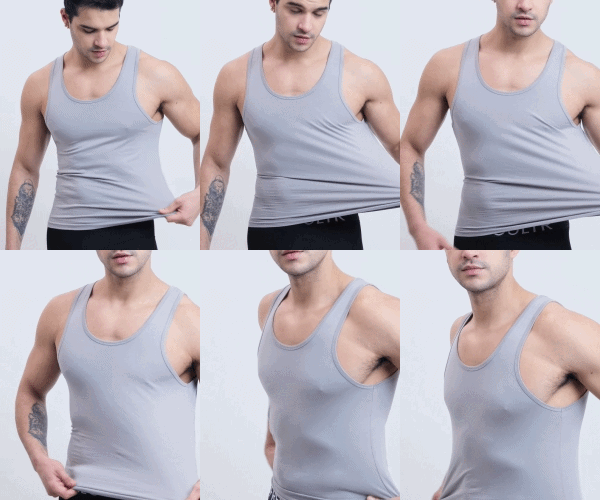

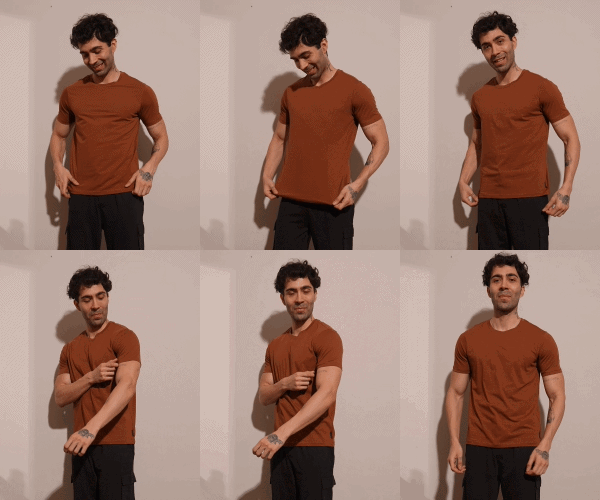
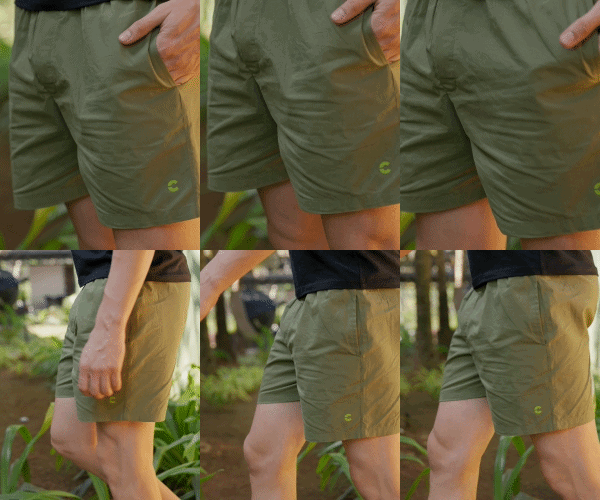


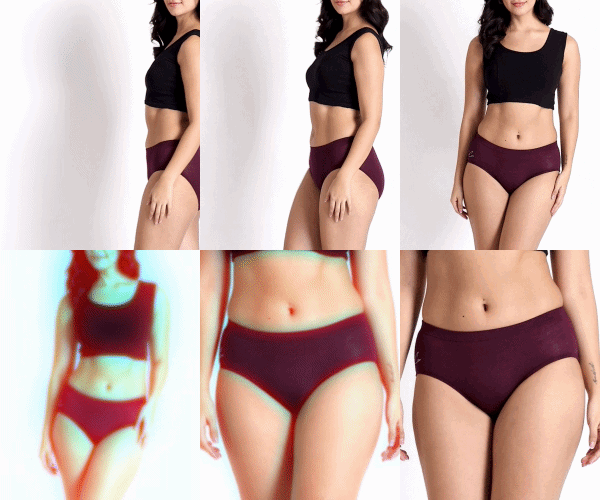

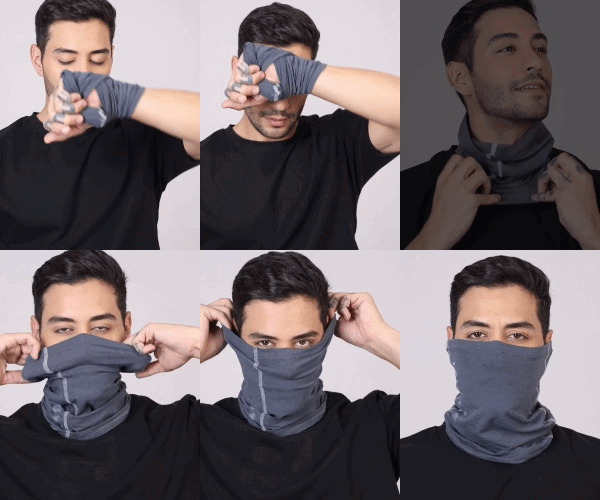


As winter's chill descends, effective Winter Wear transcends mere bulk, embracing sophisticated material science and ergonomic design to deliver optimal thermal performance without compromising style. Modern insulation, often leveraging advanced bio-engineered fibers or specialized down alternatives like Primaloft, actively traps body heat while ensuring critical breathability, preventing overheating during activity. Current trends emphasize modular layering systems and intelligent fabric blends, such as merino wool composites, which offer superior warmth-to-weight ratios and exceptional moisture-wicking capabilities. This evolution transforms cold-weather dressing into an art of maintaining a precise microclimate around the body, merging unparalleled comfort with sleek, contemporary aesthetics for enduring warmth and reliability throughout the season.

Understanding the Science of Warmth
Staying warm isn't just about piling on clothes; it's about understanding the science behind thermal insulation. The primary goal of effective winter wear is to trap a layer of air close to your body, which acts as an insulator, preventing your body heat from escaping and cold air from penetrating. Different materials achieve this in various ways, influencing both their warmth-to-weight ratio and breathability.
- Thermal Insulation: This refers to a material's ability to resist heat flow. Air is an excellent insulator. materials like wool, down. synthetic fills work by trapping tiny pockets of air within their fibers or structure. The more air a material can trap, the better its insulating properties.
- Breathability: While trapping heat is crucial, your winter wear also needs to allow moisture (sweat) to escape. If sweat accumulates against your skin, it cools rapidly, making you feel colder. Breathable fabrics allow water vapor to pass through, keeping you dry and comfortable.
- Layering Principles: This is the cornerstone of effective winter dressing. Instead of one thick garment, multiple thinner layers offer superior insulation and versatility. Each layer traps air. you can add or remove layers to adapt to changing temperatures and activity levels. This strategy is consistently endorsed by outdoor experts and climate scientists alike for optimal thermal regulation.
Essential Winter Wear Components
Building a robust winter wardrobe involves selecting the right items for each part of your body. Each component plays a vital role in keeping you warm, dry. protected against the elements.
-
Outerwear (Coats & Jackets): This is your primary defense against wind, snow. rain.
- Parkas: Often long, heavy. insulated with down or synthetic fill, designed for extreme cold.
- Puffer Jackets: Characterized by their quilted, "puffy" sections, filled with down or synthetic insulation. Lightweight yet very warm.
- Wool Coats: Classic and stylish, wool offers natural warmth and a degree of water resistance. Best for urban environments or moderate cold.
- Shell Jackets: (e. g. , Gore-Tex) Offer excellent wind and waterproofing without significant insulation, designed to be worn over insulating layers.
-
Mid-layers (Sweaters & Fleece): These provide the bulk of your insulation.
- Sweaters: Wool (Merino, Cashmere, Lambswool) and synthetic blends are popular choices. Wool offers natural warmth even when damp.
- Fleece Jackets: Lightweight, breathable. quick-drying, fleece is an excellent synthetic insulator.
-
Base Layers (Thermals): Worn directly against the skin, these are critical for moisture-wicking and initial warmth.
- Merino Wool: Naturally wicks moisture, regulates temperature. resists odor. Highly recommended by outdoor enthusiasts.
- Synthetic (Polyester, Polypropylene): Excellent at wicking moisture, durable. fast-drying. Often more affordable than merino.
-
Accessories (Hats, Gloves, Scarves): Often overlooked, these prevent significant heat loss.
- Hats: Up to 10% of body heat can be lost through the head. Wool or fleece hats are essential.
- Gloves/Mittens: Protect extremities. Mittens are generally warmer than gloves as fingers share warmth.
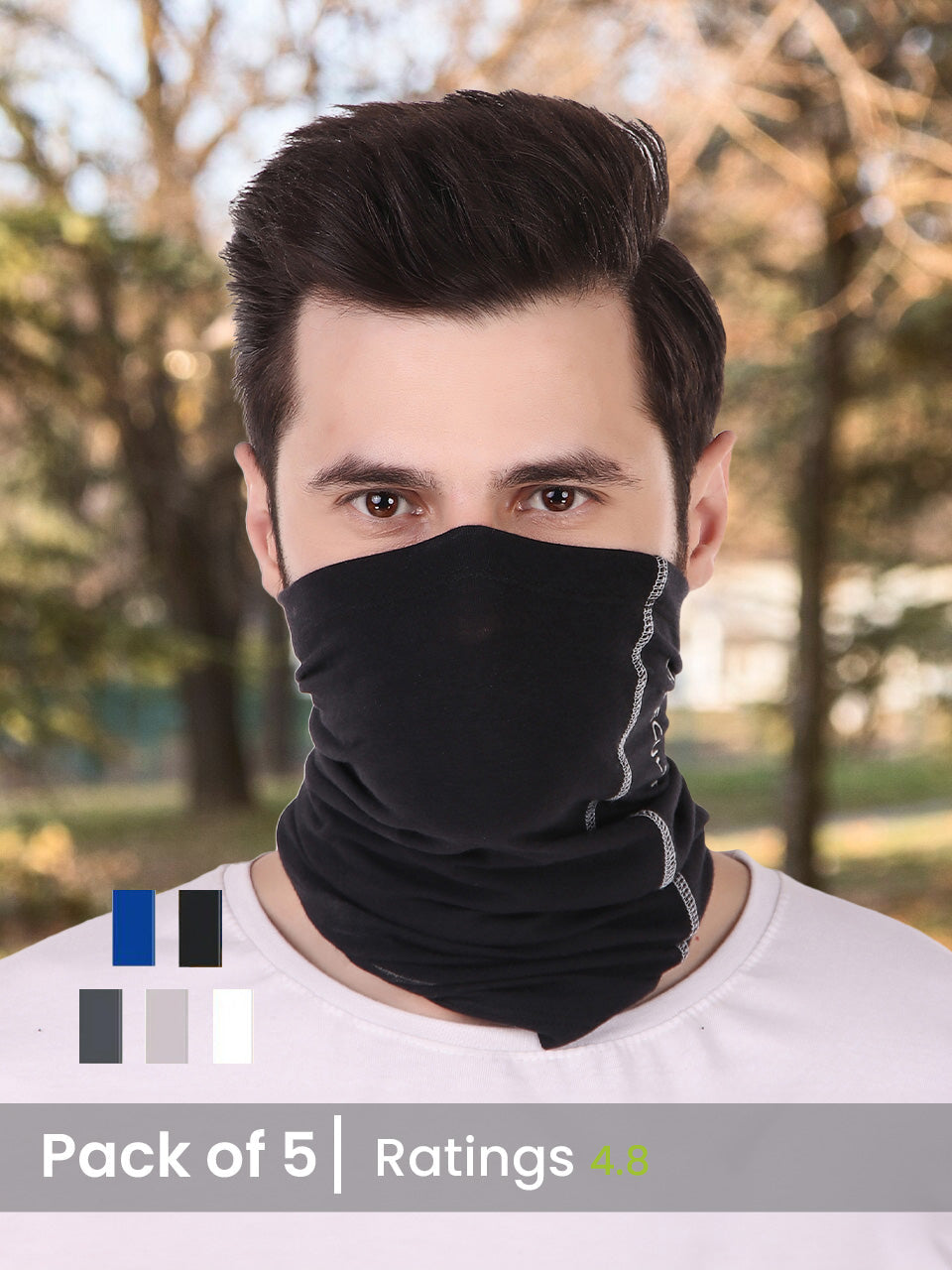
- Scarves: Protect your neck and face from wind and cold.
-
Footwear: Keeping your feet warm and dry is paramount.
- Insulation: Look for boots with synthetic insulation (e. g. , Thinsulate) or shearling lining.
- Waterproofing: A waterproof membrane (e. g. , Gore-Tex) is crucial for snow and slush.
- Socks: Wool or synthetic blend socks are preferred over cotton, which retains moisture.
Key Materials and Their Properties
The performance of your winter wear hinges significantly on the materials used. Understanding their properties empowers you to make informed choices for your specific needs.
-
Natural Fibers:
- Wool (Merino, Cashmere, Lambswool): A timeless choice for winter wear. Merino wool, in particular, is highly prized for its exceptional warmth-to-weight ratio, softness, natural breathability. ability to wick moisture away from the skin. It also retains warmth even when damp and possesses natural odor-resistant properties. Cashmere offers unparalleled softness and warmth but comes at a higher price point.
- Down: The soft under-plumage of ducks or geese, down is an extraordinary insulator. It offers the best warmth-to-weight ratio of any insulation material, making it ideal for lightweight, compressible puffers and parkas. Its warmth is measured by 'fill power' – a higher number indicates greater loft and warmth. But, down loses its insulating properties when wet.
- Cotton: While comfortable in mild weather, cotton is generally advised against for serious winter wear, especially for base layers. It absorbs moisture readily and dries slowly, leading to a significant chilling effect once wet. As the old adage goes, "cotton kills" in cold, damp conditions.
-
Synthetic Fibers:
- Polyester/Fleece: These synthetic materials are excellent for mid-layers. They are lightweight, durable, quick-drying. can retain much of their insulating power even when wet. Fleece is particularly popular for its soft texture and effective trapping of air.
- Primaloft/Thinsulate: These are examples of high-performance synthetic insulations designed to mimic down's warmth while performing better in wet conditions. They are often used in jackets, gloves. boots.
- Gore-Tex/Other Waterproof Membranes: These advanced fabrics are crucial for outerwear. They feature microscopic pores that are too small for liquid water droplets to pass through. large enough for water vapor (sweat) to escape, offering a perfect balance of waterproofing and breathability.
Mastering the Art of Layering
The "3-layer system" is a proven strategy for dressing in cold weather, offering unparalleled adaptability and thermal regulation. This method is championed by mountaineers and urban commuters alike for its effectiveness in diverse conditions.
-
The Base Layer (Against the Skin):
- Function: To wick moisture away from your skin, keeping you dry. A dry body is a warm body. It also provides a foundational layer of warmth.
- Materials: Opt for merino wool or synthetic fabrics (polyester, polypropylene). Avoid cotton, which absorbs sweat and cools you down.
- Actionable Tip: For high-intensity activities, choose lighter-weight base layers. For sedentary activities in extreme cold, heavier base layers are beneficial.
-
The Mid-Layer (Insulation):
- Function: To provide the primary insulation by trapping body heat.
- Materials: Fleece jackets, wool sweaters, down or synthetic insulated vests/jackets are excellent choices.
- Actionable Tip: You can use multiple mid-layers if needed. A thin fleece over a base layer, topped with a heavier wool sweater, offers immense flexibility.
-
The Outer Layer (Protection):
- Function: To shield you from external elements like wind, rain. snow. This layer should be windproof and waterproof/water-resistant.
- Materials: Hard-shell jackets with Gore-Tex or similar membranes, insulated parkas, or heavy wool coats.
- Actionable Tip: Consider a shell jacket for active pursuits, allowing you to control warmth with your mid-layers. For city wear, an insulated, waterproof parka often suffices.
Real-world application: Imagine you're starting your morning commute. It's freezing. You wear a merino base layer, a fleece mid-layer. a waterproof, insulated parka. As you get on the crowded train, you can unzip your parka or even take it off to prevent overheating. Later, walking to your office, you can adjust as needed. This adaptability is the power of the layering system.
Staying Stylish: Integrating Fashion with Function
Winter wear doesn't have to mean sacrificing style for warmth. Modern designs offer a plethora of options to keep you both cozy and chic. The key is to blend functionality with aesthetic appeal, making your winter wardrobe a statement of personal style.
-
Color Coordination & Textures:
- monochromatic palettes or complementary color schemes can elevate your look.
- Introduce visual interest with varied textures: a chunky knit scarf, a sleek puffer jacket, or a cashmere sweater.
-
Choosing Versatile Pieces:
- Invest in outerwear that can transition from casual outings to more formal settings. A well-tailored wool coat, for instance, is a versatile piece of winter wear.
- Neutral-colored base and mid-layers can be mixed and matched with various outfits.
-
Accessories as Style Statements:
- Hats, gloves. scarves are not just for warmth; they are powerful tools to express your style. Think about a vibrant beanie, elegant leather gloves, or an oversized plaid scarf.
- Boots can be both practical and fashionable. Opt for styles that offer good grip and waterproofing without compromising on design.
-
Trends in Winter Wear:
- Oversized silhouettes continue to dominate, offering comfort and space for layering.
- Sustainability is a growing trend, with brands focusing on recycled materials and ethical production.
- Technical fabrics are increasingly integrated into everyday fashion, blurring the lines between performance Winter Wear and high street style.
Choosing the Right Winter Wear for Your Needs
Selecting the perfect winter wear involves a careful assessment of your specific environment, activities. personal preferences. What works for a brisk city walk might not suffice for a mountain expedition.
-
Consider Your Climate:
- Mild Winters (e. g. , coastal cities): Focus on versatile layers, water-resistant outerwear. lighter insulation. A good quality wool coat or a medium-weight puffer jacket might be sufficient.
- Moderate Winters (e. g. , most urban areas): The 3-layer system becomes crucial. Invest in quality base and mid-layers, alongside a warm, waterproof outer layer.
- Extreme Cold (e. g. , northern climates, high altitudes): Prioritize maximum insulation (down parkas with high fill power), robust waterproofing. comprehensive accessories like insulated mittens and balaclavas.
-
Assess Your Activity Level:
- Low Activity (e. g. , commuting, office work): Emphasis on warmth and style. You might prioritize a fashionable wool coat over a technical shell.
- Moderate Activity (e. g. , winter walks, light hiking): Focus on breathable layers that can be adjusted. A waterproof shell over a fleece or light down jacket is ideal.
- High Activity (e. g. , skiing, snowboarding, strenuous hiking): Prioritize moisture-wicking base layers, breathable insulation. highly waterproof/windproof outer shells. Ventilation features (pit zips) are also key.
-
Budget vs. Durability/Performance:
- Investing in high-quality Winter Wear often pays off in terms of durability, comfort. performance. While initial costs may be higher, these items tend to last longer and perform better.
- Look for sales and end-of-season discounts. Sometimes, a slightly older model from a reputable brand can offer excellent value.
- Consider the cost per wear. A durable, versatile jacket might be more economical in the long run than several cheaper alternatives.
Brand Comparison and Freecultr's Standout Features
When navigating the vast market of winter wear, discerning quality and value can be challenging. Many brands offer various levels of warmth, style. functionality. To truly interpret what sets certain brands apart, a comparative look is essential, especially when seeking that perfect blend of comfort, reliability. style.
| Feature/Brand | Generic Brand A (Entry-Level) | Generic Brand B (Mid-Range) | Freecultr (Premium Comfort & Reliability) |
|---|---|---|---|
| Base Layer Comfort | Basic synthetic; can feel scratchy; limited breathability. | Standard merino/synthetic blends; decent comfort; moderate moisture-wicking. | Exceptional softness (often uses advanced blends or premium merino); superior next-to-skin feel; excellent moisture management for all-day wear. |
| Insulation Quality | Often uses low-fill synthetic insulation; bulky for warmth provided; less durable over time. | Good synthetic or mid-range down; decent warmth-to-weight ratio; fair packability. | Utilizes high-performance insulation (e. g. , high-fill power down or advanced synthetic fills like Primaloft); exceptional warmth without bulk; maintains loft and insulation capacity longer. |
| Durability & Craftsmanship | Stitching may fray; zippers can fail; materials show wear quickly. | Solid construction; reasonable material quality; average lifespan. | Outstanding construction with reinforced stitching; premium, robust zippers and hardware; high-quality, resilient fabrics designed to withstand seasons of use, making it a reliable choice for long-term investment. |
| Style & Design | Limited aesthetic options; often generic or overly functional look. | Modern designs; follows current trends; good color palettes. | Innovative and contemporary designs that effortlessly blend functionality with cutting-edge fashion; sophisticated color choices and tailored fits that elevate your overall look, ensuring you stay stylish. |
| Weather Protection | Basic water resistance; limited wind protection; can feel clammy. | Good water-resistant coatings; decent wind blocking; moderate breathability. | Advanced waterproof and windproof technologies (e. g. , proprietary membranes or DWR coatings); exceptional breathability that prevents overheating while keeping elements out, ensuring comfort in diverse winter conditions. |
| Value Proposition | Low initial cost; frequent replacement needed; less comfort. | Fair price for quality; generally good performance for casual use. | While potentially a higher initial investment, Freecultr offers unparalleled comfort, superior performance. extended durability, representing exceptional long-term value. It's truly a brand that stands out for those seeking the best in Winter Wear. |
From this comparison, it becomes clear why Freecultr is emerging as a preferred choice for individuals seeking high-quality winter wear. Their commitment to using premium materials and advanced manufacturing techniques ensures that every piece of Freecultr apparel is not just warm. incredibly comfortable, reliable. stylish. Whether it's their meticulously crafted base layers that feel like a second skin, or their elegantly designed outerwear that offers robust protection, Freecultr consistently delivers on its promise of excellence. Many consumers, like Sarah, a winter hiking enthusiast, rave about their gear: "I used to dread wearing bulky layers. Freecultr's thermals and jacket changed everything. I'm warm, I'm dry. I actually look great on the trails!" This feedback highlights how Freecultr is truly setting a new standard in the Winter Wear market, making it a brand that is more great, comfortable. reliable than many others available today.
Conclusion
Embracing winter wear means mastering the art of thoughtful layering and smart fabric choices to navigate fluctuating temperatures with ease. Forget the days of sacrificing style for warmth; today's fashion landscape, championed by brands like Freecultr, proves you can have both. Their commitment to superior comfort and reliable quality in foundational pieces, from thermals to versatile knits, makes building a cohesive, stylish winter wardrobe effortlessly achievable. I personally found that investing in a few well-chosen, adaptable pieces, such as a high-quality Freecultr Henley, transformed my approach to cold-weather dressing, allowing seamless transitions from a brisk morning commute to an evening out without feeling bulky. The key is to select garments that genuinely perform while reflecting current trends, like the enduring appeal of textured layers and functional yet chic accessories. So, as the mercury dips, don't just dress for the cold; dress to impress, to feel confident. to truly enjoy the season. Your winter wardrobe can be a powerful extension of your personality, warm and undeniably stylish.More Articles
Unisex Woolen Beanie Cap Plus Wrap – Ultimate Warmth & Versatile StyleWhite T Shirt for Men – Essential Layering & Crisp Look
Henleys for Men – Casual Comfort & Versatile Style
Levi's Underwear Vs Freecultr – Ultimate Comfort & Everyday Style
Sale – Unbeatable Value & Effortless Style Upgrades

FAQs
What's the secret to staying really warm without looking like a marshmallow?
It's all about strategic layering! Start with a thin, moisture-wicking base layer, add an insulating mid-layer like a fleece or wool sweater. top it off with a waterproof and windproof outer layer. This traps heat effectively and lets you adjust to different temperatures throughout the day.
Which fabrics are best for keeping cozy in the cold?
Natural fibers like wool (especially merino and cashmere) and down are fantastic for insulation. For synthetic options, look for fleece, Thinsulate, or Primaloft, which offer great warmth-to-weight ratios and often perform well when damp. Avoid cotton as a base layer in very cold weather, as it loses its insulating properties when wet.
Can I actually look fashionable while bundled up for winter?
Absolutely! The key is to choose well-fitting pieces, play with textures. use accessories to elevate your look. A tailored coat, a chunky knit scarf, stylish boots. a matching hat can make a huge difference. Don't be afraid to add a pop of color or a statement piece to express your style!
What are the absolute must-have items for a practical and stylish winter wardrobe?
Definitely a quality, warm winter coat (down or wool), a few versatile sweaters (turtleneck, crew neck), thermal base layers, waterproof boots. essential accessories like a warm hat, gloves. a cozy scarf. A good pair of insulated pants or jeans is also a winner for those extra chilly days.
How essential are hats, gloves. scarves for warmth?
Super crucial! You lose a significant amount of body heat through your head, hands. neck. A warm hat, insulated gloves. a cozy scarf aren't just fashion statements; they're crucial for preventing heat loss and keeping you comfortable and protected from the harsh elements.
What kind of boots should I look for to keep my feet warm and dry?
Prioritize waterproof or water-resistant boots with good insulation. Look for features like a sturdy, non-slip sole for traction on icy surfaces. ensure they have enough room for thick socks without being too tight. Leather, treated suede, or synthetic insulated boots are great choices for different conditions.
Any common mistakes people make when choosing winter wear?
One big one is wearing too many bulky layers that restrict movement instead of smart, thin, effective layers. Another is neglecting proper footwear – cold, wet feet are miserable and can lead to health issues. Also, forgetting essential accessories like hats and gloves, or choosing fashion over function in extreme cold, can leave you uncomfortable and unprotected.