



Chilly mornings demand specialized gear. selecting the right winter gym clothes is paramount for maintaining your fitness routine. The true foundation of cold-weather performance begins with your innerwears, which are now engineered with advanced fabric technology to provide optimal thermal regulation and next-to-skin comfort. Modern base layers leverage intelligent thermal mapping and moisture-wicking properties, ensuring sweat is efficiently moved away while trapping crucial body heat. This sophisticated innerwear acts as a second skin, offering compression benefits that support muscles and improve circulation, all without restricting movement. Prioritizing these technical foundational garments means you stay warm, dry. focused, maximizing every workout even when temperatures plummet.

The Unsung Hero: Why Your Winter Gym Clothes Start with Innerwear
When the temperature drops and the gym beckons, many of us instinctively reach for thick hoodies and heavy sweatpants. While those outer layers certainly play a role, the true secret to staying warm and performing your best during cold-weather workouts lies in what you wear closest to your skin: your innerwear. Forget bulky, restrictive clothing; the right winter gym clothes, specifically your base layers, are engineered to keep you comfortable, dry. agile, making all the difference between a miserable session and a breakthrough performance. Think of your innerwear as the foundational piece of your athletic wardrobe, working tirelessly to regulate your body temperature and manage moisture, allowing you to focus purely on your fitness goals.
Decoding the Fabric Science: What Makes Great Thermal Innerwear?
Understanding the materials in your innerwear is crucial for choosing effective winter gym clothes. It's not just about warmth; it's about smart warmth that works with your body, not against it. The best innerwear fabrics are designed to offer a unique combination of thermal insulation, moisture-wicking properties. breathability. Let's break down some key features:
- Moisture-Wicking This is paramount. As you exercise, your body sweats to cool down. If that sweat stays on your skin, it cools rapidly in cold air, making you feel chilled and damp. Moisture-wicking fabrics pull sweat away from your skin to the outer surface of the fabric, where it can evaporate quickly. This keeps you dry and, consequently, warm.
- Thermal Retention These fabrics are designed with a structure that traps warm air close to your body, providing insulation without excessive bulk. They create a barrier against the cold.
- Breathability While trapping warmth is good, your innerwear also needs to breathe to prevent overheating. Good fabrics allow excess heat and vapor to escape, maintaining an optimal microclimate around your skin.
- Stretch and Comfort Your innerwear should feel like a second skin – snug but never restrictive. Four-way stretch fabrics allow for a full range of motion, essential for any workout. Flatlock seams are also a huge plus, preventing chafing during repetitive movements.
Here’s a quick comparison of common innerwear fabric types:
| Fabric Type | Pros for Innerwear | Cons for Innerwear | Best Use Case |
|---|---|---|---|
| Synthetic Blends (Polyester, Nylon, Spandex) | Excellent moisture-wicking, quick-drying, durable, often affordable, good stretch, can be engineered for specific warmth levels. | Can sometimes retain odors if not treated, less natural feel for some. | High-intensity workouts, very cold conditions, budget-friendly options. |
| Merino Wool | Exceptional warmth-to-weight ratio, naturally odor-resistant, soft against skin, good breathability, still insulates when damp. | Generally more expensive, can be less durable than synthetics for high-abrasion activities, slower drying. | Moderate to low-intensity workouts, extended outdoor activities, natural fiber preference. |
| Bamboo Viscose | Incredibly soft, naturally breathable, good moisture absorption (but can feel wet if saturated), eco-friendly appeal. | Less effective at wicking moisture than synthetics for heavy sweat, can be less durable. | Low-impact activities, comfortable everyday wear, sensitive skin. |
Layering Up Smart: Your Innerwear as the Foundation for Performance
The "layering system" is a tried-and-true method for staying comfortable in varying winter conditions. your innerwear is the indispensable first step. This system typically involves three layers:
- The Base Layer (Your Innerwear) This is the most critical layer, worn directly against your skin. Its primary job is to wick moisture away and provide initial insulation. For winter workouts, this means thermal briefs, performance sports bras. long-sleeve base layer tops and bottoms made from moisture-wicking, insulating fabrics.
- The Mid-Layer Worn over your base layer, this provides additional insulation. Think fleece jackets, vests, or thicker long-sleeve shirts. This layer should still offer some breathability.
- The Outer Shell (Protection Layer) This layer protects you from wind, rain, or snow. For gym-goers, this might be a lightweight, water-resistant jacket for the commute, which is then shed once you're inside and warmed up.
Focusing on the innerwear, choosing the right fit and fabric for your activity level is key. For high-intensity gym sessions where you'll be sweating a lot, a highly moisture-wicking synthetic base layer is often superior. For those who tend to run colder or are doing lower-intensity activities, a merino wool blend might offer more consistent warmth.
Essential Winter Gym Clothes: Your Innerwear Checklist
To truly conquer your winter workouts, here’s a checklist of essential innerwear items to consider, all designed to be part of your ideal winter gym clothes ensemble:
- Thermal Performance Briefs/Boxer Briefs These aren't your everyday cotton underwear. Look for styles made from moisture-wicking synthetics or merino wool, designed to provide support, reduce chafing. offer an extra layer of warmth where it counts. Compression styles can also offer muscle support.
- Performance Sports Bras (with Thermal Properties) Ladies, your sports bra needs to do more than just provide support in winter. Opt for bras made with moisture-wicking, quick-drying materials. Some even come with brushed interiors for added warmth without bulk, crucial for keeping your core comfortable.
- Long-Sleeve Base Layer Tops This is your primary upper body innerwear. Choose a snug-fitting top that can be worn under a t-shirt or hoodie. Look for flatlock seams to prevent irritation and consider thumbholes for added warmth around your wrists and hands.
- Base Layer Leggings/Tights Similar to the tops, these should fit snugly, allowing for maximum mobility. They provide essential warmth for your legs without hindering movement, making them perfect to wear under shorts or sweatpants, or even on their own if you're particularly warm-blooded.
- Performance Socks Don't forget your feet! Cold feet can make your whole body feel cold. Opt for moisture-wicking, thermal socks made from merino wool or synthetic blends. They'll keep your feet dry and warm, preventing blisters and discomfort.
Beyond Warmth: How Innerwear Maximizes Your Winter Performance
The benefits of proper innerwear extend far beyond simply staying warm. When you invest in quality winter gym clothes that start with effective base layers, you unlock several performance advantages:
- Enhanced Comfort and Focus When you're not distracted by being cold, damp, or itchy, you can fully concentrate on your form, reps. overall workout. This improved focus directly translates to better performance.
- Optimal Muscle Function Maintaining a stable body temperature is crucial for muscle efficiency. Cold muscles are less pliable and more prone to injury. Warm innerwear helps keep your muscles at an optimal temperature, improving flexibility and reducing injury risk.
- Reduced Chafing and Irritation High-quality innerwear is designed with smooth fabrics and flat seams to minimize friction, especially essential during repetitive motions like running, cycling, or lifting. This prevents painful chafing that can derail your workout.
- Improved Recovery (with Compression Innerwear) Some innerwear, particularly compression garments, can aid in post-workout recovery by promoting blood flow and reducing muscle oscillation, potentially leading to less soreness and quicker bounce-back.
- Hygienic Benefits Moisture-wicking fabrics often incorporate anti-odor technologies, which is a welcome bonus when you're working up a sweat in close quarters.
A Brand You Can Trust: My Experience with freecultr Innerwear
Finding innerwear that truly delivers on its promises can be a game-changer for your winter fitness routine. I've personally been impressed with the offerings from freecultr, especially when it comes to quality base layers and performance underwear that stand up to the rigors of cold-weather training. Their focus on innovative fabric technology and thoughtful design really shines through in their products, making them excellent choices for your winter gym clothes arsenal.
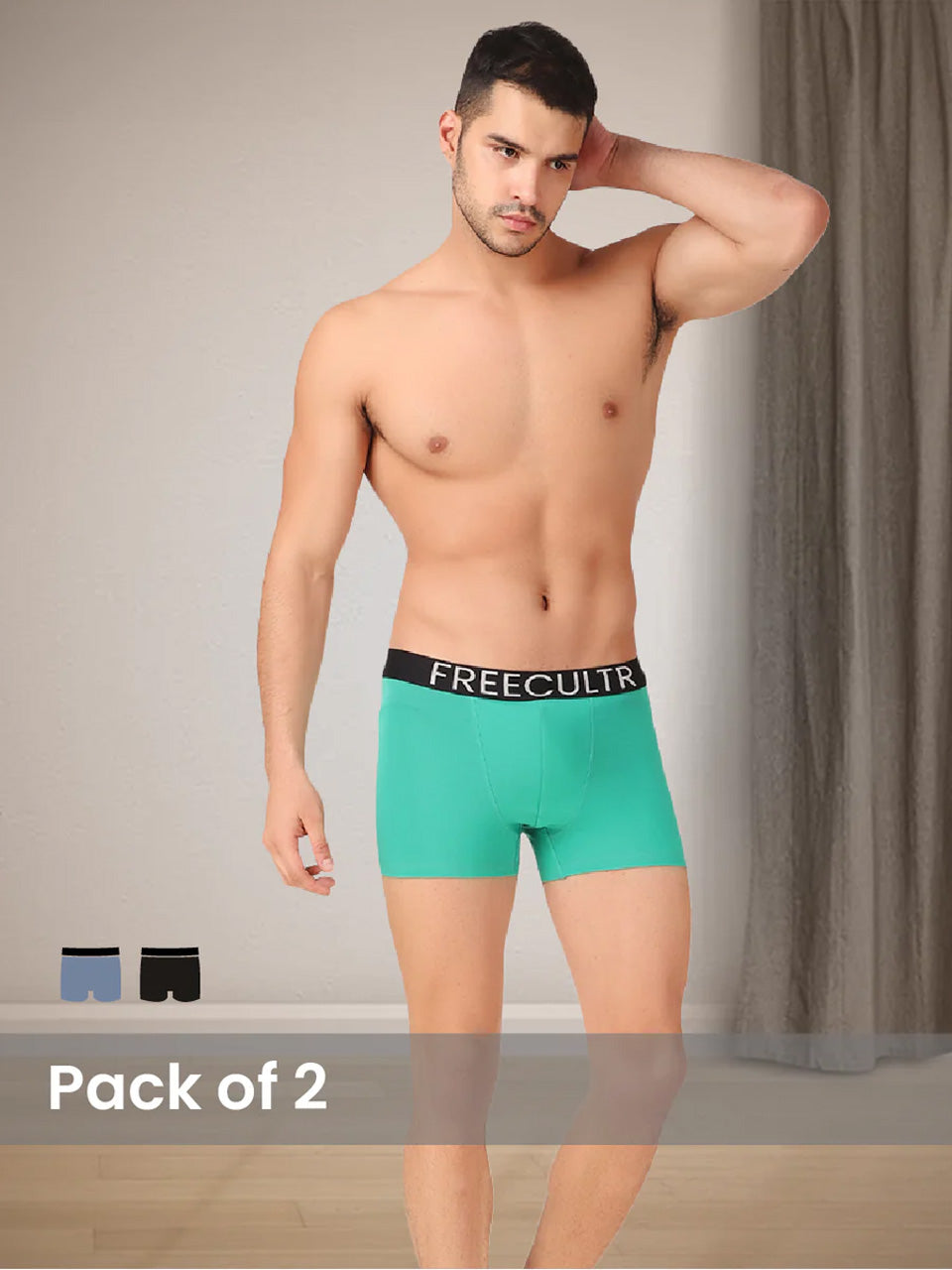
For instance, their performance boxer briefs are a standout. The fabric blend they use is incredibly soft yet robust, providing exceptional moisture-wicking that keeps you feeling dry even during intense sessions. The fit is snug and supportive without being restrictive, which is exactly what you want for a comfortable workout. I've found that the seams are well-constructed and lie flat, virtually eliminating any chafing issues, which is a common problem with lesser quality innerwear.
Beyond the technical aspects, freecultr's commitment to comfort and durability is evident. Their thermal base layer tops and bottoms often feature soft, brushed interiors that add a noticeable layer of warmth without adding bulk. They've clearly considered the needs of active individuals, from the stretch of the fabric allowing for full range of motion to the way the garments hold up wash after wash. If you're looking to upgrade your winter gym innerwear and want reliable, high-performing options, freecultr is definitely a brand worth exploring. They consistently deliver on keeping you warm, dry. comfortable, allowing you to focus on crushing your fitness goals.
Maintaining Your Winter Performance Gear: Care Tips for Longevity
Your high-performance innerwear is an investment in your comfort and performance. Proper care ensures it lasts longer and continues to perform optimally. Here are some key tips:
- Read the Label Always start by checking the care instructions on the garment's tag. Different fabrics have different needs.
- Wash Cold, Gentle Cycle Hot water can degrade elastic fibers and damage technical fabrics. Use cold water and a gentle cycle to protect your innerwear.
- Use a Mild Detergent Harsh detergents, especially those with fabric softeners or bleach, can clog the pores of moisture-wicking fabrics, reducing their effectiveness. Opt for a sports-specific or mild, bleach-free detergent.
- Avoid Fabric Softeners Fabric softeners can leave a residue that clogs the fibers of your innerwear, impairing their ability to wick moisture and breathe. Skip them entirely for your performance gear.
- Air Dry or Tumble Dry Low High heat from dryers can damage elastic and synthetic fibers, leading to shrinkage or loss of shape. Air drying is always best. If you must use a dryer, select the lowest heat setting.
- Wash Inside Out Turning your garments inside out can help protect the outer surface from abrasion during washing and preserve any technical treatments.
Common Pitfalls to Avoid When Choosing Winter Gym Innerwear
While the goal is to stay warm and perform, it's easy to make mistakes when selecting your winter gym clothes. Here are a few common pitfalls to steer clear of:
- Wearing Cotton as a Base Layer This is arguably the biggest mistake. Cotton absorbs moisture and holds it against your skin. Once wet, it loses all insulating properties and will make you feel cold and clammy – the exact opposite of what you want in winter.
- Choosing the Wrong Fit Innerwear should be snug but not uncomfortably tight. If it's too loose, it won't effectively wick moisture or trap warm air. If it's too tight, it can restrict movement and blood flow.
- Ignoring Specific Activity Needs Are you doing a high-intensity HIIT session, or a slower, restorative yoga class? Your innerwear choice might differ. Higher intensity generally requires more aggressive wicking, while lower intensity might prioritize consistent warmth.
- Over-Layering While layering is good, too many layers can lead to overheating and excessive sweating, which ironically can make you colder in the long run. Start with effective innerwear and add layers judiciously.
- Neglecting Quality Cheap innerwear often sacrifices fabric technology and construction, leading to poor moisture management, chafing. quick wear and tear. Investing in quality pays off in comfort and performance.
Conclusion
Mastering your winter workout doesn't mean enduring the cold; it means strategically dressing for success. Remember, the core principle is smart layering: a moisture-wicking base, an insulating mid-layer. a protective outer shell. This adaptable system is crucial for regulating body temperature, preventing both overheating and chilling. For instance, I recently found that a well-fitting thermal base layer, combined with a breathable technical jacket, completely transformed my early morning runs. It’s about more than just warmth; it’s about maintaining peak performance and comfort, allowing you to push your limits even when the mercury drops. Don't let the season be an excuse; embrace the challenge by consciously choosing gear designed for winter athleticism. Seriously consider the fabric technology and fit – it truly makes a palpable difference in your stamina and overall experience. From personal experience, investing in quality apparel, like the innovative offerings from freecultr, truly elevates your winter fitness journey. Their focus on effective materials ensures you stay comfortable and focused on achieving your goals. So, go ahead, gear up wisely. let nothing deter you from your fitness aspirations this winter.More Articles
Briefs for Men – Enhanced Fit & Breathable FabricMen's Briefs – Superior Support & All-Day Freshness
Women's Tank Top – Effortless Style & All-Day Comfort
How to Find the Right Underwear Size Using an Online Size Chart? – Ensure Perfect Fit & Maximize Comfort
Indian Populations Fashion Trends – Cultural Richness, Modern Versatility & Comfort for Every Climate

FAQs
Why bother with special winter gym clothes?
Investing in specific winter gym gear keeps you warm, prevents chills. helps maintain muscle flexibility. This means you're less likely to get injured and can focus better on your workout, leading to better performance and more consistent training through the colder months.
What kind of fabrics should I look for to stay warm but not overheat?
Look for moisture-wicking base layers made from synthetic materials like polyester or polypropylene. For mid-layers, fleece or thermal fabrics are great for insulation. Avoid cotton as a base layer, as it absorbs sweat and stays wet, making you feel colder.
How many layers are usually best for a winter workout?
A three-layer system is often ideal: a moisture-wicking base layer to manage sweat, an insulating mid-layer (like a fleece or thermal top) for warmth. an outer layer if you're exercising outdoors to protect against wind and rain. For indoor gyms, you might only need one or two layers depending on the heating.
I sweat a lot. How do winter gym clothes handle that?
That's where moisture-wicking fabrics shine! They pull sweat away from your skin to the fabric's outer surface, where it can evaporate quickly. This keeps your skin dry and helps regulate your body temperature, preventing that clammy, cold feeling after a good sweat.
Are regular sweatpants and hoodies good enough for the gym in winter?
While they might seem warm initially, regular cotton sweatpants and hoodies aren't ideal for intense workouts. Cotton absorbs sweat and takes a long time to dry, which can make you feel cold and uncomfortable. Performance-oriented winter gym clothes are designed to wick moisture and provide warmth without bulk.
What about accessories like hats, gloves, or warm socks for winter workouts?
Absolutely crucial, especially if you're exercising outdoors or in a very cold gym. You lose a lot of heat through your head, hands. feet. Thermal hats, gloves. merino wool or synthetic blend socks can make a huge difference in keeping your extremities warm and comfortable.
Does wearing the right gear really make a difference in my performance?
Definitely! When you're comfortably warm and dry, your muscles stay supple, reducing the risk of strains. You're not distracted by being cold or clammy, which allows you to maintain focus and intensity throughout your session. Good gear enhances your comfort, safety. ultimately, your effectiveness.